We'll only email you about this product — no marketing.
Qnubu Extraction Paper for Rosin Pressing
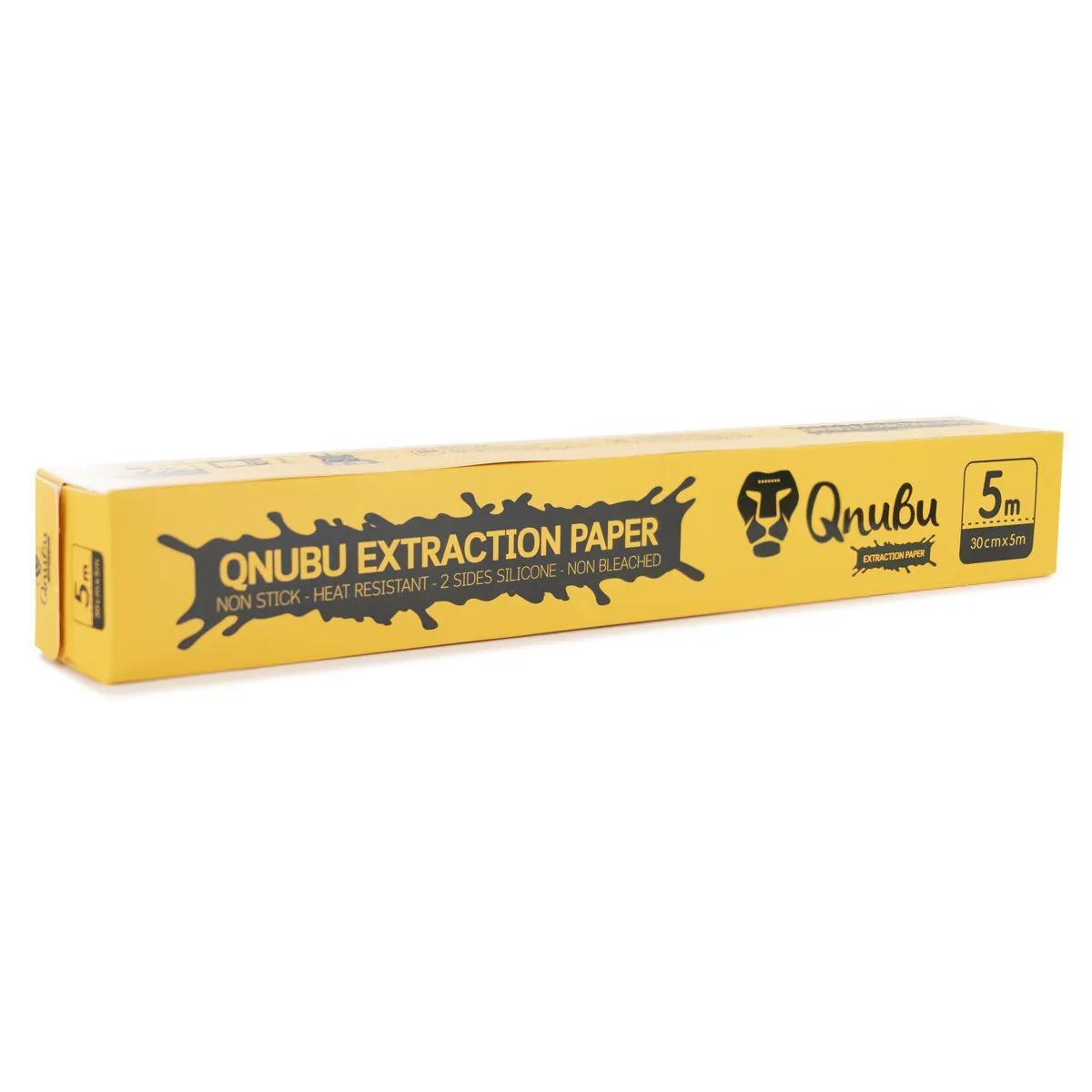
Qnubu Extraction Paper is a dual-silicone-coated parchment roll designed specifically for solventless rosin extraction. At 30 cm wide and 5 metres long, a single roll covers dozens of presses before you need a replacement. Made by Qnubu — a Barcelona-based brand known for their rosin presses — this paper handles the heat and pressure that regular baking parchment simply cannot.
Why Dedicated Rosin Extraction Paper Matters
Standard baking parchment tears, sticks, and sometimes transfers chemical residue onto your extract. We've seen it happen more times than we can count — someone uses supermarket parchment, cranks up the press, and ends up scraping waxy residue off torn paper instead of collecting clean rosin. The dual silicone layering on Qnubu's paper is the difference. It creates a non-stick barrier on both sides that holds up under the sustained heat and tonnes of pressure a rosin press delivers.
Rosin extraction — the technique of pressing cannabis flower or hash between heated plates to squeeze out essential oils without any solvents — only works well when every component is up to the job. Your press can be spot-on, your flower perfectly cured, but if the paper fails, you lose product. Qnubu designed this paper to pair with their own presses, but it works with any brand: manual, hydraulic, or pneumatic. The 30 cm width accommodates most standard press plate sizes without needing to trim, and at 5 metres you can cut sheets to whatever length suits your setup.
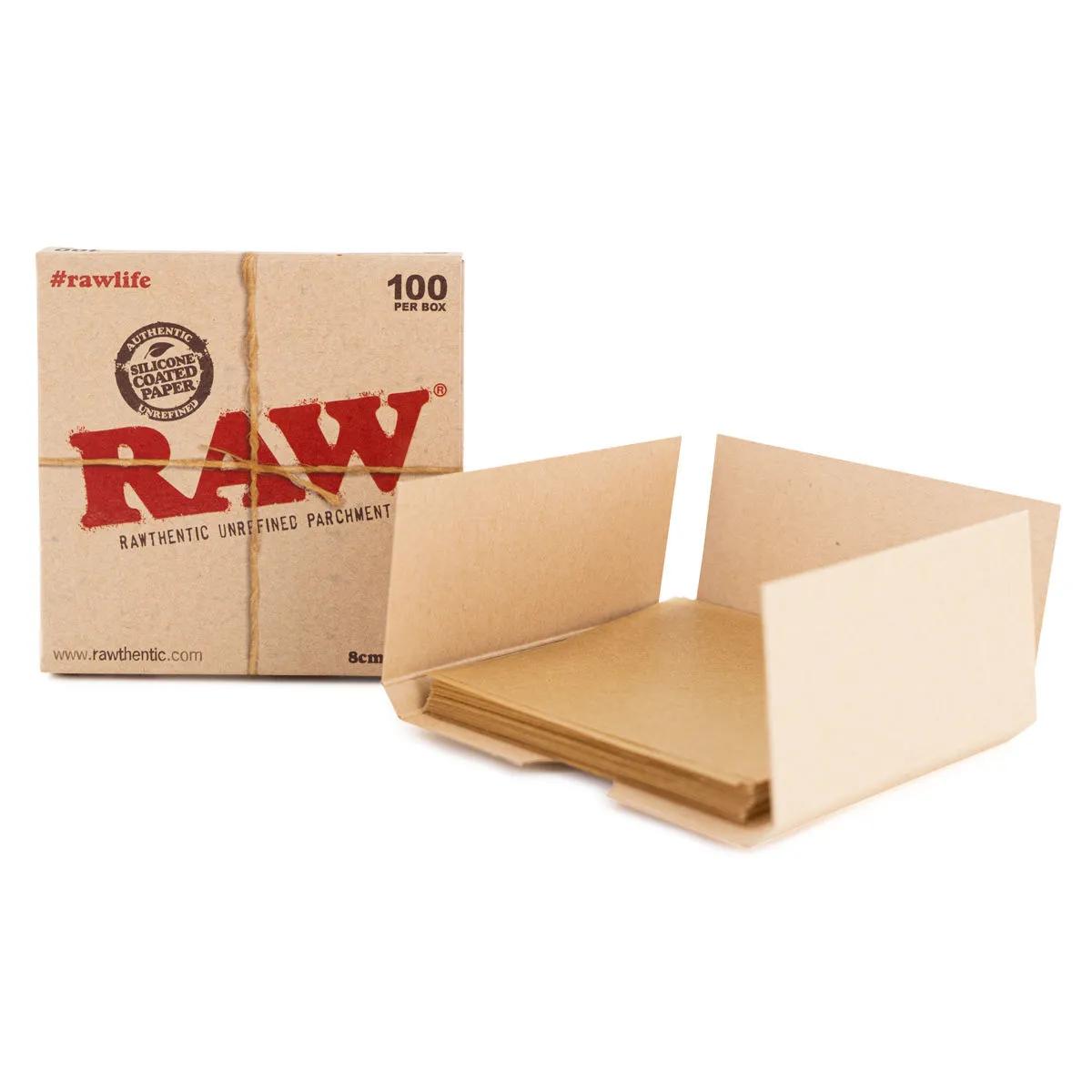
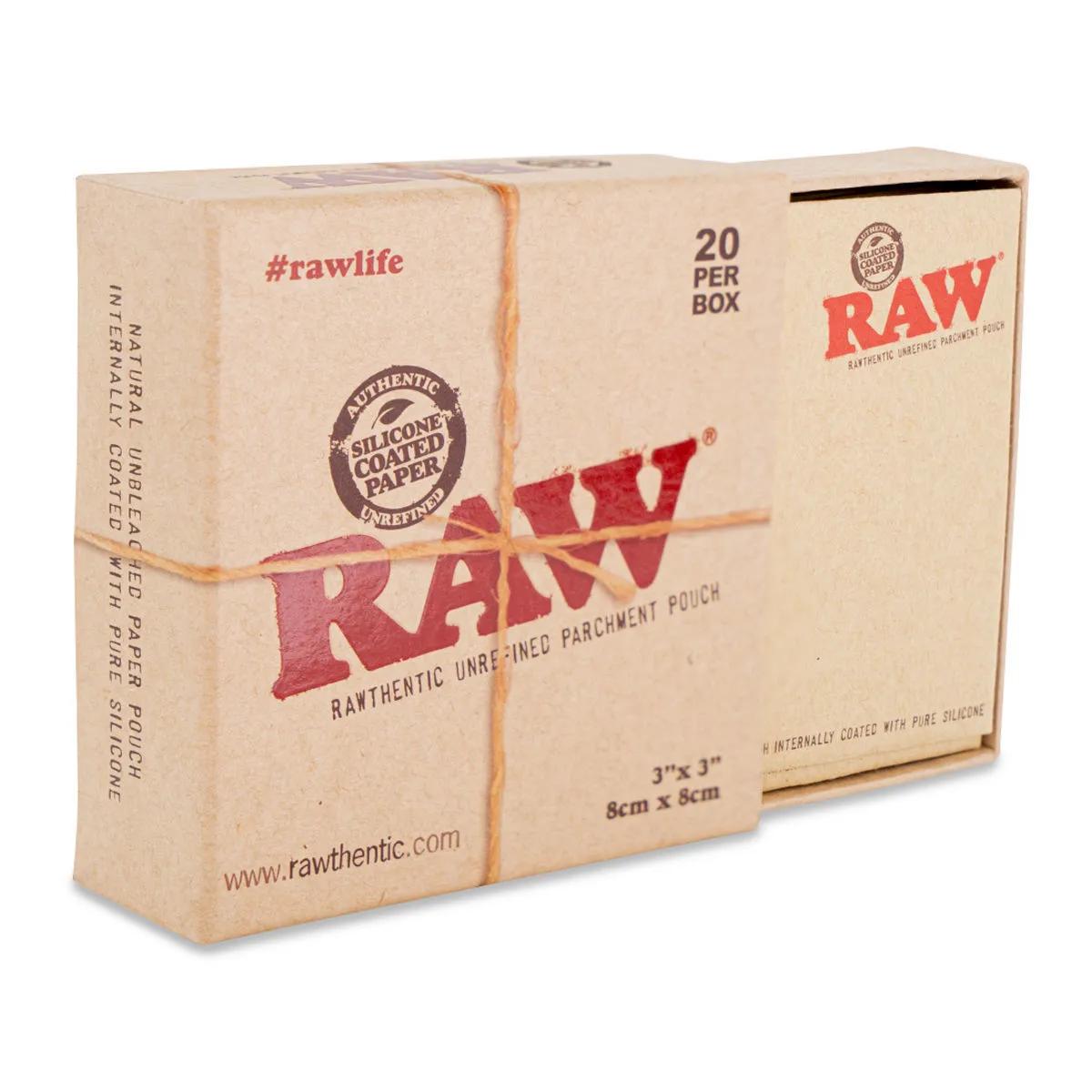
One honest limitation: this is a roll, not pre-cut sheets. You'll need scissors or a blade to size your pieces before each press. It takes about five seconds, but if you're doing high-volume pressing, Qnubu also makes pre-cut 10x10 cm sheets in packs of 100 for faster workflow. For most home pressers, though, the roll is the better value — you get far more paper per purchase and can cut larger sheets when you need them.
Specifications
| Spec | Value |
|---|---|
| Brand | Qnubu |
| Width | 30 cm |
| Length | 5 metres |
| Coating | Dual silicone (both sides) |
| Compatibility | All rosin press brands |
| Format | Roll (cut to size) |
| SKU | HS0874 |
| Origin | Barcelona, Spain |
Complete your pressing setup: pair this extraction paper with a Qnubu rosin press for a matched combination from the same manufacturer. If you're collecting your finished rosin, silicone containers keep extracts fresh and make handling far easier than glass jars.
How to Use Qnubu Extraction Paper
The process is straightforward — no special technique required. Here's the step-by-step:
- Cut a sheet from the roll large enough to fold over your material with at least 3-4 cm of margin on all sides. For a standard press with 10x10 cm plates, a piece roughly 20 cm long works well.
- Fold the sheet in half so the silicone-coated surfaces face inward, creating a pocket.
- Place a nugget or small amount of flower (typically 1-3 grams per press) in the centre of the folded sheet. Don't overload it — a thin, even layer extracts more efficiently than a thick clump.
- Position the folded paper between the heated plates of your rosin press, making sure the material sits squarely between the plates.
- Apply pressure according to your press settings. Most home presses operate between 80°C and 120°C with 1-5 tonnes of force. Hold for 30-90 seconds depending on temperature and material.
- Release the press and carefully remove the paper. The rosin will have squeezed outward from the flower and collected on the inner surfaces of the paper.
- Allow the paper to cool for 20-30 seconds, then use a dabber tool to collect the rosin from the silicone surface. It should peel away cleanly without sticking.