Qnubu Rosin Press Bags — Solvent-Free Extraction in Your Own Kitchen
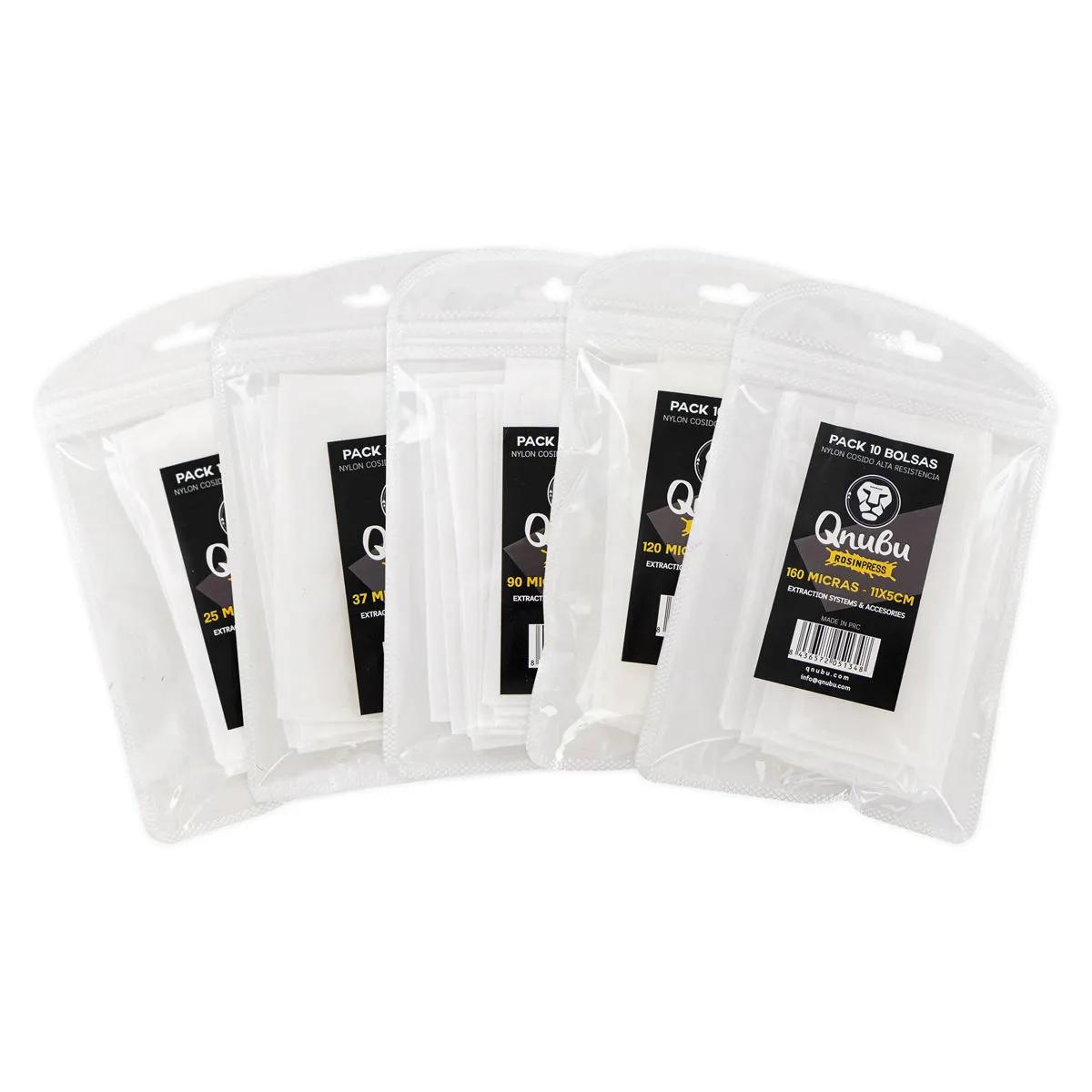
The Qnubu Rosin Press Bag is a food-grade nylon mesh bag designed for solventless cannabis extraction using heat and pressure. Pack your material in, press it flat, and collect pure rosin on the other side — no butane, no CO2, no lab equipment. Just clean oil squeezed straight through the mesh. Available in five micron sizes (25μm, 37μm, 90μm, 120μm, 160μm), each pack contains 10 bags measuring 11 x 5cm.
Which Micron Size Do You Need?
The micron rating tells you how fine the mesh is — lower numbers mean smaller holes and purer output, but slightly less yield. Higher numbers let more plant material through, giving you bigger returns with a touch more plant matter in the final product. Here's the breakdown:
| Micron Size | Best For | Yield vs Purity |
|---|---|---|
| 25μm | Bubble hash, dry sift — ultra-clean rosin | Lowest yield, highest purity |
| 37μm | Bubble hash, kief — very clean output | Low yield, very high purity |
| 90μm | Flower rosin — the all-rounder | Balanced yield and purity |
| 120μm | Flower rosin — slightly more generous | Higher yield, good purity |
| 160μm | Dry, cured flower — maximum extraction | Highest yield, more plant material |
If you're pressing flower for the first time, start with 90μm. It's the sweet spot most home pressers land on — enough filtration to keep the rosin clean, enough flow to get a decent return. If you're working with bubble hash or kief, drop down to 25μm or 37μm for that glass-like clarity.
| Specification | Detail |
|---|---|
| Brand | Qnubu |
| Material | Food-grade nylon mesh |
| Bag dimensions | 11 x 5cm |
| Available micron sizes | 25μm, 37μm, 90μm, 120μm, 160μm |
| Pack quantity | 10 bags |
| Extraction method | Heat and pressure (rosin technique) |
| Solvents required | None |
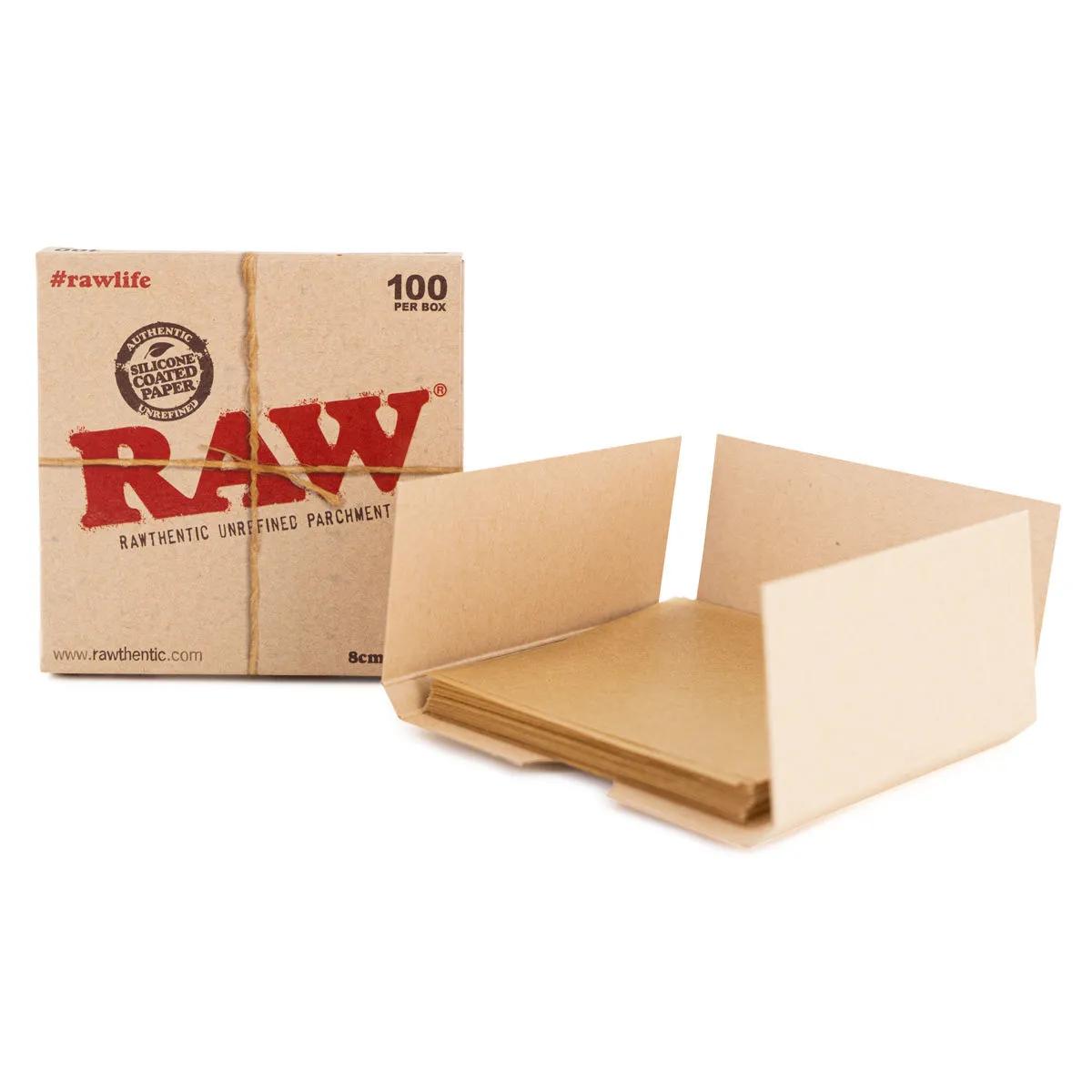
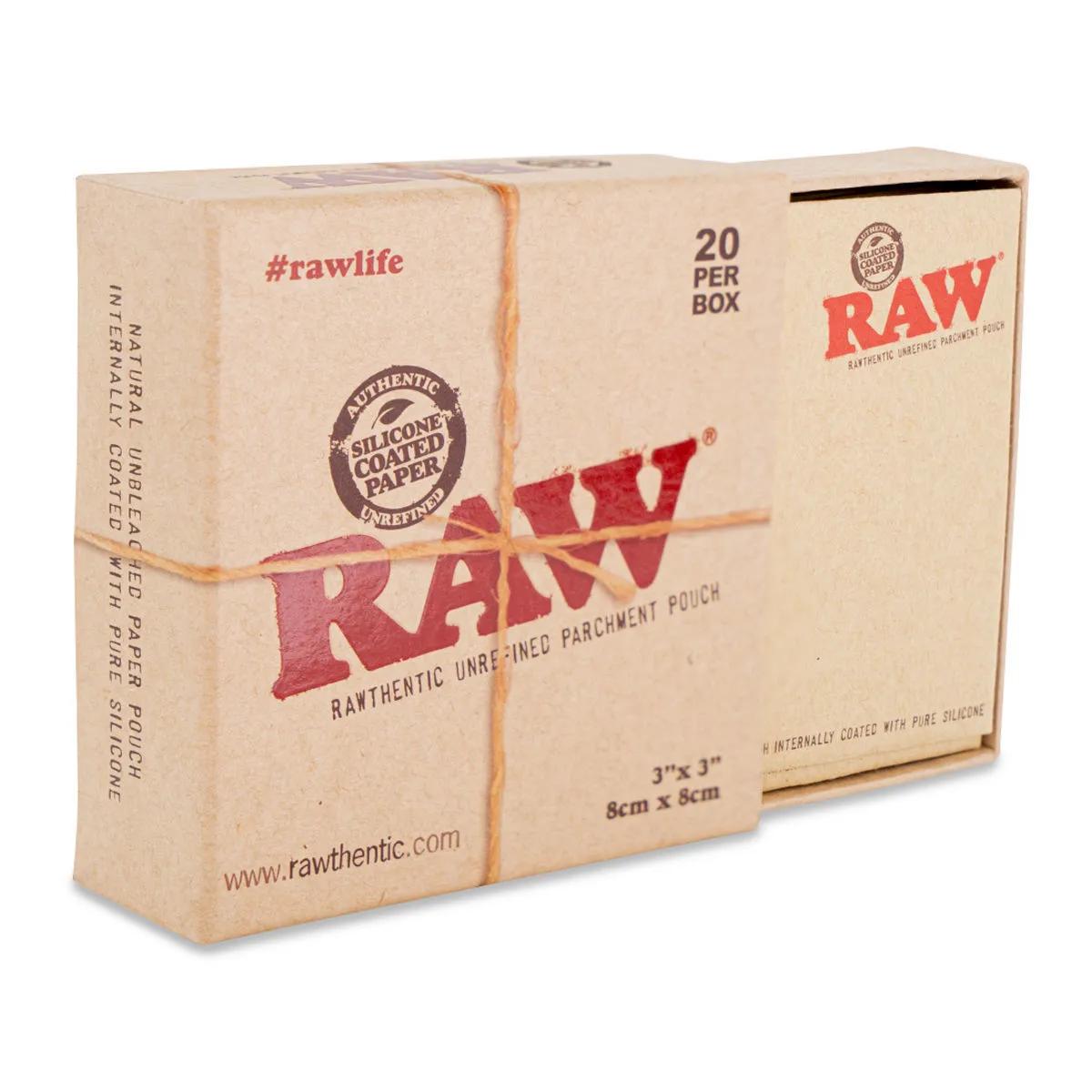
Complete your rosin setup with a Qnubu rosin press — their manual presses generate up to 300kg of force across 12 x 6cm plates, which is more than enough for these bags. You'll also want parchment paper for collection and a dab tool for handling the finished product. Already pressing? A silicone dab mat keeps your workspace clean and makes scraping up every last bit of rosin much easier.
Why Rosin Press Bags Make the Difference
You can technically press rosin without a bag. People do it all the time — fold some flower into parchment, squeeze, and hope for the best. The problem? You end up with plant matter in your extract. Little bits of leaf, tiny fragments of stem, all mixed into what should be clean oil. It dabs poorly, tastes harsh, and clogs up your rig faster than you'd like.
A rosin press bag acts as a filter between your starting material and the collection paper. When heat and pressure force the essential oils out of the plant, they pass through the nylon mesh while the solid plant matter stays trapped inside the bag. The result is visibly cleaner — you can see the difference immediately. Lighter colour, better consistency, and a flavour profile that actually reflects the terpenes in your strain rather than the taste of burnt chlorophyll.
These Qnubu bags are made from food-grade nylon, which matters more than you'd think. Cheaper bags made from polyester or low-grade mesh can degrade under heat, potentially leaching into your extract. At the temperatures and pressures involved in rosin pressing — Qnubu recommends around 90°C with 60 seconds of pressing time — you want a material that holds its shape and doesn't contaminate the output. The nylon mesh on these stays intact press after press. We've handled them after use and the weave stays tight; they don't stretch out or blow open under pressure like some of the budget options we've seen floating around.
The honest limitation: these are single-use bags. You can try to reuse them, but the mesh gets clogged with plant material after one press, and cleaning them properly without damaging the weave is more hassle than it's worth. At 10 per pack, you'll want to stock up if you're pressing regularly — figure one bag per press session as your baseline.
How to Use Qnubu Rosin Press Bags
- Choose your micron size based on your starting material. Flower goes in 90μm–160μm bags. Bubble hash and kief go in 25μm–37μm bags. When in doubt, 90μm covers most situations.
- Break up your material and pack it tightly into the bag. Don't overstuff — leave about 1cm of space at the top so you can fold it closed. The tighter the pack, the more even the extraction. Loose material creates channels where pressure escapes instead of pushing oil through the mesh.
- Fold the open end of the bag over twice to seal it. Some people use a small piece of tape to hold it shut, but a firm fold works fine if you're placing it seam-side-up on the press.
- Cut a piece of parchment paper (unbleached, food-grade) large enough to fold around the bag with at least 5cm of paper extending past each edge. This is where your rosin collects — skimp on paper and you lose product off the sides.
- Set your press plates to approximately 90°C. If your press has a temperature readout, let it stabilise before pressing. Too hot and you'll darken the rosin and lose volatile terpenes. Too cool and the oil won't flow properly.
- Place the wrapped bag between the plates and apply pressure gradually. A slow squeeze over 5–10 seconds, then hold for about 60 seconds total. You'll see the rosin seep out onto the parchment — that's what you're after.
- Release the press, remove the parchment, and let it cool for a moment. Qnubu recommends placing the rosin directly in the freezer after pressing — cold rosin is much easier to collect and handle than warm, sticky rosin.
- Use a dab tool or collection blade to scrape the rosin off the parchment. Store in a glass or silicone container away from heat and light.