We'll only email you about this product — no marketing.
PTFE Film for Extraction — Your Non-Stick Base for Clean Dabs
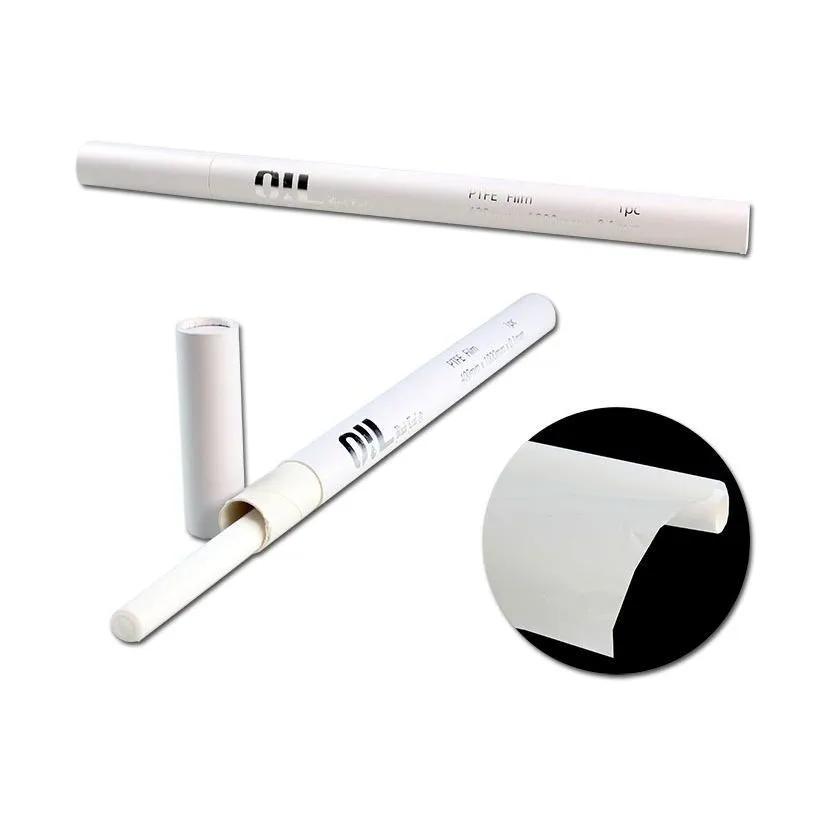
The Oil Black Leaf PTFE Film for Extraction is a medical-grade polytetrafluoroethylene (PTFE) sheet designed as a non-stick surface for oil and wax extractions. At 1000 x 400mm and just 0.1mm thick, it gives you a generous, reusable workspace that shrugs off solvents, heat, and sticky residues — so you spend less time scraping and more time enjoying clean extracts.
Why a Dedicated PTFE Extraction Film Matters
A proper extraction surface is the difference between a clean, flavourful dab and a sticky mess you end up binning half of. We've seen people try parchment paper, silicone mats, even cling film — and every single time, they lose product. Parchment paper absorbs terpenes. Cheap silicone degrades with solvent contact. Cling film? Don't even think about it.
This Oil Black Leaf PTFE film solves the problem at the source. PTFE — the same stuff they coat surgical instruments with — is 100% resistant to both alcohol and ethanol, and it handles butane gas and dimethyl ether without breaking down. Nothing sticks to it. You lay your extract out, let it purge, scrape it up, and virtually everything comes off the surface. The film itself weighs next to nothing, so it won't throw off your yield measurements either.
The one honest limitation: at 0.1mm, it's tough but not rigid. You'll want a flat, stable surface underneath — a glass slab or a baking tray works well. Don't try to hold it in mid-air like a hammock. It'll flex, and your concentrate will pool in the middle. Lay it flat, keep it supported, and it'll serve you through dozens of sessions.
Specifications for the Oil Black Leaf PTFE Film
| Spec | Value |
|---|---|
| Brand | Oil Black Leaf |
| Material | Medical-grade PTFE (polytetrafluoroethylene) |
| Dimensions | 1000 x 400mm |
| Thickness | 0.1mm |
| Temperature range | -60°C to 260°C |
| Solvent resistance | Alcohol, ethanol, butane gas, dimethyl ether |
| Colour | White / opaque |
| SKU | HS1186 |
| Reusable | Yes — wash with water and detergent |
| Cuttable | Yes — trim to any size with scissors |
Complete your extraction setup with a butane gas torch for precision heating and a dab tool set for clean collection. If you're running a full rig, browse our dab rigs and tools section — the right glass piece makes a real difference to flavour and airflow.
How to Use PTFE Film for Oil and Wax Extraction
- Cut the PTFE film to size if needed — the full 1000 x 400mm sheet is generous, so trim it to fit your tray or work surface. Standard scissors do the job.
- Lay the film flat on a solid, level surface. A glass slab, a stainless steel tray, or even a clean ceramic tile all work. The key is rigidity underneath.
- Run your extraction as normal — whether you're using butane gas or dimethyl ether, the PTFE film handles both without degrading or absorbing anything.
- Allow your extract to purge and dry on the film. The non-stick surface means you can spread it thin for faster solvent evaporation without losing product.
- Once dry, use a razor blade or dab tool to scrape your concentrate off the PTFE surface. You'll notice how cleanly it lifts — barely any residue left behind.
- Clean the film after each session with warm water and a drop of washing-up liquid. Pat dry or air dry. Store flat or loosely rolled — don't fold it sharply.
PTFE Safety at a Glance
PTFE is widely recognised as non-toxic and chemically inert under normal conditions. According to research published in PMC, PTFE is used extensively in medical implants and surgical applications due to its biocompatibility and resistance to biological degradation (PMC, 2023). The material has no known drug interactions and poses no risk through skin contact. The only scenario where PTFE becomes problematic is extreme overheating above 300°C — well beyond the 260°C ceiling of this product's rated range. At the temperatures involved in dab extraction and purging, you're nowhere near that threshold.
Frequently Asked Questions
Is PTFE film safe for extraction work?
Yes. PTFE is chemically inert and non-toxic under normal use. It's the same material used in medical-grade implants and surgical tools. At extraction temperatures — typically well below 260°C — there's zero risk of degradation or off-gassing from the film.
Can I reuse PTFE film after extraction?
Absolutely. Wash it with warm water and a bit of detergent, let it dry, and it's ready for the next session. We've heard from customers reusing the same sheet for months. Avoid sharp folds and abrasive scrubbing to keep the surface intact.
What's the difference between PTFE film and silicone dab mats?
PTFE is fully resistant to butane, dimethyl ether, alcohol, and ethanol. Silicone can swell or break down with prolonged solvent exposure. For solvent-based extractions, PTFE is the better option. Silicone mats are fine for handling finished concentrates but not ideal as an extraction surface.
Can I cut this PTFE film to a smaller size?
Yes. The 1000 x 400mm sheet cuts easily with standard scissors. Trim it to match your tray, baking sheet, or whatever flat surface you're working on. No special tools needed.
Will PTFE film melt or warp during extraction?
Not at extraction temperatures. This film is stable from -60°C to 260°C. You'd need specialised industrial equipment to push it beyond that range. Normal butane purging and heat-assisted processing won't affect it at all.
Why is the film white and not transparent?
The opaque white colour is a feature, not a limitation. It gives you clear visual contrast against your extract, making it easier to see consistency, colour, and quantity during collection. It's genuinely more practical than a dark or transparent surface.
How should I store PTFE film between uses?
Store it flat or loosely rolled. Don't fold it into sharp creases — that can create weak points in the 0.1mm material over time. A drawer, a tube, or laid flat inside a tray all work well.
Last updated: April 2026