
Buy more, pay less
Mondo Spore Syringe — Psilocybe Cubensis Ecuador
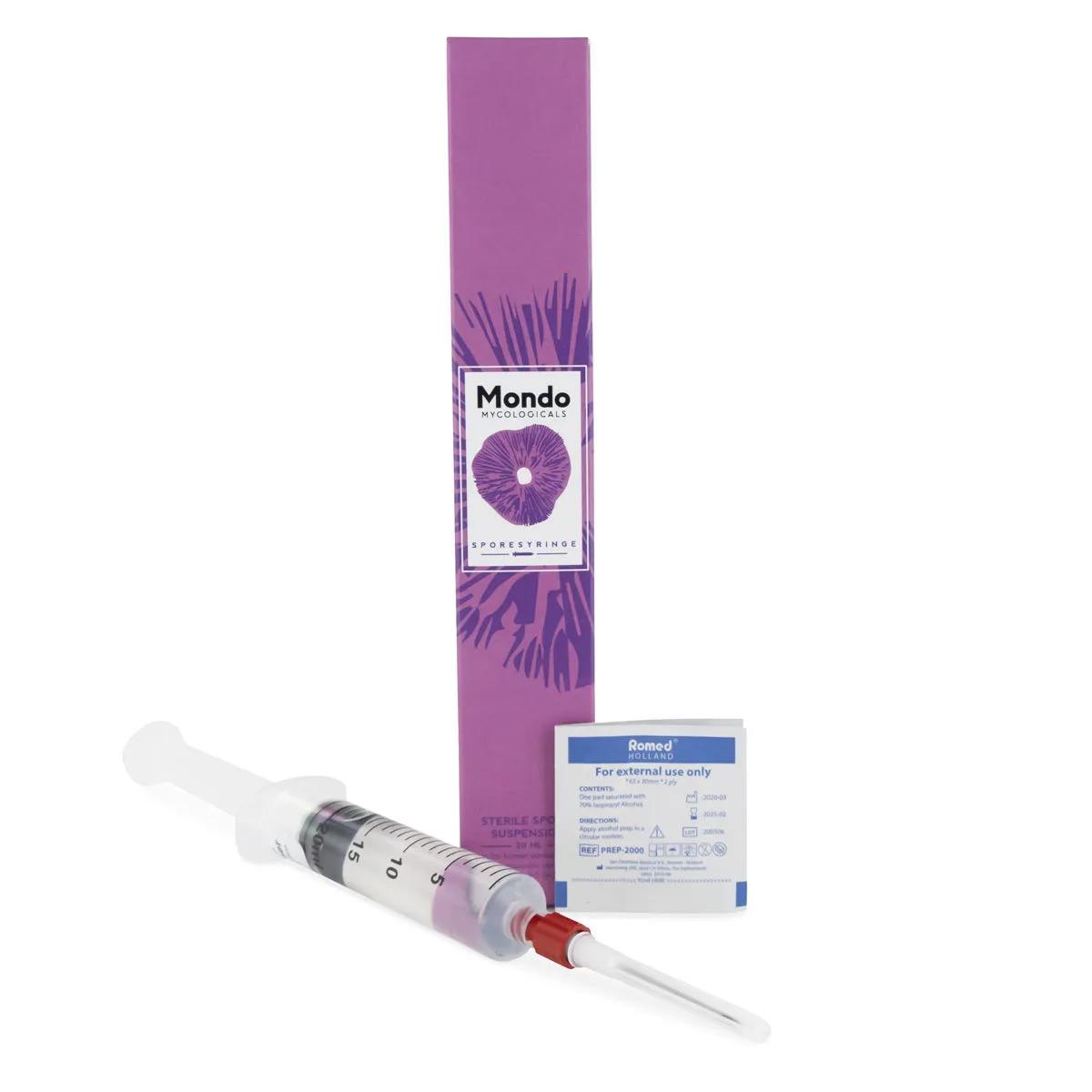
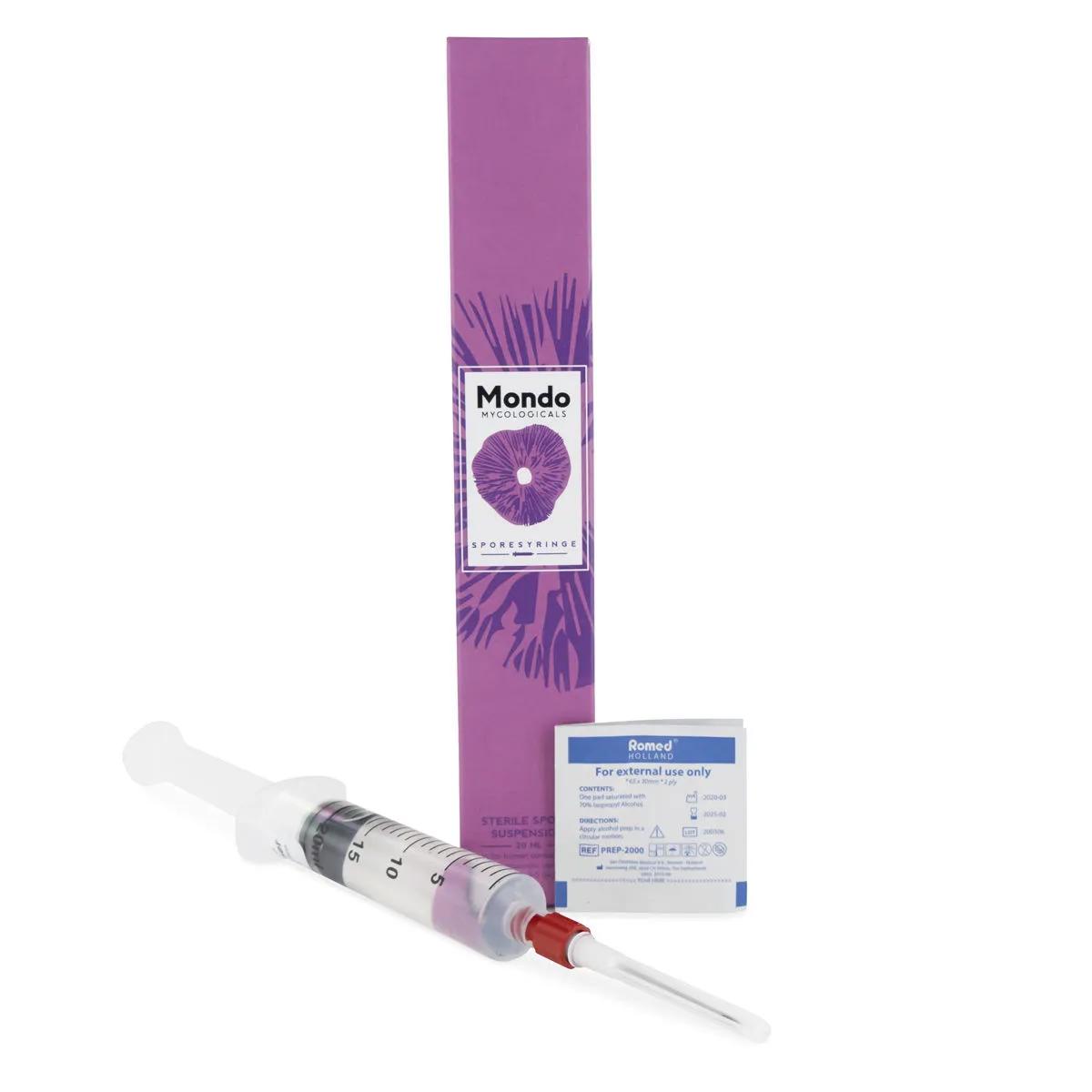
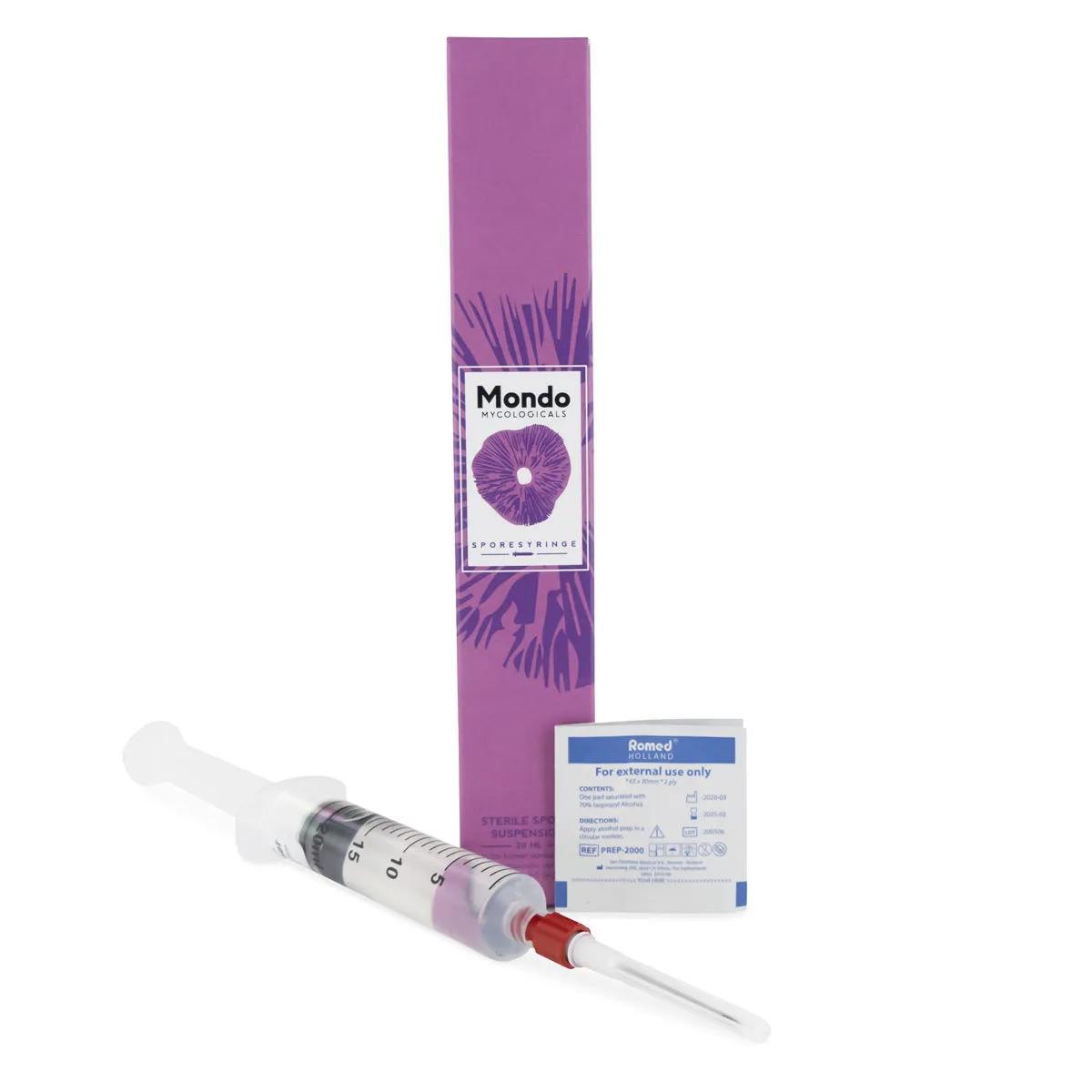
The Mondo Spore Syringe Psilocybe Cubensis Ecuador is a 20ml syringe loaded with spores from a mountain-collected Psilocybe cubensis strain, originally gathered in the Ecuadorean Andes in 2000. If you want a strain that fruits reliably, produces bigger-than-average caps, and leaves very dark spore prints for your next generation of research, Ecuador is one of the most forgiving cubensis varieties you can work with.
Why Ecuador Is the Go-To Cubensis Spore Syringe for New Growers
Ecuador cubensis spores are favoured by inexperienced cultivators for one simple reason: this strain is well domesticated and grows readily without fussing over narrow temperature windows or humidity swings. It was originally collected at altitude in the Ecuadorean Andes — reportedly at the recommendation of a local shaman who told the collector that mountain shrooms are clearer and stronger.
The dark spore prints are worth mentioning too. If you're planning to take prints from your first harvest for future inoculations, Ecuador drops heavy, well-defined prints that make the next round straightforward. For a first-time grower, that kind of reliability removes a lot of the guesswork.
What You Get in the Box
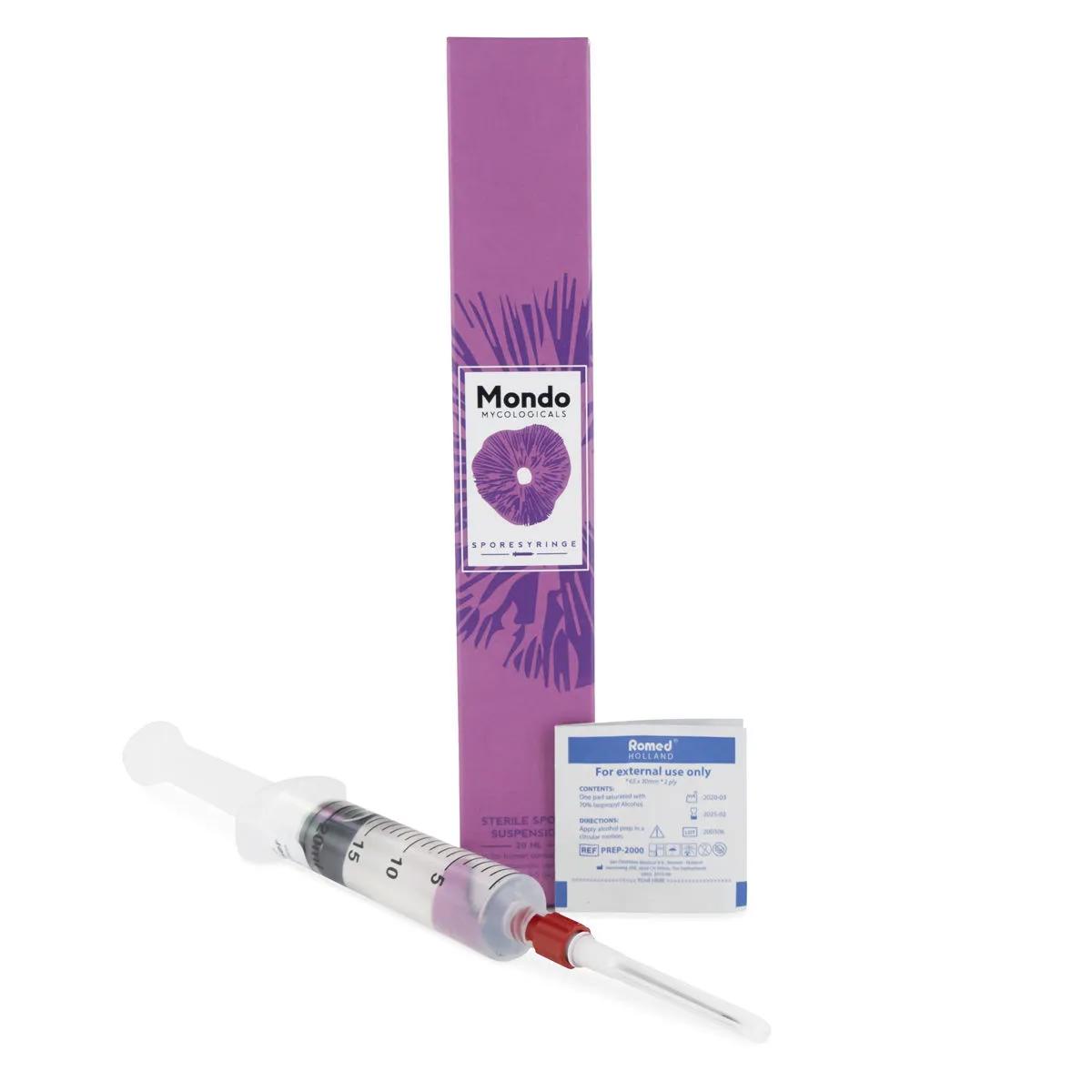
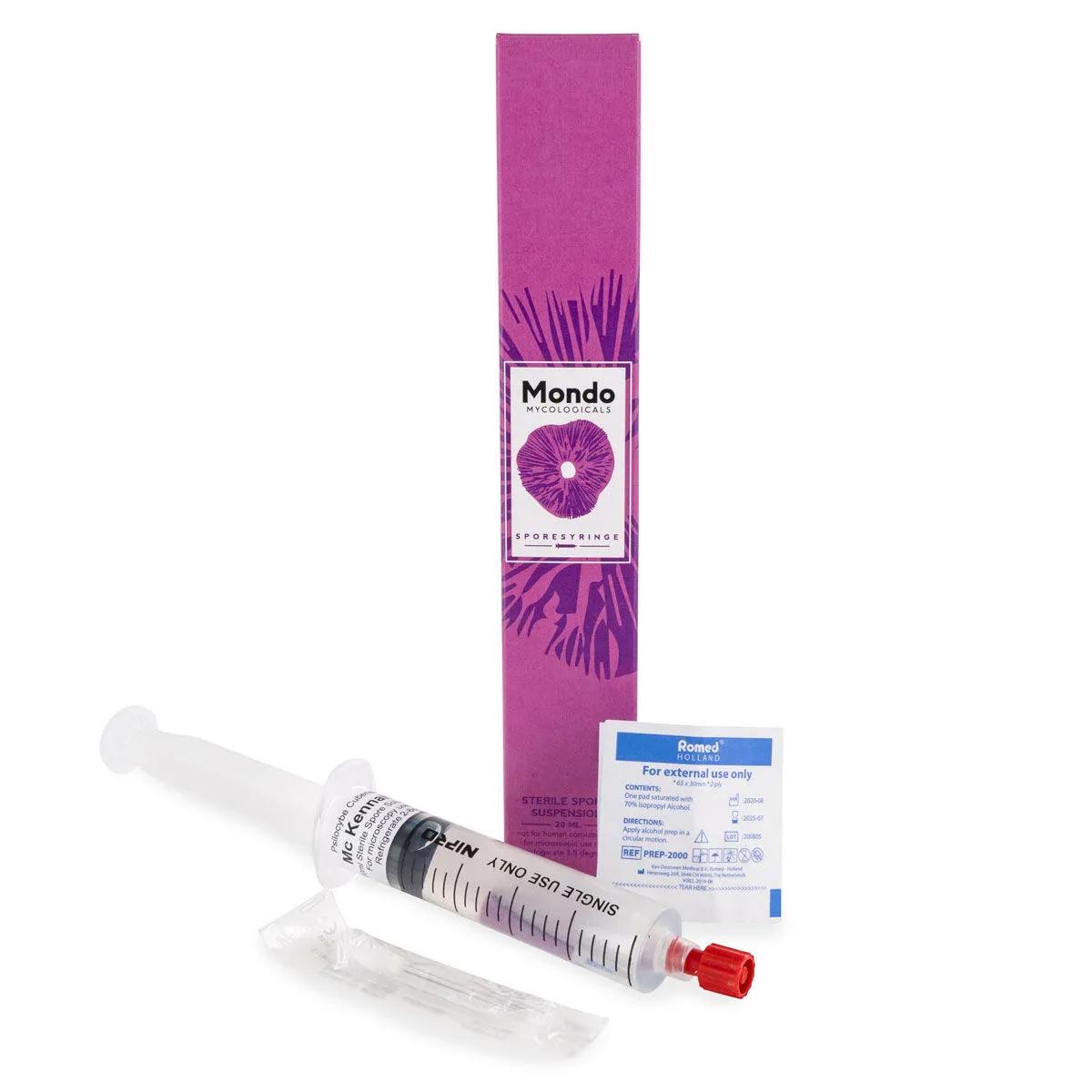
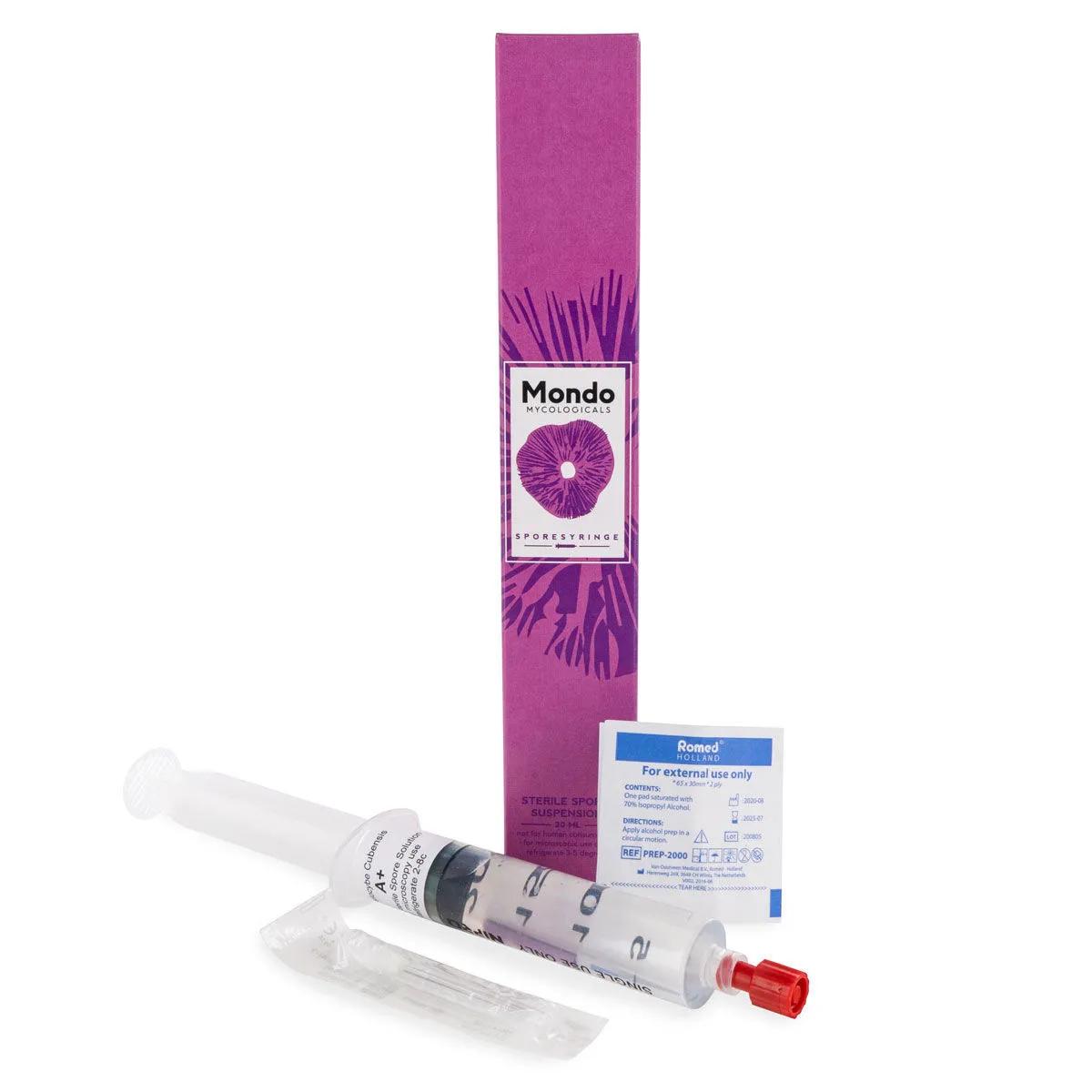
The Mondo Spore Syringe ships as a single 20ml syringe containing Psilocybe cubensis Ecuador spores suspended in sterile water. Each syringe comes with a sterile needle, sealed and ready to use. There's enough solution in one syringe to inoculate multiple jars or bags of grain substrate — typically 3–5ml per litre of substrate is the standard injection volume used by cultivators.
| Specification | Detail |
|---|---|
| Brand | Mondo |
| SKU | SH0020 |
| Species | Psilocybe cubensis |
| Strain | Ecuador |
| Origin | Ecuadorean Andes, collected 2000 |
| Syringe Volume | 20ml |
| Injection Rate | 3–5ml per litre of substrate |
| Includes | Spore syringe + sterile needle |
| Cap Size | Bigger than average for cubensis |
| Spore Print Quality | Very dark, well-defined prints |
| Storage | Refrigerate at 2–8°C for longest viability |
Why You Need This Strain Over Others
We've stocked Ecuador for years, and the reason it stays in the catalogue is consistency. Some cubensis strains look spectacular on paper — exotic origins, wild genetics, dramatic names — but when you actually try to fruit them at home, they stall, contaminate, or produce one thin flush and give up. Ecuador doesn't do that. It colonises grain substrate quickly, transitions to fruiting without drama, and the first flush typically shows within 2–3 weeks of introducing fruiting conditions.
The honest limitation? Ecuador isn't the most visually striking strain. You won't get the dramatic golden caps of a Golden Teacher or the dense clusters of a B+. What you get instead is reliability and yield. The caps are wide, the stems are sturdy, and the overall biomass per flush tends to be higher than fussier varieties. If this is your first grow, that matters more than aesthetics.
Compared to the Mondo Golden Teacher spore syringe, Ecuador is slightly more forgiving with temperature fluctuations. Golden Teacher is the classic all-rounder and probably the most popular cubensis strain worldwide, but Ecuador edges it out for growers who can't maintain a perfectly stable environment — say, a cupboard in a flat without climate control. If you've got a proper setup with a heat mat and thermostat, either strain will perform well. If you're winging it a bit, Ecuador is your safer bet.
How to Use the Mondo Ecuador Spore Syringe
- Sterilise your workspace. Wipe down surfaces with isopropyl alcohol (70%), wear gloves, and ideally work in front of a still-air box or laminar flow hood. We've seen growers lose entire batches to one ungloved hand — contamination is the single biggest cause of failed grows.
- Prepare your substrate. Sterilised grain (rye, wheat berries, or brown rice) in jars or spawn bags works best. The substrate should be at room temperature before inoculation.
- Shake the syringe well for 15–20 seconds. Spores settle during storage, and you want an even distribution throughout the solution.
- Attach the sterile needle. Heat the needle tip with a lighter until it glows red, then let it cool completely before injecting. Be careful not to get too hot near the plastic luer lock — melt that and the syringe is useless.
- Inject 3–5ml of spore solution per litre of substrate. Distribute the solution across 2–4 injection points per jar or bag for even colonisation.
- Seal injection holes with micropore tape. This allows gas exchange while blocking contaminants.
- Store inoculated jars at 24–27°C in darkness. Full colonisation typically takes 2–4 weeks depending on temperature and substrate volume.
- Once fully colonised (100% white mycelium, no bare grain visible), introduce fruiting conditions: fresh air exchange, indirect light, humidity above 90%, and a slight temperature drop to 21–24°C.
- First pins should appear within 5–10 days of introducing fruiting conditions. Harvest just before the veil beneath the cap tears for best results.
Spore Syringes vs. Spore Vials vs. Grow Kits
This comes up constantly, so here's the straight comparison:
| Format | Best For | Skill Level | Time to Harvest |
|---|---|---|---|
| Spore Syringe (this product) | Full cultivation from scratch | Intermediate — you handle sterilisation | 4–7 weeks total |
| Spore Vial | Higher spore density, longer shelf life | Intermediate — same process as syringe | 4–7 weeks total |
| Mondo Grow Kit | Fastest path to harvest, minimal effort | Beginner — add water, maintain humidity | 2–3 weeks |
If you're after the learning experience and want to understand every stage of the mushroom life cycle, the spore syringe is the right call. If you just want mushrooms with minimal fuss, the grow kit is faster and more foolproof.
Complete your cultivation setup with a Mondo Grow Kit Ecuador if you want a fully colonised substrate ready to fruit. For growers inoculating their own grain, a heat mat with thermostat keeps colonisation temperatures stable at 24–27°C — the single biggest factor in avoiding slow or stalled growth. Micropore tape and isopropyl alcohol are the cheap essentials that prevent contamination from ruining your work.
Storage and Shelf Life
Keep the Mondo Ecuador spore syringe refrigerated at 2–8°C from the moment it arrives. Don't freeze it — ice crystals damage spore cell walls and kill viability. In the fridge, expect reliable performance for up to 6 months. At room temperature, that window shrinks to a few weeks at best. The syringe arrives sealed and sterile; don't open it until you're ready to inoculate, and always re-cap the needle with the protective cover between uses if you're inoculating multiple jars in stages.
Frequently Asked Questions
How many jars can I inoculate with one 20ml Mondo spore syringe?
At the standard rate of 3–5ml per litre of substrate, a single 20ml syringe covers roughly 4–6 one-litre jars. If you're using half-litre jars, you can stretch it to 8–12 jars with careful injection.
Do I need a still-air box or laminar flow hood to use this spore syringe?
Strongly recommended. Open-air inoculation is the fastest way to introduce contaminants. A still-air box costs almost nothing to build from a plastic storage tub and dramatically reduces contamination rates. A laminar flow hood is better but overkill for most home growers.
What's the difference between a spore syringe and a liquid culture vial?
A spore syringe contains ungerminated spores in sterile water. A liquid culture contains living mycelium already growing in a nutrient solution. Liquid cultures colonise substrate faster because the mycelium has a head start, but they're also more prone to contamination during production. Spore syringes are the standard starting point for most home cultivators.
Can I use the Ecuador spore syringe with a ready-made Mondo grow kit?
No. Mondo grow kits arrive already inoculated and fully colonised — they don't need additional spores. The spore syringe is for inoculating your own sterilised grain substrate from scratch. Two different products for two different approaches.
How do I know if my spore syringe has gone bad?
Cloudiness or discolouration in the solution is a red flag — healthy spore solution should be clear or very slightly tinted with visible dark spore clumps. Any unusual smell when you uncap the needle suggests bacterial contamination. When in doubt, don't use it on your substrate — one contaminated syringe can ruin an entire batch.
Why should I let the needle cool after flame sterilisation?
A red-hot needle kills spores on contact. If you inject immediately after flaming, you'll sterilise the very spores you're trying to introduce. Wait 15–30 seconds, or touch the needle briefly to the edge of your sterile substrate to cool it. Also avoid overheating near the plastic luer lock — melting it ruins the seal.
Is Ecuador a good strain for taking spore prints?
One of the best. Ecuador produces very dark, dense spore prints that are easy to collect and store. Let a mature cap sit gill-side down on sterile aluminium foil inside a still-air box for 12–24 hours, and you'll get a print heavy enough for multiple future syringes.
Last updated: April 2026
Related products
Medical disclaimer. This content is for informational purposes only and does not constitute medical advice. Consult a qualified healthcare provider before use of any substance.