
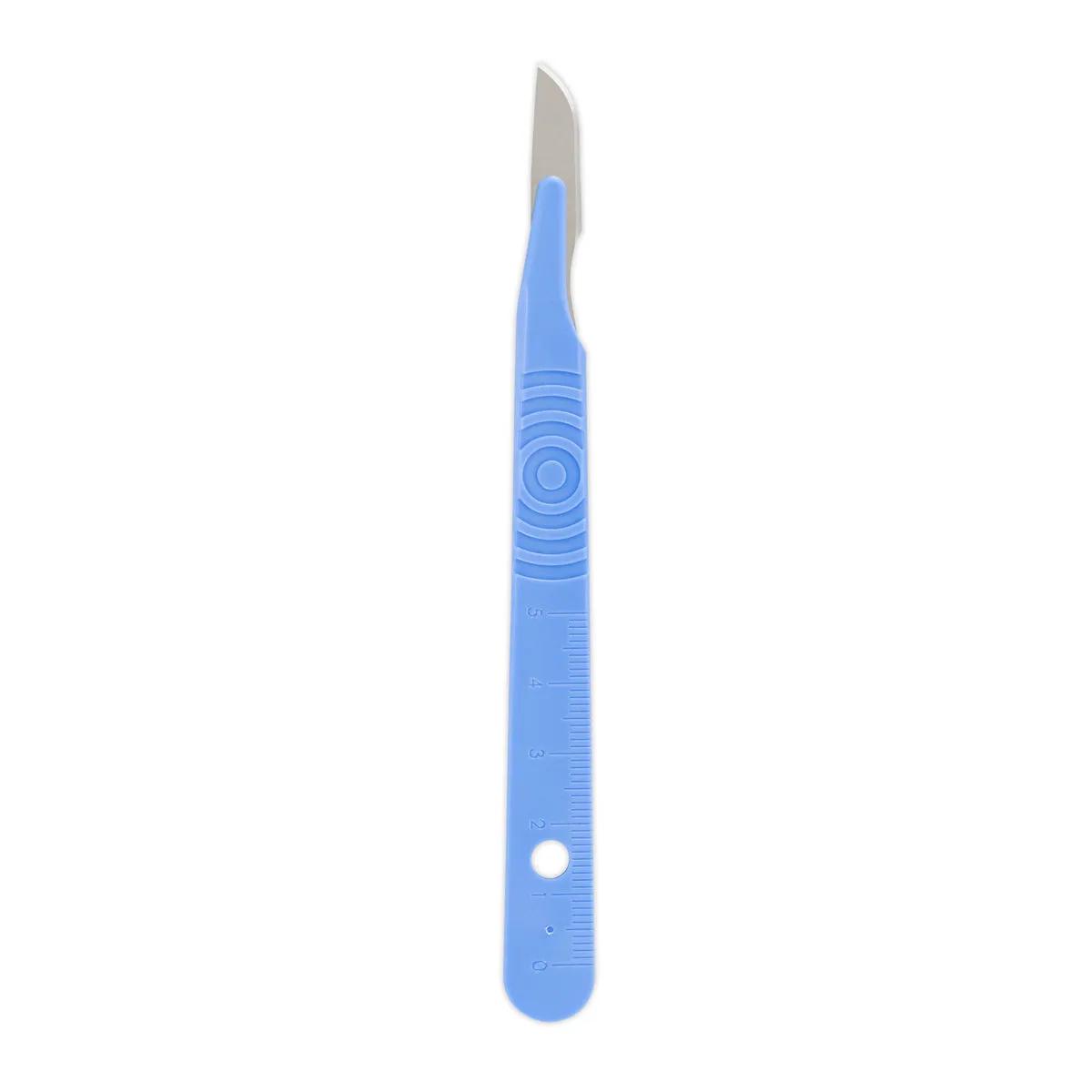
Scalpel
Grow supplies
by Swann-Morton
Sterile Scalpel for Mushroom Cultivation
A sterile scalpel mushroom growers rely on is a single-use precision cutting tool designed for aseptic work with fungi — from tissue cloning to spore scraping. According to published mycology contamination studies, over 70% of failed agar transfers trace back to non-sterile tools or poor technique. If you're doing any hands-on mycology beyond simply soaking a grow kit, this is the tool that sits between a successful transfer and a contaminated petri dish. Lightweight, individually wrapped, and sharp enough to make clean cuts without tearing delicate mushroom tissue. You can buy this sterile scalpel individually or stock up for longer lab sessions.
| Spec | Detail |
|---|---|
| SKU | SH0008 |
| Blade material | Stainless steel |
| Sterility | Pre-sterilised, individually packaged |
| Use type | Single-use (disposable) |
| Primary application | Mushroom tissue transfer, spore scraping |
| Handle | Lightweight plastic with blade slot mechanism |
| Tool | Sterility | Precision | Best for |
|---|---|---|---|
| Disposable sterile scalpel | Factory-sealed sterile | High — surgical-grade edge | 1–5 transfers per session |
| Reusable handle + sterile blades | Requires flame sterilisation | High — same blade profiles | 6+ transfers per session |
| Razor blade | Non-sterile unless autoclaved | Moderate — no handle, less control | Emergency backup only |
| Kitchen knife | Non-sterile | Low — crushes tissue | Not recommended for agar work |
Complete your sterile workspace: pair this scalpel with a still air box or glove box, sterile agar plates, and parafilm for sealing. If you're cloning from a fruit body, you'll also want pre-poured agar dishes and a reliable lighter or alcohol lamp for flame sterilisation of your work surface. Order your agar plates and parafilm alongside the scalpel so everything arrives together.
Why a Sterile Scalpel Matters in Mushroom Growing
Contamination is the single biggest cause of failed mushroom cultures, responsible for an estimated 30–50% of home-lab losses according to community surveys on mycology forums. We've seen growers lose weeks of patience — fully colonised jars, healthy mycelium, the lot — because they grabbed a kitchen knife or a craft blade that hadn't been properly sterilised. A sterile scalpel removes that variable entirely. It arrives sealed, it's sharp from the factory, and you use it once then bin it. No guessing whether your flame sterilisation was thorough enough.
The two main jobs for a sterile scalpel in mushroom cultivation are tissue cloning and spore work. Tissue cloning means cutting a small piece of live inner flesh from a fresh mushroom fruit body and transferring it to agar. You want a blade thin and sharp enough to slice cleanly without crushing the cells — crushed tissue invites bacteria. Research into aseptic technique in small-scale mycology labs shows that clean-cut tissue samples colonise agar plates roughly 40% faster than torn or crushed samples, because intact cell walls resist bacterial invasion more effectively. For spore work, you're scraping a spore print off foil or paper, and a dull or contaminated blade can introduce moulds before you've even closed the dish.
Here's the honest limitation: this is a single-use tool. If you're doing 10 transfers in one session, you'll want 10 scalpels — or at minimum, a reusable handle with fresh blades and a flame sterilisation routine between cuts. For occasional cloning or a single spore scrape, one sterile scalpel does the job cleanly. For heavy lab sessions, stock up. At roughly 15 seconds per transfer — open, cut, seal, dispose — it's the fastest aseptic workflow available to home growers.
How to Use a Sterile Scalpel for Mushroom Work
The correct technique takes under 2 minutes per transfer and requires no prior lab experience. Follow these steps in order, working inside a still air box whenever possible — EMCDDA-funded harm reduction resources and Beckley Foundation publications on psilocybin research both emphasise that sterile technique is non-negotiable when handling fungal cultures.
- Prepare your workspace. Wipe down all surfaces with 70% isopropyl alcohol. If you have a still air box, set it up and let the air settle for 5–10 minutes before opening any sterile equipment. Studies on airborne contaminant settling rates suggest that 90% of suspended particles land within 8 minutes in an enclosed box.
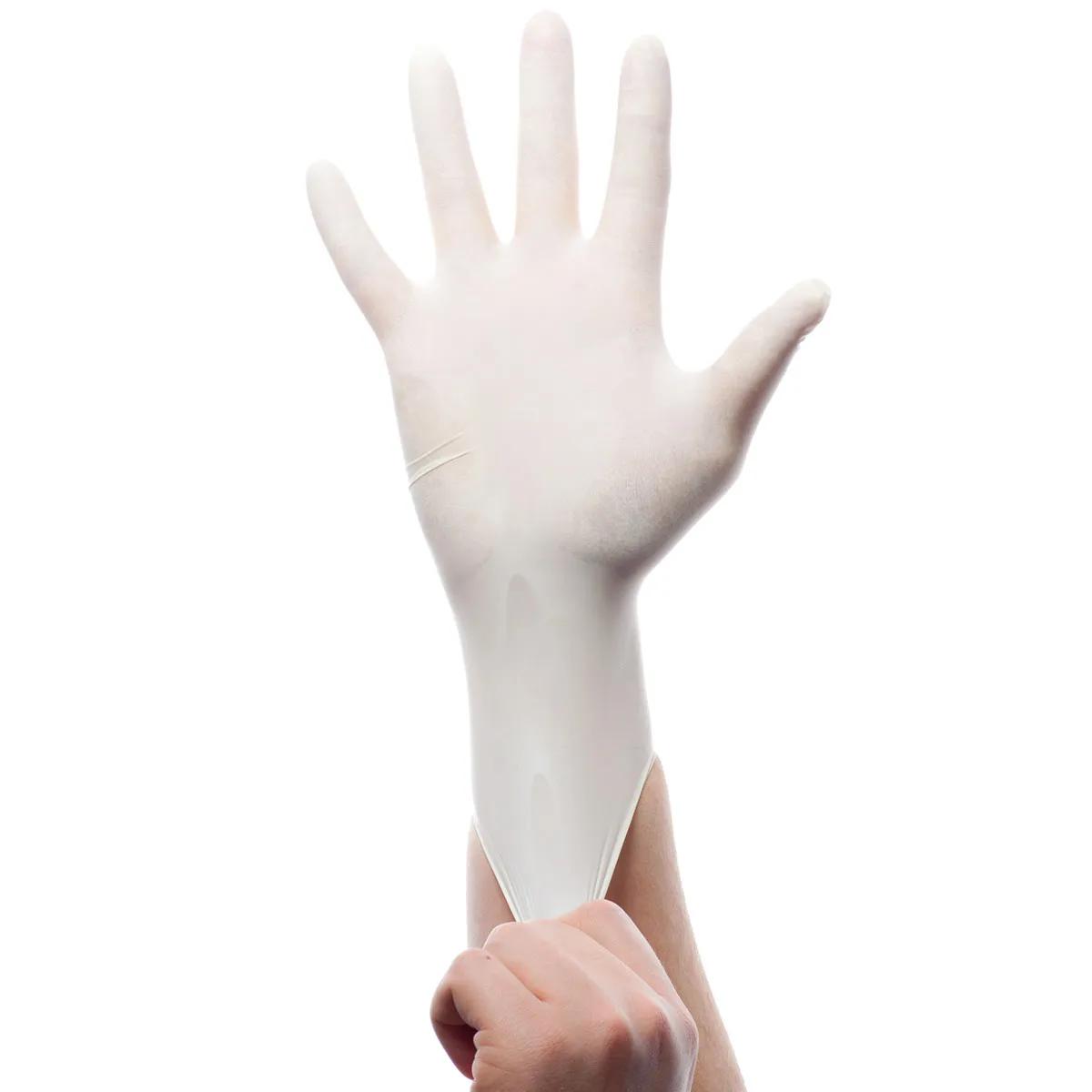
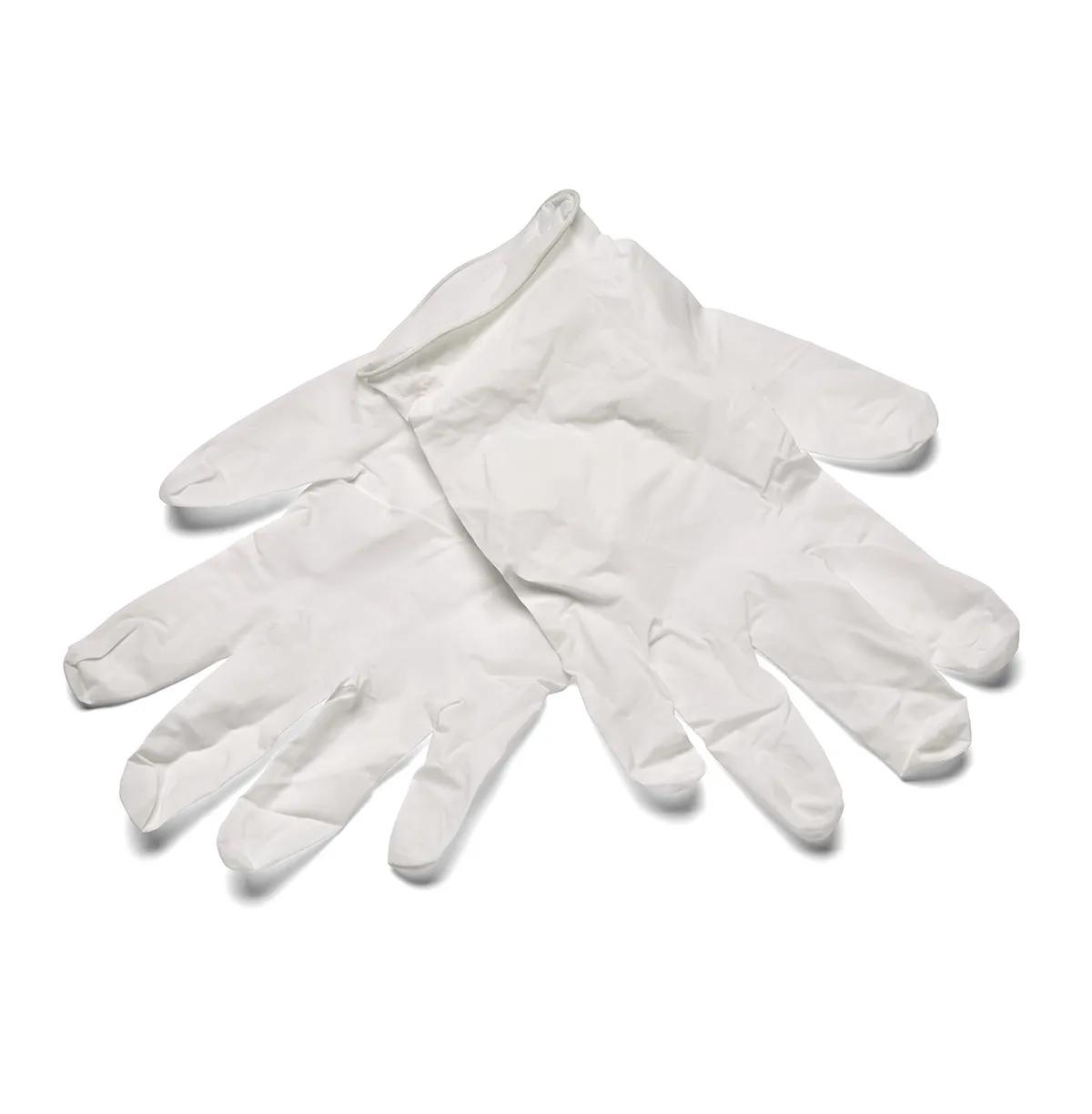
- Wash your hands thoroughly and wear nitrile gloves. Spray the gloves with isopropyl alcohol as well.
- Open the scalpel packaging at the last possible moment — only when you're ready to cut. Peel the sterile wrap away from the blade end, keeping your fingers on the handle.
- For tissue cloning: split your fresh mushroom fruit body in half with clean hands. Use the scalpel to cut a small piece (roughly 3–5mm) of inner tissue from the centre of the cap or upper stem — the area least exposed to airborne contaminants. Transfer immediately to a prepared agar plate.
- For spore scraping: hold the scalpel at a shallow angle (approximately 15–20 degrees) against your spore print and gently drag to collect spores on the flat of the blade. Transfer to agar or a liquid culture syringe.
- Seal your agar plates with parafilm immediately after the transfer. Label with the strain, date, and source.
- Dispose of the used scalpel safely. The blade is genuinely sharp — cap it or wrap it before binning. Keep all blades well away from children and pets.
Related products
You might also like
Medical disclaimer. This content is for informational purposes only and does not constitute medical advice. Consult a qualified healthcare provider before use of any substance.