
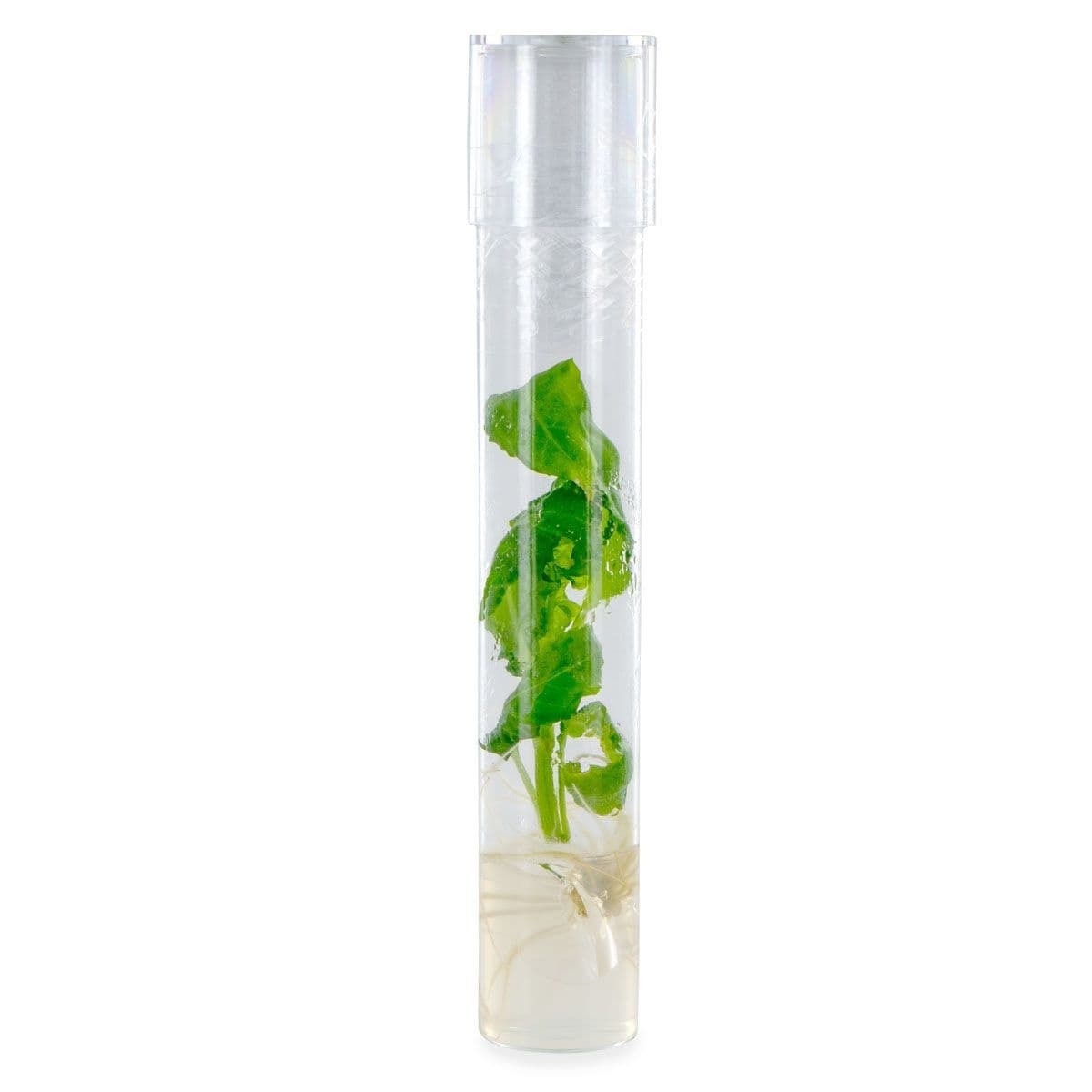
Salvia Divinorum Cutting
Not available for delivery to the Netherlands.
Salvia Divinorum Cutting: a Rooted Plantlet of a Plant That Rarely Grows From Seed
A Salvia divinorum cutting is a young, rooted plant of Salvia divinorum, a soft-stemmed member of the mint family (Lamiaceae) from the cloud forests of Oaxaca, Mexico. This one arrives as a living plantlet sealed in a clear culture tube on a nutrient gel, ready for you to pot up and grow on at home.
Why a cutting and not a packet of seeds? Salvia divinorum very rarely sets viable seed, so for as long as people have grown it, it has been passed on almost entirely by vegetative propagation. Buying a living plant is simply how you get one.
| Spec | Value |
|---|---|
| Plant | Salvia divinorum (family Lamiaceae) |
| Native range | Cloud forests of the Sierra Mazateca, Oaxaca, Mexico |
| Supplied as | Rooted plantlet in a sealed culture tube on nutrient gel (agar) |
| Propagation | Vegetative; viable seed is rare |
| Light | Bright, indirect; no direct sun |
| Humidity | Very high at first, then 70-80% |
| Water | Lightly moist, never soggy |
| Temperature | Warm and stable, frost-free |
| Growth habit | Soft-stemmed shrub, often 1m or more in a pot over time |
| SKU | SM0905 |
In short: give a Salvia divinorum cutting shade, steady warmth and humid air, and it does the rest. Get those three wrong in the first weeks and it tells you quickly, with leaves that hang.
Salvia Divinorum Cutting 'Moon Man' is a named, tissue-cultured clone of the same species to grow alongside. Kratom Plant 'Jong Kong' is another humidity lover for a bright, sheltered corner. And if you're after the dried leaf rather than a living plant, Azarius also carries Salvia Divinorum (dried leaves).
Why Grow Salvia Divinorum From a Cutting
A rooted cutting gives you a head start that seed can't: the plant is already alive, already rooted and already Salvia divinorum. Because the species so seldom produces seed that germinates, nearly every Salvia divinorum plant in cultivation traces back to a cutting of an earlier one.
That chain goes back a long way. The Mazatec people of the Sierra Mazateca have a long tradition with this plant, and in its home range it grows in damp, shaded ravines and along streams under the forest canopy.
Pick the plant up once it's potted and you'll notice the mint-family signature straight away: the stem is square in cross-section, so you can feel its corners when you roll it gently between finger and thumb, and the broad leaves are a fresh, bright green.
One honest warning before you order: this is a sensitive, slow starter. A plantlet fresh out of its tube has spent its whole life in still, saturated air. The first few weeks decide whether it settles in, and most losses come from letting it dry out.
Compared with our Kratom Plant 'Jong Kong', a tropical tree that wants consistent warmth, Salvia divinorum is a cloud-forest shrub: it shares the love of humid air but prefers more shade and is content at mild room warmth. Azarius, smartshop since 1999, sends this one sealed in its tube, so it reaches you without soil and without the soil pests that come with it.
How to Pot Up Your Salvia Divinorum Cutting
Potting up takes minutes; the acclimatisation afterwards takes patience. In this order:
- Work on a clean surface. Open the tube and tap the plantlet out gently. Don't pull or force it, and take care with the tube, as glass can break.
- Rinse every trace of gel off the roots with room-temperature water. Gel left on the roots rots, so be thorough but gentle: the roots are delicate.
- Trim off any leaves that would end up below the soil line.
- Fill a small pot with an airy mix that holds moisture but drains freely. Moisten it first and don't press it down. Set the plantlet in with its growing point above the surface.
- Slip a clear lid or a loosely closed bag over the pot to hold the moisture in, and keep it in the shade: in sunlight the air under a cover gets hot within minutes.
- Check it daily. After the first days, open the cover for a little longer each time until the plant copes with room air, then keep the humidity around 70-80%.
- Water lightly whenever the top of the mix starts to feel dry, and never leave the pot standing in water.
A little droop in the first day or two after shipping is normal. Droop that lasts or gets worse almost always means dehydration, so raise the humidity and check the mix. Wash your hands after handling the roots and potting mix, and keep the plant where children and pets can't reach it.
How Big Does a Salvia Divinorum Plant Get?
Given time, it grows into a leafy, soft-stemmed shrub that often passes 1m in a pot. It is frost-tender, so if it spends the summer outside in a shady spot, bring it in well before the first cold night.
Frequently Asked Questions
What does a Salvia divinorum plant look like?
It looks like a large, leafy sage: square green stems, broad bright-green leaves with toothed edges and a soft, sprawling habit.
Are salvias easy to grow?
Most garden salvias are; Salvia divinorum is fussier. It wants shade, humid air of around 70-80% and steady warmth, and it sulks in dry, hot rooms. Once established, it grows readily.
How much water does a Salvia divinorum plant need?
Enough to keep the mix lightly moist, never soggy. Let the surface just start to dry between waterings and empty the saucer. Hanging leaves usually mean it's thirsty; yellowing leaves on wet soil usually mean too much.
Can you grow Salvia divinorum from seed?
Rarely. The plant very seldom sets viable seed, which is why it is almost always grown from cuttings. A rooted Salvia divinorum cutting skips that problem: you start with a living plant of the species.
How do you take Salvia divinorum cuttings?
Once your plant is established and growing, snip a healthy stem tip of 10-15cm just below a leaf node, remove the lower leaves and stand it in water or a moist medium under a clear cover. Roots usually follow within a few weeks; pot it up once they are a few centimetres long.
Is Salvia divinorum the same as garden sage?
No. Both belong to the genus Salvia in the mint family, but garden sage is Salvia officinalis, a hardy Mediterranean herb. Salvia divinorum is a frost-tender cloud-forest plant from Oaxaca that needs far more shade and humidity.
Last updated: November 2026
Related products
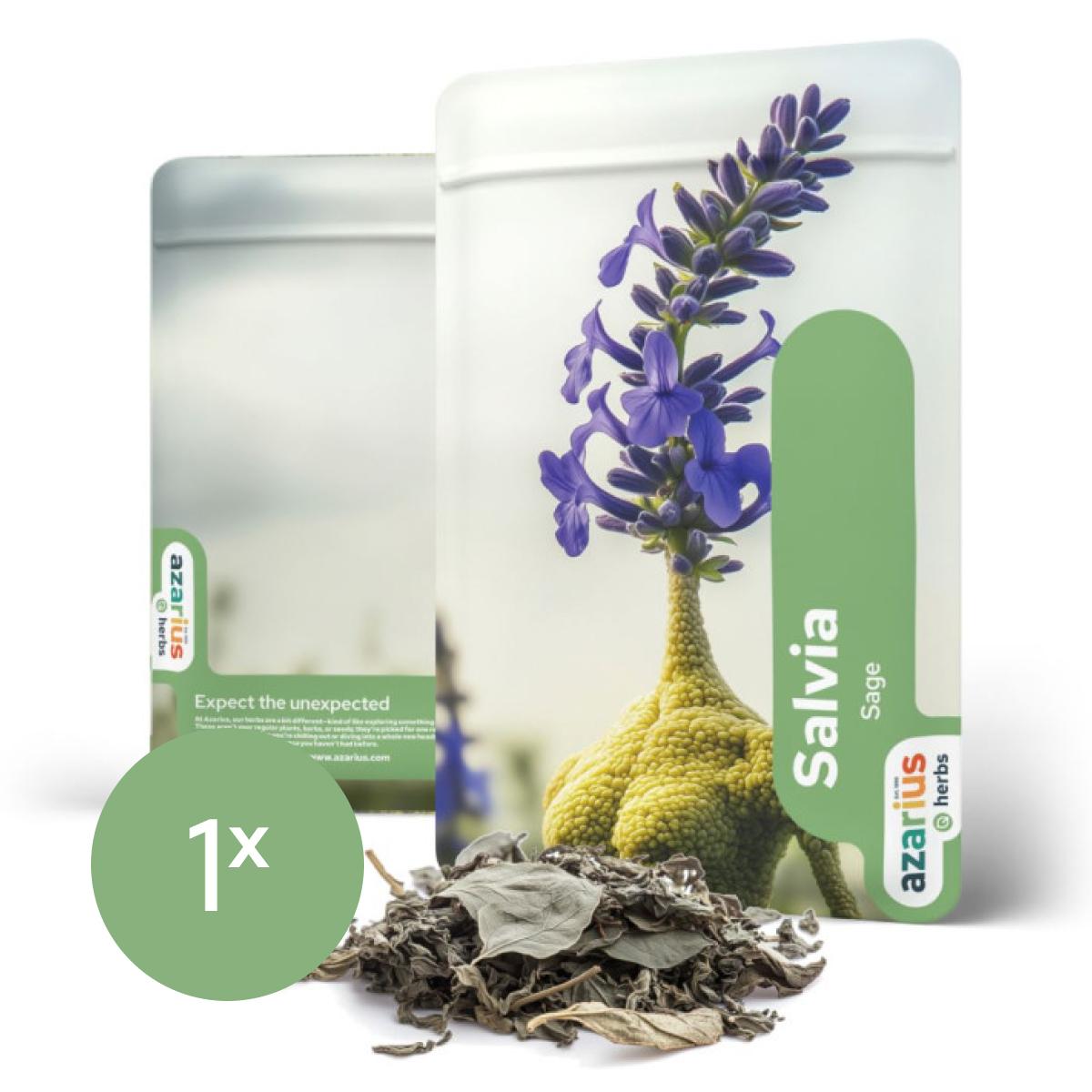

Azarius
Salvia Divinorum
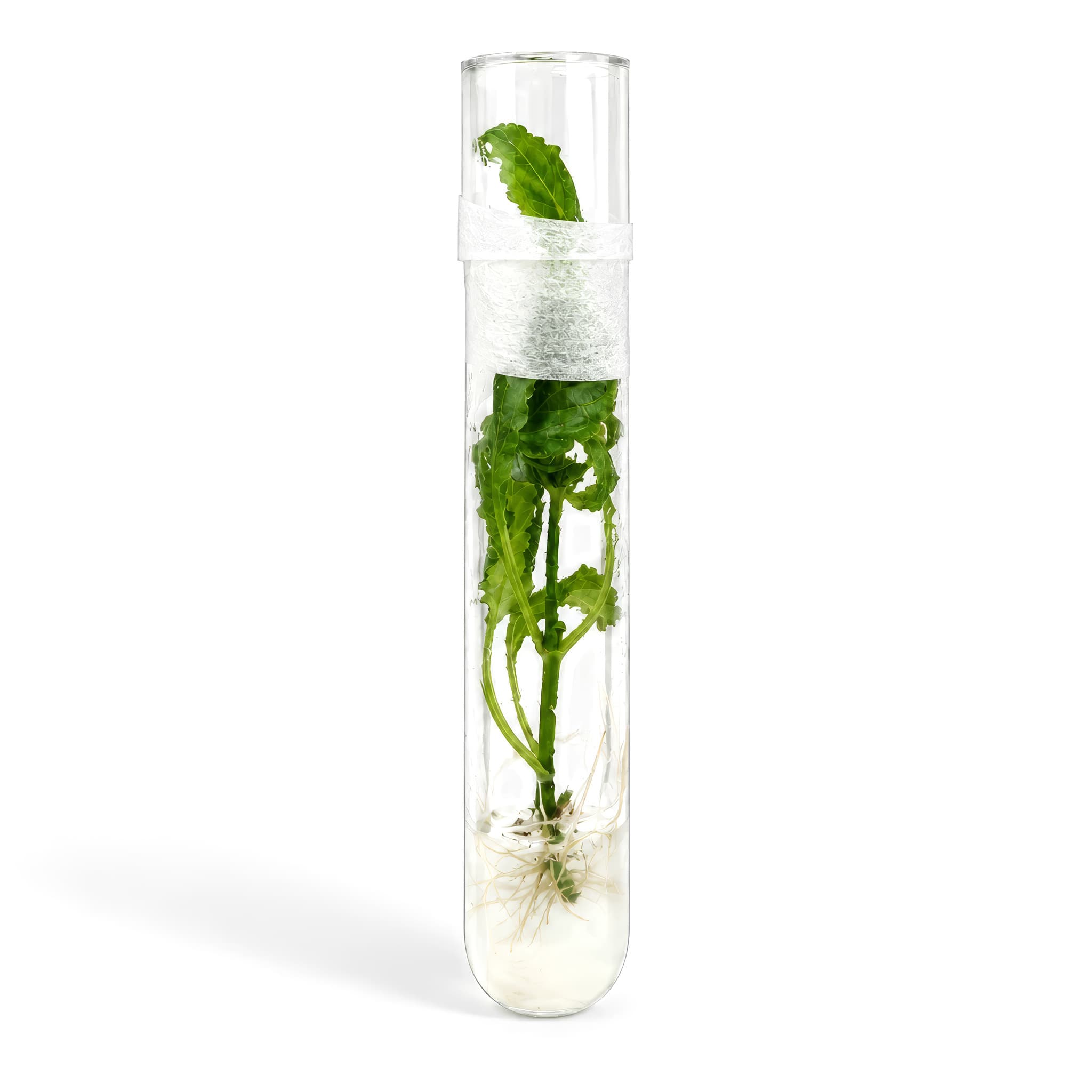
You might also like
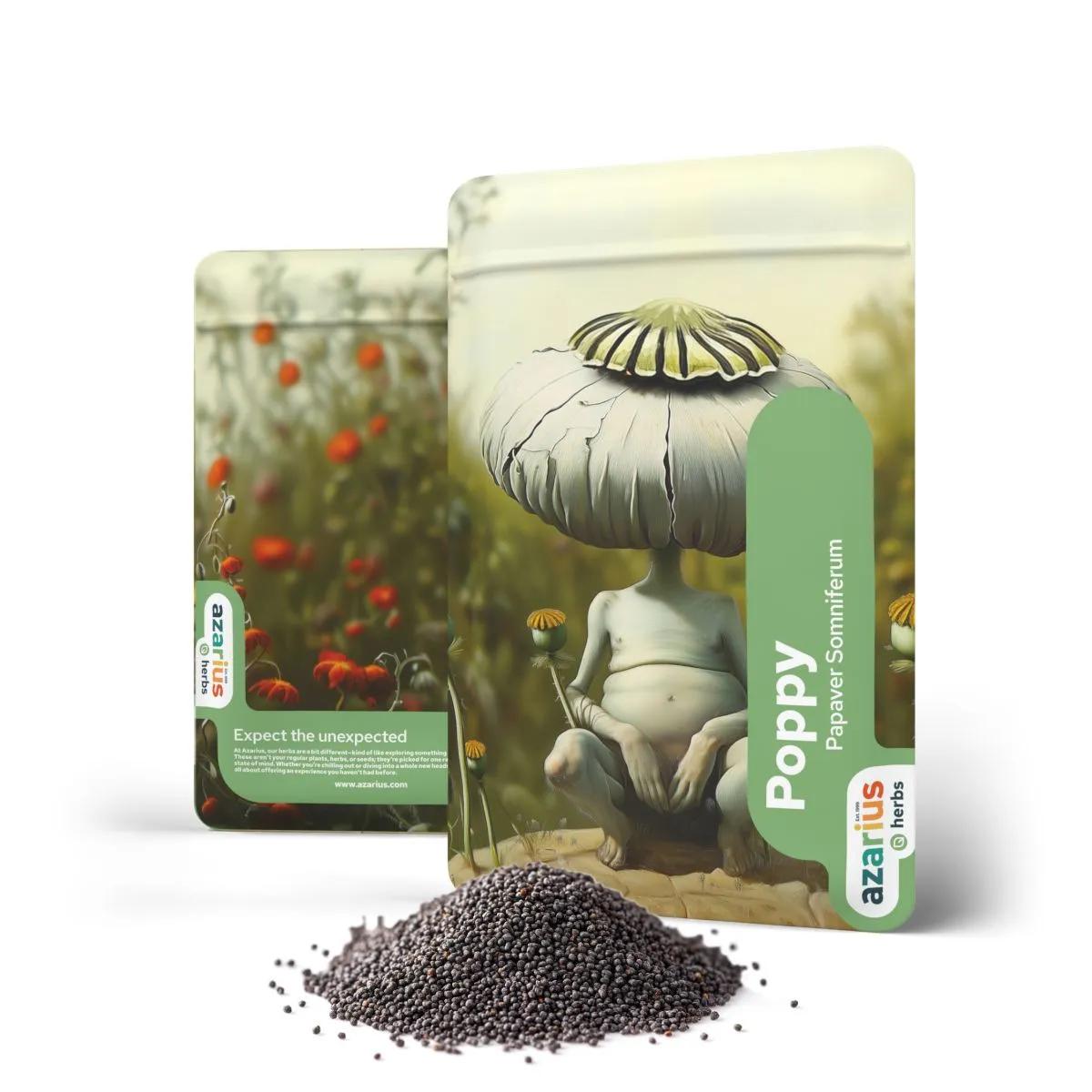
Azarius
Poppy seeds
Azarius
Passionflower leaves
Medical disclaimer. This content is for informational purposes only and does not constitute medical advice. Consult a qualified healthcare provider before use of any substance.