
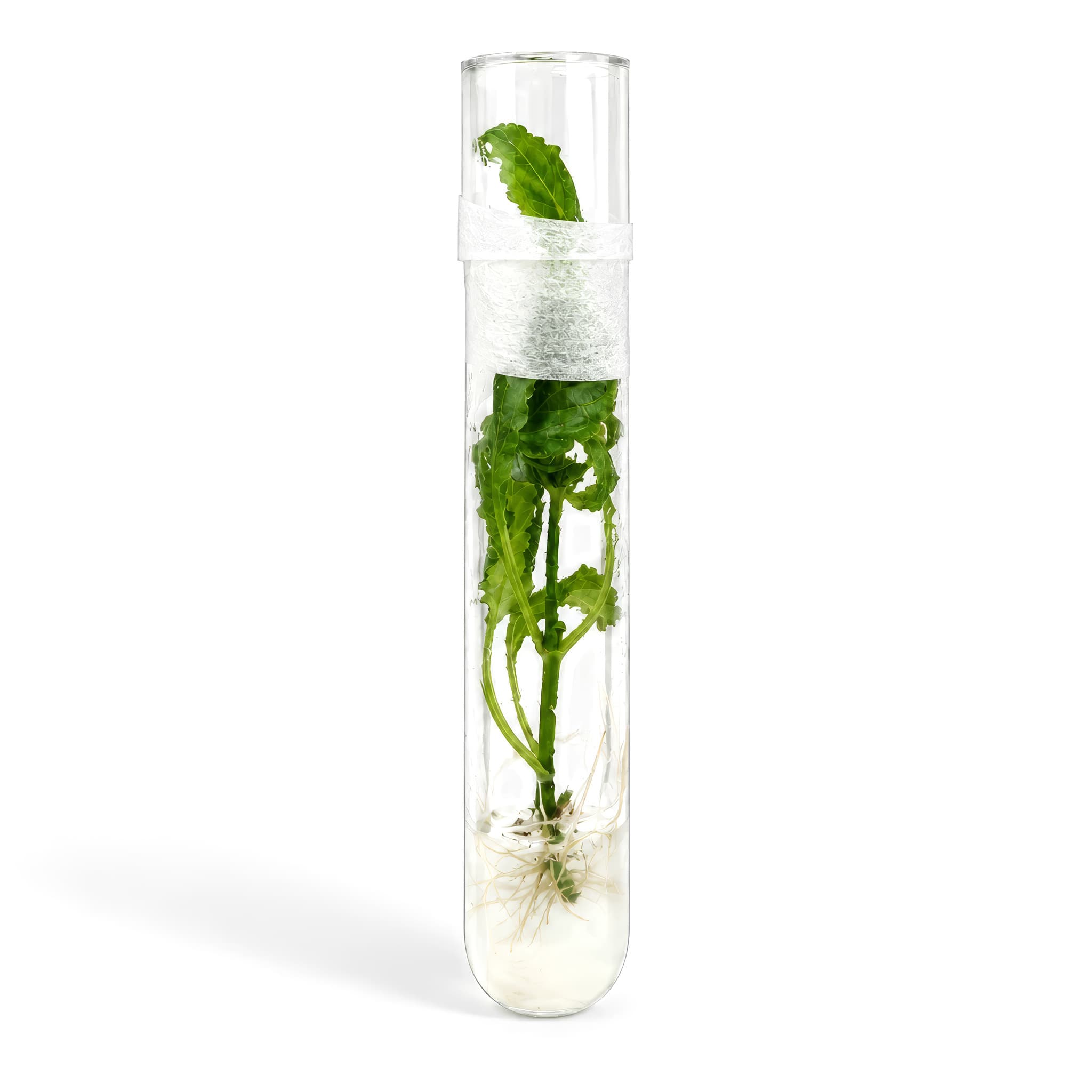
Salvia Divinorum Cutting 'Moon Man'
We'll only email you about this product — no marketing.
Not available for delivery to the Netherlands.
Salvia Divinorum Moon Man: a Named Clone, Raised in Tissue Culture
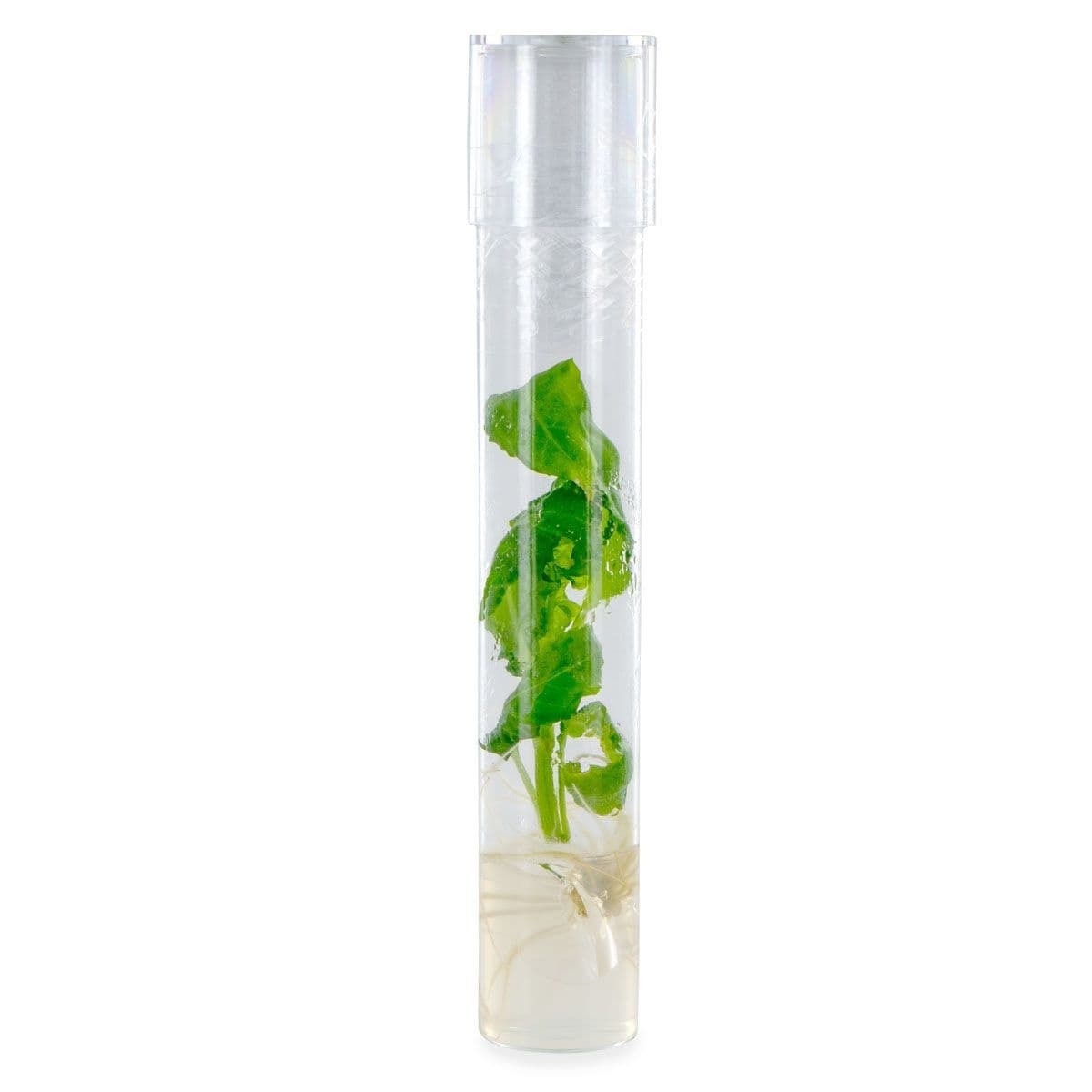
Salvia divinorum Moon Man is a named clone line of Salvia divinorum, the mint-family shrub from Oaxaca, Mexico, supplied as a young plantlet grown under sterile lab conditions. It comes sealed in a clear culture tube on a nutrient gel, so it starts out disease-free and without a crumb of soil.
A clone, in plant terms, means every individual descended from one original plant by vegetative propagation. Because Salvia divinorum so rarely produces viable seed, its named lines are handed from grower to grower as living material.
Grow it next to our Salvia Divinorum Cutting to compare two plants of the same species. For a completely different challenge, the Kanna Plant (Sceletium tortuosum) is a South African succulent that wants its roots to dry out between waterings, the opposite of what salvia asks for.
What We Know, and Don't Know, About Moon Man
'Moon Man' is the name of this clone line, it is kept going vegetatively, and this particular plantlet was produced in tissue culture rather than snipped off a mother plant. We don't have published data showing that Moon Man grows faster, looks different or behaves differently from other Salvia divinorum clones, and we won't invent a backstory for it.
Named clones are mostly about provenance and collecting. Some growers keep several lines side by side, each labelled, the way orchid or succulent collectors keep named cultivars. If that's you, Moon Man is a line to add to the shelf. If you only want one Salvia divinorum plant to grow, our standard cutting is the simpler choice.
In its native Sierra Mazateca, the Mazatec people have a long tradition with Salvia divinorum, and there, too, the plant was carried on from one generation of plants to the next rather than sown.
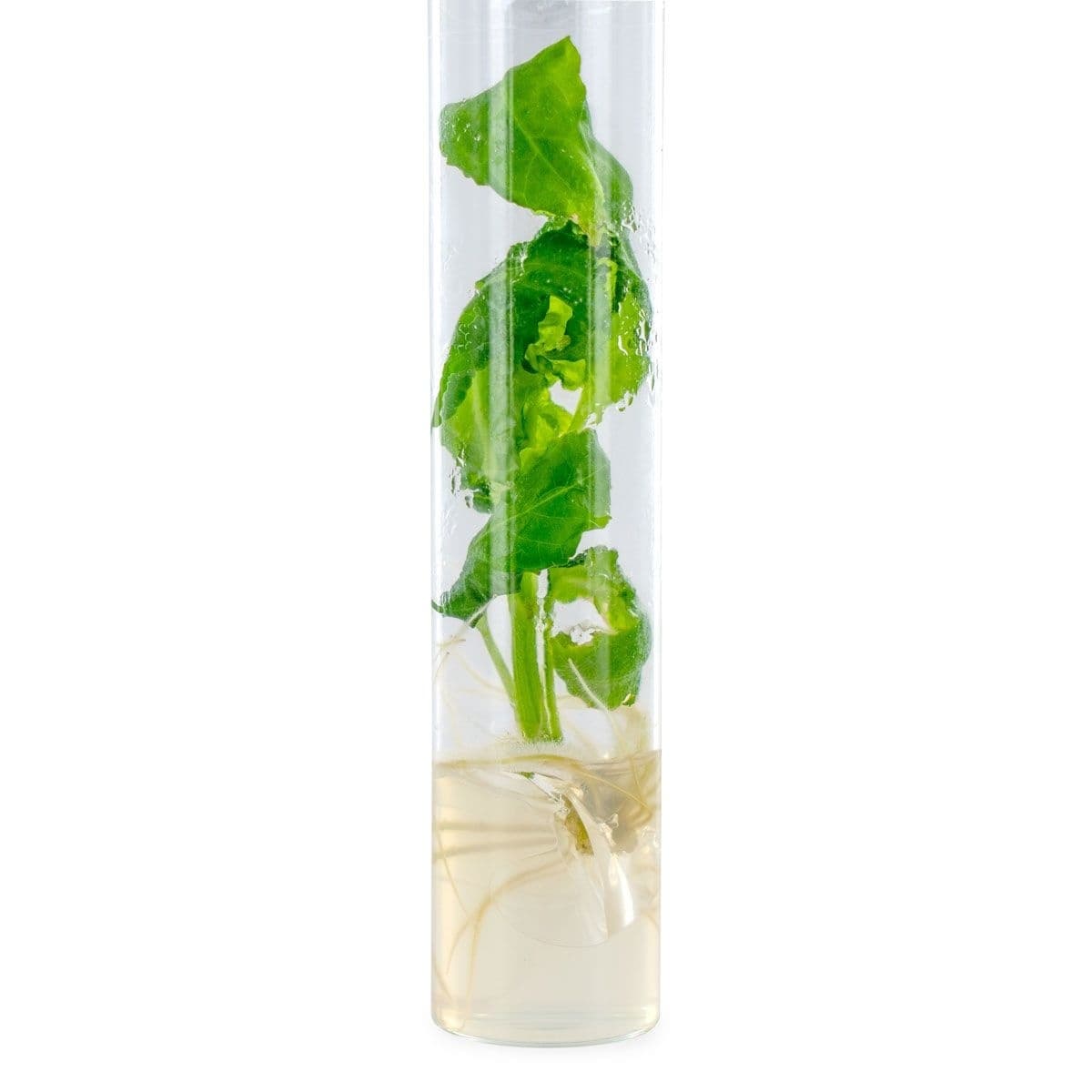
Open the box and the first thing you see is the gel: clear, firm and slightly slippery, like a set jelly, with the roots running through it. Azarius, smartshop since 1999, ships it exactly as the lab sealed it.
Tissue-Culture Plantlet, Conventional Cutting or Seed?
For a named line like Moon Man, a tissue-culture plantlet is the cleanest way to start: you get the exact clone without the soil pests and pathogens a conventional cutting can bring along.
| Moon Man tissue-culture plantlet | Conventional rooted cutting | Seed | |
|---|---|---|---|
| Availability | Supplied ready, sealed in a tube | Depends on someone with a mother plant | Very scarce; the species seldom sets viable seed |
| Disease and pest risk | Starts free of soil pests and pathogens | Can carry whatever its mother plant and soil carried | Low, but viable seed is hard to find |
| Consistency | Genetically identical to the clone line | Genetically identical to its mother plant | Every seedling is genetically different |
| Starting point | Small plantlet that needs acclimatising | Usually already growing in soil | Starts from zero |
Verdict: if the name on the label matters to you, a Salvia divinorum Moon Man plantlet is the way to start. The trade-off is the acclimatisation, which asks for a few weeks of daily attention.
Settling In Your Salvia Divinorum Moon Man Plantlet
The plantlet has grown up in still, saturated air, so your job is to move it to room conditions slowly. These are the steps:
- Unpack it somewhere clean and ease the plantlet out of the tube without tugging.
- Wash the gel from the roots under a gentle stream of room-temperature water until none is left; leftover gel invites rot.
- Snip away any lower leaves that would be buried.
- Choose a small pot. An oversized pot holds water the young roots can't use, and that wet, unused mix is where rot starts.
- Fill it with a pre-moistened, airy mix that drains well, set the plantlet in loosely with its growing tip clear of the surface, and don't firm it down.
- Keep it under a clear cover, or a clear bag with a few holes in it, in bright shade. Direct sun on a closed cover cooks the air inside.
- Look at it every day and lift the cover for longer stretches as the days go by. Once it holds up in open room air, aim for 70-80% humidity.
From there it's a cloud-forest plant in a pot: bright indirect light, steady warmth with no cold draughts, and a mix kept lightly damp. Leaves hanging limp usually means the roots want water or the air is too dry; a brief sag after the journey is nothing to worry about. Over time it becomes a soft-stemmed shrub that can pass 1m, and it won't survive frost.
Treat the roots and mix like any live plant: wash your hands afterwards, and put the pot somewhere children and pets can't get to.
Frequently Asked Questions
What is the Salvia divinorum plant?
It's a perennial shrub in the mint family (Lamiaceae), found wild only in the misty ravines of the Sierra Mazateca in Oaxaca, Mexico. It has square stems and broad green leaves, and spreads mainly by vegetative propagation because it seldom sets viable seed. Moon Man is one named clone of it.
Is Salvia divinorum a common plant?
No. In the wild it is known from a limited area of the Sierra Mazateca, and since it rarely produces viable seed, almost all plants in cultivation are clones, passed on as cuttings or, like Moon Man, as tissue-culture plantlets.
Can you take cuttings from salvias?
Yes, and with Salvia divinorum that's the normal way to multiply it. Every cutting you root from your Salvia divinorum Moon Man is itself Moon Man, genetically identical to the parent. Wait until it is well established and actively growing before you start taking tips.
When should you cut back salvias?
For Salvia divinorum, trim in spring and summer while it is growing strongly, not in its first weeks after potting. Pinching out the growing tips makes the plant branch and stay bushier, and the tips you remove can be rooted as new plants.
What makes Salvia divinorum Moon Man different from other clones?
Its name and line, as far as published information goes. We don't have data showing differences in growth, leaf shape or vigour compared with other clones, so we don't claim any. Named clones mainly matter for provenance and for collectors who keep several lines.
Why buy a tissue-culture plantlet instead of a regular cutting?
Because it starts clean. A plantlet raised under sterile lab conditions comes without soil pests or pathogens, while a cutting taken from a mother plant can bring along whatever that plant had. The trade-off is a careful acclimatisation period.
Last updated: November 2026
Related products

Azarius
Salvia Divinorum
You might also like
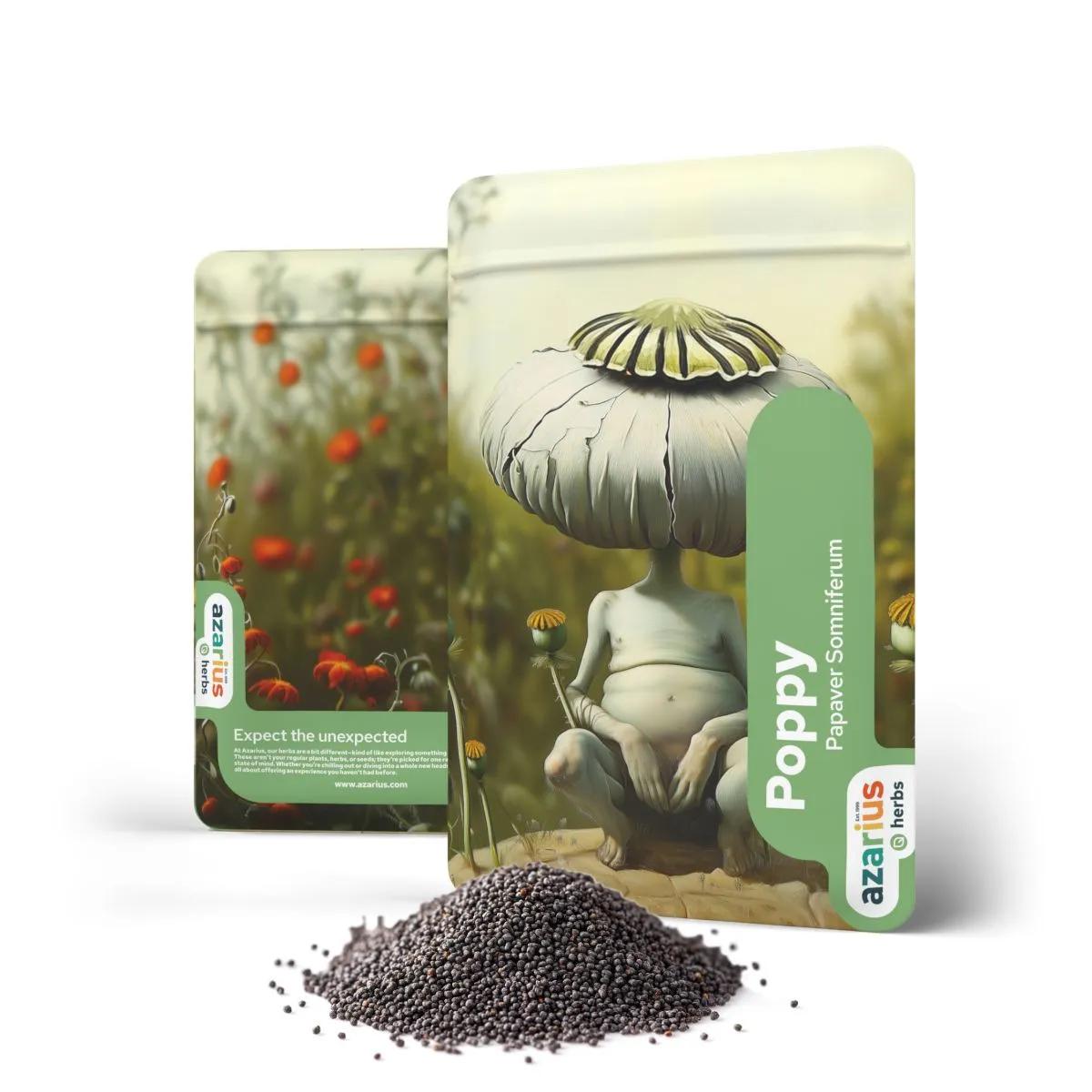
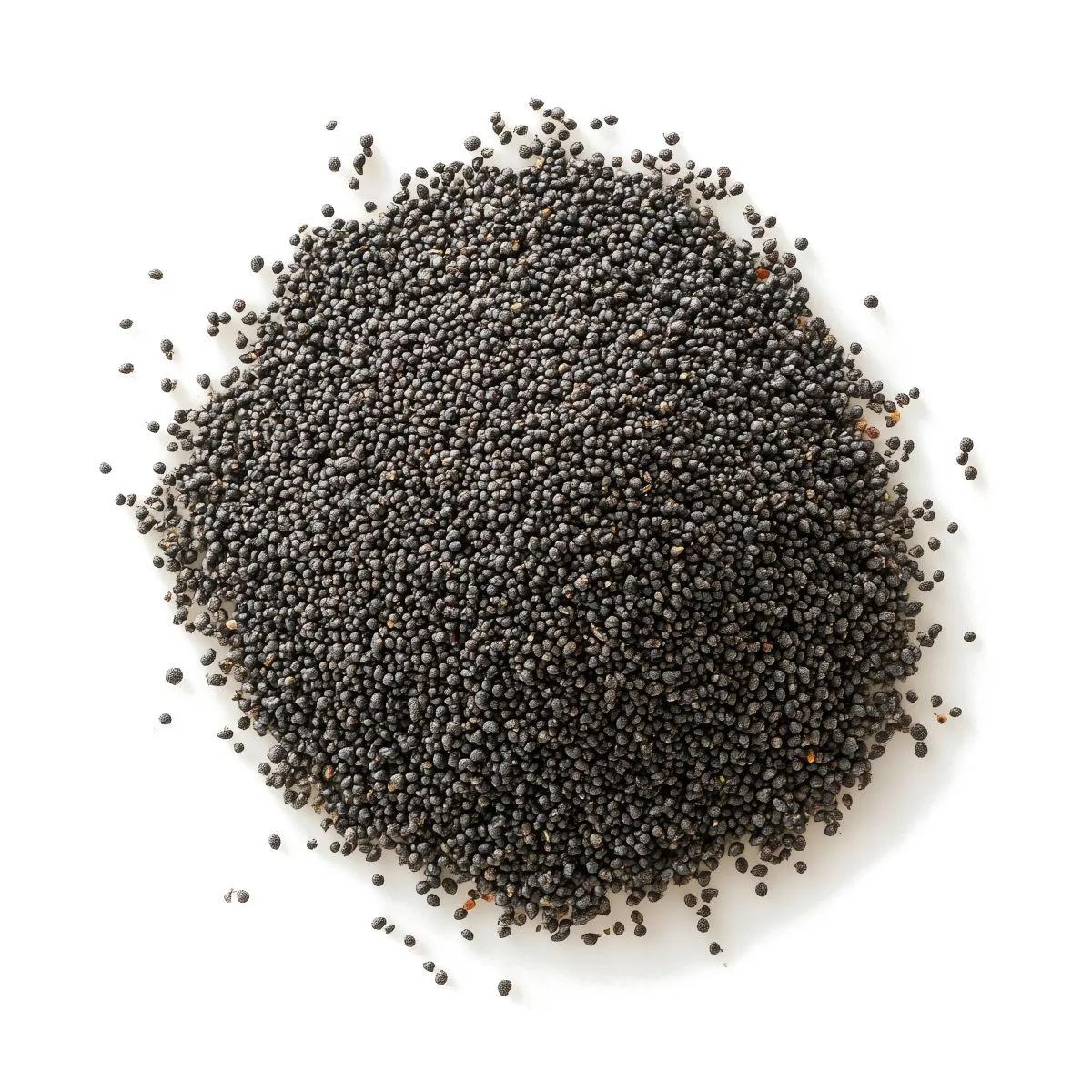
Azarius
Poppy seeds
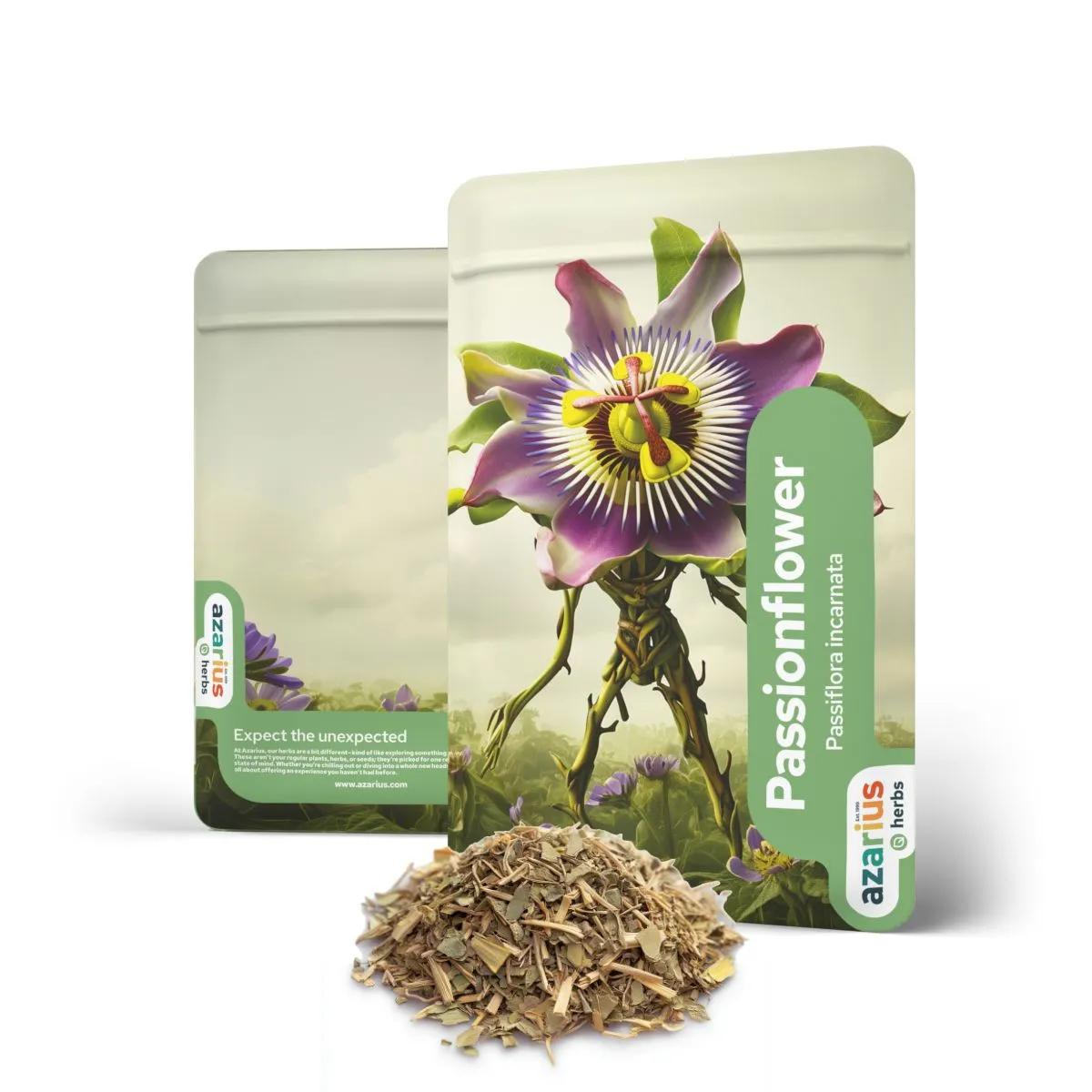
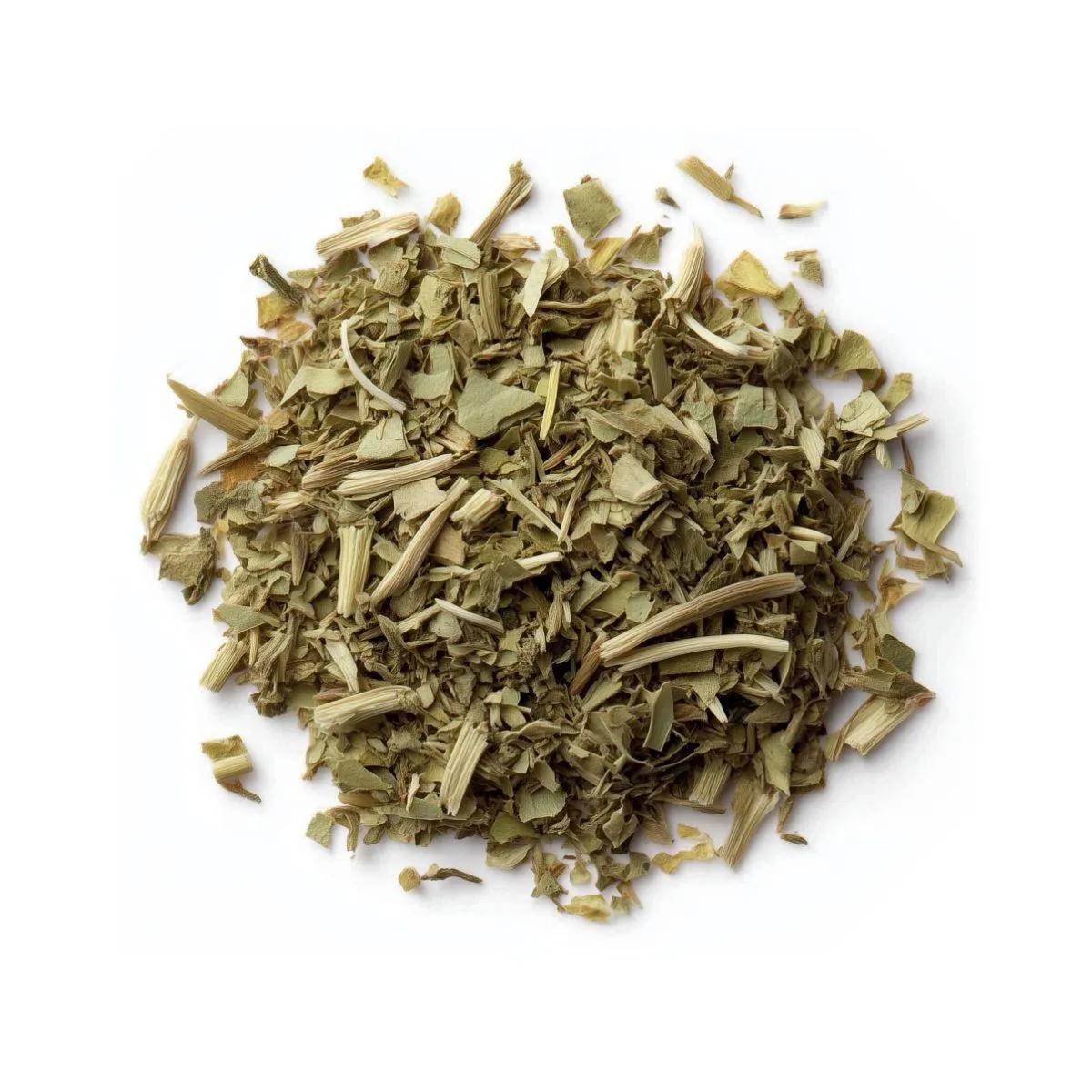
Azarius
Passionflower leaves
Medical disclaimer. This content is for informational purposes only and does not constitute medical advice. Consult a qualified healthcare provider before use of any substance.