
Buy more, pay less
Raw Cacao Beans: Unprocessed Theobroma Cacao from South America
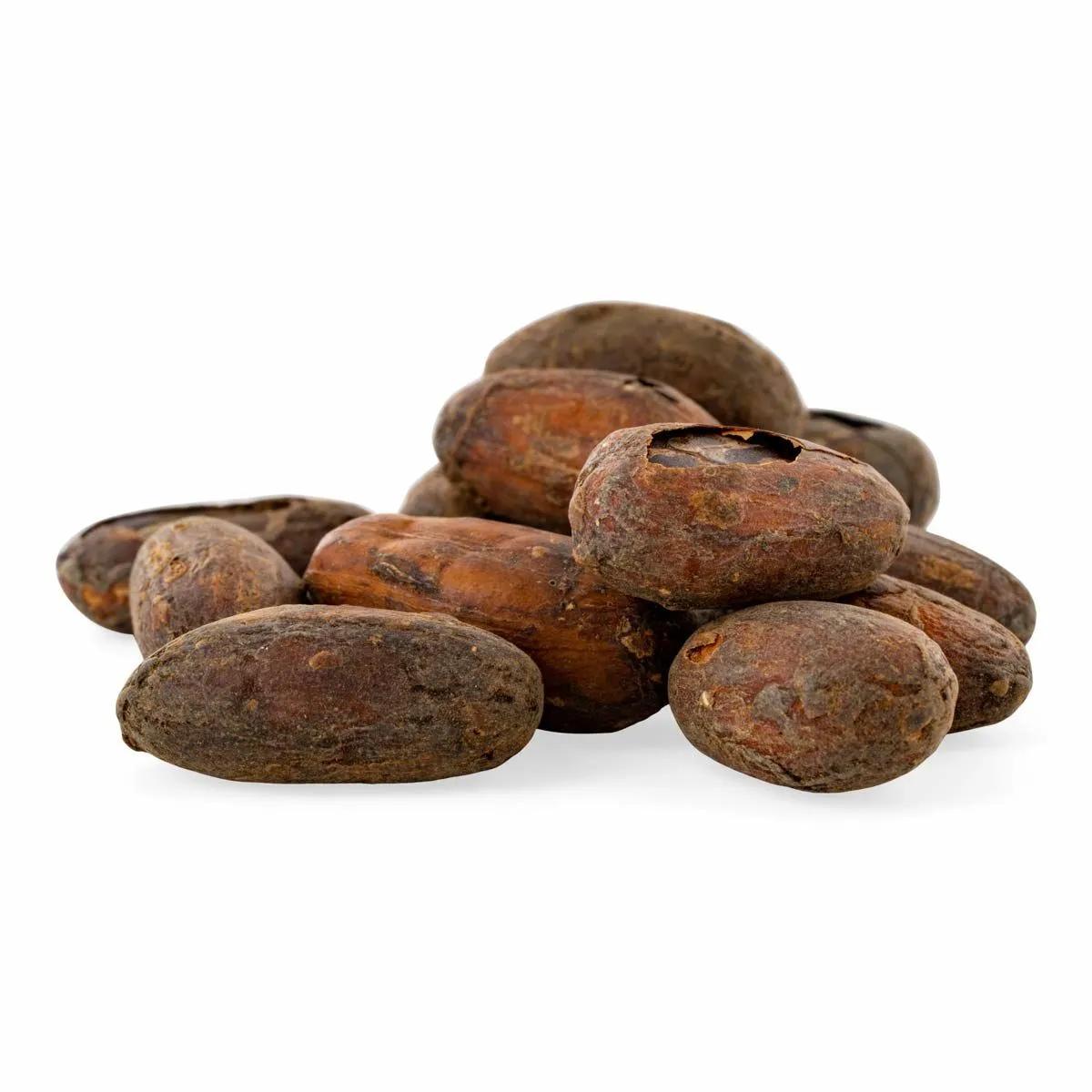
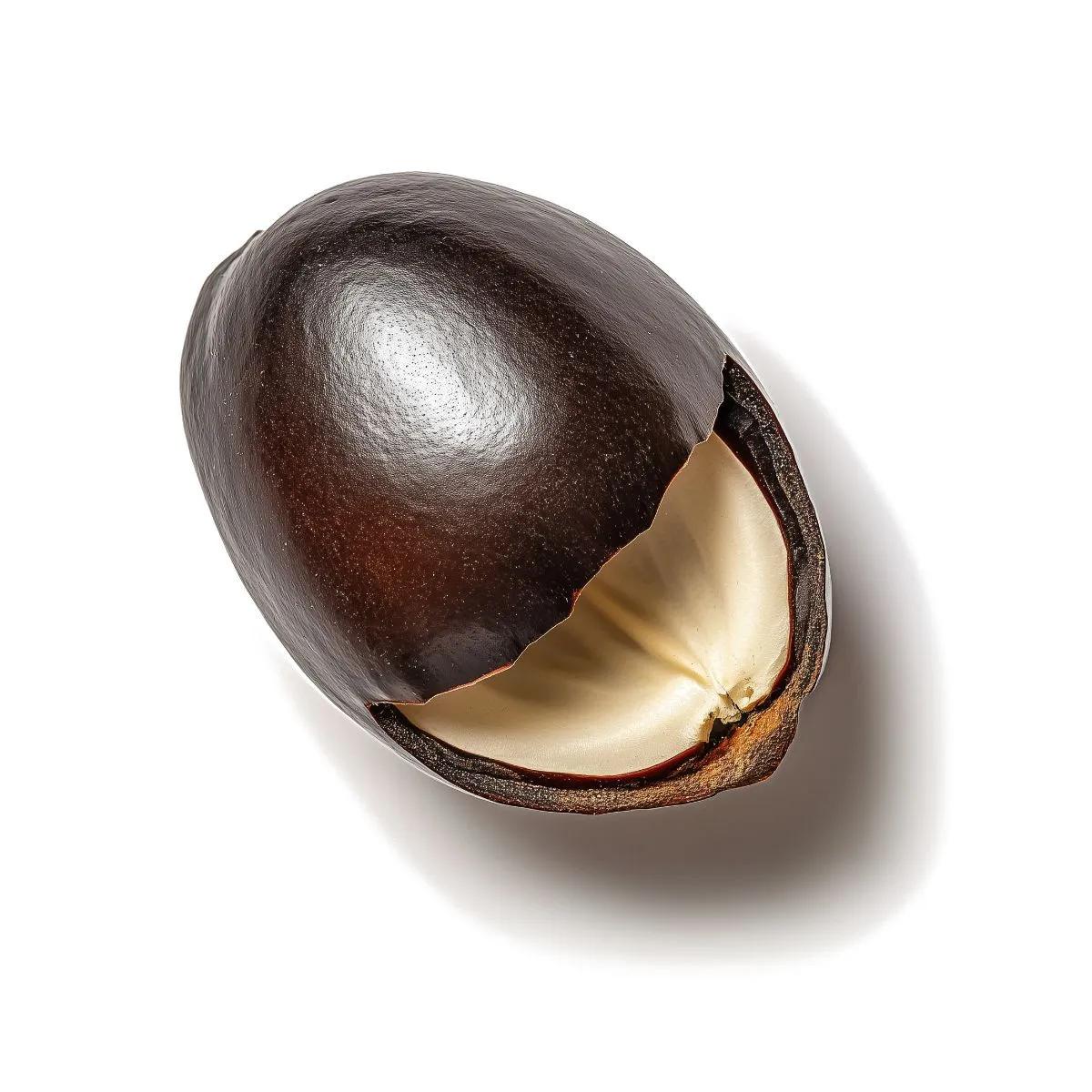
Raw cacao beans are the whole, unroasted seeds of the Theobroma cacao tree — the purest form of chocolate before anyone gets their hands on it. Hand-harvested from organic farms in Peru and Ecuador, these almond-shaped beans arrive cleaned in natural water, sorted for quality, and completely free of additives. No roasting, no alkali processing, no sugar — just the raw seed with its full nutritional profile intact. If you've only ever tasted processed cocoa powder, cracking open your first raw cacao bean is a genuine revelation: intensely bitter, earthy, with a faint fruity tang that commercial chocolate has long since buried.
What Makes Raw Cacao Beans Worth Eating
Raw cacao beans contain a dense concentration of minerals and antioxidant compounds that processed chocolate simply cannot match. The lack of roasting preserves heat-sensitive polyphenols — the same compounds that researchers keep circling back to when studying cacao's potential health effects. According to a systematic review in Nutrients, the polyphenols in cacao beans are thought to partially contribute to cardiometabolic health benefits observed in chocolate consumption studies (PMC8470865). And according to research published in the Journal of Agricultural and Food Chemistry, short-term clinical studies have shown consistent associations between cocoa consumption and reduced blood pressure (PMC2797556).
Beyond the polyphenol content, raw cacao beans are a genuinely impressive source of iron, magnesium, and calcium. A single 10g serving delivers a meaningful hit of magnesium — a mineral most European diets fall short on. The iron content is particularly notable for anyone on a plant-based diet, where bioavailable iron sources can be hard to come by.
One honest caveat: these beans are bitter. Properly bitter. If you're expecting something that tastes like a chocolate bar, you'll be disappointed. The flavour is complex — deep, almost coffee-like, with astringent notes — but it's an acquired taste. We'd say most people grow to love it after a few tries, especially once you start blending the beans into recipes where the bitterness becomes a feature rather than a bug.
How Raw Cacao Beans Compare to Cacao Powder and Nibs
Raw cacao beans are the starting point for every other cacao product on the market. Understanding the difference helps you pick the right one for your kitchen.
| Product | What It Is | Best For | Processing Level |
|---|---|---|---|
| Raw Cacao Beans | Whole unroasted seeds with skin | Snacking, grinding fresh, making chocolate from scratch | None — just cleaned and dried |
| Cacao Nibs | Beans broken into small pieces, skin removed | Topping for yoghurt, granola, baking | Minimal — peeled and cracked |
| Raw Cacao Powder | Ground beans with fat (cacao butter) pressed out | Smoothies, hot drinks, baking | Moderate — cold-pressed |
| Cocoa Powder | Roasted and often alkali-treated | Conventional baking, hot chocolate | Heavy — roasted, sometimes Dutch-processed |
The whole bean gives you the most control. You decide how fine to grind it, whether to remove the skin, and how much to use. Cacao powder is more convenient, but you lose the cacao butter content — and with it, some of the fat-soluble compounds. For anyone who wants the full, uncompromised cacao experience, the whole bean is where it's at.
Specifications
| Spec | Value |
|---|---|
| Product | Raw Cacao Beans |
| Species | Theobroma cacao |
| Origin | Peru and Ecuador |
| Certification | Organic |
| Processing | Hand-harvested, water-cleaned, sun-dried |
| Additives | None |
| Suitable For | Vegan and vegetarian diets |
| SKU | HE0048 |
| Shelf Life | Up to 18 months in original packaging |
| Storage | Cool, dry place |
Pair these raw cacao beans with organic honey or agave for homemade chocolate that's genuinely yours from scratch. If you're into cacao drinks, a mortar and pestle or a dedicated spice grinder makes quick work of turning whole beans into powder — far fresher than anything pre-ground.
Why Raw Cacao Beans Belong in Your Kitchen
We've been stocking cacao products since the early 2000s, and the whole bean remains the one we keep coming back to. There's something satisfying about starting from scratch — cracking the thin skin, tasting the raw nib underneath, deciding whether to eat it straight or grind it into something else. It's the difference between buying pre-ground coffee and grinding your own beans: the flavour is simply more alive.
The nutritional density is the other reason. Research into cacao polyphenols continues to produce interesting findings. According to a study published in Molecular Nutrition and Food Research, dark chocolate containing 860mg of polyphenols (of which 58mg were epicatechin) showed measurable effects in clinical participants compared to white chocolate controls (PMC3488419). Raw beans, being unprocessed, retain a higher concentration of these polyphenols than roasted or alkali-treated alternatives. A review in PMC also noted that researchers are currently investigating the potential anticancer effects of Theobroma cacao compounds in elderly populations (PMC11590920), though results are still emerging.
And then there's the versatility. Most people think cacao means dessert, but these beans work brilliantly in savoury cooking. Crushed into a mole-style sauce for chicken, ground into a spice rub for beef, or even stirred into a chilli — the bitterness and depth of raw cacao adds a layer of flavour that's hard to replicate with anything else. Mexican and Central American cooks have known this for centuries. We're just catching up.
How to Use Raw Cacao Beans
- Start by peeling the thin papery skin off the bean. It comes away easily with your fingernails or a light crack with a knife. The skin is edible but adds extra bitterness most people prefer to skip.
- Eat the nibs straight as a snack. The flavour is intense — bitter, earthy, slightly fruity. Try 3–5 beans to get a feel for the taste before committing to a full handful.
- For smoothies or yoghurt, crush 5–10 beans with a pestle or the flat of a knife blade and scatter the pieces on top. The texture is similar to crushed nuts — a satisfying crunch.
- To make cacao powder, grind the peeled beans in a spice grinder or high-speed blender. The natural cacao butter means it won't become a perfectly dry powder — you'll get a slightly oily, intensely flavoured meal that works brilliantly in baking.
- For homemade chocolate, grind the beans to a paste (this takes patience and a decent grinder), then mix with cacao butter, a sweetener of your choice, and a pinch of salt. Pour into moulds and refrigerate. It won't taste like Cadbury's — it'll taste better.
- For savoury dishes, grate or finely chop 2–3 beans into sauces, stews, or spice rubs during cooking. The bitterness mellows with heat and integrates into rich, meaty flavours beautifully.
Dosage: What the Research and the Manufacturer Say
The manufacturer recommends a maximum of 10–15g of raw cacao beans per day. That's roughly 10–15 individual beans, depending on size. Most healthy adults can work within this range comfortably. Clinical studies examining cacao's effects have used doses ranging from 15–30g of cacao products daily, according to multiple research reviews. Ceremonial cacao practitioners typically use around 42.5g (1.5oz) as a single serving, but that's a concentrated drink preparation — not the same as eating whole beans. If you're new to raw cacao, start at the lower end. The theobromine content (a mild stimulant related to caffeine) can cause restlessness or a racing heartbeat if you overdo it, especially if you're also drinking coffee.
Related products
Medical disclaimer. This content is for informational purposes only and does not constitute medical advice. Consult a qualified healthcare provider before use of any substance.