
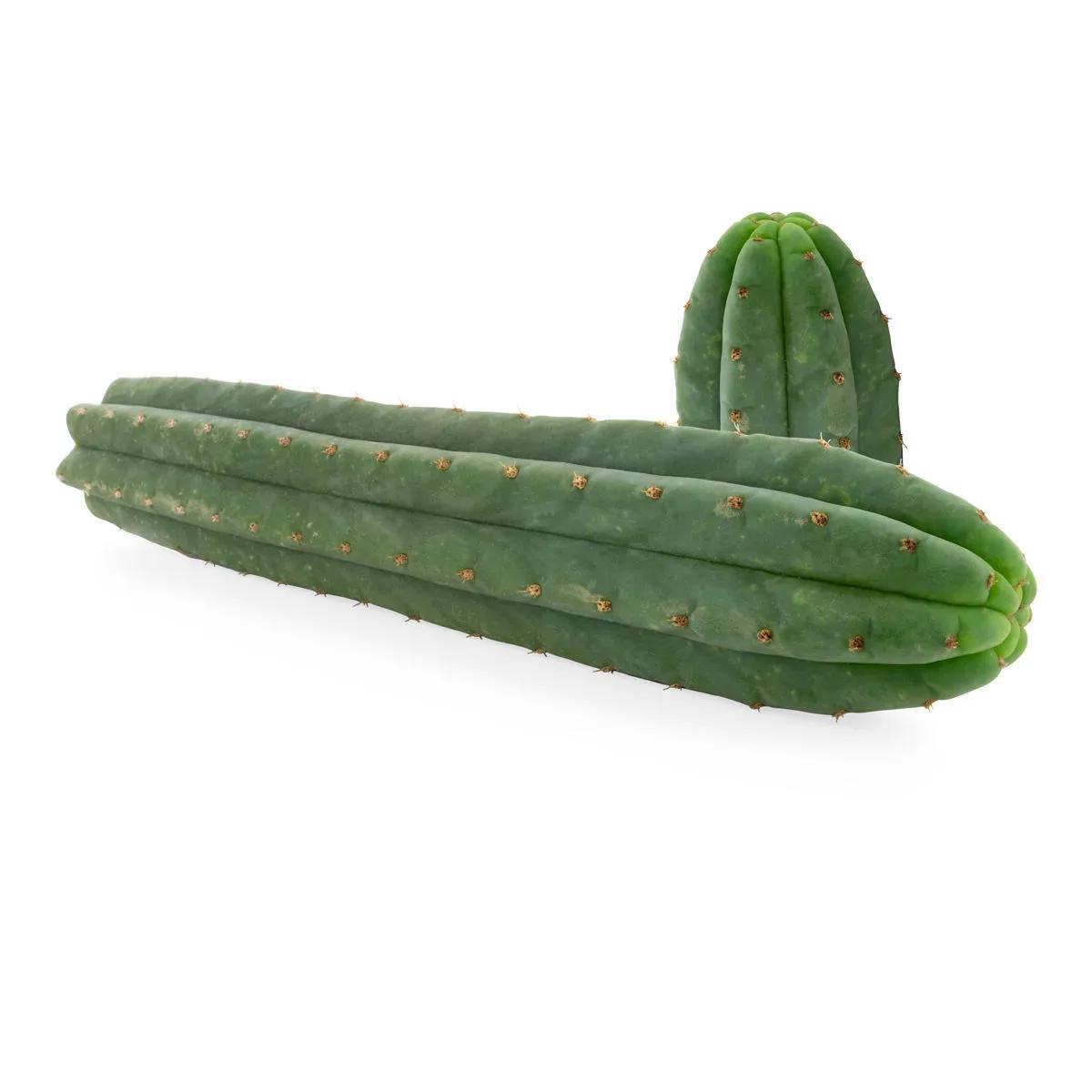
7-Ribbed San Pedro (Echinopsis pachanoi)
Mescaline cacti
by Azarius
7-Ribbed San Pedro Cactus (Echinopsis pachanoi)
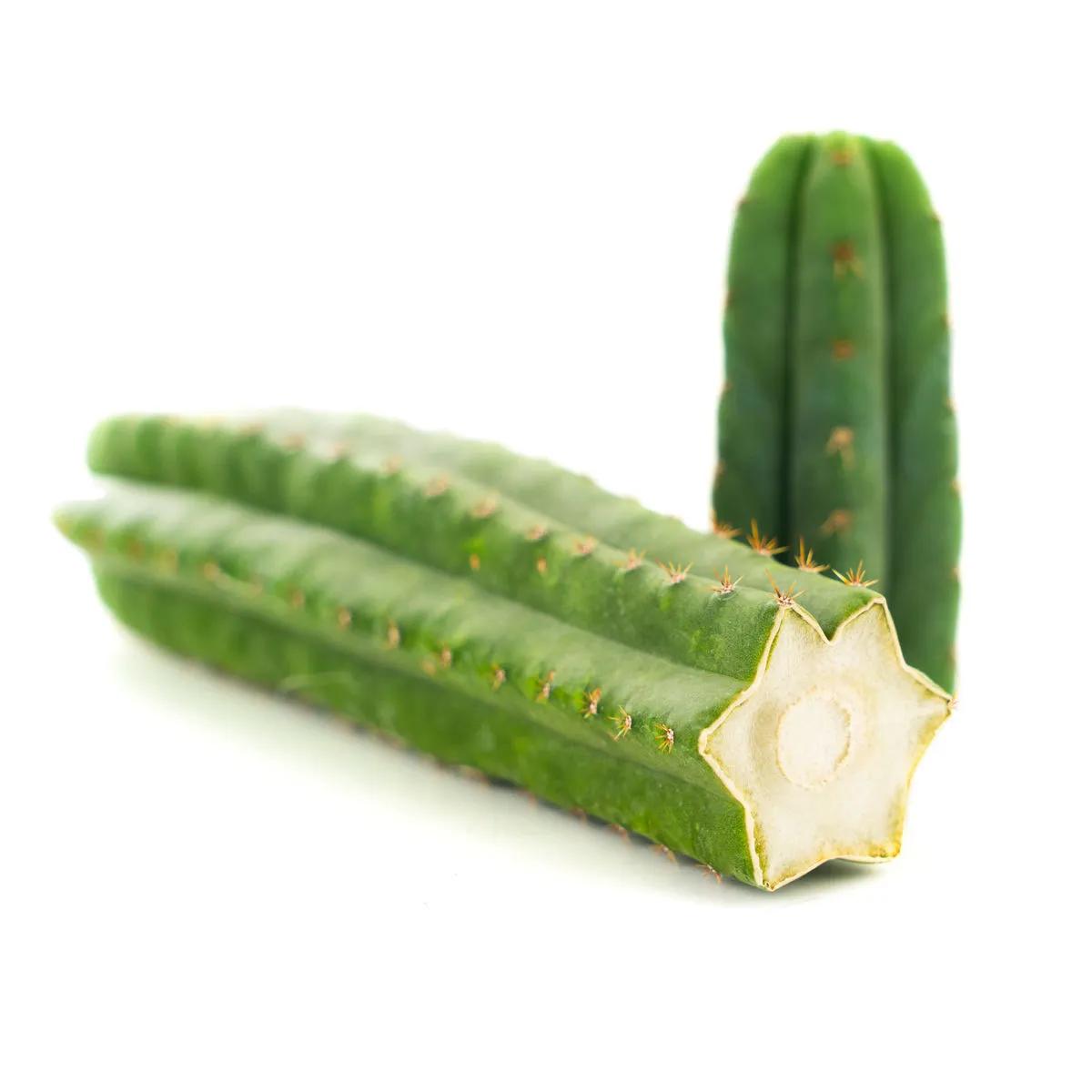
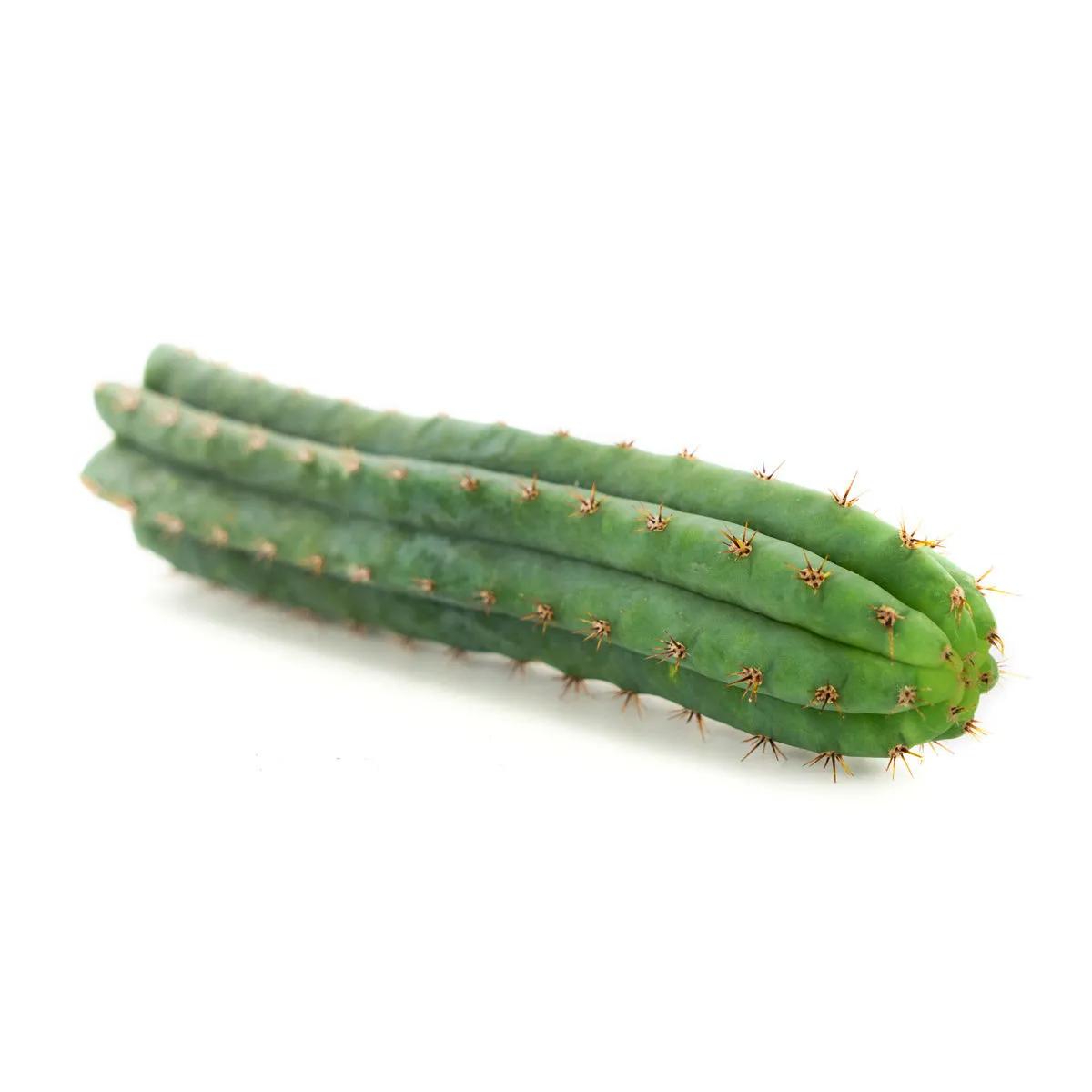
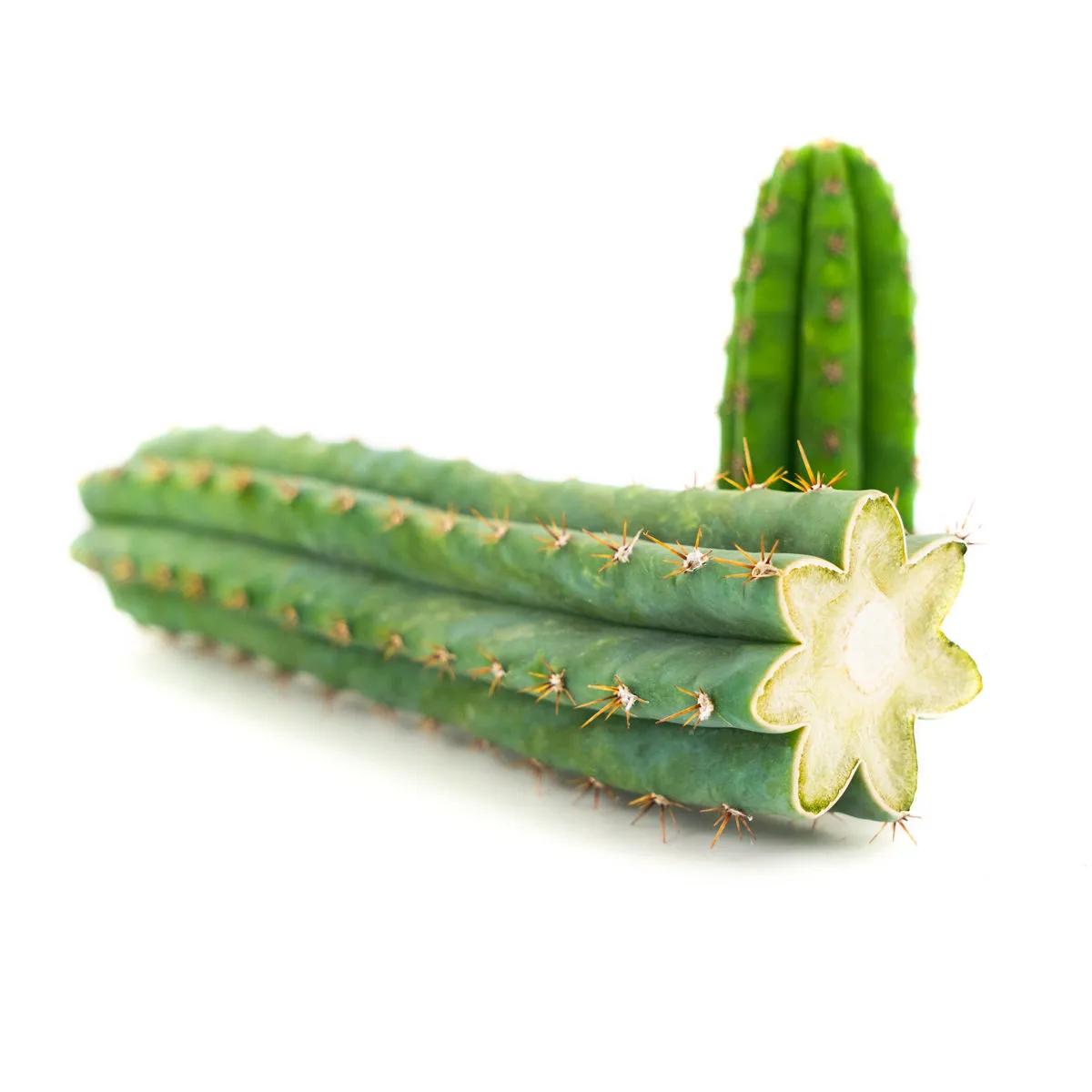
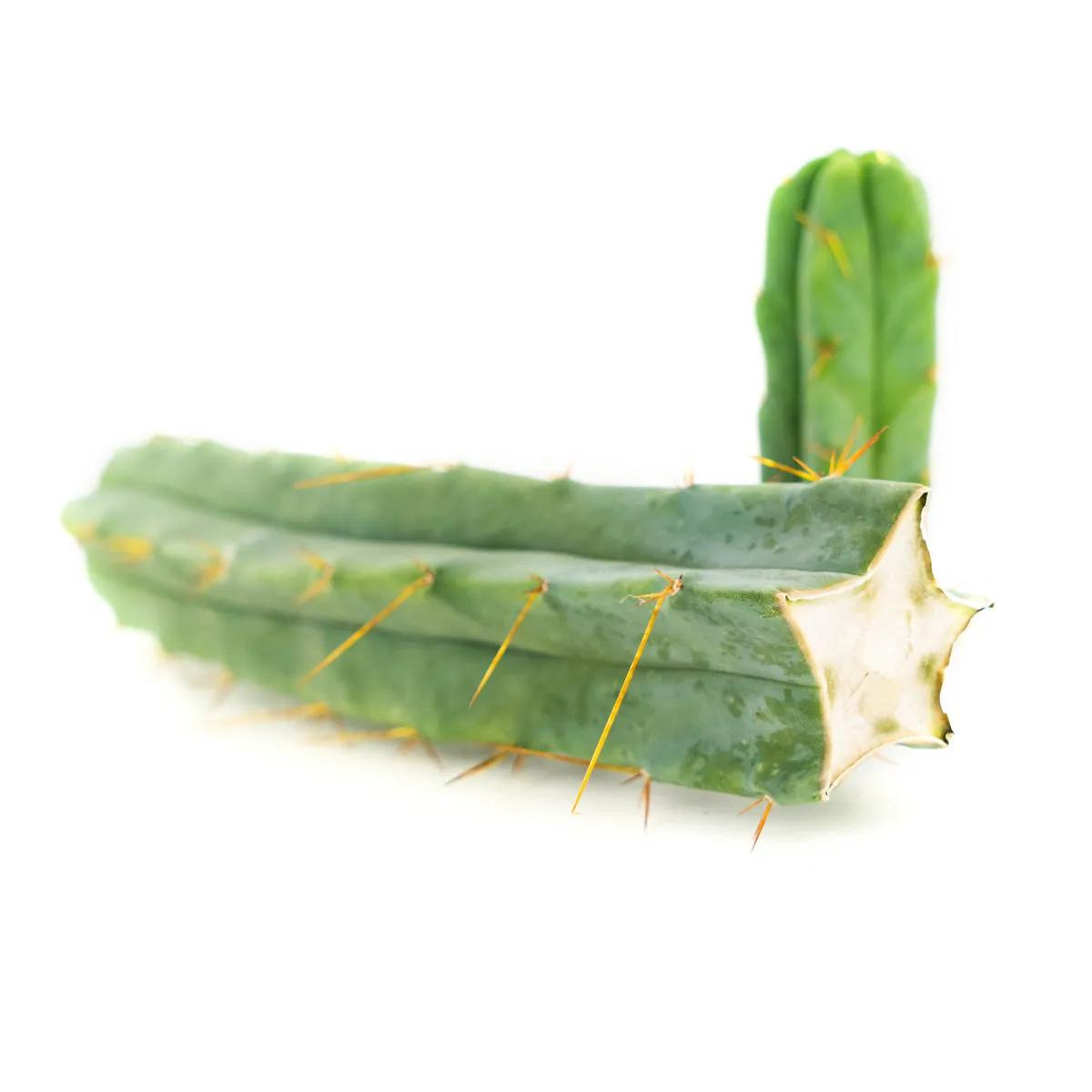
The 7-ribbed San Pedro cactus is a rare variant of the classic Andean mescaline cactus, prized by collectors and growers for its unusual rib count and reputed potency. Most San Pedro cacti develop 5 or 6 ribs — finding one with 7 is genuinely uncommon, which is exactly why we tracked these down. You're getting a live cutting of authentic 7-ribbed Echinopsis pachanoi, ready to root and grow at home.
Which Size Should You Pick?
We carry three sizes of this 7-ribbed San Pedro cutting. Here's what to expect from each:
| Size | Length | Best for |
|---|---|---|
| Small | 10–11 cm | Starting a collection on a budget. Will need time to establish roots and bulk up before it's a substantial plant. Patience required. |
| Medium | 25–30 cm | The sweet spot. Enough mass to root reliably and start growing within weeks. Our pick if you want a single healthy specimen. |
| Large | 50–60 cm | A serious cutting. Roots faster thanks to stored energy, and you'll have a proper column cactus within a season. Worth the extra spend if you want results sooner. |
We'd pick the medium for most people — it's big enough to root without fuss but won't break the bank. The large is the move if you're impatient or want to take your own cuttings from it within a year or two.
Why Grow a 7-Ribbed San Pedro Cactus?
San Pedro (Echinopsis pachanoi) has been part of Andean culture for at least 3,000 years, based on archaeological evidence from Peru, Ecuador, and Colombia. It grows wild at altitudes up to 3,000 metres across the Andes, from Venezuela down to Argentina and Chile. The cactus goes by dozens of regional names — achuma, aguacolla, hahuacollay, giganton — and its ceremonial use in divination and spiritual practice is well documented. According to research published in the Journal of Ethnobiology and Ethnomedicine, early ethnobotanical studies in Peru focused heavily on the "magical" and "mind-altering" flora of the region, with San Pedro featuring prominently (Bussmann & Sharon, 2006).
So why the fuss about 7 ribs? Standard San Pedro cacti produce 5 or 6 ribs. A 7-ribbed specimen is a natural anomaly — it's rarer, and within traditional Andean practice, the extra rib carries symbolic significance. Among collectors, 7-ribbed San Pedro cuttings command attention because they're genuinely hard to source. We've had customers wait months for these to come back in stock.
Beyond the collector appeal, San Pedro contains mescaline (3,4,5-trimethoxyphenethylamine), a naturally occurring psychedelic phenethylamine. According to a review in Experimental and Clinical Psychopharmacology, mescaline is found in several cacti including peyote and San Pedro, and has been used in ceremonial contexts for millennia (Schenberg, 2018). San Pedro also contains lower concentrations of other alkaloids including tyramine, hordenine, 3-methoxytyramine, anhalaninine, and anhalonidine — a varied alkaloid profile that distinguishes it from single-compound sources.
San Pedro Mescaline Content and Alkaloid Profile
Mescaline is the primary active compound in San Pedro cactus. According to pharmacokinetic research published in Clinical Pharmacology and Therapeutics, mescaline is a psychedelic phenethylamine alkaloid naturally found in different species of cacti, with San Pedro (Trichocereus/Echinopsis pachanoi) being one of the most well-known sources (Kolaczynska et al., 2021). Research-observed dose ranges for mescaline itself span from a threshold of approximately 100 mg up to 300–500 mg at the higher end, though concentration varies significantly between individual cacti, growing conditions, and preparation method.
The honest limitation here: mescaline content in any given San Pedro cutting is variable. There's no lab certificate telling you exactly how many milligrams sit in your 30 cm column. Factors like sun exposure, soil nutrients, stress, and age all affect alkaloid production. This isn't a standardised extract — it's a living plant, and that variability is part of the territory.
| Compound | Type | Notes |
|---|---|---|
| Mescaline | Phenethylamine | Primary active alkaloid; research doses range from 100–500 mg pure compound |
| Tyramine | Trace amine | Present in lower concentrations |
| Hordenine | Phenethylamine | Also found in barley; MAO-inhibiting properties |
| 3-Methoxytyramine | Dopamine metabolite | Minor alkaloid |
| Anhalaninine | Isoquinoline | Trace amounts |
| Anhalonidine | Isoquinoline | Trace amounts |
According to a review in Frontiers in Pharmacology, mescaline occurs naturally in several members of the Cactaceae family, with pharmacological effects primarily mediated through serotonin 5-HT2A receptor activity (Dinis-Oliveira, 2019).
How to Grow Your 7-Ribbed San Pedro Cutting
San Pedro is one of the more forgiving cacti to cultivate, even in a Northern European climate. These cuttings arrive unrooted — they need to callus over and establish roots before they'll start growing upward. Here's how to do it properly:
- Let the cut end dry and callus in a warm, shaded spot for 1–2 weeks. The wound should look dry and slightly hardened. Don't skip this — planting a fresh wet cut into soil is asking for rot.
- Prepare a pot with well-draining cactus soil. A mix of regular potting soil, perlite, and coarse sand (roughly 40/30/30) works well. The pot needs drainage holes. No exceptions.
- Stand the cutting upright in the soil, burying the bottom 3–5 cm. You can prop it with stones if it wobbles. Don't water yet.
- Wait another 1–2 weeks before the first watering. When you do water, soak the soil thoroughly, then let it dry out completely before watering again. San Pedro handles drought far better than soggy roots.
- Place in bright, indirect light initially. Once rooted (you'll feel resistance if you gently tug), gradually move it into full sun. In summer, these cacti love being outdoors in direct sunlight.
- During winter, reduce watering to almost nothing — once a month at most. San Pedro can handle temperatures down to about 5°C briefly, but keep it above 10°C if possible. A bright windowsill works fine through the colder months.
- Feed with a low-nitrogen cactus fertiliser during the growing season (April–September), once every 4–6 weeks.
One thing to watch: overwatering is the number one killer. The cutting will feel firm and heavy when it's healthy. If it starts going soft or discoloured at the base, you've been too generous with the watering can. Let it dry out completely and cut away any rot with a sterile blade if needed.
San Pedro grows surprisingly fast for a cactus — expect 20–40 cm of new growth per year under good conditions. The large cutting (50–60 cm) has the advantage of more stored energy, meaning it roots faster and starts putting on height sooner. The small cutting (10–11 cm) will get there too, but you're looking at a longer timeline before it becomes a substantial column.
Safety and Interactions
San Pedro contains mescaline and other active alkaloids, so it deserves the same respect as any other psychoactive plant. According to a systematic review in the Journal of Psychopharmacology, the main adverse effects associated with mescaline include anxiety, nausea, and disorganised behaviour (Agin-Liebes et al., 2022). Nausea and vomiting are commonly reported and are sometimes considered part of the traditional experience rather than a side effect.
According to research published in the Journal of Ethnopharmacology, predispositions to mental health conditions — particularly schizophrenia — were identified as a primary risk factor, alongside the possibility of difficult experiences (Ermakova et al., 2021). Those with cardiovascular conditions should also exercise caution, as mescaline can affect heart rate and blood pressure.
San Pedro should not be combined with MAO inhibitors, SSRIs, or other serotonergic substances. The hordenine content in San Pedro itself has mild MAO-inhibiting properties, which adds another reason to avoid mixing it with medications that affect the same pathways. If you're on any prescription medication, do your homework before working with this plant.
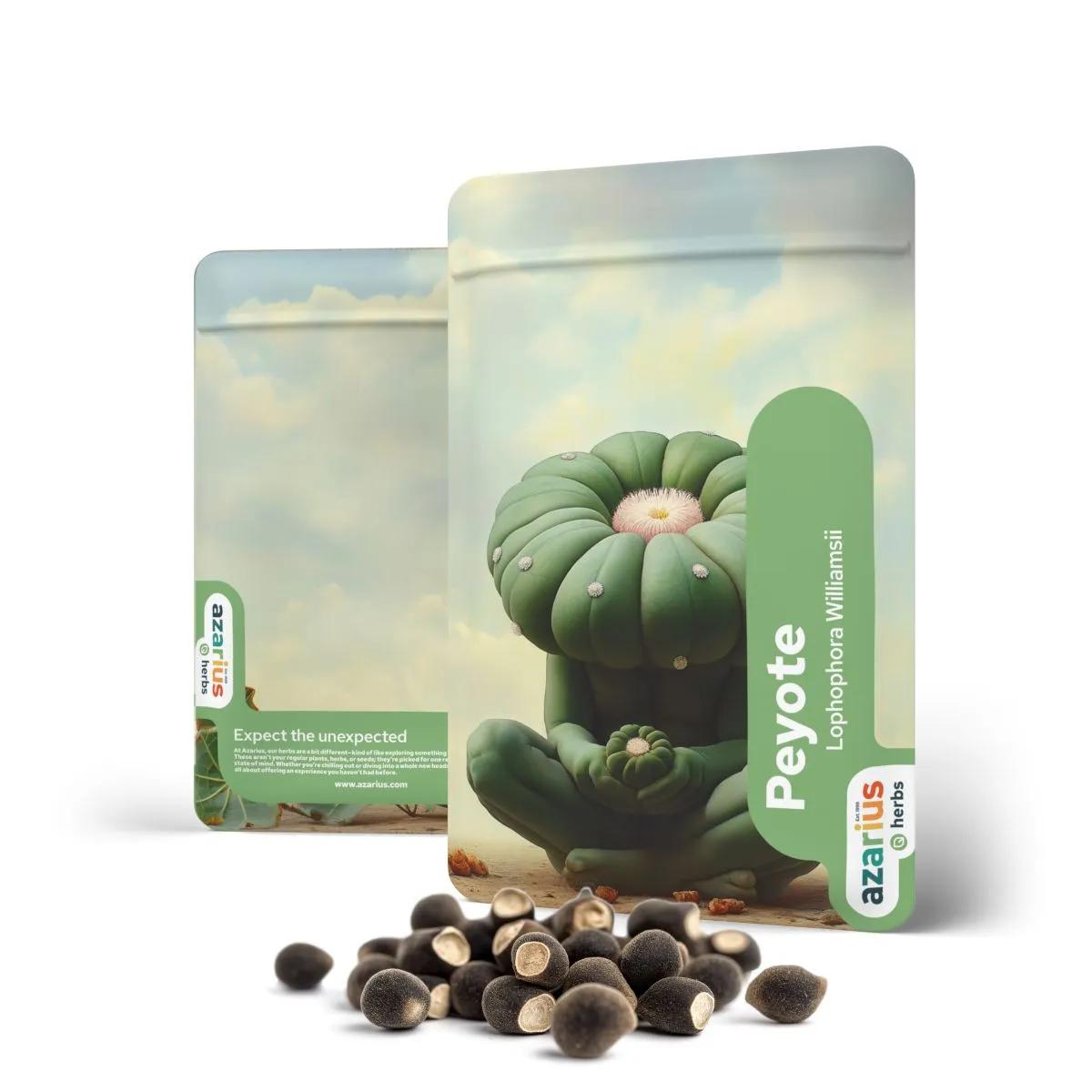
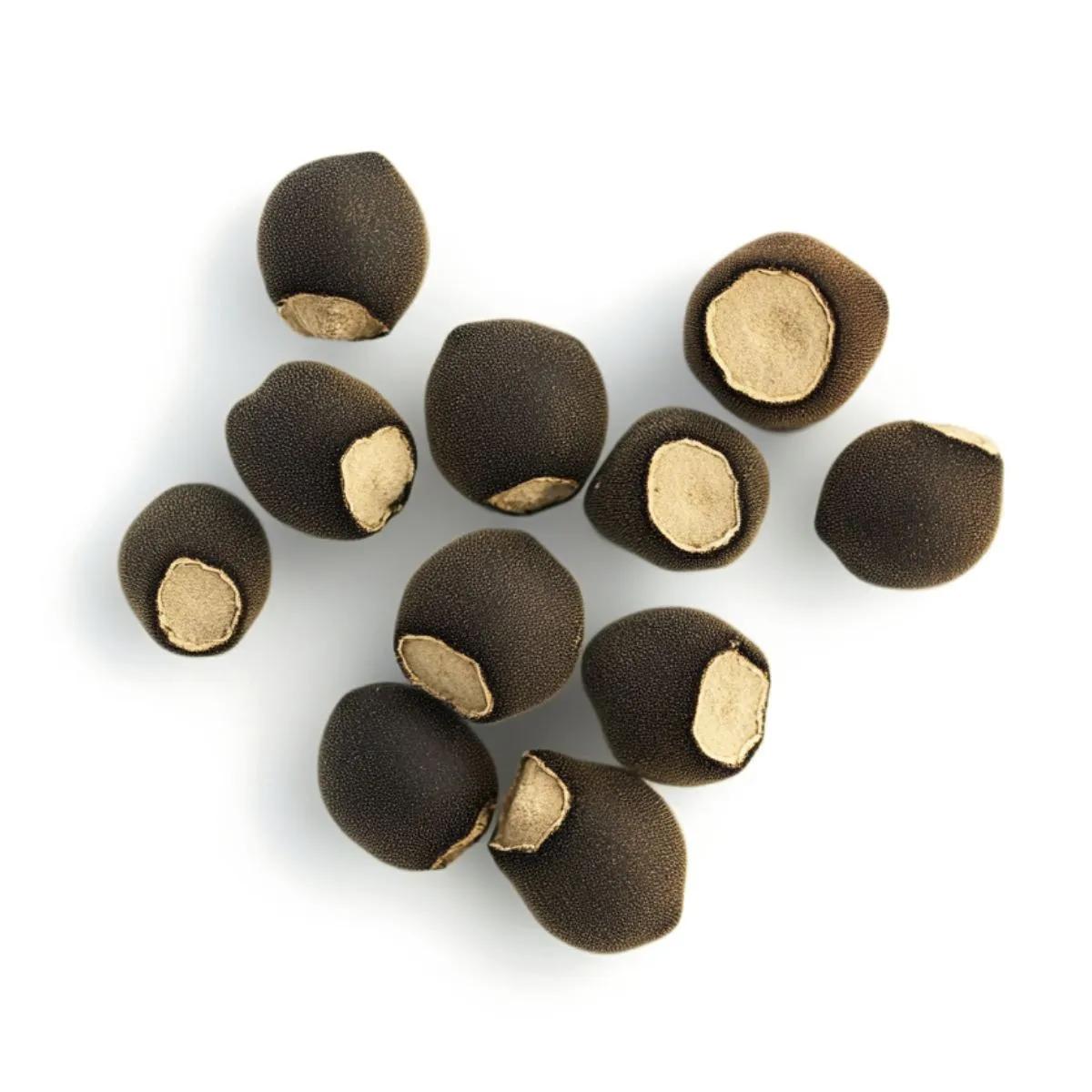
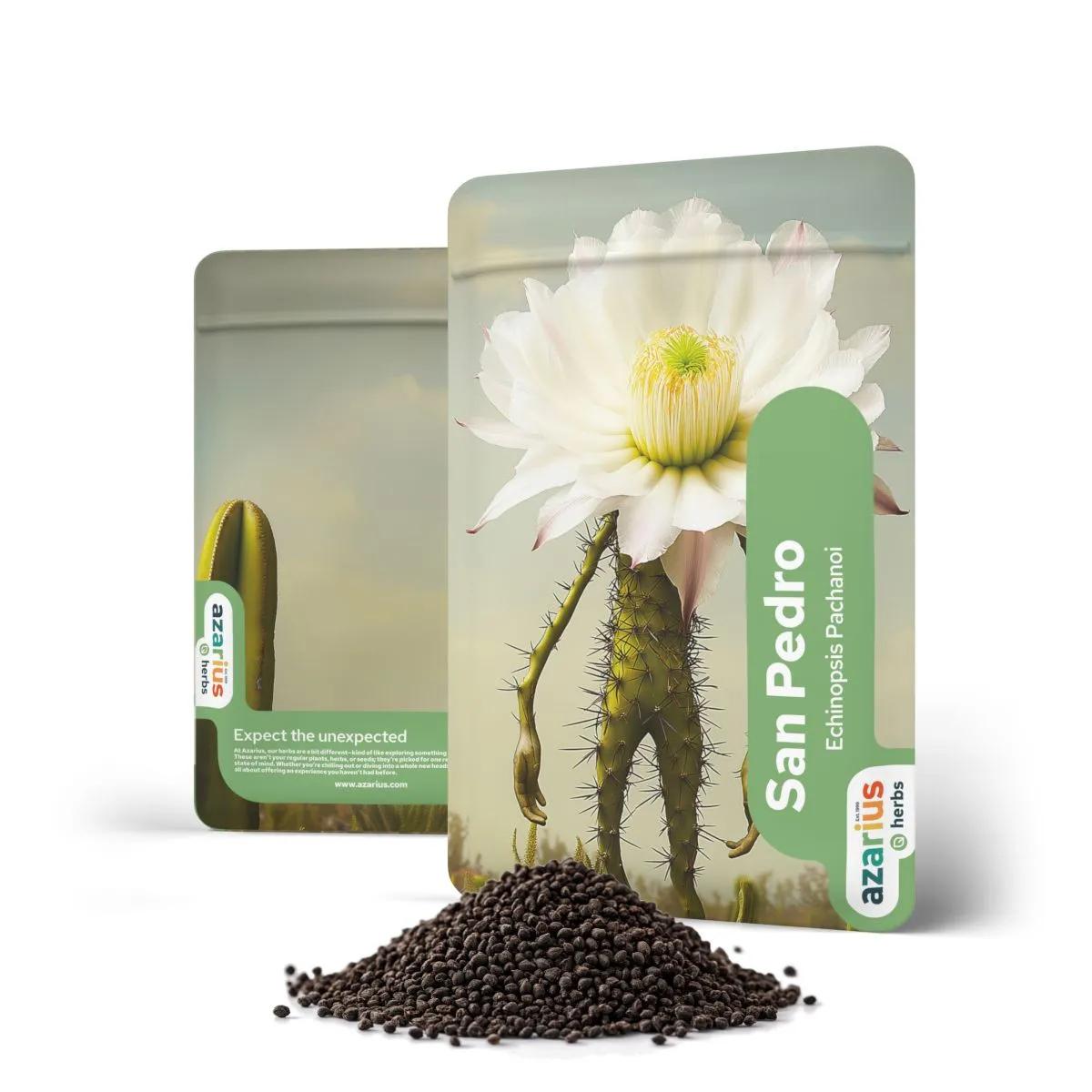
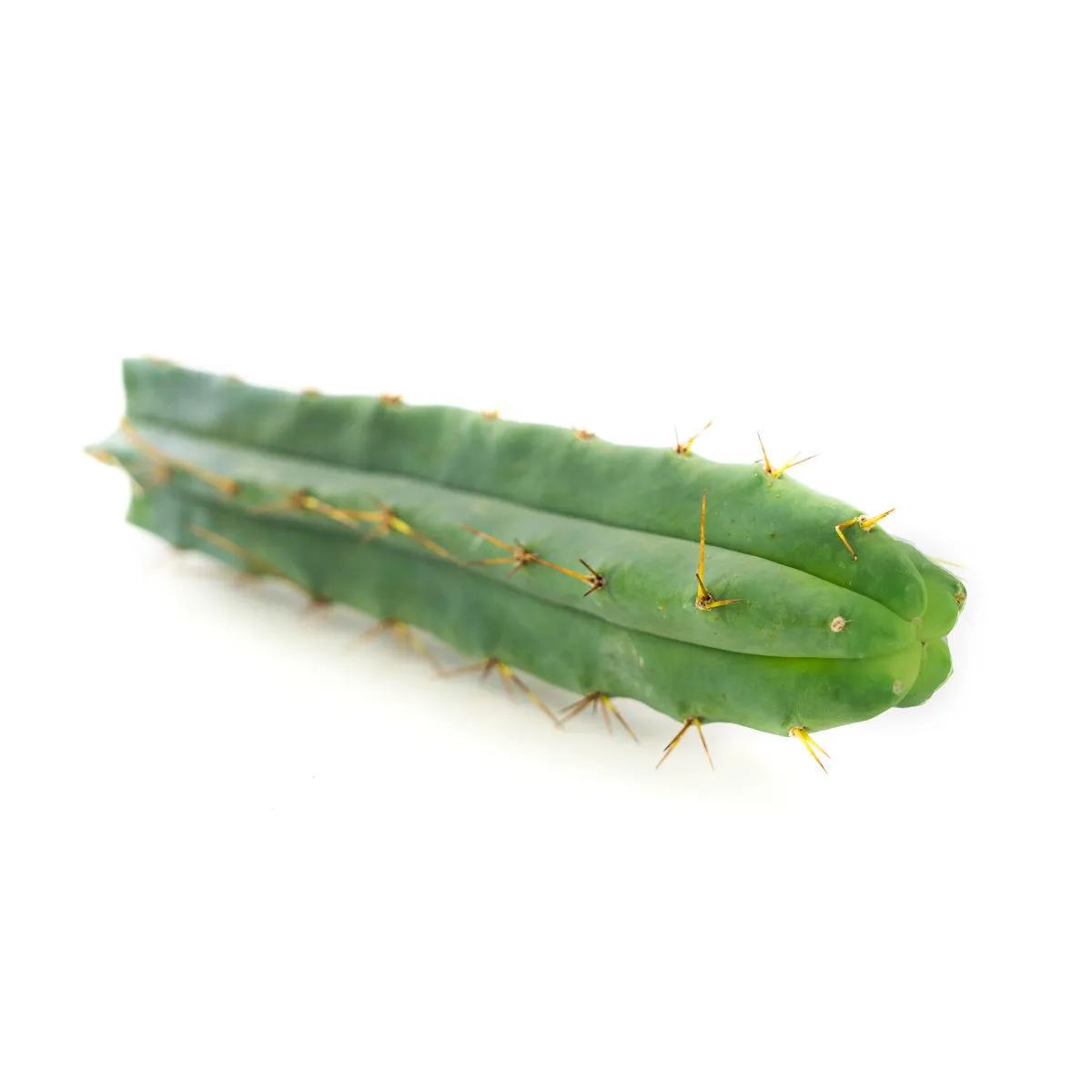
Growing San Pedro? You'll want proper cactus soil and perlite for drainage. If you're building a mescaline cactus collection, check out our Peyote (Lophophora williamsii) seeds and standard San Pedro cuttings — different growth habits, same fascinating alkaloid family. A digital thermometer is also worth grabbing if you're overwintering cacti indoors.
Specifications
| Specification | Detail |
|---|---|
| Species | Echinopsis pachanoi (syn. Trichocereus pachanoi) |
| Common names | San Pedro, achuma, aguacolla, hahuacollay, giganton |
| Rib count | 7 (from verified 7-ribbed mother plant) |
| Type | Live unrooted cutting |
| Small size | 10–11 cm |
| Medium size | 25–30 cm |
| Large size | 50–60 cm |
| Native range | Andes: Peru, Ecuador, Colombia, Argentina, Chile (up to 3,000 m altitude) |
| Primary alkaloid | Mescaline (3,4,5-trimethoxyphenethylamine) |
| Secondary alkaloids | Tyramine, hordenine, 3-methoxytyramine, anhalaninine, anhalonidine |
| Growth rate | 20–40 cm per year under good conditions |
| Minimum temperature | Approximately 5°C (brief exposure); keep above 10°C ideally |
| Watering | Soak and dry method; reduce to near-zero in winter |
| Light | Full sun once established; indirect light during rooting |
Frequently Asked Questions
How long does a 7-ribbed San Pedro cutting take to root?
Typically 2–4 weeks after planting, depending on temperature and humidity. Let the cut end callus for 1–2 weeks first. You'll know roots have formed when the cutting resists a gentle tug. Warmer conditions (20–30°C) speed things up considerably.
Will my San Pedro cutting maintain 7 ribs as it grows?
Usually yes, under stable growing conditions. However, rib count can fluctuate with environmental changes, stress, or rapid growth spurts. New growth from a 7-ribbed cutting typically stays at 7, but the occasional section with 6 or 8 ribs isn't unheard of.
How much mescaline does San Pedro contain?
It varies significantly between individual plants. There's no standardised concentration — factors like age, sun exposure, soil, and stress all influence alkaloid production. Research-observed doses of pure mescaline range from 100 mg (threshold) to 300–500 mg (strong), but translating that to grams of cactus material is not straightforward.
Can I grow San Pedro indoors in Northern Europe?
Yes. San Pedro does well on a south-facing windowsill and can go outdoors in summer. The main challenge is winter — reduce watering drastically and keep it above 10°C. A grow light helps if your flat doesn't get much natural sun between November and February.
What's the difference between 7-ribbed San Pedro and regular San Pedro?
Standard San Pedro typically has 5–6 ribs. The 7-ribbed variety is a natural rarity, sought after by collectors for its unusual form and traditional significance. Both belong to the same species (Echinopsis pachanoi) and contain the same alkaloid profile.
Is San Pedro easy to grow compared to peyote?
Much easier. San Pedro grows 20–40 cm per year versus peyote's painfully slow 1–2 cm. It's also more tolerant of overwatering mistakes and temperature swings. If you're new to mescaline cacti, San Pedro is the best starting point by a wide margin.
Can I take cuttings from my 7-ribbed San Pedro once it's grown?
Absolutely. Once your cactus is large enough (ideally 50+ cm), you can take a cutting from the top, let it callus, and root it separately. The mother plant will typically sprout new growth from below the cut. That's how you build a collection from a single specimen.
What are the side effects of San Pedro?
Nausea and vomiting are the most commonly reported effects. According to research in the Journal of Psychopharmacology, anxiety and disorganised behaviour are also possible. Those with cardiovascular conditions or predispositions to psychotic disorders should avoid it entirely.
Last updated: April 2026
Related products
You might also like
Medical disclaimer. This content is for informational purposes only and does not constitute medical advice. Consult a qualified healthcare provider before use of any substance.