
Cacti Seeds
Mescaline cactus seeds are the slowest, cheapest way into growing your own Lophophora williamsii or Echinopsis pachanoi at home. You're trading years of patience for a fraction of the cost of a rooted specimen — and the satisfaction of raising the cactus from a pinhead-sized seedling. We've stocked cactus seeds at Azarius since 1999, and we only carry two: peyote and San Pedro. Buy the one that matches your timeline.
Mescaline cactus seeds are the slowest, cheapest way into growing your own Lophophora williamsii or Echinopsis pachanoi at home. You're trading years of patience for a fraction of the cost of a rooted specimen — and the satisfaction of raising the cactus from a pinhead-sized seedling. We've stocked cactus seeds at Azarius since 1999, and we only carry two: peyote and San Pedro. Buy the one that matches your timeline.
Buy Mescaline Cactus Seeds — Peyote vs San Pedro
The two cacti in this category sit at opposite ends of the growing spectrum. San Pedro (Echinopsis pachanoi) is the sprinter — columnar, fast, forgiving. Peyote (Lophophora williamsii) is the marathon — squat, slow, and treated as sacred by the Huichol and other indigenous peoples of northern Mexico for thousands of years. Both contain mescaline. Only one of them will still be the size of a pea when your San Pedro is already towering over the windowsill.
Choosing between them isn't really about which cactus you prefer — it's about whether you want a plant you'll watch grow this decade, or a plant you'll hand down to your kids. Seeds are also the cheapest route: a rooted Lophophora button costs more than a packet of 20+ seeds, and a metre-long San Pedro cutting costs more again. The trade-off is time and germination risk.
| Species | Growth speed | Difficulty | Good for |
|---|---|---|---|
| San Pedro (Echinopsis pachanoi) | Fast — visible progress every season | Beginner-friendly | First-time cactus growers who want to see results |
| Peyote (Lophophora williamsii) | Glacial — years to reach button size | Patient growers only | Collectors and ceremonialists committed to the long haul |
Seeds vs Rooted Cacti — Which Should You Buy?
Seeds are the budget route and the rewarding route. Buying a rooted San Pedro cutting or a live peyote button gets you to "grown cactus" in a single transaction, but you skip the entire seedling phase and you pay a premium. Order seeds if you want to grow ten plants for the price of one, if you enjoy the cultivation process itself, or if you want genetic variation across a batch rather than a cloned cutting.
The honest limitation: germination is never 100%. Expect losses in the first few weeks, especially with peyote, which is notoriously picky about humidity and light in its first year. If that prospect stresses you out, shop our rooted cacti category instead. If it sounds like a fun project, seeds are where you start.
What We Carry
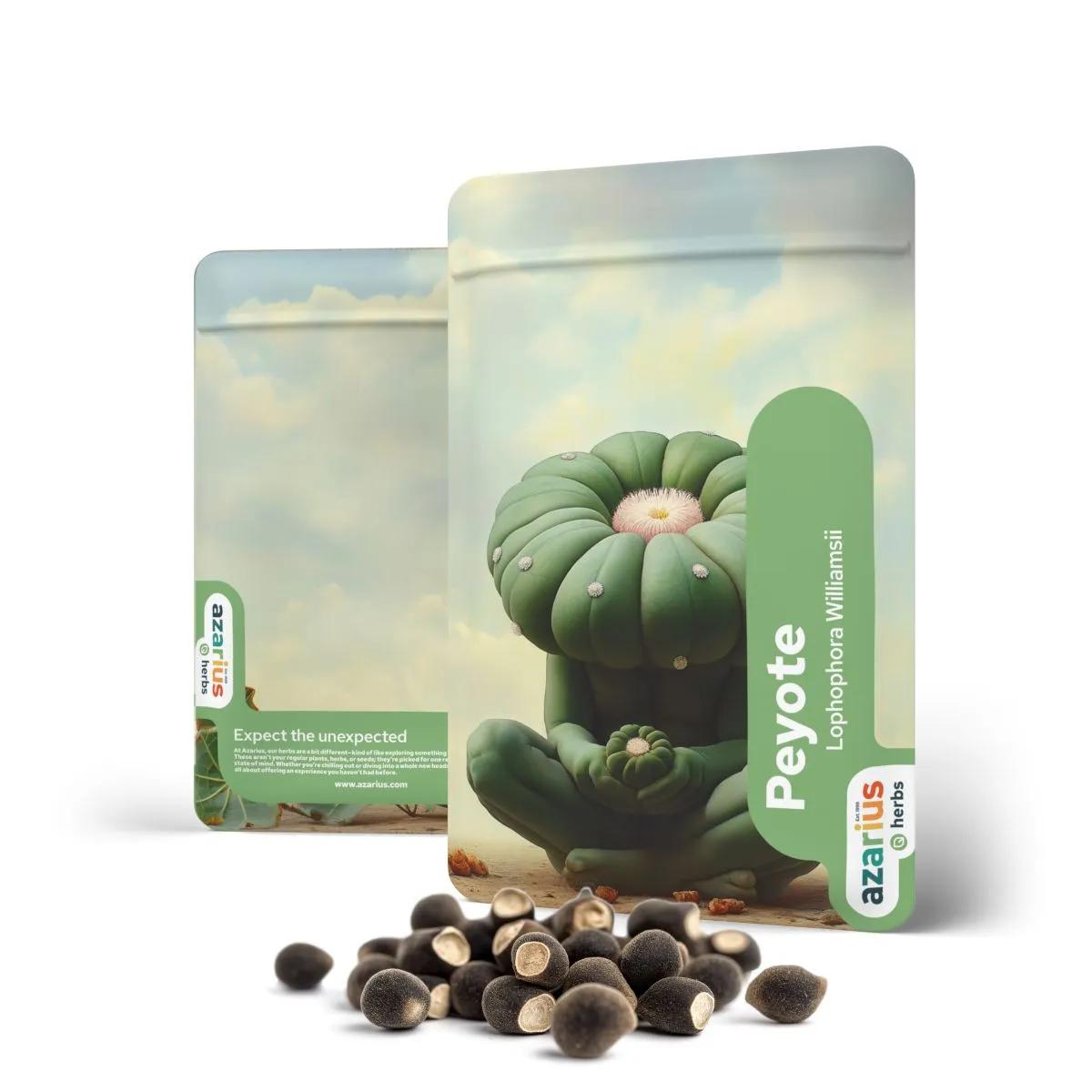
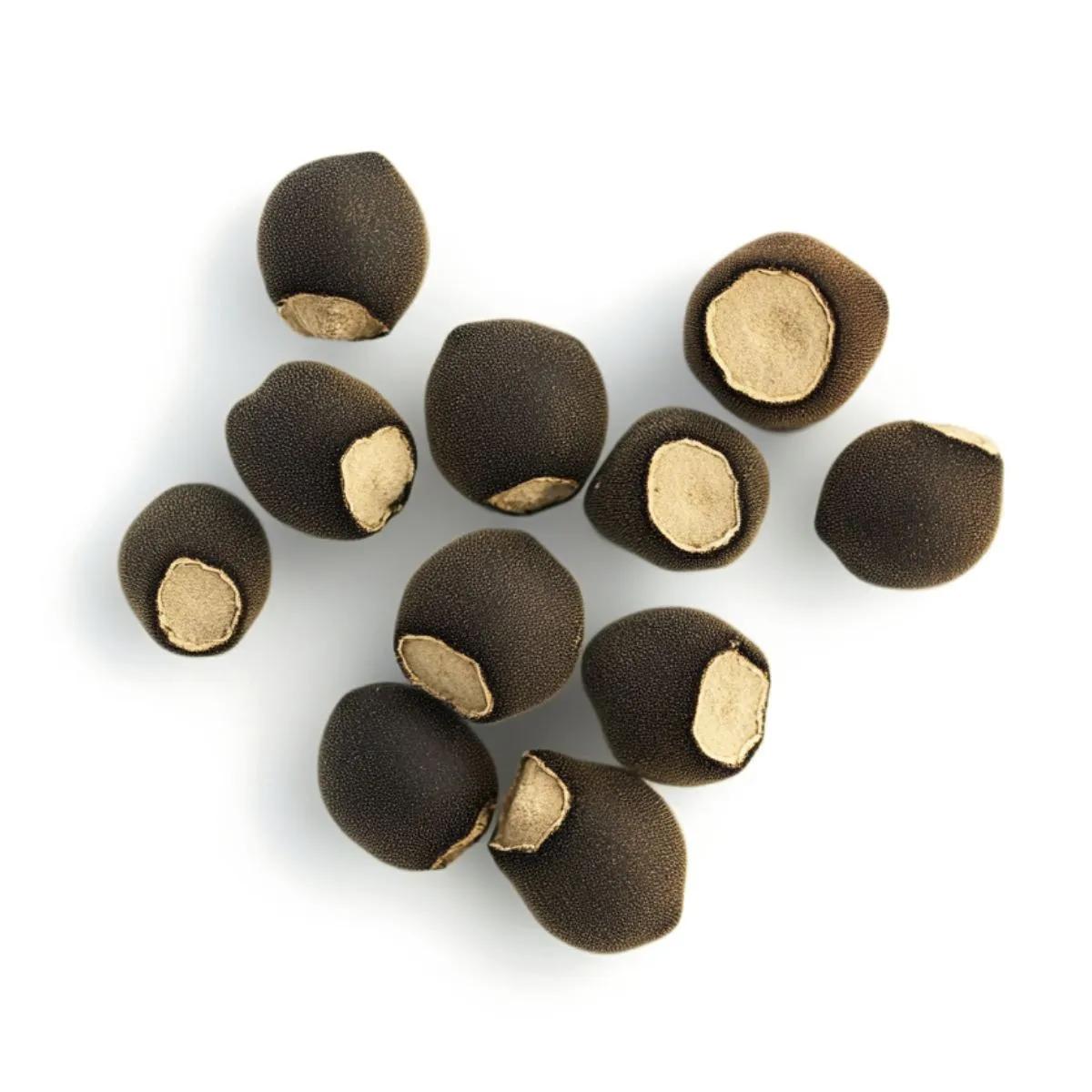
- Peyote seeds — Lophophora williamsii, the sacred slow-grower with 5,000+ years of ceremonial history.
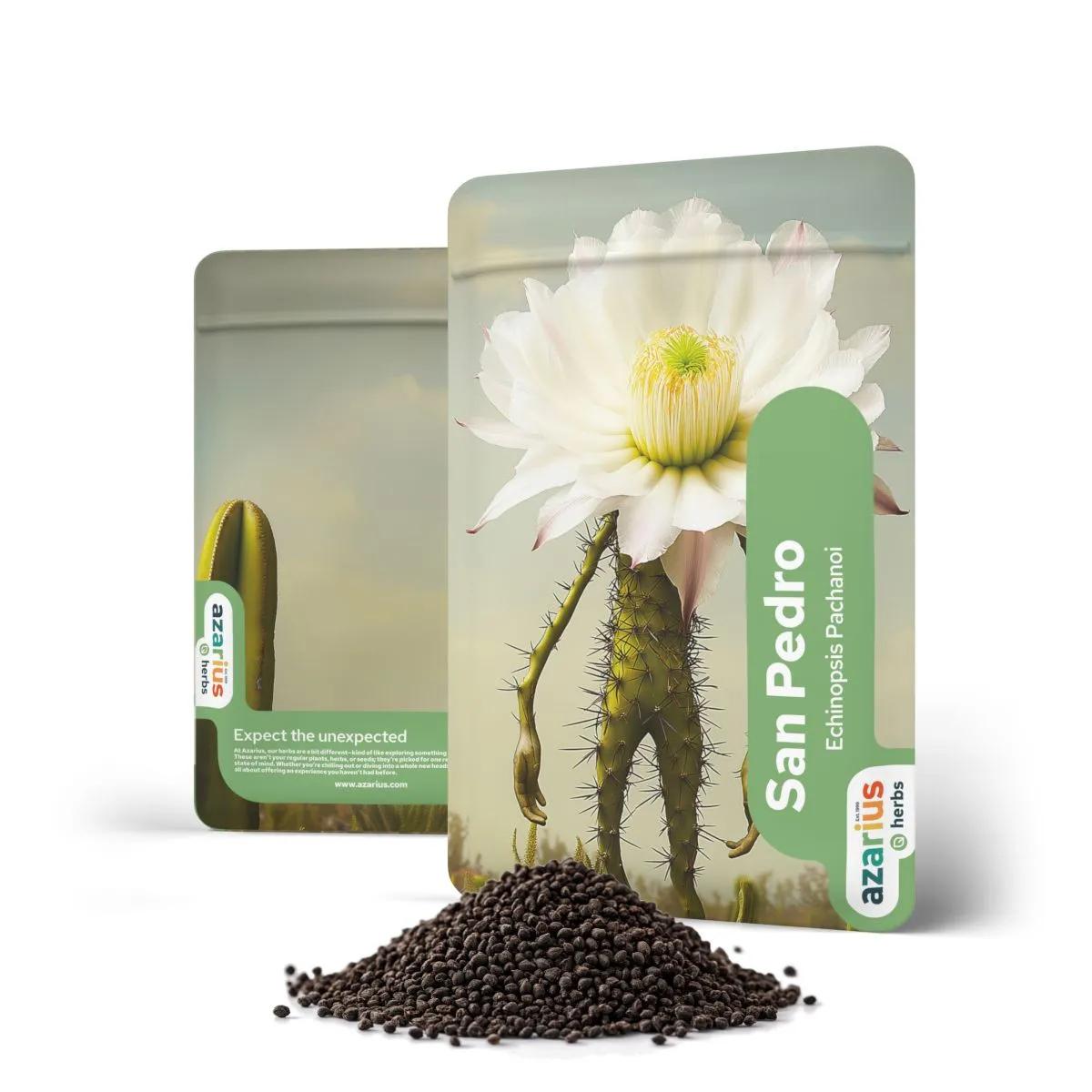
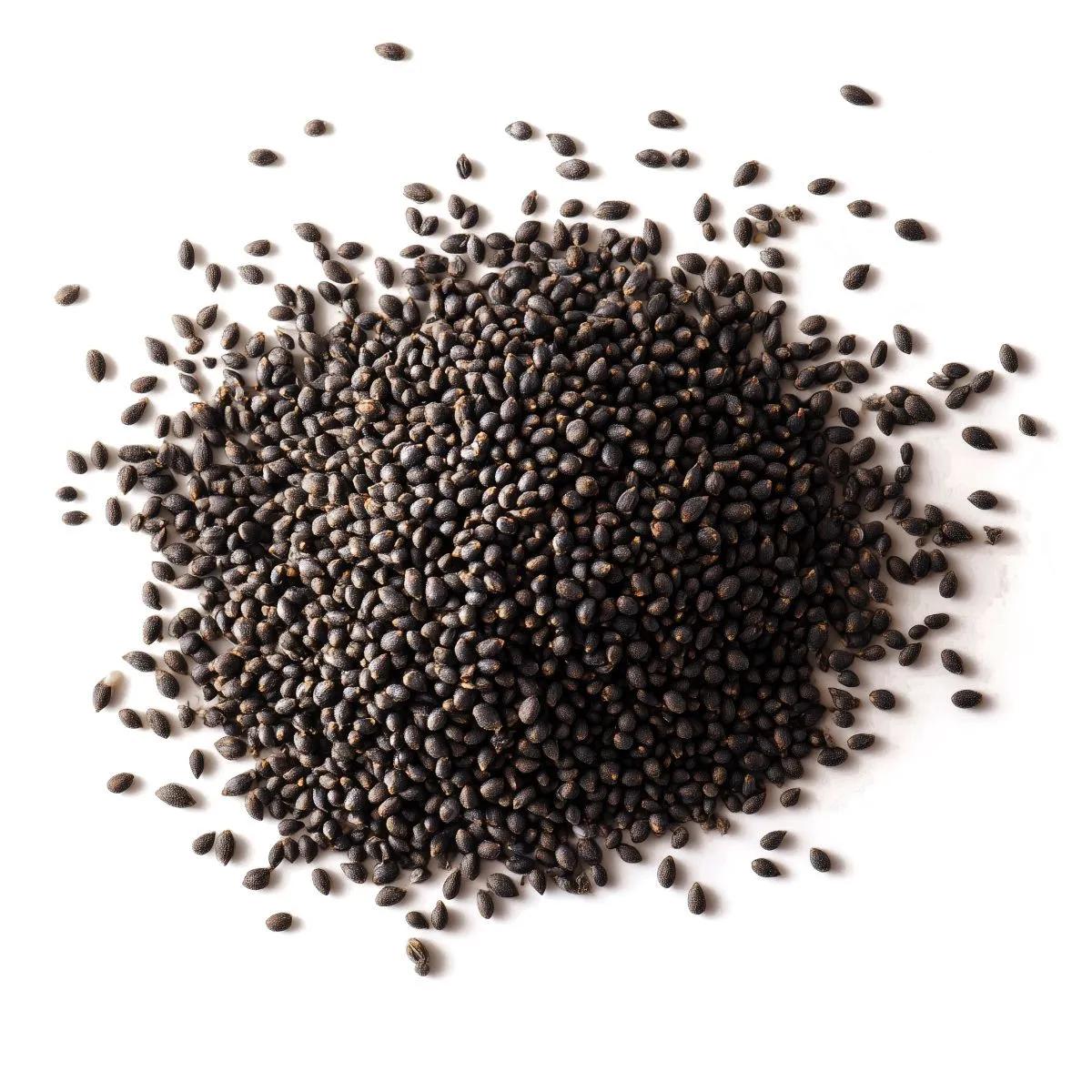
- San Pedro seeds — Echinopsis pachanoi, the Andean columnar cactus that actually grows at a visible rate.
How to Choose Your Cactus Seeds
If this is your first time growing cactus from seed, get the San Pedro. Echinopsis pachanoi germinates reliably, tolerates rookie mistakes with watering, and gives you the dopamine hit of visible monthly growth. You'll learn the fundamentals — sterile substrate, humidity domes, gradual hardening-off — on a plant that forgives you.
If you've already grown cacti from seed before, or you specifically want Lophophora for the cultural and botanical significance, buy the peyote seeds. Go in knowing that a 2cm seedling after 18 months is normal, not failure. Peyote grows at roughly a fifth of the speed of San Pedro — some cultivators graft their Lophophora onto a Pereskiopsis or Trichocereus rootstock to speed things up, which is a legitimate technique if you can source a rootstock.
Start-here recommendation: San Pedro seeds if you want a cactus. Peyote seeds if you want a project.
Frequently Asked Questions
How long do mescaline cactus seeds take to germinate?
Both species typically show first sprouts within 1–3 weeks under warm, humid conditions on a sterile substrate. San Pedro is faster and more uniform; peyote germination can stagger over several weeks.
Can I grow peyote or San Pedro indoors?
Yes — both are commonly grown indoors on a bright windowsill or under a grow light, especially for the first few years. San Pedro eventually wants more space as it columns upward; peyote stays compact enough to live in a small pot for its entire life.
Which grows faster, peyote or San Pedro?
San Pedro, by a wide margin. Echinopsis pachanoi puts on substantial growth every year once established. Lophophora williamsii is one of the slowest-growing cacti in cultivation — think years, not months, to reach noticeable size.
Do I need special soil to grow cactus seeds?
A sterile, free-draining cactus mix is standard — typically a blend of mineral grit (pumice, perlite, or coarse sand) with a small fraction of organic matter. Sterilising the substrate before sowing massively reduces fungal losses in the first weeks.
Last updated: April 2026
Medical disclaimer. This content is for informational purposes only and does not constitute medical advice. Consult a qualified healthcare provider before use of any substance.