
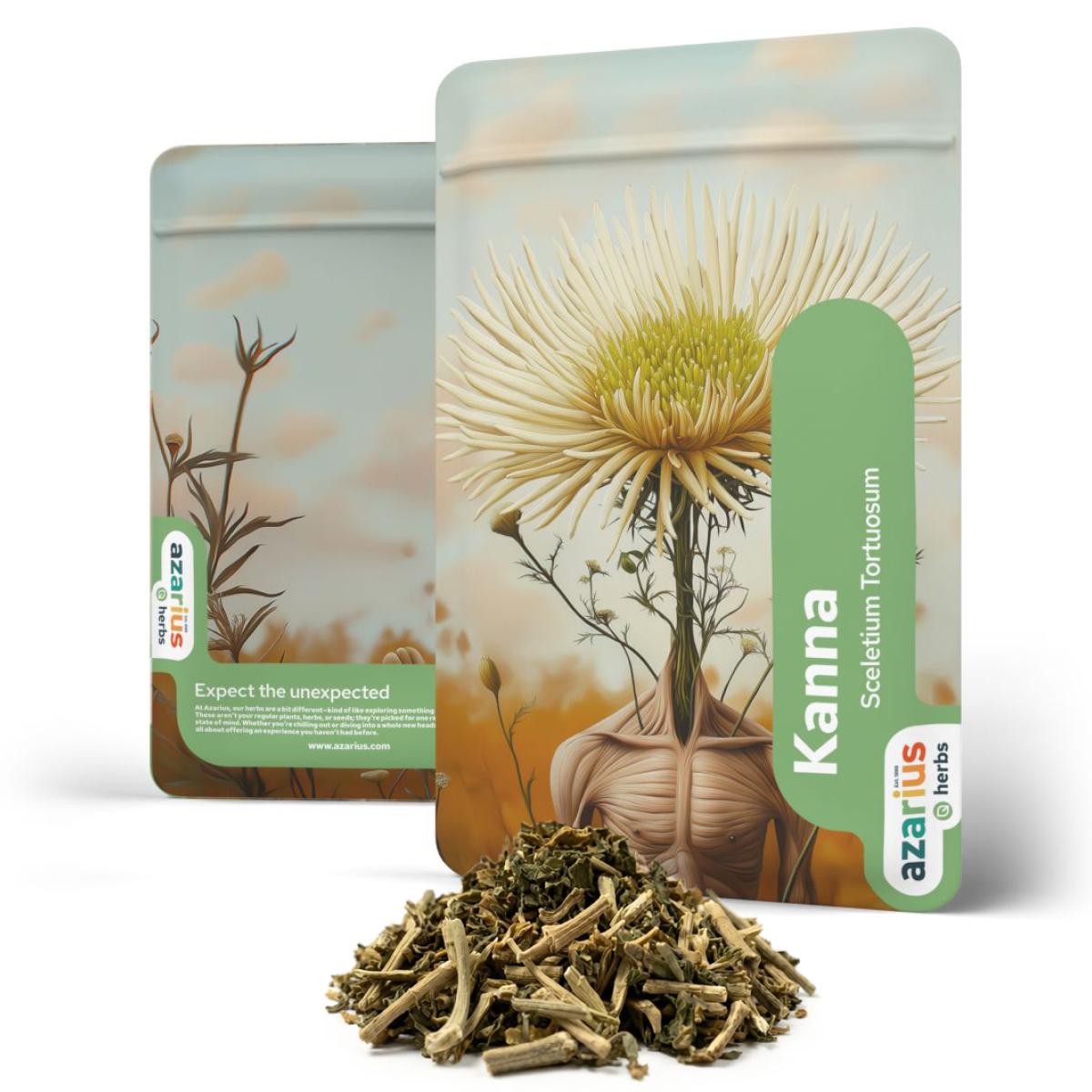
Kanna Shredded
5g Kanna DV08
by Azarius
Buy more, pay less
We'll only email you about this product — no marketing.
Kanna Shredded — Traditional Sceletium Tortuosum for Chewing and Tea
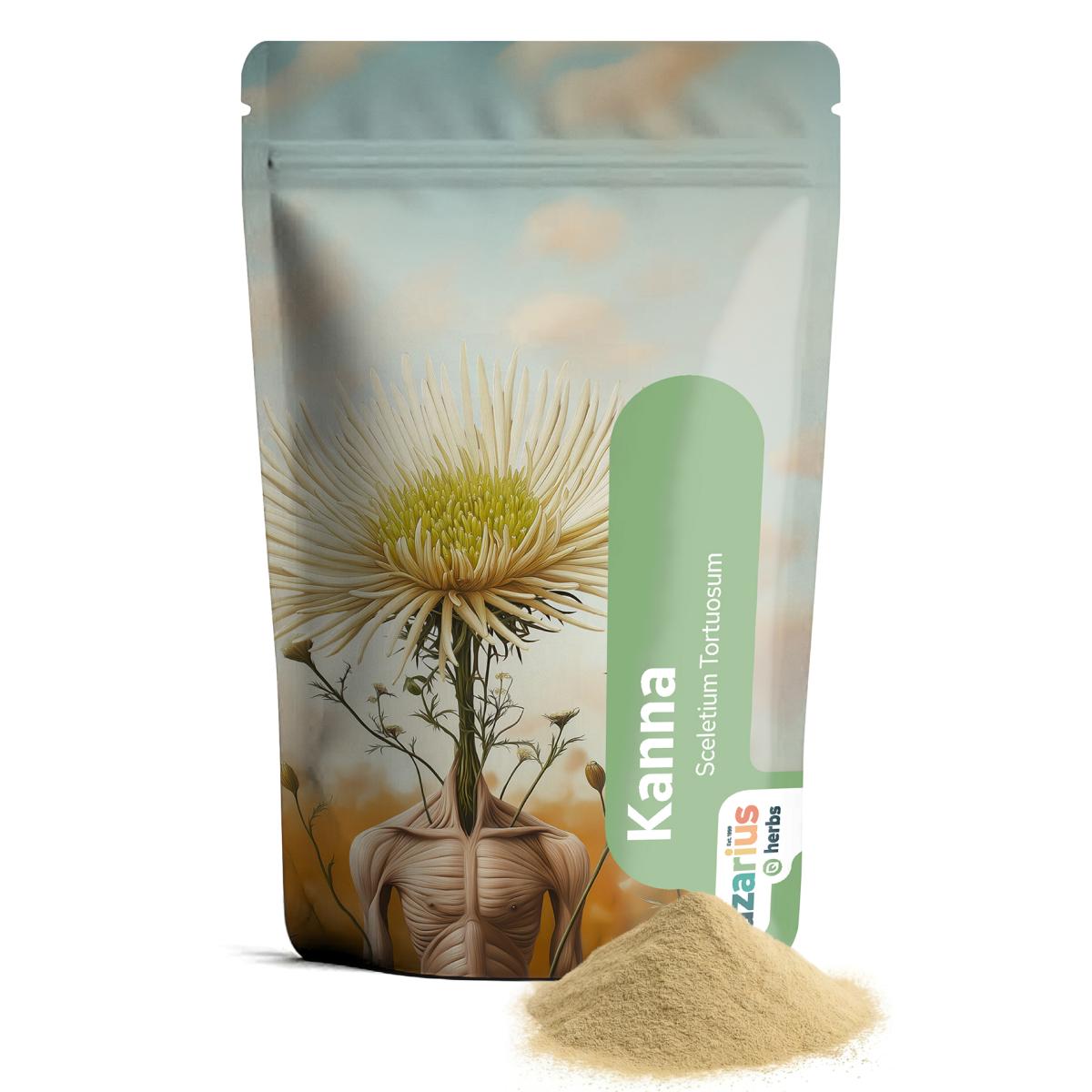
Kanna shredded is a coarsely cut preparation of Sceletium tortuosum, a succulent plant native to South Africa that has been used by the San and Khoikhoi peoples for centuries. This shredded form preserves the plant's full alkaloid profile — including mesembrine, mesembrenone, and mesembrenol — in a format ready for chewing or brewing. If you want kanna the way it was traditionally prepared, before extracts and capsules existed, this is where you start.
How Far Does a 5g Pouch Go?
This pouch holds 5g of shredded kanna. At the usual 1-2 grams per serving that works out at roughly two to three tea sessions, or a handful of chewing portions. It is a starter quantity by design: enough to find out whether the taste and the effect suit you before you commit to anything larger. Stored properly in a sealed container away from light and moisture, it keeps for a year or more, so there is no rush to get through it.
What Makes Kanna Shredded Different from Extracts and Powders
Shredded kanna is the whole dried plant, cut into coarse strips rather than ground to powder or concentrated into an extract. That means you're working with the plant's natural alkaloid balance — not an isolated compound. The texture is fibrous and slightly woody, with a faintly bitter, herbaceous taste that's more earthy than sharp. It's not pleasant exactly, but it's honest. You know you're chewing a plant, not swallowing a capsule.
Compared to kanna extract powders (which concentrate mesembrine to 3-5% or higher), shredded kanna delivers a gentler, more gradual experience. The trade-off is that you need more material — typically 1-2 grams for a chewing portion versus 50-100mg of a standardised extract. For tea, you're looking at roughly 1-2 grams steeped in hot water for 10-15 minutes. The onset is slower, the curve is smoother, and the whole thing feels less clinical. That's the appeal.
One honest limitation: the taste. Chewing raw kanna shredded is an acquired thing. The bitterness hits fast and lingers. Most people find brewing it as tea with a bit of honey far more manageable. A squeeze of lemon helps.
| Specification | Detail |
|---|---|
| Botanical name | Sceletium tortuosum |
| Common names | Kanna, Channa, Kougoed |
| Brand | Azarius Herbs |
| Form | Coarsely shredded dried plant material |
| Plant part | Aerial parts (stems and leaves) |
| Key alkaloids | Mesembrine, mesembrenone, mesembrenol, tortuosamine |
| Pouch size | 5g |
| Preparation methods | Chewing, tea infusion, sublingual |
| Origin | South Africa |
| Storage | Cool, dry, dark place — resealable bag or airtight jar |
How the San People Traditionally Prepared Kanna
The indigenous San people of South Africa fermented kanna before use — a process called "kougoed" (meaning "something to chew"). Fresh plant material was crushed, placed in animal-skin bags, and left to ferment for several days in the sun. This fermentation step is thought to convert certain alkaloids into more bioactive forms, particularly increasing mesembrine content. The dried, fermented material was then chewed, held under the tongue, or smoked.
Modern shredded kanna, including this Azarius Herbs preparation, is typically dried rather than fermented in the traditional sense. The alkaloid profile is still present — mesembrine remains the primary active compound — but the ratio may differ slightly from traditionally fermented kougoed. This is worth knowing if you've read about traditional preparation and expect an identical experience. The shredded form is the closest commercially available option to the traditional method without doing the fermentation yourself.
How to Use Kanna Shredded
- Chewing method: Take approximately 1-2 grams of kanna shredded and place it between your gum and cheek, similar to how you'd use chewing tobacco. Chew slowly, letting the saliva mix with the plant material. The alkaloids absorb through the mucous membranes in your mouth. Hold it there for 15-30 minutes, then spit out the spent material. The bitterness is real — have water nearby.
- Tea infusion: Measure 1-2 grams of kanna shredded per cup. Bring water to around 80-90°C (not a full rolling boil — you don't want to degrade the alkaloids). Pour over the shredded material and steep for 10-15 minutes with a lid on. Strain, add honey or lemon to taste. Drink slowly over 20-30 minutes.
- Sublingual method: Place a small amount (0.5-1 gram) of finely chewed kanna shredded under your tongue. Hold for 10-20 minutes without swallowing. This allows faster absorption through the sublingual mucosa. Less material needed, but the taste is more concentrated.
- Storage: Keep your kanna shredded in its original resealable pouch or transfer to an airtight glass jar. Store away from direct sunlight and moisture. Properly stored, dried kanna maintains its potency for 12 months or more.
What Research Says About Sceletium Tortuosum
Kanna's primary alkaloid, mesembrine, has been the subject of growing scientific interest. Research has focused on mesembrine's interaction with the serotonin transporter — it functions as a selective serotonin reuptake inhibitor (SRI), though with a different pharmacological profile than pharmaceutical SSRIs. A 2014 study published in Neuropsychopharmacology found that a standardised Sceletium tortuosum extract (Zembrin) at 25mg reduced amygdala reactivity to fearful faces in healthy volunteers, as measured by fMRI. That's a single study with a specific extract at a specific dose — not a blanket claim about all kanna products — but it's one of the more rigorous pieces of evidence in the literature.
Traditionally, kanna was used by the San people for mood support and to reduce hunger and thirst during long hunts. Ethnobotanical accounts describe it as producing a sense of calm and mild elevation. According to Smith et al. (2011) in the Journal of Ethnopharmacology, Sceletium tortuosum has a long history of traditional use as a mood-altering substance, with reported effects including anxiolysis and sedation at higher amounts.
The typical range observed in ethnobotanical and clinical literature for dried kanna plant material is 1-2 grams when chewed or brewed. Higher amounts (above 2-3 grams) have been associated with more pronounced sedative effects in traditional accounts. Mesembrine content in raw plant material varies — typically 0.3-1.3% of dry weight depending on harvest, plant part, and preparation method. This natural variability is one reason extracts with standardised mesembrine percentages exist, but it's also why some people prefer the whole-plant form: you get the full spectrum of alkaloids, not just one isolated compound.
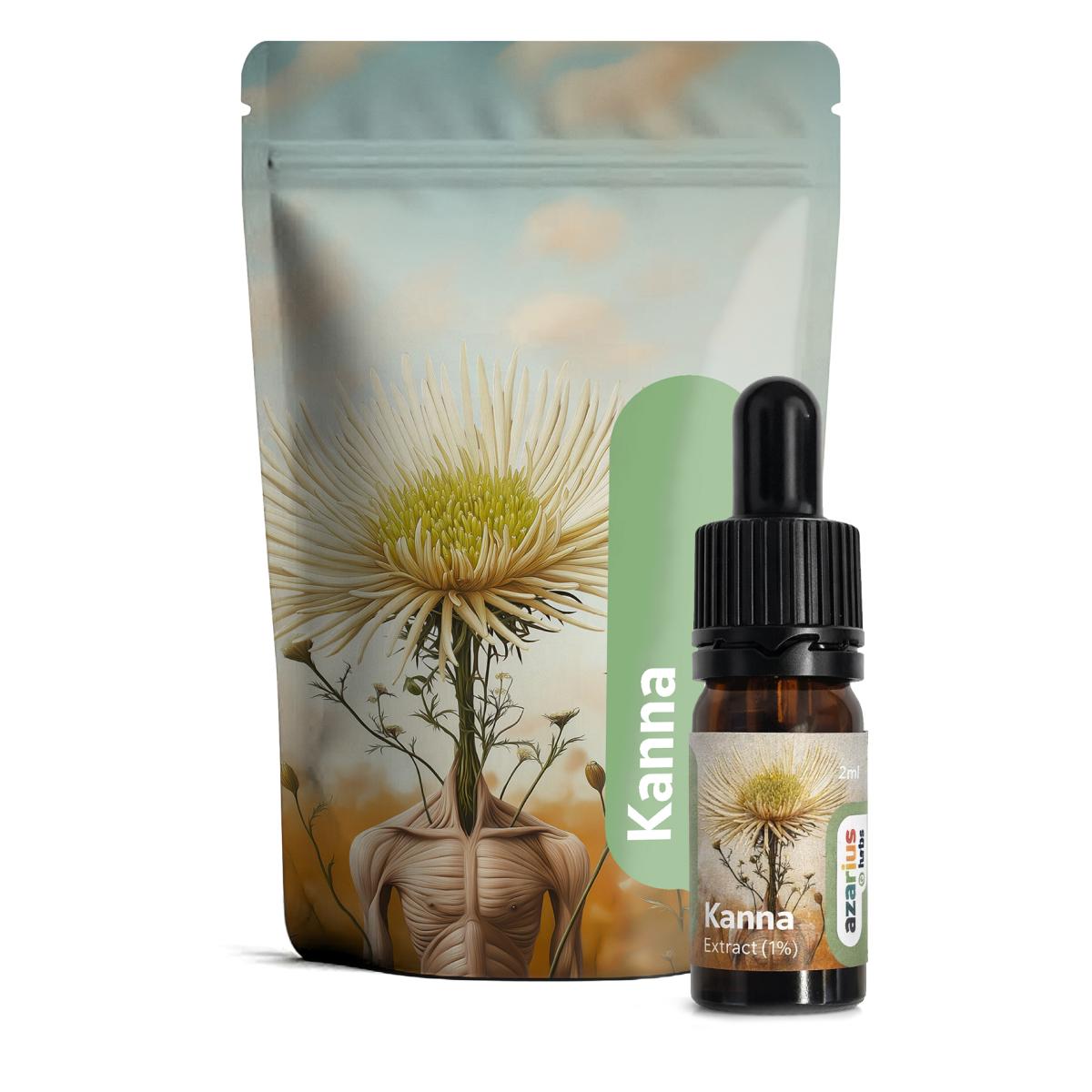
If you find you enjoy kanna but want something more concentrated, Azarius Herbs also carries kanna extract and kanna powder — both offer higher mesembrine content per gram. For a complementary botanical to pair with your evening tea ritual, have a look at our Passionflower or Valerian root — they sit well alongside kanna's profile without competing with it.
Frequently Asked Questions
What does kanna shredded taste like?
Bitter, earthy, and slightly astringent — somewhere between green tea left steeping too long and raw dandelion root. The chewing method concentrates the bitterness. As a tea with honey and lemon, it's much more drinkable. The taste fades after the first few minutes of chewing.
How much kanna shredded should I use for tea?
Clinical and ethnobotanical literature references 1-2 grams of dried plant material per cup. Start at the lower end — 1 gram steeped for 10-15 minutes — and adjust from there. Brewing with a lid on helps retain volatile compounds.
What is the difference between kanna shredded and kanna extract?
Shredded kanna is the whole dried plant cut into strips, containing the full natural alkaloid profile at roughly 0.3-1.3% mesembrine by weight. Extracts concentrate specific alkaloids — some standardised to 3-5% mesembrine or higher — so you need far less material. Shredded is gentler and more gradual; extracts are more potent per gram.
Can I smoke kanna shredded?
Traditionally, the San people did smoke dried kanna, sometimes mixed with other herbs. The shredded form can be used this way, though the bioavailability and experience differ from chewing or tea. Most of our customers prefer the oral methods for a more sustained effect.
Can I combine kanna with other herbs or substances?
Kanna's mesembrine acts as a serotonin reuptake inhibitor, so combining it with other serotonergic substances (including pharmaceutical SSRIs, MAOIs, and MDMA) carries real risk. With non-serotonergic herbs like passionflower or chamomile, the combination is generally well-tolerated. Always introduce one new thing at a time.
How should I store kanna shredded?
Airtight container, away from light, heat, and moisture. A glass jar with a screw-top lid in a kitchen cupboard works well. Properly stored, dried kanna retains its alkaloid content for at least 12 months. You'll know it's degraded if the colour fades from green-brown to pale straw and the smell disappears.
Is kanna the same as kougoed?
Kougoed literally means "something to chew" in Afrikaans and refers to traditionally fermented kanna. Modern dried kanna shredded skips the fermentation step, so while the plant is the same (Sceletium tortuosum), the alkaloid ratios may differ slightly from true kougoed. The active compounds are still present in both forms.
Last updated: April 2026
Related products
You might also like
Medical disclaimer. This content is for informational purposes only and does not constitute medical advice. Consult a qualified healthcare provider before use of any substance.