
Buy more, pay less
Ganoderma Lucidum Reishi Extract — Asia's Mushroom of Immortality
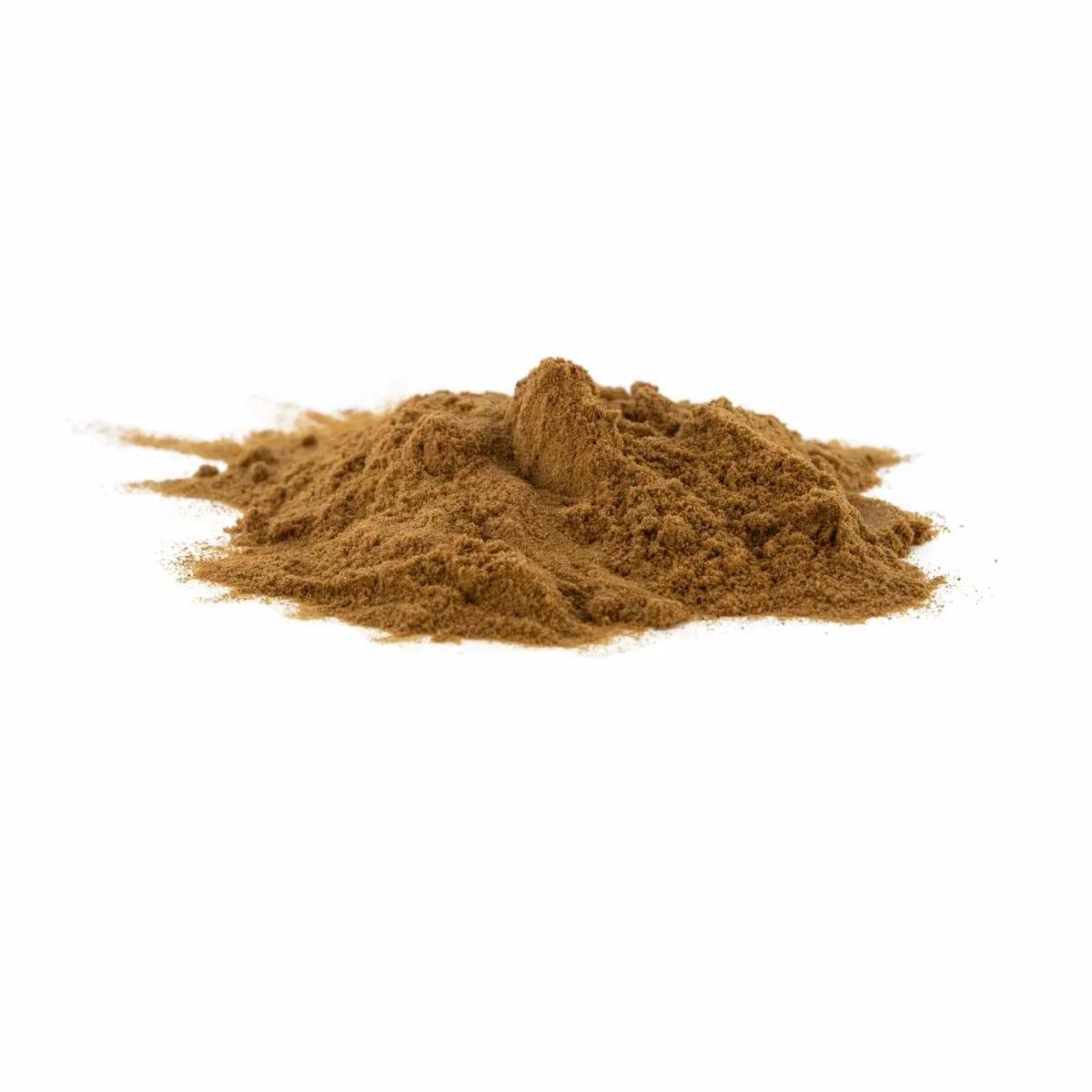
Reishi extract (Ganoderma lucidum) is a concentrated functional mushroom powder with a minimum of 30% polysaccharides, produced from organically grown fruiting bodies at a ratio of 15–18 kg dried mushroom to 1 kg of extract. For over two thousand years, this woody, kidney-shaped fungus — native to hot, humid regions of East Asia where it colonises ageing maple stumps — has occupied a central place in traditional Chinese and Japanese wellness practices. The Chinese name lingzhi translates roughly to "spirit plant," and Japanese practitioners call it mannentake, the "10,000-year mushroom." That kind of reputation doesn't come from nowhere.
What Makes This Reishi Extract Worth Your Attention
Reishi mushrooms aren't something you slice into a stir-fry. They're tough, bitter, and woody — more bracket fungus than button mushroom. That bitterness is actually a good sign: it comes from triterpenoids, one of the key bioactive compound groups alongside beta-glucans and antioxidants. This extract concentrates those compounds into a fine, earthy-tasting powder that dissolves in hot water, blends into smoothies, or sits neatly inside a gel capsule.
The 30% polysaccharide content is the number to pay attention to. Polysaccharides — particularly beta-glucans — are the compounds most studied in reishi research. To hit that 30% minimum, the production process requires between 15 and 18 kilograms of dried reishi powder for every single kilogram of extract. That's not a marketing number; it's the practical reality of concentrating a mushroom that grows slowly on decaying hardwood in subtropical forests.
We've carried functional mushrooms in the shop for years, and reishi is consistently the one customers come back to. It has a loyal following. The taste is earthy and noticeably bitter — not unpleasant if you're expecting it, but it'll catch you off guard in a glass of plain water. Stir it into coffee, chai, or a smoothie with some cacao and you won't notice the bitterness at all.
Reishi Mushroom Research: What the Science Actually Says
Reishi is one of the most-studied medicinal mushrooms on the planet, but the honest picture is more "promising and ongoing" than "settled and proven." Here's what the research looks like right now.
According to a review published in PMC, "Clinical investigations have revealed G. lucidum's capacity to lower blood pressure, cholesterol, and glucose levels" (The Nutritional Significance of Ganoderma lucidum). A separate Cochrane-style review examining reishi and cancer treatment found beneficial effects on tumour response, immune functions, and quality-of-life assessment (Ganoderma lucidum for cancer treatment, PMC). And according to a 2024 review in PubMed, reishi's triterpenoids and polysaccharides show potential in "affecting activated microglia, regulating NF-kB/MAPK signalling pathway, inhibiting neuronal apoptosis, and modulating immune system" (Therapeutic potential of the medicinal mushroom Ganoderma).
The honest limitation: according to the NIH's Herbal Medicine resource, "the evidence from studies in people to show that reishi has the claimed health benefits is limited" (Ganoderma lucidum — Herbal Medicine, NCBI). Most of the exciting findings come from in-vitro and animal studies. Human clinical trials exist but tend to be small. A 2024 paper in PMC put it plainly: "Currently, G. lucidum has no clinical applications, but it could be very useful if the evidence we presented would encourage the synthesis of new drug candidates" (Exploring the Therapeutic Potential of Ganoderma lucidum). So it's a mushroom with a two-thousand-year track record in traditional medicine and a growing — but still incomplete — body of modern clinical evidence. That's the fair summary.
Reishi Extract Specifications
| Spec | Detail |
|---|---|
| Botanical Name | Ganoderma lucidum |
| Common Names | Reishi, Lingzhi, Mannentake |
| Form | Powdered extract |
| Ingredients | 100% Ganoderma lucidum |
| Polysaccharide Content | Minimum 30% |
| Extraction Ratio | 15–18 kg dried mushroom per 1 kg extract |
| Key Bioactives | Beta-glucans, triterpenoids, antioxidants |
| Cultivation | Organically grown |
| Recommended Daily Dose | 1 teaspoon (max 0.5 g taken 3 times daily) |
| Shelf Life | 4 years |
| Storage | Sealed, room temperature or cooler, dry and dark |
How to Use Reishi Extract
Reishi extract powder is versatile, but the bitter, earthy flavour means you'll want to pair it with something that can hold its own. Here's the practical rundown.
- Measure out your dose. The manufacturer recommends 1 teaspoon per day, with a maximum of 0.5 g taken three times daily. A small kitchen scale is useful here — 0.5 g is less powder than you'd think. Clinical studies referenced in the Pharmacopoeia of the People's Republic of China list 6–12 g of reishi extract daily, but that refers to specific clinical preparations, not necessarily this concentrate.
- Choose your method. Stir the powder into hot water or tea for the most traditional approach — it dissolves reasonably well with a good stir, though a small whisk helps. Coffee, chai, and hot chocolate all mask the bitterness effectively. Smoothies work brilliantly: blend with banana, cacao powder, and a nut milk and you'll barely taste it.
- Alternatively, fill your own gel capsules. If you can't stand the taste — and some people genuinely can't — a capsule filler and size 00 caps will sort you out. You can find empty gel caps in our shop.
- Be consistent. Functional mushrooms aren't a one-and-done thing. Most people who report noticing anything say it took 2–4 weeks of daily use. Don't expect overnight results.
- Store the powder tightly sealed in a cool, dry, dark spot. With a 4-year shelf life, it'll last — but moisture is the enemy. Keep a silica packet in the bag if you live somewhere humid.
Pair reishi with lion's mane extract for a functional mushroom stack — reishi for long-term immune support, lion's mane for cognitive sharpness. If you'd rather not taste the bitterness, grab a bag of empty gel capsules and a capsule filling machine to make your own caps in minutes.
Reishi vs. Other Functional Mushrooms
Reishi isn't the only functional mushroom worth knowing about. Here's how it compares to the other heavy hitters we carry.
| Mushroom | Primary Traditional Use | Key Bioactives | Flavour Profile |
|---|---|---|---|
| Reishi (Ganoderma lucidum) | Immune modulation, longevity | Beta-glucans, triterpenoids | Bitter, earthy, woody |
| Lion's Mane (Hericium erinaceus) | Cognitive function, nerve support | Hericenones, erinacines | Mild, slightly sweet |
| Chaga (Inonotus obliquus) | Antioxidant support | Melanin, betulinic acid | Mild, vanilla-like |
| Cordyceps (Cordyceps militaris) | Energy, stamina | Cordycepin, adenosine | Nutty, slightly savoury |
If you're new to functional mushrooms, reishi is a solid starting point — it's the most researched of the lot and has the longest track record in traditional use. If you want something you can feel working day-to-day, lion's mane or cordyceps might be more your speed. Nothing stops you combining them, either.
Safety and Interactions
Reishi extract is generally well-tolerated at recommended doses, but it's not without caveats. High doses — well above the 0.5 g three times daily maximum listed here — have been associated with digestive upset, dry mouth, and nosebleeds in some reports. According to safety data reviewed across multiple sources, reishi may affect platelet aggregation, meaning it could increase bleeding risk if your platelet count is already low or if you're taking anticoagulant medication.
Pregnant or breastfeeding? Skip this one until you've spoken with your GP. Same goes if you're on immunosuppressants — reishi's traditional reputation centres on immune modulation, and you don't want to work against your medication. Nutritional supplements are no substitute for a varied diet, and exceeding the recommended dose doesn't mean better results — it usually means the opposite.
Frequently Asked Questions
How long does reishi mushroom extract take to work?
Most people report noticing subtle changes after 2–4 weeks of consistent daily use. Reishi isn't a stimulant — its effects relate to immune modulation and antioxidant activity, which aren't immediately perceptible. Consistency matters more than dose size.
What does reishi extract taste like?
Bitter and earthy, with a woody undertone. It's not unpleasant if you're prepared for it, but mixing it into coffee, chai, or a cacao smoothie makes it much more palatable. Gel capsules are the best option if you can't handle the taste at all.
Can I take reishi extract every day?
Yes. The recommended dose is 1 teaspoon daily, with a maximum of 0.5 g taken three times per day. Traditional use and clinical studies referenced in the Pharmacopoeia of the People's Republic of China list daily consumption as standard practice.
Is reishi extract safe to combine with lion's mane or other functional mushrooms?
Combining reishi with lion's mane or cordyceps is common practice among functional mushroom users. There are no known adverse interactions between these species. Just keep each individual mushroom within its recommended dose range.
What does "30% polysaccharides" mean in a reishi extract?
It means at least 30% of the extract's dry weight consists of polysaccharides — primarily beta-glucans, the bioactive compounds most studied in reishi research. Achieving this concentration requires 15–18 kg of dried mushroom powder per 1 kg of extract, which is why concentrated extracts cost more than raw mushroom powder.
Can reishi mushroom extract interact with medication?
Reishi may affect platelet aggregation and could interact with blood-thinning medication, immunosuppressants, or blood pressure drugs. If you're on any prescription medication, check with your doctor before starting reishi extract.
How should I store reishi extract powder?
Keep it tightly sealed at room temperature or cooler, in a dry, dark place. Moisture is the main enemy — a silica packet in the bag helps. Stored properly, this extract has a 4-year shelf life.
Last updated: April 2026
Related products
Medical disclaimer. This content is for informational purposes only and does not constitute medical advice. Consult a qualified healthcare provider before use of any substance.