
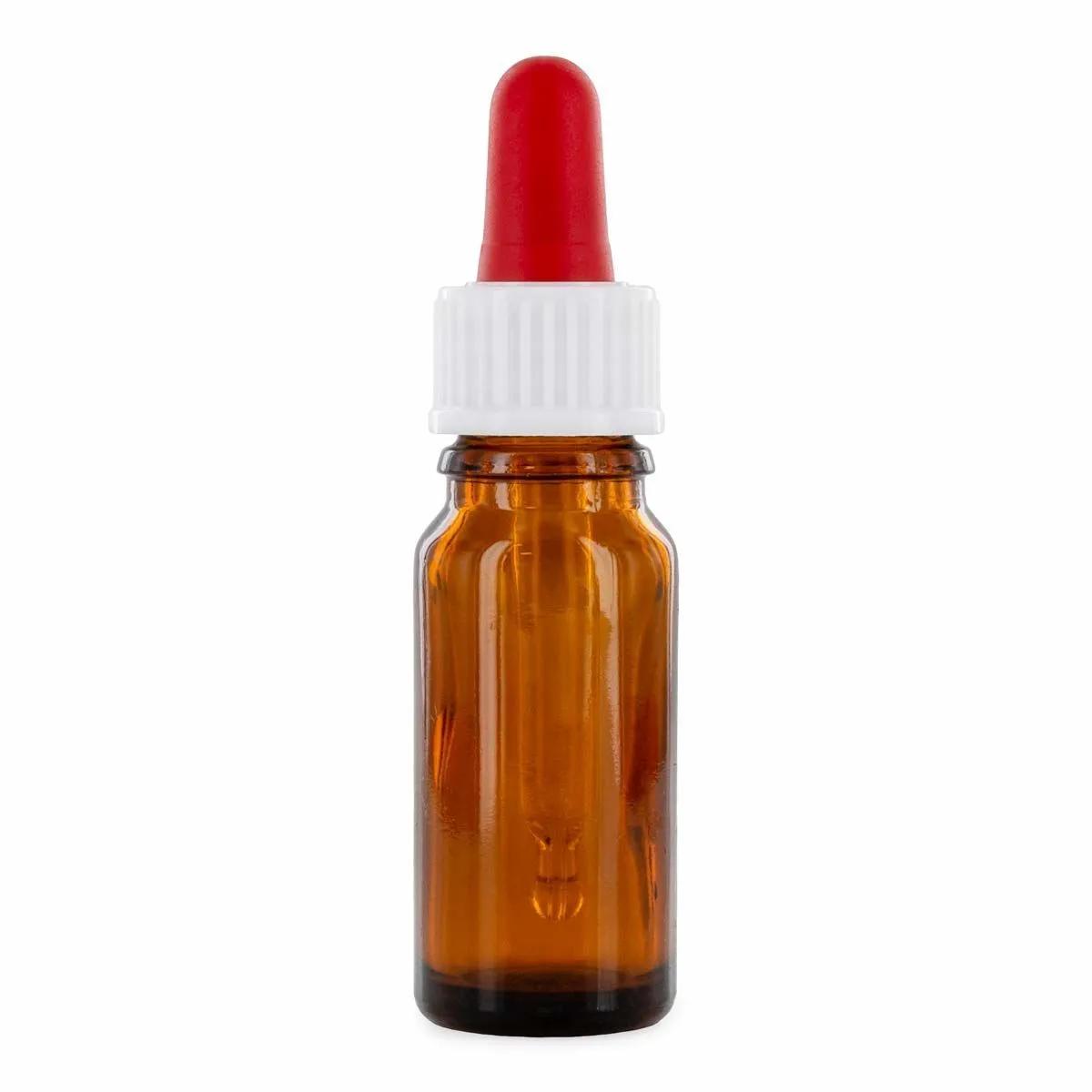
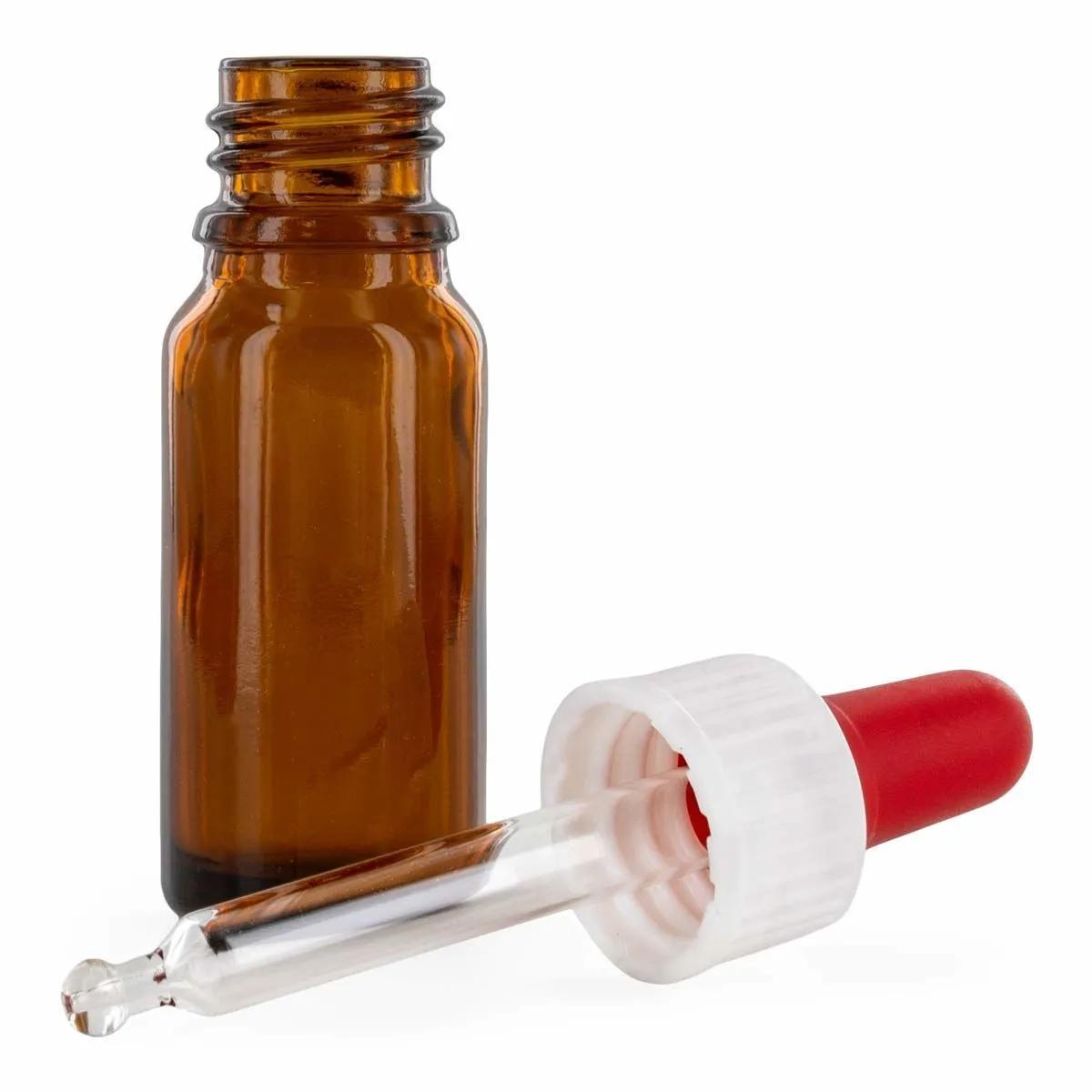
A dropper bottle is a small glass vessel with a rubber-bulb pipette, made for drop-by-drop dispensing of oils and tinctures. If you make your own CBD blends, decant a bulk bottle into something portable, or want to store a homemade herbal tincture without it going off in six weeks, this is the format you buy. Amber glass, pipette lid, pocket-sized. Shipping across the EU from Amsterdam since 1999.
Shop Dropper Bottles — What This Format Is For
A dropper bottle solves three problems at once: precise dosing, light protection, and portability. The pipette lets you count drops instead of guessing; the tinted glass blocks UV so cannabinoids and plant compounds don't degrade; the small format fits in a jacket pocket or handbag without leaking. That's the whole brief.
People buy empty dropper bottles for a few reasons. Some are decanting a larger CBD oil into something they can carry around without risking a 30ml bottle in a rucksack. Others are making homemade tinctures — alcohol or glycerin extractions of herbs like valerian, passionflower, or mugwort — and need proper storage. A few are blending essential oils for aromatherapy. The bottle doesn't care what goes in it, as long as it's oil-soluble or alcohol-based.
Amber Glass vs Clear Glass vs Plastic — Why This Matters
Clear glass looks nice on a shelf and ruins your tincture. UV light breaks down cannabinoids, terpenes, and most active plant compounds — a 2013 study in the Journal of AOAC International found THC and CBD degraded measurably faster in clear containers exposed to normal room light compared with amber glass. That's why pharmacy bottles have been brown since the 1800s. Plastic is worse again: oils leach plasticisers over time, and the seal is rarely airtight. If you're storing anything you paid real money for, glass is the only sensible option.
Amber (brown) glass blocks roughly 99% of UV-A and most UV-B. Cobalt blue blocks slightly less but is close enough. Green blocks about 50%. Clear blocks essentially none. For tinctures you'll use within a couple of weeks, it's less critical — for a six-month batch of homemade valerian extract, it's the difference between a working remedy and brown sludge.
Dropper Bottle vs Spray Bottle vs Bulk Bottle
Three formats dominate liquid herbal storage, and they're not interchangeable:
| Format | Best for | Dosing precision |
|---|---|---|
| Dropper bottle | Tinctures, CBD oil, essential oil blends | Very high — count drops |
| Spray bottle | Sublingual sprays, room mists, hydrosols | Medium — per-pump volume varies |
| Bulk bottle (screw cap) | Long-term storage, refill stock | Low — pour only |
Most people who make tinctures at home keep a bulk bottle in a dark cupboard and decant into a dropper for daily use. That way the main batch only gets opened once a fortnight instead of twice a day, and oxidation stays minimal.
What We Stock
We carry one option in this category: a 10ml amber glass dropper bottle with a rubber-bulb pipette — straightforward kit for anyone decanting CBD oil or bottling a homemade tincture. Full specs on the product page.
How to Choose and Use a Dropper Bottle
If you're new to this: buy one, try it with whatever tincture you've got, and see if the size works for your habits. 10ml is the standard pharmacy size — holds about 200 drops, which lasts roughly a month at 5-6 drops a day. If you dose heavier or share with a partner, you'll want to order a couple at once so you're not constantly refilling.
Clean the bottle before first use. Hot water, a drop of unscented washing-up liquid, rinse thoroughly, and let it air-dry upside down on a rack. For anything going long-term (homemade tinctures meant to last months), sterilise with boiling water or high-proof alcohol and dry completely before filling — any water residue will cloud an oil-based blend.
Store upright, out of direct sunlight, away from radiators. The amber glass handles UV; it doesn't handle heat. A kitchen cupboard or bedside drawer is fine. The bathroom is the worst spot — humidity and temperature swings shorten shelf life on everything.
Frequently Asked Questions
Why are dropper bottles amber or brown?
Amber glass blocks roughly 99% of UV light, which degrades cannabinoids, terpenes, and most active plant compounds. Clear glass lets UV straight through and shortens shelf life significantly. It's the same reason pharmacy bottles and beer bottles have been brown for over a century.
Can I reuse a dropper bottle for a different tincture?
Yes, but wash it properly first. Hot water, washing-up liquid, rinse well, then a final rinse with high-proof alcohol if you're switching from an oil-based to an alcohol-based tincture (or vice versa). Dry completely before refilling — residual water clouds oils and can spoil alcohol extractions.
How long does CBD oil last in a dropper bottle?
Stored in amber glass, somewhere cool and dark, a good CBD oil keeps its potency for 12-24 months from the production date. Once opened, expect 6-12 months of full strength. Heat, light, and oxygen are the three things that degrade it — the bottle handles two of those.
Will a 10ml dropper bottle leak in a bag?
Not if you screw the pipette cap down properly and keep it upright-ish. The rubber bulb seals against the glass neck. We'd still suggest a small zip-pouch if you're chucking it in a festival backpack — better safe than oily.
Last updated: April 2026