
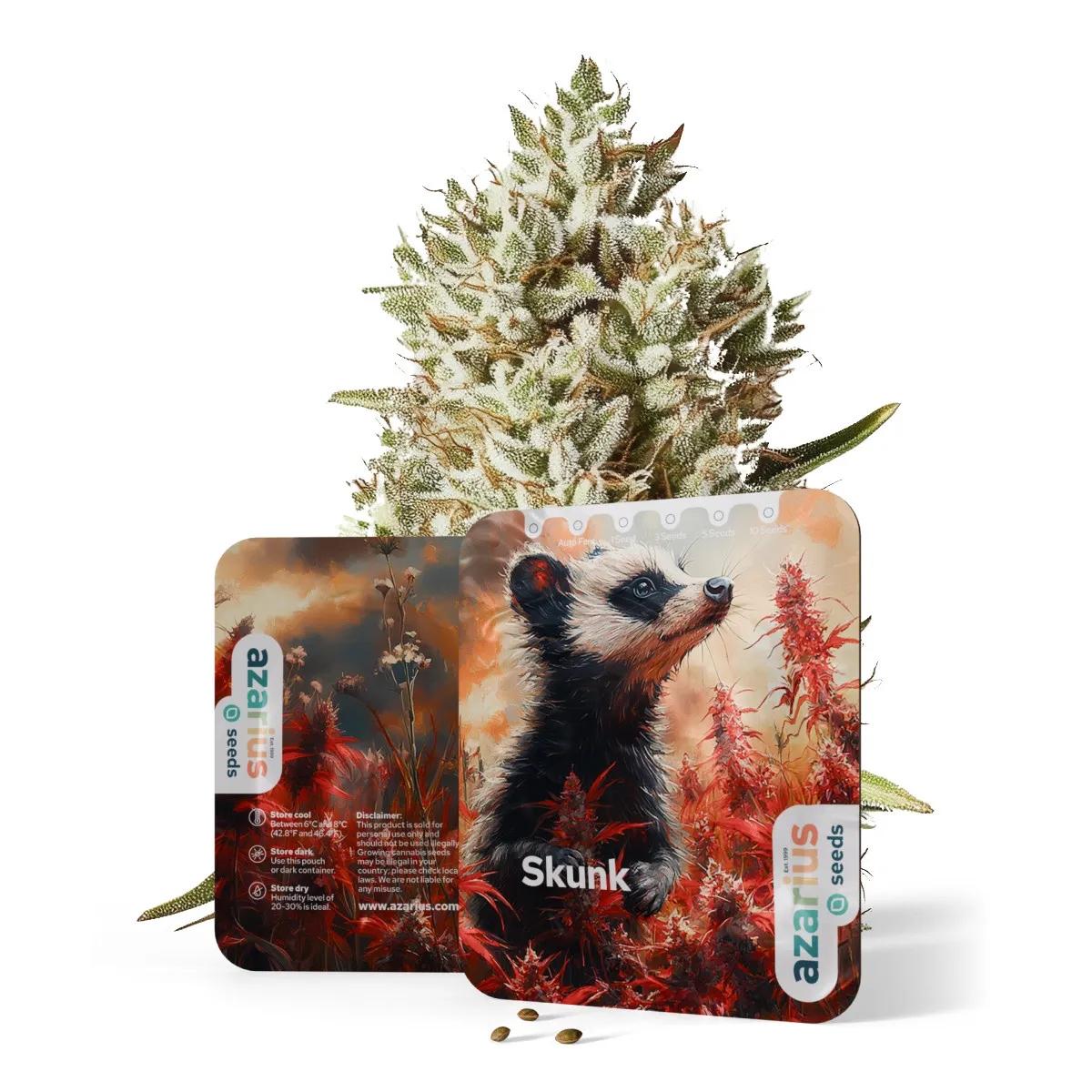
Skunk Feminized Cannabis Seeds
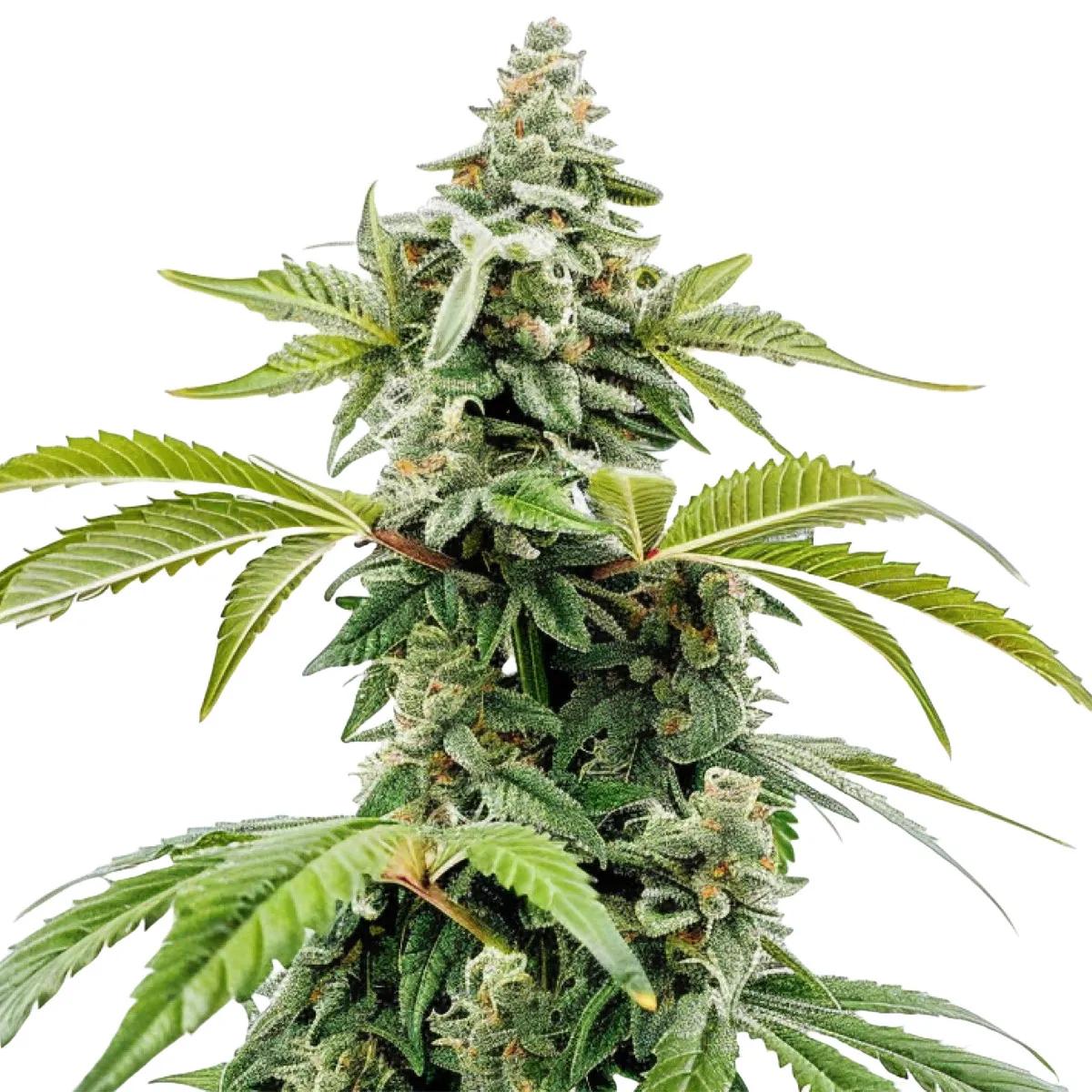
Skunk #1 is a feminized photoperiod cannabis seed that crosses Afghani, Acapulco Gold, and Colombian Gold into one of the most recognisable strains ever bred. At 65% indica and 35% sativa, it delivers a balanced effect that leans into physical relaxation without switching your brain off entirely. If you've been around cannabis for any length of time, you already know the name — and the smell.
Which Pack Size?
| Pack | Seeds | Best For |
|---|---|---|
| 1 seed | 1 | Testing the genetics before committing — one plant, one pheno, zero pressure |
| 3 seeds | 3 | A small indoor run with room to pick your favourite plant |
| 5 seeds | 5 | A proper grow with backup — our most popular pack |
| 10 seeds | 10 | Pheno hunting or multiple cycles without reordering |
We'd grab the 5-pack for a first run. You get enough seeds to account for any variation in phenotype expression, and if one doesn't germinate (rare, but it happens), you're not starting from scratch.
Skunk Genetics: Why This Strain Still Matters
Skunk #1 is a three-way cross of Afghani, Acapulco Gold, and Colombian Gold — landrace genetics from three different continents bred together in the late 1970s in the United States. The result was a stable, vigorous hybrid that essentially wrote the rulebook for modern cannabis breeding. Half the strains in any seed bank catalogue have Skunk somewhere in their lineage.
The Afghani parent brings the indica structure: compact growth, dense buds, fast flowering. Acapulco Gold contributes that golden-era sativa energy — cerebral, creative, uplifting. Colombian Gold rounds it out with resin production and a tropical sweetness underneath the funk. At 65% indica and 35% sativa, the balance tips toward physical relaxation, but there's enough sativa influence to keep things interesting upstairs.
What makes Skunk #1 genuinely special isn't just the genetics — it's the stability. This strain has been backcrossed and stabilised over decades. You're not rolling the dice on wildly different phenotypes. Plants grow predictably, flower on schedule, and produce consistent results. That reliability is why breeders still use it as a parent strain and why growers keep coming back to it.
Flavour and Aroma Profile of Skunk Seeds
Skunk #1 smells exactly like you'd expect from the name — sour, pungent, and unapologetically loud. The dominant terpene is myrcene at roughly 30%, which drives that deep, earthy, almost musky base note. Caryophyllene sits at around 20%, adding a spicy, peppery edge. Limonene contributes about 15%, lifting the profile with a citrus brightness that keeps the whole thing from being one-dimensional.
On the nose, you get the classic skunky funk first — that sharp, almost sulphurous hit that fills a room in seconds. According to research published in ACS Omega, the characteristic "skunky" odour of cannabis was historically misattributed to various terpenes, but is actually driven by volatile sulphur compounds (Oswald et al., 2022). Underneath the initial blast, there's earthy sweetness, herbal notes, and a diesel tang that lingers on the palate.
| Terpene | Proportion | Flavour Contribution |
|---|---|---|
| Myrcene | 30% | Earthy, musky, herbal base |
| Caryophyllene | 20% | Spicy, peppery warmth |
| Limonene | 15% | Citrus brightness, slight sweetness |
| Other terpenes | 35% | Pine, cheese, diesel undertones |
Honest warning: this strain is not subtle. If you're growing indoors and discretion matters, a carbon filter isn't optional — it's survival. We've had customers tell us they could smell their Skunk plants through two closed doors. The funk is real, and it starts well before harvest.
Growing Skunk #1 Feminized Seeds
Skunk #1 is one of the most forgiving strains you can grow, which is exactly why it's been a go-to recommendation for first-time growers since the 1980s. These feminized photoperiod seeds produce all-female plants, so you're not wasting time identifying and removing males.
- Germinate your seeds using the paper towel method or directly in a small pot of moist soil. Tap roots usually appear within 24-72 hours.
- Transplant seedlings into their final containers once they've developed 2-3 sets of true leaves. Skunk #1 does well in soil, coco, or hydro — it's not fussy.
- Maintain an 18/6 light cycle during vegetative growth. The indica-dominant structure means plants stay relatively compact, but they respond well to topping and LST if you want to fill out a canopy.
- Switch to a 12/12 light cycle to trigger flowering. Skunk #1 flowers in up to 9 weeks — most phenotypes finish closer to 7-8 weeks.
- Watch for the trichomes to shift from clear to milky with a few amber heads. That's your harvest window. Drying should take 7-10 days in a dark room at around 60% humidity and 18-20°C.
- Cure in glass jars for at least 2 weeks, burping daily for the first few days. The smell intensifies dramatically during cure — fair warning to your household.
The one thing to watch: Skunk #1 can be a magnet for pests precisely because it's so resinous. Spider mites love it. Keep your grow space clean, check the undersides of leaves weekly, and don't skip preventative measures.
Skunk Strain Specifications
| Specification | Detail |
|---|---|
| Genetics | Afghani x Acapulco Gold x Colombian Gold |
| Strain Type | 65% Indica / 35% Sativa |
| Seed Type | Feminized |
| Flowering Type | Photoperiod |
| Flowering Time | Up to 9 weeks |
| Dominant Terpene | Myrcene (30%) |
| Secondary Terpenes | Caryophyllene (20%), Limonene (15%) |
| Aroma | Skunky, earthy, citrus, diesel |
| Available Packs | 1, 3, 5, or 10 seeds |
Running Skunk indoors? Pair it with a complete grow tent kit — you'll want proper ventilation and a carbon filter from day one with this strain. A digital pH meter is also worth grabbing; Skunk #1 is forgiving, but dialling in your pH between 6.0-6.5 in soil makes a noticeable difference in resin production and overall vigour.
Why Skunk #1 Still Deserves a Spot in Your Grow
There's a reason this strain has survived over four decades of breeding trends, hype cycles, and flavour-of-the-month genetics. Skunk #1 just works. It grows predictably, finishes fast, and produces dense, resinous buds that smell like nothing else on earth. In a market flooded with exotic crosses and 30%+ THC claims, Skunk quietly delivers what actually matters: consistency.
We've been selling seeds since 1999, and Skunk #1 has never left the catalogue. New growers love it because it doesn't punish mistakes — miss a feeding, run your pH slightly off, forget to water for a day, and it bounces back. Experienced growers love it because the genetics are so stable you can plan your harvest schedule around it with confidence. Up to 9 weeks of flowering means you're not waiting around for months watching trichomes develop.
The honest limitation? If you're chasing the absolute highest THC numbers on paper, there are newer strains that test higher. But THC percentage on a lab report doesn't tell the whole story. The terpene profile on Skunk — that myrcene-caryophyllene-limonene combination — creates an experience that pure potency chasers often miss. According to a review in Frontiers in Psychiatry, cannabinoids interact with the endocannabinoid system in ways that are modulated by the presence of terpenes and other plant compounds (Katz et al., 2021). The whole plant matters, not just the headline number.
Compared to something like Northern Lights — another classic indica-leaning strain — Skunk #1 has more sativa influence in its effects and a far more pungent aroma. Northern Lights is the quiet one; Skunk is the one that announces itself three rooms away. If you want stealth, go Northern Lights. If you want character, grow Skunk.
Related products


You might also like
Medical disclaimer. This content is for informational purposes only and does not constitute medical advice. Consult a qualified healthcare provider before use of any substance.