
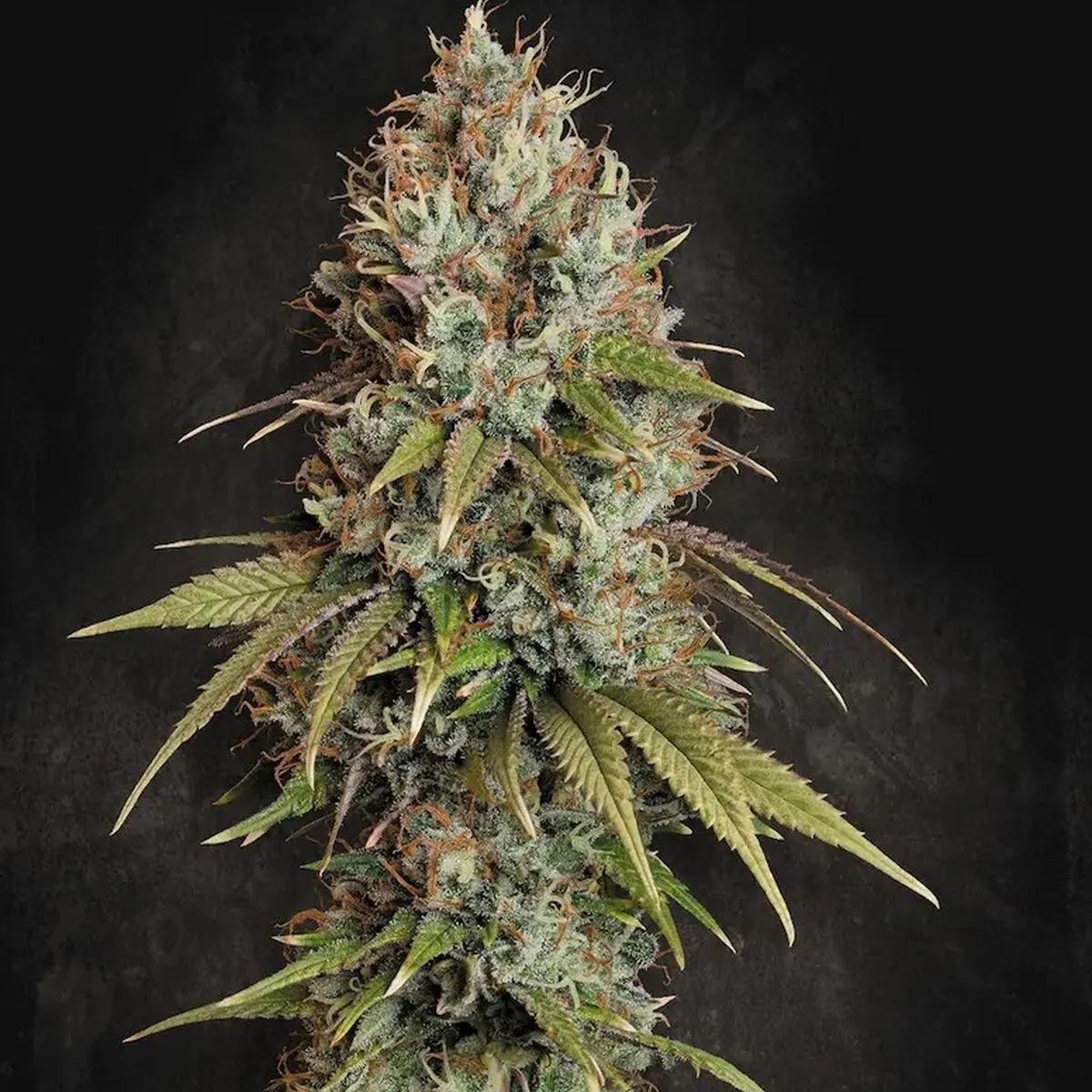
Pack: 3 seeds
Highway 66 Feminised Cannabis Seeds by Paradise Seeds
Highway 66 is a sativa-dominant feminised cannabis seed from Paradise Seeds that crosses L.A. Amnesia with Gelato 33 to produce towering plants capable of exceeding 2 metres and delivering up to 26% THC. The name isn't subtle — like America's coast-to-coast Route 66, this cultivar stretches. A lot. But that vertical ambition translates directly into monstrous yields and a terpene profile you won't find on many other strains in the catalogue.
Paradise Seeds have been breeding out of Amsterdam since the early '90s, and Highway 66 is a proper example of what happens when a breeder pairs a proven haze-family classic with a modern dessert strain. L.A. Amnesia brings the sativa structure and cerebral lift; Gelato 33 contributes resin density and flavour complexity. The result is a plant that rewards growers who aren't afraid of a bit of training — and punishes those who ignore her during veg.
Highway 66 Terpene Profile and Flavour
The terpene blend on Highway 66 is genuinely unusual. Terpinolene leads — a compound more commonly dominant in strains like Jack Herer and Dutch Treat — giving a fresh, slightly piney, almost floral top note. Behind that sits limonene (citrus brightness), trans-ocimene (sweet, herbaceous), and alpha-humulene (earthy, woody, with a subtle spice). During flowering, the smell leans fruity and hazy — noticeable but not as aggressive as a pure skunk line, which is worth knowing if discretion matters to you.
On the palate, expect something layered: an initial citrus-fruit sweetness that settles into a hazier, earthier finish. It's the Gelato 33 parentage doing the heavy lifting on flavour, while L.A. Amnesia contributes that classic haze sharpness on the exhale. If you've grown Amnesia-family genetics before, you'll recognise the backbone — but the Gelato cross smooths out the rough edges considerably.
Growing Highway 66 Seeds — What to Expect
Here's the honest bit: Highway 66 is not a set-and-forget strain. She stretches hard once flowering starts, and if you're growing indoors without early training, you'll run out of headroom fast. We'd recommend topping during veg and using LST (low-stress training) or a ScrOG net to keep the canopy even. Paradise Seeds themselves suggest pruning early if space is tight — and they're not exaggerating.
Outdoors is where this cultivar really shows off. Given full sun and a decent growing season, plants can push well past 2 metres and deliver up to 1000 g/plant by October harvest. That's not a typo — sativa-dominant genetics with good light and root space produce serious biomass. You'll want extra trellising or stakes to support the lateral branches once buds start packing on weight.
Indoors, expect up to 550 g/m² after 8–9 weeks of bloom. That's a strong return for a sativa-leaning hybrid, though you'll earn it through canopy management rather than just letting her rip. The flowering period is reasonable for a sativa cross — pure sativas can take 12+ weeks, so 8–9 weeks is a genuine advantage here.
| Specification | Detail |
|---|---|
| Breeder | Paradise Seeds |
| Genetics | L.A. Amnesia x Gelato 33 |
| Type | Sativa-dominant feminised |
| THC | Up to 26% |
| Flowering time | 8–9 weeks |
| Indoor yield | Up to 550 g/m² |
| Outdoor yield | Up to 1000 g/plant |
| Outdoor height | 2 m+ |
| Dominant terpenes | Terpinolene, limonene, trans-ocimene, alpha-humulene |
| Harvest (outdoor) | October |
| Seeds per pack | 3 |
Highway 66 Effects — Up to 26% THC
At up to 26% THC, Highway 66 is not a casual smoke. The sativa dominance delivers an uplifting, clear-headed effect — Paradise Seeds describe it as "uplifting without being overwhelming," which tracks with the terpinolene-forward profile. Terpinolene-dominant cultivars tend to produce a more energetic, focused sensation compared to myrcene-heavy indicas, though individual response always varies.
According to research published in pharmacological reviews, delta-9-tetrahydrocannabinol (THC) has been determined to have the primary psychoactive effects among cannabinoid compounds (Borgelt et al., 2013, PubMed 23386598). At 26%, that potency is firmly in the upper tier — comparable to strains like Gorilla Glue or Wedding Cake. Start slow if you're less experienced with high-THC cultivars.
It's also worth noting that according to a review in Toxins, the most common adverse effect reported with cannabis use is anxiety (Catanzaro et al., 2021, PMC7915118). With a strain this potent, set and setting matter. The terpene combination here — particularly the limonene and terpinolene — may contribute to a more manageable experience than a pure THC number would suggest, but respect the potency regardless.
Why Highway 66 Is Worth the Extra Effort
We get it — not everyone wants a 2-metre plant that needs constant attention during veg. If you want something more compact and hands-off, a strain like Paradise Seeds' Wappa or an indica-dominant auto might suit you better. But here's what Highway 66 gives you that those don't: genuinely exceptional yields combined with a terpene profile that stands out from the sea of caryophyllene-myrcene-limonene strains flooding the market right now.
Terpinolene dominance is relatively rare. Most commercial cultivars lean on myrcene or caryophyllene as their primary terpene, which is fine — but it means a lot of modern strains taste and smell similar. Highway 66 breaks that pattern. The combination of terpinolene with trans-ocimene creates a flavour that's closer to fresh herbs and tropical fruit than the standard cookie-dough sweetness of Gelato-family crosses. If you've been growing the same genetics for a few cycles and want something that actually tastes different, this is a strong candidate.
The one genuine downside: she's not subtle in the garden. A 2-metre sativa-dominant plant with heavy lateral branching is hard to hide, and the fruity-haze aroma during late flower will carry. Outdoors, plan your positioning carefully. Indoors, a carbon filter isn't optional — it's the first thing you should buy alongside these seeds.
How to Grow Highway 66 Seeds
- Germinate your Highway 66 seeds using the paper towel method or directly in a starter plug. Taproots typically emerge within 24–72 hours at 22–25°C.
- Transplant seedlings into their final containers once the first true leaves appear. For indoor grows, 15–20 litre pots work well; outdoors, go bigger — 30 litres minimum, or directly into the ground for maximum yield potential.
- Begin topping once the plant has developed 4–5 nodes. This is critical for indoor growers — Highway 66 will stretch aggressively during the flowering transition, and early topping encourages a bushier, more manageable canopy.
- Apply LST (low-stress training) or set up a ScrOG net during the vegetative stage. Bend and tie branches to create an even canopy before flipping to 12/12. This maximises light penetration and helps control final height.
- Switch to a 12/12 light cycle to trigger flowering. Expect significant stretch during the first 2–3 weeks of bloom — plants can nearly double in height during this phase.
- Support heavy branches with stakes or trellising as buds develop. Highway 66 produces dense, resinous flowers that can weigh branches down, especially on outdoor plants approaching the 1000 g mark.
- Harvest after 8–9 weeks of flowering indoors, or in October for outdoor grows in the Northern Hemisphere. Check trichomes with a loupe — mostly cloudy with a few amber heads gives the best balance of potency and terpene expression.
Growing Highway 66 indoors? A ScrOG net is practically mandatory for managing that sativa stretch — pair these seeds with a grow tent kit that includes proper ventilation and a carbon filter. For outdoor growers, grab extra plant support stakes or trellising before your plants hit their flowering growth spurt.
Frequently Asked Questions
What is the Highway 66 strain by Paradise Seeds?
Highway 66 is a sativa-dominant feminised cultivar bred by Paradise Seeds, crossing L.A. Amnesia with Gelato 33. It produces tall plants (2 m+) with up to 26% THC and a terpinolene-dominant terpene profile. The pack contains 3 feminised seeds.
How tall does Highway 66 grow?
Outdoors with full sun, Highway 66 can easily exceed 2 metres. Indoors, she'll stretch hard during early flowering — topping and LST during veg are strongly recommended to keep height manageable in a standard grow tent.
What yields can I expect from Highway 66?
Indoors, up to 550 g/m² after 8–9 weeks of bloom. Outdoors, plants can produce up to 1000 g/plant when given enough root space, sunlight, and support. These are top-end figures — actual results depend on growing conditions and technique.
What does Highway 66 smell and taste like?
The dominant terpene is terpinolene, which gives a fresh, piney, slightly floral aroma. Limonene adds citrus brightness, trans-ocimene brings herbal sweetness, and alpha-humulene contributes an earthy, woody base. During flower, expect a fruity-haze scent.
Is Highway 66 suitable for beginner growers?
It's manageable but not the easiest first grow. The main challenge is height control — without topping and training during veg, indoor plants will outgrow most tents. If you're comfortable with basic LST or ScrOG techniques, you'll be fine. If not, a more compact indica hybrid might be a gentler starting point.
How long does Highway 66 take to flower?
Flowering takes 8–9 weeks indoors. For outdoor grows in the Northern Hemisphere, harvest falls in October. That's a reasonable flowering period for a sativa-dominant hybrid — pure sativas often take 12 weeks or more.
Does Highway 66 need a lot of support during flowering?
Yes. The combination of tall sativa structure and dense bud production means branches can buckle under their own weight, especially outdoors. Use trellising, stakes, or a ScrOG net to support the canopy once buds start filling out.
Last updated: April 2026
Related products





You might also like




Medical disclaimer. This content is for informational purposes only and does not constitute medical advice. Consult a qualified healthcare provider before use of any substance.