
This article discusses psychoactive substances intended for adults (18+). If you have a health condition or take medication, consult a doctor before use. Our age policy
What Is LSA?
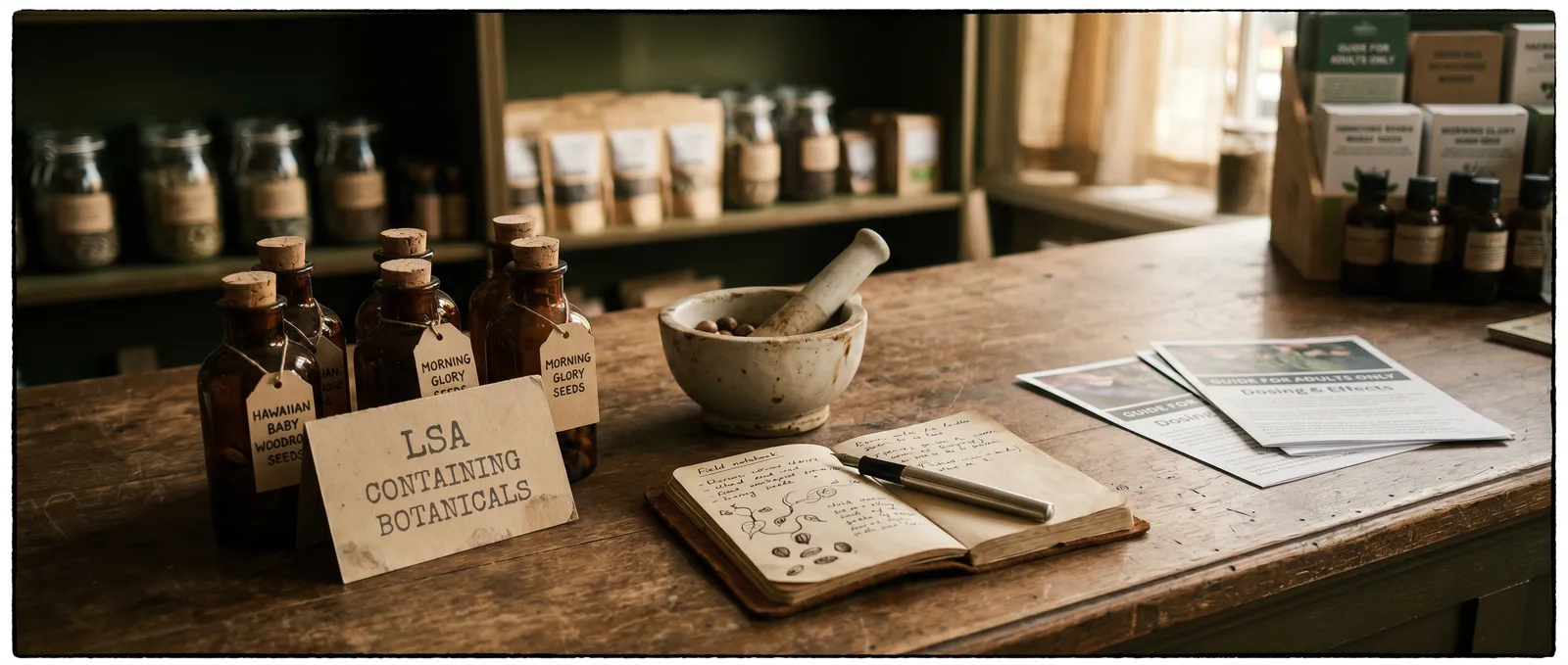
Definition
LSA — D-lysergic acid amide, also called ergine — is a naturally occurring psychoactive alkaloid found in the seeds of morning glory, Hawaiian baby woodrose, and ololiuqui. Structurally related to LSD but roughly 10–20 times less potent, it produces dreamy, introspective altered states lasting 6–10 hours, typically accompanied by significant nausea and vasoconstriction (Paulke et al., 2013).
This guide is written for adults aged 18 and over. Effects, dosing ranges, and safety data described below apply to adult physiology.
Key Facts
- Chemical identity: D-lysergic acid amide (ergine), a naturally occurring ergoline alkaloid structurally related to LSD (Hofmann, 1963).
- Primary sources: Seeds of Turbina corymbosa (ololiuqui), Argyreia nervosa (Hawaiian baby woodrose / HBWR), and Ipomoea tricolor (morning glory).
- Receptor activity: Partial agonist at serotonin 5-HT2A receptors, with additional affinity for dopamine D2 and 5-HT1A receptors (Paulke et al., 2013).
- Duration: Reported effects last 6–10 hours depending on source material and dose.
- Historical record: Aztec ceremonial use of ololiuqui documented in the Florentine Codex (16th century); ergine identified as the active compound by Albert Hofmann in 1963.
- Safety profile: Low acute toxicity at common doses, but pronounced vasoconstrictive and gastrointestinal side effects are widely reported (Klinke et al., 2010).
- Forms available: Whole seeds (morning glory, HBWR), seed extracts, and occasionally isolated ergine in research contexts.
Commercial Disclosure
Azarius sells LSA-containing seed products and has a commercial interest in this topic. Our editorial process includes independent pharmacological review to mitigate commercial bias.
Contraindications
LSA carries specific risks for certain populations. These should be reviewed before looking at dosage ranges.
| Population / Substance | Risk | Detail |
|---|---|---|
| Pregnancy and breastfeeding | High | Ergoline alkaloids are structurally related to ergot compounds with known uterotonic effects. Avoid entirely (Schardein, 2000). |
| Cardiovascular conditions | High | LSA causes vasoconstriction. People with Raynaud's, peripheral vascular disease, or hypertension face elevated risk (Klinke et al., 2010). |
| MAOIs (pharmaceutical or botanical) | High | MAOIs potentiate serotonergic activity, increasing the risk of serotonin syndrome. This includes Syrian rue, ayahuasca, and prescribed MAOIs. |
| SSRIs / SNRIs | High | Combining serotonergic substances raises the risk of serotonin syndrome. Effects may also be blunted unpredictably. |
| Lithium | High | Anecdotal reports of seizures when lithium is combined with serotonergic psychoactives. No controlled studies exist, but the pattern is consistent enough to warrant avoidance. |
| Liver disease | Moderate | Hepatic metabolism of ergoline alkaloids may be impaired, leading to unpredictable duration and intensity. |
| Driving or operating machinery | Moderate | Perceptual distortion and sedation persist for 6–10 hours. Do not drive during or shortly after use. |
| Personal or family history of psychosis | Moderate | Serotonergic psychoactives may precipitate or worsen psychotic episodes in vulnerable individuals (Johnson et al., 2018). |
History and Origin
The earliest documented use of LSA-containing seeds comes from 16th-century Spanish colonial records. Bernardino de Sahagún described Aztec priests consuming ololiuqui — the seeds of Turbina corymbosa — in divinatory rituals, noting that the seeds produced visions and were treated with reverence bordering on worship. The Spanish Inquisition tried to suppress the practice, which only pushed it underground.

For centuries, Western science ignored ololiuqui. That changed in 1941 when Richard Evans Schultes, the father of modern ethnobotany, positively identified the plant and confirmed its continued ceremonial use among Zapotec and Mazatec communities in Oaxaca. But the real bombshell came in 1963, when Albert Hofmann — yes, the same chemist who synthesised LSD — isolated ergine from Turbina corymbosa and Ipomoea tricolor seeds and recognised its structural kinship with his more famous creation (Hofmann, 1963). Hawaiian baby woodrose (Argyreia nervosa), native to the Indian subcontinent, was later found to contain significantly higher concentrations of ergine per seed, making it the most potent natural source known.
Chemistry and Active Compounds
Ergine (D-lysergic acid amide) belongs to the ergoline family — a group of compounds built around a tetracyclic ring structure shared with LSD, ergotamine, and several pharmaceutical drugs. The structural difference between LSA and LSD is small but pharmacologically significant: LSD carries a diethylamide group where LSA has a simple amide. This makes LSA roughly 10–20 times less potent at the 5-HT2A receptor, though direct comparative binding data in humans remain sparse.

LSA-containing seeds are not single-compound preparations. They contain a cocktail of related ergoline alkaloids, and the overall experience likely reflects their combined activity rather than ergine alone.
| Alkaloid | Receptor Activity | Notes |
|---|---|---|
| Ergine (D-LSA) | 5-HT2A partial agonist, D2 agonist, 5-HT1A agonist | Primary psychoactive; Ki at 5-HT2A estimated ~600 nM (Paulke et al., 2013) |
| Isoergine (L-LSA) | Weak 5-HT2A activity | Epimer of ergine; much less active, may contribute to sedation |
| Ergometrine (ergonovine) | 5-HT2A, uterotonic | Causes uterine contractions; key reason to avoid in pregnancy |
| Lysergol | Weak serotonergic | May contribute to vasoconstriction |
| Elymoclavine | Dopaminergic | Found in lower concentrations; pharmacological contribution unclear |
| Chanoclavine | Dopaminergic | Precursor alkaloid; minimal direct psychoactivity at natural concentrations |
The relative ratios of these alkaloids vary between species, individual seed batches, and even growing conditions. Published Ki values for ergine itself come primarily from in vitro assays, and how closely these translate to human receptor occupancy at oral doses is still not well characterised — most of the pharmacokinetic data we have is extrapolated from structurally related ergolines rather than measured directly for ergine.
Effects Overview
The subjective effects of LSA sit somewhere between a low-dose LSD experience and a sedative — which is an odd combination that confuses people who expect something purely stimulating. The serotonergic component produces visual changes (enhanced colour saturation, pattern recognition, mild open-eye visuals at higher doses) and introspective thought patterns. The dopaminergic and other ergoline activity adds a dreamy, sometimes heavy-bodied sedation that LSD does not produce. According to Klinke et al. (2010), commonly reported effects include altered perception, mood elevation, and a contemplative mental state alongside notable physical side effects.
Nausea is the elephant in the room. Nearly every account of LSA use mentions gastrointestinal discomfort — cramping, nausea, sometimes vomiting — particularly in the first 60–90 minutes. This is likely caused by the non-ergine alkaloids and other seed constituents rather than ergine itself, though isolating the cause definitively is difficult given the multi-alkaloid profile.
| Phase | Timeframe | Typical Experience |
|---|---|---|
| Onset | 30–90 minutes | Nausea, mild anxiety, slight body heaviness. Some report feeling cold. |
| Come-up | 1–2 hours | Nausea often peaks then subsides. Visual enhancement begins. Introspective thoughts increase. |
| Peak | 2–5 hours | Strongest perceptual changes, emotional intensity, pattern recognition. Sedation or dreamy quality. Music appreciation heightened. |
| Plateau / Comedown | 5–8 hours | Gradual reduction in intensity. Tiredness is common. Some report a lingering contemplative mood. |
| After-effects | 8–12+ hours | Fatigue, possible muscle aches, mild mood elevation or flatness the following day. |
Dosage Guide
Dosage ranges below are drawn from published case reports, ethnobotanical literature, and user-reported data aggregated by harm-reduction organisations (Erowid, 2024; Klinke et al., 2010). They are not recommendations. Individual sensitivity varies considerably, and seed potency is not standardised — two batches of HBWR seeds can differ meaningfully in alkaloid content.
Hawaiian Baby Woodrose (Argyreia nervosa) Seeds
| Level | Number of Seeds | Risk Level |
|---|---|---|
| Threshold | 1–2 seeds | Low |
| Light | 3–4 seeds | Low |
| Common | 5–8 seeds | Moderate |
| Strong | 8–12 seeds | High |
| Heavy | 12+ seeds | Very High |
Morning Glory (Ipomoea tricolor) Seeds
| Level | Number of Seeds | Risk Level |
|---|---|---|
| Threshold | 25–50 seeds | Low |
| Light | 50–100 seeds | Low |
| Common | 100–250 seeds | Moderate |
| Strong | 250–400 seeds | High |
| Heavy | 400+ seeds | Very High |
Doses above 12 HBWR seeds or 400 morning glory seeds fall outside the range covered in published literature and carry significantly increased risk of severe vasoconstriction, prolonged nausea, and psychological distress.
Preparation Methods
The method of preparation affects both onset time and — critically — the severity of nausea. Raw seeds contain not just ergoline alkaloids but also cyanogens, oils, and other irritants that hammer the stomach. Most preparation methods aim to extract the water-soluble alkaloids while leaving behind the worst of the gut-punishing material.
Cold Water Extraction
The most common approach. Seeds are crushed (a coffee grinder works), soaked in cold, non-chlorinated water for 2–8 hours, then strained through a fine cloth. The liquid is consumed; the seed matter is discarded. This reduces nausea compared to eating whole seeds, though it does not eliminate it. Some people add a small amount of citric acid (lemon juice) to the soak, which may improve alkaloid solubility, though controlled data on this are lacking.
Sublingual / Chewing
Chewing seeds thoroughly and holding the mash under the tongue for 15–20 minutes before spitting out the plant matter. This bypasses first-pass metabolism and may reduce gastrointestinal load. Onset tends to be faster (20–40 minutes). The taste is bitter and unpleasant.
Whole Seed Ingestion
Eating seeds directly — chewed or swallowed — is the simplest method but produces the most nausea. The outer husk of HBWR seeds in particular is thought to contain much of the irritant material. Removing the fuzzy outer coating by scraping or light toasting may help marginally.
Safety and Drug Interactions
The acute toxicity of ergine at doses found in typical seed consumption appears to be low. No confirmed fatalities from LSA-containing seeds alone have been reported in the peer-reviewed literature, though emergency department presentations do occur — primarily from severe nausea, anxiety, and vasoconstriction (Klinke et al., 2010). The RIVM (Dutch National Institute for Public Health and the Environment) has documented cases of hospitalisation involving HBWR seeds, typically when consumed at high doses or in combination with other substances.
Common Side Effects
- Nausea and vomiting — near-universal, especially with whole seed ingestion
- Vasoconstriction — cold extremities, leg cramps, reported in most accounts. Related to the broader ergoline alkaloid profile, not just ergine
- Anxiety and thought loops — particularly at higher doses or in unfamiliar settings
- Fatigue — during and after the experience; next-day tiredness is common
- Muscle tension — jaw clenching, back and leg tightness
Less Common but Documented
- Transient hypertension — blood pressure elevation during the experience (Klinke et al., 2010)
- Psychotic episodes — rare, primarily in individuals with pre-existing vulnerability (Johnson et al., 2018)
- Persistent anxiety — reported in some cases lasting days after a difficult experience
A significant unknown is the long-term safety profile of repeated ergoline alkaloid exposure from seeds. The pharmaceutical ergoline literature (covering drugs like ergotamine and methysergide) documents cardiac valvulopathy and retroperitoneal fibrosis with chronic use, but whether the much lower doses from occasional seed consumption carry similar risks has not been studied. This is a genuine gap in the evidence — absence of harm data is not the same as evidence of safety.
Drug Interaction Table
| Substance | Interaction Risk | Mechanism / Notes |
|---|---|---|
| MAOIs (pharmaceutical and botanical, e.g. Syrian rue, harmaline) | Severe | Potentiates serotonergic activity dramatically. Risk of serotonin syndrome, hypertensive crisis. |
| SSRIs / SNRIs (fluoxetine, sertraline, venlafaxine, etc.) | High | Increased serotonin syndrome risk. Effects may be blunted or unpredictably altered. |
| Lithium | High | Anecdotal reports of seizures with serotonergic psychoactives. No controlled data, but the pattern is consistent enough to avoid. |
| Cannabis | Moderate | Can amplify anxiety, paranoia, and thought loops. May intensify perceptual effects unpredictably. |
| Vasoconstrictors (ergotamine, triptans, high-dose caffeine) | Moderate | Additive vasoconstriction. Risk of painful peripheral ischaemia. |
| Alcohol | Moderate | Increases nausea and cognitive impairment. May blunt psychoactive effects while worsening physical side effects. |
| Benzodiazepines (diazepam, lorazepam) | Low | Used in clinical settings to manage acute anxiety from serotonergic substances. Reduces intensity of experience. |
LSA Compared to LSD
People often assume LSA is simply "natural LSD." The structural similarity is real — Hofmann himself noted it — but the experiential and pharmacological profiles diverge in important ways.
| Dimension | LSA (Ergine) | LSD (Lysergic acid diethylamide) |
|---|---|---|
| Potency | Active at milligram-range doses (from seeds) | Active at microgram doses (roughly 10–20x more potent) |
| Body load | Heavy — nausea, vasoconstriction, sedation | Lighter — some jaw tension, mild stimulation |
| Character | Dreamy, sedating, introspective | Energetic, visual, outward-facing |
| Visuals | Mild to moderate; colour enhancement, patterns | Pronounced; geometric patterns, morphing, trails |
| Duration | 6–10 hours | 8–12 hours |
| Nausea | Very common, often severe | Rare at standard doses |
| Source | Natural (seeds) | Synthetic |
| Dose precision | Low (seed potency varies) | High (tabs are dosed in micrograms) |
The sedating, inward quality of LSA is its most distinctive feature. Where LSD often feels electric and expansive, LSA tends toward something quieter — more like lying in a dark room with your thoughts than standing on a mountain watching the world breathe. Whether that appeals to you is a matter of preference, not quality.
Set and Setting
Set and setting matter for any psychoactive substance that alters perception, and LSA is no exception. A few practical points specific to this compound:
- Plan for nausea. Have a bucket, ginger tea, or anti-nausea ginger capsules ready. The first 60–90 minutes can be rough. Being near a bathroom helps.
- Comfortable, warm environment. Vasoconstriction can make you feel cold. Blankets, warm socks, a heated room — these are not luxuries, they are practical harm reduction.
- Clear schedule. With a 6–10 hour duration plus next-day fatigue, you need a full day clear. Not an evening-before-work substance.
- Sober companion. Especially at higher doses, having someone present who is not under the influence provides both safety and reassurance.
- Empty stomach or light meal. Eating a large meal before consuming seeds makes nausea significantly worse. A light snack 2–3 hours before is a reasonable middle ground.
Emergency Information
If someone experiences severe symptoms — persistent vomiting, chest pain, signs of psychosis, or loss of consciousness — call emergency services immediately.
- Netherlands: 112
- EU-wide emergency number: 112
- Dutch Poisons Information Centre (NVIC): +31 30 274 8888
- UK: 999 or 111 (NHS non-emergency)
Tell medical staff exactly what was taken, how much, and when. If possible, show them the seed packaging. Medical professionals are there to help, not to judge. Accurate information saves time and potentially lives.
Last updated: April 2026
Frequently Asked Questions
8 questionsIs LSA the same as LSD?
Can morning glory seeds make you hallucinate?
How do you reduce nausea from LSA seeds?
How long does an LSA experience last?
Is it dangerous to mix LSA with antidepressants?
What is the difference between Hawaiian baby woodrose and morning glory seeds?
Is LSA legal to buy and possess?
What are the side effects of LSA?
About this article


Joshua Askew serves as Editorial Director for Azarius wiki content. He is Managing Director at Yuqo, a content agency specialising in cannabis, psychedelics and ethnobotanical editorial work across multiple languages. Th
This wiki article was drafted with AI assistance and reviewed by Joshua Askew, Managing Director at Yuqo. Editorial oversight by Adam Parsons.
Medical disclaimer. This content is for informational purposes only and does not constitute medical advice. Consult a qualified healthcare provider before use of any substance.
Last reviewed April 19, 2026
References (9)
- [1]Hofmann, A. (1963). The active principles of the seeds of Rivea corymbosa and Ipomoea violacea. Botanical Museum Leaflets, Harvard University, 20(6), 194–212.
- [2]Klinke, H. B., Muller, I. B., Steffenrud, S., & Dahl-Puustinen, M. L. (2010). Two cases of lysergamide intoxication by ingestion of seeds from Hawaiian baby woodrose. Forensic Science International, 197(1-3), e1–e5.
- [3]Paulke, A., Kremer, C., Wunder, C., Achenbach, J., Djahanschiri, B., Elz, S., & Toennes, S. W. (2013). Argyreia nervosa (Burm. f.): Receptor profiling of lysergic acid amide and other potential psychedelic LSD-like compounds by computational and binding assay approaches. Journal of Ethnopharmacology, 148(2), 492–497.
- [4]Schultes, R. E. (1941). A contribution to our knowledge of Rivea corymbosa: The narcotic ololiuqui of the Aztecs. Botanical Museum of Harvard University.
- [5]Johnson, M. W., Richards, W. A., & Griffiths, R. R. (2018). Classic psychedelics: An integrative review of epidemiology, therapeutics, mystical experience, and brain network function. Pharmacology & Therapeutics, 197, 83–102.
- [6]Schardein, J. L. (2000). Chemically Induced Birth Defects. 3rd edition. Marcel Dekker.
- [7]Erowid. (2024). LSA (Ergine) vault: Dosage. Retrieved from erowid.org.
- [8]RIVM (National Institute for Public Health and the Environment). (2014). Risicobeoordeling HBWR-zaden. Bilthoven, Netherlands.
- [9]Sahagún, B. de. (1577). Historia general de las cosas de Nueva España (Florentine Codex). Book 11.
Related Articles
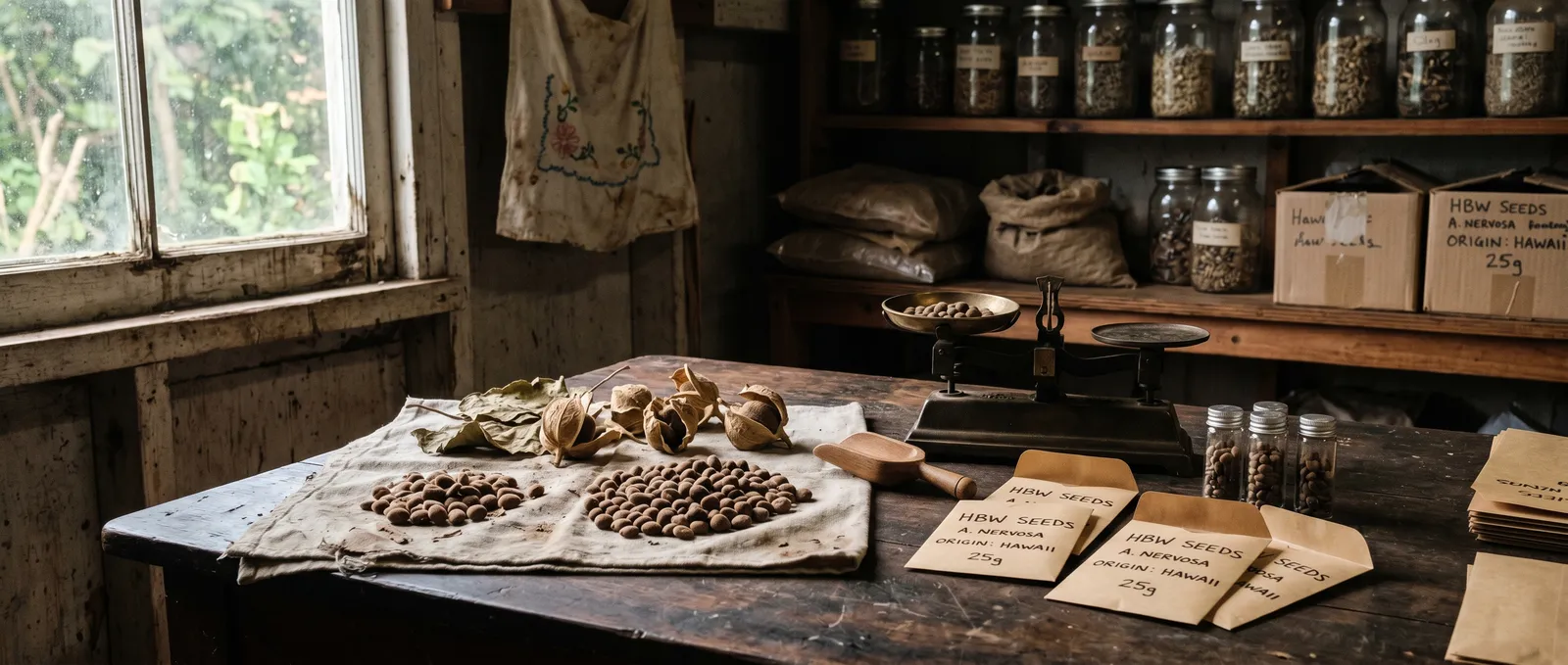
Hawaiian Baby Woodrose Sourcing
Hawaiian baby woodrose sourcing is a practice that covers how to obtain quality Argyreia nervosa seeds — a vine whose seeds contain LSA (lysergic acid amide).

LSA Legal Status in Europe
LSA (lysergic acid amide, or ergine) occupies a legal grey zone across Europe — rarely scheduled as a compound, yet subject to varied NPS legislation that…
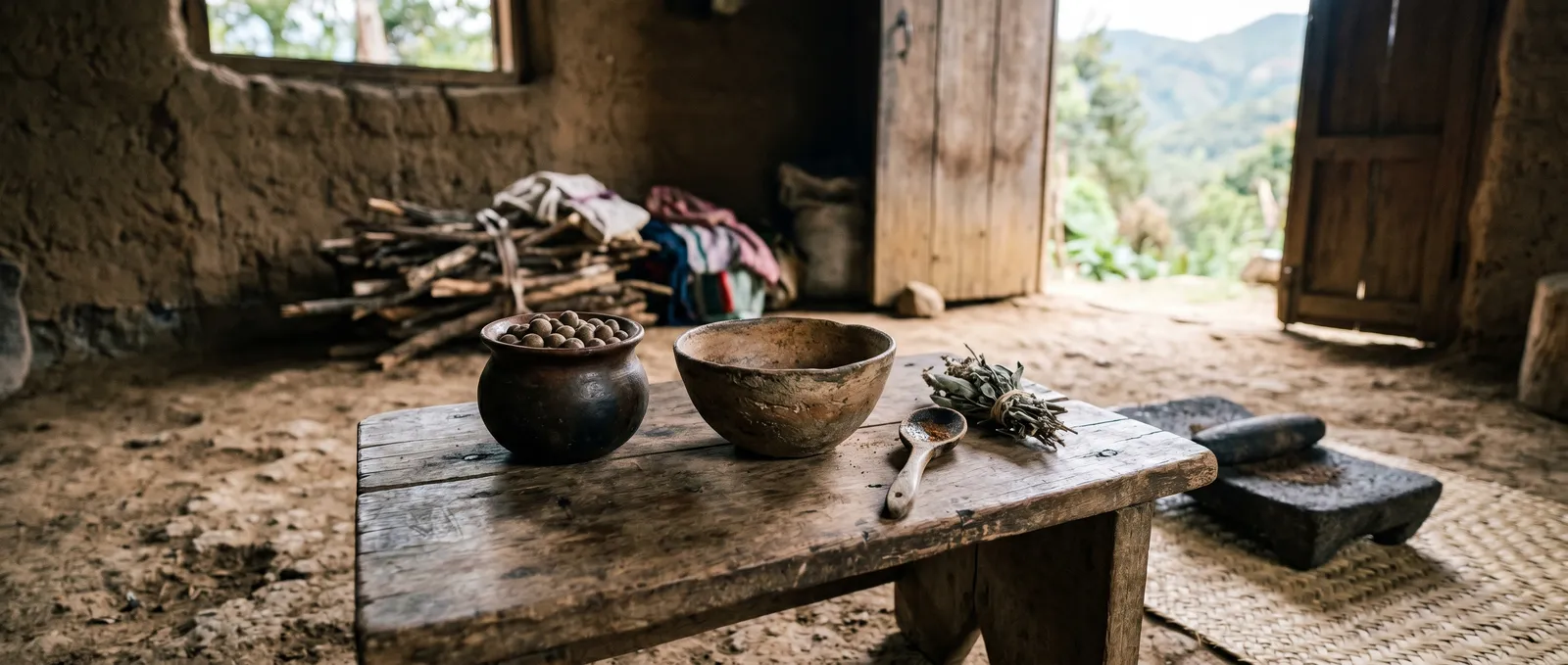
Ololiuqui Mazatec Tradition: Ceremonial Seeds of the Sierra Mazateca
Ololiuqui — the seeds of Turbina corymbosa — played a specific ceremonial role among the Mazatec people of Oaxaca, distinct from their better-known use of…
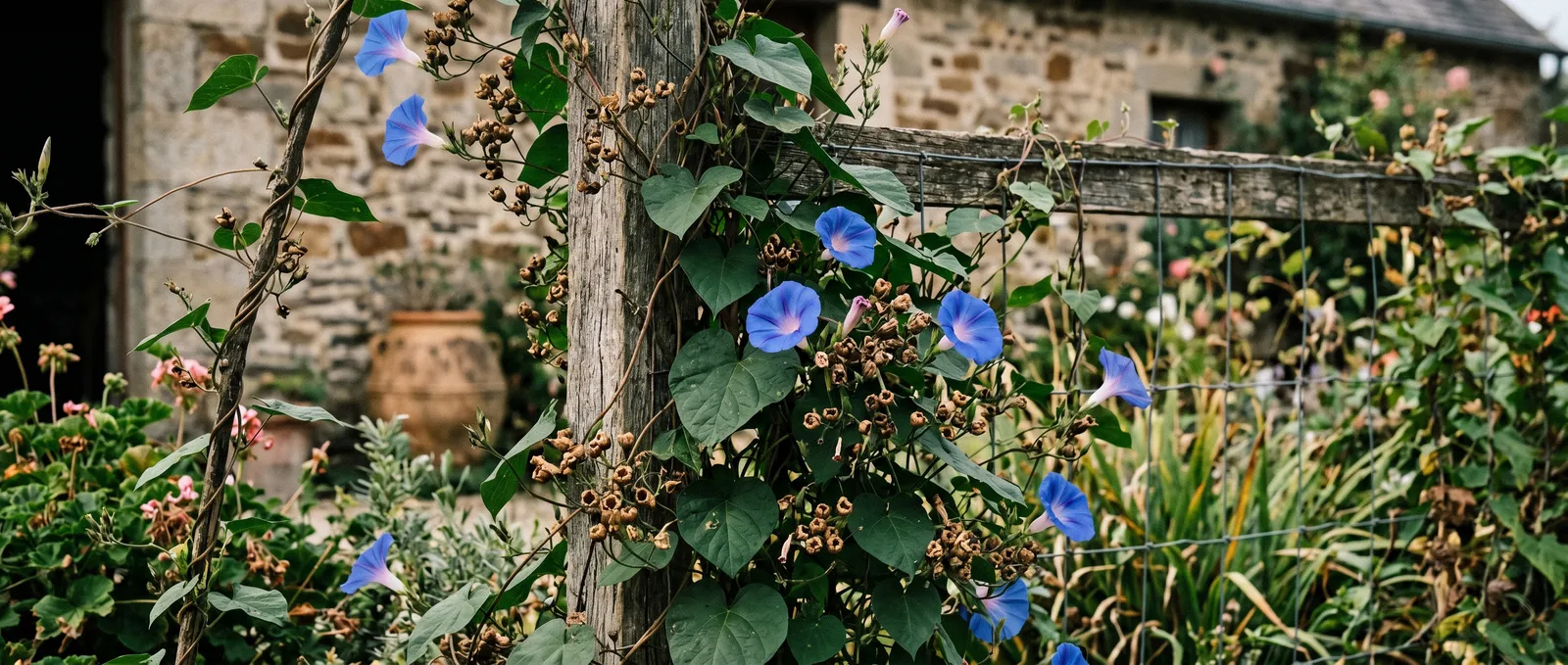
Morning Glory LSA Plants Family
Morning glory LSA plants family is a group of Convolvulaceae vines whose seeds contain d-lysergic acid amide (ergine), a naturally occurring tryptamine first…
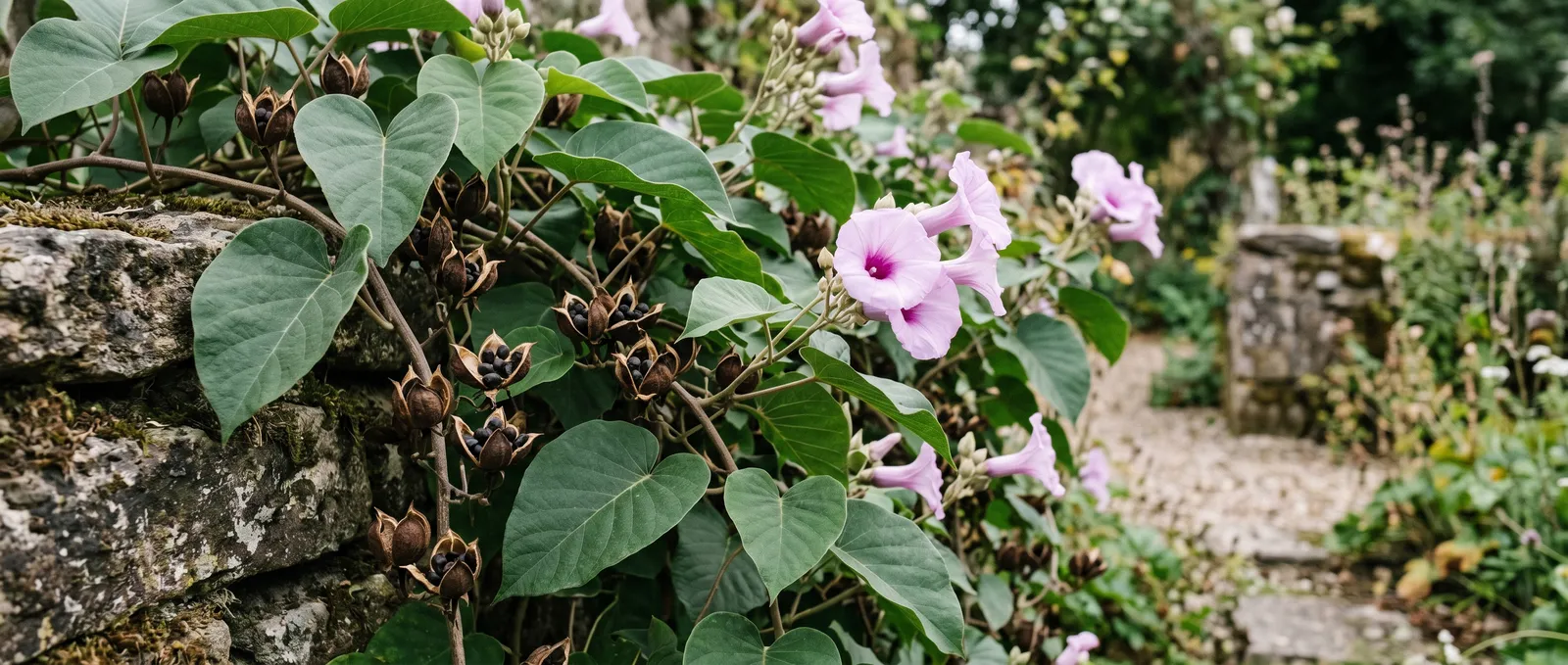
Hawaiian Baby Woodrose Plant Botany
Argyreia nervosa, commonly called Hawaiian baby woodrose, is a perennial climbing vine native to the Indian subcontinent, not Hawai'i.
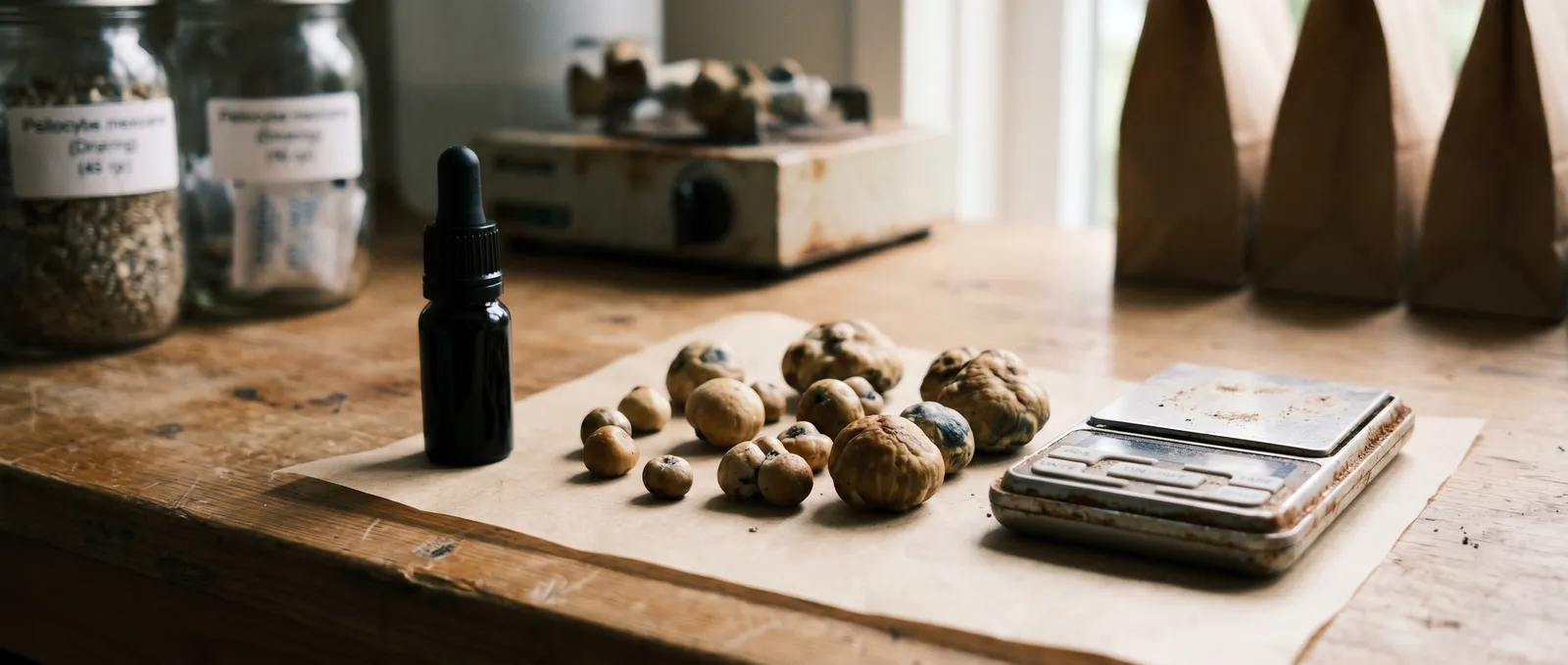
Magic Truffle Quality Indicators
Magic truffle quality indicators are the measurable and sensory characteristics — psilocybin content, texture, aroma, packaging integrity, and storage…
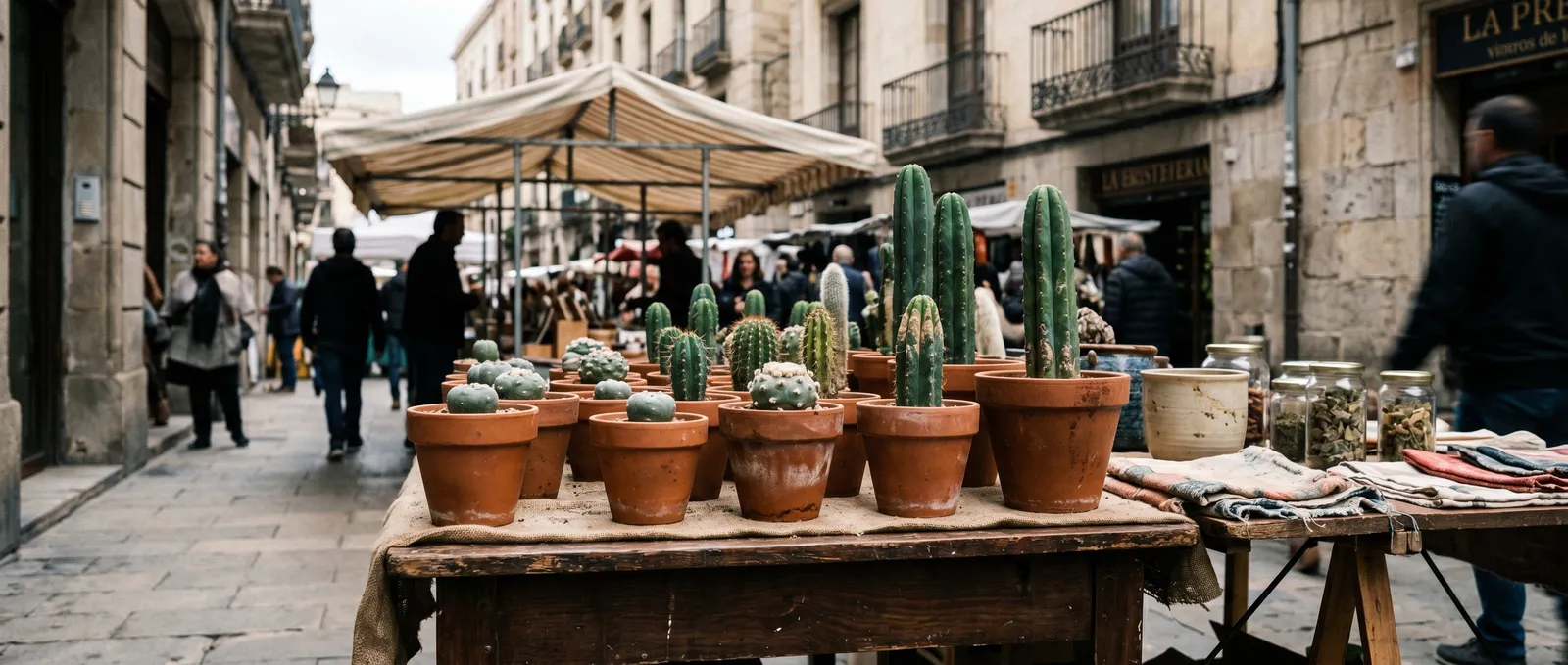
Mescaline Cactus Market Observations
Mescaline cactus market observations is a research and retail term that describes the shifting patterns in sourcing, species selection, and consumption of…

Growing Mescaline Cacti as Ornamental Plants
Growing mescaline cacti ornamental is a horticultural practice that involves cultivating species like San Pedro, Peruvian Torch, and peyote for their…
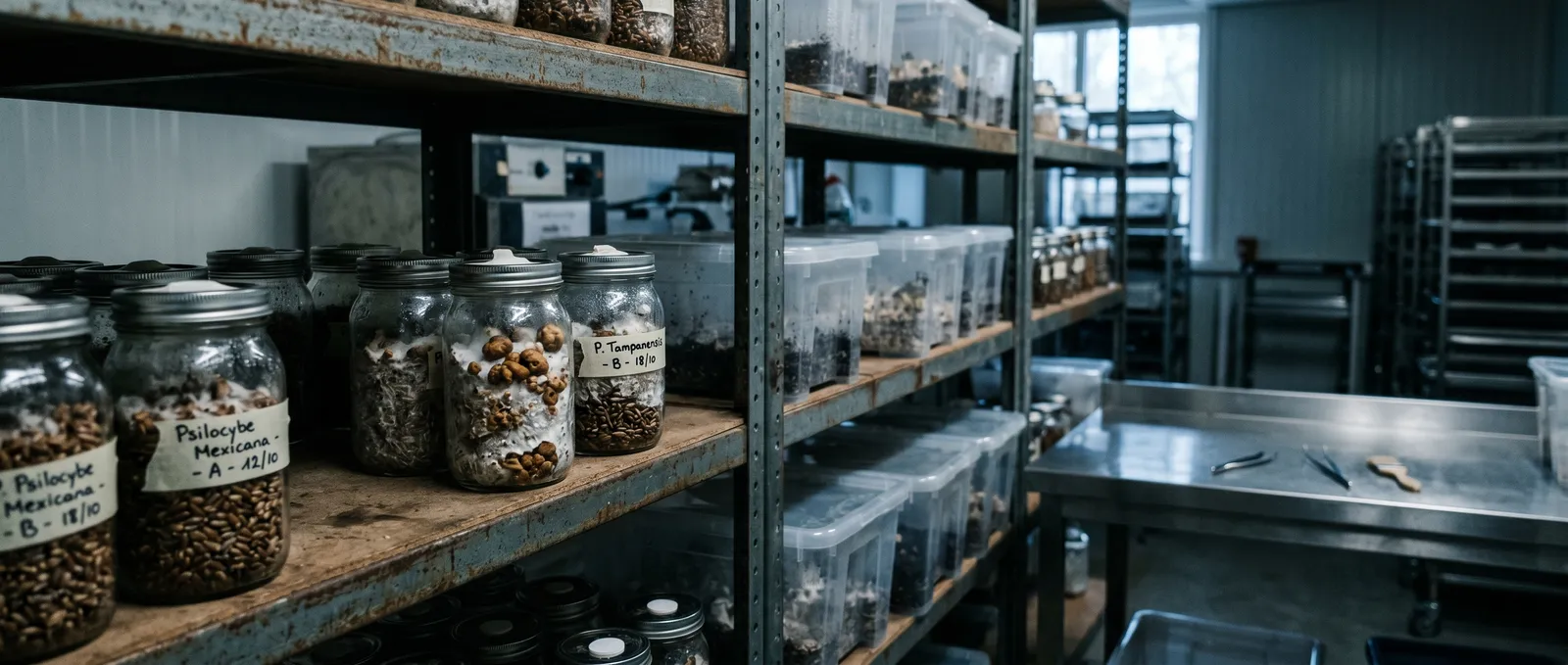
Commercial Magic Truffle Cultivation
Commercial magic truffle cultivation is a large-scale agricultural process that produces psilocybin-containing sclerotia in climate-controlled indoor…