
Dry Herb vs Concentrate Vaporizers Compared
Definition
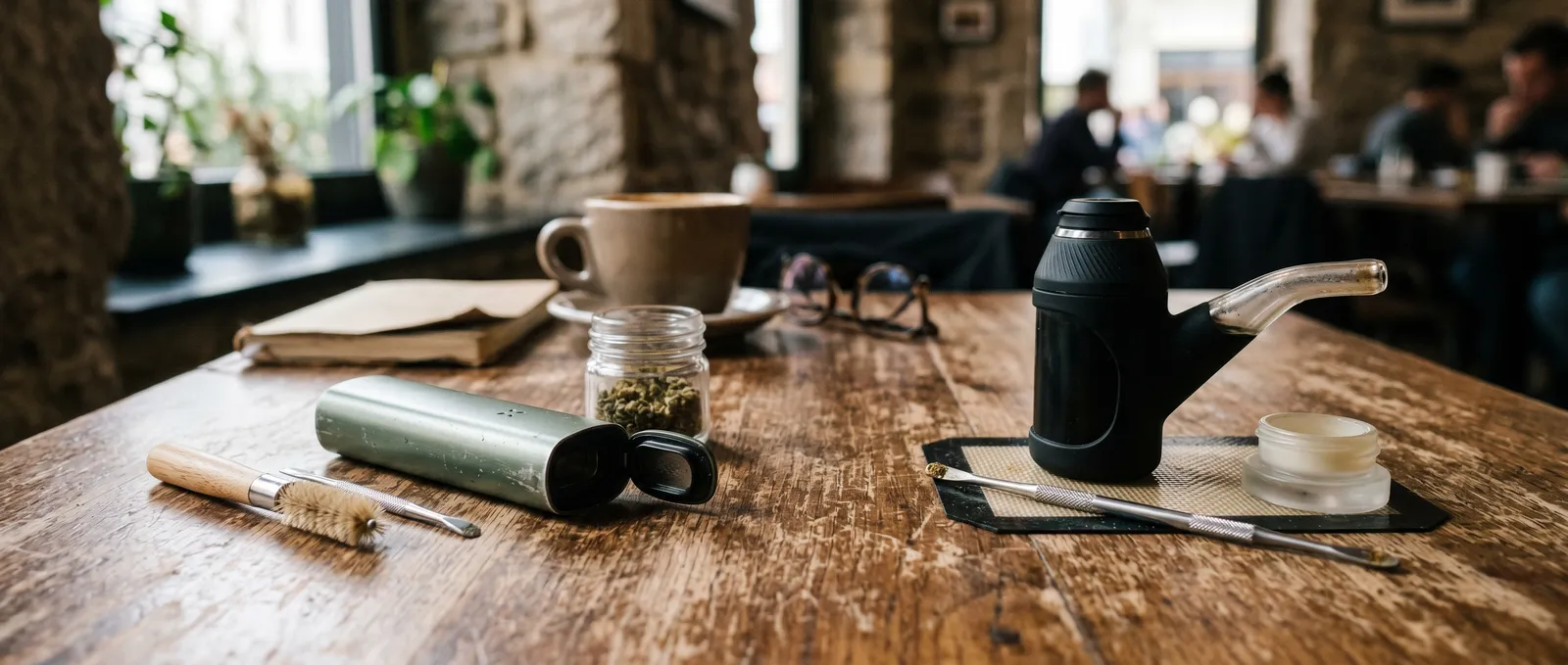
Dry herb vaporizers heat ground flower below combustion to release cannabinoids and terpenes as vapour, while concentrate vaporizers do the same with wax, rosin, or hash at higher temperatures. A 2007 pilot study found vaporisation reduced pyrolytic byproducts by 80–95% compared to smoking (Abrams et al., 2007). This guide compares both device types across heating method, flavour, maintenance, portability, and cost.
Dry Herb vs Concentrate Vaporizers: At a Glance
This guide is written for adults (18+). The hardware below works with botanical materials and concentrates governed by your local jurisdiction — we're covering the devices, not the substances.
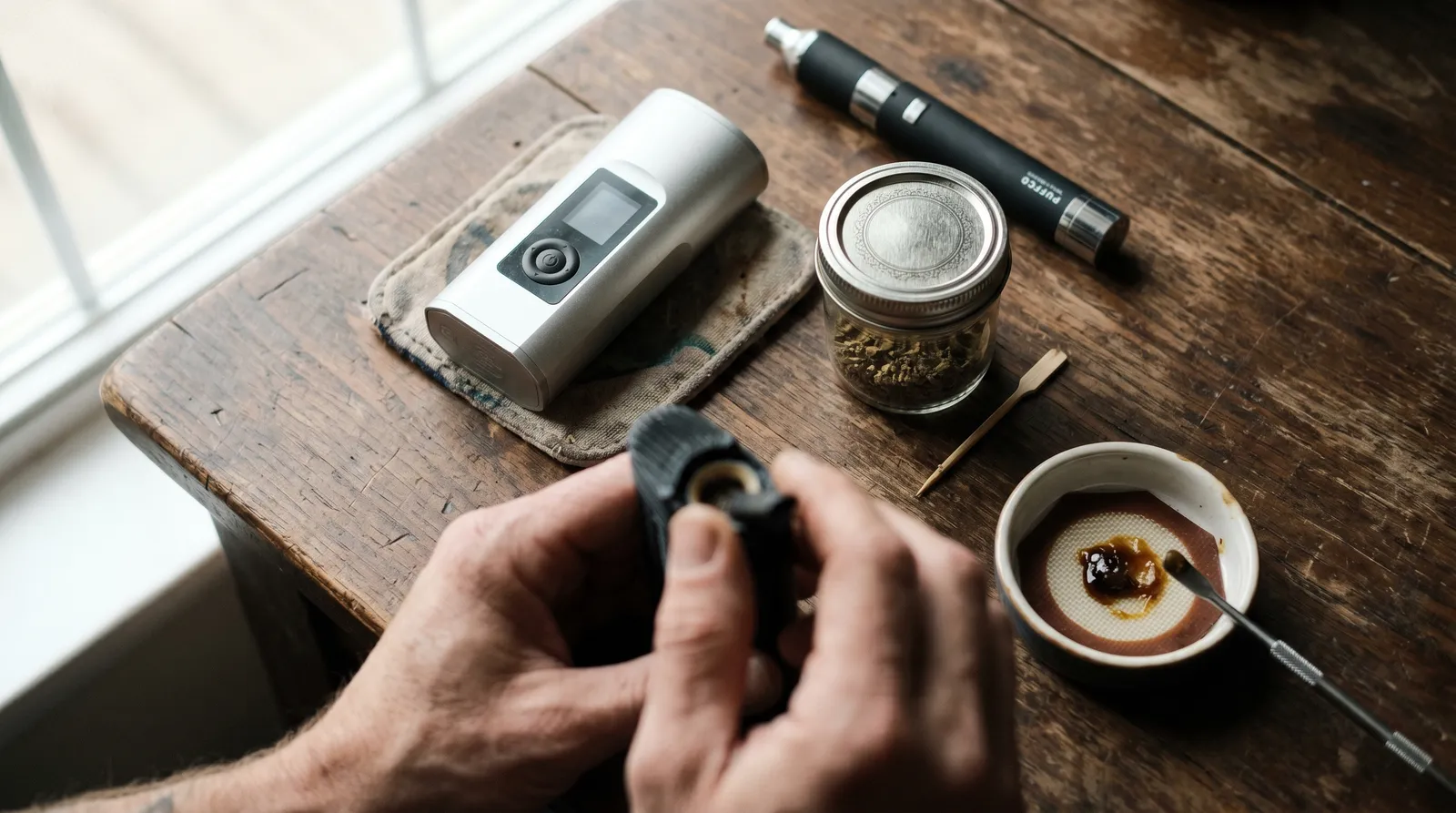
| Dimension | Dry Herb Vaporizers | Concentrate Vaporizers |
|---|---|---|
| Material used | Ground botanical flower (cannabis, damiana, etc.) | Wax, shatter, rosin, kief, hash, live resin |
| Heating method | Conduction, convection, or hybrid | Conduction coil, ceramic dish, or quartz atomiser |
| Typical temp range | 160–220 °C (320–428 °F) | 200–315 °C (390–600 °F) |
| Flavour profile | Broad terpene spectrum; varies with temperature | Intense initial flavour; narrows quickly |
| Session length | 5–15 minutes per bowl | 1–3 draws per load |
| Maintenance | Brush chamber after each session; deep-clean weekly | Swab atomiser after every load; replace coils periodically |
| Learning curve | Low to moderate (grind, pack, set temp) | Moderate to steep (load size, coil care, temp precision) |
| Portability | Excellent (many pocket-sized units) | Good for pens; bulkier for e-rigs |
| Material cost over time | Lower — flower is generally cheaper gram-for-gram | Higher — concentrates cost more but you use less per session |
| Stocked examples (Azarius) | Storz and Bickel Mighty, Arizer Solo, PAX 3, DynaVap M, TinyMight 2, XMAX V3 | Dab pens, electric dab rigs, quartz bangers with torches |
What Each Type Actually Does
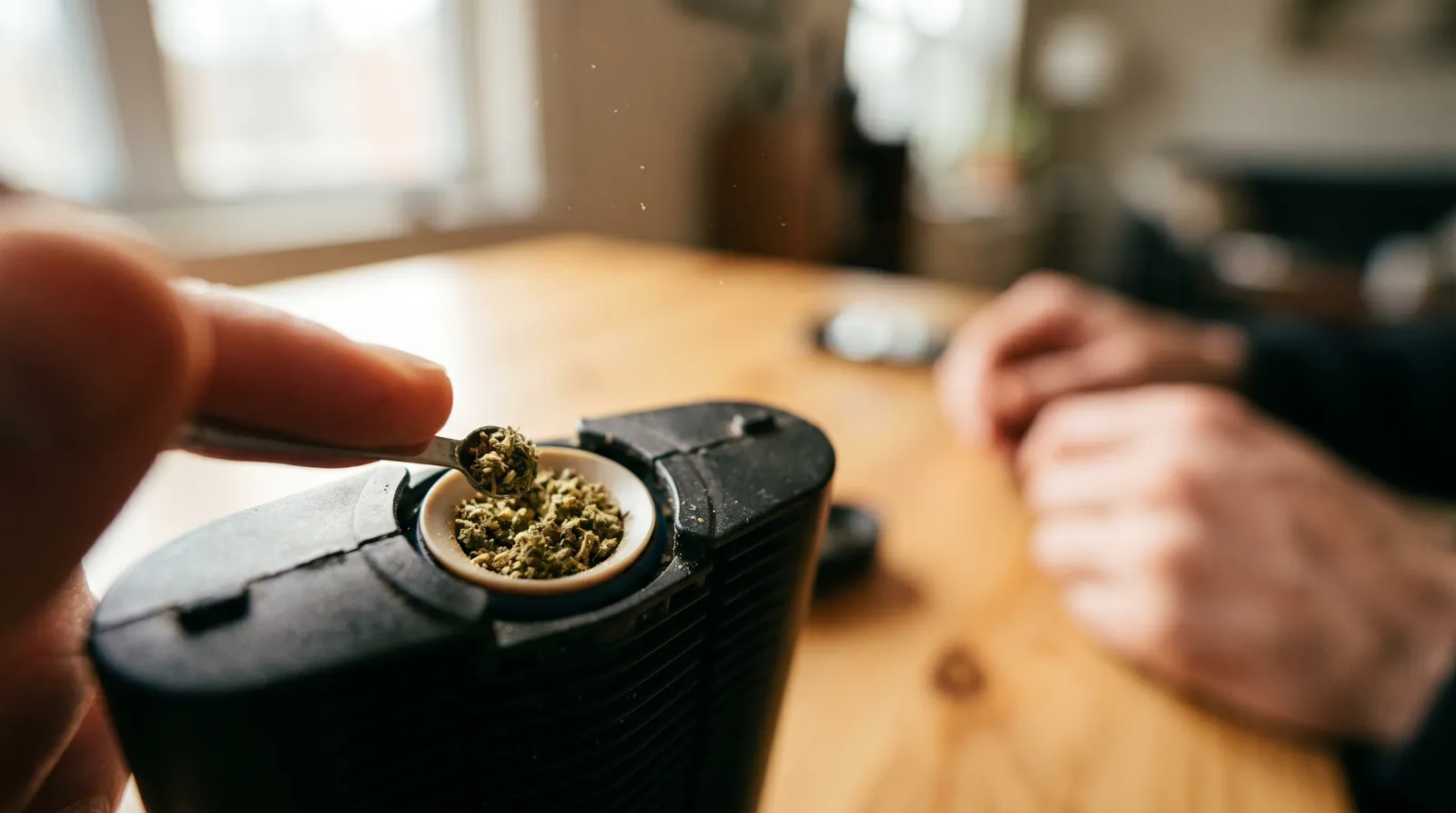
A dry herb vaporizer heats ground plant material — typically cannabis flower — to a temperature that releases cannabinoids and terpenes as inhalable vapour without reaching the combustion point (around 230 °C / 446 °F). A 2007 study published in Clinical Pharmacology & Therapeutics found that vaporising cannabis at temperatures below combustion reduced carbon monoxide and other pyrolytic compounds by roughly 80–95% compared to smoking (Abrams et al., 2007). That's the core appeal: you get the active compounds without the tar.
A concentrate vaporizer does the same job but with pre-processed material — wax, shatter, rosin, kief, or hash. Because concentrates are denser in active compounds, the devices run hotter and the sessions are shorter. A single rice-grain-sized dab can deliver as much active material as an entire bowl of flower, which is precisely why temperature control matters more here. Above roughly 315 °C (600 °F), terpenes degrade rapidly and the vapour turns harsh — and at red-hot temperatures (370 °C+ / 700 °F+), you're effectively combusting concentrate, which defeats the purpose entirely and carries a burn risk from the heated surface.
Heating Methods: Conduction, Convection, and Why It Matters
Dry herb vaporizers split into three camps based on how they transfer heat to the material:
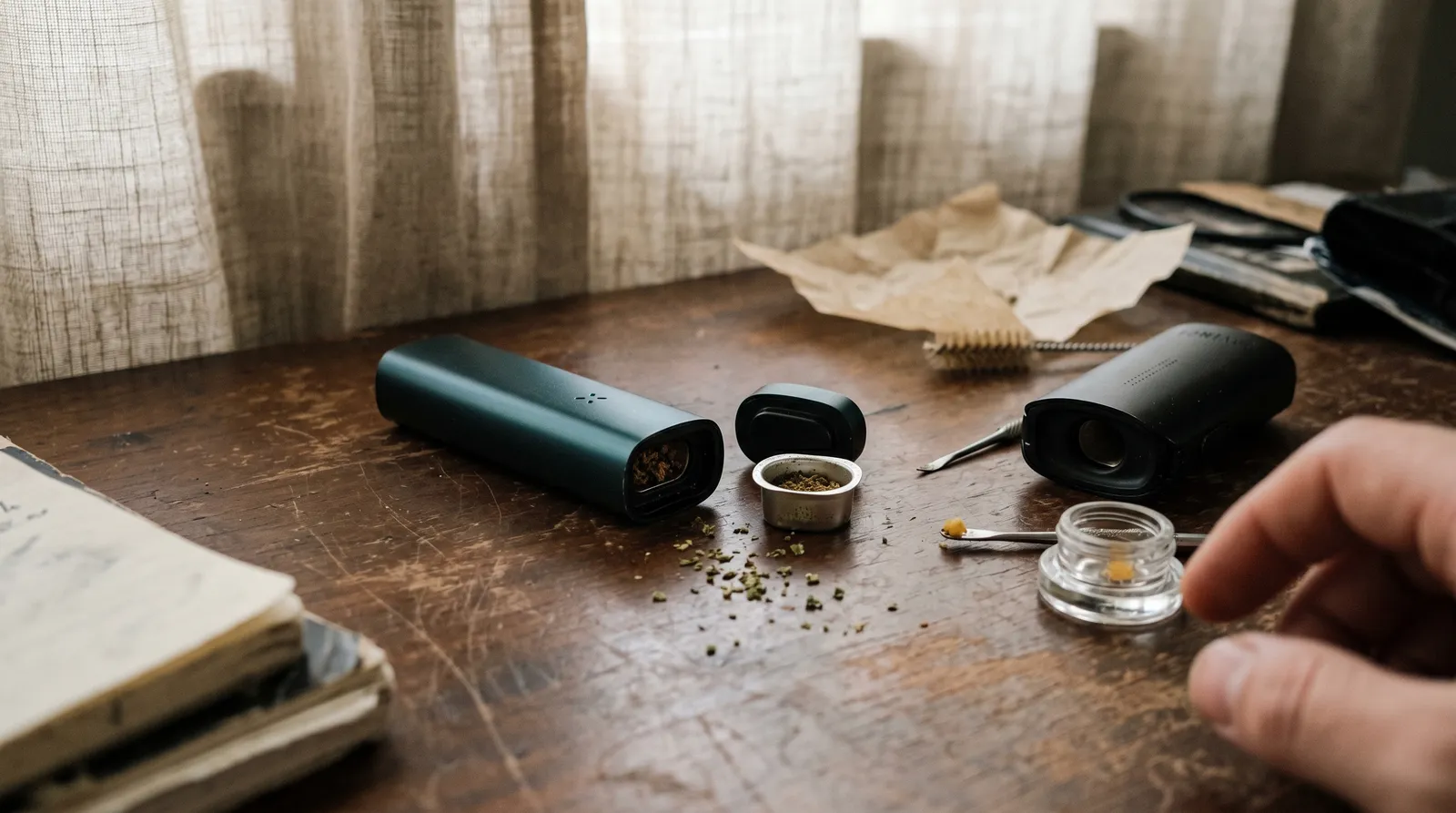
Conduction heats the herb by direct contact with a hot surface — typically the chamber walls. It's simple, cheap to manufacture, and heats up fast. The trade-off: uneven extraction. The herb touching the walls cooks faster than the material in the centre, so you need to stir the bowl mid-session for consistent results. The XMAX V3 and DaVinci MIQRO are conduction-forward designs.
Convection passes hot air through the herb, extracting more evenly without direct contact. Flavour tends to be cleaner, and you waste less material. The downside is a slightly longer heat-up time and generally a higher price tag. The TinyMight 2 is a strong convection example — on-demand heating with no session-mode delay. The Storz & Bickel Volcano desktop uses forced-air convection to fill bags, which remains one of the most efficient extraction methods available for home use.
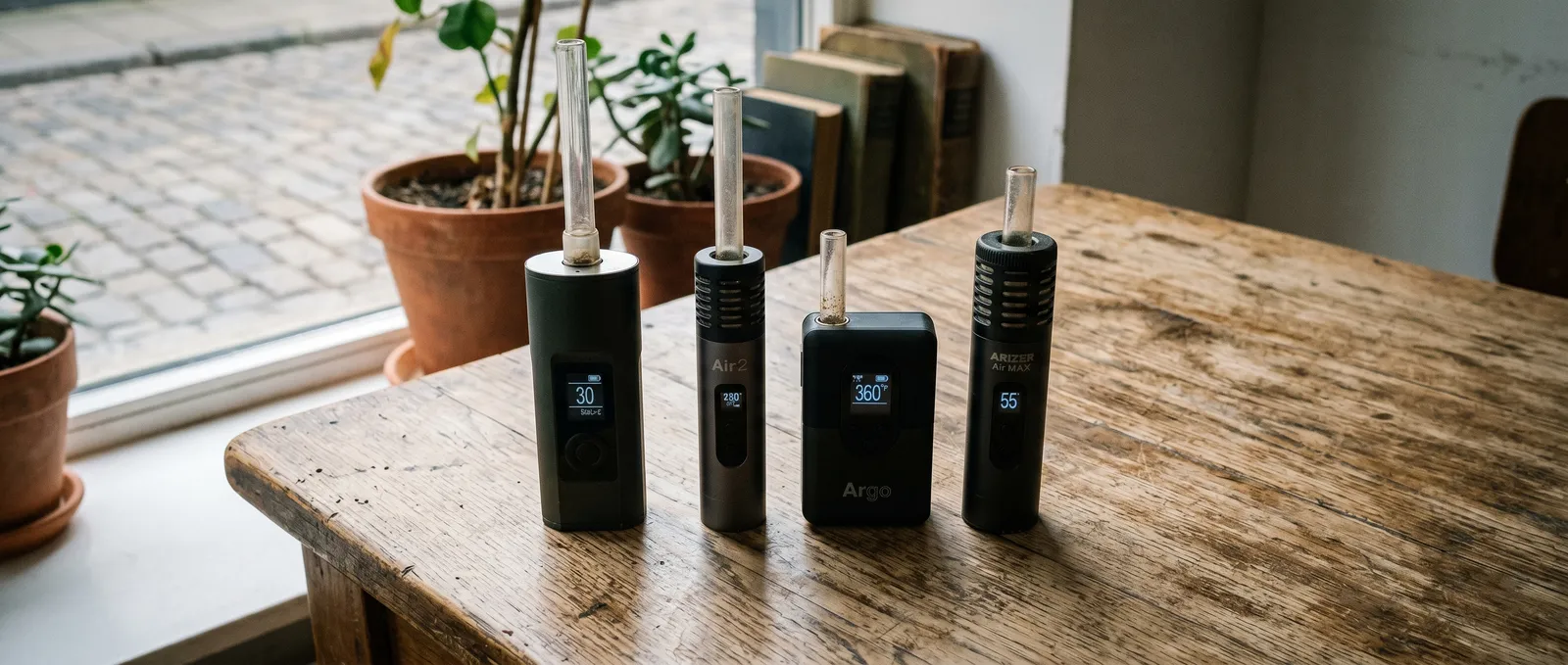
Hybrid designs combine both. The Storz & Bickel Mighty and Crafty use a conduction-heated chamber with convection airflow — fast heat-up, even extraction, and the kind of vapour density that made them the default recommendation for years. Arizer portables (Solo, Air, ArGo) also lean hybrid, with a glass stem that acts as both vapour path and partial convection channel.
Concentrate vaporizers mostly rely on conduction — a coil or ceramic dish heats the material directly. Some electric dab rigs use quartz or ceramic inserts that offer more even heat distribution, but the principle is the same. The variable is how precisely you can control temperature, and that's where cheap pens and proper e-rigs diverge sharply.
Flavour and Extraction: The Real Difference
Flavour is where these two categories feel most different in practice. Dry herb vaporizers deliver a broad, evolving terpene profile across a session. Start at 170 °C and you'll get light, citrusy notes from monoterpenes like limonene and pinene. Push to 200 °C and the heavier sesquiterpenes (caryophyllene, humulene) come through — earthier, spicier. A 2020 analysis in Scientific Reports identified over 30 distinct volatile compounds in cannabis vapour at temperatures between 170–210 °C (Raz et al., 2020). That range is where dry herb vaporizers shine: you can taste the difference between strains, and you can adjust the experience by dialling temperature up or down.
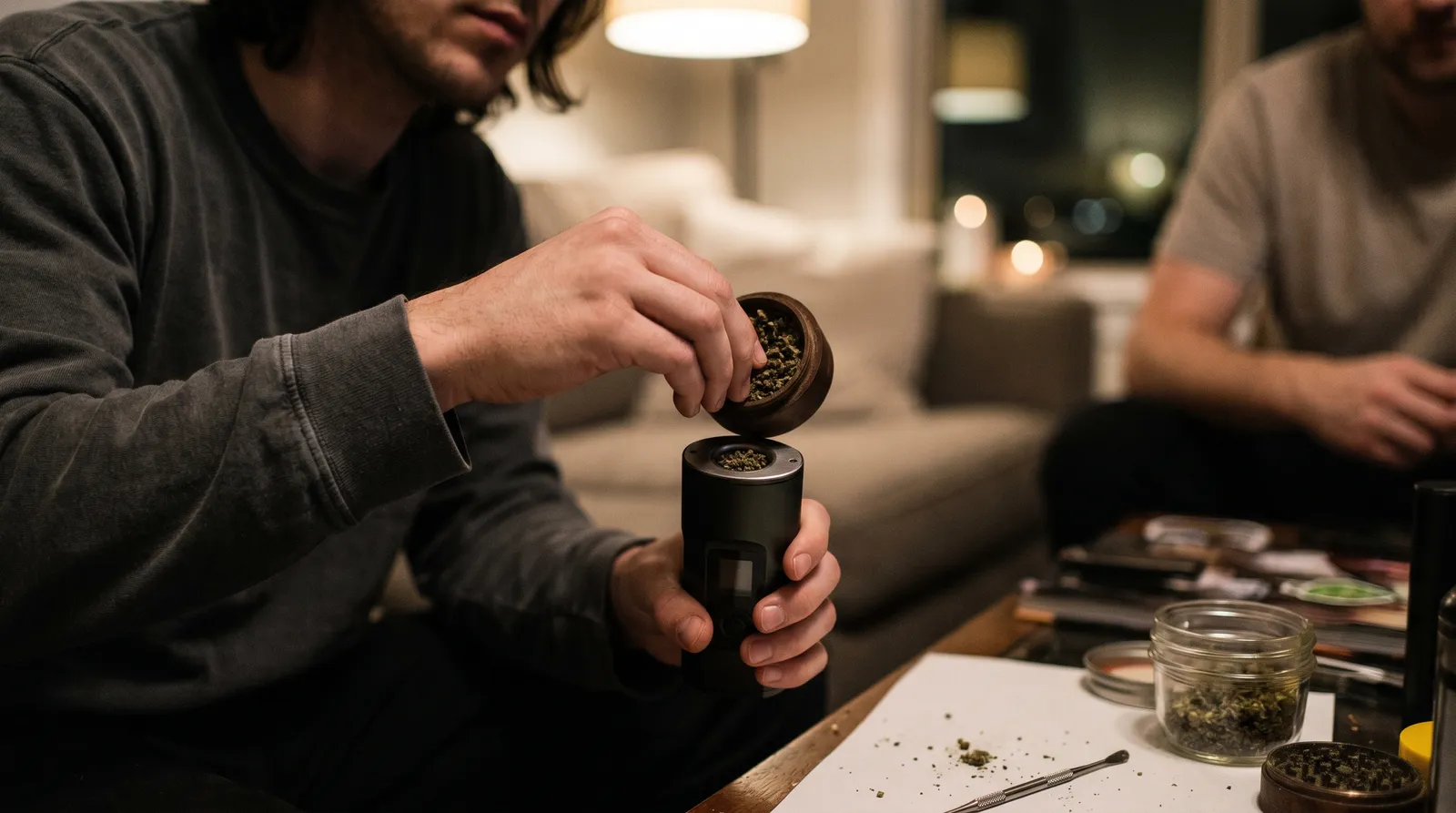
Concentrates hit differently. The first draw off a fresh dab is intensely flavourful — sometimes overwhelmingly so — because you're vaporising a concentrated mass of terpenes and cannabinoids in one go. But the flavour drops off fast. By the second or third draw, you're mostly chasing residual material. Quality matters enormously here: well-made solventless concentrates (rosin, bubble hash) tend to taste cleaner than poorly purged extracts, which can carry residual solvents that produce an unpleasant chemical note. The device can't fix bad starting material.
Maintenance and Running Costs
Dry herb vaporizers need regular but straightforward upkeep. After each session, brush out the spent material (a small included brush or a stiff paintbrush works). Weekly, soak removable screens and mouthpieces in isopropyl alcohol (90%+), rinse with warm water, and let everything dry fully before reassembling. Glass stems on Arizer portables are particularly easy to clean — drop them in iso for 20 minutes and they come out clear. The reclaim that builds up in those stems is actually usable, which some users consider a bonus.
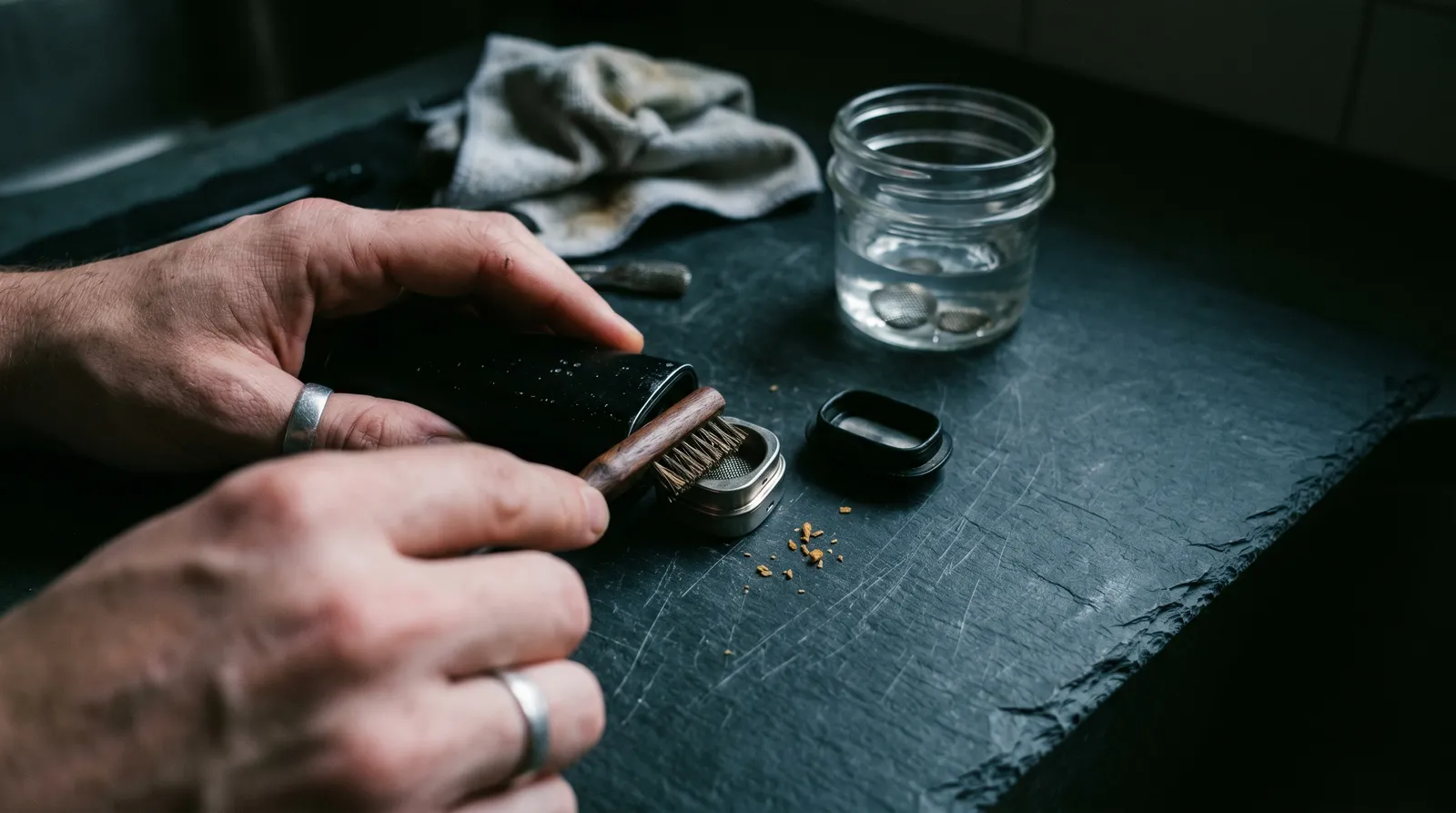
Safety note on cleaning: isopropyl alcohol vapour is flammable. Clean in a ventilated space, away from heat sources. Don't soak electronic components — just the removable glass, metal, and silicone parts.
Concentrate vaporizers demand more attention per session but less volume of cleaning. Swab the atomiser or quartz dish with a cotton bud dipped in iso after every load while it's still slightly warm. Skip this step a few times and you'll get a carbonised residue that's much harder to remove and degrades flavour noticeably. Coil-based atomisers eventually burn out and need replacing — budget for replacement coils or inserts every few months depending on how heavily you use the device.
Running costs differ too. Flower is cheaper per gram than concentrates in most markets, and a dry herb vaporizer extracts more from each gram than combustion does — a 2018 study estimated that vaporisation captures roughly 30–40% more available cannabinoids per gram compared to smoking (Spindle et al., 2018). Concentrates use less material per session, but the material itself costs more. Over a year of regular use, dry herb vaporizers tend to work out cheaper unless you're making your own concentrates.
Portability and Session Style
Dry herb portables have matured enormously. The PAX 3 fits in a jacket pocket and heats in under 20 seconds. The DynaVap M doesn't even need a battery — you heat the cap with a torch lighter and it clicks when it's ready. The Healthy Rips Rogue and Boundless CFC sit in the compact-and-affordable bracket. For home use, desktop units like the Storz & Bickel Volcano or Arizer Extreme Q offer superior extraction efficiency and vapour volume, though obviously they stay on the table.
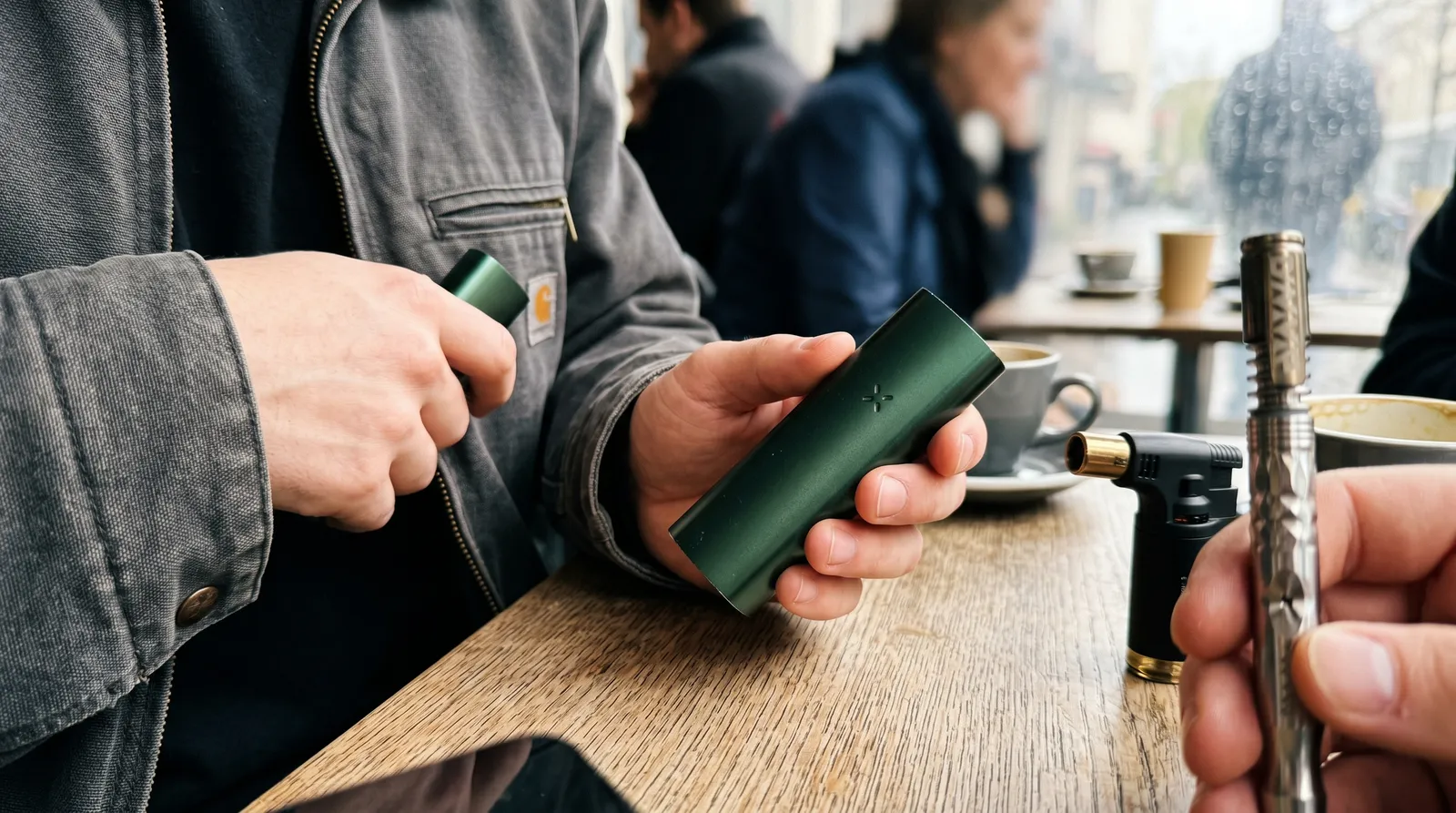
Concentrate portables are typically even smaller — dab pens are about the size of a thick marker. They're discreet and fast: load, press, inhale. But that convenience comes with less temperature control than a proper e-rig or a torch-and-banger setup. Electric dab rigs bridge the gap — more precise, better flavour, but bulkier and pricier.
Session style is a genuine lifestyle consideration. Dry herb sessions last 5–15 minutes, which suits a relaxed pace. Concentrate sessions are quick — a dab or two and you're done. If you prefer a slow, ritualistic wind-down, dry herb fits better. If you want efficiency and speed, concentrates win on time-per-session.
A Quick Word on Battery Safety
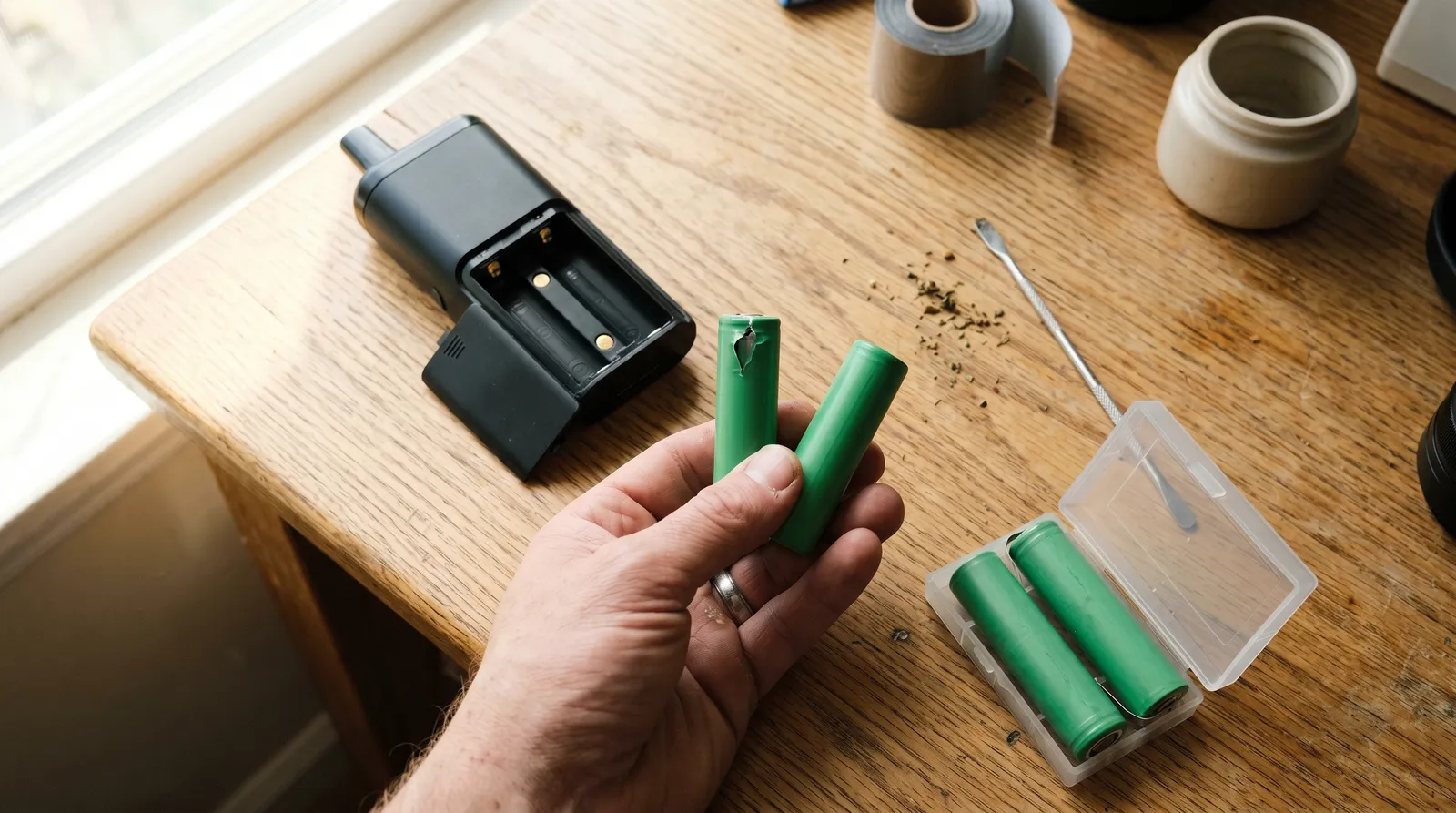
Most portable vaporizers — both herb and concentrate — run on lithium-ion cells, often 18650s. A few ground rules: don't use a vaporizer with a visibly damaged battery or torn wrap. Store spare 18650 cells in a protective case, never loose in a pocket or bag where keys or coins can short the terminals. Charge with the included cable or a reputable charger — cheap no-name chargers are the single most common cause of battery incidents in vaping hardware. The DynaVap sidesteps all of this by running on butane heat, which is part of its appeal for users who'd rather not think about charging cycles.
Which Type Suits You?
If you're starting out, a dry herb vaporizer is the more forgiving choice. The learning curve is gentler, the material is easier to source and dose, and the flavour experience rewards experimentation with temperature. Units like the XMAX Starry or Flowermate V5 Mini keep the entry cost low without sacrificing much in vapour quality.
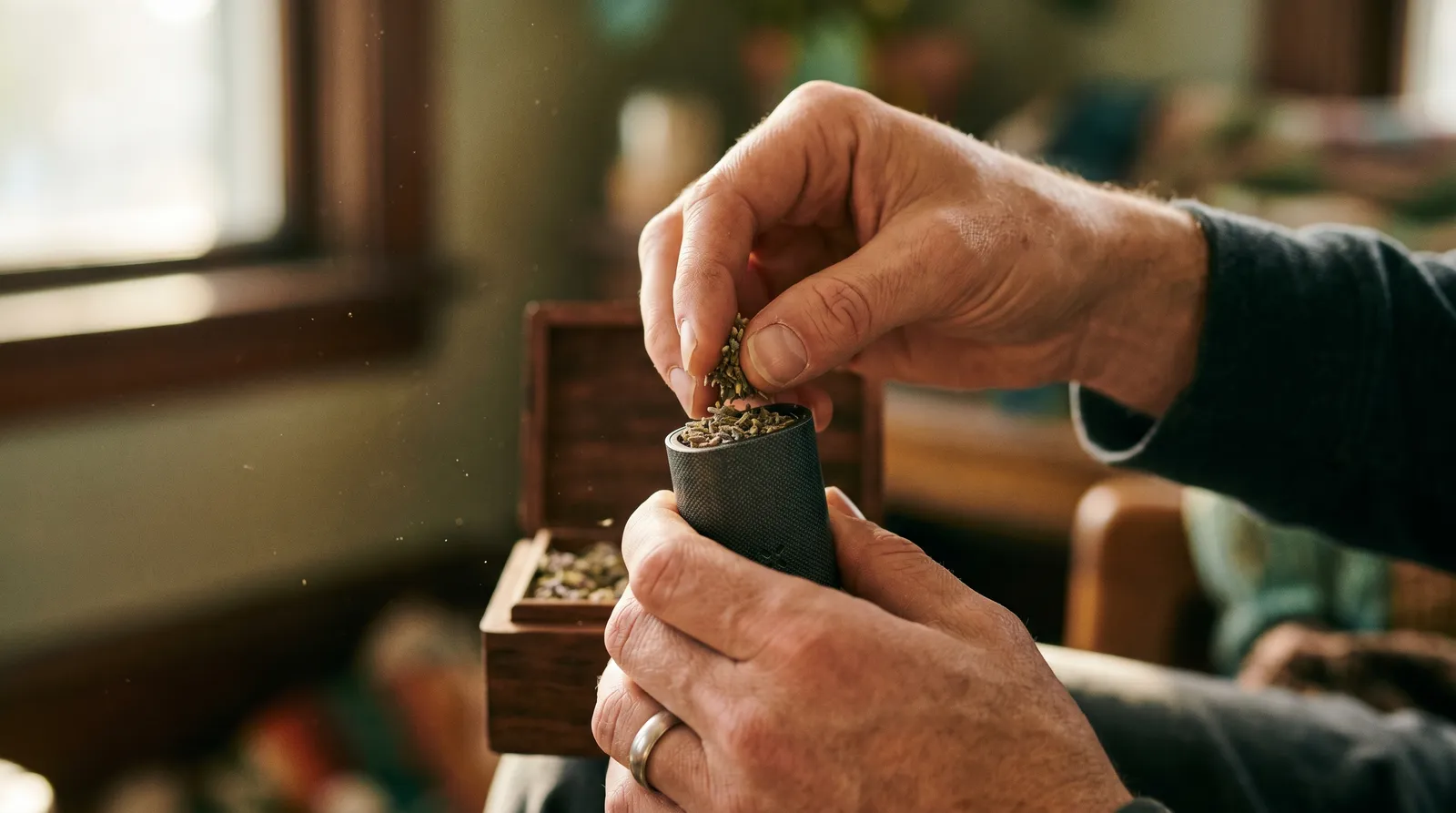
If you already use concentrates and want a dedicated device, a proper dab pen or electric dab rig makes more sense than trying to run wax through a dry herb chamber (which doesn't work well and makes a mess — concentrate pads exist for some herb vaporizers, but they're a compromise at best, and the results rarely match a purpose-built device).
Some users end up owning both. A Mighty or Arizer Solo for evening sessions with flower, and a dab pen for quick, potent hits when time is short. That's a perfectly reasonable setup, though it does mean maintaining two devices.
For a deeper look at how conduction and convection heating affect your sessions specifically, see our convection-vs-conduction vaporizer article. If you're curious about the substances themselves — cannabinoids, terpene profiles, effects — that's covered in the cannabinoids hub, not here.
References
- Abrams, D.I. et al. (2007). Vaporization as a smokeless cannabis delivery system: a pilot study. Clinical Pharmacology & Therapeutics, 82(5), 572–578.
- Raz, N. et al. (2020). Identification of volatile compounds in cannabis by headspace analysis. Scientific Reports, 10, 15230.
- Spindle, T.R. et al. (2018). Acute effects of smoked and vaporized cannabis in healthy adults who infrequently use cannabis. JAMA Network Open, 1(7), e184841.
This guide covers hardware for adults (18+). Use of vaporizers, bongs, pipes, dab rigs and rolling accessories is for adult use only. Verify your local laws on the substances you choose to use — Azarius does not provide legal advice. Consult a qualified professional if you have a health condition or take medication.
Last updated: April 2026
Frequently Asked Questions
8 questionsCan I use concentrates in a dry herb vaporizer?
Do concentrate vaporizers produce a stronger smell than dry herb vaporizers?
What temperature should I set a dry herb vaporizer to?
How often do concentrate vaporizer coils need replacing?
Is a desktop or portable vaporizer better for dry herb?
Are dab pens and concentrate vaporizers the same thing?
Which lasts longer per session — dry herb or concentrate vaporizers?
What is the difference between conduction and convection heating in dry herb vaporizers?
About this article


Adam Parsons is an external cannabis and psychedelics writer and editor who contributes to Azarius's wiki as both author and reviewer. On the writing side, he authors Azarius's kratom and kanna clusters, drawing on exten
This wiki article was drafted with AI assistance and reviewed by Adam Parsons, External contributor. Editorial oversight by Joshua Askew.
Medical disclaimer. This content is for informational purposes only and does not constitute medical advice. Consult a qualified healthcare provider before use of any substance.
Last reviewed April 25, 2026
Related Articles
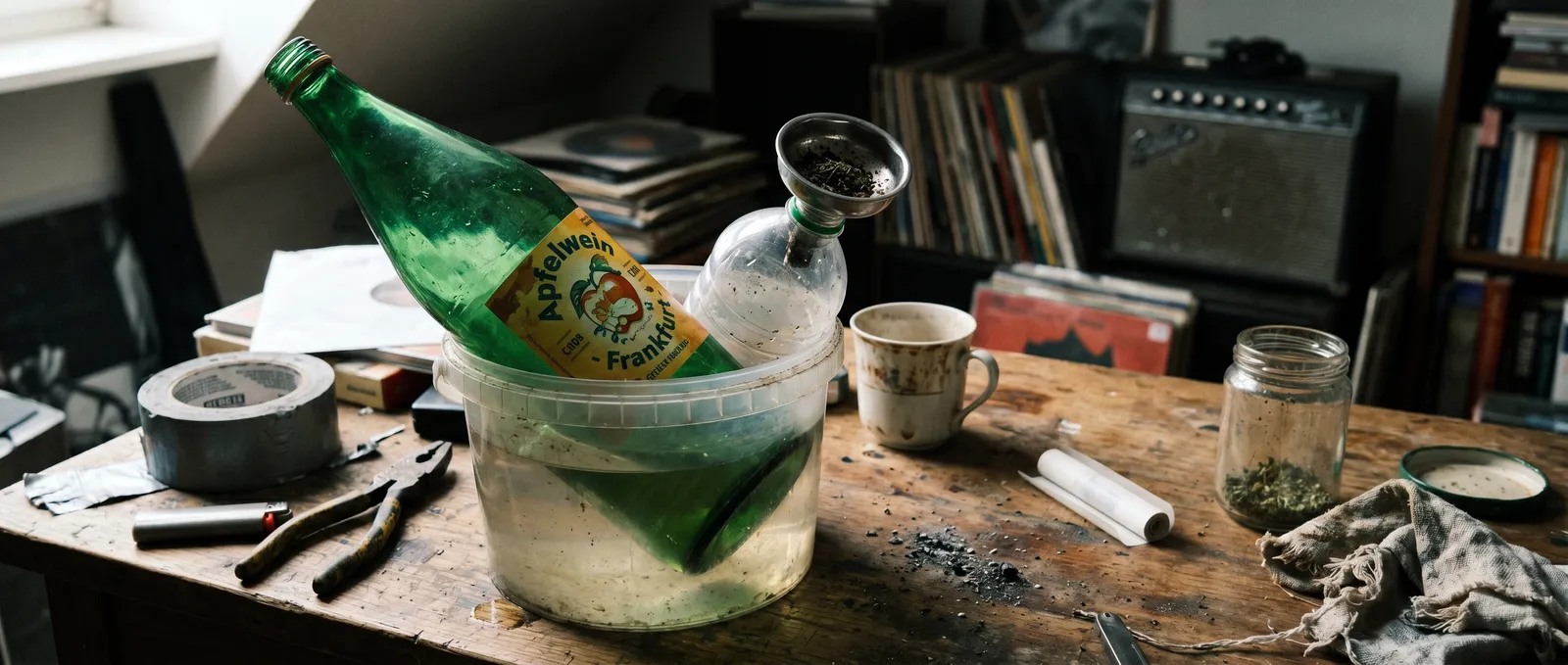
Gravity Bongs Explained: How They Work and Why
A gravity bong uses water displacement to pull concentrated smoke into a chamber, then forces it into your lungs under positive pressure.
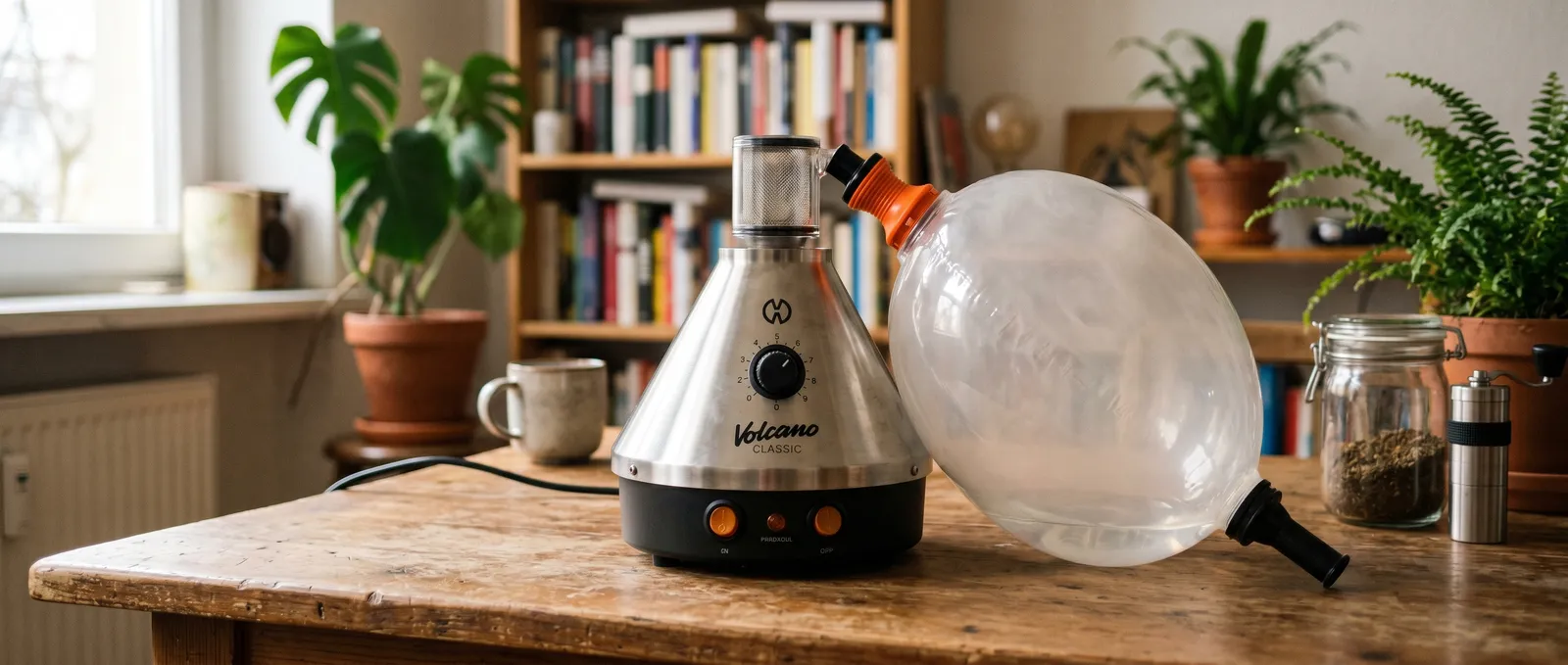
Storz Bickel Volcano Complete Guide: Setup, Temps & Cleaning
The Storz & Bickel Volcano is a convection desktop vaporizer that fills detachable balloons with vapour — a system clinically validated by Hazekamp et al.
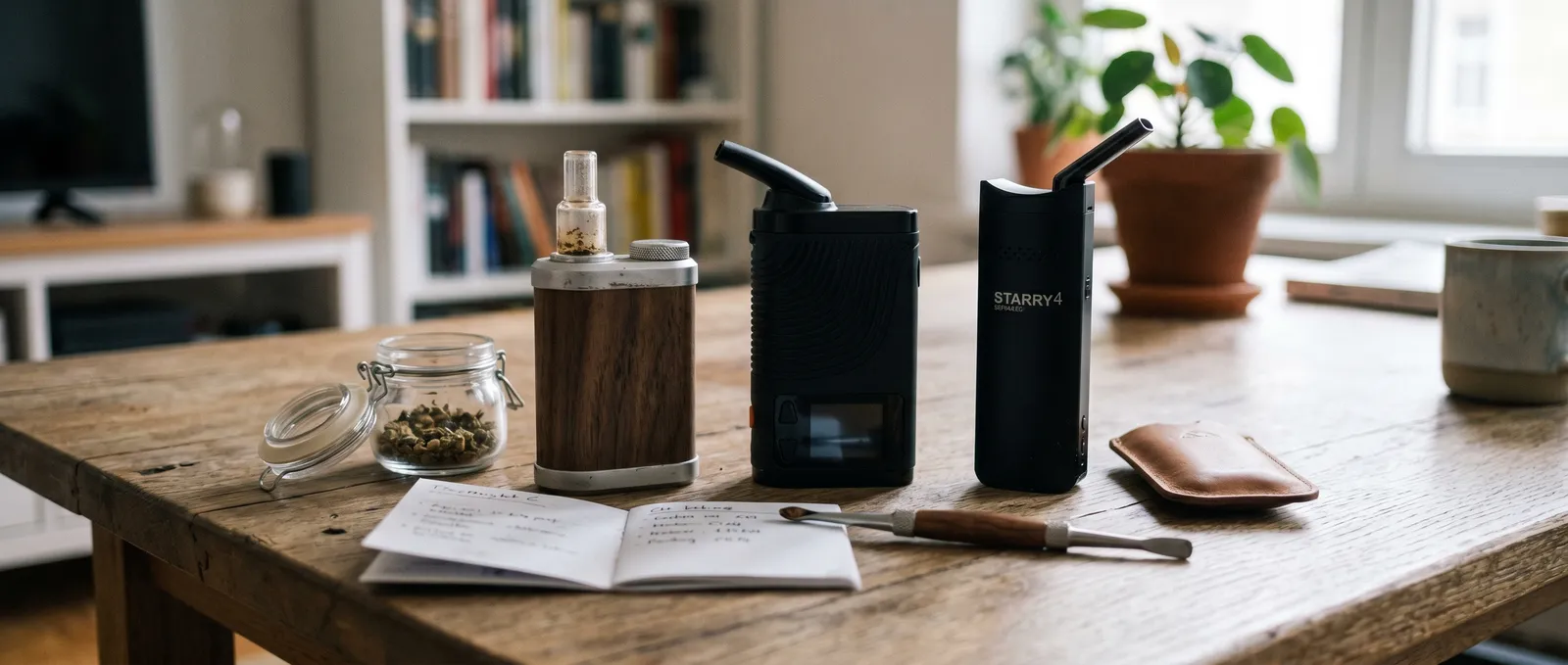
TinyMight Boundless XMAX Premium Portables Compared
The TinyMight 2, Boundless CFX/CFC and XMAX V3/Starry/Ace represent three tiers of portable dry-herb vaporizer — from budget conduction to premium convection.
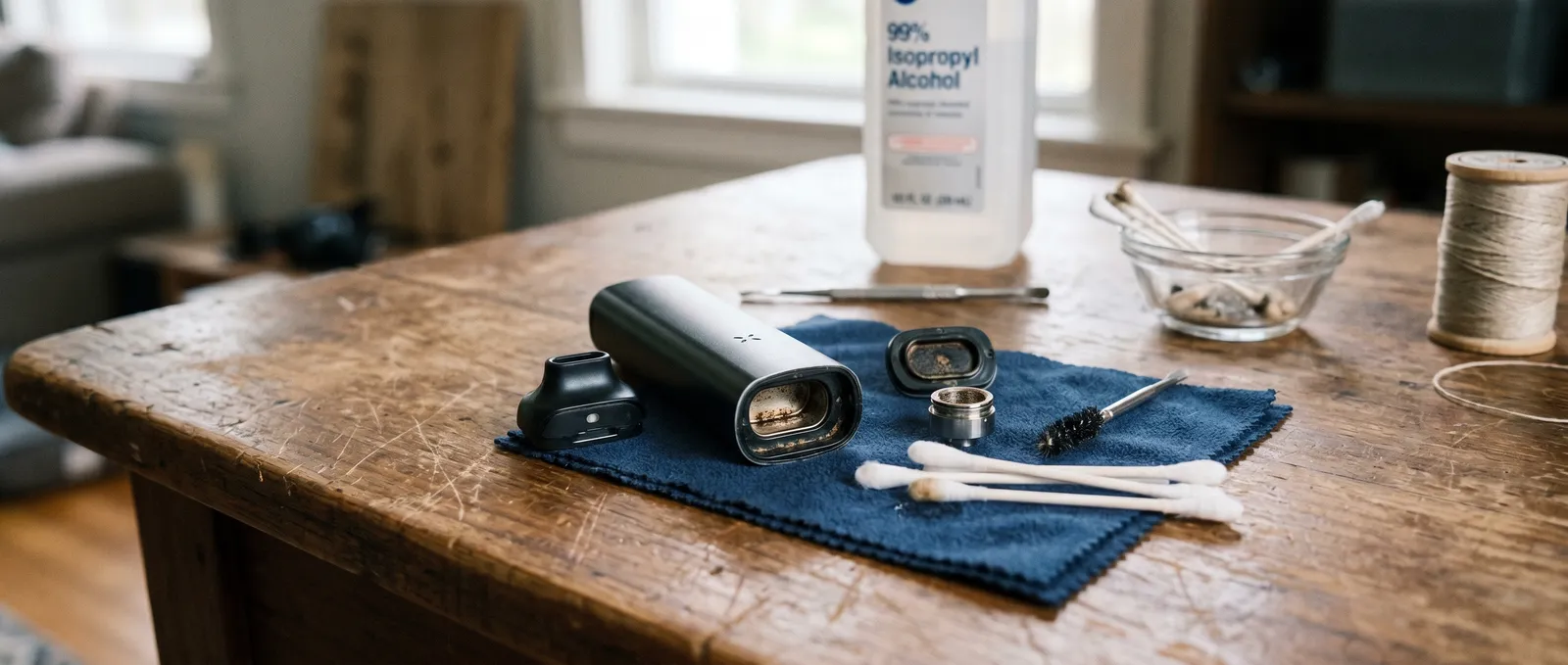
How To Clean a Vaporizer: Step-by-Step Guide
How to clean a vaporizer is a straightforward maintenance routine that keeps your device tasting fresh, drawing smoothly, and lasting years longer than a…
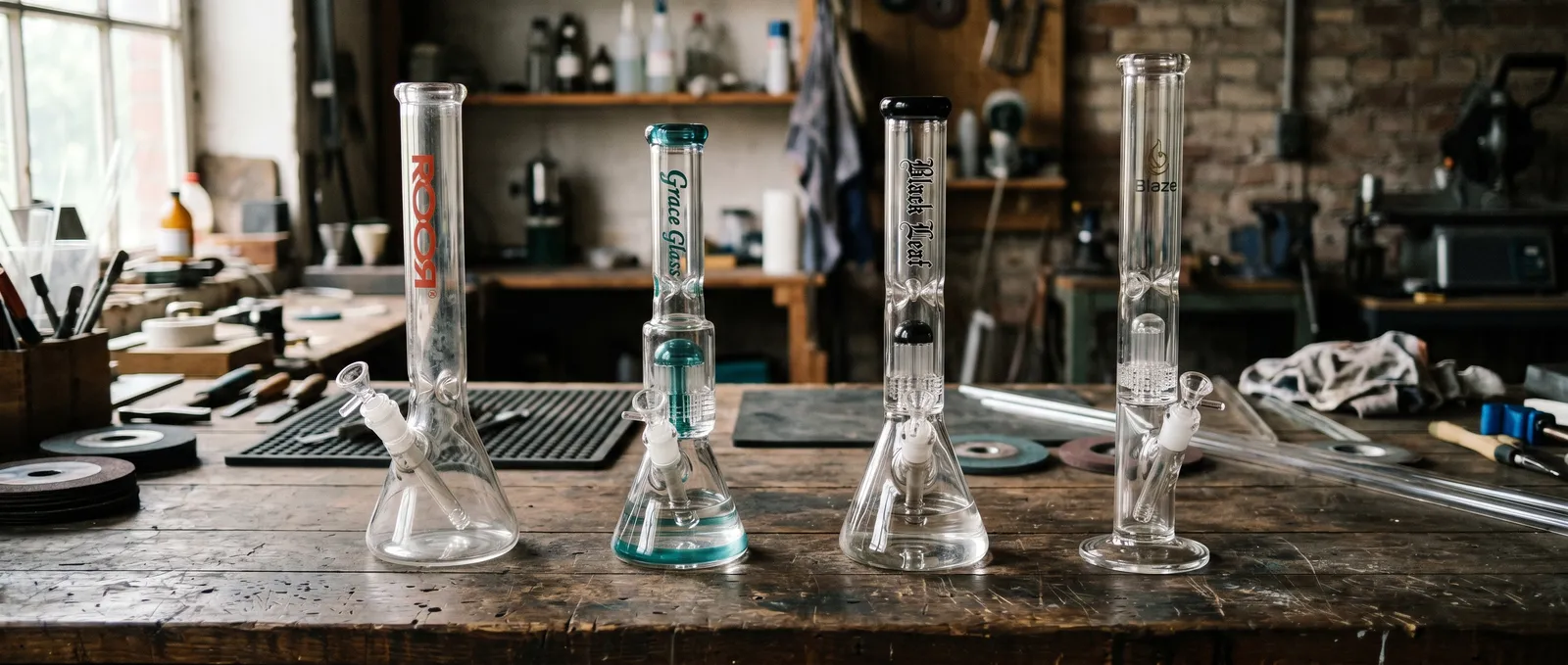
ROOR Grace Glass Black Leaf Blaze Brand Comparison — Glass Bong Guide
Four borosilicate glass bong brands — ROOR, Grace Glass, Black Leaf, and Blaze Glass — dominate the European market at different price points.
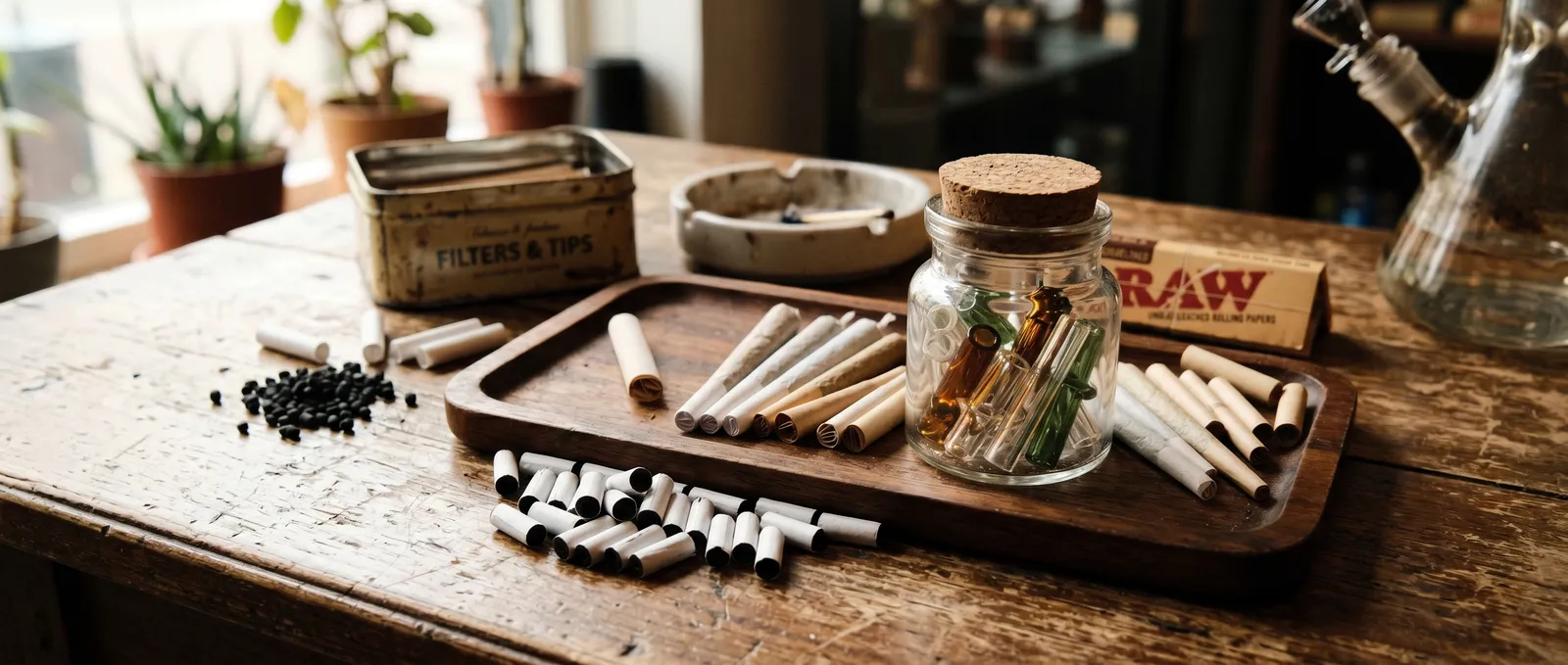
Joint Filters Crutches Glass Tips Activated Charcoal — Buyer's Guide
Joint filters range from simple card crutches that block loose herb to activated charcoal tubes that trap 40–60% of gas-phase toxicants like benzene and…
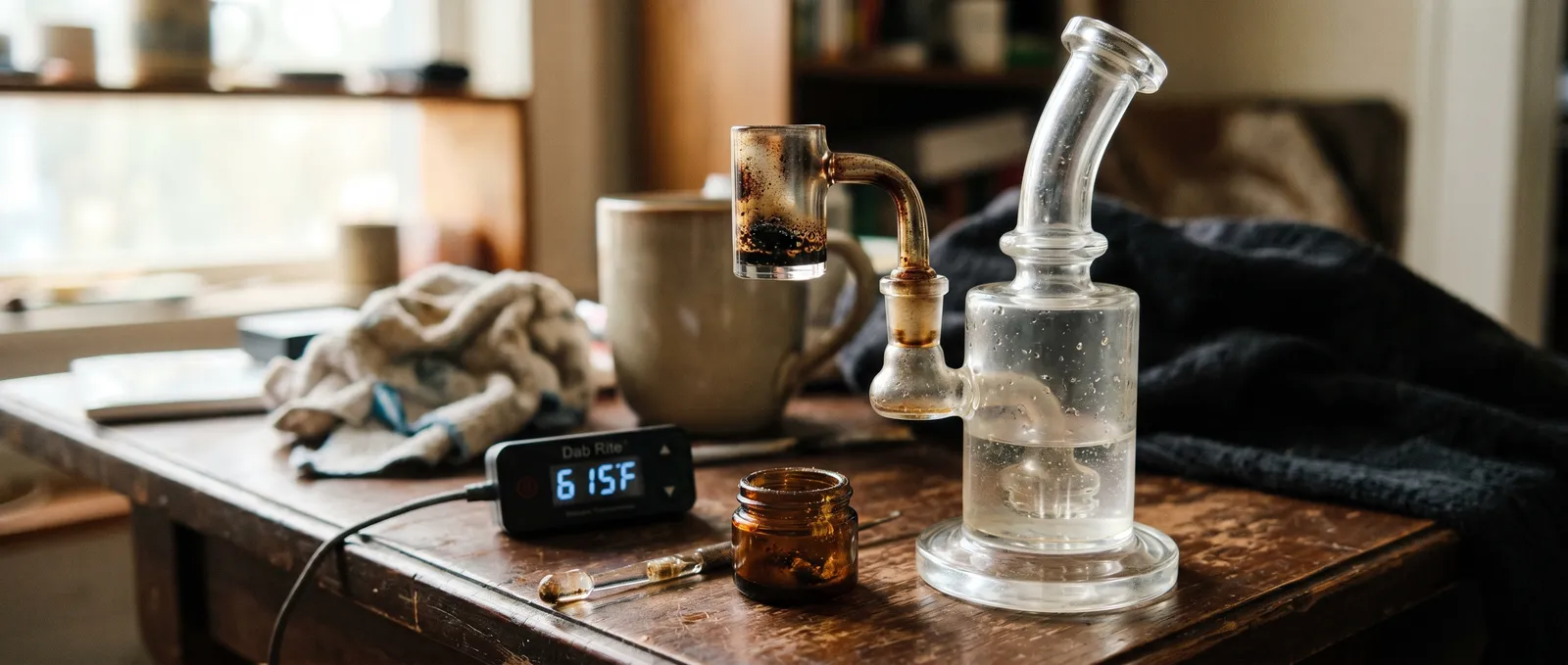
Quartz Banger Temperature and Care Guide
A quartz banger's performance depends almost entirely on temperature control and maintenance.
Arizer Portable Lineup Compared: Solo vs Solo 2 vs Solo 3 vs ArGo
Arizer's portable vaporizers all use borosilicate glass vapour paths and session-style heating, but differ meaningfully in battery architecture, heating…
Kief: What It Is and How to Collect It | Full Guide
Kief is the fine, powdery accumulation of trichome heads that detach from cannabis flower during grinding or handling.