
Bubblers vs Bongs vs Pipes — Key Differences Explained
Definition
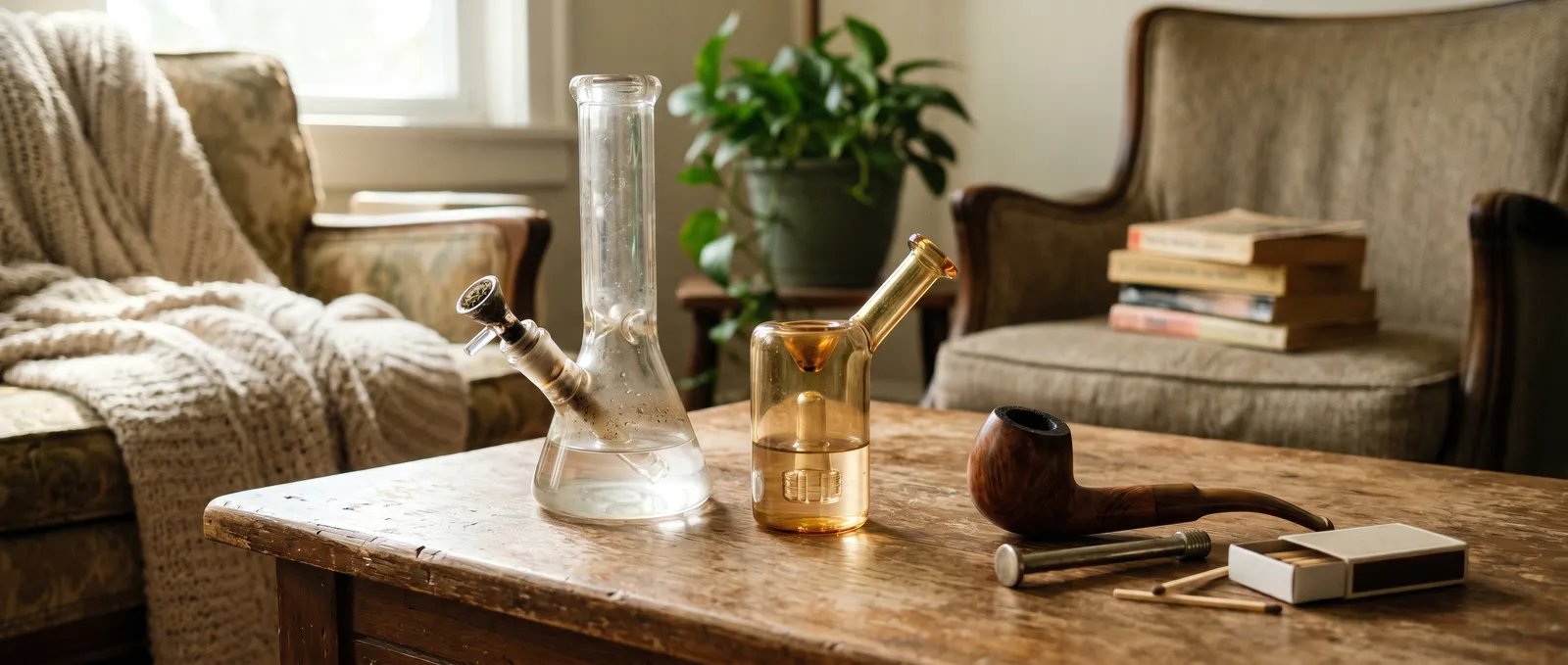
Bubblers, bongs, and pipes all combust herb, but they deliver smoke in fundamentally different ways. Water filtration cools smoke by roughly 40–50 °C compared to dry methods (Gieringer et al., 2004), making bongs and bubblers noticeably smoother than pipes — at the cost of portability and cleaning effort.
Bubblers vs Bongs vs Pipes: At a Glance
Three devices, three different experiences — and the right pick depends on where you're smoking, how much fuss you want, and whether smooth hits matter more to you than portability. This comparison is written for adults (18+) choosing between the main categories of non-electronic smoking hardware.
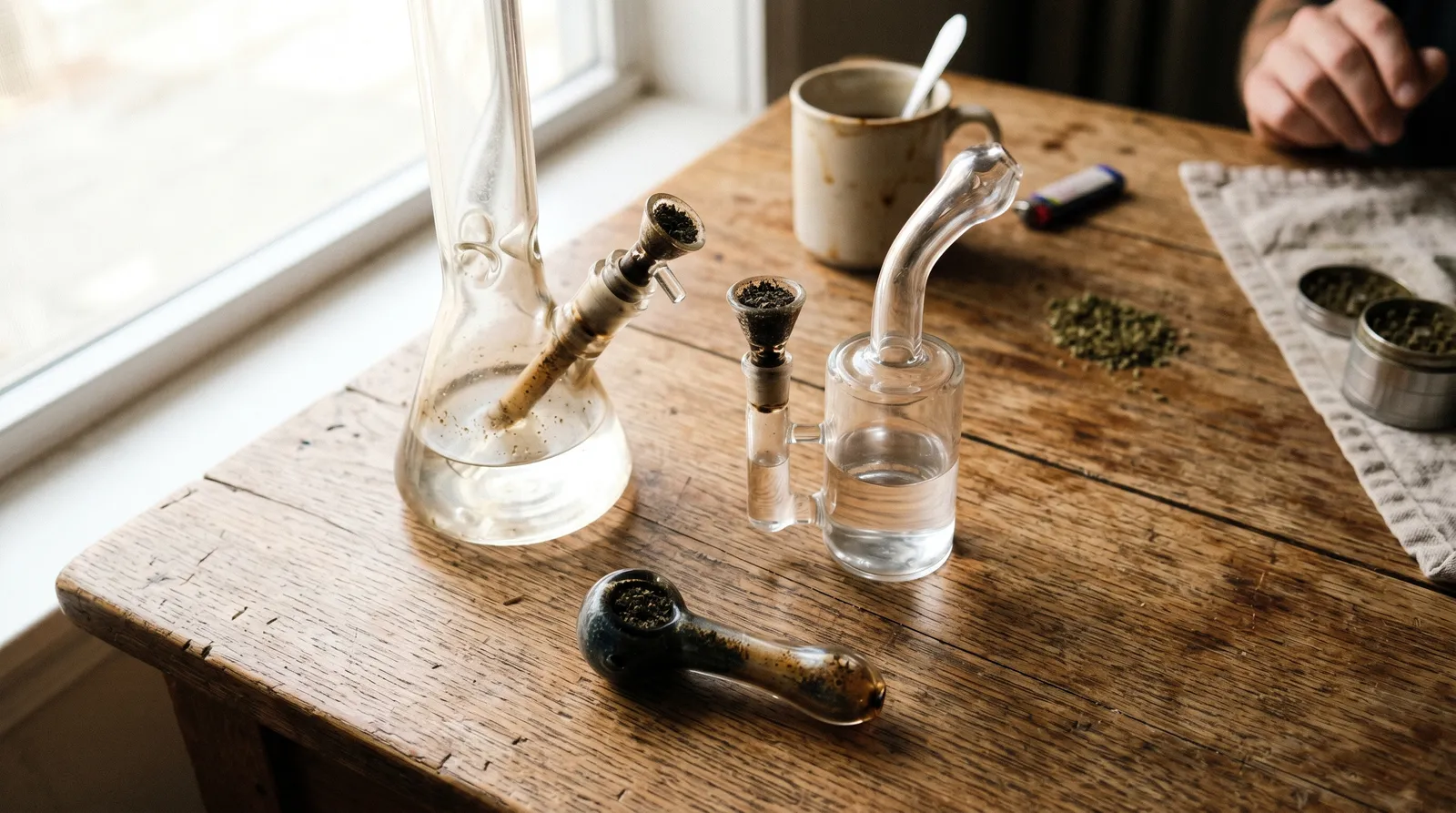
| Feature | Dry Pipe | Bubbler | Bong |
|---|---|---|---|
| Water filtration | No | Yes (small chamber) | Yes (large chamber) |
| Typical size | 8–15 cm | 12–20 cm | 20–60 cm |
| Portability | Excellent — fits a pocket | Good — handheld but heavier | Poor — tabletop only |
| Smoothness of draw | Harshest (no cooling) | Moderate (limited water volume) | Smoothest (large water volume, optional percolators) |
| Hit size | Small to moderate | Moderate | Large |
| Common materials | Glass, metal, wood | Glass (mostly one-piece) | Glass, acrylic, silicone |
| Cleaning effort | Low — quick pipe-cleaner job | Moderate — fixed downstem is fiddly | Moderate to high — more parts, but parts are removable |
| Breakability | Low (small, solid) | Moderate (glass, compact shape) | High (tall glass tubes) |
| Customisation | Minimal | Minimal (usually one-piece) | High (bowls, downstems, ash catchers, percolators, ice notches) |
| Price tier | Entry-level | Entry to mid | Entry to premium |
| Best for | Quick solo sessions, travel | Solo sessions with some filtration | Home sessions, group use, smoothest possible draw |
That table covers the headline differences. Below, we unpack each column so you know exactly what you're getting — and what you're giving up.
What Is a Dry Pipe?
A dry pipe is the simplest smoking device you can buy: a bowl, a channel, a mouthpiece, and usually a carb hole on the side for clearing the chamber. No water, no moving parts, no assembly. You pack the bowl, light it, cover and release the carb, and inhale. That's it.
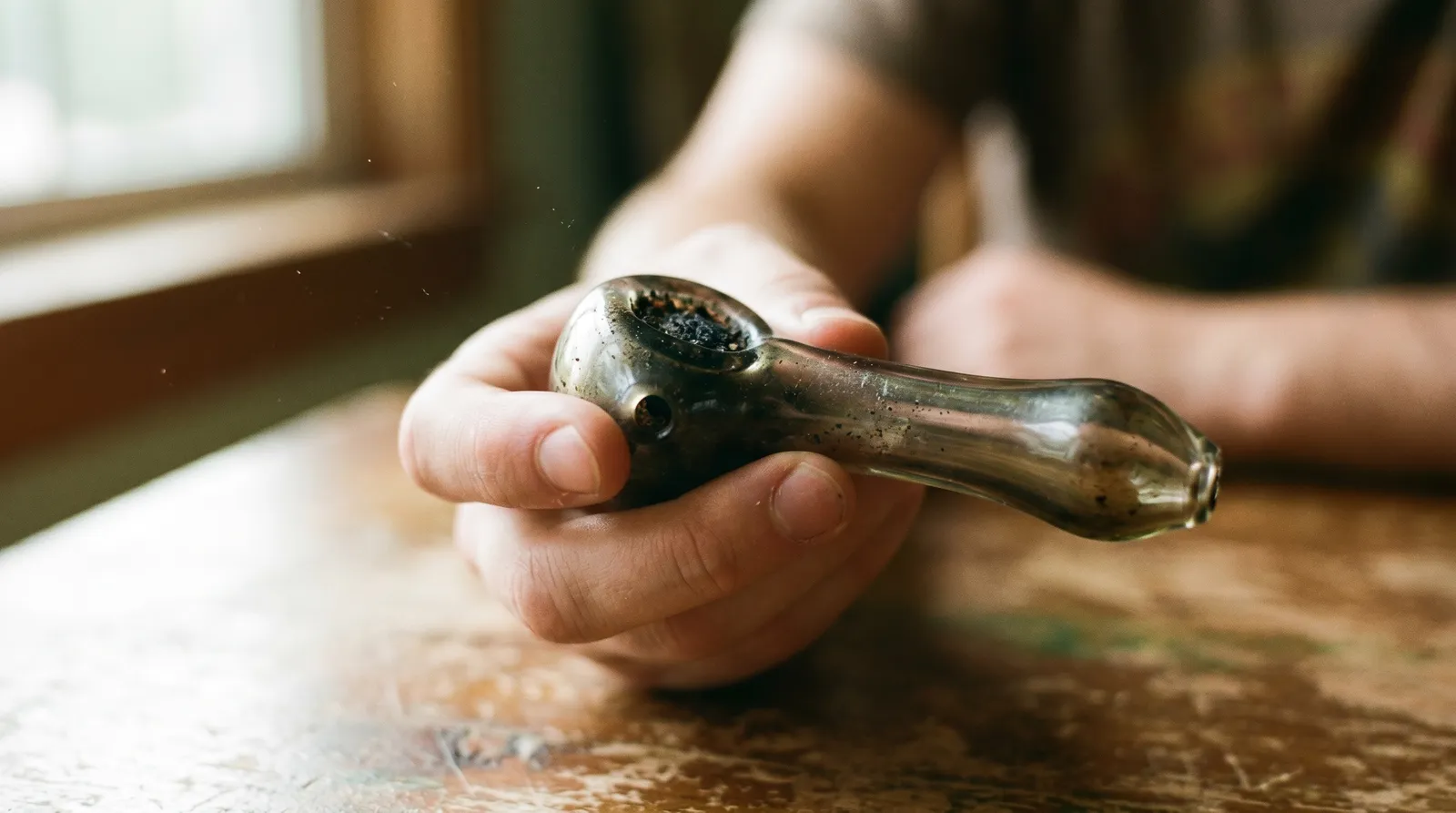
Pipes come in glass, metal, and wood. Glass is the most popular because it doesn't impart flavour the way metal or wood can, and it's easy to see when the bowl is spent. Metal pipes are nearly indestructible — good for travel or outdoor use — but they can get hot and sometimes leave a faint metallic taste. Wooden pipes look handsome and feel good in the hand, though they absorb resin over time and need more frequent deep-cleaning.
The trade-off is straightforward: you get maximum portability and minimum fuss, but the smoke hits your throat and lungs without any cooling or filtration. If you're used to water-filtered hits, a dry pipe will feel noticeably harsher, especially with drier herb. A 2015 study published in Harm Reduction Journal noted that water filtration reduces the temperature of inhaled smoke by roughly 40–50 °C compared to unfiltered methods (Gieringer et al., 2004), which partly explains the throat-comfort gap between pipes and water pieces.
Pipes also use herb efficiently. The small bowl means you're packing just enough for one or two draws, which cuts down on waste — no stale bong water, no half-smoked bowl going cold in a large piece. For a quick solo session on a balcony, a glass pipe is hard to beat.
What Is a Bubbler?
A bubbler is essentially a pipe with a small water chamber built in. It's handheld, usually one piece of glass, and it gives you a taste of water filtration without the size or setup of a full bong. You fill the chamber with just enough water to cover the fixed downstem — typically 1–3 cm of water — pack the bowl, and draw.
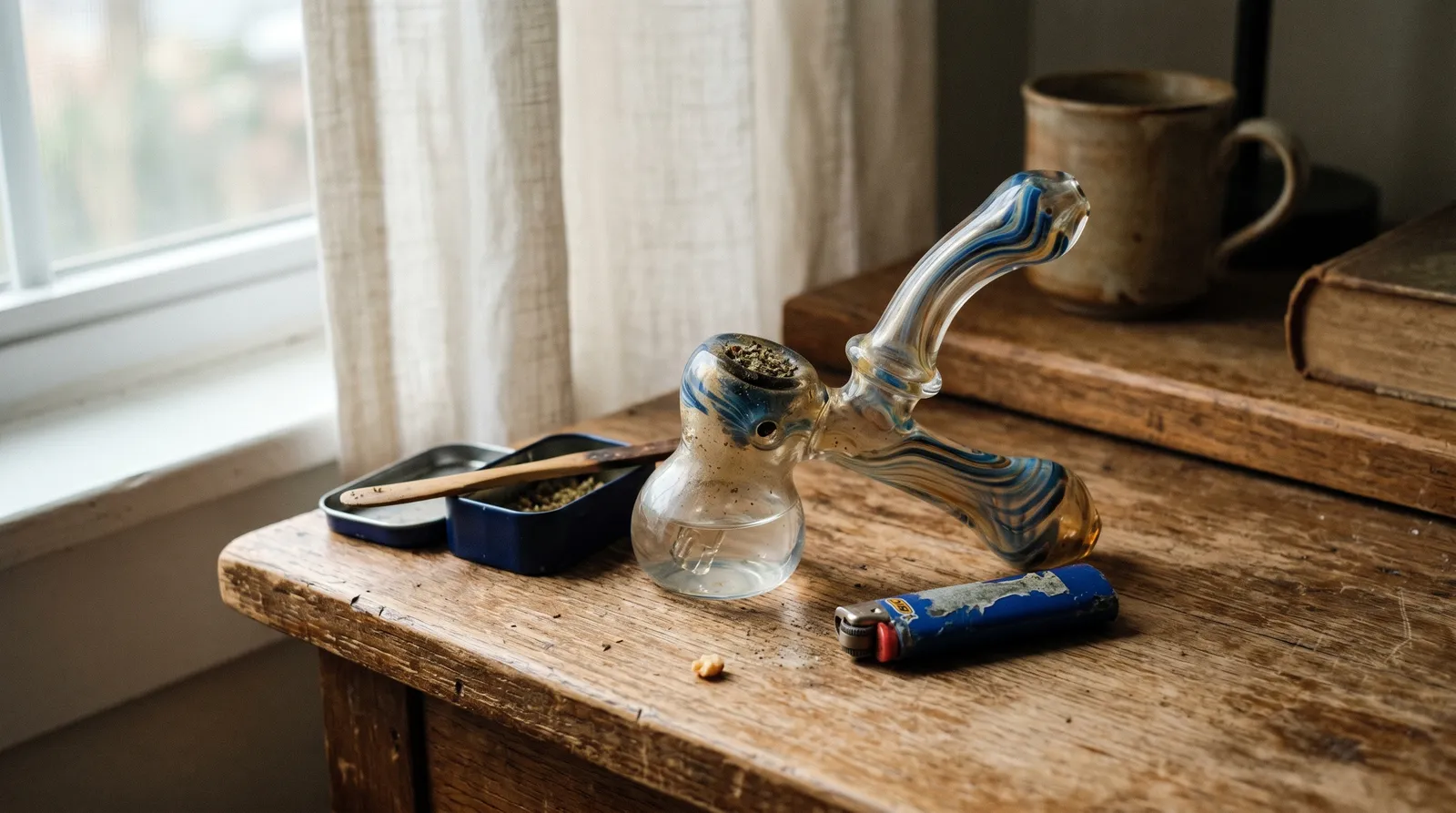
The water does two things: it cools the smoke and it traps some of the heavier particulate matter before it reaches your mouth. The result is a noticeably smoother draw than a dry pipe, though not as silky as a full-sized bong with a percolator. Think of it as a middle ground — you get maybe 60–70% of the cooling benefit of a bong in a package that still fits in one hand.
Bubblers come in several shapes. The most common are Sherlock-style (curved stem, classic silhouette), hammer-style (flat base, sits on a table), and sidecar (mouthpiece angled off to the side, which reduces splash-back). Most are single-piece glass construction, which means there's no removable downstem or bowl — you clean the whole thing as one unit.
That one-piece design is both the bubbler's charm and its main limitation. On the plus side, there are no joints to break, no small parts to lose, and setup is instant. On the minus side, cleaning is more awkward than a bong with removable components. You're pouring isopropyl alcohol and coarse salt into the chamber, shaking, rinsing, and hoping the internal downstem comes clean. It usually does — but it takes patience and good ventilation (isopropyl fumes are no joke in a small bathroom).
The other limitation is water capacity. A bubbler holds perhaps 30–80 ml of water depending on the model. That small volume heats up faster and gets dirty faster than a bong's reservoir. If you're sessioning for more than 15–20 minutes, you'll want to swap the water out at least once.
What Is a Bong?
A bong — also called a water pipe — is the full-sized filtration device. A tube, a water chamber, a removable downstem, and a removable bowl. Many models add percolators (internal diffusion chambers), ice notches for stacking ice cubes in the neck, and splash guards to keep water out of your mouth.
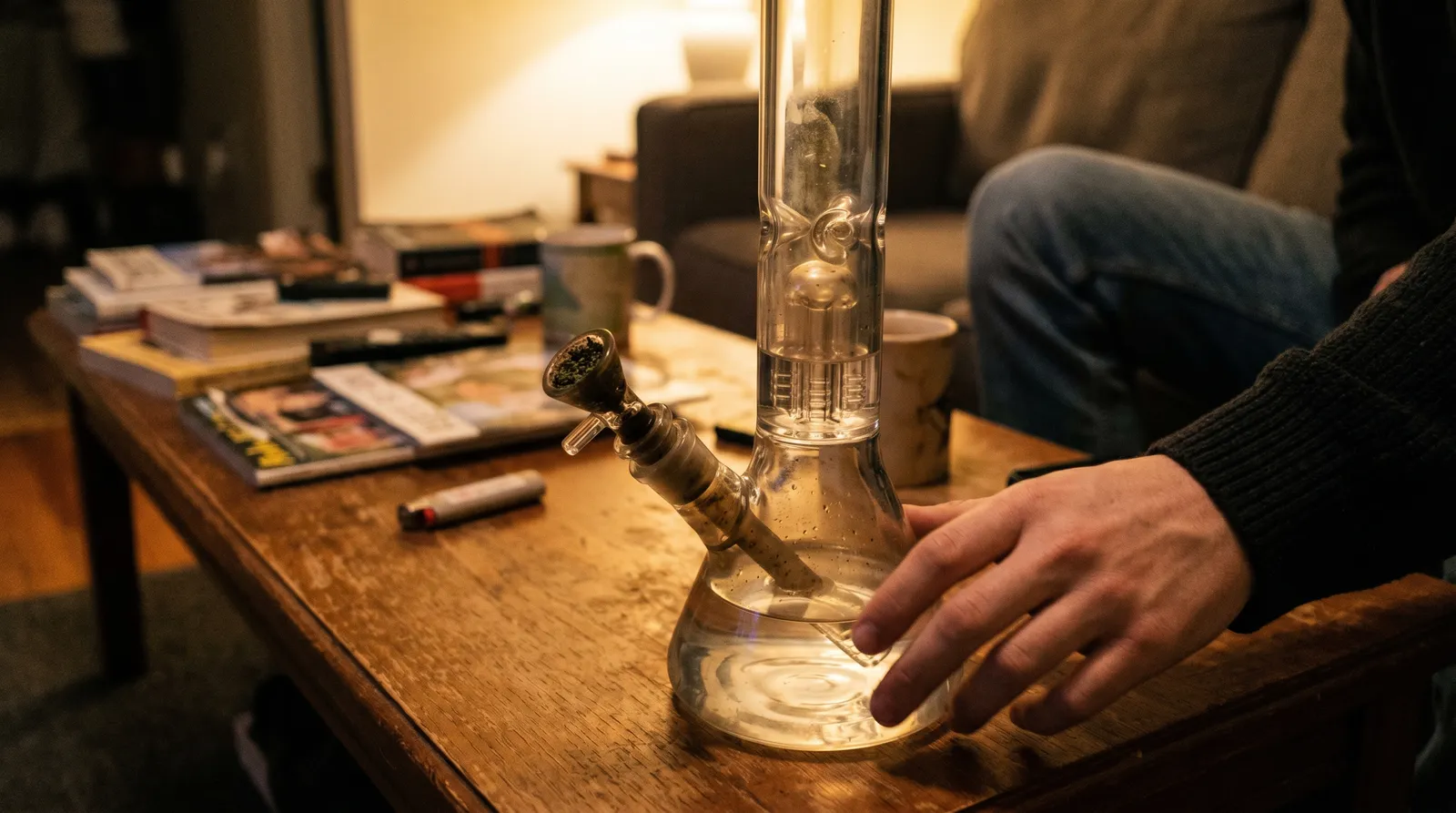
The physics are simple: smoke travels from the lit bowl, down the downstem, through the water, up through any percolator stages, and into your lungs. Each water interaction cools the smoke and removes some particulate. A study in the Journal of the American Medical Association found that water pipes filter out more particulate matter per draw than dry methods, though they don't eliminate all irritants (Gieringer, 1996). The practical result is a smoother, cooler hit — especially with ice in the tube.
Bongs range from 20 cm mini pieces to 60 cm towers. Material options include borosilicate glass (the standard for durability and flavour neutrality), acrylic (cheap, nearly unbreakable, but can taste plasticky), and silicone (flexible, travel-friendly, dishwasher-safe in some cases). Glass remains the gold standard for taste. Brands like ROOR use thick German borosilicate; Grace Glass and Black Leaf offer solid mid-range options; Blaze Glass covers the entry-level end without sacrificing too much on glass thickness.
Percolator types deserve a quick mention. Tree percs use multiple arms with slits; honeycomb percs are flat discs with dozens of tiny holes; showerhead percs funnel smoke through a single tube into a flared diffuser. More percolation stages mean smoother smoke but also more drag (resistance when you inhale) and more surfaces to clean. A single-perc bong hits a good balance for most people — you get meaningful filtration without feeling like you're sucking a milkshake through a coffee stirrer.
Smoothness and Filtration Compared
The single biggest reason people upgrade from a pipe to a water piece is throat comfort. Smoke from combusted herb exits the bowl at roughly 400–500 °C. By the time it passes through water and travels up a glass tube, it can drop to well under 100 °C — the exact figure depends on water volume, tube length, and whether you're using ice (Gieringer et al., 2004).
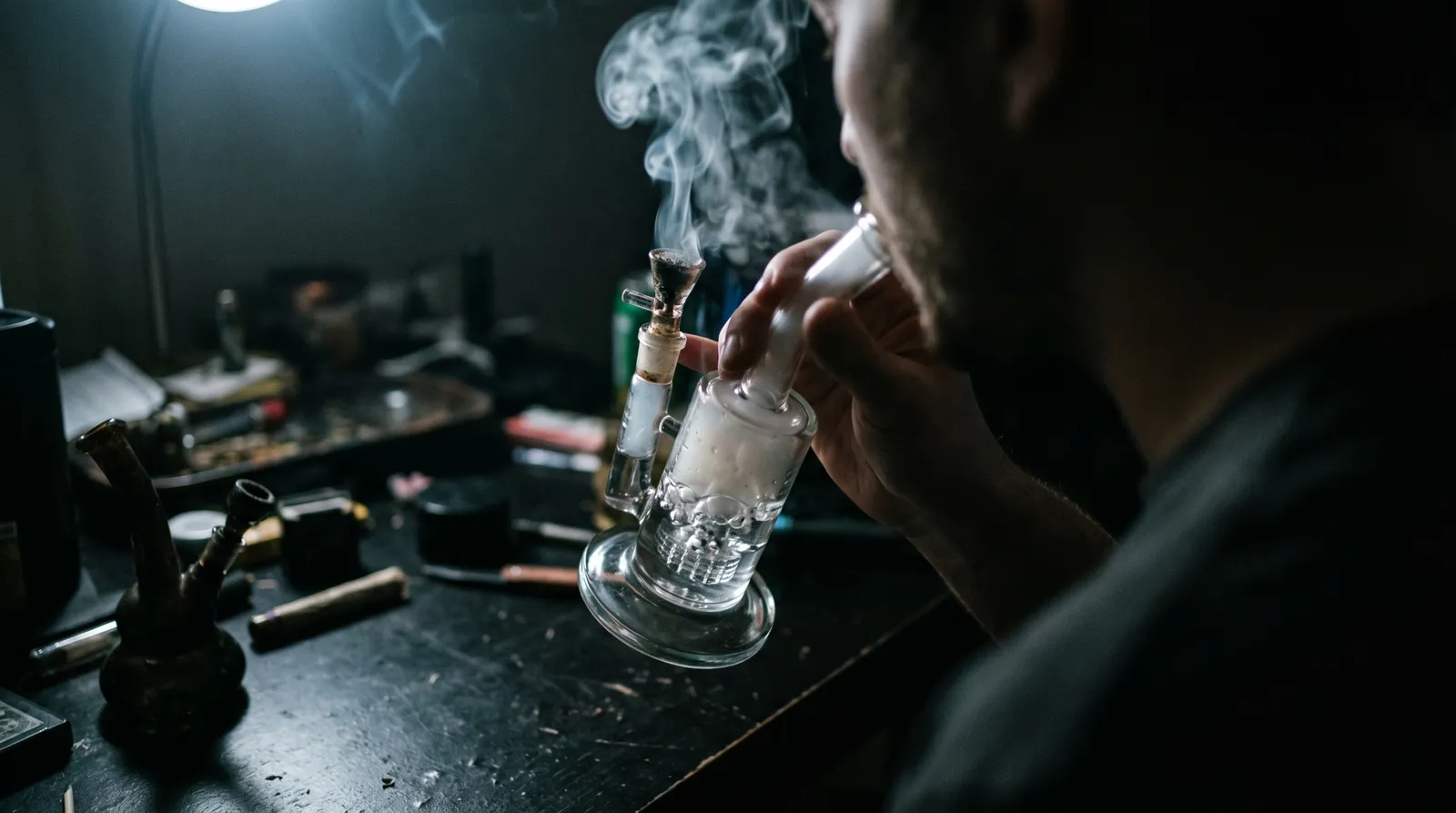
A dry pipe offers zero cooling beyond whatever the channel length provides — which, on a 10 cm spoon pipe, is almost nothing. A bubbler's small water chamber knocks the edge off, making the draw warmer rather than hot. A bong with a decent percolator and ice notches delivers the coolest, smoothest hit of the three by a clear margin.
Filtration is a separate question from cooling. Water traps water-soluble compounds and some heavier tar particles, but it doesn't turn smoke into vapour. You're still inhaling combustion byproducts — just fewer of them per draw. If eliminating combustion matters to you, a dry-herb vaporiser is the logical next step (see our vaporiser guides for detail on convection and conduction options from brands like Storz & Bickel and Arizer).
Portability and Practicality
A glass pipe slips into a jacket pocket. A bubbler fits in a bag but needs to be emptied first — nobody wants bong water leaking through their rucksack. A bong stays home, full stop. Even a mini bong is awkward to transport, and the taller the piece, the more likely it is to catch a doorframe or roll off a table.
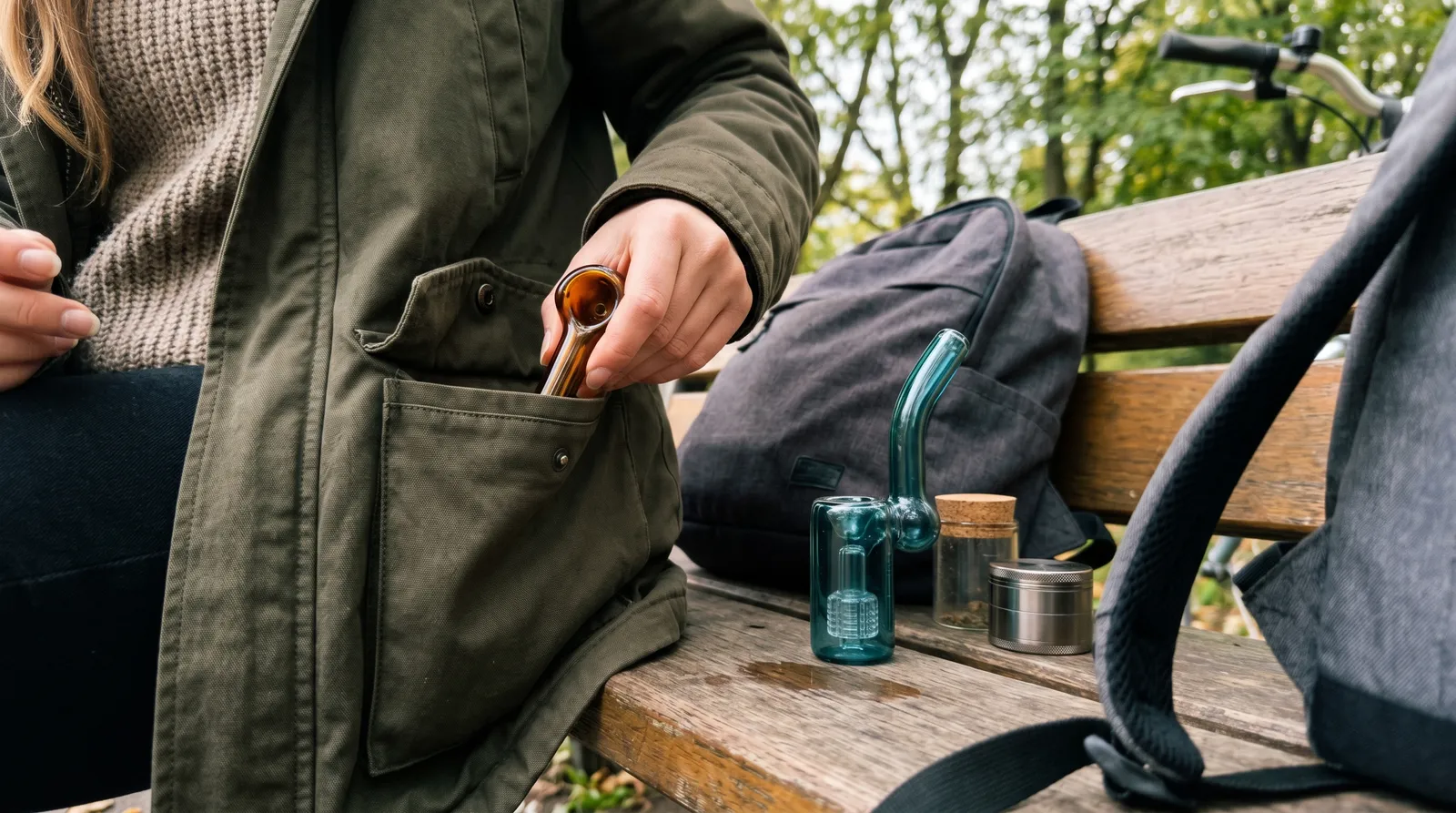
Setup time follows the same gradient. A pipe is ready in seconds. A bubbler needs a splash of water. A bong needs water, possibly ice, and the downstem and bowl seated properly. None of this is complicated, but if you want to step outside for a quick session, the pipe wins on convenience every time.
Durability is worth considering too. Metal and wooden pipes survive drops onto concrete. Glass pipes are tougher than they look — thick borosilicate can handle a tumble onto carpet — but they will shatter on tile. Bubblers, being glass and oddly shaped, are more fragile than a straight pipe. Bongs are the most vulnerable simply because of their height and the number of protruding parts (bowl, downstem, mouthpiece). Acrylic and silicone bongs exist specifically to solve this problem, though they sacrifice flavour purity compared to glass.
Cleaning and Maintenance
Resin builds up in all three devices, but the cleaning process varies a lot.
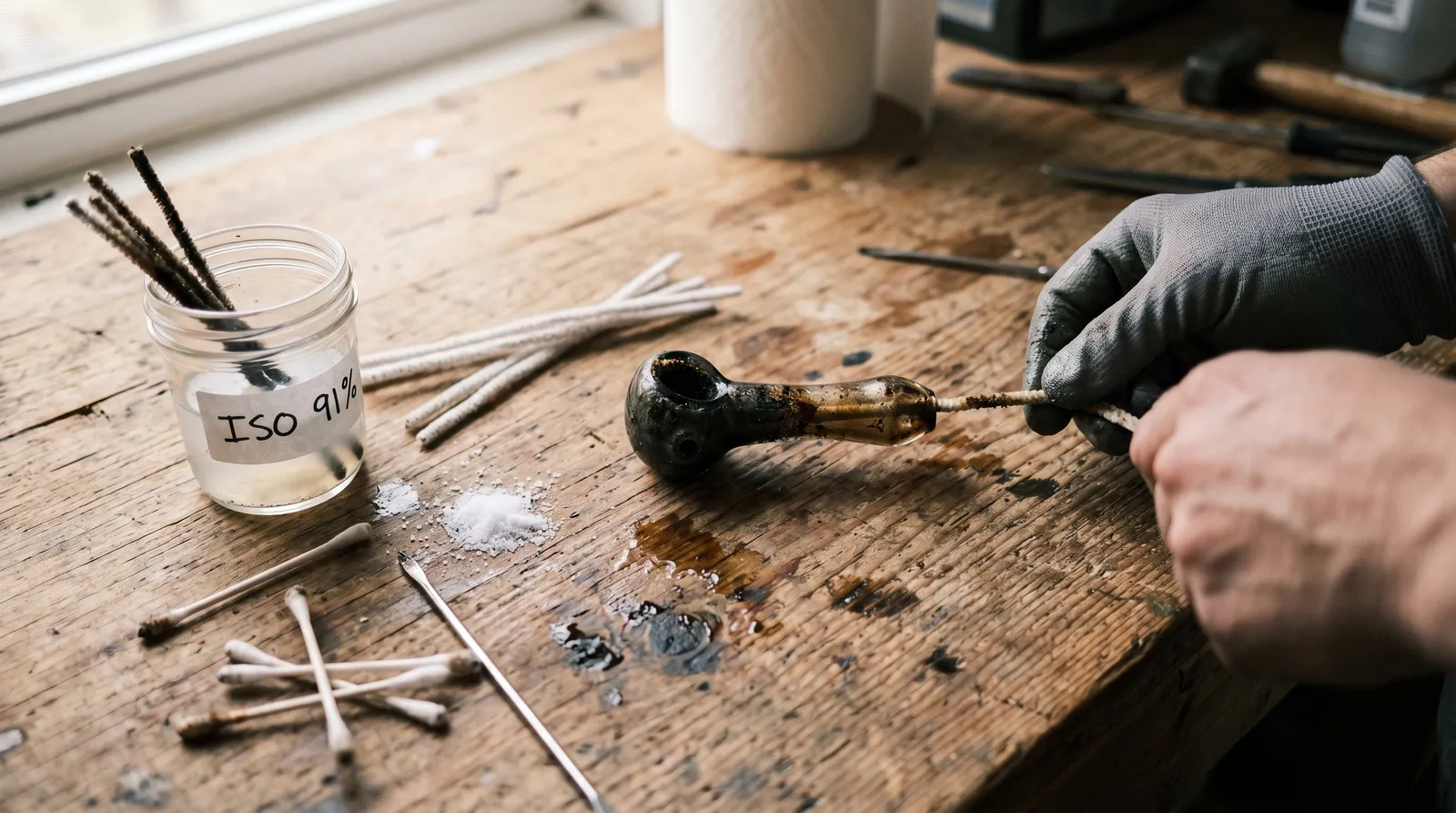
Pipes: Run a pipe cleaner through the channel, soak in isopropyl alcohol for 20 minutes, rinse with warm water. Done. A well-maintained glass pipe stays clear with a weekly clean if you're a daily user.
Bubblers: The fixed downstem means you can't disassemble the piece. Pour isopropyl and coarse salt into the water chamber, plug the openings with your fingers or cling film, and shake vigorously. Stubborn resin around the internal downstem may need a long soak — overnight if it's been neglected. Always clean in a well-ventilated room; isopropyl fumes accumulate fast in enclosed spaces.
Bongs: Removable parts are your friend here. Pull the bowl and downstem out, soak them separately, and clean the main tube with salt and isopropyl. Percolators add cleaning time — those tiny holes clog with resin, and you may need a bottle brush or specialised bong-cleaning solution. Change your bong water after every session; stagnant bong water develops bacteria within 24 hours, and nobody wants to inhale through a petri dish.
Customisation and Upgrades
Pipes and bubblers are what they are out of the box. You can swap screens in a pipe bowl, but that's about it. Bongs, by contrast, are modular. Standard glass-on-glass joints (14.5 mm and 18.8 mm are the common sizes in Europe) let you swap bowls, upgrade downstems, add ash catchers, or attach different percolator sections. This modularity is one reason bong enthusiasts tend to accumulate accessories — it's a platform, not just a device.
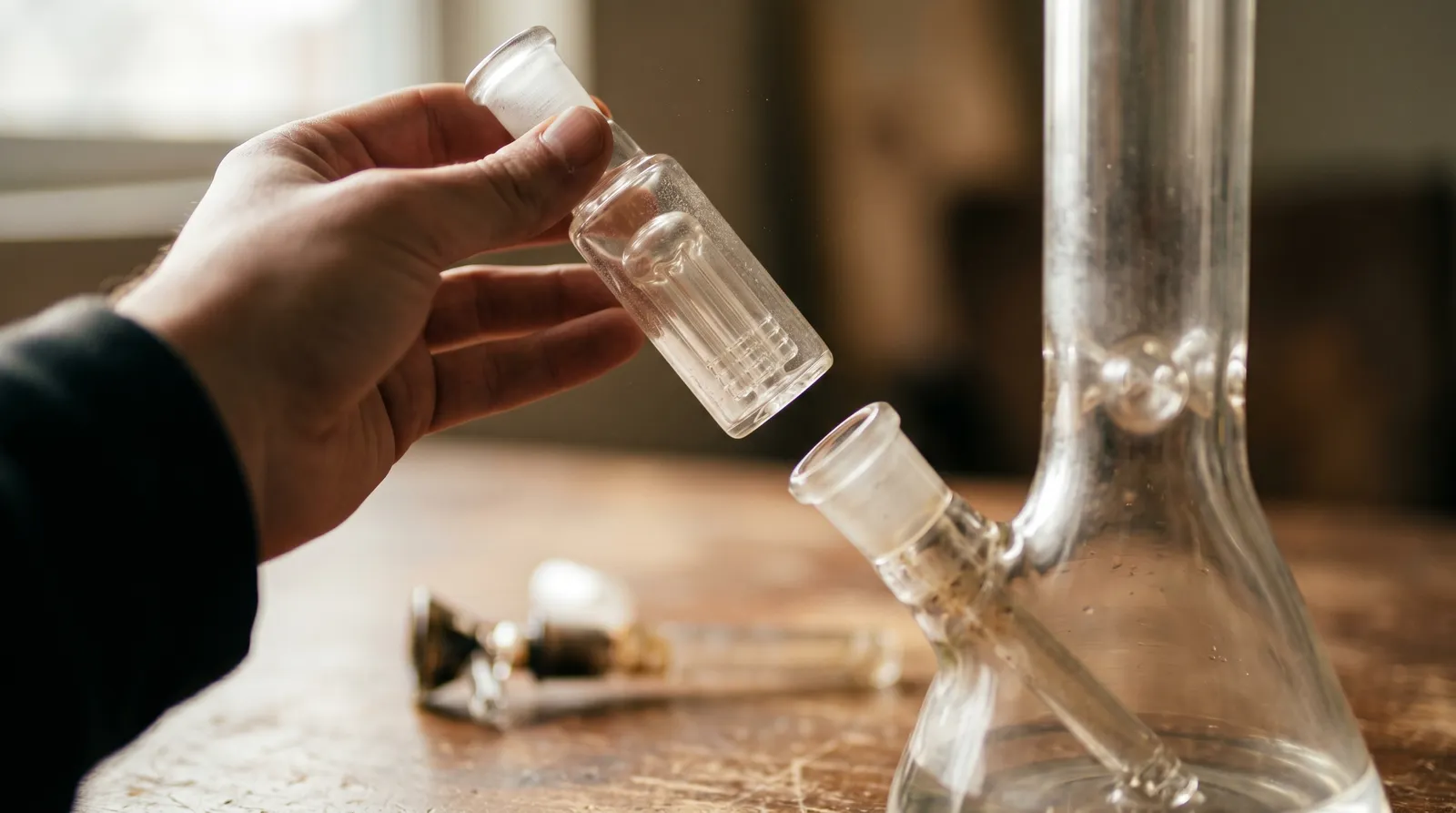
Ice notches are a simple but effective upgrade path built into many glass bongs from ROOR, Grace Glass, and Black Leaf. Drop two or three ice cubes into the neck and the smoke passes over them on the way up. The cooling effect is immediate and dramatic, though — as noted — the melting ice gradually raises the water level in the base.
Which One Should You Pick?
There's no universal winner — only the right tool for the situation.
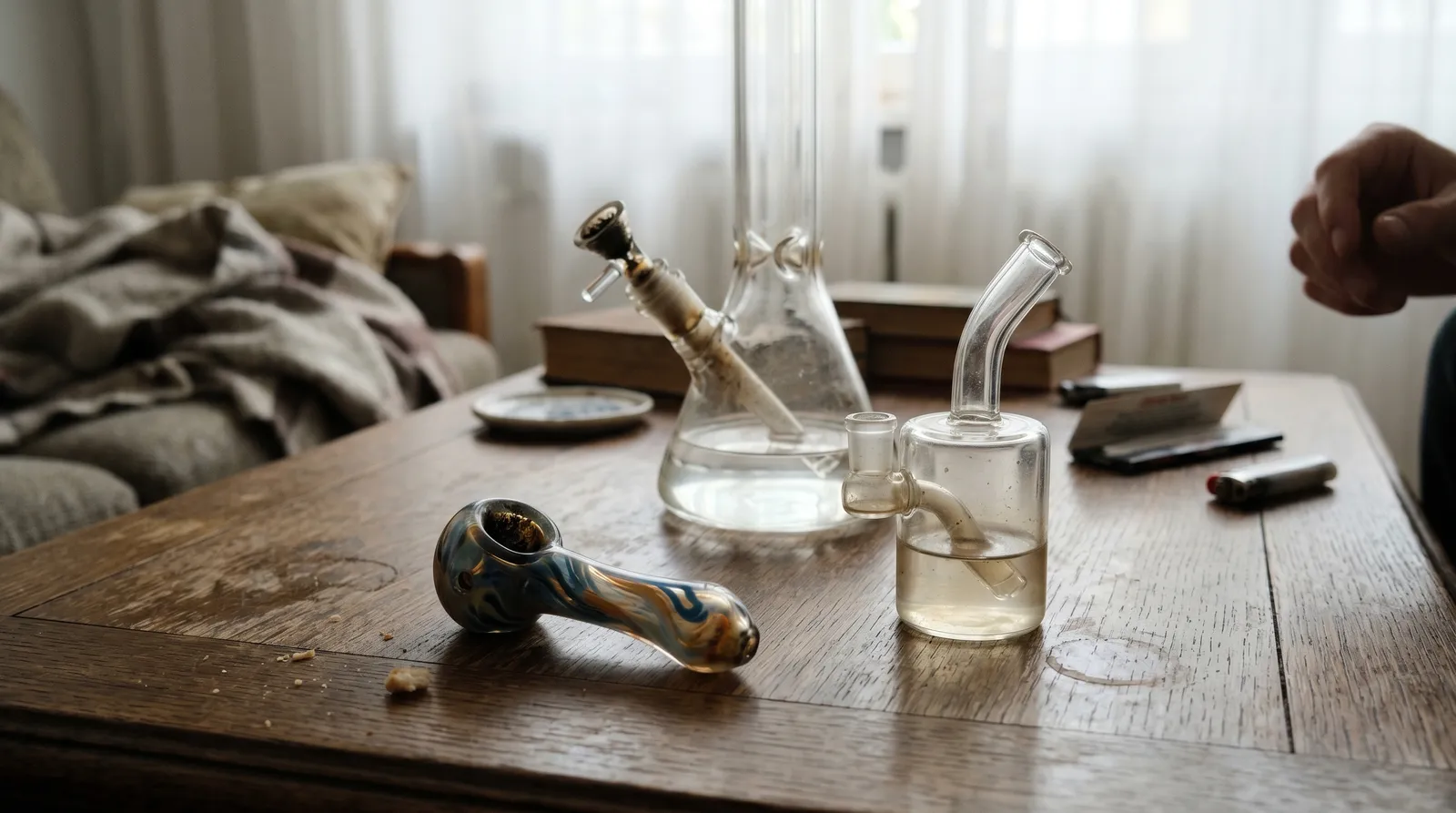
Pick a pipe if: you want something small, cheap, and instant. No water to deal with, no parts to lose. Good for travel, outdoor sessions, or as a backup piece. Glass pipes give the cleanest flavour; metal pipes survive anything.
Pick a bubbler if: you want water filtration in a handheld package. A bubbler is the compromise device — smoother than a pipe, more portable than a bong. It works well for solo sessions at home where you don't want to set up a full bong but still want some cooling. Just be prepared for slightly fiddly cleaning.
Pick a bong if: smoothness is your top priority and you're using it at home. A glass bong with a percolator and ice notches delivers the coolest, most filtered draw of any combustion method. The trade-offs are size, fragility, and maintenance — but for a dedicated home setup, nothing else comes close. Glass models from Blaze Glass or Black Leaf are solid starting points; ROOR and Grace Glass sit at the premium end if you want thicker glass and tighter tolerances.
And if you find yourself thinking "I wish I could skip combustion entirely" — that's the cue to look into dry-herb vaporisers. Different article, different technology, but worth knowing the option exists.
References
- Gieringer, D., St. Laurent, J., & Goodrich, S. (2004). Cannabis vaporizer combines efficient delivery of THC with effective suppression of pyrolytic compounds. Journal of Cannabis Therapeutics, 4(1), 7–27.
- Gieringer, D. (1996). Waterpipe study. MAPS Bulletin, 6(3). Multidisciplinary Association for Psychedelic Studies.
- Graves, B. M., Johnson, T. J., Nishida, R. T., et al. (2020). Complete characterization of mainstream marijuana and tobacco smoke. Scientific Reports, 10, 7160.
This guide covers hardware for adults (18+). Use of vaporizers, bongs, pipes, dab rigs and rolling accessories is for adult use only. Verify your local laws on the substances you choose to use — Azarius does not provide legal advice. Consult a qualified professional if you have a health condition or take medication.
Last updated: April 2026
Frequently Asked Questions
8 questionsIs a bubbler smoother than a pipe?
Can you add ice to a bubbler?
How often should you change bong water?
Are acrylic bongs worse than glass bongs?
Why is my bubbler so hard to clean?
Do bongs filter out harmful substances from smoke?
Can a bubbler replace a bong?
What is the best material for a beginner pipe or bong?
About this article


Adam Parsons is an external cannabis and psychedelics writer and editor who contributes to Azarius's wiki as both author and reviewer. On the writing side, he authors Azarius's kratom and kanna clusters, drawing on exten
This wiki article was drafted with AI assistance and reviewed by Adam Parsons, External contributor. Editorial oversight by Joshua Askew.
Medical disclaimer. This content is for informational purposes only and does not constitute medical advice. Consult a qualified healthcare provider before use of any substance.
Last reviewed April 25, 2026
Related Articles
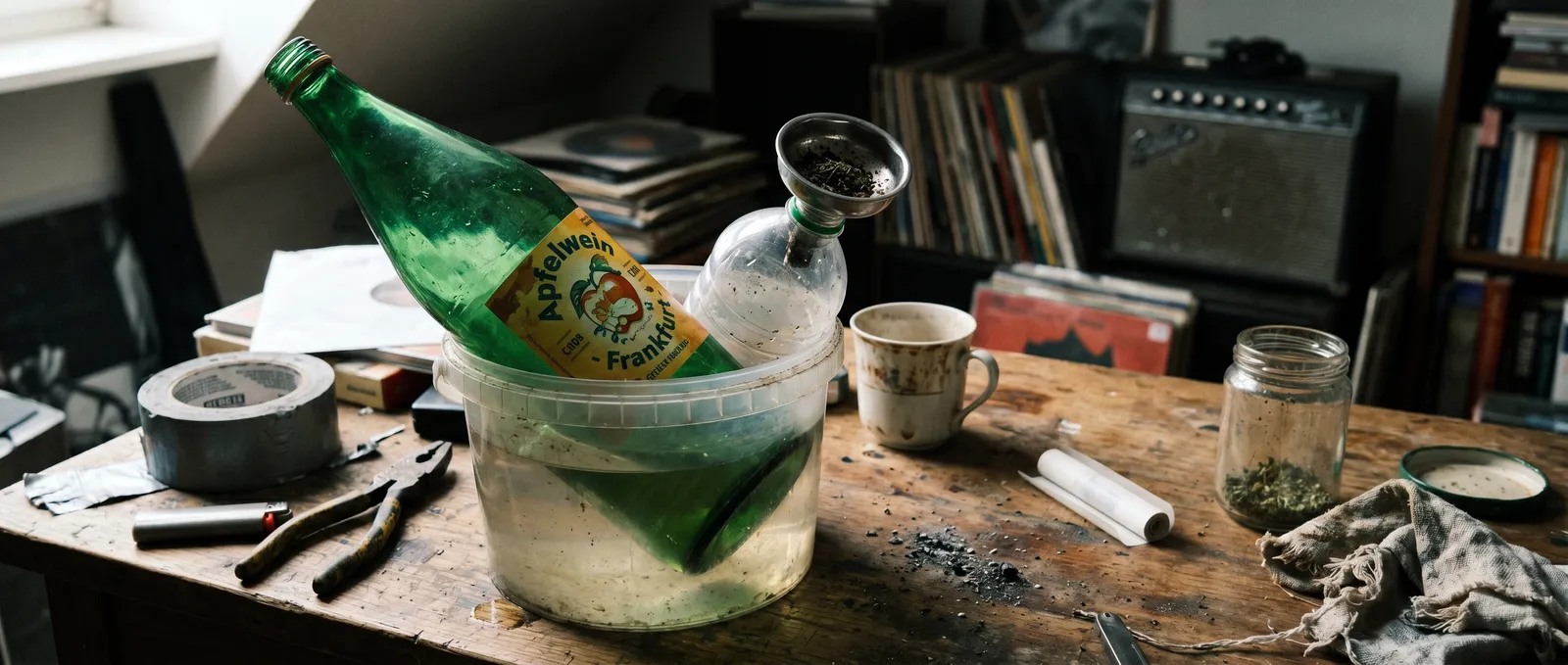
Gravity Bongs Explained: How They Work and Why
A gravity bong uses water displacement to pull concentrated smoke into a chamber, then forces it into your lungs under positive pressure.
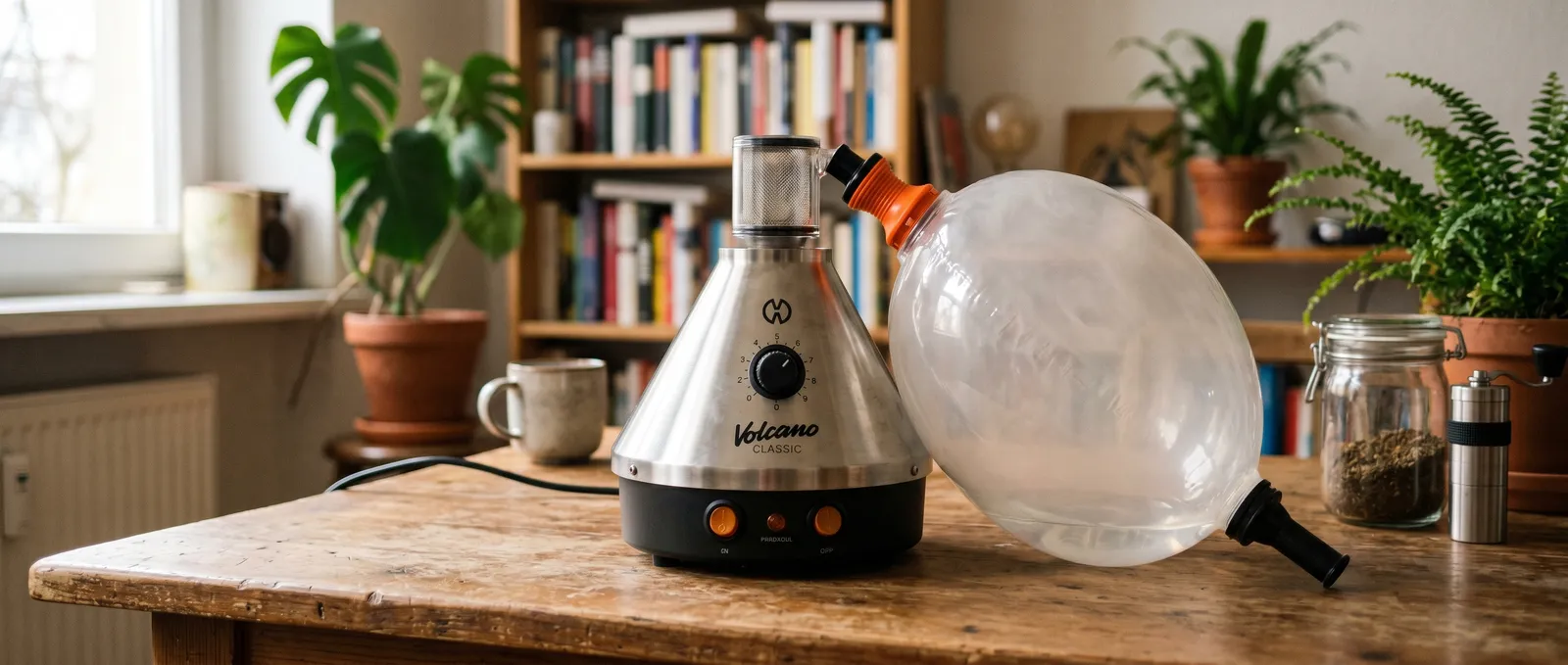
Storz Bickel Volcano Complete Guide: Setup, Temps & Cleaning
The Storz & Bickel Volcano is a convection desktop vaporizer that fills detachable balloons with vapour — a system clinically validated by Hazekamp et al.
TinyMight Boundless XMAX Premium Portables Compared
The TinyMight 2, Boundless CFX/CFC and XMAX V3/Starry/Ace represent three tiers of portable dry-herb vaporizer — from budget conduction to premium convection.
How To Clean a Vaporizer: Step-by-Step Guide
How to clean a vaporizer is a straightforward maintenance routine that keeps your device tasting fresh, drawing smoothly, and lasting years longer than a…
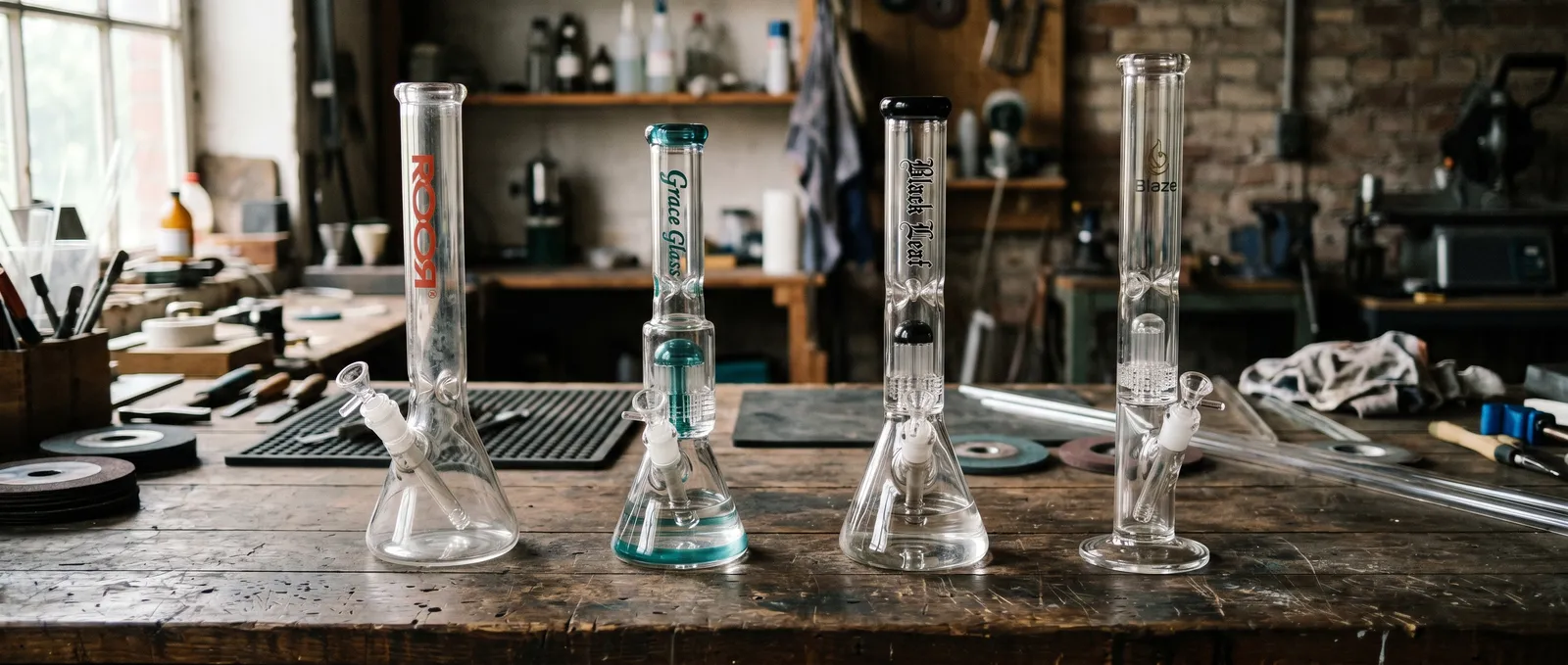
ROOR Grace Glass Black Leaf Blaze Brand Comparison — Glass Bong Guide
Four borosilicate glass bong brands — ROOR, Grace Glass, Black Leaf, and Blaze Glass — dominate the European market at different price points.
Joint Filters Crutches Glass Tips Activated Charcoal — Buyer's Guide
Joint filters range from simple card crutches that block loose herb to activated charcoal tubes that trap 40–60% of gas-phase toxicants like benzene and…
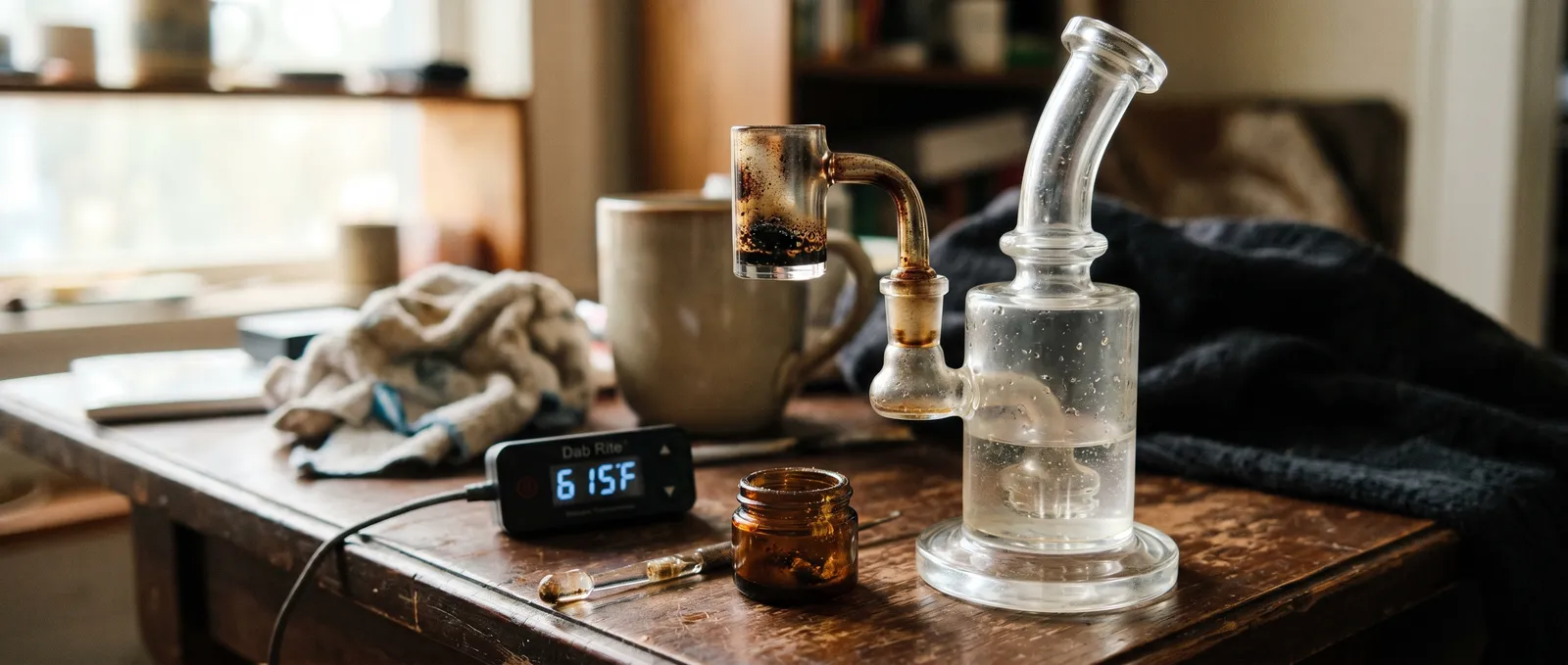
Quartz Banger Temperature and Care Guide
A quartz banger's performance depends almost entirely on temperature control and maintenance.
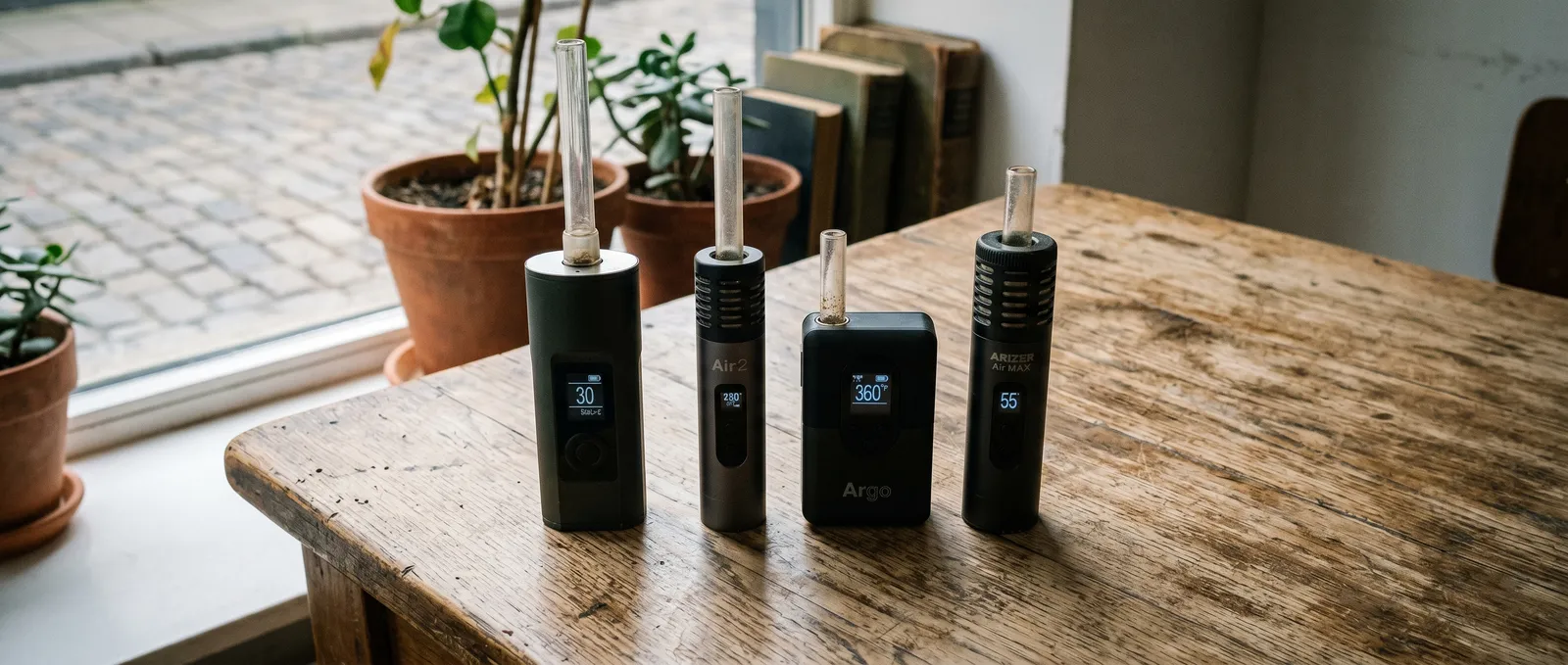
Arizer Portable Lineup Compared: Solo vs Solo 2 vs Solo 3 vs ArGo
Arizer's portable vaporizers all use borosilicate glass vapour paths and session-style heating, but differ meaningfully in battery architecture, heating…
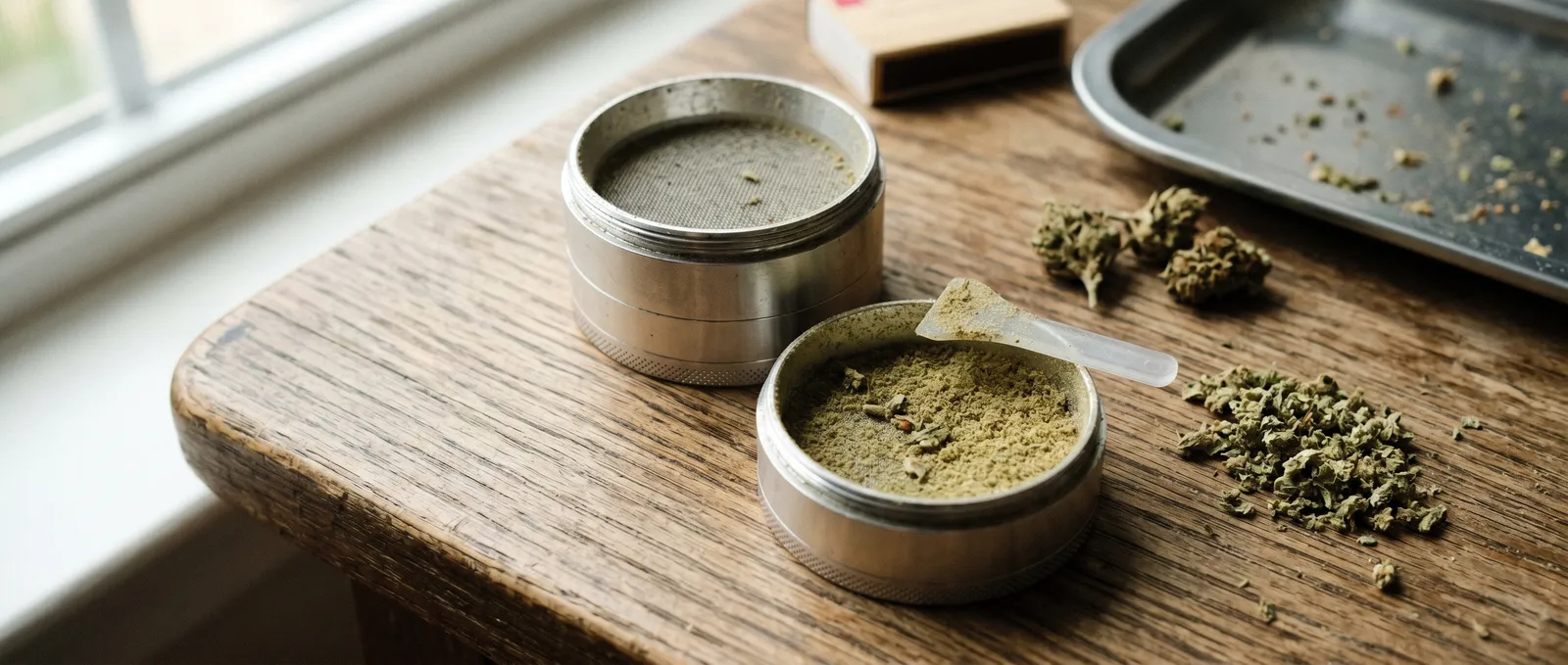
Kief: What It Is and How to Collect It | Full Guide
Kief is the fine, powdery accumulation of trichome heads that detach from cannabis flower during grinding or handling.