
This article discusses psychoactive substances intended for adults (18+). If you have a health condition or take medication, consult a doctor before use. Our age policy
Red, Green & White Vein Kratom: What the Colours Actually Mean
Definition
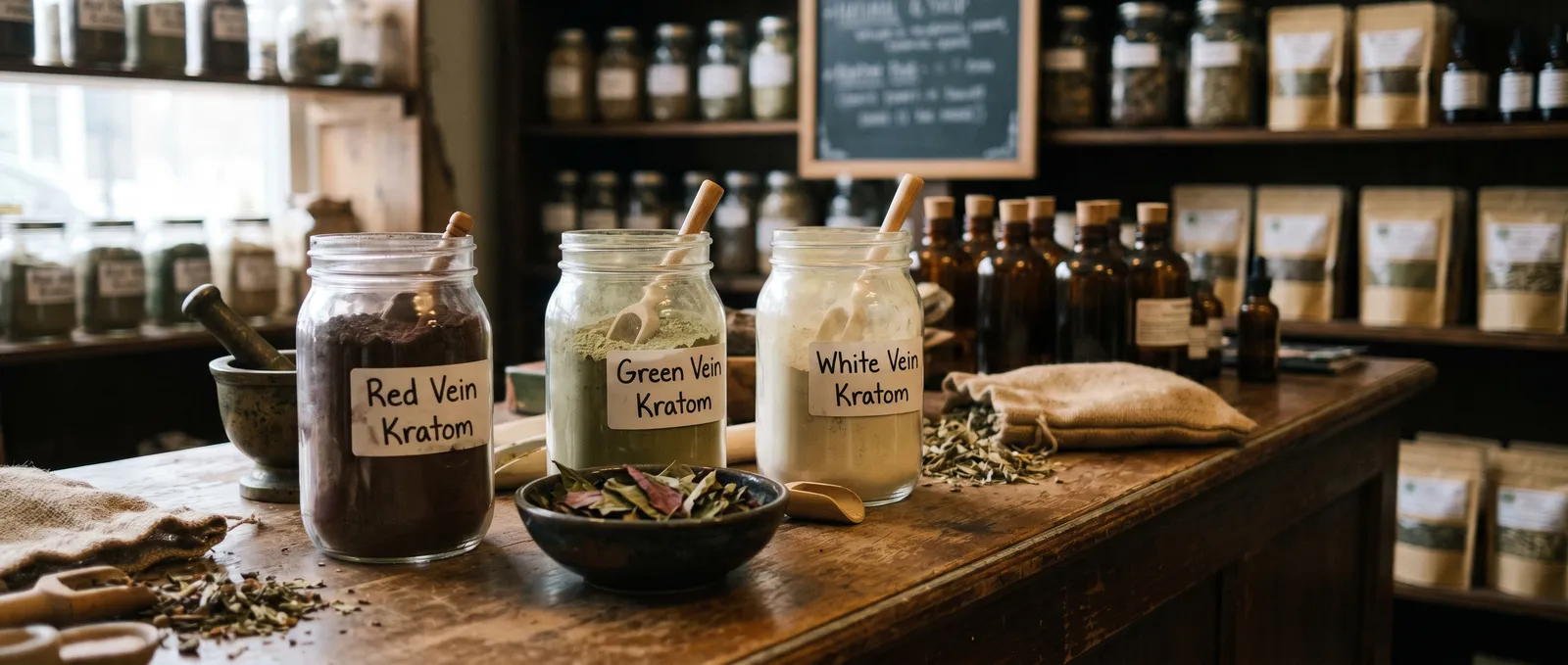
Red, green, and white vein kratom are commercial categories based on leaf vein colour at harvest and post-harvest processing. The system is widely used but weakly supported by analytical chemistry — amount and batch variation likely matter more than the colour on the label.
Red green white vein kratom is a classification system that sorts Mitragyna speciosa leaf products by the colour of the central leaf vein at harvest and by post-harvest processing methods. Walk into any smartshop or browse any online vendor and you'll see kratom organised this way — red for relaxation, white for stimulation, green for something in between. It's a tidy system. The trouble is, the pharmacological evidence behind it is remarkably thin. That doesn't make the categories useless, but it does mean you should understand what they are and what they aren't before choosing between them. If you want to buy red green white vein kratom and compare them yourself, understanding these distinctions first will save you time and money.
Adult audience (18+). The dosing ranges and effects described in this article apply to adult physiology. This content is not intended for minors.
Where Does the Colour Come From?
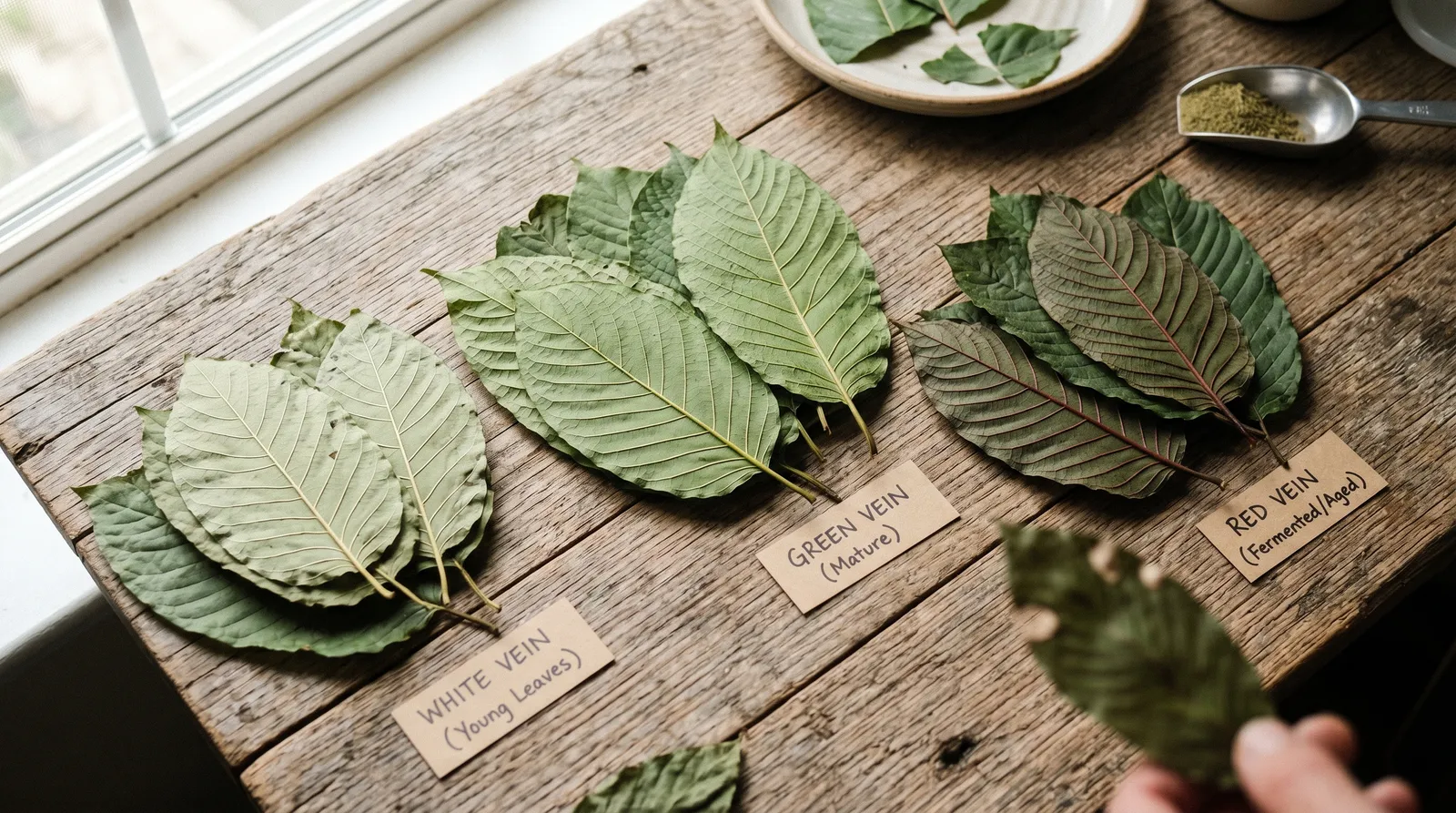
The colour of a kratom leaf vein is determined by a combination of leaf maturity on the tree and post-harvest processing methods. Young leaves tend to show lighter, whitish or greenish veins; older leaves develop darker, reddish veins. This is broadly analogous to how tea leaves change character with maturity and processing. Indonesian farmers — who produce the vast majority of commercially available kratom — sort harvested leaves partly by vein colour and partly by drying method. Sun-drying, indoor drying, and fermentation all affect the final colour and alkaloid profile of the powder.
Here's where it gets complicated: the colour of the finished powder on a shop shelf is determined by both the leaf's maturity at harvest and how it was processed afterwards. A "red vein" product might be older leaves that were also fermented, while a "white vein" might be younger leaves dried indoors. The label tells you a commercial category, not a single botanical variable. According to Prozialeck, Jivan, and Andurkar (2012), the two primary active alkaloids — mitragynine and 7-hydroxymitragynine — are present in all mature Mitragyna speciosa leaves regardless of vein colour, though their relative concentrations can vary between individual trees, harvest times, and processing methods.
What People Report from Each Colour
User-reported differences between red green white vein kratom varieties are remarkably consistent across online communities and customer feedback, even though controlled studies have not confirmed them. Here's the general picture:
| Vein Colour | Common User-Reported Character | Typical Use Context | Evidence Level |
|---|---|---|---|
| Red | More sedating, body-focused, reported as calming | Evening use, winding down | Anecdotal / survey-based |
| Green | Moderate, described as balanced between stimulating and calming | Daytime use, general-purpose | Anecdotal / survey-based |
| White | More stimulating, described as energising and focus-oriented | Morning use, productivity | Anecdotal / survey-based |
Some users describe these differences as quite pronounced. Others find the distinctions subtle or inconsistent between batches. A 2020 survey by Smith et al. found that users commonly selected strains based on desired effects, but the study did not analytically verify whether the products' alkaloid profiles actually differed in ways that would explain the reported experiential differences (Smith et al., 2020). In other words: people believe the colours matter, and they report different experiences — but whether that's pharmacology, expectation, or batch-to-batch alkaloid variation is genuinely unclear.
The Alkaloid Question: Do Ratios Actually Differ by Colour?
All colours contain the same primary alkaloids — mitragynine and 7-hydroxymitragynine — and no large-scale analytical study has yet confirmed consistent, meaningful ratio differences between vein colours. Mitragyna speciosa contains over 40 identified alkaloids, with mitragynine typically making up 12–66% of total alkaloid content depending on the sample, and 7-hydroxymitragynine present at much lower concentrations — usually under 2% in unprocessed leaf (Hassan et al., 2013). Both are partial agonists at mu-opioid receptors, which is well-characterised pharmacology. Mitragynine also interacts with adrenergic and serotonergic receptors, which may contribute to the stimulating effects reported at lower amounts.
The theory behind vein-colour effects goes something like this: red vein leaves, being more mature and often fermented, might contain relatively higher concentrations of 7-hydroxymitragynine (the more potent opioid-receptor agonist), making them more sedating. White vein leaves, being younger and minimally processed, might have a higher mitragynine-to-7-hydroxymitragynine ratio, producing a more stimulating profile. Green sits somewhere in between.
It's a plausible hypothesis. But the analytical chemistry to confirm it across commercial products simply hasn't been done at scale. The few studies that have tested commercial kratom products found enormous variability in alkaloid content — sometimes within the same labelled "strain" from the same vendor (Lydecker et al., 2016). Batch-to-batch variation may be larger than colour-to-colour variation. This is not a settled question in the literature; it's an active gap. A 2021 European drug monitoring bodies risk assessment noted the same limitation, observing that commercial labelling of kratom products does not reliably predict alkaloid composition.
Amount Matters More Than Colour
The amount used shapes the kratom experience more reliably than vein colour does, according to available survey data. Research from Grundmann (2017) found that at smaller amounts of leaf powder, users across all colour categories tended to report more stimulating, energising effects, while at larger amounts, the experience shifted toward sedation and analgesia regardless of the colour on the label. This amount-dependent shift is consistent with what is known about mitragynine's pharmacology — at smaller amounts, adrenergic and serotonergic activity may dominate, while at larger amounts, opioid-receptor agonism becomes more prominent.
This doesn't mean colour is irrelevant. It means that if you use a larger amount of a white vein expecting pure stimulation, you may be surprised. And if you use a small amount of a red vein expecting heavy sedation, you'll likely notice something quite different from what you imagined. The amount-effect relationship is better supported by research than the colour-effect relationship.
A critical distinction here: these observations refer to plain leaf powder. Extracts concentrate mitragynine and 7-hydroxymitragynine substantially, making leaf-powder observations completely inapplicable. Treat extracts as pharmacologically distinct products — the Azarius wiki article on kratom extracts versus leaf powder covers this in detail.
What Is Yellow Vein Kratom?
Yellow vein kratom is a product of specific drying, fermentation, or blending techniques rather than a distinct botanical variety. Some producers create yellow kratom by blending red and white, others by using a particular fermentation process. There's no standardised definition. The evidence base here is even thinner than for the three primary colours — treat yellow as a vendor-specific product rather than a meaningful botanical category. For anyone exploring beyond the standard three colours, yellow can be interesting, but set your expectations accordingly.
Do Regional Strain Names Reflect Real Origins?
Most commercial kratom regional names no longer reflect actual geographic origin. Vein colour is usually combined with a regional name — Red Bali, White Maeng Da, Green Malay. These names originally referred to the geographic origin of the leaf or, in the case of Maeng Da, to a selection reputed to be particularly potent. Today, most commercial kratom is grown in Indonesian Borneo (Kalimantan) regardless of the regional name on the packet. "Thai" kratom is almost never from Thailand. "Bali" kratom may never have been near Bali. The names have become marketing conventions — useful for navigating a product range, but not reliable indicators of geographic origin or specific alkaloid content.
Red vs Green vs White: How Do They Compare?
Red vein kratom is generally reported as the most sedating, white vein as the most stimulating, and green vein as a moderate middle ground — but individual responses vary widely. When people order all three colours to compare, the most common observation is that the differences are real but subtler than marketing copy suggests. A useful comparison: think of it like the difference between a light roast and a dark roast coffee. Both contain caffeine, both are coffee — but the character shifts. Red green white vein kratom works similarly: same plant, same core alkaloids, different emphasis.
We should be honest about a limitation here: nobody — not vendors, not researchers, not us — can tell you exactly how a given bag will feel for you. Individual metabolism, CYP2D6 enzyme activity, food intake, and tolerance all shape the experience at least as much as the colour printed on the label. That's not a dodge; it's the genuine state of knowledge.
How Should You Choose a Vein Colour?
The most reliable way to find what works for you is to start with one colour, keep notes, and adjust from there. Given all the above, here's a sensible way to think about vein colours:
- Use them as a rough starting guide, not a prescription. If you want something more likely to be calming, red is a reasonable first pick. If you want something more likely to feel stimulating, white is a reasonable first pick. Green splits the difference.
- Expect batch variation. The same product name will not always produce identical effects. This is a dried plant leaf, not a standardised pharmaceutical tablet.
- Pay more attention to amount. The amount you use will shape your experience more reliably than the colour on the bag. Survey research consistently shows a shift from stimulation to sedation as the amount increases (Grundmann, 2017).
- Keep a log. If you're trying to find what works for you, note the product, the amount, whether you'd eaten, and what you noticed. Your own data across a few sessions will be more useful than any colour chart.
- Consider trying a sample of each colour. Pick up small quantities of all three and test them on separate occasions under similar conditions.
Tolerance develops with frequent consecutive use — this applies to all colours equally. The wiki article on kratom tolerance and dependence covers this in depth, and the kratom interactions article covers combination risks.
How to Buy Red Green White Vein Kratom
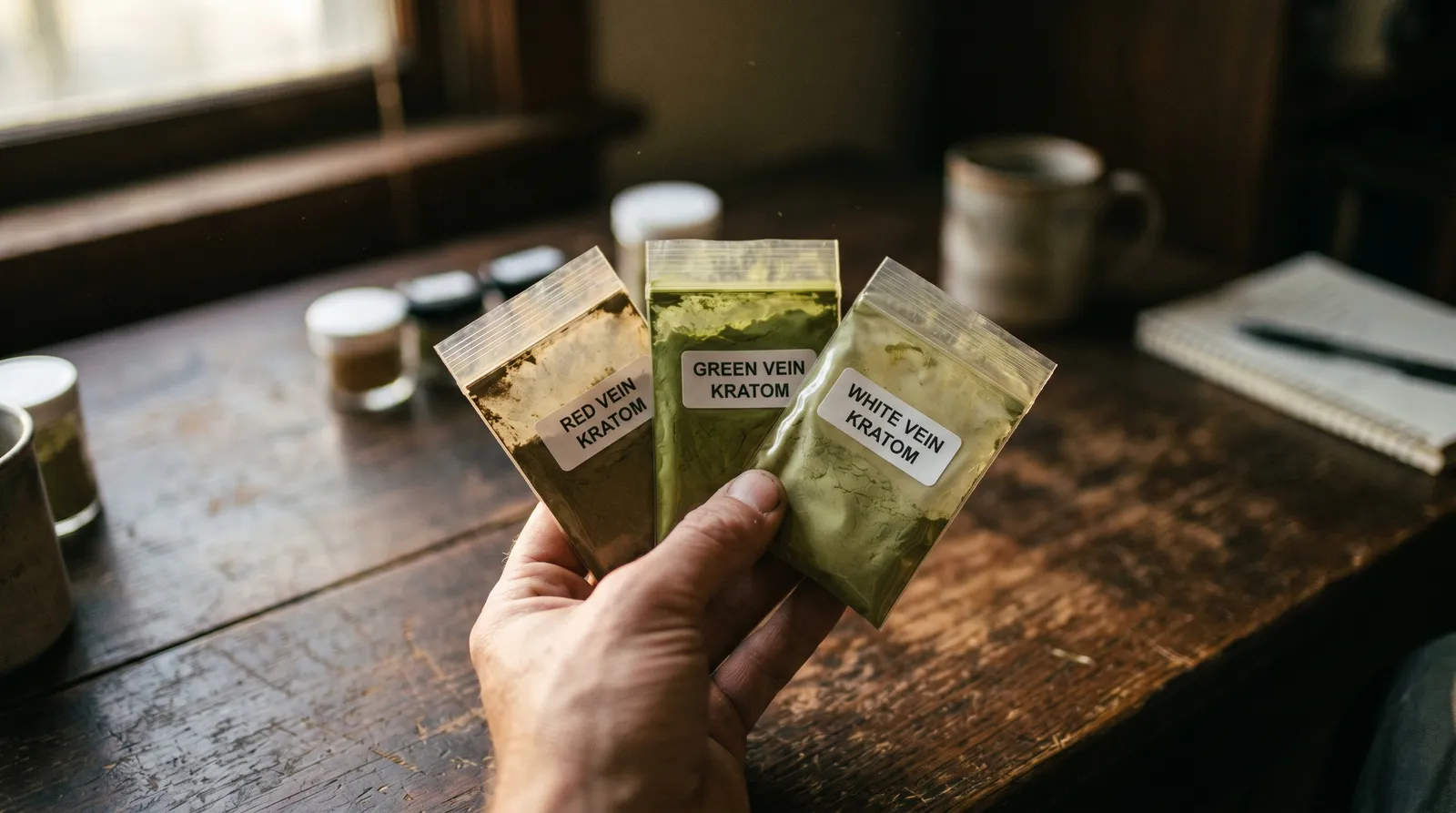
Buying red green white vein kratom is straightforward once you understand that the colour is a starting point, not a precise specification. Starting with small quantities of each vein colour is a reasonable way to get a sense of the subjective differences. Capsule form offers convenience if flexibility with amounts matters less.
Medical consultation note: If you have a health condition, take prescription medication, or are pregnant or breastfeeding, consult a qualified healthcare provider before using any psychoactive substance. Drug interactions are substance- and dose-dependent, and the information in this article is for educational reference only — it does not replace personalised medical advice.
Last updated: April 2026
Frequently Asked Questions
Is there a chemical difference between red, green, and white kratom?
All colours contain the same primary alkaloids — mitragynine and 7-hydroxymitragynine. The theory is that their ratios differ by vein colour, but large-scale analytical testing hasn't confirmed this. Batch-to-batch variation within a single colour category can be larger than differences between colours (Lydecker et al., 2016).
Does the amount used affect kratom more than vein colour?
Survey data suggests yes. Smaller amounts of leaf powder tend toward stimulation across all colours, while larger amounts shift toward sedation (Grundmann, 2017). Amount-dependent effects are better documented than colour-dependent effects.
What is yellow vein kratom?
Yellow vein is typically produced through specific drying, fermentation, or blending techniques rather than from a distinct plant variety. There's no standardised definition, and the evidence base is thinner than for red, green, or white.
Are kratom strain names like Bali and Maeng Da based on real origins?
Mostly not anymore. The vast majority of commercial kratom is grown in Indonesian Borneo regardless of the regional name. Names like Thai, Bali, and Malay have become marketing conventions rather than reliable indicators of geographic origin.
Why does the same kratom product feel different between batches?
Kratom is a dried plant leaf, not a standardised pharmaceutical. Alkaloid content varies with growing conditions, harvest timing, leaf maturity, and drying method. Two batches with identical labels can have meaningfully different alkaloid profiles.
Where can I buy red green white vein kratom?
Azarius carries red, green, and white vein kratom in leaf powder and capsule form; browse the kratom category to compare available products and choose a colour that matches your interest.
Frequently Asked Questions
7 questionsIs there a chemical difference between red, green, and white kratom?
Does the amount used affect kratom more than vein colour?
What is yellow vein kratom?
Are kratom strain names like Bali and Maeng Da based on real origins?
Why does the same kratom product feel different between batches?
How long does kratom typically stay fresh after opening?
Can you mix different vein colours together?
About this article


Adam Parsons is an external cannabis and psychedelics writer and editor who contributes to Azarius's wiki as both author and reviewer. On the writing side, he authors Azarius's kratom and kanna clusters, drawing on exten
This wiki article was drafted with AI assistance and reviewed by Adam Parsons, External contributor. Editorial oversight by Joshua Askew.
Medical disclaimer. This content is for informational purposes only and does not constitute medical advice. Consult a qualified healthcare provider before use of any substance.
Last reviewed April 24, 2026
References (5)
- [1]Grundmann, O. (2017). Patterns of kratom use and health impact in the US — results from an online survey. Drug and Alcohol Dependence , 176, 63–70. DOI: 10.1016/j.drugalcdep.2017.03.007
- [2]Hassan, Z., Muzaimi, M., Navaratnam, V., et al. (2013). From kratom to mitragynine and its derivatives: physiological and behavioural effects related to use, abuse, and addiction. Neuroscience & Biobehavioral Reviews , 37(2), 138–151. DOI: 10.1016/j.neubiorev.2012.11.012
- [3]Lydecker, A. G., Sharma, A., McCurdy, C. R., Avery, B. A., Babu, K. M., & Boyer, E. W. (2016). Suspected adulteration of commercial kratom products with 7-hydroxymitragynine. Journal of Medical Toxicology , 12(4), 341–349. DOI: 10.1007/s13181-016-0588-y
- [4]Prozialeck, W. C., Jivan, J. K., & Andurkar, S. V. (2012). Pharmacology of kratom: an emerging botanical agent with stimulant, analgesic and opioid-like effects. Journal of the American Osteopathic Association , 112(12), 792–799.
- [5]Smith, K. E., Feldman, J. D., Dunn, K. E., McCurdy, C. R., & Weiss, S. T. (2020). Perceived effects and motivations for kratom use among a large, self-selected sample. Drug and Alcohol Dependence , 216, 108310.
Related Articles
Blue Lotus vs Kanna: Effects & Safety
Blue lotus vs kanna compared — Nymphaea caerulea's aporphine profile against Sceletium tortuosum's mesembrine chemistry, with interaction warnings.
Lotus Clinical Research Overview
What does lotus clinical research actually show? A critical review of Nymphaea caerulea and Nelumbo nucifera pharmacology, preclinical data, and…
Kanna South Africa To West History
Sceletium tortuosum was used by San and Khoekhoe communities in southern Africa for centuries before European colonists first documented it in the 1660s.
Sceletium Tortuosum Plant
Learn about the sceletium tortuosum plant: botany, alkaloids, fermentation, safety warnings, and where to buy kanna.
Kanna Pharmacokinetics Explained
Complete guide to kanna pharmacokinetics: how Sceletium tortuosum alkaloids are absorbed, metabolised via CYP2D6, and eliminated.
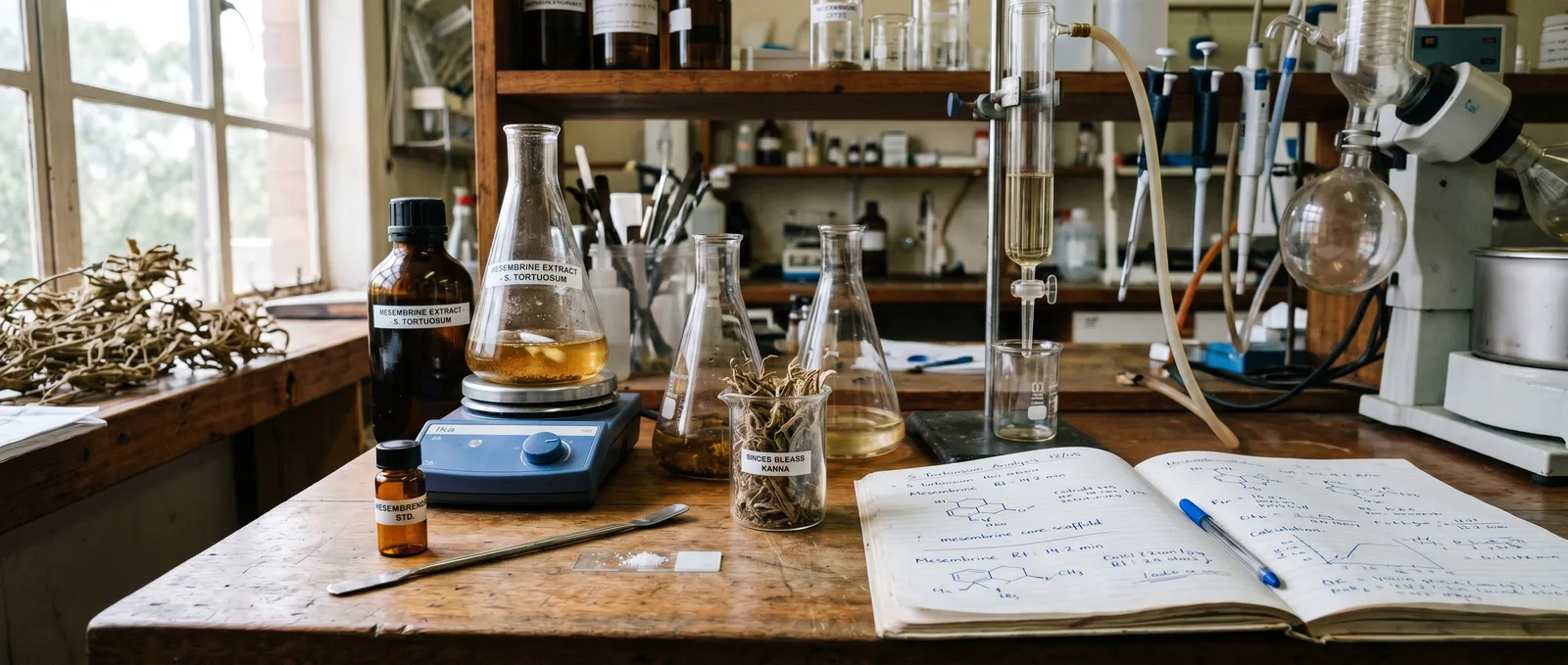
Kanna Chemistry: Sceletium Alkaloids Explained
Kanna chemistry explained: mesembrine, mesembrenone, their mechanisms, how fermentation and extraction change alkaloid profiles, and why it matters…
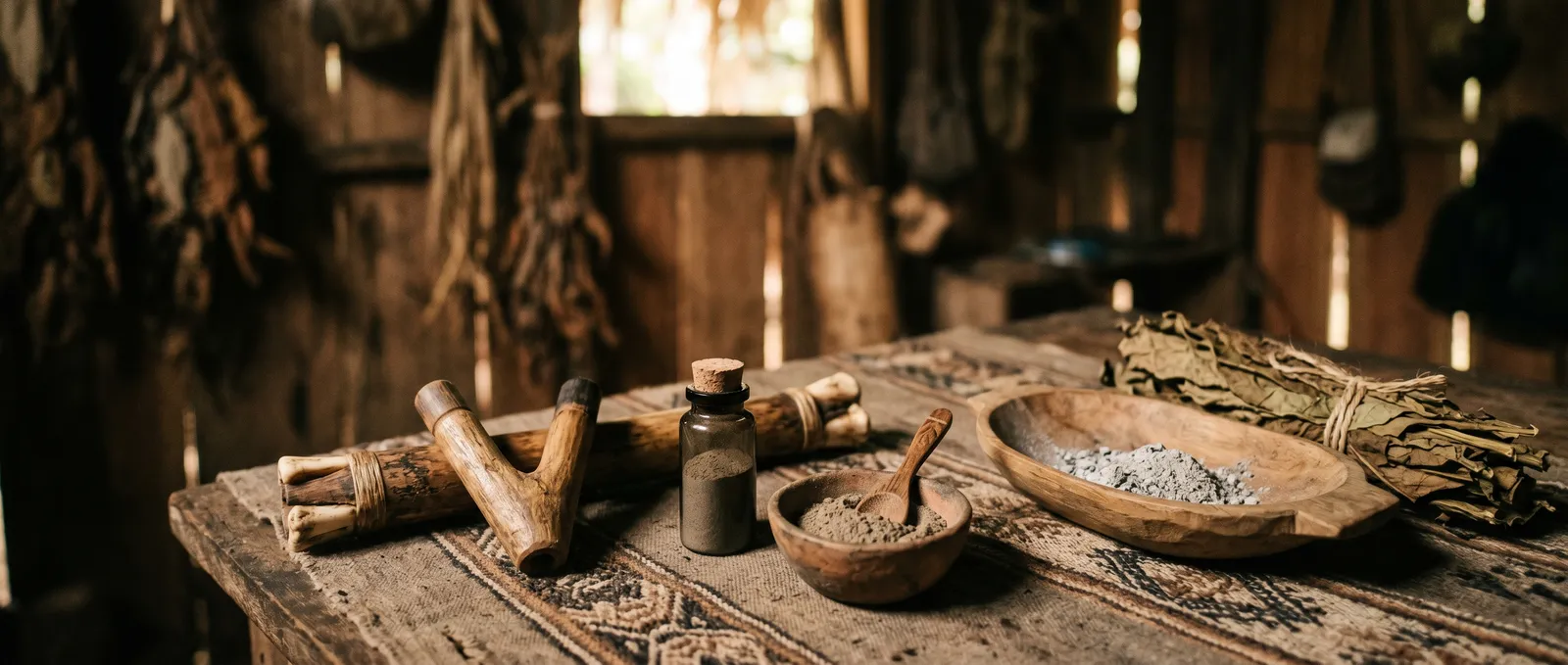
Rapé Shamanic Snuff Guide: How to Use It Safely
A practical rapé shamanic snuff guide covering dose, kuripe technique, effects, nicotine safety, interactions and Amazonian tradition.
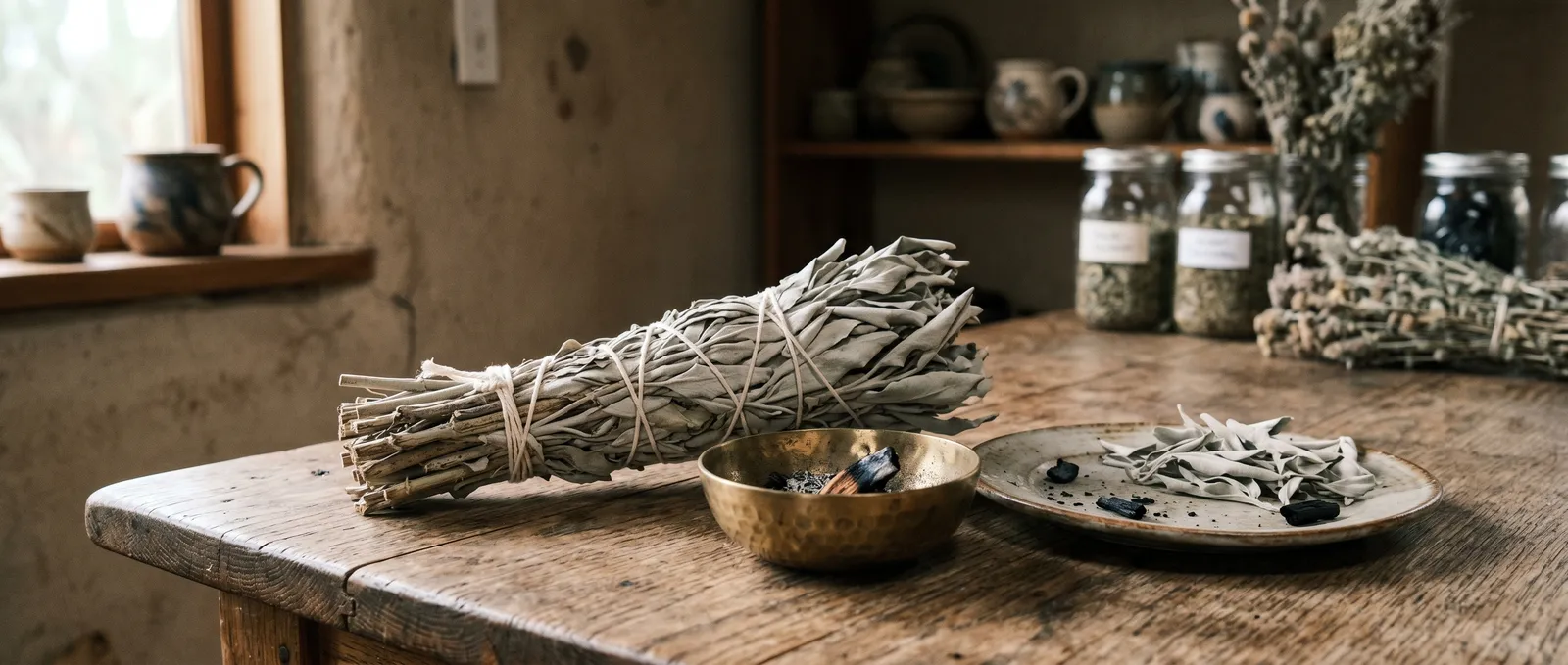
White Sage Salvia Apiana Cultural Smudging Guide
Salvia apiana is a non-psychoactive shrub native to southern California's coastal sage scrub, burned as ceremonial incense in Indigenous North American…
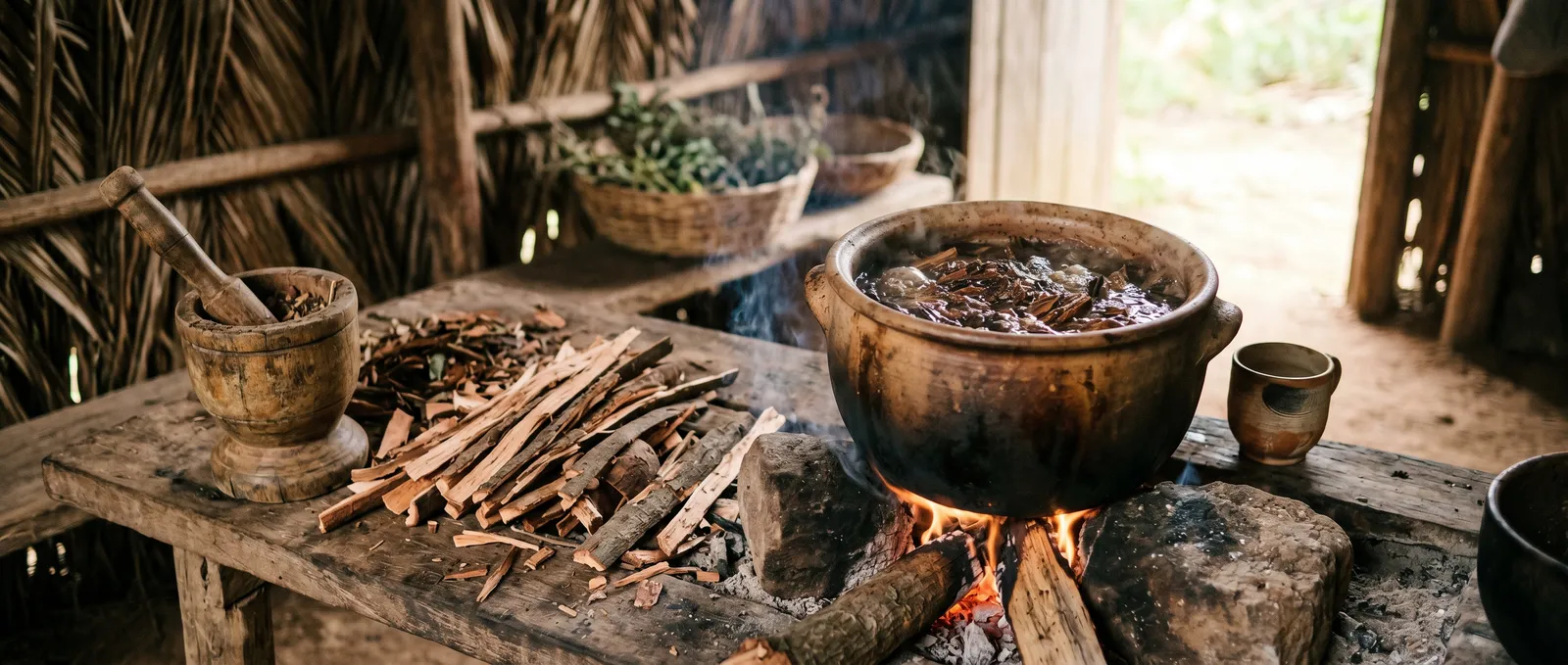
Mulungu Erythrina Traditional Amazonian Use — Bark, Alkaloids & Research
Erythrina mulungu is a Brazilian legume tree whose bark has been brewed as a calming decoction in rural folk medicine for generations.