
This article discusses psychoactive substances intended for adults (18+). If you have a health condition or take medication, consult a doctor before use. Our age policy
Kratom Vs Opioids
Definition
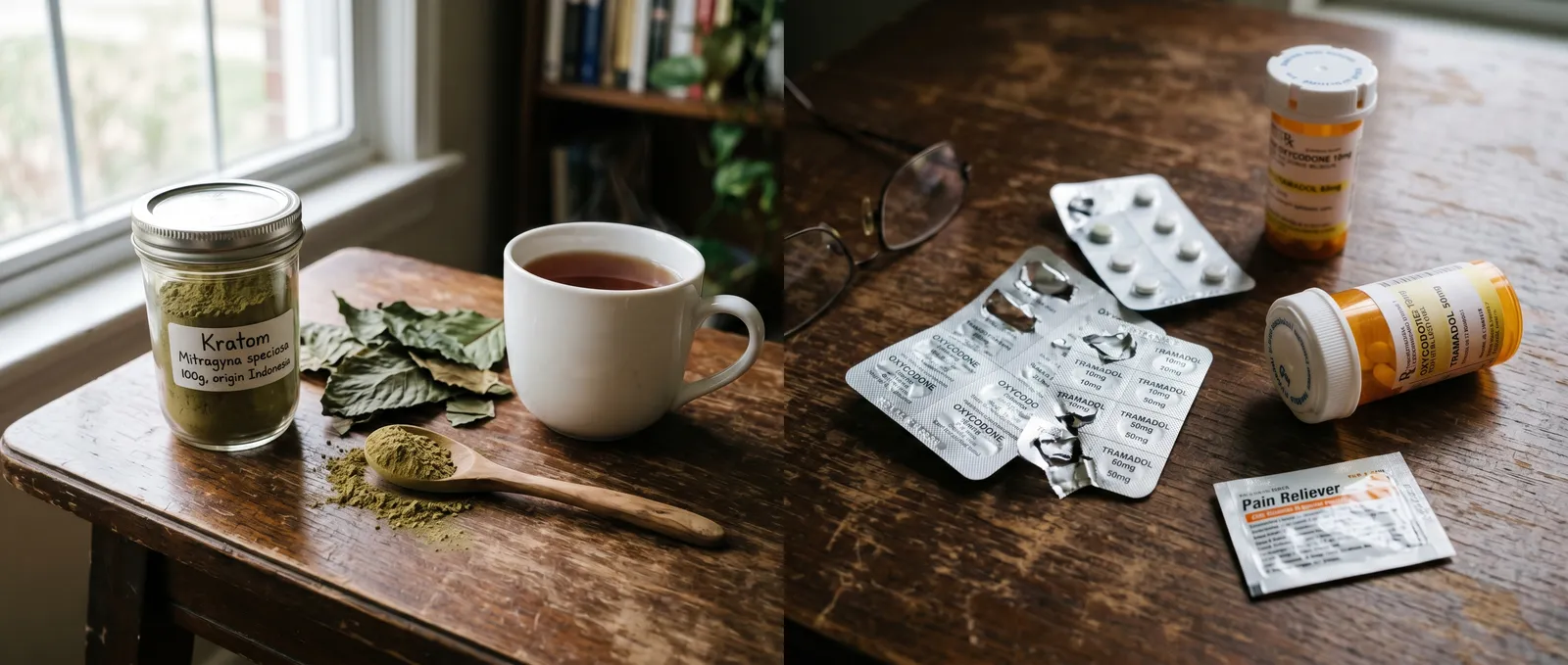
Kratom and classical opioids both target mu-opioid receptors, but their mechanisms diverge in ways that matter for safety, dependence, and overdose risk. This comparison examines what the pharmacological research actually supports and where the evidence remains thin.
Disclaimer: This article is for informational purposes only and does not constitute medical advice. Kratom is not approved as a medicine in most jurisdictions. Do not use this information to diagnose, treat, or manage any health condition. Always consult a qualified healthcare professional before using kratom, especially if you take medication, have a pre-existing condition, or are considering changes to opioid therapy.
Adult audience (18+). The dosing ranges and effects described in this article apply to adult physiology. This content is not intended for minors.
Kratom Vs Opioids: A Pharmacological Comparison
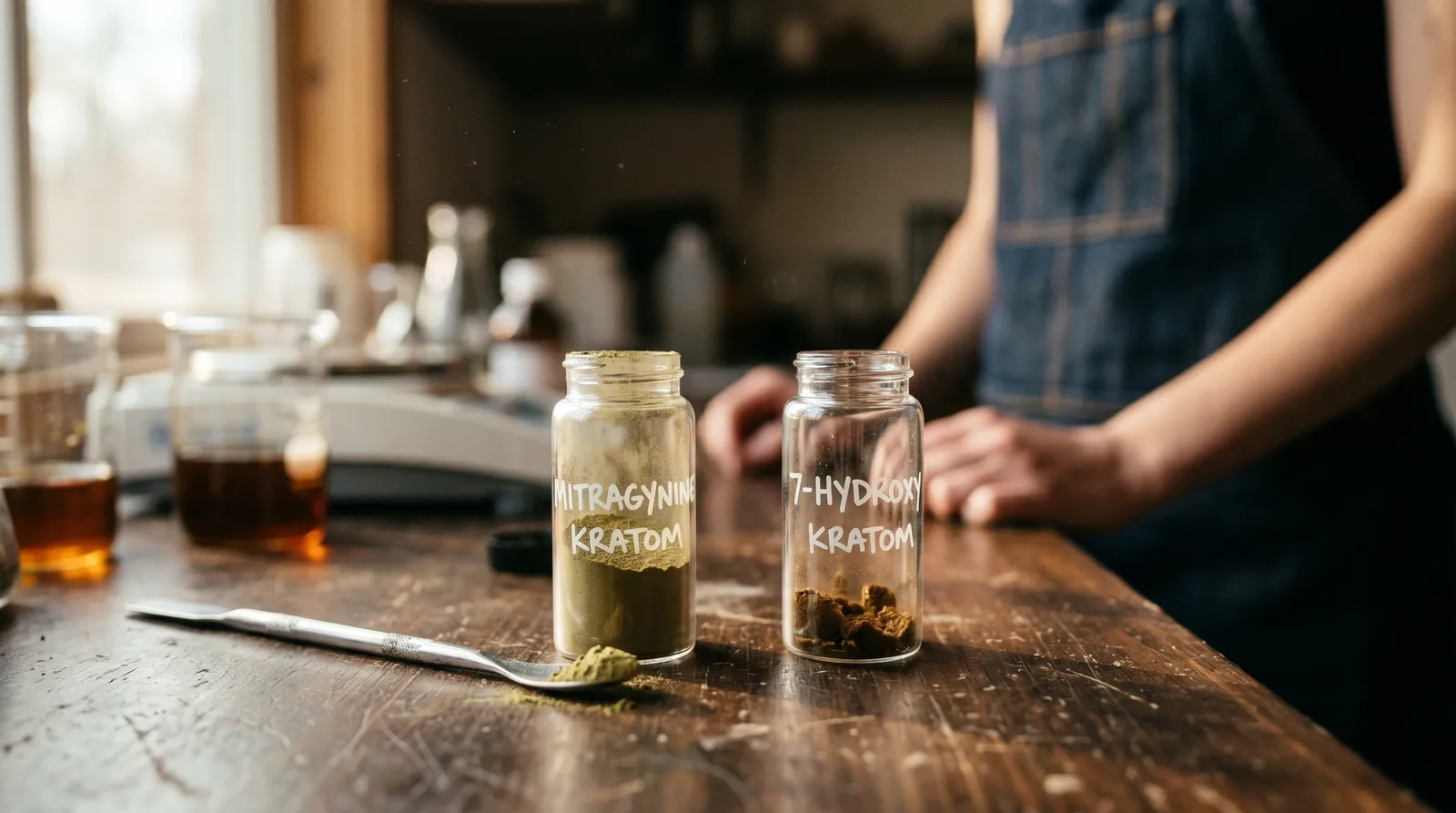
Kratom vs opioids is a comparison that hinges on one core pharmacological distinction: partial versus full agonism at the mu-opioid receptor. Kratom is a botanical substance derived from Mitragyna speciosa, a Southeast Asian tree whose leaves contain the active alkaloids mitragynine and 7-hydroxymitragynine, that produces effects overlapping with opioid drugs yet diverging in mechanism, risk profile, and clinical outcome. Classical opioids — morphine, oxycodone, fentanyl — are full mu-opioid agonists with well-documented efficacy and well-documented lethality. This kratom vs opioids comparison breaks down what the research actually shows, where the data gets thin, and where the two part ways. Understanding the pharmacology first is the sensible starting point for anyone considering kratom use.
| Dimension | Kratom (Mitragyna speciosa leaf) | Classical Opioids (morphine, oxycodone, fentanyl, etc.) |
|---|---|---|
| Primary receptor target | Partial agonist at mu-opioid receptors; additional activity at delta, kappa, adrenergic, and serotonergic receptors | Full agonists at mu-opioid receptors (most clinically used opioids) |
| Key active compounds | Mitragynine (~66% of alkaloid content); 7-hydroxymitragynine (trace but high potency) | Single defined molecule per drug (morphine, oxycodone, fentanyl, etc.) |
| Respiratory depression risk | Substantially lower; partial agonism and G-protein bias appear to limit ceiling (Kruegel et al., 2016) | Primary cause of opioid overdose death; dose-dependent respiratory depression with no practical ceiling for full agonists |
| Dependence potential | Recognised withdrawal syndrome in daily heavy users; severity generally reported as milder than classical opioid withdrawal (Singh et al., 2016) | Well-documented physical dependence with daily use; withdrawal can be severe and protracted |
| Tolerance development | Develops with consecutive daily dosing; reported in survey data and clinical case series | Well-characterised; dose escalation is a core clinical concern |
| Fatal overdose (substance alone) | Rare when kratom is the sole substance; most reported fatalities involve polysubstance use (Henningfield et al., 2018) | Tens of thousands of deaths annually in the US and Europe from opioid overdose |
| Common forms | Leaf powder, capsules, extracts, enhanced blends, resin | Tablets, injectable solutions, transdermal patches, oral solutions |
| Clinical trial evidence | Limited; mostly survey data, case series, and preclinical studies | Extensive; decades of randomised controlled trials |
Receptor Pharmacology: Partial Vs Full Agonism
Mitragynine and 7-hydroxymitragynine are partial mu-opioid agonists that activate the receptor but hit a ceiling of effect beyond which additional compound does not produce additional activation — a fundamental distinction from full agonists like morphine and fentanyl (Kruegel et al., 2016). Morphine, oxycodone, and fentanyl are full agonists — they activate the receptor to its maximum capacity, and increasing the dose keeps increasing the effect, including respiratory depression.

There's an additional wrinkle. According to Kruegel and colleagues (2016), mitragynine shows biased agonism — it preferentially activates G-protein signalling pathways over beta-arrestin-2 recruitment. In animal models, beta-arrestin-2 recruitment is associated with respiratory depression and constipation. This G-protein bias is one proposed explanation for why kratom appears to carry a lower risk of fatal respiratory depression compared with classical opioids, though human data confirming this mechanism remains limited.
Kratom's alkaloid profile also extends beyond opioid receptors. Mitragynine interacts with adrenergic, serotonergic, and dopaminergic systems (Prozialeck et al., 2012). This multi-receptor activity likely explains the dose-dependent shift users report: at lower amounts, a stimulating profile; at higher amounts, sedation and analgesia more reminiscent of classical opioids. Classical opioids don't have this biphasic character — they're sedating and analgesic across the dose range. For more detail on how different varieties express this spectrum, see the Kratom Strains Explained article on the Azarius wiki.
Respiratory Depression and Overdose Risk
Kratom carries a substantially lower risk of fatal respiratory depression than classical opioids, based on its partial agonist pharmacology and epidemiological data (Kruegel et al., 2016; Henningfield et al., 2018). Full mu-opioid agonists suppress the brainstem's breathing drive in a dose-dependent manner with no practical ceiling. US public health surveillance data recorded over 80,000 opioid-involved overdose deaths in the United States in 2022 alone (Ahmad et al., 2023). European monitoring figures from the 2023 European Drug Report documented approximately 6,166 overdose deaths across reporting countries, with opioids involved in roughly 74% of cases.

Kratom's partial agonism and G-protein-biased signalling appear to limit this risk substantially. A systematic review by Henningfield and colleagues (2018) found that the vast majority of kratom-associated fatalities involved co-ingestion of other substances — other opioids, benzodiazepines, or alcohol. Cases where kratom was confirmed as the sole substance are extremely rare and remain debated in the literature. That said, "lower risk" is not "no risk." Combining kratom with other central nervous system depressants — particularly benzodiazepines, alcohol, or prescription opioids — removes the safety margin that partial agonism provides.
This distinction between leaf powder and concentrated extracts matters here as well. Extracts meaningfully concentrate mitragynine and especially 7-hydroxymitragynine relative to plain leaf. 7-hydroxymitragynine is roughly 13 times more potent than morphine at the mu-opioid receptor in preclinical assays (Takayama, 2004). An extract standardised to high 7-hydroxymitragynine content narrows the gap between kratom and classical opioids in terms of receptor activation intensity. Dose figures for leaf powder are not interchangeable with dose figures for extracts — treat them as pharmacologically distinct products.
Dependence and Withdrawal
Both kratom and classical opioids produce physical dependence with regular daily use, but kratom withdrawal is generally reported as milder and shorter in duration than withdrawal from full-agonist opioids (Singh et al., 2014; Swogger et al., 2015). The withdrawal syndromes share overlapping symptoms: muscle aches, irritability, insomnia, runny nose, diarrhoea, and anxiety. A 2014 survey of regular kratom users in Malaysia by Singh and colleagues found that 50% of regular users met criteria for dependence, with withdrawal symptoms emerging within 12–48 hours of cessation.

The severity and duration appear to differ meaningfully. Survey-based research consistently reports that kratom withdrawal, while genuinely unpleasant, is generally milder and shorter than withdrawal from full-agonist opioids like heroin or oxycodone (Singh et al., 2014; Swogger et al., 2015). Classical opioid withdrawal can last one to three weeks in its acute phase, with protracted symptoms persisting for months. Kratom withdrawal is more commonly reported in the range of three to seven days for the acute phase, though individual variation is wide and the data comes primarily from self-report surveys rather than controlled clinical observation.
Tolerance develops with both substances during consecutive daily use. With kratom, this often manifests as users gradually increasing their daily amount or switching from leaf powder to extracts — a pattern that escalates the pharmacological risk profile. Whether moderate or occasional kratom users develop clinically meaningful dependence remains contested; most documented cases involve daily high-dose use over extended periods (Grundmann, 2017).
Kratom for Opioid Cessation: What the Evidence Actually Says
No large-scale randomised controlled trial has confirmed kratom as an effective opioid cessation aid, though the pharmacological rationale is plausible and user reports are widespread (Veltri & Grundmann, 2019). In a large online survey by Grundmann (2017), over 68% of respondents reported using kratom for pain, and a substantial subset specifically cited opioid withdrawal management as a primary motivation. Anecdotal reports of successful self-managed opioid tapering with kratom are common across user communities.
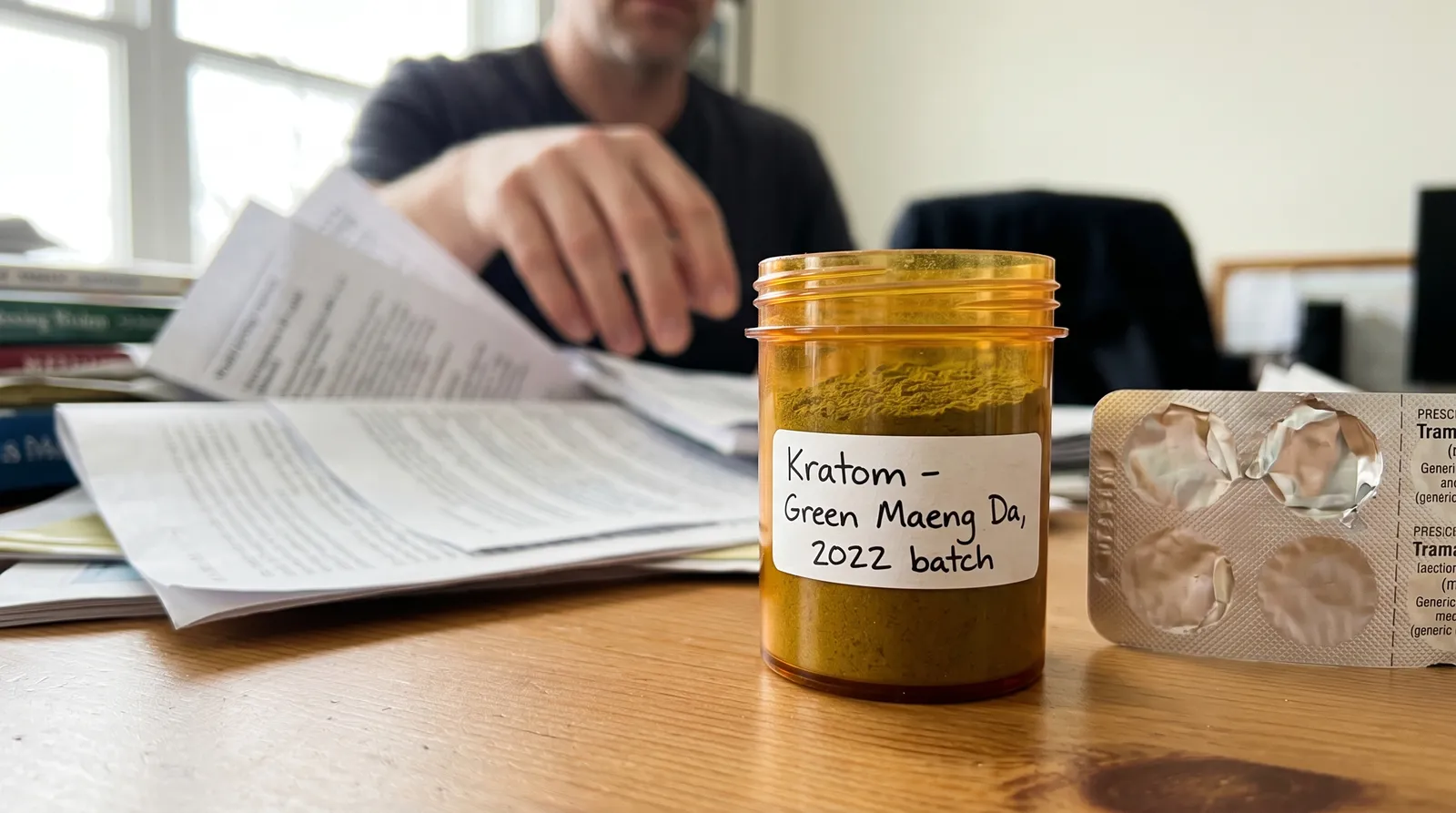
The clinical evidence supporting this use, however, remains thin. The data that exists comes from surveys, case series, and preclinical studies. A 2020 review by Veltri and Grundmann noted that while the pharmacological rationale is plausible — a partial mu-opioid agonist could theoretically ease withdrawal from a full agonist, much as buprenorphine does — the safety, efficacy, and optimal dosing for this application have not been established through controlled research.
The comparison to buprenorphine is instructive but imperfect. Buprenorphine is also a partial mu-opioid agonist used clinically for opioid use disorder. It has decades of clinical trial data, standardised dosing, and medical supervision protocols. Kratom lacks all three. This doesn't mean kratom can't work for this purpose — it means we don't have the quality of evidence needed to say with confidence that it does, at what dose, for whom, or with what risk profile. Self-managing opioid withdrawal with any substance carries risks, and substituting one mu-opioid agonist for another — even a partial one — can perpetuate dependence rather than resolve it.
Long-Term Safety Gaps
Long-term safety data for kratom beyond a few years of daily use remains poorly characterised, which is the most honest summary the current literature supports (Prozialeck et al., 2012). Classical opioids have extensive long-term safety data, much of it grim: chronic constipation, hormonal disruption, immune suppression, hyperalgesia, and escalating overdose risk with tolerance. Case reports of hepatotoxicity exist for kratom — liver injury associated with kratom use has been documented in multiple case series — but the mechanism is under investigation and the population-level incidence is unclear (Dorman et al., 2015). Whether this represents an inherent hepatotoxic property of kratom alkaloids, a contaminant issue in specific products, or an idiosyncratic reaction in susceptible individuals remains an open question.
For anyone with pre-existing liver disease or taking concurrent hepatotoxic medication, this uncertainty is directly relevant. Kratom should not be combined with other opioids, benzodiazepines, alcohol, MAOIs, or CYP3A4/CYP2D6 inhibitors (such as clarithromycin, ketoconazole, fluoxetine, or paroxetine). Pregnancy and breastfeeding are contraindications. Individuals with a personal or family history of substance use disorder should approach kratom with particular caution given its dependence potential. For a full breakdown of interactions, see the dedicated Kratom Drug Interactions article on the Azarius wiki.
The Extract Distinction
Extracts and plain leaf powder are pharmacologically distinct products with meaningfully different risk profiles, and any honest kratom vs opioids comparison must account for this difference. Plain leaf powder typically contains approximately 1–2% mitragynine by weight, with 7-hydroxymitragynine present in trace amounts (less than 0.02% in most analyses). Extracts can concentrate these alkaloids by factors of 5x, 10x, 50x, or more — and some extract products are specifically enriched in 7-hydroxymitragynine.
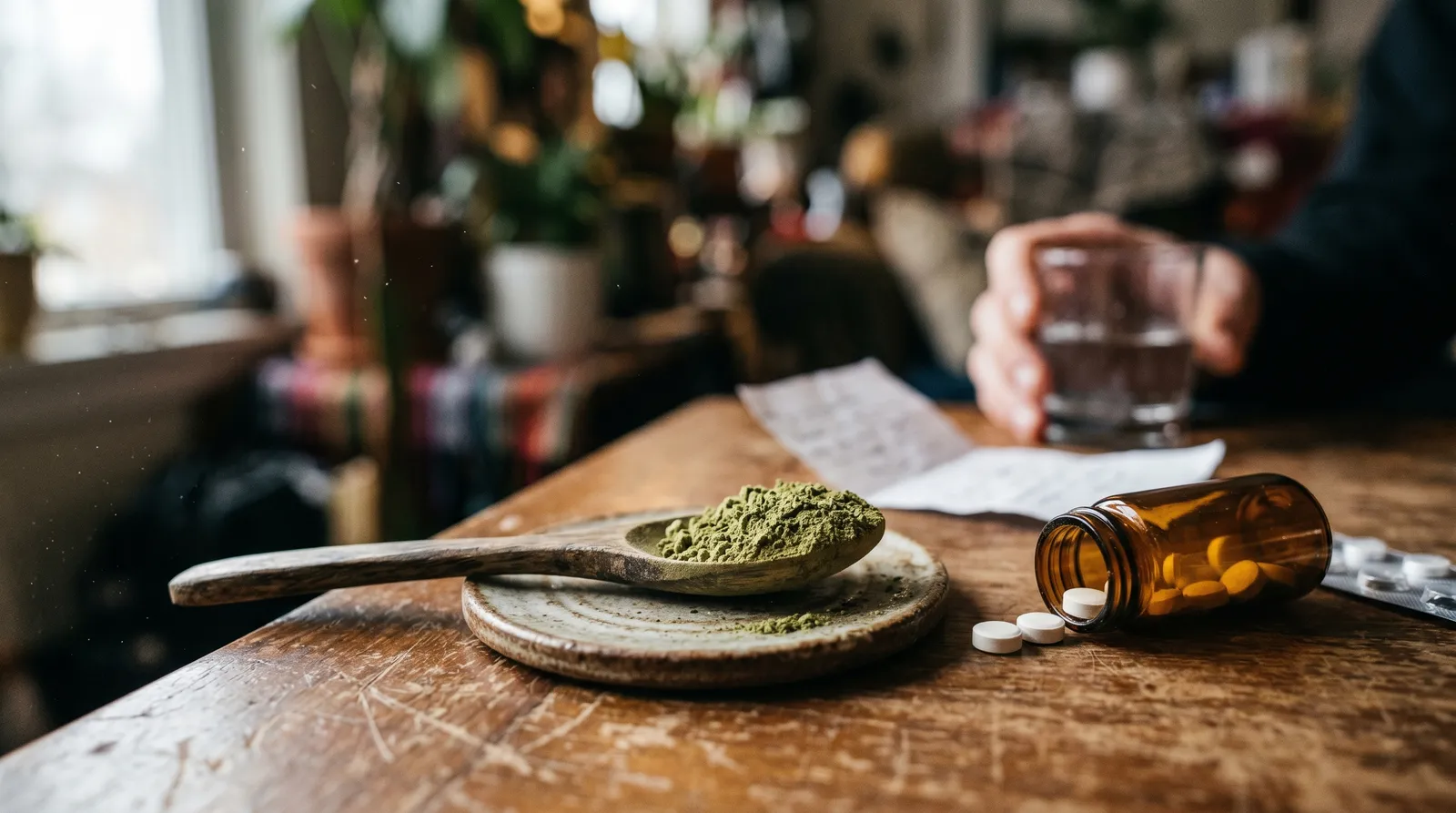
This matters because the pharmacological gap between kratom and classical opioids narrows as alkaloid concentration increases. A person using 3–5 grams of plain leaf powder is in a fundamentally different pharmacological situation from someone using a concentrated extract delivering equivalent or higher mu-opioid receptor activation. The tolerance escalation, withdrawal severity, and dependence risk all track with alkaloid load, not with the weight of plant material consumed. When people ask whether kratom is "safer than opioids," the honest answer depends heavily on which kratom product, at what dose, and how frequently.
Practical Considerations for Comparing Kratom and Opioids
The practical difference between kratom and classical opioids comes down to three variables: the product form, the frequency of use, and whether other substances are involved. Plain leaf powder from varieties like Kratom Bali or Kratom Borneo delivers a relatively low alkaloid load per gram, which is why most experienced users and researchers consider it the lower-risk end of the spectrum. Extracts, enhanced blends, and products standardised to high 7-hydroxymitragynine content shift the risk profile closer to what you'd expect from a classical opioid — higher dependence potential, steeper tolerance curves, and a narrower margin of safety.
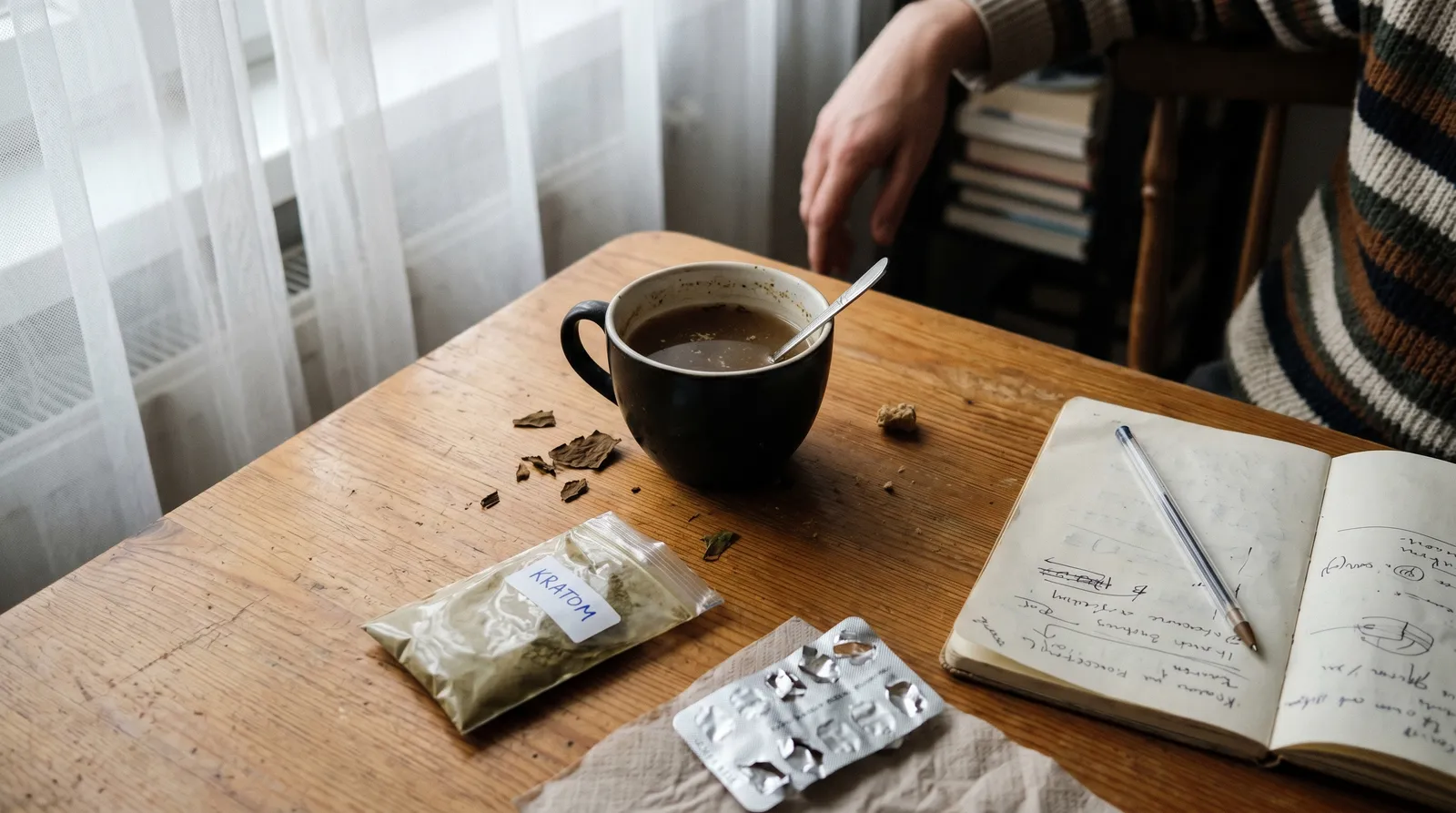
Frequency matters just as much as form. Occasional use of plain leaf — a few times per week with rest days between — is a fundamentally different pattern from daily high-dose use. The dependence and withdrawal literature consistently ties severity to daily consecutive use over weeks or months (Grundmann, 2017). For anyone planning to use kratom regularly, building in non-use days is the single most practical step for keeping tolerance and dependence risk manageable.
Where This Leaves Us
Kratom and classical opioids share a receptor target but differ meaningfully in mechanism, risk ceiling, and evidence base. Kratom's partial agonism and G-protein bias appear to confer a genuinely lower risk of fatal respiratory depression — a critical advantage supported by preclinical data and epidemiological patterns (Kruegel et al., 2016; Henningfield et al., 2018). Its dependence and withdrawal profile, while real, is generally reported as milder. But "safer than fentanyl" is a low bar, and kratom is not without its own risks: dependence with daily use, tolerance escalation, unclear long-term hepatic safety, and a clinical evidence base that remains far thinner than what exists for established opioid medications.
The gap between leaf powder and extracts is not a footnote — it's the central variable in how kratom's risk profile compares to classical opioids. Treat them as different products with different risk profiles, because pharmacologically, they are.
Last updated: April 2026
Frequently Asked Questions
10 questionsDoes kratom cause respiratory depression like opioids?
Is kratom withdrawal comparable to opioid withdrawal?
Can kratom be used to stop taking opioids?
Are kratom extracts more dangerous than leaf powder?
Why is kratom sometimes compared to buprenorphine?
Where can I buy kratom leaf powder?
What makes kratom a partial agonist and why does that matter?
Does kratom tolerance develop the same way as opioid tolerance?
How does kratom's half-life compare to common opioids?
Is naloxone effective against kratom in the same way as with opioids?
About this article


Adam Parsons is an external cannabis and psychedelics writer and editor who contributes to Azarius's wiki as both author and reviewer. On the writing side, he authors Azarius's kratom and kanna clusters, drawing on exten
This wiki article was drafted with AI assistance and reviewed by Adam Parsons, External contributor. Editorial oversight by Joshua Askew.
Medical disclaimer. This content is for informational purposes only and does not constitute medical advice. Consult a qualified healthcare provider before use of any substance.
Last reviewed April 24, 2026
References (10)
- [1]Kruegel, A.C. et al. (2016). Synthetic and receptor signaling explorations of the Mitragyna alkaloids: mitragynine as an atypical molecular framework for opioid receptor modulators. Journal of the American Chemical Society , 138(21), 6754–6764. DOI: 10.1021/jacs.6b00360
- [2]Prozialeck, W.C., Jivan, J.K. & Andurkar, S.V. (2012). Pharmacology of kratom: an emerging botanical agent with stimulant, analgesic and opioid-like effects. Journal of the American Osteopathic Association , 112(12), 792–799.
- [3]Singh, D. et al. (2014). Evaluating the harms of kratom (Mitragyna speciosa): findings from an online survey of users in Malaysia. Journal of Psychoactive Drugs , 46(2), 139–148.
- [4]Swogger, M.T. et al. (2015). Experiences of kratom users: a qualitative analysis. Journal of Psychoactive Drugs , 47(5), 360–367. DOI: 10.1080/02791072.2015.1096434
- [5]Grundmann, O. (2017). Patterns of kratom use and health impact in the US — results from an online survey. Drug and Alcohol Dependence , 176, 63–70. DOI: 10.1016/j.drugalcdep.2017.03.007
- [6]Henningfield, J.E. et al. (2018). Risk of death associated with kratom use compared to opioids. Preventive Medicine , 113, 261–267.
- [7]Takayama, H. (2004). Chemistry and pharmacology of analgesic indole alkaloids from the rubiaceous plant, Mitragyna speciosa. Chemical and Pharmaceutical Bulletin , 52(8), 916–928. DOI: 10.1248/cpb.52.916
- [8]Veltri, C. & Grundmann, O. (2019). Current perspectives on the impact of kratom use. Substance Abuse and Rehabilitation , 10, 23–31. DOI: 10.2147/sar.s164261
- [9]Dorman, C. et al. (2015). Hepatotoxicity from kratom use: a case series. Hepatology , 62(S1), 913A.
- [10]Ahmad, F.B., Cisewski, J.A., Rossen, L.M., & Sutton, P. (2023). Drug Overdose Deaths in the United States, 2001–2022. National Center for Health Statistics.
Related Articles
Blue Lotus vs Kanna: Effects & Safety
Blue lotus vs kanna compared — Nymphaea caerulea's aporphine profile against Sceletium tortuosum's mesembrine chemistry, with interaction warnings.

Lotus Clinical Research Overview
What does lotus clinical research actually show? A critical review of Nymphaea caerulea and Nelumbo nucifera pharmacology, preclinical data, and…
Kanna South Africa To West History
Sceletium tortuosum was used by San and Khoekhoe communities in southern Africa for centuries before European colonists first documented it in the 1660s.
Sceletium Tortuosum Plant
Learn about the sceletium tortuosum plant: botany, alkaloids, fermentation, safety warnings, and where to buy kanna.
Kanna Pharmacokinetics Explained
Complete guide to kanna pharmacokinetics: how Sceletium tortuosum alkaloids are absorbed, metabolised via CYP2D6, and eliminated.

Kanna Chemistry: Sceletium Alkaloids Explained
Kanna chemistry explained: mesembrine, mesembrenone, their mechanisms, how fermentation and extraction change alkaloid profiles, and why it matters…

Rapé Shamanic Snuff Guide: How to Use It Safely
A practical rapé shamanic snuff guide covering dose, kuripe technique, effects, nicotine safety, interactions and Amazonian tradition.

White Sage Salvia Apiana Cultural Smudging Guide
Salvia apiana is a non-psychoactive shrub native to southern California's coastal sage scrub, burned as ceremonial incense in Indigenous North American…

Mulungu Erythrina Traditional Amazonian Use — Bark, Alkaloids & Research
Erythrina mulungu is a Brazilian legume tree whose bark has been brewed as a calming decoction in rural folk medicine for generations.