
This article discusses psychoactive substances intended for adults (18+). If you have a health condition or take medication, consult a doctor before use. Our age policy
Kratom Drug Interactions

Definition
Kratom's alkaloids are metabolised by CYP3A4 and CYP2D6 — the same liver enzymes that process dozens of common medications. Combining kratom with opioids, benzodiazepines, alcohol, MAOIs, or enzyme inhibitors can cause dangerous or fatal interactions. This reference article maps every known and suspected interaction by mechanism and severity.
A kratom drug interaction is a pharmacological event that occurs when Mitragyna speciosa alkaloids interfere with the metabolism or receptor activity of another substance in the body. The plant's primary alkaloids — mitragynine and 7-hydroxymitragynine — are metabolised by the same liver enzymes that process dozens of common medications, and they act on opioid receptors that overlap with other central nervous system depressants. The result: combining kratom with the wrong substance can amplify sedation, suppress breathing, cause serotonin syndrome, or push a medication's blood levels into toxic territory. Whether you use kratom as leaf powder or as a concentrated extract, understanding these kratom drug interactions is essential before your first experience. This article maps the known and suspected kratom drug interactions, explains the enzymatic mechanisms behind them, and distinguishes between what the pharmacology clearly predicts and what remains uncertain.
Adult audience (18+). The dosing ranges and effects described in this article apply to adult physiology. This content is not intended for minors.
Disclaimer: This article is for informational and harm-reduction purposes only. It does not constitute medical advice. Kratom drug interactions can be life-threatening. Always consult a qualified healthcare professional before combining kratom with any medication or substance. Do not use this article as a substitute for professional medical guidance.
Primary Interaction Table
Kratom drug interactions fall into distinct categories based on their pharmacological mechanism and clinical severity. The table below groups interactions by mechanism and severity. "Severity" reflects the clinical plausibility of serious harm based on published pharmacological data — not frequency, which remains poorly quantified for most combinations. Leaf powder and concentrated extracts both carry these risks, but extracts deliver substantially higher alkaloid loads per serving, which magnifies any interaction effect. In any form, review this table before combining kratom with anything else.
| Substance / Class | Mechanism | Potential Outcome | Severity | Evidence Basis |
|---|---|---|---|---|
| Opioids (morphine, oxycodone, fentanyl, heroin, methadone, buprenorphine) | Additive mu-opioid receptor agonism; CYP3A4 competition (methadone) | Respiratory depression, fatal overdose | Critical | Strong — receptor pharmacology well characterised (Kruegel et al., 2016); post-mortem case series (Olsen et al., 2019) |
| Benzodiazepines (diazepam, alprazolam, clonazepam) | Additive CNS depression; CYP3A4 competition | Excessive sedation, respiratory depression | Critical | Strong — pharmacological prediction supported by fatality case reports involving polydrug use (Eastlack et al., 2020) |
| Alcohol | Additive CNS depression; both hepatically metabolised | Excessive sedation, respiratory depression, increased hepatotoxic load | Critical | Strong — mechanism straightforward; alcohol present in majority of kratom-associated fatalities (Henningfield et al., 2018) |
| MAOIs (phenelzine, tranylcypromine, moclobemide, Syrian rue / Peganum harmala) | MAO inhibition plus serotonergic and adrenergic effects of mitragynine | Hypertensive crisis, serotonin syndrome | Critical | Strong — pharmacological prediction; no controlled data, but mechanism is well understood |
| CYP3A4 inhibitors (ketoconazole, itraconazole, clarithromycin, erythromycin, grapefruit juice, ritonavir) | Reduced metabolism of mitragynine and 7-hydroxymitragynine → elevated plasma levels | Potentiated opioid-like effects, increased toxicity risk | High | Strong — in vitro CYP inhibition data (Tanna et al., 2021); clinical magnitude uncertain |
| CYP2D6 inhibitors (fluoxetine, paroxetine, bupropion, quinidine) | Reduced metabolism of mitragynine → elevated plasma levels; potential shift in metabolite ratios | Potentiated effects, unpredictable duration | High | Strong — CYP2D6 is a major metabolic pathway for mitragynine (Kamble et al., 2020) |
| SSRIs / SNRIs (sertraline, citalopram, venlafaxine, duloxetine) | Serotonergic activity of mitragynine + serotonin reuptake inhibition; CYP2D6 inhibition (some SSRIs) | Serotonin syndrome risk; altered kratom metabolism | High | Contested — serotonergic properties of mitragynine reported (Matsumoto et al., 2005) but clinical interaction data are thin |
| Tramadol | Dual risk: additive opioid agonism + combined serotonergic effects + CYP2D6 competition | Seizures, serotonin syndrome, respiratory depression | High | Strong pharmacological prediction; tramadol present in several kratom-associated fatality reports |
| Gabapentinoids (gabapentin, pregabalin) | Additive CNS depression (different mechanism — calcium channel modulation) | Excessive sedation, dizziness, respiratory risk at high levels | Moderate | Contested — pharmacological prediction; limited direct data |
| Anticoagulants (warfarin) | CYP2C9 inhibition by kratom alkaloids may elevate warfarin levels | Increased bleeding risk | Moderate | Contested — in vitro CYP2C9 inhibition demonstrated (Tanna et al., 2021); no published clinical cases |
| Antihypertensives | Kratom's adrenergic effects may oppose or compound blood pressure medications | Unpredictable blood pressure changes | Moderate | Thin — mechanism plausible; no controlled data |
| Hepatotoxic medications (paracetamol/acetaminophen at high amounts, statins, some anticonvulsants) | Additive hepatic stress | Elevated liver injury risk | Moderate | Contested — kratom hepatotoxicity case reports exist (Kapp et al., 2011); population incidence unclear |
| Caffeine | Opposing stimulant/sedative effects; both CYP1A2 substrates | Increased nausea, anxiety, or jitteriness; generally low clinical concern | Low | Thin — traditional concurrent use in Southeast Asia; no formal interaction studies |
The Enzyme Problem: CYP3A4, CYP2D6, and CYP2C9
CYP3A4 and CYP2D6 are the two liver enzymes most responsible for breaking down mitragynine, and kratom actively inhibits both of them. The cytochrome P450 enzyme system in the liver is the single biggest bottleneck behind kratom drug interactions. Mitragynine is metabolised primarily by CYP3A4 and CYP2D6 (Kamble et al., 2020). But it doesn't just pass through these enzymes — it also inhibits them. According to Tanna et al. (2021), methanolic kratom extracts inhibited CYP2D6 by approximately 90% and CYP2C9 by roughly 65% at concentrations of 20 μg/ml in vitro. CYP3A4 inhibition has also been demonstrated, though the magnitude varies across studies.
What does that mean in practice? If you take kratom alongside a medication that relies on CYP3A4 or CYP2D6 for clearance, that medication may accumulate in your blood because the enzymes are busy processing kratom alkaloids — or are actively being blocked by them. The drug effectively becomes stronger, lasts longer, or both. This is the same mechanism behind the well-known grapefruit-and-medication warning, except kratom hits multiple enzyme families simultaneously.
The reverse also applies. If you take a strong CYP3A4 inhibitor — ketoconazole, ritonavir, clarithromycin — alongside kratom, mitragynine and 7-hydroxymitragynine levels in your blood may rise substantially because they can't be broken down at the normal rate. That's a problem because 7-hydroxymitragynine, despite being present in much smaller quantities than mitragynine in raw leaf, has significantly higher affinity for mu-opioid receptors (Kruegel et al., 2016). Any shift in the metabolic balance that increases its relative concentration amplifies the opioid-like effects and the associated respiratory depression risk.
The exact clinical magnitude of these kratom drug interactions remains difficult to pin down. The in vitro data are solid, but translating test-tube enzyme inhibition into real-world blood level changes depends on individual genetics (CYP2D6 poor metabolisers exist in 5–10% of European populations), liver health, and whether you're using leaf powder or a concentrated extract. This is an area where the pharmacology clearly signals danger but the clinical data are still catching up.
Opioid Receptor Overlap
Mitragynine and 7-hydroxymitragynine are partial agonists at the mu-opioid receptor, which means they activate the same binding site as morphine and fentanyl but with a ceiling on maximal response (Kruegel et al., 2016). That ceiling is why kratom on its own, at typical leaf amounts, carries a lower overdose risk than classical opioids.
But the ceiling disappears when you stack. Combine a partial agonist with a full agonist, and you're not getting "partial plus full equals somewhere in the middle." You're getting unpredictable receptor activation with additive respiratory depression. The partial agonist occupies some receptors, the full agonist floods the rest, and the combined effect on breathing can exceed what either substance would produce alone. This is the pharmacological basis for the most dangerous kratom drug interaction: mixing it with other opioids.
Methadone deserves specific mention. It's a full mu-opioid agonist, a CYP3A4 substrate, and it carries QT-prolongation risk. Kratom adds opioid agonism on top, potentially inhibits the CYP3A4 pathway that clears methadone, and mitragynine itself has shown some cardiac ion channel activity in preclinical models, though the clinical relevance of this last point is not yet established. The combination layers three separate risk mechanisms.
CNS Depressant Stacking
Combining kratom with any other CNS depressant compounds sedation, slowed reflexes, and reduced respiratory drive in an additive or supra-additive manner. Benzodiazepines and alcohol are the most common co-ingestants found in kratom-associated fatality reports (Eastlack et al., 2020). In most of these cases, kratom was not the sole substance involved — the lethal mechanism was polydrug CNS depression.
Alcohol is worth highlighting because it's the substance people are most likely to combine with kratom casually. Both are hepatically metabolised, both depress the CNS, and both impair judgement about redoing the experience. The combination also increases the hepatotoxic burden on the liver — relevant given that kratom hepatotoxicity, while uncommon, has been documented in case reports (Kapp et al., 2011), with the mechanism still under investigation.
Serotonergic Interactions
Serotonin syndrome is the primary risk when kratom is combined with other serotonergic substances. Mitragynine has demonstrated serotonergic activity in animal models (Matsumoto et al., 2005), interacting with 5-HT2A and possibly other serotonin receptor subtypes. The clinical significance of this in humans is contested — the serotonergic effects are weaker than the opioidergic ones, and no controlled human studies have quantified the serotonin-related activity at typical amounts.
That said, the theoretical risk of serotonin syndrome exists when kratom is combined with other serotonergic substances: SSRIs, SNRIs, MAOIs, tramadol, triptans, or St John's wort. Serotonin syndrome ranges from mild (agitation, tremor, diarrhoea) to life-threatening (hyperthermia, seizures, cardiovascular collapse). The risk is highest with MAOIs, which prevent serotonin breakdown entirely, and with tramadol, which adds both opioid agonism and serotonin reuptake inhibition to the mix.
Some users describe taking SSRIs alongside kratom without apparent problems. This doesn't prove safety — it reflects the fact that serotonin syndrome is dependent on individual factors and that many people will fall below the threshold for clinical symptoms. The interaction remains pharmacologically plausible and potentially serious, even if it doesn't manifest every time.
Why Extracts Change the Interaction Risk
Kratom extracts carry a meaningfully higher interaction risk than plain leaf powder because they concentrate the active alkaloids by an order of magnitude. A 10x or 20x extract delivers alkaloid loads per gram that are far higher than plain leaf. This matters for kratom drug interactions in two ways.
First, higher alkaloid concentrations mean stronger enzyme inhibition. The CYP2D6 and CYP3A4 inhibition documented by Tanna et al. (2021) was concentration-dependent — more alkaloid, more inhibition. An extract user taking a co-medication metabolised by these enzymes faces a proportionally greater risk of that medication accumulating to toxic levels.
Second, higher 7-hydroxymitragynine concentrations narrow the gap between kratom's partial agonist ceiling and the danger zone for respiratory depression, especially when combined with other opioids or CNS depressants. Treat extracts as pharmacologically distinct from leaf when assessing interaction risk — they are not simply "stronger kratom" but a different exposure profile. If you use kratom extracts, understand that they carry a fundamentally different interaction risk profile than traditional leaf powder.
Genetic Variability: CYP2D6 Polymorphisms
Approximately 5–10% of people of European descent are CYP2D6 poor metabolisers, meaning their version of this enzyme works slowly or not at all (Bradford, 2002). For these individuals, mitragynine clearance is significantly impaired even without any enzyme-inhibiting co-medication. The practical consequence: standard amounts produce higher and longer-lasting blood levels, and any interaction involving CYP2D6 substrates or inhibitors is amplified. You won't know your CYP2D6 status unless you've had pharmacogenomic testing, which most people haven't. This is one reason why the same kratom amount can produce wildly different responses in different people — and why kratom drug interaction risks are harder to predict than a table might suggest.
Hepatotoxicity and Co-Medications
Kratom-associated liver injury has been documented in case reports, typically presenting as cholestatic or mixed hepatocellular injury (Kapp et al., 2011; Dorman et al., 2015). The mechanism is not yet established — proposed explanations include direct alkaloid toxicity, immune-mediated hypersensitivity, and contamination of products with adulterants. Population-level incidence remains unclear, and most regular users do not develop liver problems.
Regardless of mechanism, combining kratom with other hepatotoxic substances increases the total burden on the liver. High-amount paracetamol (acetaminophen), certain statins, some anticonvulsants, and chronic alcohol use all carry independent hepatotoxic potential. Stacking any of these with regular kratom use — particularly extract use — is an avoidable risk multiplication. Pre-existing liver disease of any kind is a clear contraindication for kratom use.
What the Fatality Data Actually Show
In 87% of kratom-positive deaths reviewed by Olsen et al. (2019), other substances were present — kratom was not the sole intoxicant. That review covered 152 kratom-positive deaths and found the most common co-intoxicants were fentanyl, heroin, benzodiazepines, alcohol, and diphenhydramine. Cases where mitragynine was the sole toxicological finding are rare, and even in those cases, pre-existing health conditions were often present.
This doesn't mean kratom is harmless. It means the primary lethal risk from kratom is interaction-driven, not intrinsic. The alkaloids' partial agonist pharmacology provides a relative ceiling on toxicity when used alone — but that ceiling is removed by polydrug use. This is the single most important harm-reduction message for kratom: do not combine it with other substances, especially opioids, benzodiazepines, and alcohol.
How Kratom Drug Interactions Compare to Classical Opioid Interactions
Kratom inhibits CYP2D6, CYP3A4, and CYP2C9 simultaneously, giving it a broader enzyme interaction profile than most classical opioids. Like morphine or oxycodone, kratom activates mu-opioid receptors and produces additive respiratory depression when combined with other depressants. Unlike classical opioids, kratom's primary alkaloid mitragynine is a partial agonist with a ceiling effect, which provides a degree of intrinsic safety when used alone. However, kratom adds a layer of complexity that classical opioids lack: significant CYP enzyme inhibition across multiple enzyme families. Morphine, by contrast, is primarily glucuronidated and has minimal CYP interaction potential. This means kratom can disrupt the metabolism of a wider range of co-medications than most individual opioids — a distinction that matters for anyone managing multiple prescriptions.
Kratom Drug Interactions with Common Botanicals
Several popular herbal products carry their own CYP enzyme or receptor interactions that compound kratom's effects when used together. St John's wort (Hypericum perforatum) is a CYP3A4 inducer and a serotonergic agent — it could simultaneously lower mitragynine blood levels while increasing serotonin syndrome risk, a confusing and unpredictable combination. Valerian root and kava both add CNS depressant load, compounding sedation in a manner similar to alcohol or benzodiazepines. Turmeric (curcumin) inhibits CYP2D6 and CYP3A4 in vitro, and some kratom users deliberately combine the two believing it "potentiates" effects — which it may, but potentiation and increased toxicity risk are the same mechanism viewed from different angles. If you use kratom alongside herbal supplements, apply the same caution you would with pharmaceutical co-medications: check the enzyme and receptor overlap before combining.
Kratom vs Kava: Comparing Interaction Profiles
Kava's interaction profile is narrower than kratom's because kavalactones primarily modulate GABA receptors rather than opioid receptors or multiple CYP enzymes. Kava and kratom are both popular botanical sedatives, but their interaction profiles are fundamentally different. Kava's active compounds — kavalactones — primarily modulate GABA receptors and voltage-gated sodium channels, with relatively modest CYP enzyme inhibition concentrated on CYP2E1. Kratom, by contrast, hits mu-opioid receptors and inhibits CYP2D6, CYP3A4, and CYP2C9 simultaneously. The practical difference: kava interacts mainly with other GABAergic substances and alcohol, while kratom interacts with a far broader range of medications including opioids, antidepressants, anticoagulants, and antifungals. Combining the two layers GABAergic sedation on top of opioidergic sedation — two distinct depressant mechanisms acting in parallel, which is why the combination carries more risk than either substance alone. People who use kava and kratom should treat them as separate experiences, not complementary ones.
Honest Limitations: What the Science Cannot Yet Tell Us
No controlled human trials have directly measured the pharmacokinetic interaction between kratom and any specific medication. Every interaction listed in this article is derived from in vitro enzyme studies, receptor binding assays, animal models, case reports, and post-mortem toxicology — not from randomised clinical data. We don't know the exact thresholds at which CYP inhibition becomes clinically significant in living humans. We don't know whether chronic kratom use upregulates compensatory metabolic pathways. We don't know the interaction profile of the 40+ minor alkaloids present in kratom leaf that haven't been individually characterised. The table above represents the best current pharmacological reasoning, but it is not — and cannot yet be — a complete picture. Treat it as a minimum map of known hazards, not a complete one.
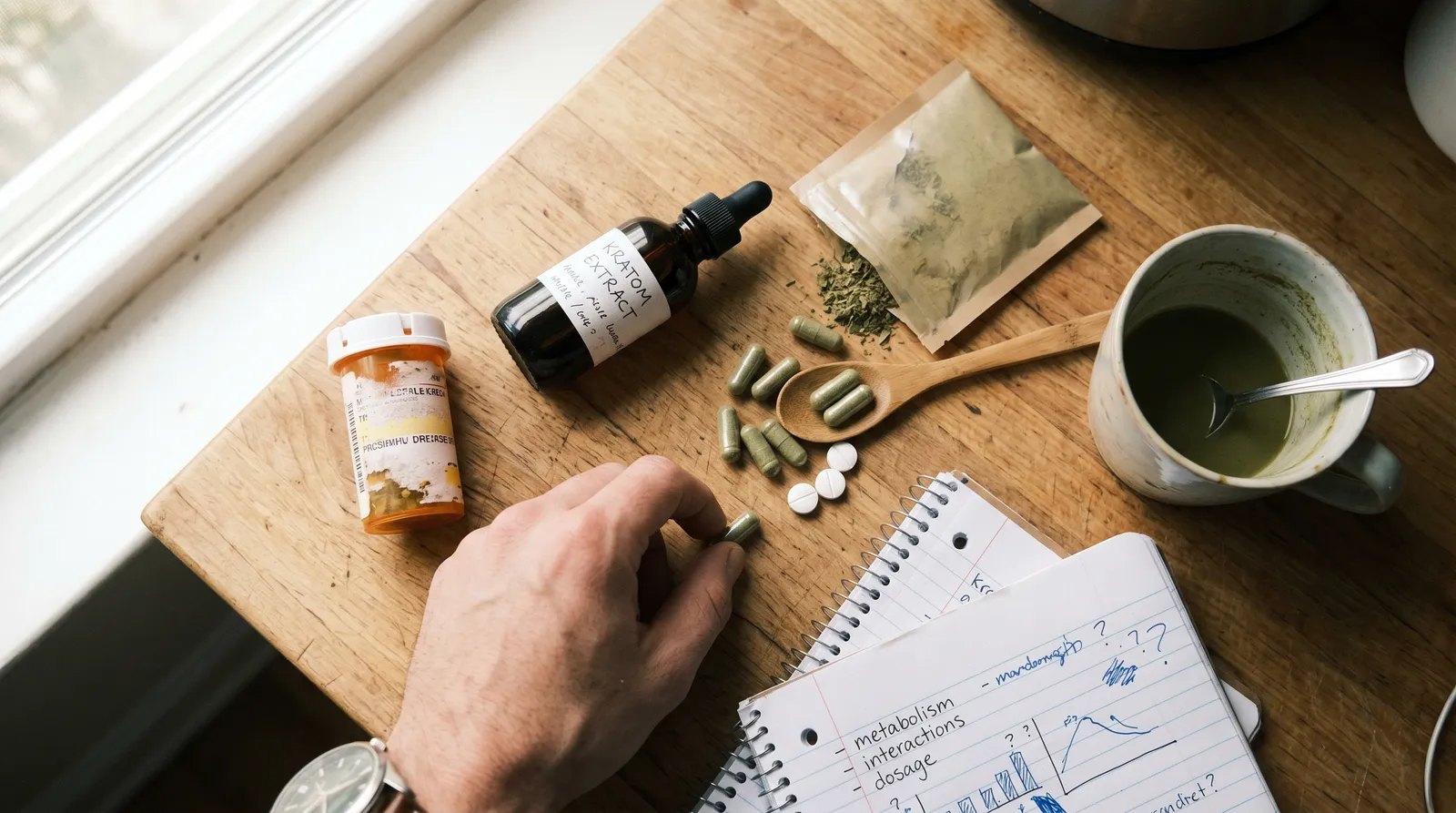
We should also be transparent about what this article cannot do: it cannot replace a conversation with your pharmacist. Pharmacists have access to your full medication list and can run formal interaction checks that account for your specific drugs and health conditions. This article gives you the vocabulary and the pharmacological framework to have that conversation productively — but it is not the conversation itself.
Contraindications Summary
Kratom should not be combined with any of the following substances based on the pharmacological evidence reviewed above:
- Any opioid — prescription or otherwise
- Benzodiazepines or other sedative-hypnotics
- Alcohol
- MAOIs (pharmaceutical or botanical, including Peganum harmala and Banisteriopsis caapi)
- Tramadol
- CYP3A4 inhibitors (ketoconazole, clarithromycin, ritonavir, grapefruit juice)
- CYP2D6 inhibitors (fluoxetine, paroxetine, bupropion)
- SSRIs / SNRIs (risk lower than MAOIs but not negligible)
- Anticoagulants (warfarin — CYP2C9 interaction)
Additionally, kratom use is contraindicated during pregnancy and breastfeeding, in the presence of pre-existing liver disease or concurrent hepatotoxic medication, and for individuals with a personal or family history of substance use disorder. The recognised withdrawal syndrome that emerges with daily heavy use (Swogger et al., 2015) adds dependence risk to the interaction picture for anyone already managing substance-related challenges.
Last updated: April 2026
Frequently Asked Questions
9 questionsCan I take kratom with antidepressants like SSRIs?
Why is grapefruit juice listed as a kratom interaction?
Are kratom extracts more dangerous for drug interactions than leaf powder?
Is kratom safe to use with alcohol?
Does genetic variation affect kratom interaction risk?
Can kratom cause serotonin syndrome when combined with other substances?
Which liver enzymes does kratom affect and why does that matter for medications?
Can kratom be combined with caffeine or energy drinks?
Does kratom interact with over-the-counter painkillers like ibuprofen or acetaminophen?
About this article


Adam Parsons is an external cannabis and psychedelics writer and editor who contributes to Azarius's wiki as both author and reviewer. On the writing side, he authors Azarius's kratom and kanna clusters, drawing on exten
This wiki article was drafted with AI assistance and reviewed by Adam Parsons, External contributor. Editorial oversight by Joshua Askew.
Medical disclaimer. This content is for informational purposes only and does not constitute medical advice. Consult a qualified healthcare provider before use of any substance.
Last reviewed April 24, 2026
References (11)
- [1]Bradford, L.D. (2002). CYP2D6 allele frequency in European Caucasians, Asians, Africans and their descendants. Pharmacogenomics , 3(2), 229–243. DOI: 10.1517/14622416.3.2.229
- [2]Dorman, C. et al. (2015). Cholestatic hepatitis from prolonged kratom use: A case report. Hepatology , 61(3), 1086–1087. DOI: 10.1002/hep.27612
- [3]Eastlack, S.C., Cornett, E.M., & Kaye, A.D. (2020). Kratom — Pharmacology, clinical implications, and outlook: A complete review. Pain and Therapy , 9(1), 55–69. DOI: 10.1007/s40122-020-00151-x
- [4]Henningfield, J.E. et al. (2018). Risk of death associated with kratom use compared to opioids. Preventive Medicine , 128, 105851.
- [5]Kamble, S.H. et al. (2020). Disposition of kratom alkaloids in the rat after intravenous and oral administration. AAPS Journal , 22(5), 113.
- [6]Kapp, F.G. et al. (2011). Intrahepatic cholestasis following abuse of powdered kratom ( Mitragyna speciosa ). Journal of Medical Toxicology , 7(3), 227–231. DOI: 10.1007/s13181-011-0155-5
- [7]Kruegel, A.C. et al. (2016). Synthetic and receptor signaling explorations of the Mitragyna alkaloids: Mitragynine as an atypical molecular framework for opioid receptor modulators. Journal of the American Chemical Society , 138(21), 6754–6764. DOI: 10.1021/jacs.6b00360
- [8]Matsumoto, K. et al. (2005). Involvement of μ-opioid receptors in antinociception and inhibition of gastrointestinal transit induced by 7-hydroxymitragynine, isolated from Thai herbal medicine Mitragyna speciosa . European Journal of Pharmacology , 507(1–3), 145–151.
- [9]Olsen, E.O. et al. (2019). Notes from the field: Unintentional drug overdose deaths with kratom detected — 27 states, July 2016–December 2017. Morbidity and Mortality Weekly Report , 68(14), 326–327. DOI: 10.15585/mmwr.mm6814a2
- [10]Swogger, M.T. et al. (2015). Experiences of kratom users: A qualitative analysis. Journal of Psychoactive Drugs , 47(5), 360–367. DOI: 10.1080/02791072.2015.1096434
- [11]Tanna, R.S. et al. (2021). Translating kratom-drug interactions: From bedside to bench and back. Clinical Pharmacology and Therapeutics , 110(4), 1039–1052.
Related Articles

Blue Lotus vs Kanna: Effects & Safety
Blue lotus vs kanna compared — Nymphaea caerulea's aporphine profile against Sceletium tortuosum's mesembrine chemistry, with interaction warnings.

Lotus Clinical Research Overview
What does lotus clinical research actually show? A critical review of Nymphaea caerulea and Nelumbo nucifera pharmacology, preclinical data, and…
Kanna South Africa To West History
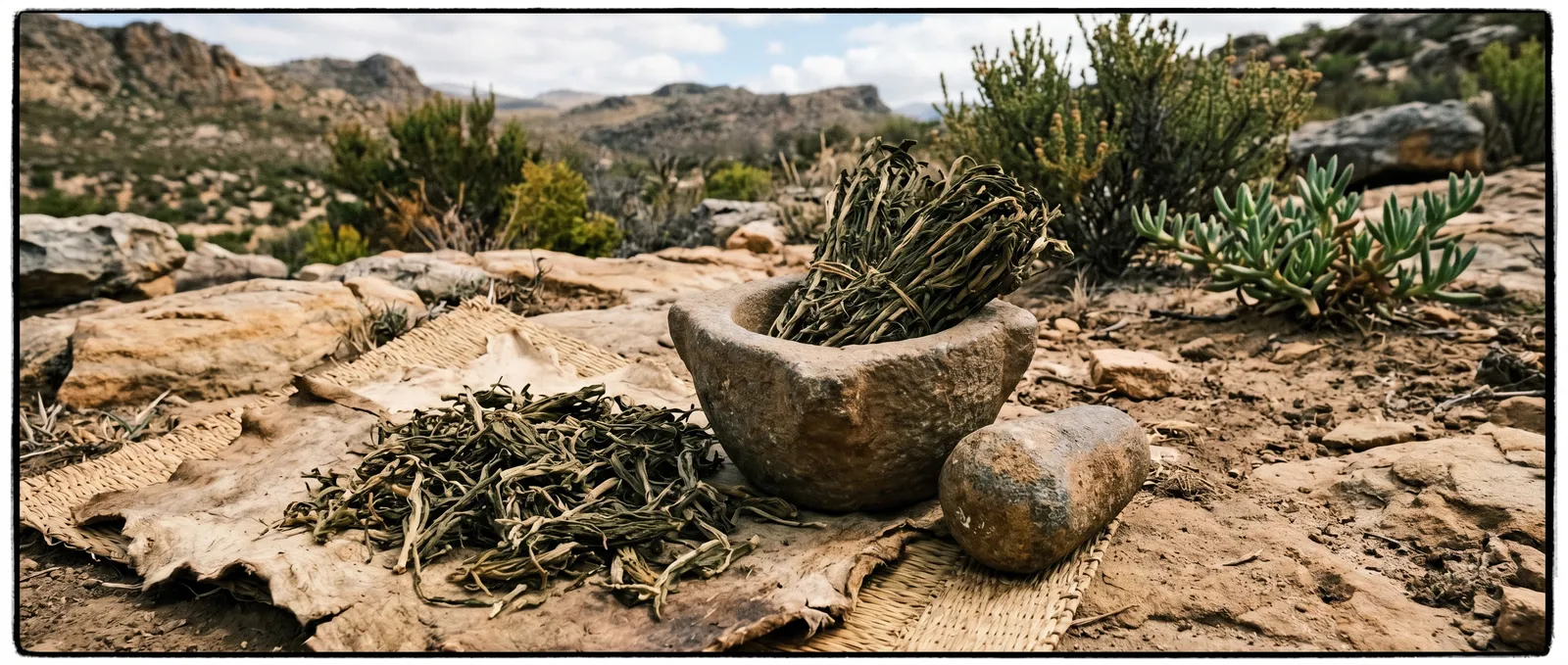
Sceletium tortuosum was used by San and Khoekhoe communities in southern Africa for centuries before European colonists first documented it in the 1660s.

Sceletium Tortuosum Plant
Learn about the sceletium tortuosum plant: botany, alkaloids, fermentation, safety warnings, and where to buy kanna.
Kanna Pharmacokinetics Explained
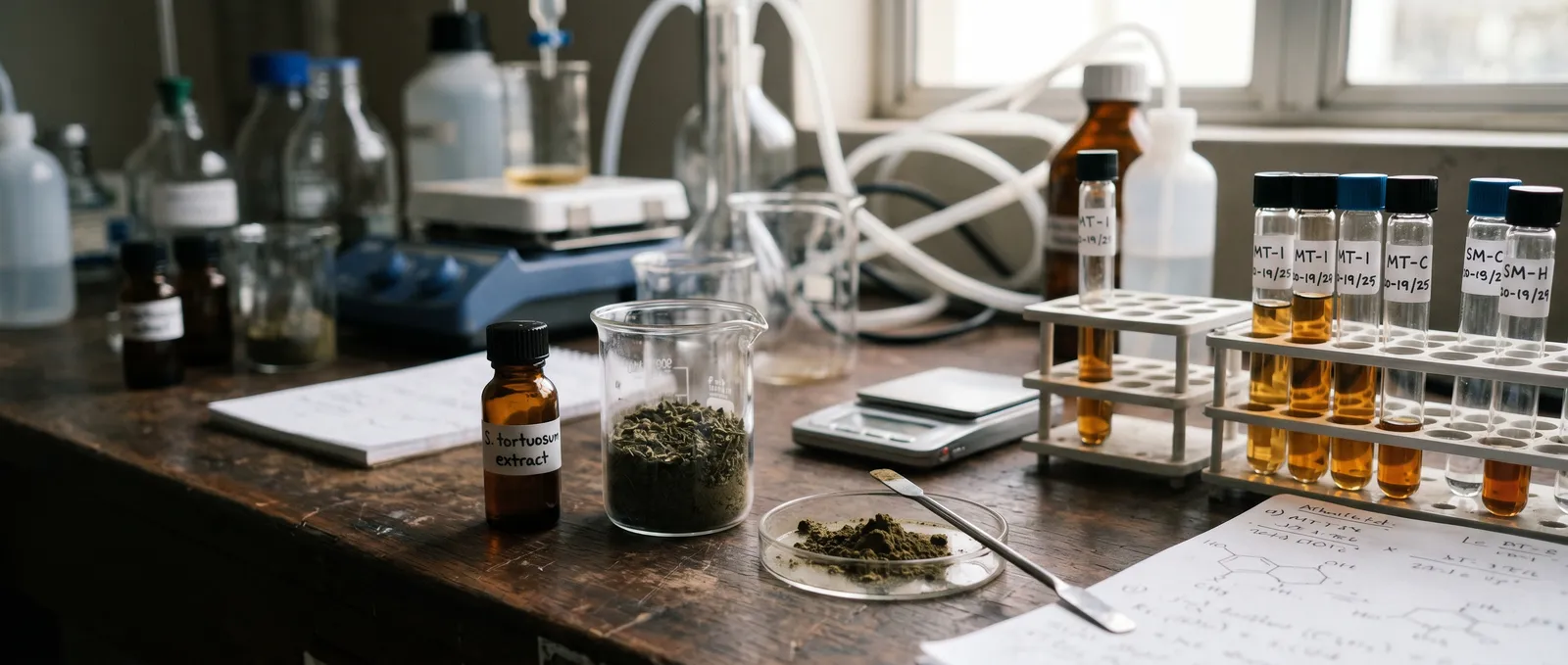
Complete guide to kanna pharmacokinetics: how Sceletium tortuosum alkaloids are absorbed, metabolised via CYP2D6, and eliminated.

Kanna Chemistry: Sceletium Alkaloids Explained
Kanna chemistry explained: mesembrine, mesembrenone, their mechanisms, how fermentation and extraction change alkaloid profiles, and why it matters…

Rapé Shamanic Snuff Guide: How to Use It Safely
A practical rapé shamanic snuff guide covering dose, kuripe technique, effects, nicotine safety, interactions and Amazonian tradition.

White Sage Salvia Apiana Cultural Smudging Guide
Salvia apiana is a non-psychoactive shrub native to southern California's coastal sage scrub, burned as ceremonial incense in Indigenous North American…

Mulungu Erythrina Traditional Amazonian Use — Bark, Alkaloids & Research
Erythrina mulungu is a Brazilian legume tree whose bark has been brewed as a calming decoction in rural folk medicine for generations.