
This article discusses psychoactive substances intended for adults (18+). If you have a health condition or take medication, consult a doctor before use. Our age policy
Kratom Dosage Guide

Definition
A kratom dosage guide maps reported dose ranges of Mitragyna speciosa leaf powder and extracts to their commonly described effects, based on survey and clinical data rather than personal recommendation. Getting the amount right matters — the difference between a stimulating and sedating dose is qualitative, not just a matter of intensity.
Disclaimer: This article is for informational purposes only and does not constitute medical advice. Kratom is a pharmacologically active substance that interacts with opioid receptors. Do not use kratom as a substitute for professional medical treatment. Consult a qualified healthcare provider before using kratom, especially if you take medication, have a pre-existing health condition, or are pregnant or breastfeeding. The dose ranges cited below come from user surveys and observational studies, not controlled clinical trials — individual responses vary significantly. Azarius does not make therapeutic claims about kratom.
Kratom Dosage Guide
A kratom dosage guide is a reference framework that maps reported dose ranges of Mitragyna speciosa leaf powder and extracts to the effects users most commonly describe. Built from survey data and clinical observations rather than personal prescription, this kratom dosage guide matters more than with most botanicals in the smartshop, because the difference between a stimulating low dose and a sedating high dose isn't just intensity — it's a qualitatively different experience. This kratom dosage guide covers leaf powder and extract dosing separately, because they are pharmacologically distinct, and walks through the practical steps of finding a starting point, measuring accurately, and avoiding the most common mistakes. For both leaf powder and concentrated extracts, understanding how to dose properly is the first step toward a safe experience.
Adult audience (18+). The dosing ranges and effects described in this article apply to adult physiology. This content is not intended for minors.
Why Leaf and Extract Doses Are Not Interchangeable
A gram of kratom leaf powder and a gram of kratom extract are not the same substance in any practical sense — this is the single most important fact in any kratom dosage guide. Dried leaf powder typically contains 1–2% mitragynine by dry weight of the whole leaf (distinct from mitragynine's share of total alkaloid content, which is the 60–70% figure quoted elsewhere — the two percentages use different denominators), with trace amounts of 7-hydroxymitragynine (Kruegel et al., 2016). Extracts concentrate these alkaloids — sometimes dramatically. A "10x" extract doesn't reliably mean ten times the alkaloid content (extraction efficiency varies), but it does mean the margin for error shrinks considerably. Mitragynine and 7-hydroxymitragynine are partial agonists at mu-opioid receptors (Kruegel et al., 2016), and concentrating them changes the risk profile for respiratory depression, nausea, and dependence. Throughout this kratom dosage guide, every dose figure refers to dried leaf powder unless explicitly stated otherwise. If you're using an extract, the numbers below do not apply — skip to the extract section.
Step 1: Check Your Baseline
Your individual dose response depends on body weight, metabolic rate, CYP3A4 and CYP2D6 enzyme activity, stomach contents, and prior opioid exposure. A 2017 cross-sectional survey of 8,049 kratom users in the United States found self-reported doses ranging from under 1 gram to over 8 grams per session, with the majority clustering between 1 and 5 grams of leaf powder (Grundmann, 2017). That's a wide window, and it tells you something: there is no universal "correct" dose in any kratom dosage guide.
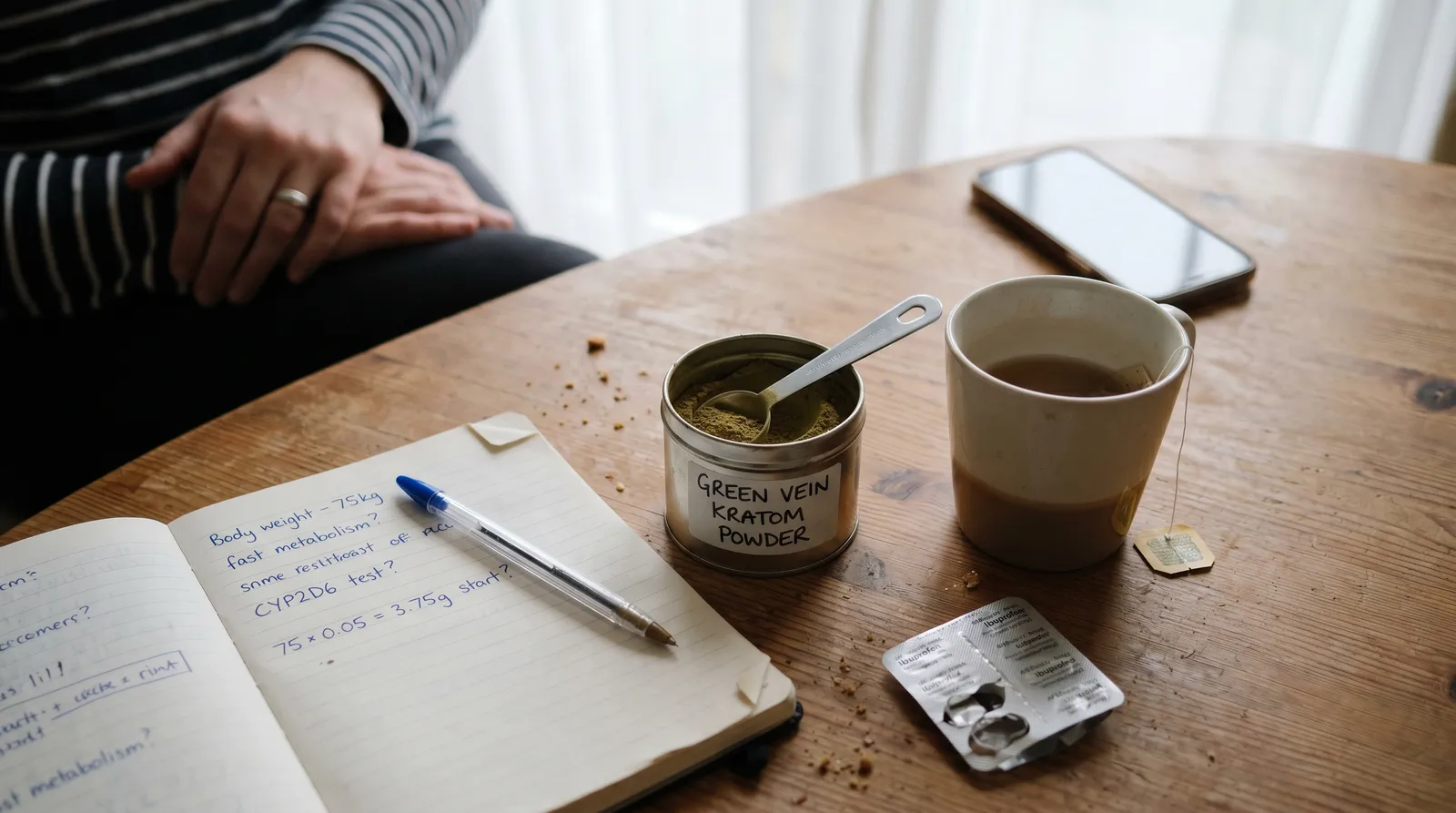
What you can control before your first session:
- Stomach: Take kratom on an empty or near-empty stomach. Food — especially fatty food — delays absorption unpredictably and tempts people to redose too early.
- Hydration: Kratom is mildly dehydrating. Drink water before and during.
- Medications: Kratom inhibits CYP2D6 and CYP3A4 enzymes (Hanapi et al., 2013). If you take any medication metabolised by these pathways — and that includes common SSRIs, benzodiazepines, and some blood pressure drugs — read the dedicated Kratom Drug Interactions article on the Azarius wiki before proceeding. Combining kratom with other opioids, MAOIs, benzodiazepines, or alcohol is a hard no.
- Tolerance history: If you've used kratom regularly before, your baseline is already shifted. The dose ranges below assume no recent tolerance.
Step 2: Start With a Low Dose of Leaf Powder
The recommended starting dose for a first-time user with no tolerance is 1–1.5 grams of dried kratom leaf powder, measured on a digital scale. Survey and observational data suggest the following dose tiers for dried kratom leaf powder, based on self-reported use patterns (Grundmann, 2017; Veltri & Grundmann, 2019; Swogger et al., 2022):
| Tier | Approximate range (dried leaf powder) | Commonly reported character | Notes |
|---|---|---|---|
| Low | 1–2 g | Stimulating, mild | Starting point for someone with no tolerance |
| Moderate | 2–4 g | Mixed stimulant-sedative | Most common self-reported range in survey data |
| High | 4–6 g | Predominantly sedating | Nausea, dizziness, and wobbles reported more frequently |
| Very high | Above 6 g | Strong sedation | Doses above 8 g associated with significantly higher adverse-effect reports (Grundmann, 2017) |
These figures come from user surveys, not controlled clinical trials — individual variation is substantial, and the boundaries between tiers are fuzzy, not sharp. The "stimulating at low doses, sedating at higher doses" pattern is consistently reported across multiple surveys (Swogger et al., 2022), though the crossover point differs from person to person.
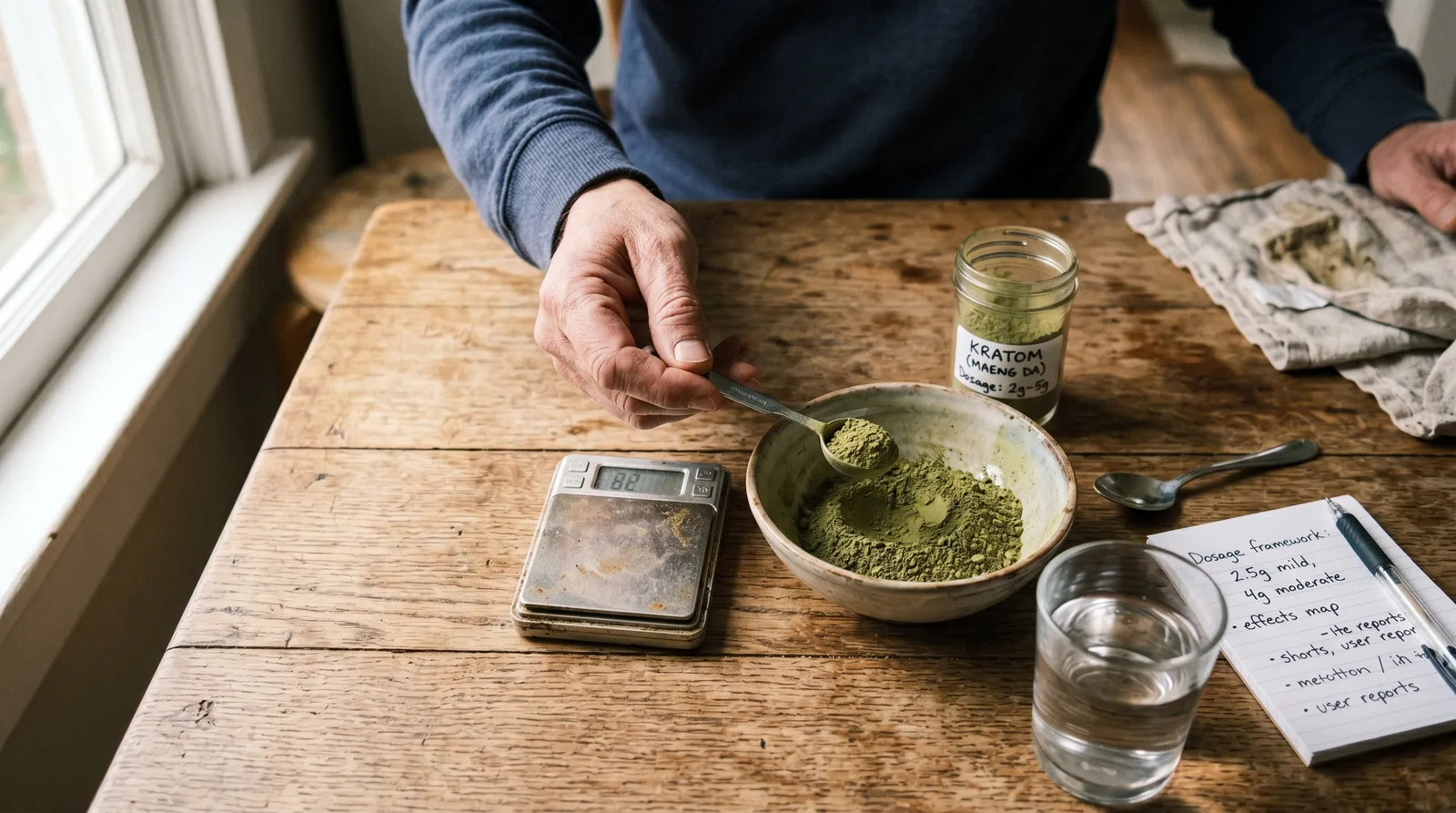
If this is your first time, 1–1.5 grams of leaf powder is a reasonable starting point. Measure it. Do not eyeball it. New users often start with milder varieties like Kratom Bali or Kratom Maeng Da leaf powder, which are available in measured quantities that make accurate dosing straightforward. Pre-filled capsules offer an alternative if pre-measured servings matter more than flexibility.
Step 3: Measure Properly
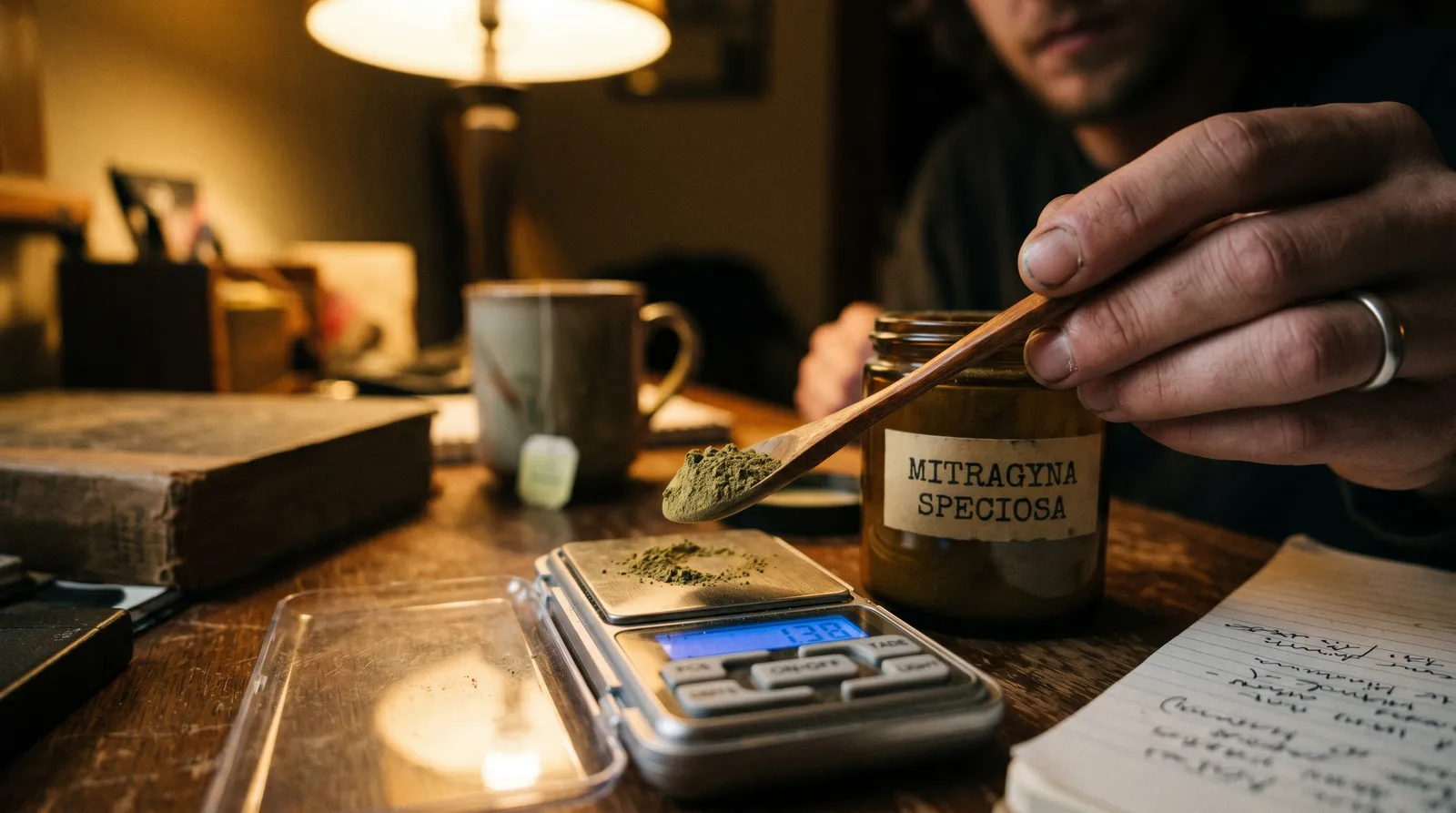
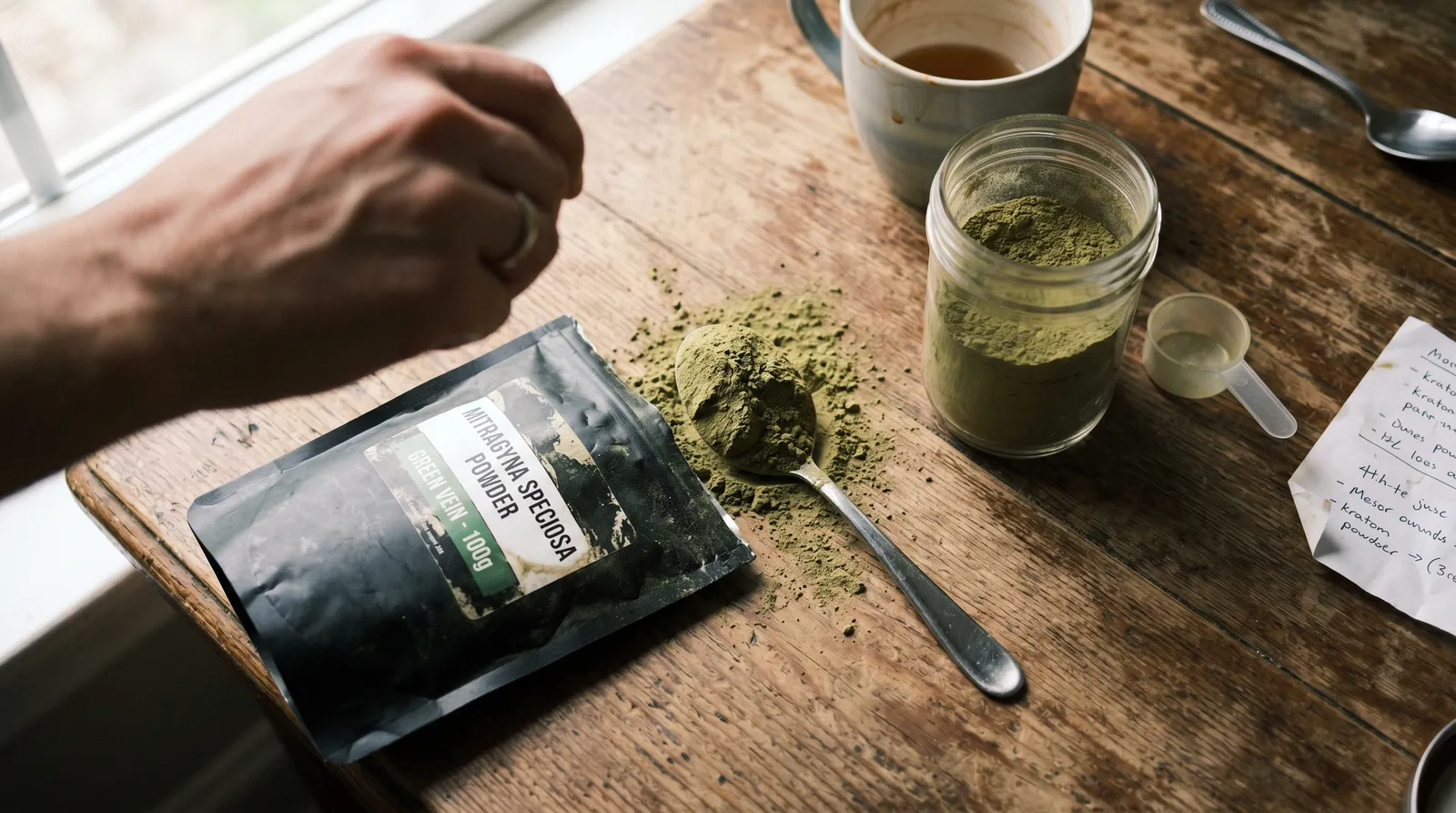
A 0.1-gram digital scale is the single most important dosing tool in any kratom dosage guide. A kitchen teaspoon of kratom powder holds roughly 2–2.5 grams, but "roughly" is doing a lot of heavy lifting there. Grind consistency, moisture content, and how firmly you pack the spoon can swing that figure by half a gram or more in either direction. For a substance where the difference between a stimulating and a sedating dose might be 2 grams, that matters.
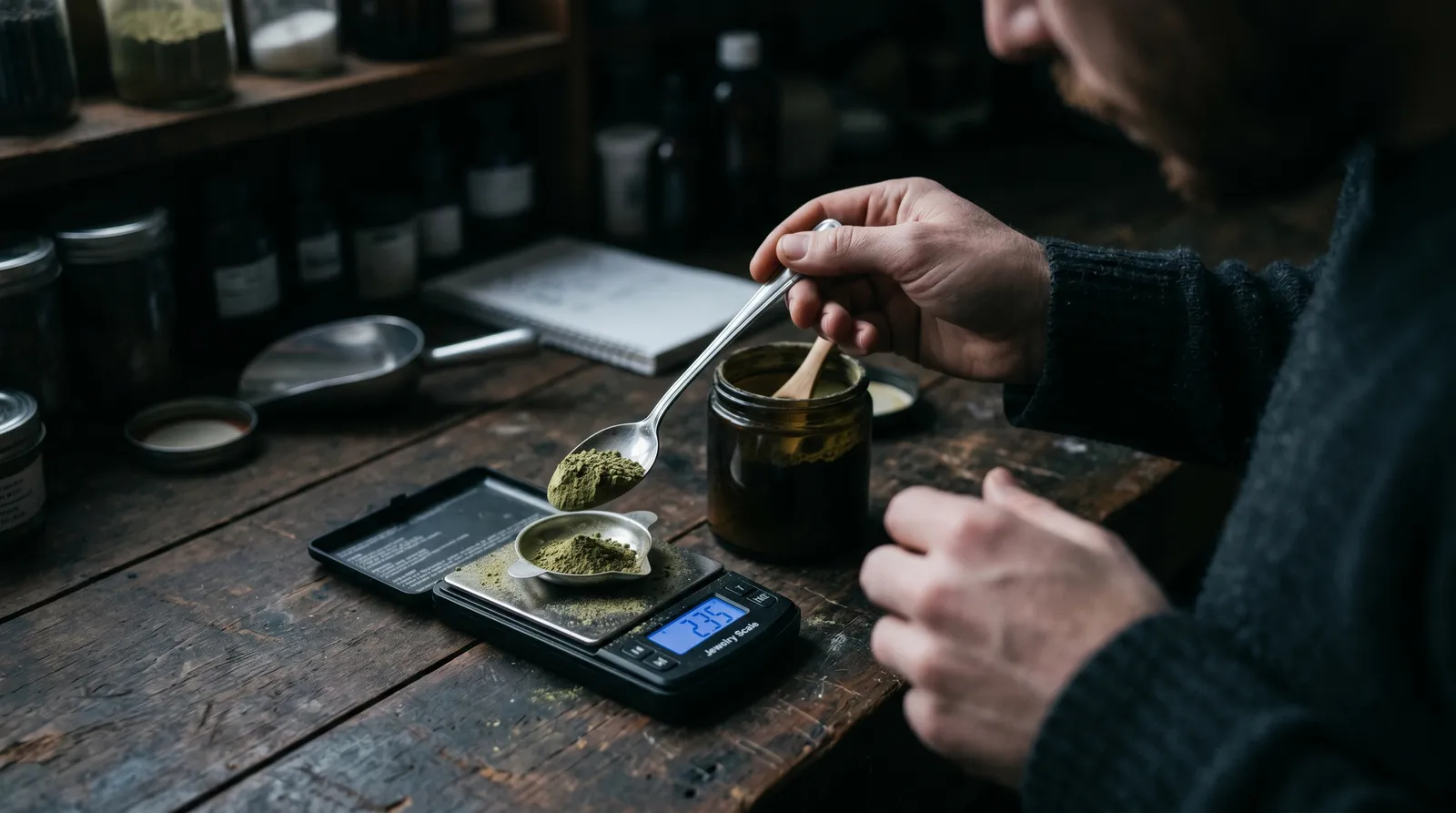
Digital scales that read to 0.1 grams cost under €15 and they remove guesswork entirely. You can get a reliable digital milligram scale from the Azarius accessories range. This is the single most practical harm-reduction step you can take with kratom dosing.
If you're using capsules, check the capsule size. A standard "00" capsule holds approximately 0.5 grams of kratom powder, though this varies with how tightly they're packed. Count capsules rather than estimating. Azarius carries pre-filled kratom capsules for customers who prefer not to measure loose powder.
Step 4: Wait Before Redosing
The full effect of a kratom dose may not be apparent for 45–60 minutes, making patience the most underrated part of any kratom dosage guide. Onset with leaf powder on an empty stomach is typically 15–30 minutes, with effects building over the first hour. Pharmacokinetic data on mitragynine is limited and shows wide individual variance — a small study reported a plasma half-life of roughly 23 hours, but this was based on a very small sample and the figure should be treated cautiously (Trakulsrichai et al., 2015).
Redosing before the 60-minute mark is how people overshoot. If you feel nothing at 45 minutes, wait. If you still feel nothing at 90 minutes, you can consider adding 0.5–1 gram. Do not double the dose.
Step 5: Log What You Take
Keeping a simple dosing log is the fastest way to build a personal kratom dosage guide that actually matches your body. Write down: the product, the weight in grams, the time, whether you'd eaten, and what happened. After three or four sessions you'll have a personal reference that's more useful than any generic guide — including this one.
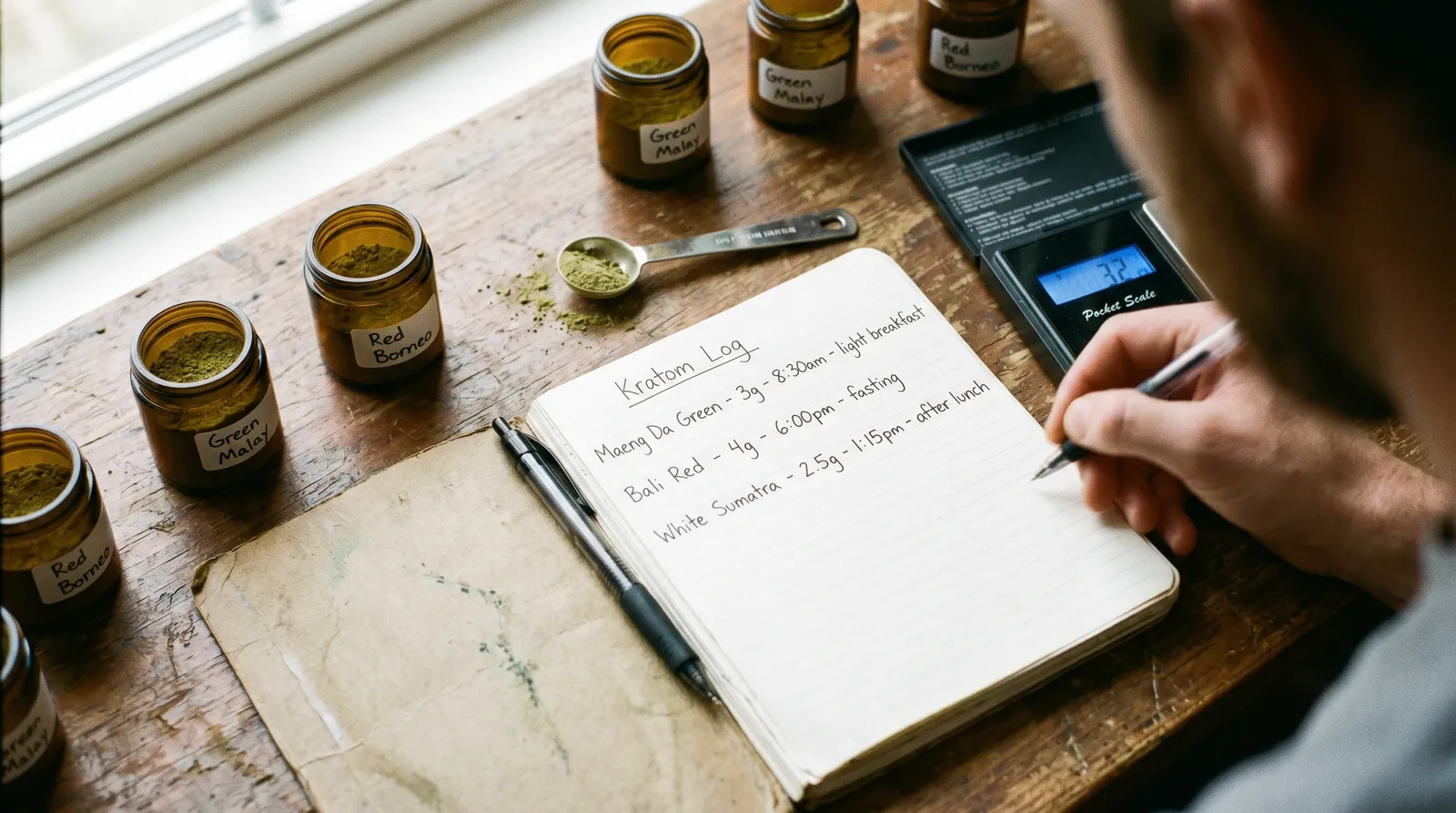
Logging also makes tolerance creep visible. If you notice your effective dose climbing over consecutive days, that's your signal to take a break. More on that below.
Extract Dosing: A Different Category
Kratom extracts are not strong leaf — they are a pharmacologically distinct product category that requires its own section of this kratom dosage guide. They concentrate mitragynine and, critically, 7-hydroxymitragynine, which has roughly 13 times the potency of mitragynine at mu-opioid receptors (Kruegel et al., 2016). A dose that would be moderate in leaf form can become overwhelming in extract form.
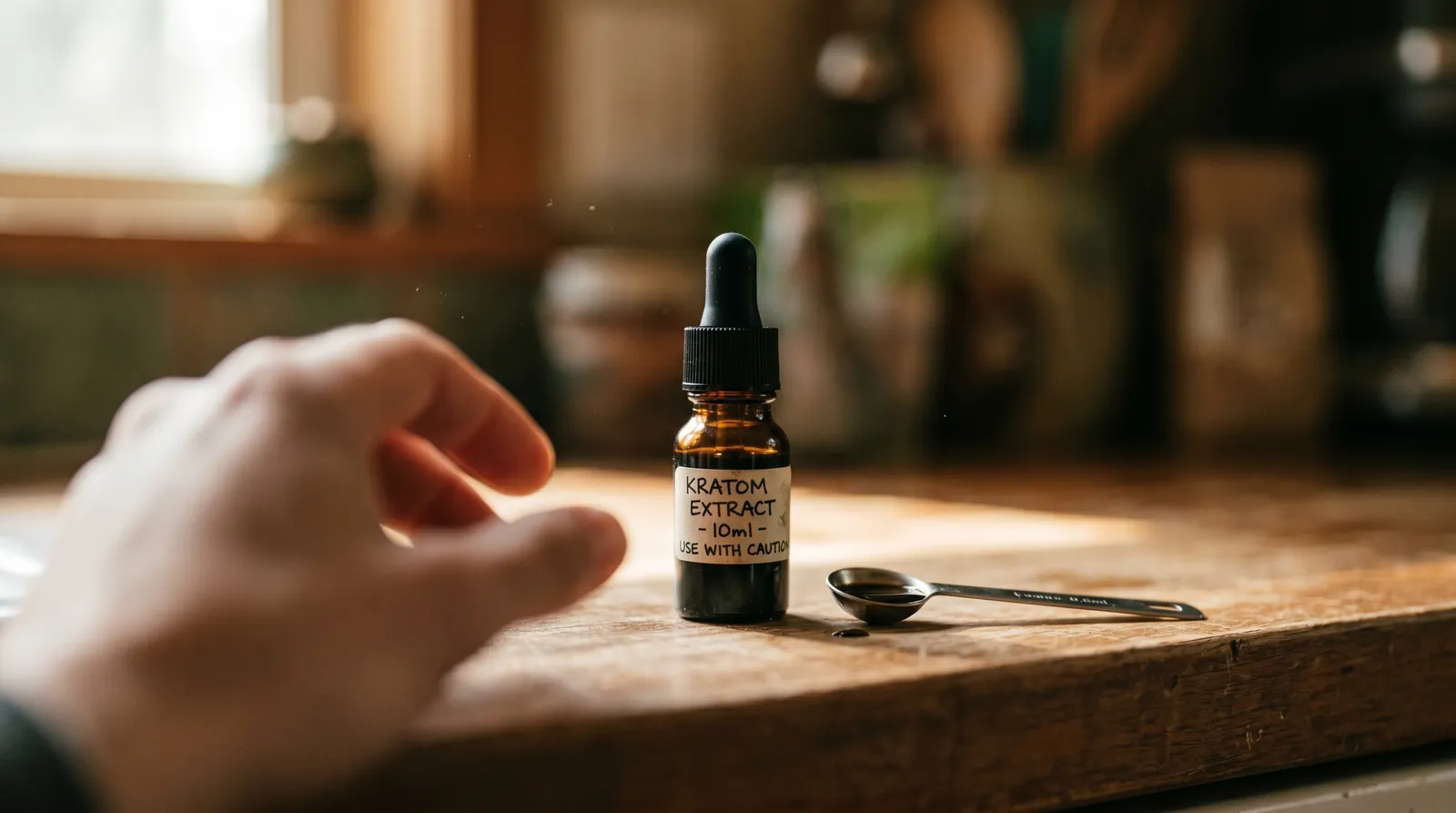
There is no single standardised "extract dose" because extract potency varies enormously between products. A "15x" extract from one supplier is not equivalent to a "15x" from another — the labelling convention is inconsistent across the industry. The only safe approach:
- Read the product's specific dosage information and alkaloid content if available.
- Start at the lowest suggested amount — genuinely the lowest.
- Do not combine extracts with leaf powder on your first attempt.
- Do not combine extracts with any other substance.
If a product doesn't tell you its alkaloid concentration, you're dosing blind. That's not a risk worth taking with a mu-opioid agonist. Reputable vendors list specific serving guidance on each extract product page — use it.
Tolerance and the Daily Dosing Trap
Tolerance to kratom can develop within days of consecutive daily use, making it one of the most important topics in any kratom dosage guide. This is well-documented both in survey data and in the ethnobotanical literature on traditional use in Southeast Asia, where daily labourers who chew fresh leaf often escalate their intake over months and years (Singh et al., 2016). A dose that worked on Monday may feel underwhelming by Friday if you've been dosing every day.
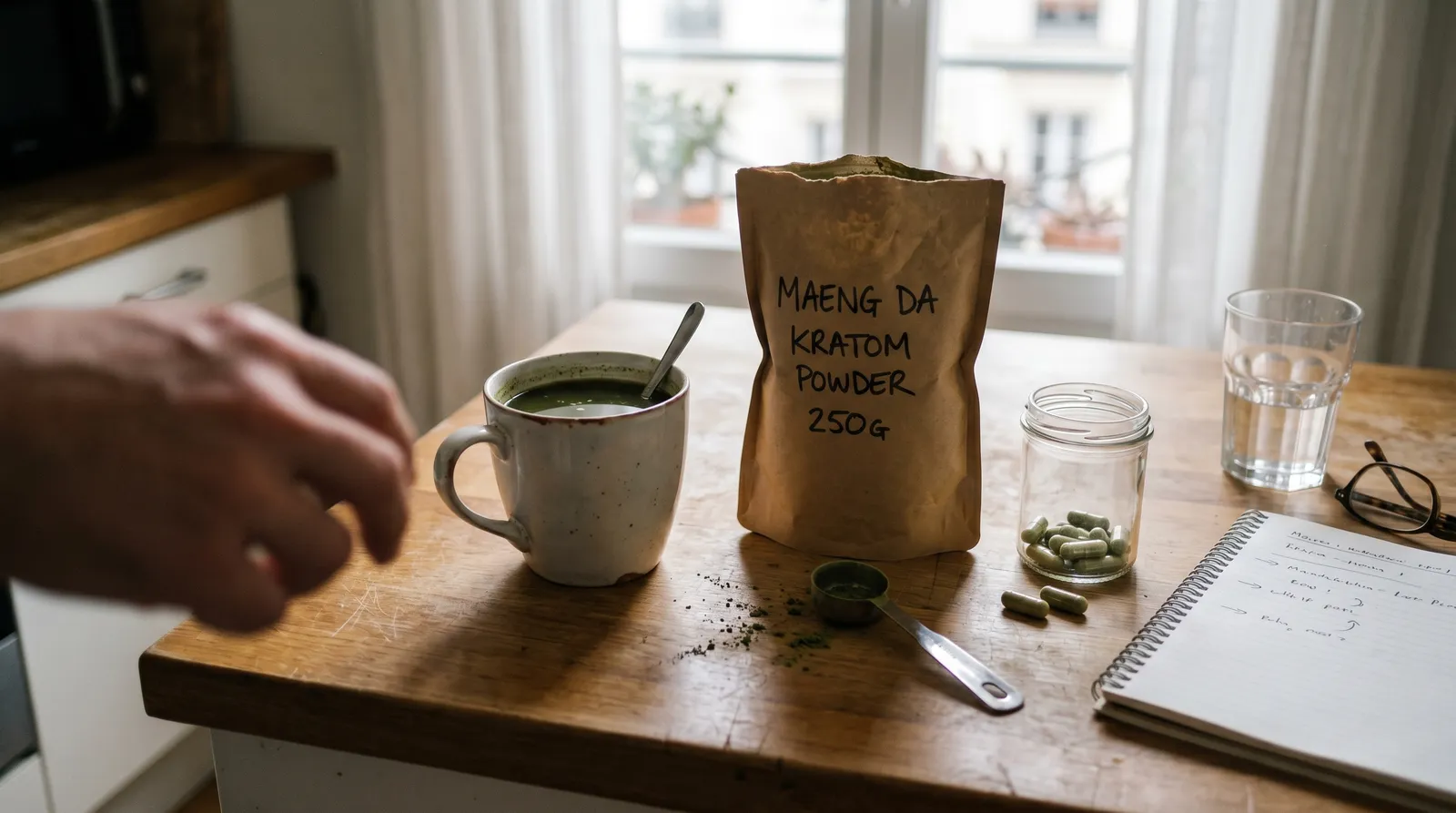
The standard response to tolerance — taking more — is exactly the wrong move. Escalating dose increases the risk of dependence. A recognised withdrawal syndrome exists in daily heavy users, with symptoms including irritability, muscle aches, insomnia, and mood disturbance (Singh et al., 2014). Whether moderate or occasional users develop clinically meaningful dependence is still debated in the literature, but the risk clearly scales with dose and frequency.
Practical guidelines based on the available evidence:
- Avoid consecutive daily dosing if at all possible. Two to three days per week with breaks between is a commonly cited pattern among users who report stable, non-escalating use.
- If you do dose daily, keep sessions short — weeks, not months — and taper rather than stopping abruptly.
- If your dose has crept up, that's information. A tolerance break of 5–7 days will partially reset sensitivity for most people, though complete reset may take longer.
Vein Colours and Dose
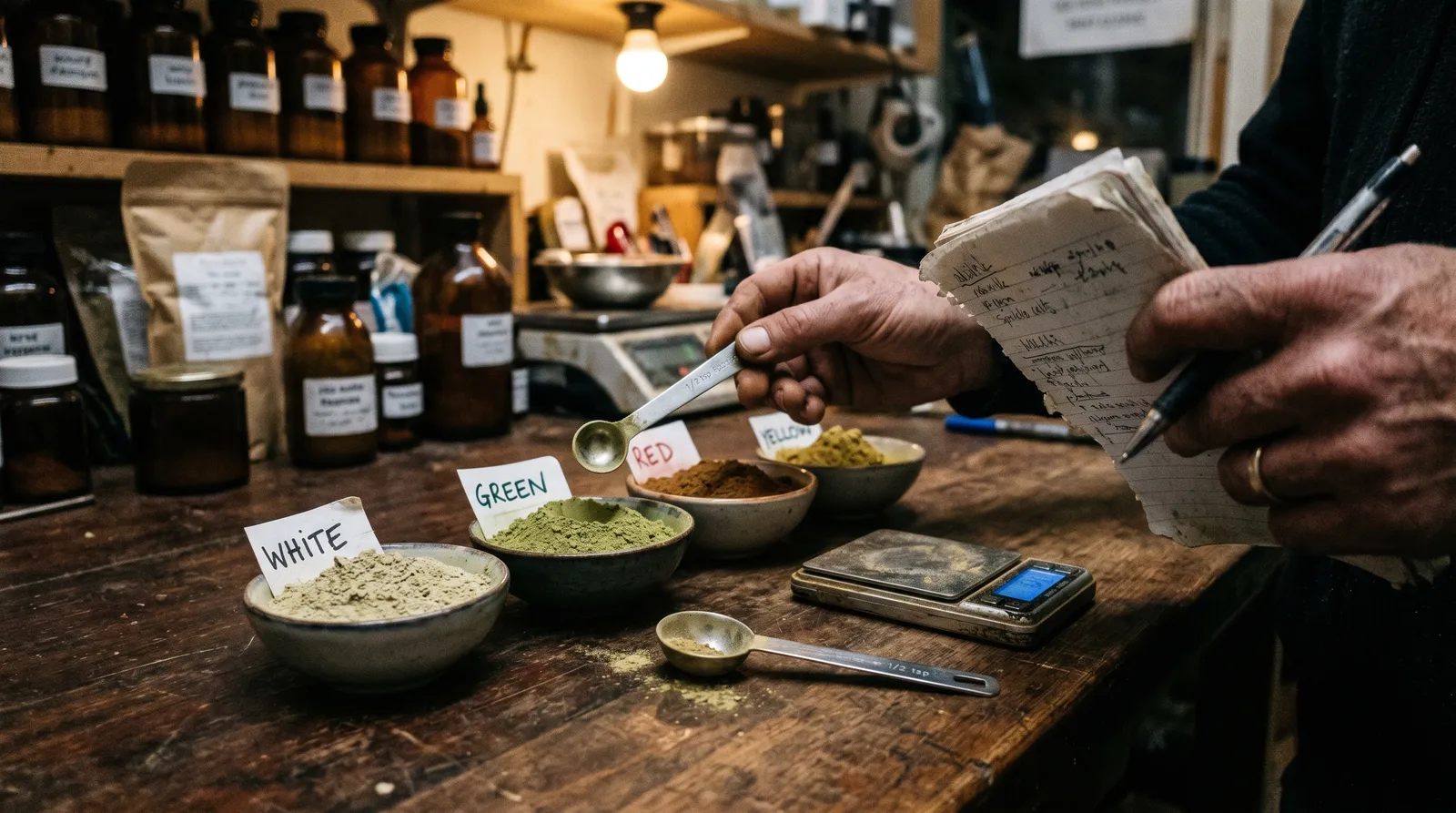
Vein colour does not reliably predict the dose you need — alkaloid profiles overlap substantially across red, green, white, and yellow kratom. Some guides assign different dose ranges to different colours, but the evidence base for vein colour as a pharmacologically meaningful distinction is thin. Post-harvest processing (drying method, duration, sunlight exposure) likely accounts for more variation than the vein colour of the original leaf. Some users describe consistent subjective differences between colours, but controlled studies confirming distinct pharmacological profiles for each vein type don't exist. Dose your kratom by weight and by how you personally respond to a specific product, not by colour category.
How Kratom Dosing Compares to Other Botanicals
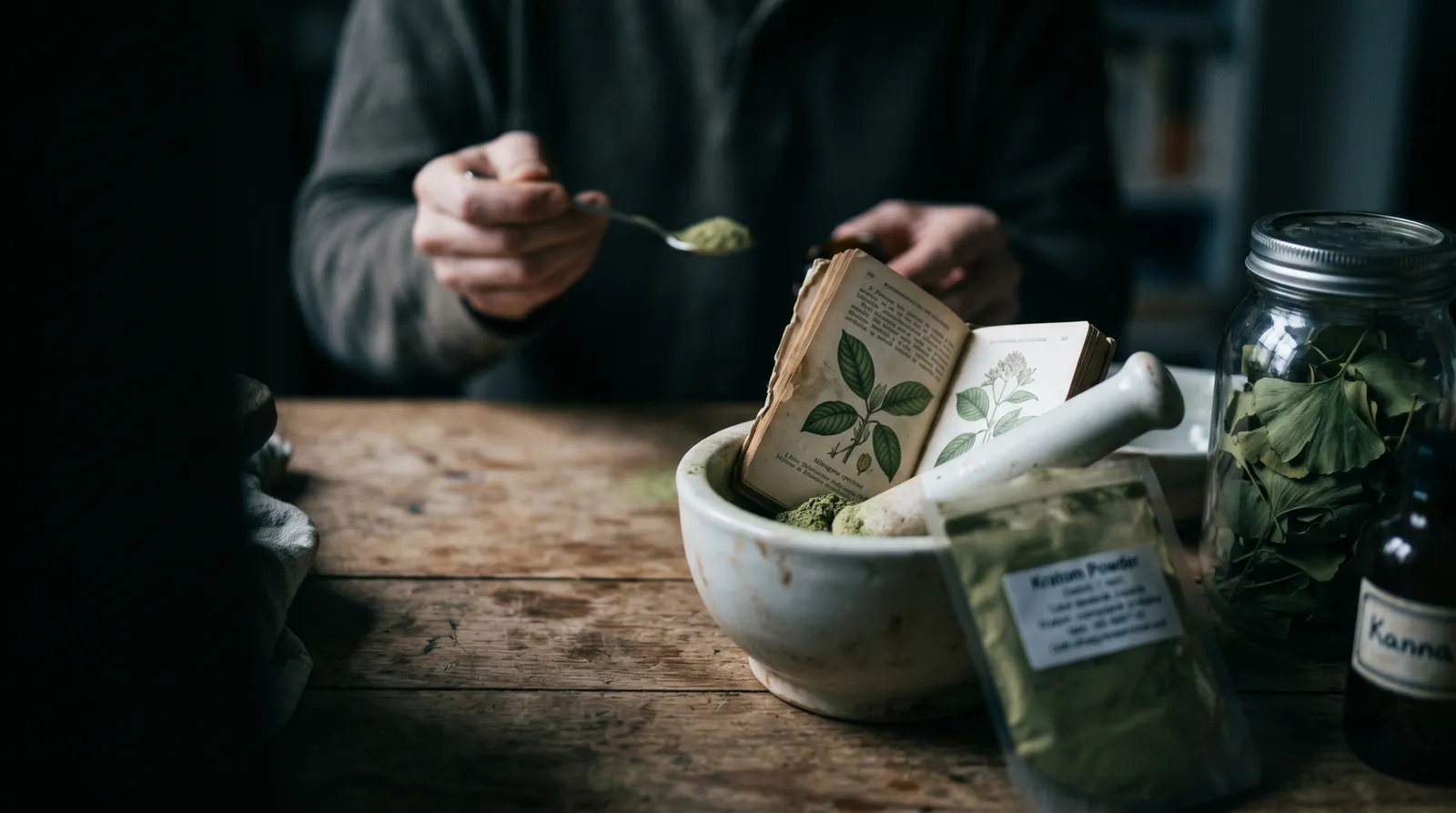
Kratom sits in a unique position among smartshop botanicals because its dose-response curve is biphasic — low doses stimulate, higher doses sedate. Most other herbal products in the Azarius catalogue, such as Blue Lotus or Kanna, have more linear dose-response relationships where more simply means stronger of the same effect. This biphasic quality is why a kratom dosage guide needs to be more precise than dosing guidance for most other herbs. It also means that the "start low, go slow" principle, while universal good advice, is especially critical with kratom. We don't know of another botanical in the smartshop where getting the dose wrong by two grams changes the entire character of the experience rather than just the intensity. If you're exploring other botanicals alongside kratom, the Azarius blog and wiki cover dosing for those products individually.
When to Avoid Kratom Entirely
No dose of kratom is appropriate — and no kratom dosage guide applies — if you:
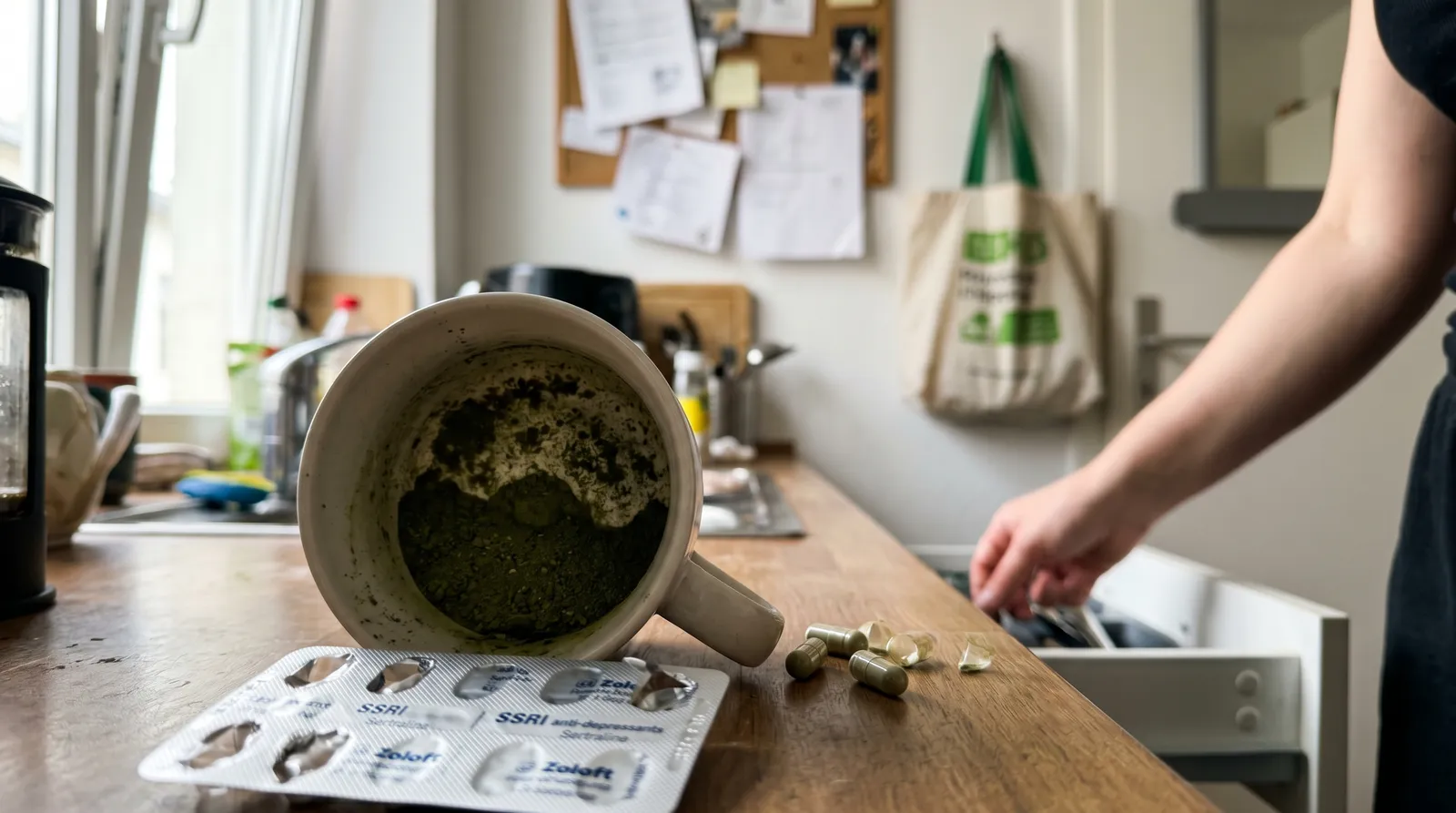
- Are taking MAOIs, other opioids, benzodiazepines, or alcohol
- Are taking CYP3A4 inhibitors (ketoconazole, clarithromycin, grapefruit juice) or CYP2D6 inhibitors (fluoxetine, paroxetine, bupropion)
- Are pregnant or breastfeeding
- Have pre-existing liver disease or are taking hepatotoxic medication — case reports of kratom-associated hepatotoxicity exist, though the mechanism and population-level incidence remain under investigation (Kapp et al., 2011)
- Have a personal or family history of substance use disorder
For a full breakdown of drug interactions and contraindications, see the dedicated Kratom Drug Interactions article on the Azarius wiki.
Common Mistakes
The most frequent kratom dosing mistake is eyeballing the dose instead of weighing it — and it's the easiest one to fix. Here are the errors we see most often:
- Eyeballing doses. Buy a scale. Seriously.
- Redosing too early. Wait at least 60 minutes. Ideally 90.
- Treating extracts like strong leaf. They're a different product category with a different risk profile.
- Daily dosing "just for a bit." Tolerance and dependence don't announce themselves. They creep.
- Chasing a specific vein-colour effect. Batch variation within a single colour likely exceeds variation between colours. Respond to what you actually feel, not what a colour chart told you to expect.
- Mixing with other substances. Kratom's CYP enzyme inhibition means interactions are real and sometimes dangerous. Check the Kratom Drug Interactions article on the Azarius wiki first.
Related Azarius Products
Azarius carries a range of kratom leaf powders and capsules in various vein colours and regional varieties — browse the kratom category to see all available options with specific weight and serving information. For accurate dosing, a digital milligram scale is worthwhile. Wiki guides are also available for related botanicals like Kanna and Blue Lotus.
Last updated: April 2026
Frequently Asked Questions
10 questionsHow much kratom leaf powder should a first-time user take?
Can I use the same dose for kratom extract as for leaf powder?
How long should I wait before taking a second dose of kratom?
Does kratom vein colour affect how much I should take?
How quickly does kratom tolerance develop?
What is the most common dosing mistake with kratom?
Should I take kratom on an empty stomach or after eating?
Does body weight affect how much kratom I should take?
Should I take kratom on an empty stomach or with food?
Does body weight change how much kratom I should use?
About this article


Adam Parsons is an external cannabis and psychedelics writer and editor who contributes to Azarius's wiki as both author and reviewer. On the writing side, he authors Azarius's kratom and kanna clusters, drawing on exten
This wiki article was drafted with AI assistance and reviewed by Adam Parsons, External contributor. Editorial oversight by Joshua Askew.
Medical disclaimer. This content is for informational purposes only and does not constitute medical advice. Consult a qualified healthcare provider before use of any substance.
Last reviewed April 24, 2026
References (10)
- [1]Grundmann, O. (2017). Patterns of kratom use and health impact in the US — results from an online survey. Drug and Alcohol Dependence , 176, 63–70. DOI: 10.1016/j.drugalcdep.2017.03.007
- [2]Hanapi, N.A., Ismail, S., & Mansor, S.M. (2013). Inhibitory effect of mitragynine on human cytochrome P450 enzyme activities. Pharmacognosy Research , 5(4), 241–246.
- [3]Kapp, F.G., Maurer, H.H., Auwärter, V., Winkelmann, M., & Hermanns-Clausen, M. (2011). Intrahepatic cholestasis following abuse of powdered kratom (Mitragyna speciosa). Journal of Medical Toxicology , 7(3), 227–231. DOI: 10.1007/s13181-011-0155-5
- [4]Kruegel, A.C., & Bharat, G. (2016). Synthetic and receptor signaling explorations of the Mitragyna alkaloids. Journal of the American Chemical Society , 138(21), 6754–6764. DOI: 10.1021/jacs.6b00360
- [5]Kruegel, A.C., Grundmann, O. (2018). The medicinal chemistry and neuropharmacology of kratom: a preliminary discussion of a promising medicinal plant. ACS Chemical Neuroscience , 9(9), 2116–2130. DOI: 10.1016/j.neuropharm.2017.08.026
- [6]Singh, D., Müller, C.P., & Vicknasingam, B.K. (2014). Kratom (Mitragyna speciosa) dependence, withdrawal symptoms and craving in regular users. Drug and Alcohol Dependence , 139, 132–137. DOI: 10.1016/j.drugalcdep.2014.03.017
- [7]Singh, D., Narayanan, S., & Vicknasingam, B. (2016). Traditional and non-traditional uses of Mitragynine (kratom): a survey of the literature. Brain Research Bulletin , 126, 41–46. DOI: 10.1016/j.brainresbull.2016.05.004
- [8]Swogger, M.T., Smith, K.E., Garcia-Romeu, A., Grundmann, O., Veltri, C.A., & Henningfield, J.E. (2022). Understanding kratom use: a guide for healthcare providers. Frontiers in Pharmacology , 13, 801479. DOI: 10.3389/fphar.2022.801855
- [9]Trakulsrichai, S., Sathirakul, K., Auparakkitanon, S., Krongvorakul, J., Sueajai, J., Noumjad, N., Sukasem, C., & Wananukul, W. (2015). Pharmacokinetics of mitragynine in man. Drug Design, Development and Therapy , 9, 2421–2429.
- [10]Veltri, C., & Grundmann, O. (2019). Current perspectives on the impact of kratom use. Substance Abuse and Rehabilitation , 10, 23–31. DOI: 10.2147/sar.s164261
Related Articles
Blue Lotus vs Kanna: Effects & Safety
Blue lotus vs kanna compared — Nymphaea caerulea's aporphine profile against Sceletium tortuosum's mesembrine chemistry, with interaction warnings.
Lotus Clinical Research Overview
What does lotus clinical research actually show? A critical review of Nymphaea caerulea and Nelumbo nucifera pharmacology, preclinical data, and…
Kanna South Africa To West History
Sceletium tortuosum was used by San and Khoekhoe communities in southern Africa for centuries before European colonists first documented it in the 1660s.
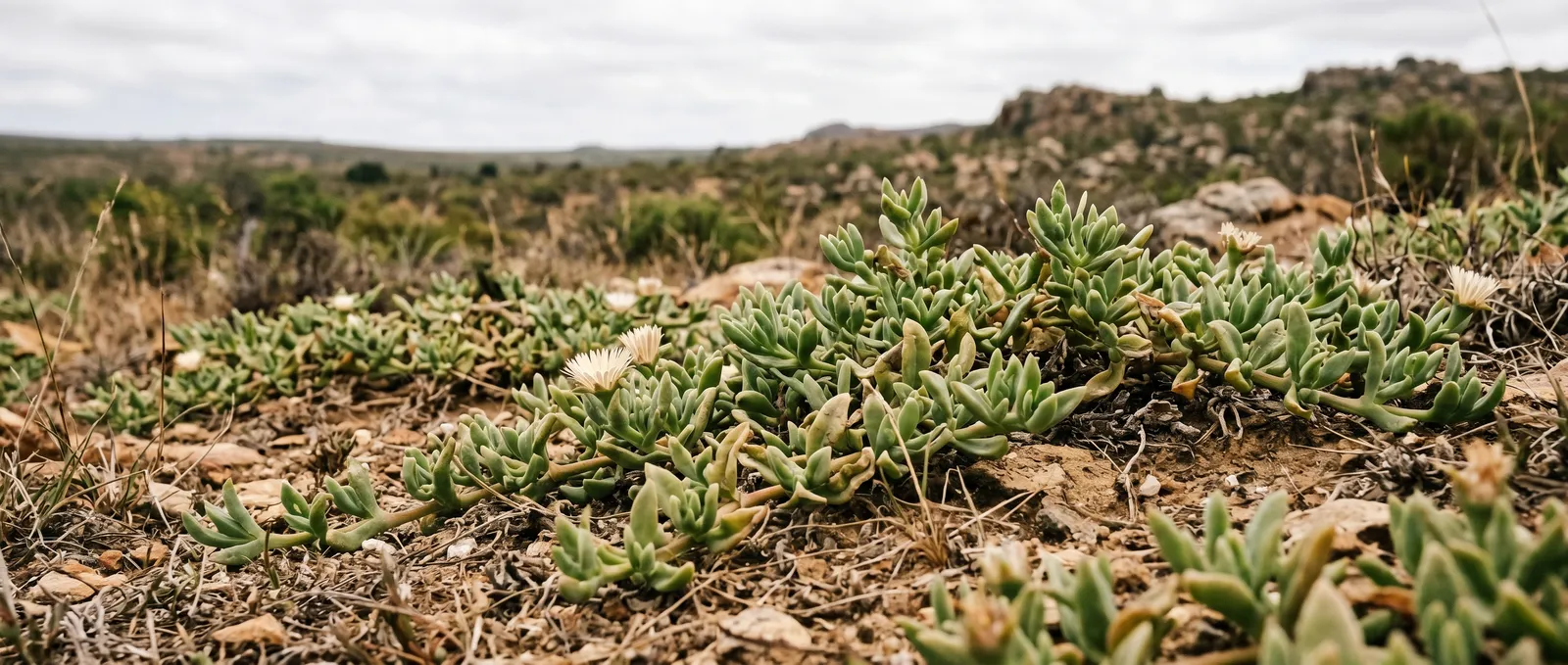
Sceletium Tortuosum Plant
Learn about the sceletium tortuosum plant: botany, alkaloids, fermentation, safety warnings, and where to buy kanna.
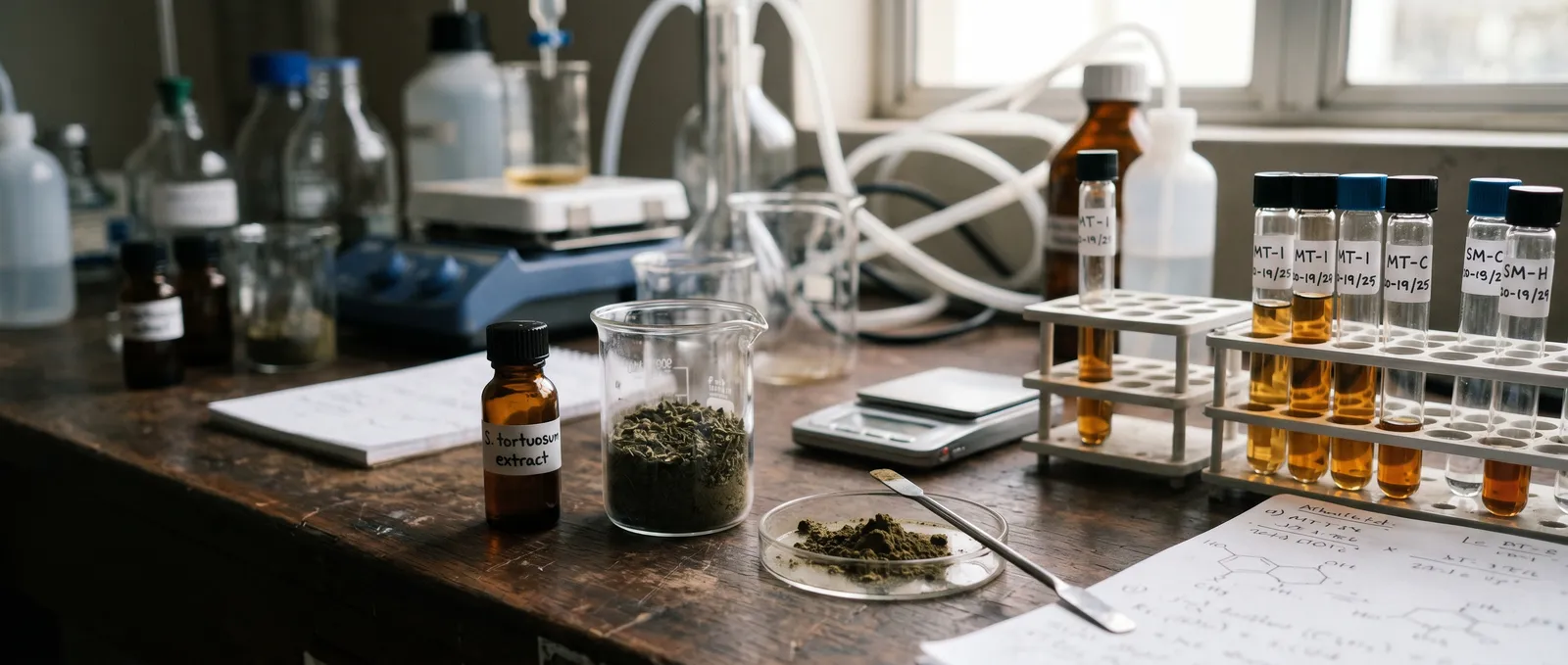
Kanna Pharmacokinetics Explained
Complete guide to kanna pharmacokinetics: how Sceletium tortuosum alkaloids are absorbed, metabolised via CYP2D6, and eliminated.
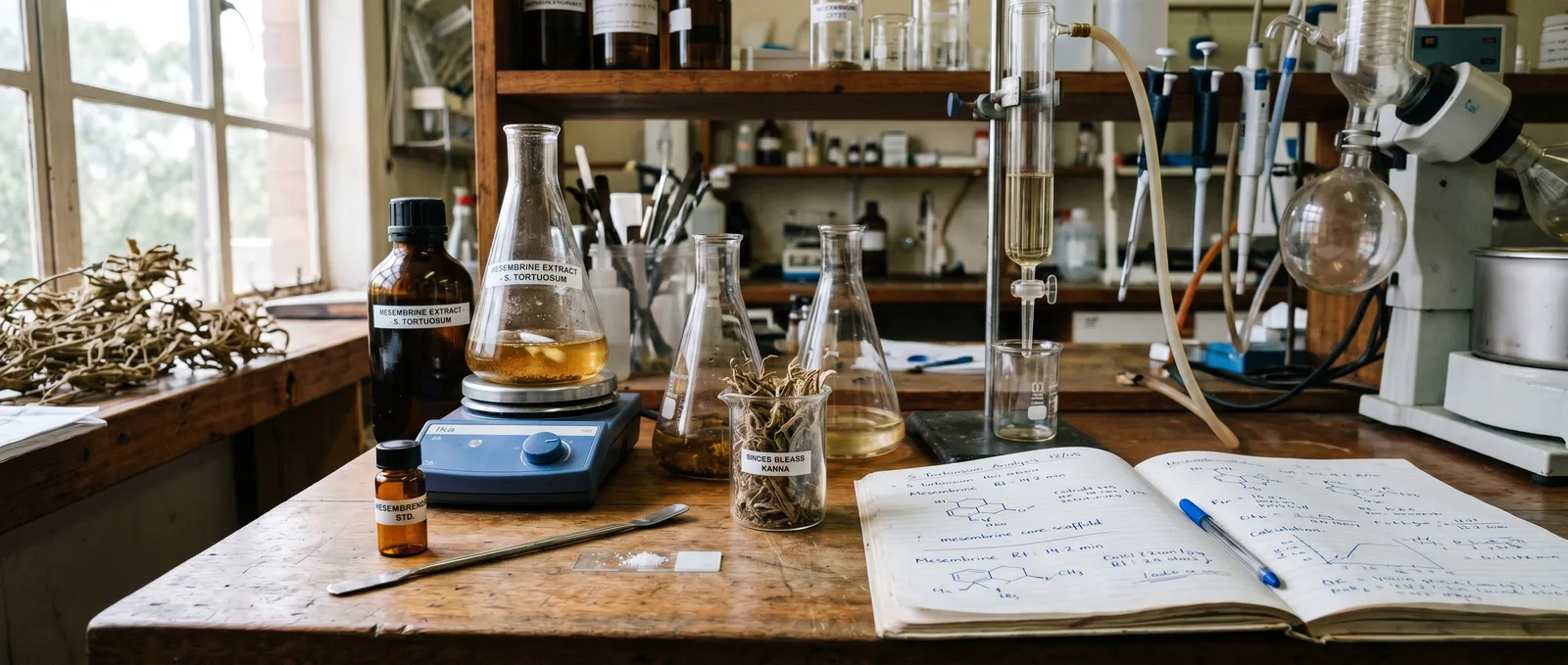
Kanna Chemistry: Sceletium Alkaloids Explained
Kanna chemistry explained: mesembrine, mesembrenone, their mechanisms, how fermentation and extraction change alkaloid profiles, and why it matters…

Rapé Shamanic Snuff Guide: How to Use It Safely
A practical rapé shamanic snuff guide covering dose, kuripe technique, effects, nicotine safety, interactions and Amazonian tradition.
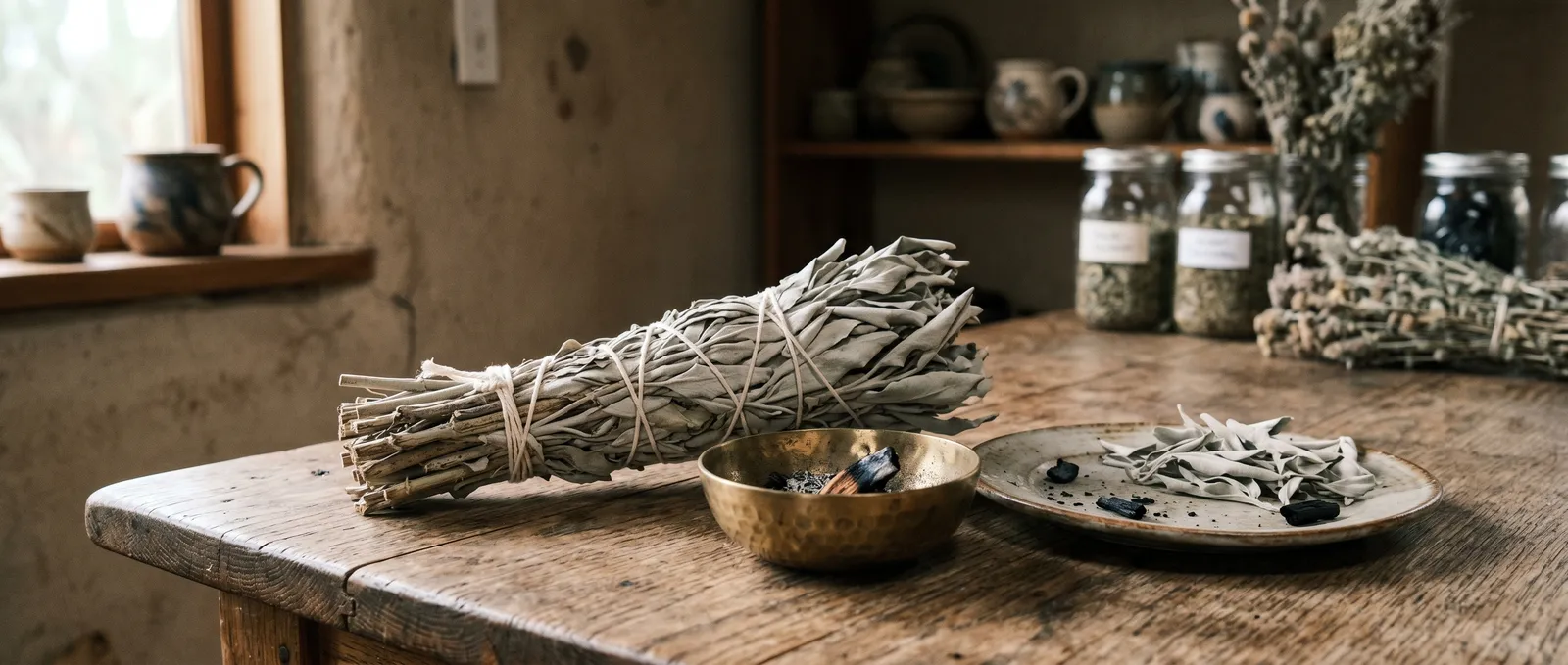
White Sage Salvia Apiana Cultural Smudging Guide
Salvia apiana is a non-psychoactive shrub native to southern California's coastal sage scrub, burned as ceremonial incense in Indigenous North American…

Mulungu Erythrina Traditional Amazonian Use — Bark, Alkaloids & Research
Erythrina mulungu is a Brazilian legume tree whose bark has been brewed as a calming decoction in rural folk medicine for generations.