
This article discusses psychoactive substances intended for adults (18+). If you have a health condition or take medication, consult a doctor before use. Our age policy
What Is Kanna?
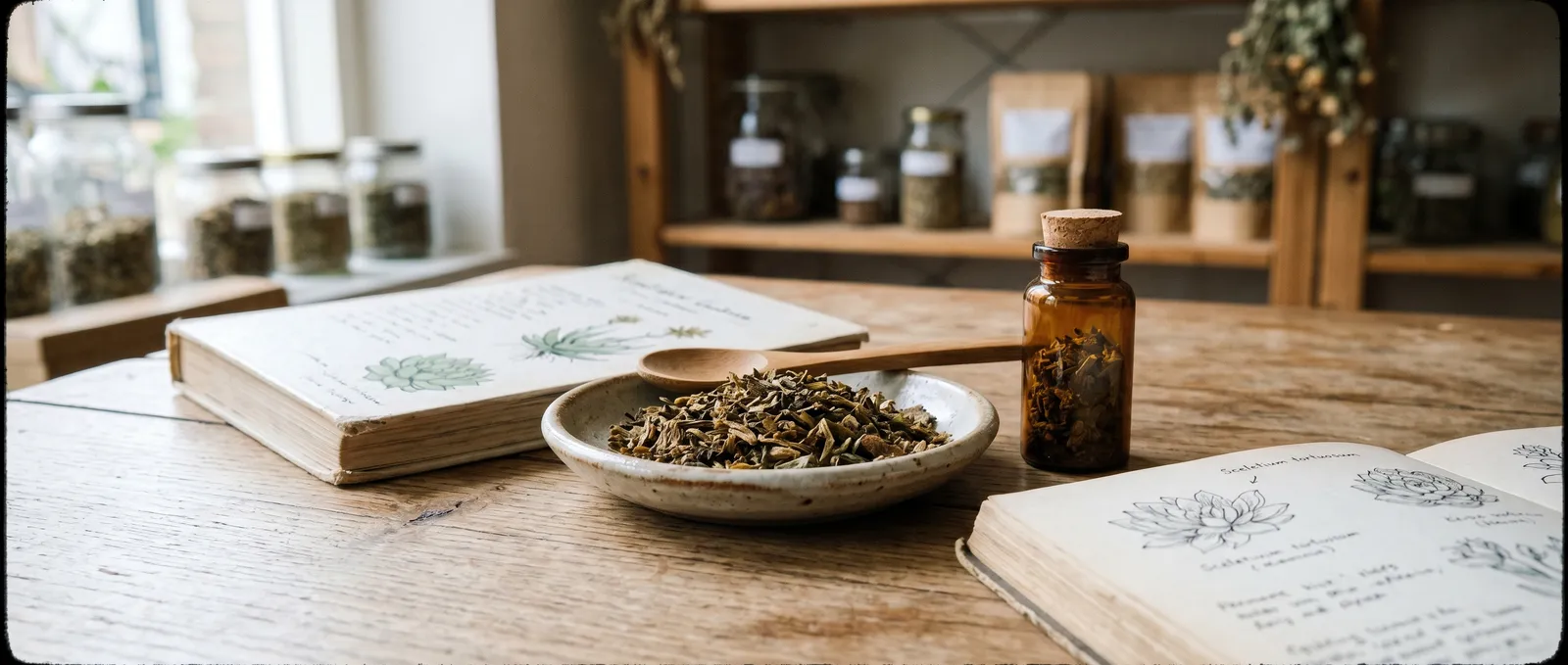
Definition
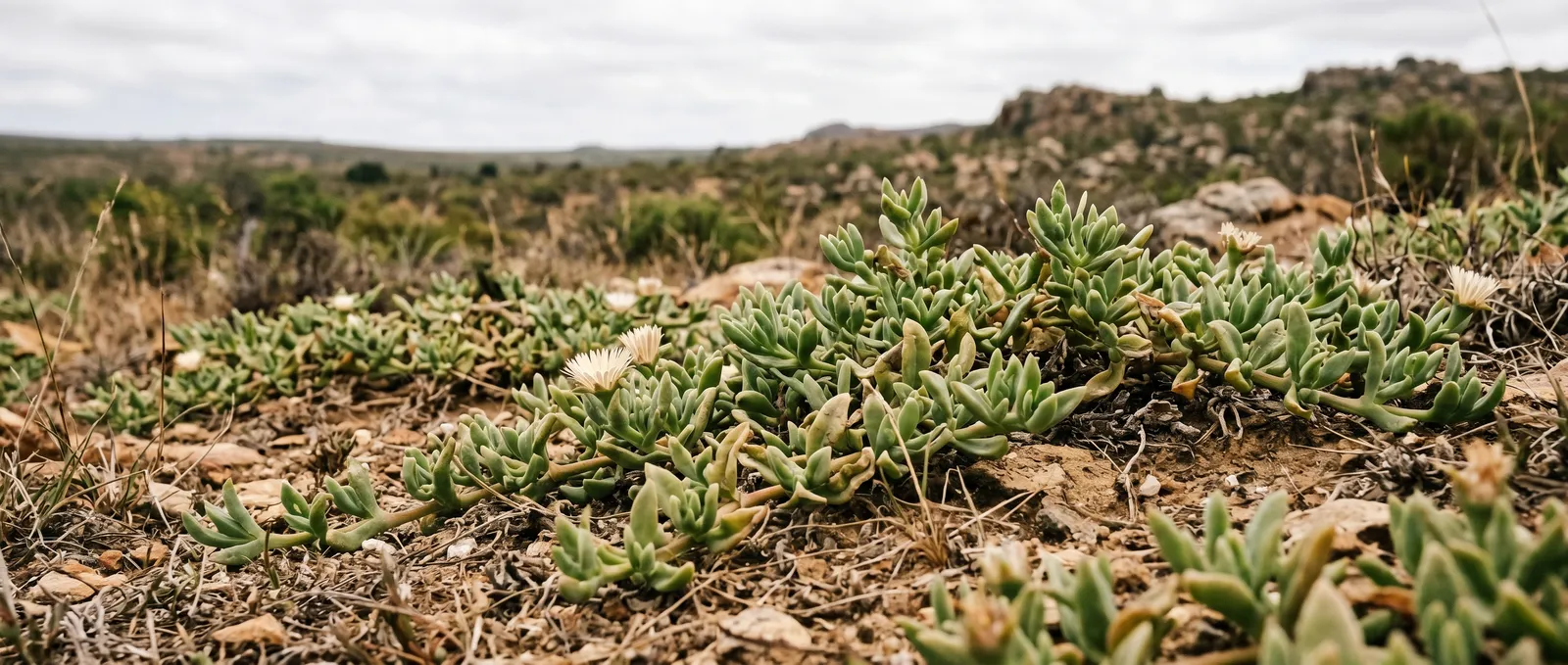
Kanna is a succulent plant (Sceletium tortuosum) native to South Africa whose principal alkaloid, mesembrine, inhibits serotonin reuptake at nanomolar concentrations in vitro (Harvey et al., 2011). Used for centuries by the Khoisan peoples as fermented kougoed, it is now available as dried herb and concentrated extracts with meaningfully different potency and safety profiles.
Kanna (Sceletium tortuosum) is a succulent plant native to South Africa whose alkaloids — primarily mesembrine — interact with serotonin transporters and phosphodiesterase-4 (PDE4) enzymes in the brain. The Khoisan peoples of southern Africa have used fermented kanna (called kougoed) for centuries as a mood-altering preparation, chewing it or making it into teas and snuffs. Today it appears as dried plant material, fermented herb, and concentrated extracts, each with meaningfully different potency profiles. Because kanna has serotonergic activity, it carries a genuine interaction risk with antidepressants and other serotonin-active substances — a point this article returns to repeatedly, and deliberately.
Adult audience (18+). The dosing ranges and effects described in this article apply to adult physiology. This content is not intended for minors.
Key Facts
- Botanical name: Sceletium tortuosum, family Aizoaceae (ice-plant family). Other names include channa, kougoed, and the San name ntai-xop.
- Principal alkaloids: Mesembrine, mesembrenone, and mesembrenol. Tortuosamine and related pyridine alkaloids are present in minor amounts with largely uncharacterised pharmacology. Mesembrine is the most pharmacologically active of the three principal Sceletium alkaloids (Smith et al., 1996).
- Proposed mechanisms: Serotonin reuptake inhibition (SRI) and PDE4 inhibition — the relative contribution of each in living humans remains unsettled (Harvey et al., 2011).
- Ethnobotanical record: Dutch colonial accounts from the late 17th century describe Khoisan peoples chewing fermented Sceletium root and leaf material (Smith et al., 1996).
- Clinical research: A small number of clinical trials have been conducted, all using a specific standardised extract — not general plant material. Results showed effects on amygdala reactivity and self-reported anxiety in healthy volunteers (Terburg et al., 2013).
- Forms: Dried plant material (fermented or unfermented), powdered extracts at various concentrations (commonly 10:1 to 100:1), capsules, and tinctures.
- Critical safety note: Kanna must not be combined with SSRIs, SNRIs, MAOIs, tricyclic antidepressants, or other serotonergic substances due to the risk of serotonin syndrome.
Commercial Disclosure
Azarius sells kanna products and has a commercial interest in this topic. Our editorial process includes independent pharmacological review to mitigate commercial bias.
Contraindications — Read Before Anything Else
Kanna has serotonergic activity. That single fact drives the most serious safety concern around this plant: combining it with other substances that raise serotonin levels can risk serotonin syndrome — a rare but potentially life-threatening condition characterised by agitation, hyperthermia, rapid heart rate, muscle rigidity, and in severe cases, seizures.
Do not use kanna if you are taking:
- SSRIs (e.g. fluoxetine, sertraline, citalopram, paroxetine)
- SNRIs (e.g. venlafaxine, duloxetine)
- MAOIs (e.g. phenelzine, tranylcypromine, moclobemide)
- Tricyclic antidepressants (e.g. amitriptyline, nortriptyline)
- 5-HTP or St John's Wort (Hypericum perforatum)
- MDMA, classical psychedelics (psilocybin, LSD, DMT), or other serotonergic recreational substances
If you have recently stopped an SSRI, be aware that pharmacologically active metabolites can persist in the body for weeks — fluoxetine's active metabolite norfluoxetine has a half-life of 4–16 days (Hiemke & Härtter, 2000). A two-week gap after discontinuation is not necessarily enough.
Kanna should also be avoided during pregnancy and breastfeeding (no safety data exists), and by anyone with a personal history of serotonin syndrome. Anyone currently being treated for a mental health condition should speak with their prescribing clinician before using kanna.
The serotonergic interaction risk applies with greater weight to concentrated extracts than to raw plant material, because extracts contain higher concentrations of mesembrine per milligram.
History and Origin
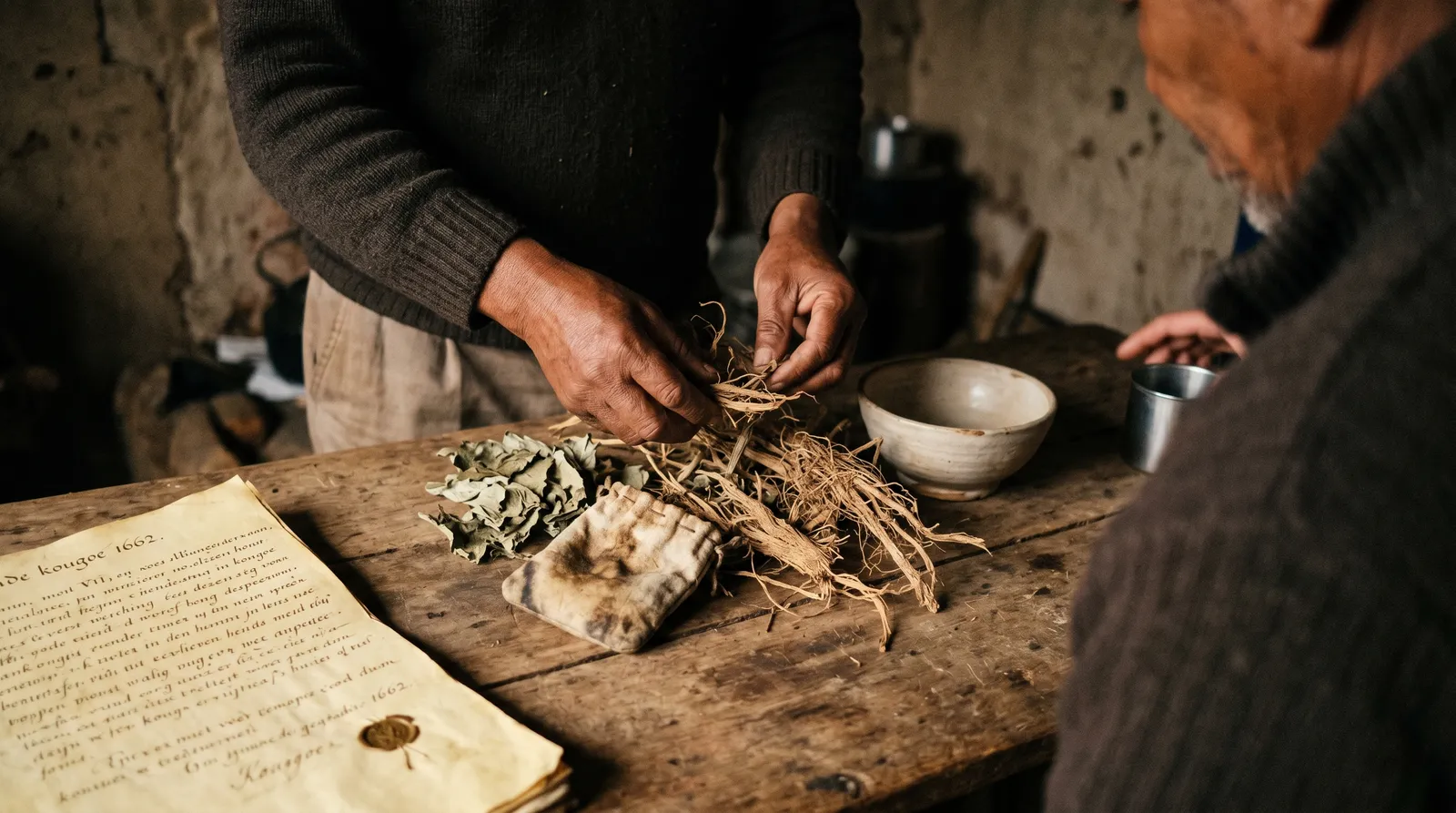
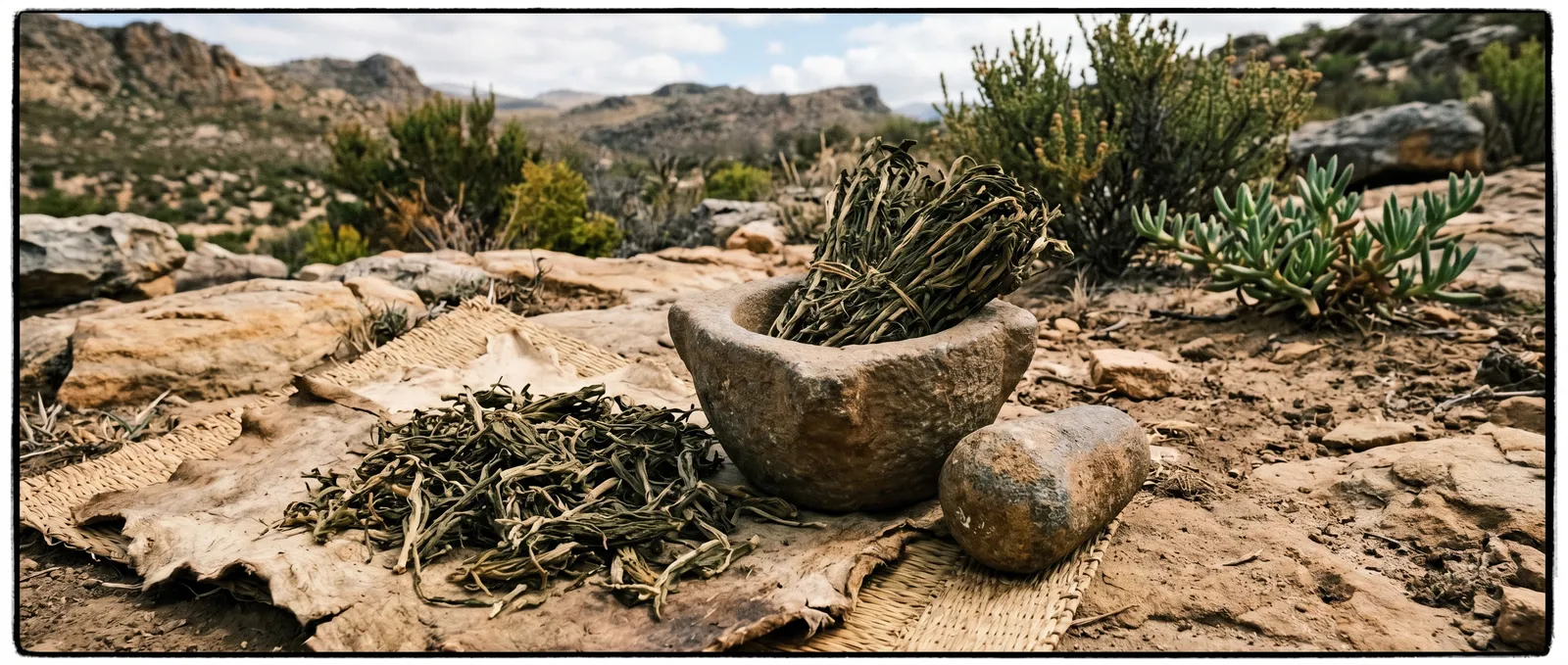
The earliest European written record of kanna appears in accounts by the Dutch East India Company (VOC) from 1662, describing the Khoisan peoples chewing roots and leaves of a plant they called kougoed — literally "something to chew" (Smith et al., 1996). The botanical identification of this plant as Sceletium tortuosum came much later, confirmed in the 20th century. The Khoisan preparation method — bruising the aerial parts of the plant and fermenting them in animal-skin bags for several days — is significant, because fermentation alters the alkaloid profile. It reduces oxalate content and shifts the ratio of mesembrine to mesembrenone, producing a preparation with different properties to the raw, unfermented plant.
Western scientific interest picked up in the 1990s and 2000s, driven largely by South African researchers who identified and characterised the principal alkaloids. The development of a specific standardised extract led to the first small clinical trials in the 2010s, which attracted broader attention to the plant.
Chemistry and Active Compounds
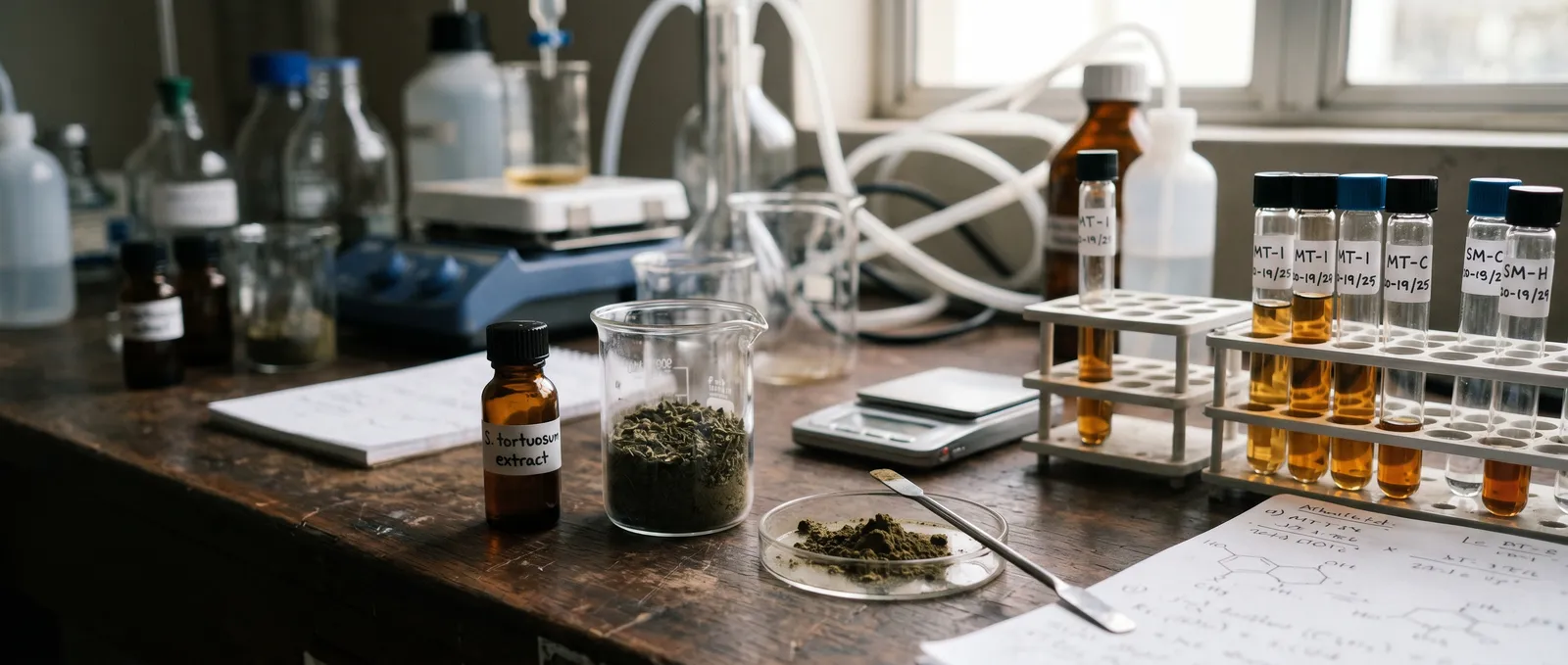
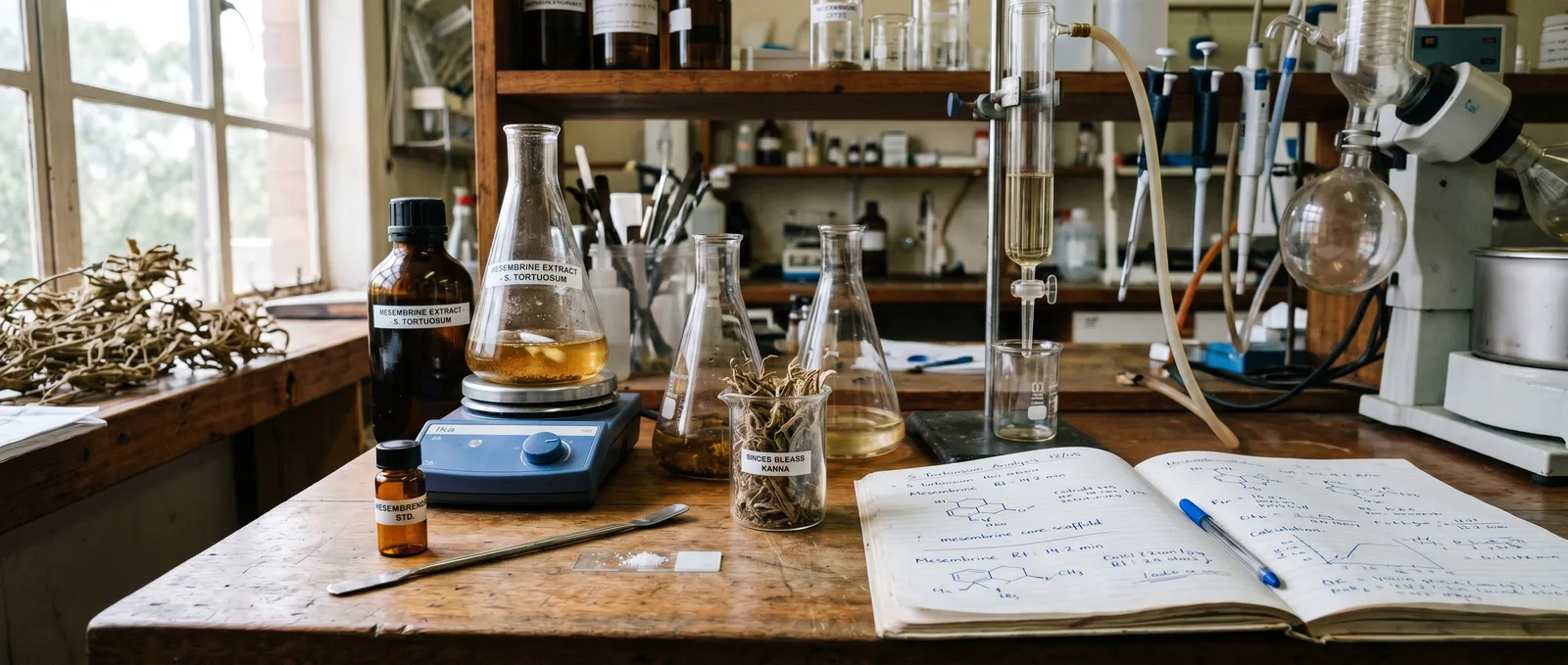
Sceletium tortuosum contains a family of mesembrine-type alkaloids. According to Gericke and Viljoen (2008), at least four are pharmacologically relevant:
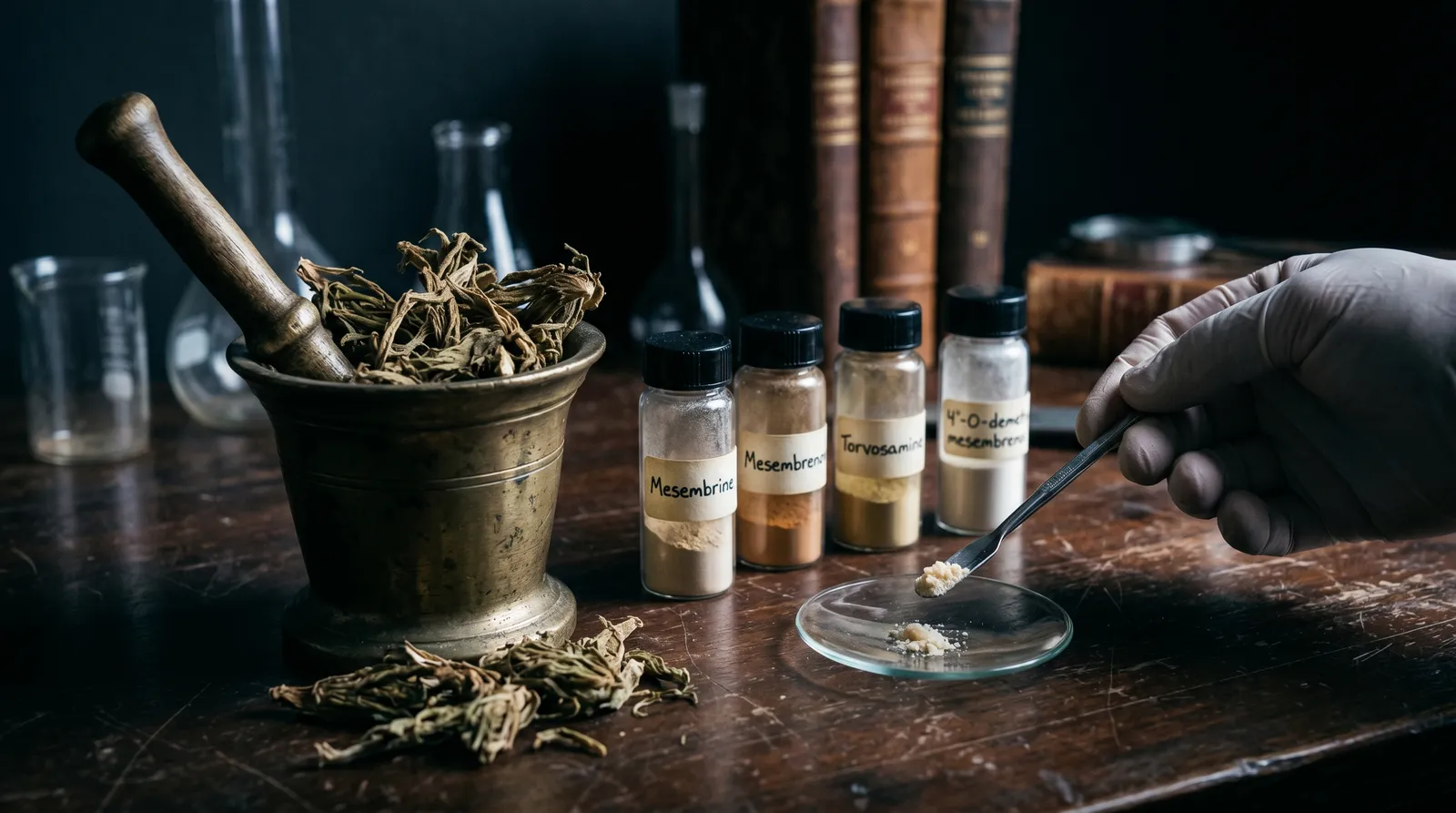
| Alkaloid | Proposed Primary Activity | Relative Abundance | Notes |
|---|---|---|---|
| Mesembrine | Serotonin reuptake inhibition | Major (dominant in most extracts) | Ki value at SERT reported ~1.4 nM in vitro (Harvey et al., 2011) |
| Mesembrenone | Serotonin reuptake inhibition; PDE4 inhibition | Moderate | May contribute more to PDE4 pathway; ratio shifts with fermentation |
| Mesembrenol | Weak SRI activity | Minor | Less studied than mesembrine |
| Tortuosamine | Not well characterised | Minor | Limited pharmacological data available |
The in-vitro affinity of mesembrine for the serotonin transporter (SERT) is well established. What remains genuinely uncertain is how much of kanna's subjective effect in humans comes from serotonin reuptake inhibition versus PDE4 inhibition — or from some combination of both, possibly varying by alkaloid ratio and therefore by preparation method (Harvey et al., 2011). PDE4 inhibition is the mechanism behind some pharmaceutical anti-inflammatory and cognitive-enhancing drugs (e.g. roflumilast), which is why some researchers have proposed cognitive effects for kanna, but this remains firmly in the "contested" category for whole-plant or non-standardised extract use.
Alkaloid concentrations in raw plant material vary considerably depending on the plant's growing conditions, harvest timing, and whether the material has been fermented. Extracts standardise this to some degree, but the ratio of mesembrine to mesembrenone can still differ between manufacturers and batches.
Effects Overview
Users report a range of effects from kanna, most commonly described as a mild mood lift, reduced social anxiety, and a sense of calm alertness. Some users describe increased sociability and a slight sharpening of sensory perception. At higher doses, some users report sedation rather than stimulation — the dose-response curve does not appear to be linear, and the direction of effects may depend on the alkaloid profile of the specific preparation used.
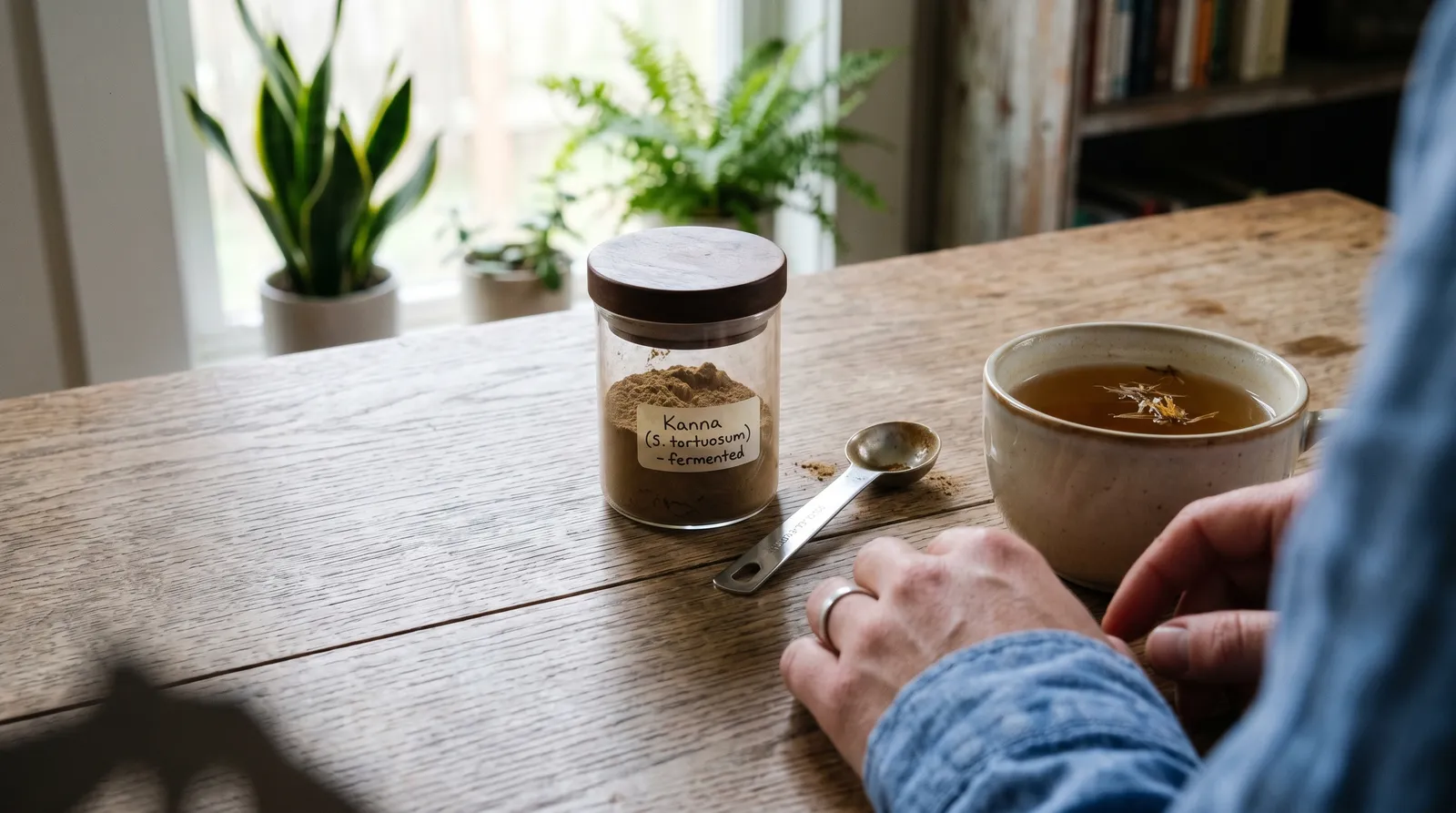
Clinical trials on a specific standardised extract reported reduced amygdala reactivity to threat-related stimuli in healthy volunteers at a single 25 mg dose (Terburg et al., 2013). A separate trial on the same standardised extract observed improvements in self-reported anxiety and cognitive flexibility measures (Chiu et al., 2014). These results apply to that specific preparation and dose — not to kanna plant material generally, and not to non-standardised extracts.
Onset, peak, and duration vary substantially by route of administration and form:
| Route | Form | Reported Onset | Reported Peak | Reported Duration |
|---|---|---|---|---|
| Oral (swallowed) | Plant material / capsule | 30–90 minutes | 1–2 hours | 3–5 hours |
| Sublingual | Extract powder held under tongue | 10–30 minutes | 30–60 minutes | 2–4 hours |
| Insufflated | Finely ground extract | 2–10 minutes | 15–30 minutes | 1–2 hours |
| Vaporised | Extract or plant material | 1–5 minutes | 10–20 minutes | 30–90 minutes |
These timings are drawn from user reports and limited observational data — not from controlled pharmacokinetic studies, which are largely absent from the published literature. Individual variation is wide.
Dosage Guide
The single most critical distinction in kanna dosing is between plant material (dried herb, fermented or unfermented) and concentrated extracts. Extracts concentrate the alkaloids — a 10:1 extract contains roughly ten times the alkaloid load per gram compared to raw plant material. Treating these as interchangeable is a genuine safety error.

The following ranges are compiled from user-report literature and the limited published data. They are not recommendations.
Dried Plant Material (Oral)
| Level | Dose Range | Notes |
|---|---|---|
| Threshold | 50–100 mg | Minimal perceptible effect for most users |
| Light | 100–200 mg | Subtle mood shift reported |
| Common | 200–500 mg | Range most frequently cited in user reports |
| Strong | 500 mg–1 g | Sedation more likely at this range |
| Heavy | Above 1 g | Not represented in published clinical studies; increased side-effect risk |
Concentrated Extract (Oral) — e.g. 10:1 to 50:1
| Level | Dose Range | Notes |
|---|---|---|
| Threshold | 5–10 mg | Depends heavily on extract ratio |
| Light | 10–25 mg | Clinical trials on a specific standardised extract used 25 mg (Terburg et al., 2013) |
| Common | 25–50 mg | Most frequently reported range for extracts |
| Strong | 50–100 mg | Serotonergic interaction risk increases with dose |
| Heavy | Above 100 mg | Well beyond studied ranges; not represented in published research |
Sublingual and insufflated routes produce faster onset and may require lower doses to achieve comparable subjective effects. Doses above the "common" range for extracts have not been included in published clinical studies, and long-term safety data for daily use at any dose is absent from the literature.
Preparation Methods
Traditional chewing (kougoed): The Khoisan method involves chewing fermented plant material and holding it in the mouth, allowing sublingual absorption. The material is typically chewed for 15–30 minutes and then spat out or swallowed. Fermented kougoed has a different alkaloid profile to unfermented material — the fermentation process is not just a cultural preference but a pharmacologically meaningful step.
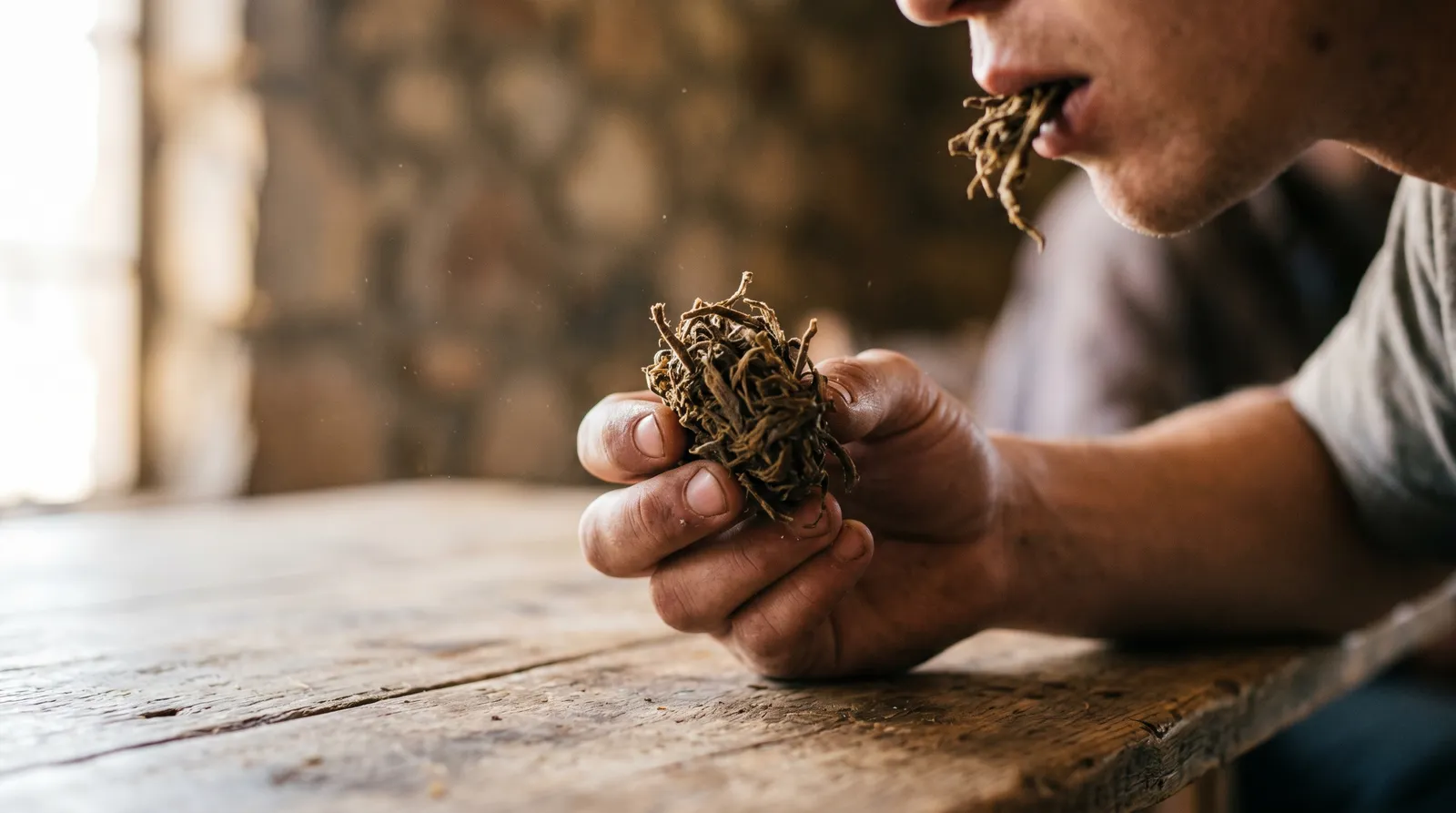
Tea: Dried plant material can be steeped in hot (not boiling) water for 10–15 minutes. Reported doses for tea range from 200 mg to 1 g of plant material. Boiling water may degrade some alkaloids, though published data on thermal stability of mesembrine is limited.
Sublingual (extract): A measured dose of powdered extract is placed under the tongue and held for 10–15 minutes before swallowing. This bypasses first-pass liver metabolism and produces faster onset than swallowing a capsule.
Insufflation (extract): Some users insufflate finely ground extract powder. This produces the fastest onset but is the harshest on mucous membranes. The dose required is typically lower than oral dosing. This route is not represented in any published clinical research.
Vaporisation: Both plant material and extracts can be vaporised. Onset is very rapid but duration is short. Temperature control matters — too high and you combust rather than vaporise, altering the chemical profile of what you inhale. Published data on optimal vaporisation temperatures for mesembrine does not exist.
Safety and Drug Interactions
The most pressing safety issue with kanna is its serotonergic activity and the resulting interaction risk with other serotonin-active substances. This is not a theoretical concern — the in-vitro binding affinity of mesembrine for the serotonin transporter is in the low-nanomolar range (Harvey et al., 2011), which is pharmacologically significant.

Serotonin Syndrome Risk
Serotonin syndrome occurs when serotonin levels in the central nervous system become dangerously elevated. Symptoms range from mild (shivering, diarrhoea, agitation) to severe (hyperthermia, muscle rigidity, seizures, organ failure). It is a medical emergency. The risk arises from combining two or more serotonergic substances — and kanna, by virtue of its SRI activity, counts as one.
Anyone currently taking antidepressants should not use kanna. This includes people who have recently discontinued an SSRI, as active metabolites can persist for weeks. If symptoms consistent with serotonin syndrome develop after using kanna — particularly in combination with any other substance — seek emergency medical attention immediately and tell medical staff exactly what was taken.
Drug Interaction Table
| Substance Class | Examples | Risk Level | Mechanism |
|---|---|---|---|
| SSRIs | Fluoxetine, sertraline, citalopram | Severe | Additive serotonin reuptake inhibition — serotonin syndrome risk |
| SNRIs | Venlafaxine, duloxetine | Severe | Additive serotonergic activity |
| MAOIs | Phenelzine, tranylcypromine, moclobemide | Severe | Reduced serotonin metabolism + increased synaptic serotonin |
| Tricyclic antidepressants | Amitriptyline, nortriptyline | Severe | Serotonergic and noradrenergic overlap |
| MDMA | — | Severe | Massive serotonin release + reuptake inhibition = high serotonin syndrome risk |
| 5-HTP | — | High | Increased serotonin precursor availability + reuptake inhibition |
| St John's Wort | Hypericum perforatum | High | Mild SRI + possible MAO inhibition — additive serotonergic load |
| Classical psychedelics | Psilocybin, LSD, DMT | Moderate to High | 5-HT2A agonism + SRI — unpredictable serotonergic interaction |
| Alcohol | — | Moderate | Additive CNS effects; no published interaction data specific to kanna |
| Cannabis | — | Low to Moderate | Different primary mechanism; some users report amplified sedation |
Side Effects
At commonly reported doses, side effects described by users are generally mild: headache, nausea (particularly on an empty stomach), occasional dizziness, and transient appetite suppression. Some users report insomnia if kanna is taken late in the day. At higher doses, nausea becomes more common and some users describe a "wired but tired" feeling that is unpleasant rather than useful.
Long-term safety data for chronic daily kanna use does not exist in the published literature. The absence of reported serious adverse events in the small clinical trials conducted so far is not the same as evidence of long-term safety — the sample sizes were small, the durations short, and the preparation used was a specific standardised extract that may not reflect what most people actually consume.
Product Quality Considerations
Kanna products vary enormously in alkaloid content. A "50:1 extract" from one supplier is not necessarily equivalent to a "50:1 extract" from another — extraction ratios describe the weight reduction from raw material, not the final mesembrine concentration. Without third-party alkaloid analysis, the actual potency of a given product is uncertain. This matters directly for safety, because dosing errors are more consequential with concentrated extracts.
Emergency Information
If you or someone near you shows signs of serotonin syndrome — agitation, rapid heartbeat, high temperature, muscle twitching or rigidity, dilated pupils, heavy sweating — call emergency services immediately.

- EU emergency number: 112
- UK: 999 or 111 (NHS non-emergency)
- Netherlands Poisons Information Centre: +31 30 274 8888
Tell medical staff exactly what was taken, how much, when, and whether any other substances (including prescription medications) were involved. Do not withhold information — medical professionals need it to treat effectively, and they are not there to judge.
Related Azarius Products
If you are looking to explore kanna, the plant material and extracts in our Sceletium range include both traditional fermented preparations and standardised extracts at various concentrations.
Last updated: April 2026
Legal Status by Country
12 countries · Last updated Apr 19, 2026
| Country | Status | Notes | Verified |
|---|---|---|---|
| GB | Restricted | Psychoactive Substances Act 2016 prohibits supply; possession is not criminalised. | Apr 19, 2026 |
| CZ | Legal | Not scheduled. | Apr 19, 2026 |
| DE | Legal | Not scheduled under BtMG. | Apr 19, 2026 |
| DK | Legal | Not scheduled. | Apr 19, 2026 |
| ES | Legal | Not scheduled. | Apr 19, 2026 |
| FI | Legal | Not scheduled. | Apr 19, 2026 |
| FR | Legal | Not scheduled. | Apr 19, 2026 |
| IT | Legal | Not scheduled. | Apr 19, 2026 |
| NL | Legal | Unscheduled; sold in smartshops as plant material and extracts. | Apr 19, 2026 |
| PL | Legal | Not scheduled. | Apr 19, 2026 |
| PT | Legal | Not scheduled. | Apr 19, 2026 |
| SE | Legal | Not scheduled. | Apr 19, 2026 |
Legal disclaimer: This information is provided for educational purposes only and may not reflect the most current legal status. Laws change frequently. Always verify the legal status in your jurisdiction before purchasing or possessing any substance. Azarius does not ship products to countries where they are illegal.
Frequently Asked Questions
10 questionsCan you take kanna with SSRIs?
What is the difference between kanna extract and kanna plant material?
How does kanna compare to St John's Wort?
Does kanna show up on a drug test?
What does fermented kanna (kougoed) taste like?
Is kanna addictive?
How long does kanna take to kick in?
What are the main alkaloids in kanna and what do they do?
Can you build a tolerance to kanna?
What is the traditional way the San and Khoikhoi people used kanna?
About this article


Adam Parsons is an external cannabis and psychedelics writer and editor who contributes to Azarius's wiki as both author and reviewer. On the writing side, he authors Azarius's kratom and kanna clusters, drawing on exten
This wiki article was drafted with AI assistance and reviewed by Adam Parsons, External contributor. Editorial oversight by Joshua Askew.
Medical disclaimer. This content is for informational purposes only and does not constitute medical advice. Consult a qualified healthcare provider before use of any substance.
Last reviewed April 18, 2026
References (9)
- [1]Smith, M.T., Crouch, N.R., Gericke, N., and Hirst, M. (1996). Psychoactive constituents of the genus Sceletium N.E.Br. and other Mesembryanthemaceae: a review. Journal of Ethnopharmacology , 50(3), pp.119–130. DOI: 10.1016/0378-8741(95)01342-3
- [2]Gericke, N. and Viljoen, A.M. (2008). Sceletium — a review update. Journal of Ethnopharmacology , 119(3), pp.653–663. DOI: 10.1016/j.jep.2008.07.043
- [3]Harvey, A.L., Young, P., Anderton, M.A., and Gericke, N. (2011). Natural products as a screening resource. Current Topics in Medicinal Chemistry , 11(11), pp.1495–1503.
- [4]Terburg, D., Syal, S., Rosenberger, L.A., Heany, S., Phillips, N., Gericke, N., Stein, D.J., and van Honk, J. (2013). Acute effects of Sceletium tortuosum (Zembrin), a dual 5-HT reuptake and PDE4 inhibitor, in the human amygdala and its connection to the hypothalamus. Neuropsychopharmacology , 38(13), pp.2708–2716. DOI: 10.1038/npp.2013.183
- [5]Chiu, S., Gericke, N., Engelbrecht, I., Bhana, R., and Bhana, D. (2014). HealingHerbs clinical study: Randomised, double-blind, placebo-controlled trial of a standardised Sceletium tortuosum extract. Presented at the South African Neuroscience Society meeting.
- [6]Hiemke, C. and Härtter, S. (2000). Pharmacokinetics of selective serotonin reuptake inhibitors. Pharmacology and Therapeutics , 85(1), pp.11–28. DOI: 10.1016/s0163-7258(99)00048-0
- [7]Nell, H., Siebert, M., Chellan, P., and Gericke, N. (2013). A randomized, double-blind, parallel-group, placebo-controlled trial of extract Sceletium tortuosum (Zembrin) in healthy adults. Journal of Alternative and Complementary Medicine , 19(11), pp.898–904. DOI: 10.1089/acm.2012.0185
- [8]Loria, M.J., Ali, Z., Abe, N., Sufka, K.J., and Khan, I.A. (2014). Effects of Sceletium tortuosum in rats. Journal of Ethnopharmacology , 155(1), pp.731–735. DOI: 10.1016/j.jep.2014.06.007
- [9]Bennett, A.C. and Smith, C. (2018). Immunomodulatory effects of Sceletium tortuosum ( Kanna ) in human subjects. Journal of Ethnopharmacology , 214, pp.108–116.
Related Articles
Blue Lotus vs Kanna: Effects & Safety
Blue lotus vs kanna compared — Nymphaea caerulea's aporphine profile against Sceletium tortuosum's mesembrine chemistry, with interaction warnings.
Lotus Clinical Research Overview
What does lotus clinical research actually show? A critical review of Nymphaea caerulea and Nelumbo nucifera pharmacology, preclinical data, and…
Kanna South Africa To West History
Sceletium tortuosum was used by San and Khoekhoe communities in southern Africa for centuries before European colonists first documented it in the 1660s.
Sceletium Tortuosum Plant
Learn about the sceletium tortuosum plant: botany, alkaloids, fermentation, safety warnings, and where to buy kanna.
Kanna Pharmacokinetics Explained
Complete guide to kanna pharmacokinetics: how Sceletium tortuosum alkaloids are absorbed, metabolised via CYP2D6, and eliminated.
Kanna Chemistry: Sceletium Alkaloids Explained
Kanna chemistry explained: mesembrine, mesembrenone, their mechanisms, how fermentation and extraction change alkaloid profiles, and why it matters…

Rapé Shamanic Snuff Guide: How to Use It Safely
A practical rapé shamanic snuff guide covering dose, kuripe technique, effects, nicotine safety, interactions and Amazonian tradition.

White Sage Salvia Apiana Cultural Smudging Guide
Salvia apiana is a non-psychoactive shrub native to southern California's coastal sage scrub, burned as ceremonial incense in Indigenous North American…
Mulungu Erythrina Traditional Amazonian Use — Bark, Alkaloids & Research
Erythrina mulungu is a Brazilian legume tree whose bark has been brewed as a calming decoction in rural folk medicine for generations.