
This article discusses psychoactive substances intended for adults (18+). If you have a health condition or take medication, consult a doctor before use. Our age policy
Kanna Safety and Side Effects
Definition
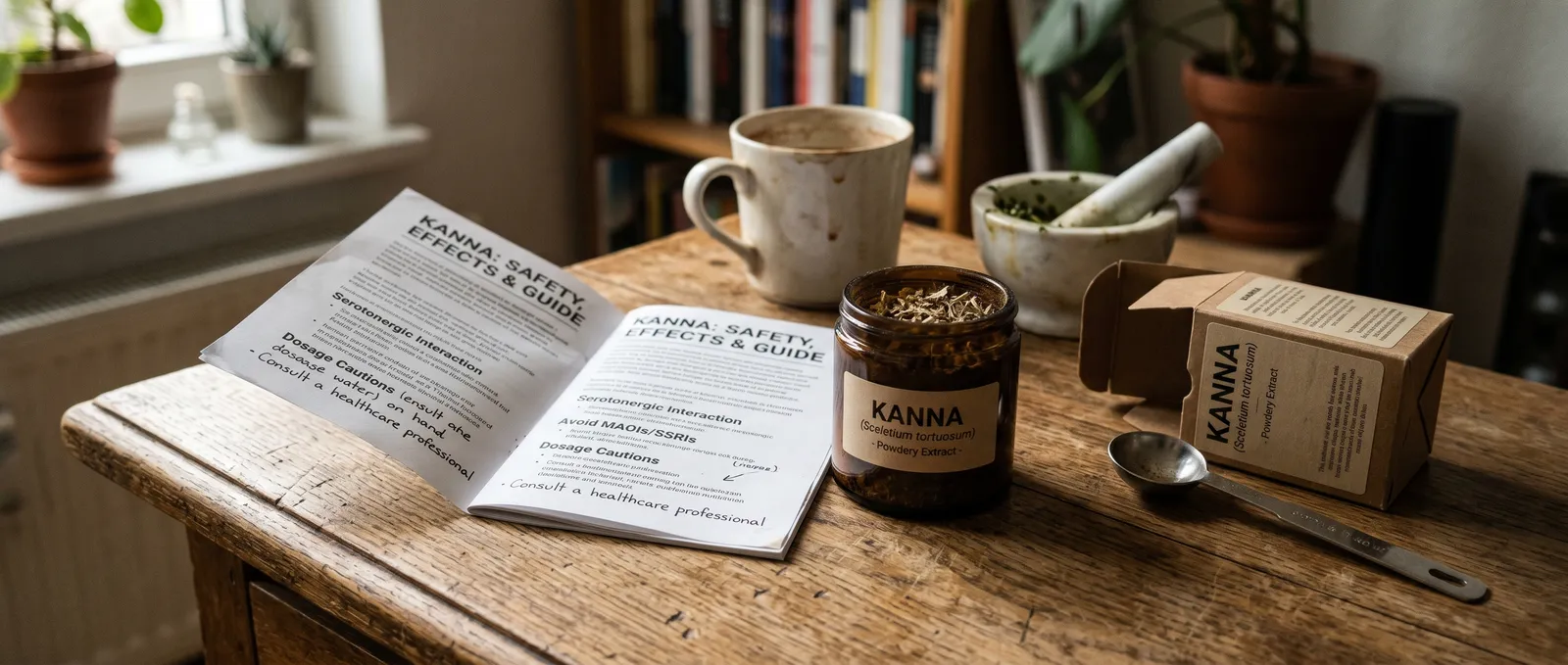
Kanna (Sceletium tortuosum) is a succulent plant with serotonergic activity that creates real interaction risks with common antidepressants and other serotonin-active substances. Published clinical trials on a specific standardised extract report mild side effects at low doses (Nell et al., 2013), but long-term safety data is largely absent, and concentrated extracts demand greater caution than raw plant material.
Disclaimer: This article is for informational purposes only and does not constitute medical advice. Kanna (Sceletium tortuosum) is a psychoactive substance with serotonergic activity. If you are taking any medication — particularly antidepressants — consult a qualified healthcare professional before using kanna. Nothing on this page should be interpreted as a recommendation to self-treat any medical condition.
Adult audience (18+). The dosing ranges and effects described in this article apply to adult physiology. This content is not intended for minors.
Kanna safety and side effects is a critical topic for anyone exploring Sceletium tortuosum, which is a succulent plant from southern Africa that acts as a serotonin reuptake inhibitor and carries real interaction risks with common antidepressants and other serotonin-active substances. The alkaloids mesembrine, mesembrenone, and mesembrenol have been identified as the principal active compounds (Smith et al., 1996), and while kanna has a long history of traditional use among the Khoisan peoples of the Western Cape, the modern safety picture remains incomplete. This article covers what is known about kanna side effects, who should avoid kanna entirely, and where the evidence runs thin. If you are looking to get kanna products from Azarius, understanding these risks first is essential. You can also find more context in the Azarius wiki article on kanna dosage, the Azarius wiki article on kanna interactions and contraindications, the Azarius blog post on kanna preparation methods, and the Azarius category page for kanna products.
What Is Kanna's Safety Profile?
Kanna's safety profile is partially characterised but far from complete, based on a small number of clinical trials and limited long-term data. A small number of clinical trials on a specific standardised extract (Zembrin) suggest the substance is reasonably well tolerated at low doses in healthy adults (Nell et al., 2013), but these studies are short in duration and small in sample size. The European Monitoring Centre for Drugs and Drug Addiction (EMCDDA) does not currently maintain a detailed risk assessment for Sceletium tortuosum, which itself reflects how limited the formal evidence base remains. What we do know centres on the serotonergic mechanism — and that mechanism is the source of the most serious kanna safety and side effects concerns.

The Serotonergic Risk — Why It Matters
The serotonergic interaction risk is the single most critical kanna safety consideration, and it applies to anyone considering combining kanna with antidepressants or other serotonin-active substances. Kanna's primary alkaloid, mesembrine, has demonstrated serotonin reuptake inhibition in vitro (Harvey et al., 2011). That places it in the same pharmacological neighbourhood as SSRIs like fluoxetine and sertraline. The clinical significance of this in humans — how strong the effect actually is at typical doses — remains an open question, but the mechanism is real enough to warrant a hard rule:

Do not combine kanna with SSRIs, SNRIs, MAOIs, tricyclic antidepressants, or other serotonergic substances. This includes 5-HTP, St John's Wort, MDMA, and classical psychedelics such as psilocybin, LSD, and DMT. The risk is serotonin syndrome — a condition caused by excessive serotonergic activity that can range from mild (agitation, diarrhoea, rapid heart rate) to severe (hyperthermia, seizures, loss of consciousness). Serotonin syndrome is uncommon, but it is a medical emergency when it occurs.
This warning applies with even greater weight to concentrated extracts, which deliver substantially higher levels of mesembrine per milligram than raw or fermented plant material. If you are currently taking any antidepressant medication, kanna is not something to experiment with on your own. And if you have recently stopped an SSRI, be aware that pharmacologically active metabolites can persist in the body for weeks — fluoxetine's active metabolite norfluoxetine has a half-life of 4–16 days (Hiemke & Härtter, 2000), meaning it can take over a month to fully clear your system.
Commonly Reported Side Effects
The most frequently reported kanna side effects are headache, nausea, and mild sedation, based on both clinical trial data and user reports. At doses within the range explored in published research — a specific standardised extract was studied at 8–25 mg daily in clinical trials (Terburg et al., 2013; Nell et al., 2013) — kanna appears to be reasonably well tolerated in healthy adults not taking serotonergic medication. But "reasonably well tolerated in a small clinical trial" and "safe for everyone in all circumstances" are very different statements.

Side effects that users commonly describe include:
- Headache. Reported both in clinical trial participants and in anecdotal user accounts. Usually mild and transient.
- Nausea and digestive discomfort. More commonly reported with raw or fermented plant material taken orally, and at higher doses. Some users report that sublingual administration reduces gastrointestinal upset, though no controlled data supports this specifically.
- Drowsiness or sedation. Some users describe a calming effect that tips into sleepiness, particularly with higher doses or with preparations that contain a higher proportion of mesembrenone relative to mesembrine.
- Appetite suppression. Reported anecdotally. Not well characterised in published studies.
- Mild dizziness. Occasionally reported, typically at higher doses or on first use.
The clinical trial data on kanna safety and side effects is limited to small sample sizes and short durations, and it concerns a specific standardised extract — not the full range of kanna products, plant material, or non-standardised extracts that exist. The side-effect profile of a 50× extract insufflated nasally is not the same as that of chewed fermented plant material, even if both come from Sceletium tortuosum.
| Side Effect | Severity | Evidence Source | Notes |
|---|---|---|---|
| Headache | Mild | Clinical trials, user reports | Usually transient |
| Nausea | Mild–Moderate | Clinical trials, user reports | More common with oral route and higher doses |
| Drowsiness/Sedation | Mild–Moderate | User reports | Dose-dependent; mesembrenone ratio may matter |
| Appetite suppression | Mild | Anecdotal only | Not studied formally |
| Dizziness | Mild | User reports | More common on first use |
| Nasal irritation | Mild–Moderate | User reports | Insufflation route only |
| Serotonin syndrome (combination use) | Severe/Emergency | Pharmacological mechanism (Harvey et al., 2011) | Risk with serotonergic co-administration |
| Route | Typical Onset | Duration (reported) | Primary Side-Effect Concern |
|---|---|---|---|
| Oral (swallowed) | 30–90 minutes | 3–5 hours | Nausea, digestive discomfort |
| Sublingual | 15–30 minutes | 2–4 hours | Mouth numbness |
| Insufflated | 2–10 minutes | 1–2 hours | Nasal irritation, nosebleeds |
| Vaporised | 1–5 minutes | 30–90 minutes | Unpredictable dose from thermal degradation |
Plant Material Versus Extracts: The Dose Distinction
Concentrated kanna extracts carry a meaningfully different risk profile than raw plant material, primarily because they compress alkaloid content into a fraction of the weight. Traditional kougoed (fermented Sceletium tortuosum aerial parts) contains the full spectrum of plant alkaloids at their natural concentrations, modified by the fermentation process which alters mesembrine-to-mesembrenone ratios and reduces oxalate content. Doses of fermented plant material in traditional use are measured in hundreds of milligrams to grams.
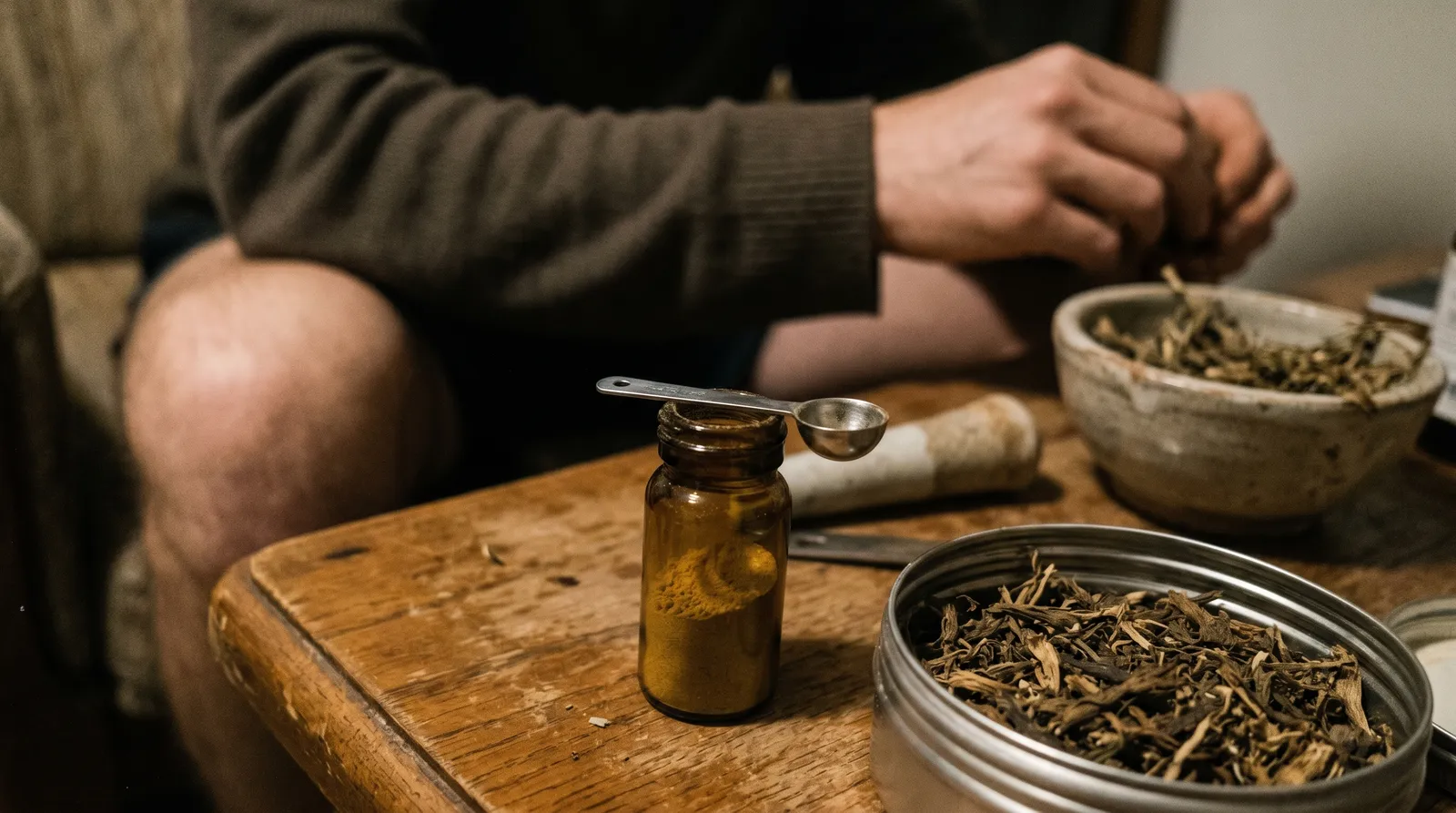
Concentrated extracts — 10×, 25×, 50×, or higher — compress that alkaloid content into a fraction of the weight. A 25:1 extract theoretically contains 25 times the alkaloid concentration of raw plant material per gram. This means effective doses for extracts are measured in tens of milligrams rather than hundreds, and the margin between a mild effect and an uncomfortably strong one narrows considerably. Before you order kanna extract products, understanding this distinction is essential for managing kanna safety and side effects.
The serotonergic interaction risk scales with dose and potency. Someone chewing a small amount of fermented kougoed is exposing themselves to a very different pharmacological load than someone insufflating 100 mg of a high-concentration extract. Both deserve respect, but the extract demands more caution with dosing precision. For comparison, this dose-sensitivity issue is somewhat analogous to the difference between drinking a mild valerian root tea and taking a concentrated valerian capsule — the active chemistry is related, but the margin for error is not.

We are also honest about what we do not know. When someone asks whether daily kanna use for six months is safe, the truthful answer is that no published study has tested that, and we say so. We would rather lose a sale than give false reassurance on a question where the evidence does not exist.
A Note from Our Team on Honest Limitations
We sell kanna products at Azarius, and we think transparency about limitations is part of responsible retail. We cannot tell you that kanna is "completely safe" because no substance is completely safe in all contexts, and the research base for kanna is genuinely thin compared to well-studied botanicals like valerian or St John's Wort. What we can tell you is what the published evidence says, where it stops, and what precautions are non-negotiable. If a customer asks us a question we cannot answer with evidence, we say so — and we think that honesty is more useful than a confident guess.

What Is Not Known
The honest answer on long-term kanna safety is that the data barely exists. Published clinical trials on kanna have lasted weeks, not months or years, and involved small participant numbers — typically fewer than 30 people per group. No published study has tracked daily kanna use over six months or longer in a controlled setting.

Specific gaps in the kanna safety and side effects literature include:
- Chronic daily use. Whether sustained serotonergic activity from daily kanna use produces tolerance, withdrawal effects, or long-term neuroadaptation is simply not established in controlled studies. Some users report tolerance development with regular use, but this remains anecdotal.
- Hepatotoxicity. No signal for liver toxicity has emerged in published kanna research, but the studies are too small and too short to rule it out definitively for chronic use.
- Cardiovascular effects. Serotonin plays a role in cardiovascular regulation. Whether kanna's serotonergic activity has any meaningful cardiac effects at typical doses is unstudied.
- Pregnancy and breastfeeding. No safety data exists for kanna use during pregnancy or lactation. Given the serotonergic mechanism and the complete absence of evidence, avoidance is the only reasonable position.
- Interactions with non-serotonergic medications. The PDE4 inhibition proposed for mesembrine (Harvey et al., 2011) could theoretically interact with other PDE4 inhibitors or with medications metabolised by the same hepatic pathways, but this has not been studied in humans.
The thin evidence base does not mean kanna is dangerous — it means certainty about its safety profile is not available. Those are different things, and treating them as the same leads to either unwarranted fear or unwarranted confidence.
Who Should Not Use Kanna
Several clearly defined groups should avoid kanna entirely, based on the known pharmacology and the precautionary principle where data is absent. If you are in any of the categories below, do not buy or use kanna products until you have consulted a qualified healthcare professional:

- Anyone taking SSRIs, SNRIs, MAOIs, or tricyclic antidepressants. The serotonin syndrome risk is the load-bearing concern. This is not a "maybe be careful" situation — it is a clear contraindication.
- Anyone who has recently discontinued an SSRI or SNRI. Washout periods vary by drug. Fluoxetine requires the longest — potentially five weeks or more. Shorter-acting SSRIs like sertraline may clear in one to two weeks, but individual variation is significant.
- Anyone planning to use MDMA, 5-HTP, St John's Wort, or classical psychedelics. All of these have serotonergic activity. Stacking serotonergic substances is the textbook pathway to serotonin syndrome.
- Anyone with a personal history of serotonin syndrome. Prior episodes indicate susceptibility.
- Pregnant or breastfeeding individuals. No safety data. Full stop.
- Anyone unable to seek help if symptoms develop. This applies to solo use in isolated settings. Serotonin syndrome symptoms can escalate, and the ability to access medical care matters.
Recognising Serotonin Syndrome
Serotonin syndrome is a potentially life-threatening condition caused by excessive serotonergic activity that typically presents as a triad of neuromuscular excitation, autonomic instability, and altered mental state (Boyer & Shannon, 2005). According to that review in the New England Journal of Medicine, the key symptom clusters are:

- Neuromuscular excitation: tremor, clonus (involuntary rhythmic muscle contractions, especially in the ankles), hyperreflexia, muscle rigidity.
- Autonomic instability: rapid heart rate, dilated pupils, sweating, diarrhoea, fluctuating blood pressure.
- Altered mental state: agitation, confusion, restlessness.
Mild cases may involve only some of these symptoms and resolve after the serotonergic substance is removed. Severe cases can progress to hyperthermia (body temperature above 41°C), seizures, and organ failure. If you or someone near you develops these symptoms after taking kanna — especially in combination with another serotonergic substance — treat it as a medical emergency.
Dose-Response and the Limits of Published Data
Published dose-response data for kanna exists only for one specific standardised extract, making generalisation to other products unreliable. Clinical trials on that extract (Zembrin) have used doses in the range of 8–25 mg daily (Terburg et al., 2013; Nell et al., 2013). These figures apply to that preparation and that preparation only — not to raw plant material, not to fermented kougoed, and not to other commercially available extracts with different alkaloid profiles and concentrations.
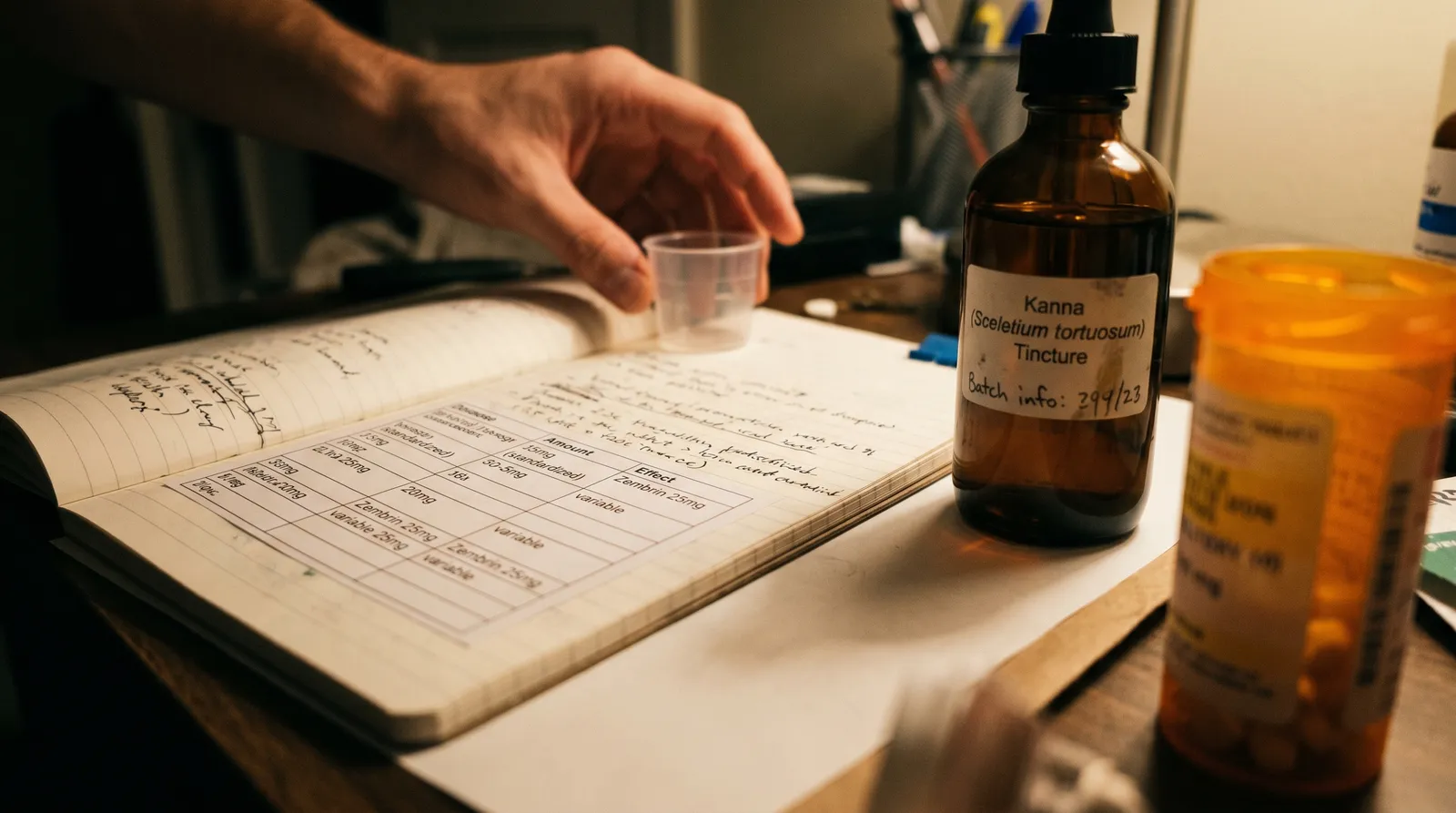
For non-standardised products, dose-response data from controlled studies does not exist. Users report effective doses of fermented plant material ranging from roughly 50 mg to over 1 g depending on preparation method, individual sensitivity, and route of administration — but these numbers come from self-report, not from clinical measurement. The pharmacokinetics of kanna in humans (onset, peak plasma concentration, half-life, duration) are poorly characterised across all forms and routes.
What this means in practice: if you are using a kanna product that is not the specific standardised extract studied in clinical trials, you are operating with less pharmacological certainty. Starting with a small amount and waiting for the full onset before considering more is basic harm reduction — it is simply the logical response to incomplete information. For a more detailed discussion of dose ranges across different forms, see the dedicated Azarius wiki article on kanna dosage.
Route of Administration Matters
The route of administration directly determines onset speed, bioavailability, and the specific side effects most likely to occur with kanna. Each route produces a different pharmacokinetic profile, and the choice of route directly affects both the experience and the kanna safety and side effects considerations:

- Oral (swallowed): Slowest onset (30–90 minutes reported by users), longest duration, most likely to cause nausea. Hepatic first-pass metabolism may reduce bioavailability.
- Sublingual: Faster onset than swallowed (15–30 minutes reported), bypasses some first-pass metabolism. Users describe a numbing sensation in the mouth, which is consistent with the local anaesthetic properties attributed to mesembrine.
- Insufflated: Rapid onset (minutes), stronger peak effect relative to the same dose taken orally. Also the route most likely to cause nasal irritation, nosebleeds, and sinus discomfort. The rapid onset increases the risk of taking too much before the effect is apparent.
- Vaporised: Very rapid onset. Least studied. Thermal degradation of alkaloids is possible, making dose prediction unreliable.
Faster routes of administration generally produce a sharper peak and a shorter duration, which also means a narrower window between onset and full effect — making accidental overdosing more likely. This is particularly relevant for concentrated extracts administered nasally or by vaporisation.
Kanna Safety Compared to Other Serotonergic Botanicals
Kanna occupies a middle ground among serotonergic botanicals: better tolerated than some at low doses, but carrying interaction risks comparable to St John's Wort. St John's Wort (Hypericum perforatum) is probably the best-known herbal serotonergic — it carries well-documented SSRI interaction warnings and has a substantially larger evidence base, including multiple case reports of serotonin syndrome when combined with pharmaceutical antidepressants. Kanna's evidence base is much thinner, but the pharmacological mechanism of concern is analogous.
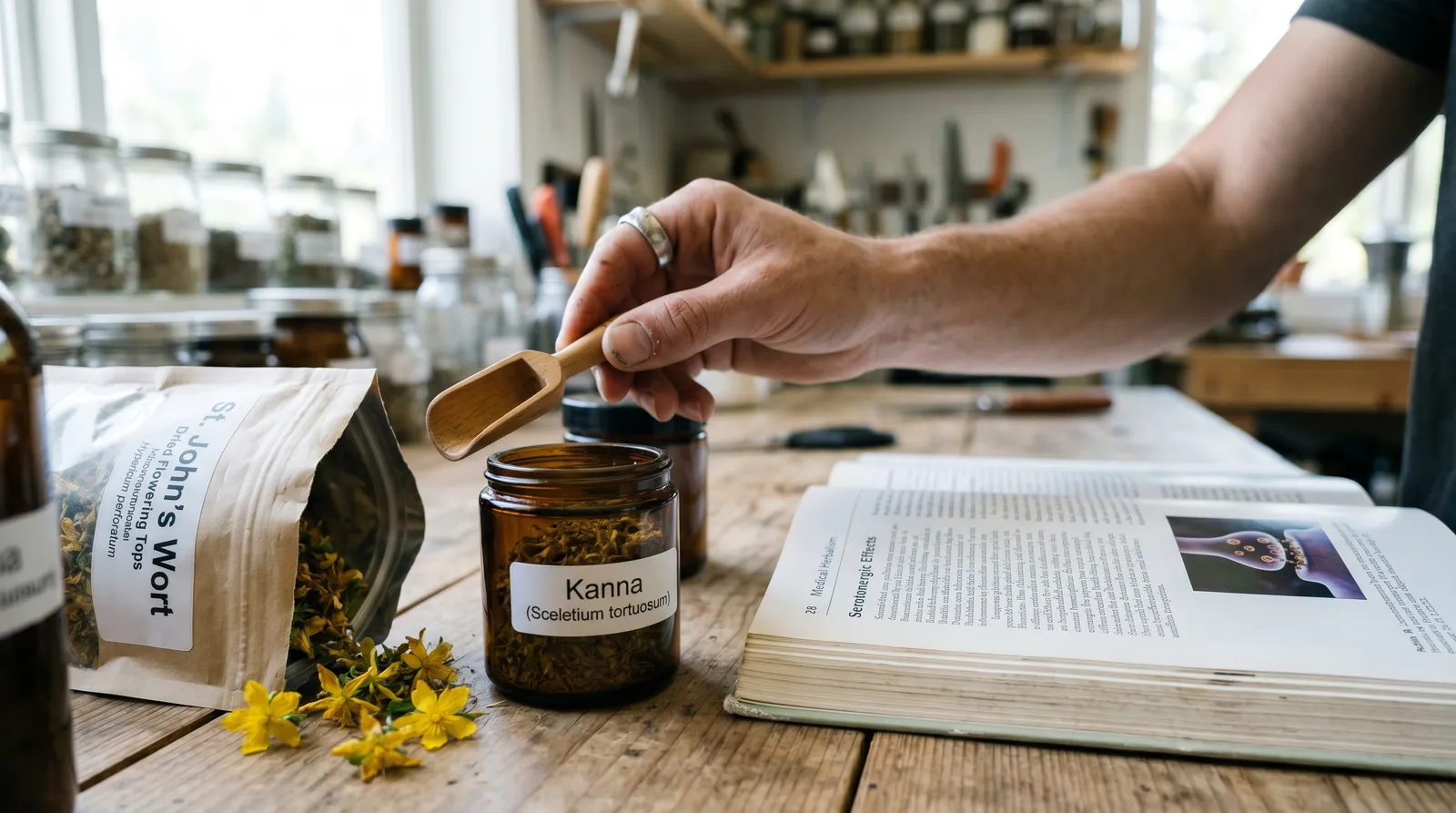
5-HTP, a direct serotonin precursor, operates by a different mechanism (increasing serotonin synthesis rather than inhibiting reuptake) but carries the same category of interaction risk. What distinguishes kanna from both of these is the additional PDE4 inhibitory activity proposed for mesembrine (Harvey et al., 2011), which adds a layer of pharmacological complexity that neither St John's Wort nor 5-HTP shares. Whether this additional mechanism contributes meaningfully to kanna's side-effect profile at typical doses remains an open question.
Interactions Beyond Serotonin
Kanna's interaction profile extends beyond serotonin reuptake inhibition to include proposed PDE4 inhibitory activity, though the clinical relevance of this secondary mechanism in humans remains unestablished (Harvey et al., 2011). PDE4 inhibition is the mechanism of action of drugs like roflumilast (used for COPD). Whether co-administration of kanna with pharmaceutical PDE4 inhibitors poses any practical risk is unknown — the question simply has not been studied.

Alcohol and benzodiazepines are CNS depressants. Kanna's sedative effects at higher doses could theoretically compound with these substances, though again, no controlled data exists on these combinations. The absence of evidence is not evidence of safety. The EMCDDA drug profiles database does not currently include a dedicated Sceletium tortuosum entry, which limits the availability of EU-specific regulatory guidance on these interactions.
For a complete discussion of known and theoretical drug interactions, see the dedicated Azarius wiki article on kanna interactions and contraindications. You may also want to read the Azarius blog post on kanna preparation methods for context on how different product forms affect alkaloid delivery.

Last updated: April 2026
Frequently Asked Questions
10 questionsCan kanna cause serotonin syndrome on its own?
How long after stopping an SSRI is it safe to try kanna?
Are kanna extracts more dangerous than raw plant material?
Does the route of administration affect kanna side effects?
Is daily kanna use safe long-term?
What are the most common kanna side effects?
Can you mix kanna with alcohol or cannabis?
Is kanna safe for people with high blood pressure or heart conditions?
Can kanna cause a hangover or grogginess the next day?
Is it safe to drive after taking kanna?
About this article


Adam Parsons is an external cannabis and psychedelics writer and editor who contributes to Azarius's wiki as both author and reviewer. On the writing side, he authors Azarius's kratom and kanna clusters, drawing on exten
This wiki article was drafted with AI assistance and reviewed by Adam Parsons, External contributor. Editorial oversight by Joshua Askew.
Medical disclaimer. This content is for informational purposes only and does not constitute medical advice. Consult a qualified healthcare provider before use of any substance.
Last reviewed April 24, 2026
References (6)
- [1]Boyer, E.W. & Shannon, M. (2005). The serotonin syndrome. New England Journal of Medicine , 352(11), 1112–1120. DOI: 10.1056/nejmra041867
- [2]Harvey, A.L. et al. (2011). Pharmacological actions of the South African medicinal and functional food plant Sceletium tortuosum and its principal alkaloids. Journal of Ethnopharmacology , 137(3), 1124–1129. DOI: 10.1016/j.jep.2011.07.035
- [3]Hiemke, C. & Härtter, S. (2000). Pharmacokinetics of selective serotonin reuptake inhibitors. Pharmacology & Therapeutics , 85(1), 11–28. DOI: 10.1016/s0163-7258(99)00048-0
- [4]Nell, H. et al. (2013). A randomized, double-blind, parallel-group, placebo-controlled trial of extract Sceletium tortuosum (Zembrin) in healthy adults. Journal of Alternative and Complementary Medicine , 19(11), 898–904. DOI: 10.1089/acm.2012.0185
- [5]Smith, M.T. et al. (1996). Psychoactive constituents of the genus Sceletium N.E.Br. and other Mesembryanthemaceae: a review. Journal of Ethnopharmacology , 50(3), 119–130. DOI: 10.1016/0378-8741(95)01342-3
- [6]Terburg, D. et al. (2013). Acute effects of Sceletium tortuosum (Zembrin), a dual 5-HT reuptake and PDE4 inhibitor, in the human amygdala and its connection to the hypothalamus. Neuropsychopharmacology , 38(13), 2708–2716. DOI: 10.1038/npp.2013.183
Related Articles

Blue Lotus vs Kanna: Effects & Safety
Blue lotus vs kanna compared — Nymphaea caerulea's aporphine profile against Sceletium tortuosum's mesembrine chemistry, with interaction warnings.

Lotus Clinical Research Overview
What does lotus clinical research actually show? A critical review of Nymphaea caerulea and Nelumbo nucifera pharmacology, preclinical data, and…
Kanna South Africa To West History
Sceletium tortuosum was used by San and Khoekhoe communities in southern Africa for centuries before European colonists first documented it in the 1660s.
Sceletium Tortuosum Plant
Learn about the sceletium tortuosum plant: botany, alkaloids, fermentation, safety warnings, and where to buy kanna.
Kanna Pharmacokinetics Explained
Complete guide to kanna pharmacokinetics: how Sceletium tortuosum alkaloids are absorbed, metabolised via CYP2D6, and eliminated.

Kanna Chemistry: Sceletium Alkaloids Explained
Kanna chemistry explained: mesembrine, mesembrenone, their mechanisms, how fermentation and extraction change alkaloid profiles, and why it matters…

Rapé Shamanic Snuff Guide: How to Use It Safely
A practical rapé shamanic snuff guide covering dose, kuripe technique, effects, nicotine safety, interactions and Amazonian tradition.

White Sage Salvia Apiana Cultural Smudging Guide
Salvia apiana is a non-psychoactive shrub native to southern California's coastal sage scrub, burned as ceremonial incense in Indigenous North American…

Mulungu Erythrina Traditional Amazonian Use — Bark, Alkaloids & Research
Erythrina mulungu is a Brazilian legume tree whose bark has been brewed as a calming decoction in rural folk medicine for generations.