
This article discusses psychoactive substances intended for adults (18+). If you have a health condition or take medication, consult a doctor before use. Our age policy
What Is Lotus?
Definition
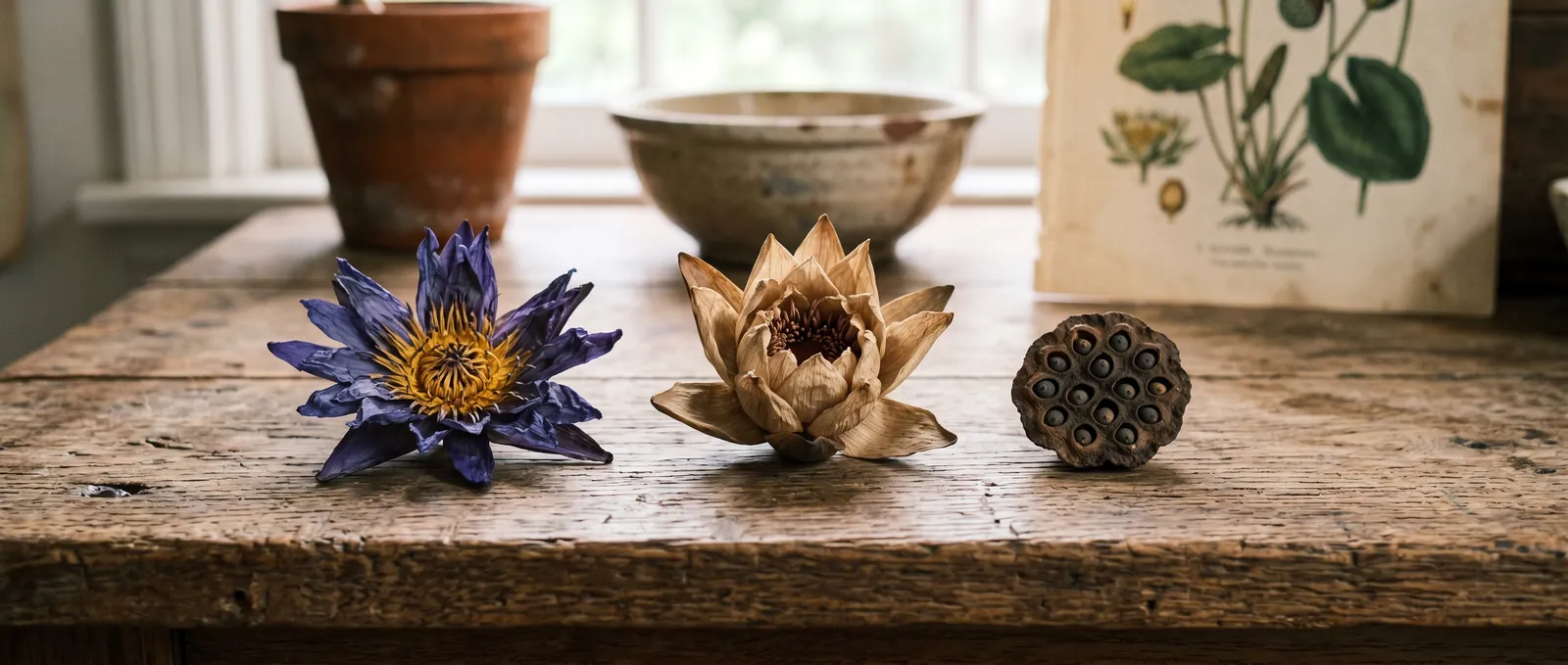
Lotus in the ethnobotanical sense covers three water plants from two separate families: Nymphaea caerulea (blue), Nymphaea ampla (white), and Nelumbo nucifera (pink/sacred). All contain aporphine alkaloids — principally nuciferine, a partial dopamine-receptor agonist characterised by Farrell et al. (2016) — producing mild sedation and reported dream enhancement. Despite sharing a name, their chemistry and safety profiles differ meaningfully.
"Lotus" in the ethnobotanical context refers to three distinct water plants from two separate botanical families: Nymphaea caerulea (blue lotus), Nymphaea ampla (white lotus), and Nelumbo nucifera (pink or sacred lotus). All three contain aporphine alkaloids — principally nuciferine — that interact with dopamine receptors and produce mild sedative and oneirogenic effects reported by users across several millennia of documented use. Despite sharing a common name, these species differ meaningfully in their chemistry, their cultural histories, and the strength of evidence behind their reported effects.
Adult audience (18+). The dosing ranges and effects described in this article apply to adult physiology. This content is not intended for minors.
Key Facts
- Three species, two families: Nymphaea caerulea and Nymphaea ampla belong to Nymphaeaceae (true water lilies); Nelumbo nucifera belongs to Nelumbonaceae — a completely separate plant family.
- Principal alkaloids in Nymphaea caerulea: nuciferine and apomorphine — both aporphine-class compounds with proposed partial dopamine-receptor (D1/D2) agonist activity (Agnihotri et al., 2008).
- Principal alkaloids in Nelumbo nucifera: nuciferine (shared), plus nelumbine, liensinine, and neferine — bisbenzylisoquinoline alkaloids with distinct cardiovascular activity (Kashiwada et al., 2005).
- Archaeological record: Nymphaea caerulea appears in Egyptian tomb reliefs and papyrus imagery dating to the 18th Dynasty (c. 1550–1292 BCE), depicted in apparent ceremonial contexts (Emboden, 1978).
- Forms available: shredded petals, dried extracts, liquid extracts, and resin — with extract forms concentrating the aporphine alkaloids substantially above petal-material levels.
- Research status: alkaloid identification is well-characterised; human pharmacokinetics, dose-response data, and long-term safety remain poorly studied.
- Key safety concern: aporphine alkaloids may lower blood pressure and potentiate dopaminergic medications — cardiovascular and neurological interactions are load-bearing considerations.
Commercial Disclosure
Azarius sells lotus products and has a commercial interest in this topic. Our editorial process includes independent pharmacological review to mitigate commercial bias.
Contraindications — Read Before Use
The following applies to all three species but carries particular weight for Nymphaea caerulea (due to its apomorphine content) and for concentrated extracts of any species:
- Dopaminergic medications: levodopa, pramipexole, ropinirole, and pharmaceutical apomorphine itself. Stacking aporphine alkaloids on top of therapeutic dopamine agonists risks unpredictable potentiation.
- Dopamine-receptor-active antiemetics: metoclopramide and domperidone — potential for receptor-level conflict or additive effects.
- MAOIs (monoamine oxidase inhibitors): theoretical concern via the aporphine class; no controlled interaction data exists, which itself is a reason for caution.
- Antihypertensives: apomorphine analogs can lower blood pressure. Additive hypotension risk is real and poorly characterised in humans.
- Cardiovascular disease: especially uncontrolled hypertension or hypotension. The blood-pressure-lowering potential makes this a clear contraindication.
- Pregnancy and breastfeeding: no safety data exists. Assume risk.
- Driving or operating machinery: mild sedation combined with the reported dream-enhancement effect makes this inappropriate within approximately 4 hours of use, regardless of route of administration.
History and Origin
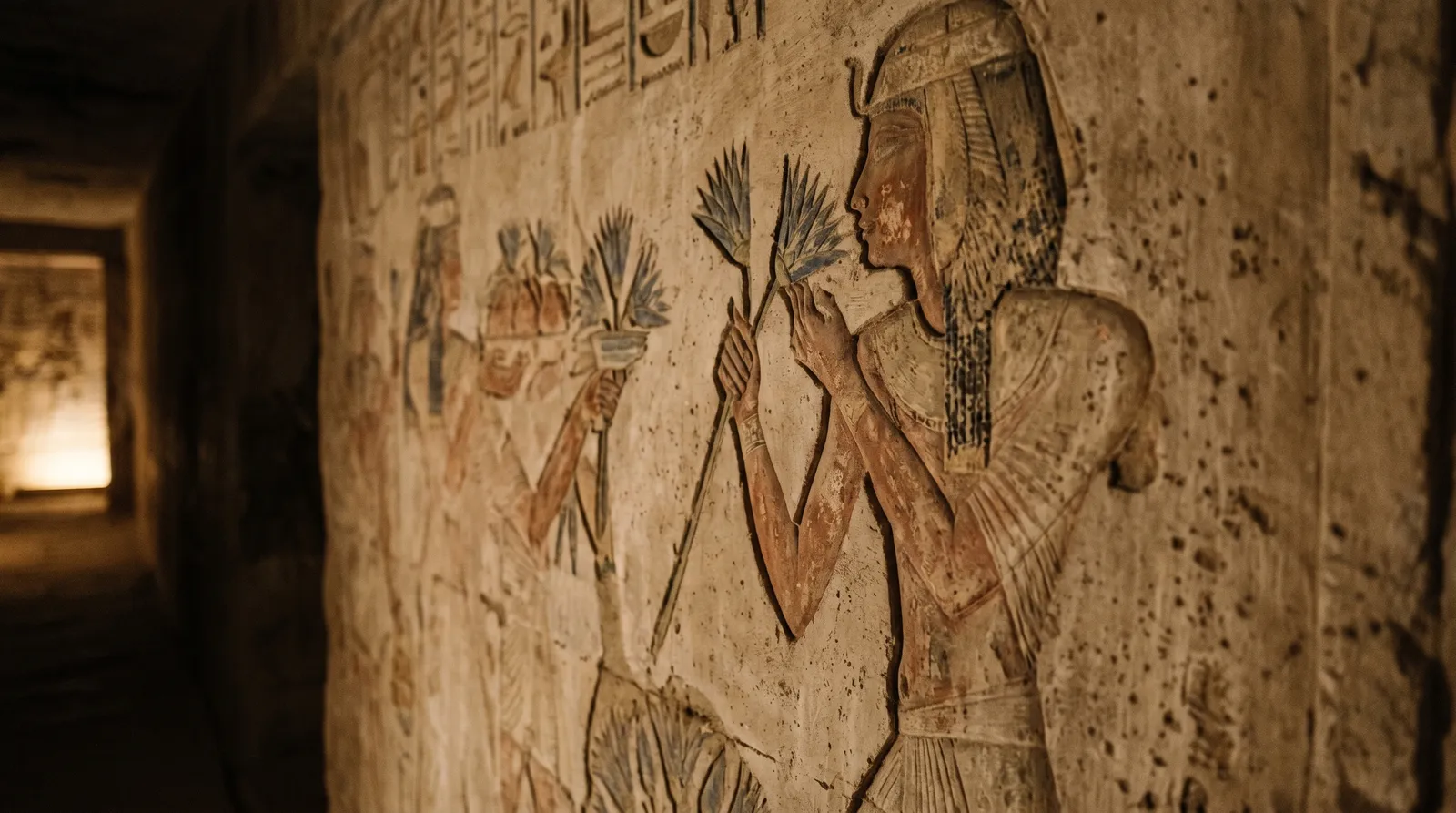
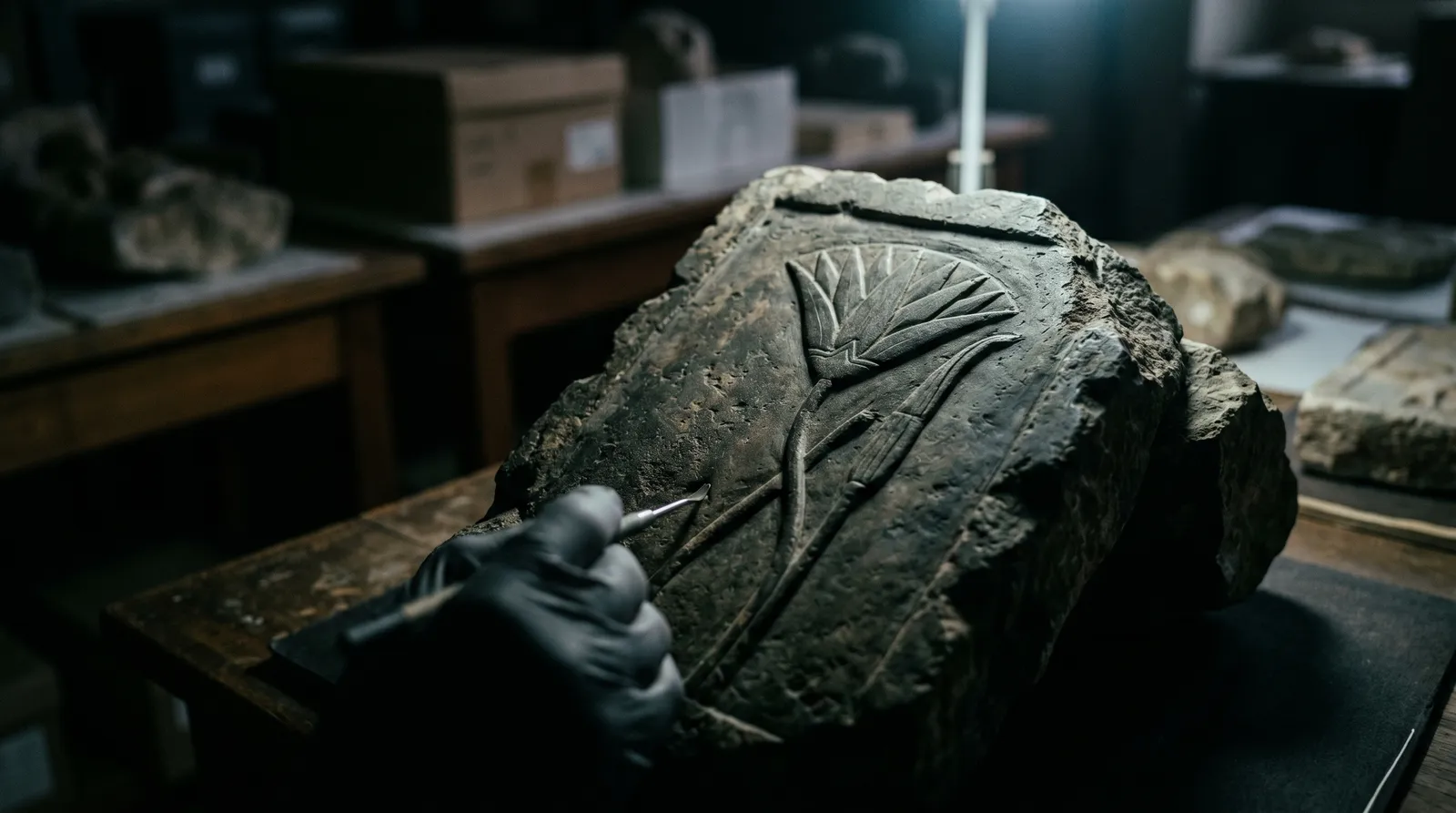
Nymphaea caerulea holds the longest documented ceremonial record among the three species. Egyptian tomb reliefs from the New Kingdom period (c. 1550–1070 BCE) depict the blue water lily prominently in banquet scenes, held to the nose or floating in wine vessels — imagery that William Emboden interpreted as evidence of ritual psychoactive use (Emboden, 1978). Whether this represents recreational intoxication, spiritual ceremony, or simple aesthetic appreciation remains debated among Egyptologists, though the consistent pairing with wine vessels is suggestive of maceration for alkaloid extraction.
Nelumbo nucifera (pink/sacred lotus) occupies an entirely different cultural lineage. Central to Buddhist iconography across South and East Asia, and documented in Ayurvedic materia medica for over two thousand years, Nelumbo was traditionally prepared as a decoction from leaves, seeds, and rhizomes rather than petals alone (Mukherjee et al., 2009). The Ayurvedic applications focused primarily on digestive and cardiovascular complaints — a framing that aligns with the bisbenzylisoquinoline alkaloid profile rather than the aporphine-dominant profile of the Nymphaea genus.
Nymphaea ampla (white lotus) appears in Mesoamerican archaeological contexts, particularly Maya ceramics and codices, though its ceremonial role is less extensively documented than that of N. caerulea in Egypt.
Chemistry and Active Compounds
The pharmacologically active compounds across all three species belong primarily to the aporphine and isoquinoline alkaloid classes. The critical distinction is this: while nuciferine appears in both Nymphaea and Nelumbo genera, the broader alkaloid profiles diverge significantly.
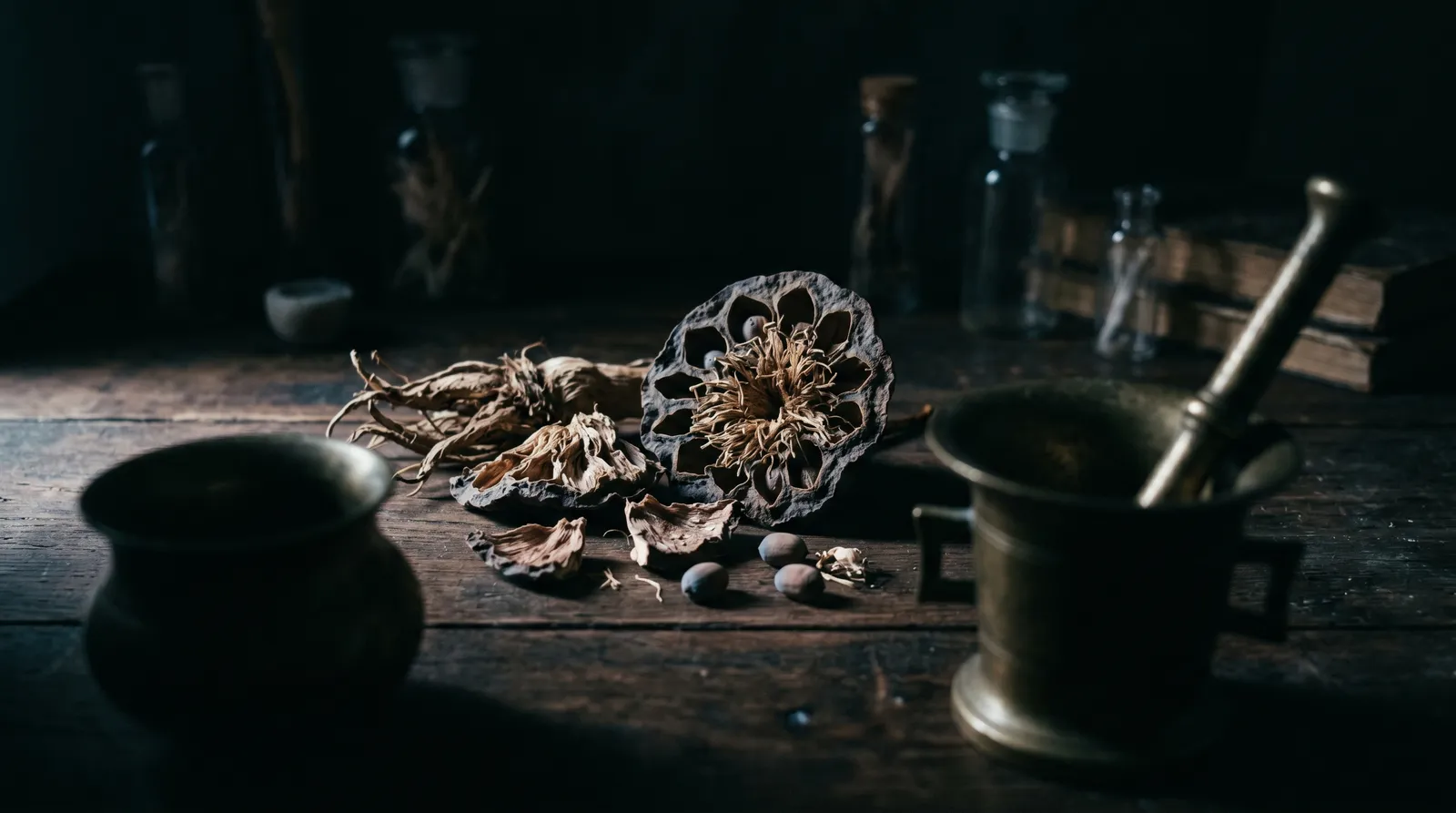
In Nymphaea caerulea, the two principal alkaloids identified are nuciferine and apomorphine (Agnihotri et al., 2008). Apomorphine is a well-characterised dopamine-receptor agonist used pharmaceutically for Parkinson's disease — its presence in blue lotus plant material, even at low concentrations, is pharmacologically meaningful. Nuciferine demonstrates partial D2 receptor agonism and 5-HT2A antagonism in vitro (Farrell et al., 2016), which aligns with the reported mild sedation and dream-enhancement effects, though human pharmacokinetic data confirming these mechanisms at typical consumption doses remains limited.
Nelumbo nucifera shares nuciferine but adds a distinct class: bisbenzylisoquinoline alkaloids including liensinine, neferine, and isoliensinine (Kashiwada et al., 2005). These compounds show calcium-channel-blocking and antiarrhythmic activity in preclinical models — a cardiovascular profile quite different from the dopaminergic emphasis of Nymphaea.
One critical gap: specific alkaloid concentrations vary enormously between plant parts (petals vs. stamens vs. rhizomes), growing conditions, and extraction methods. Published quantification data for commercial petal material is sparse, making precise dose-response predictions unreliable.
| Alkaloid | Class | Present in Nymphaea caerulea | Present in Nelumbo nucifera | Proposed Activity |
|---|---|---|---|---|
| Nuciferine | Aporphine | Yes | Yes | Partial D2 agonist, 5-HT2A antagonist |
| Apomorphine | Aporphine | Yes | Not confirmed | D1/D2 agonist (full at D4, partial at D2) |
| Neferine | Bisbenzylisoquinoline | No | Yes | Calcium-channel blocker, antiarrhythmic |
| Liensinine | Bisbenzylisoquinoline | No | Yes | Antihypertensive, antiarrhythmic |
| Nelumbine | Bisbenzylisoquinoline | No | Yes | Sedative (preclinical only) |
Effects Overview
Reported effects differ between the Nymphaea species (blue and white lotus) and Nelumbo nucifera (pink/sacred lotus), and between plant material and concentrated extracts.
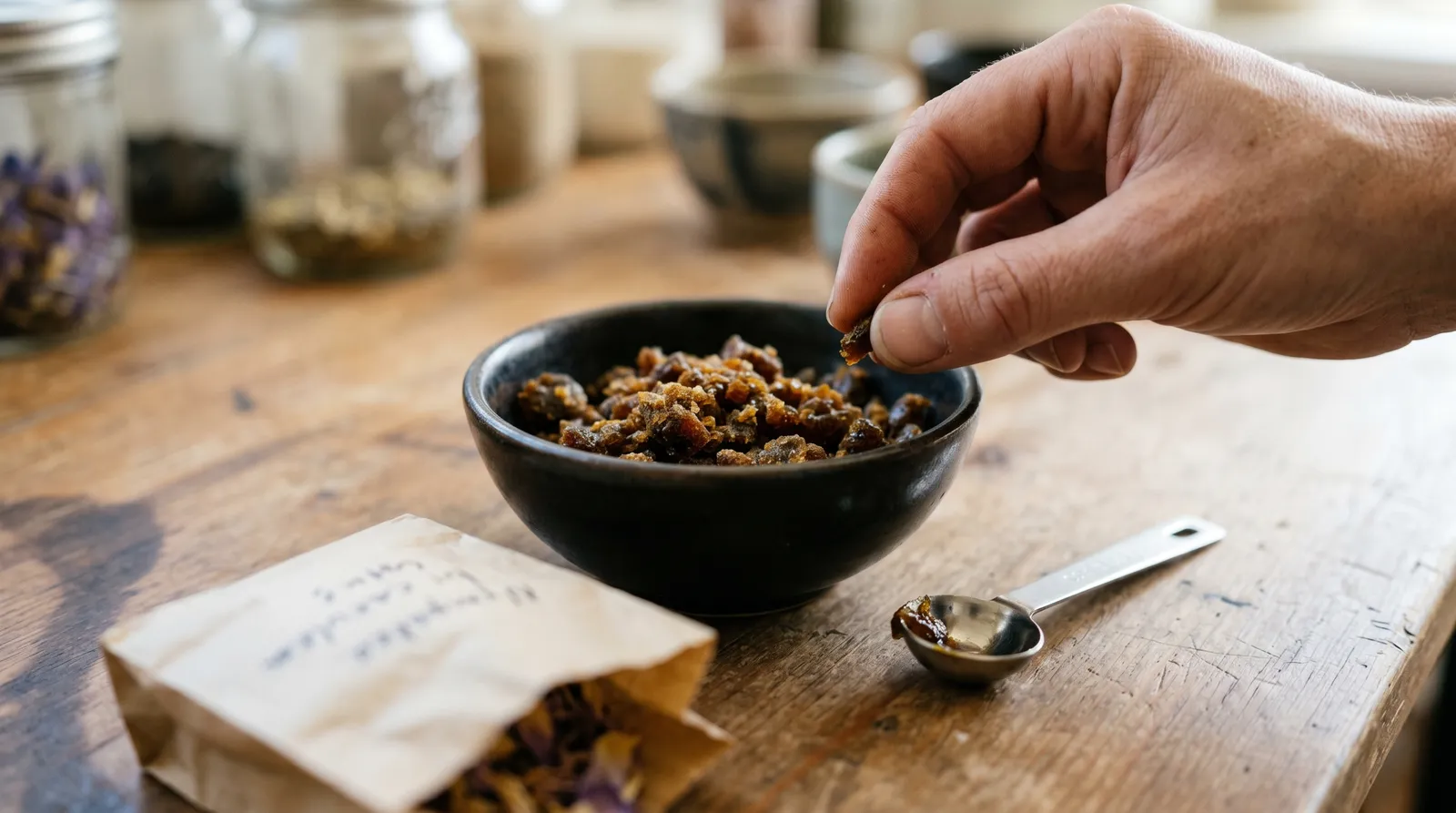
For Nymphaea caerulea, users report mild sedation, a sense of calm well-being, enhanced dream vividness (particularly when taken before sleep), and — at higher doses — a subtle shift in perception that some describe as mildly dissociative. The proposed mechanism is dopaminergic: nuciferine and apomorphine acting on D1/D2 receptors (Farrell et al., 2016). No controlled human studies have quantified these effects or established dose-response curves — the evidence base is entirely anecdotal and preclinical.
For Nelumbo nucifera, traditional Ayurvedic use emphasises calming and cardiovascular effects. Users report mild relaxation and improved sleep onset, which aligns with the calcium-channel-blocking activity of neferine and liensinine observed in vitro (Kashiwada et al., 2005). The subjective profile is generally described as less "dreamy" than Nymphaea caerulea and more straightforwardly sedative.
Nymphaea ampla (white lotus) occupies a middle ground — sharing the aporphine profile of the Nymphaea genus but with less user-reported data available and no dedicated pharmacological studies distinguishing it from N. caerulea.
| Route | Species | Reported Onset | Reported Peak | Reported Duration |
|---|---|---|---|---|
| Tea (shredded petals) | Nymphaea caerulea | 20–40 min | 60–90 min | 2–3 hours |
| Smoked (shredded petals) | Nymphaea caerulea | 5–10 min | 15–30 min | 1–2 hours |
| Extract (oral) | Nymphaea caerulea | 15–30 min | 45–90 min | 2–4 hours |
| Tea (shredded petals) | Nelumbo nucifera | 20–40 min | 60–90 min | 2–3 hours |
These timings are user-reported ranges, not clinical measurements. Individual variation is significant, and extract preparations will produce effects at substantially lower weights than shredded petal material.
Dosage Guide
No clinical dose-response studies exist for any lotus species in humans. The ranges below are compiled from ethnobotanical literature and user reports — they are not clinical recommendations. The distinction between shredded petals and concentrated extracts is critical: extracts concentrate the aporphine alkaloids substantially, and doses are not interchangeable.
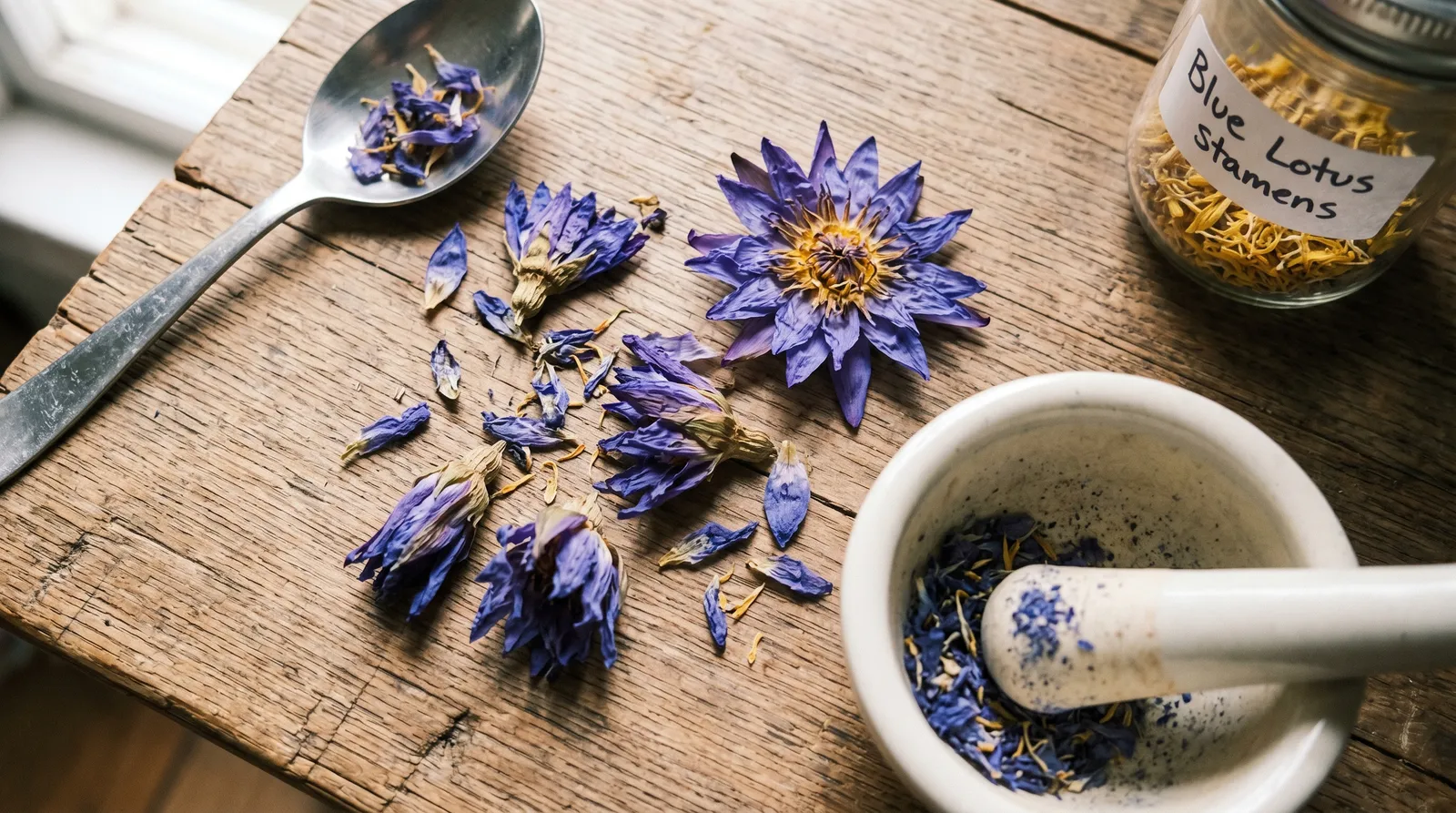
Nymphaea caerulea — Shredded Petals (Tea Preparation)
| Level | Reported Range | Notes |
|---|---|---|
| Threshold | 1–2 g | Subtle relaxation; minimal perceptible effect for most users |
| Light | 2–5 g | Mild calm, slight dream enhancement reported |
| Common | 5–10 g | Noticeable sedation, dream vividness, mild well-being |
| Strong | 10–15 g | Pronounced sedation; some users report mild dissociation |
| Heavy | 15 g+ | Doses above 15 g are not characterised in published literature; nausea frequently reported |
Nymphaea caerulea — Extract (Oral)
Extract potency varies by concentration ratio (commonly 10x, 20x, or 50x). A 10x extract at 0.5 g theoretically approximates 5 g of petal material in alkaloid content — but actual bioavailability differs between preparations. Users report effective extract doses ranging from 0.25–1 g for a 10x product. Higher-ratio extracts (20x, 50x) demand proportionally smaller amounts. The cardiovascular and dopaminergic interaction concerns apply with greater weight to extracts precisely because alkaloid concentrations are higher per gram consumed.
Do not drive or operate machinery within approximately 4 hours of any dose, regardless of route.
Preparation Methods
Tea Infusion
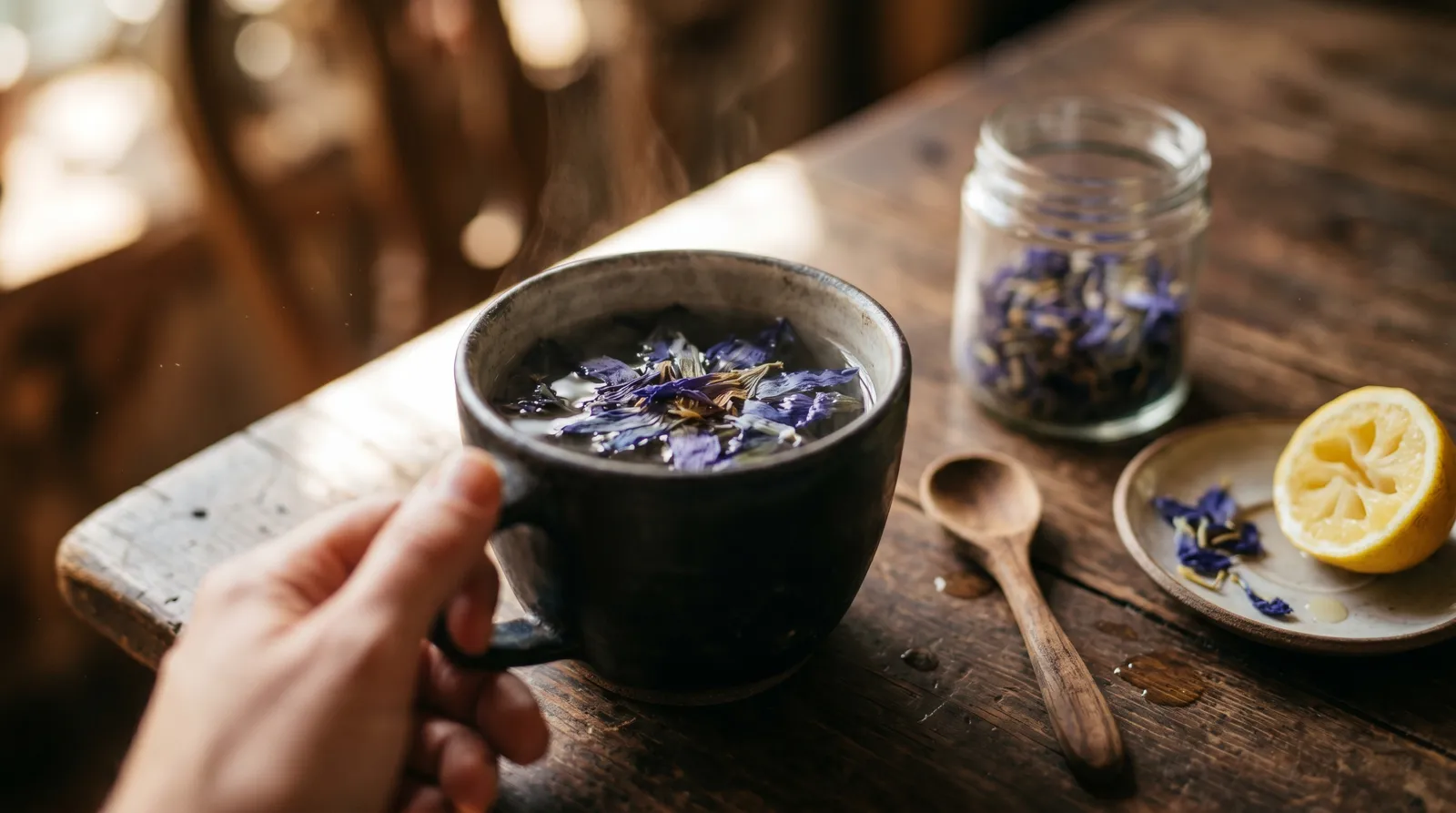
The most traditional method for Nymphaea caerulea. Steep 3–10 g of shredded petals in water just below boiling (80–90°C) for 10–15 minutes. Some users add lemon juice, theorising that the acidic environment improves alkaloid extraction — plausible given aporphine solubility characteristics, though unconfirmed in controlled conditions. Historically, Egyptian depictions suggest maceration in wine, which would provide both alcohol and acidic extraction.
Smoking or Vaporising
Shredded Nymphaea caerulea petals can be smoked in a pipe or rolled. Onset is faster (5–10 minutes) but duration shorter. The temperature for vaporising aporphine alkaloids is not well-established — most users report effective results between 100–150°C, though this is anecdotal. Combustion produces the usual respiratory irritants associated with smoking any plant material.
Wine Maceration
Steeping 5–10 g of shredded Nymphaea caerulea petals in wine for several hours (or overnight) mirrors the preparation suggested by Egyptian iconography. Alcohol acts as a solvent for aporphine alkaloids. Note that combining with alcohol introduces additive sedation — the interaction profile becomes more complex.
Resin and Liquid Extracts
Concentrated preparations. Resin is typically dissolved in warm water or placed sublingually. Liquid extracts are dosed by the dropper. In all cases, the concentrated alkaloid content means starting at the lowest suggested amount and waiting for full onset before considering additional doses is the only sensible approach.
Safety and Drug Interactions
The safety profile of lotus species in humans is poorly characterised. No systematic adverse-event data, no long-term toxicology studies, and no controlled interaction trials exist in the published literature as of early 2026. What follows is derived from the known pharmacology of the identified alkaloids, preclinical data, and user reports.

Reported Side Effects
Users of Nymphaea caerulea report nausea (particularly at higher doses or on an empty stomach), dizziness, dry mouth, and — rarely — headache. A 2023 case report documented altered mental status in a young adult who consumed a large quantity of blue lotus extract alongside alcohol (Ito et al., 2023), underscoring that concentrated preparations and polydrug combinations carry amplified risk.
Cardiovascular Concerns
Apomorphine analogs lower blood pressure via peripheral vasodilation. For Nymphaea caerulea, this is the primary cardiovascular concern. For Nelumbo nucifera, the bisbenzylisoquinoline alkaloids (neferine, liensinine) add calcium-channel-blocking activity — a distinct antihypertensive mechanism. Anyone taking antihypertensive medication faces additive blood-pressure-lowering risk from either genus, though via different pharmacological pathways.
Dopaminergic Interactions
Because aporphine alkaloids act on dopamine receptors, interactions with dopaminergic medications are the most pharmacologically predictable concern. Parkinson's disease medications (levodopa, pramipexole, ropinirole, and pharmaceutical apomorphine itself) work by enhancing dopaminergic transmission — adding plant-derived aporphines on top creates unpredictable receptor-level effects. Similarly, dopamine-receptor-blocking antiemetics (metoclopramide, domperidone) could have their therapeutic effect reduced.
MAOI Concern
The theoretical MAOI interaction derives from the aporphine structural class rather than demonstrated MAO inhibition by nuciferine specifically. No controlled data exists. The concern is theoretical but pharmacologically grounded — sufficient reason to avoid combining.
Drug Interaction Table
| Medication Class | Examples | Concern | Risk Level |
|---|---|---|---|
| Dopamine agonists (Parkinson's) | Levodopa, pramipexole, ropinirole, apomorphine | Additive/unpredictable dopaminergic stimulation | High |
| Antihypertensives | ACE inhibitors, beta-blockers, calcium-channel blockers | Additive blood-pressure lowering | High |
| Dopamine-blocking antiemetics | Metoclopramide, domperidone | Reduced antiemetic efficacy; receptor conflict | Moderate |
| MAOIs | Phenelzine, tranylcypromine, moclobemide | Theoretical potentiation via aporphine class | Moderate |
| Sedatives / CNS depressants | Benzodiazepines, Z-drugs, alcohol | Additive sedation | Moderate |
| Antidiabetics | Metformin, sulfonylureas, insulin | Preclinical data suggests possible blood-sugar-lowering effect in Nelumbo nucifera (Huang et al., 2010) | Low (preclinical only) |
What We Do Not Know
Long-term safety of repeated use is entirely uncharacterised. The interaction profile with SSRIs, SNRIs, and antipsychotics is unstudied. Whether chronic use produces tolerance, dependence, or withdrawal has not been investigated in any systematic way. The absence of reported harm is not evidence of safety — it may simply reflect low usage prevalence and underreporting.
Why the Species Distinction Matters
Treating "lotus" as a single entity is the most common error in popular writing about these plants. The genera Nymphaea and Nelumbo diverged approximately 125 million years ago (APG IV, 2016) — they are about as closely related as roses and buttercups. Their shared nuciferine content is a case of convergent biochemistry, not close kinship.
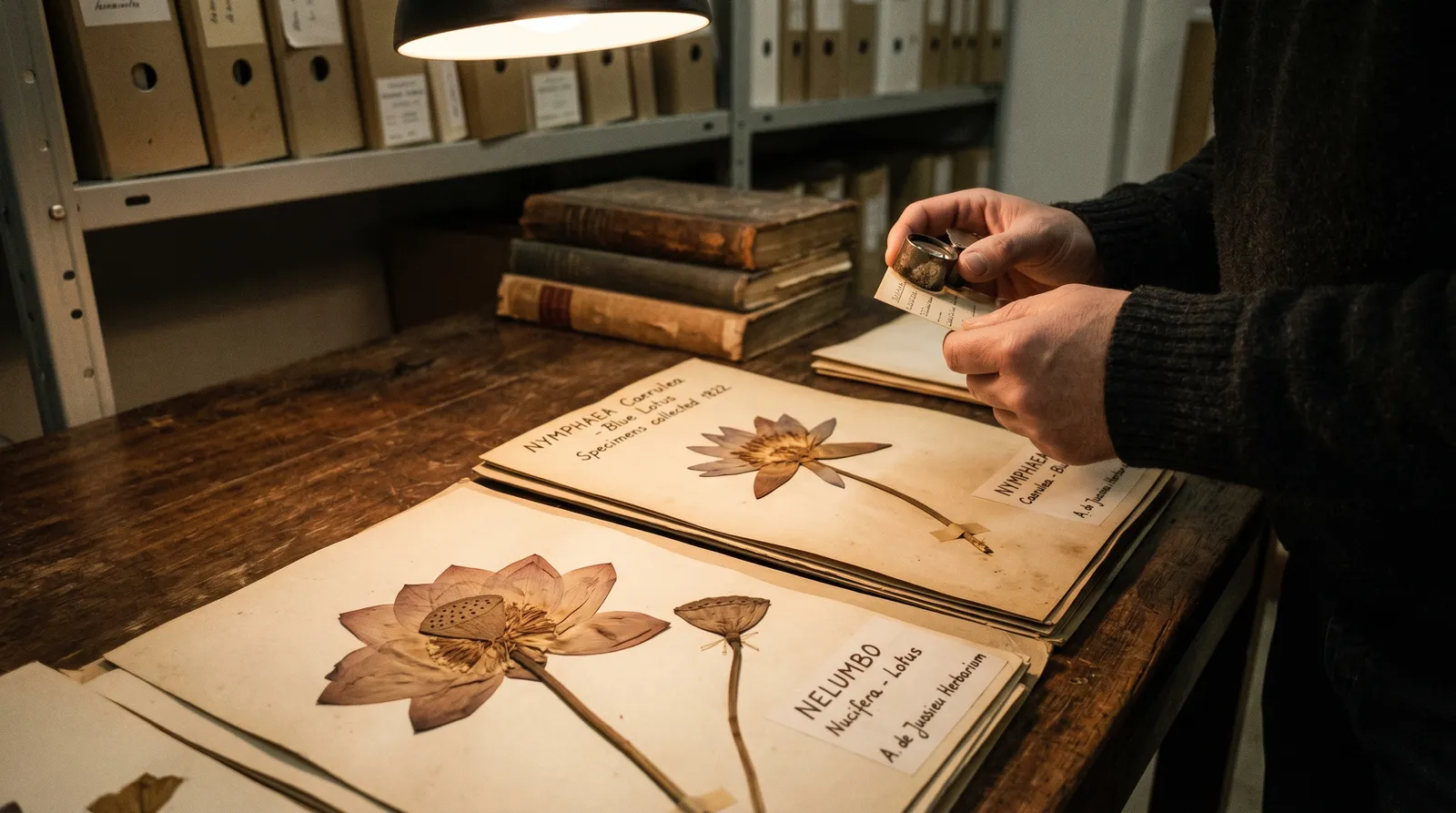
Practically, this means: a user seeking the dream-enhancement and mild dopaminergic effects associated with Nymphaea caerulea should not assume Nelumbo nucifera will produce the same experience. Conversely, the cardiovascular alkaloid profile of Nelumbo (neferine, liensinine) is largely absent from Nymphaea. Choosing between them is not a matter of colour preference — it is a matter of distinct pharmacology.
Even within the Nymphaea genus, N. caerulea and N. ampla are separate species. While they share the aporphine alkaloid class, quantitative alkaloid profiles likely differ. Published comparative data is limited, and treating them as interchangeable is an assumption rather than an established fact.
Traditional Use Versus Modern Evidence
The archaeological evidence for Nymphaea caerulea in ancient Egypt is strong — the plant appears in hundreds of tomb scenes spanning over a thousand years (Emboden, 1978; Harer, 1985). Whether this constitutes evidence of psychoactive use or merely decorative/symbolic significance is debated. The consistent association with wine vessels and banquet contexts is suggestive, but iconography is not pharmacology.
Nelumbo nucifera appears in Ayurvedic texts (Charaka Samhita, Sushruta Samhita) as a remedy for bleeding disorders, diarrhoea, and fever — applications consistent with its astringent and antispasmodic properties rather than its alkaloid content (Mukherjee et al., 2009). The Buddhist symbolic association (purity, enlightenment) is spiritual rather than pharmacological.
Transferring ancient ceremonial context onto modern therapeutic claims is a category error. That Egyptians may have used N. caerulea ritually does not validate claims about treating depression, anxiety, or erectile dysfunction. Traditional use is a starting point for investigation, not a conclusion.
Emergency Information
If someone experiences severe dizziness, fainting, chest pain, or significantly altered mental status after consuming any lotus preparation:

- Contact emergency services (112 in the EU, 999 in the UK, 911 in North America)
- Tell medical staff exactly what was consumed, including the species, the form (petals, extract, resin), the approximate amount, and the time of ingestion
- If an extract was used, provide the concentration ratio if known (10x, 20x, etc.)
- Mention any other substances consumed concurrently, including alcohol and medications
Poison control centres: Netherlands (NVIC) — 030 274 8888; UK — 0344 892 0111; Ireland — 01 809 2166.
Commercial Disclosure
Azarius sells lotus products and has a commercial interest in this topic. Our editorial process includes independent pharmacological review to mitigate commercial bias.
Medical consultation note: If you have a health condition, take prescription medication, or are pregnant or breastfeeding, consult a qualified healthcare provider before using any psychoactive substance. Drug interactions are substance- and dose-dependent, and the information in this article is for educational reference only — it does not replace personalised medical advice.
Last updated: April 2026
Legal Status by Country
12 countries · Last updated Apr 19, 2026
| Country | Status | Notes | Verified |
|---|---|---|---|
| GB | Restricted | Psychoactive Substances Act 2016 — supply restricted; possession not criminalised. | Apr 19, 2026 |
| CZ | Legal | Not scheduled. | Apr 19, 2026 |
| DE | Legal | Not scheduled under BtMG. | Apr 19, 2026 |
| DK | Legal | Not scheduled. | Apr 19, 2026 |
| ES | Legal | Not scheduled. | Apr 19, 2026 |
| FI | Legal | Not scheduled. | Apr 19, 2026 |
| FR | Legal | Not scheduled. | Apr 19, 2026 |
| IT | Legal | Not scheduled. | Apr 19, 2026 |
| NL | Legal | Unscheduled; sold widely. | Apr 19, 2026 |
| PL | Legal | Not scheduled. | Apr 19, 2026 |
| PT | Legal | Not scheduled. | Apr 19, 2026 |
| SE | Legal | Not scheduled. | Apr 19, 2026 |
Legal disclaimer: This information is provided for educational purposes only and may not reflect the most current legal status. Laws change frequently. Always verify the legal status in your jurisdiction before purchasing or possessing any substance. Azarius does not ship products to countries where they are illegal.
Frequently Asked Questions
10 questionsIs blue lotus the same as sacred lotus?
Can you mix blue lotus with alcohol?
Does blue lotus show up on a drug test?
What is the difference between lotus petals and lotus extract?
Can you smoke blue lotus?
Does lotus interact with blood pressure medication?
What does blue lotus feel like?
Is blue lotus legal?
How long do the effects of blue lotus last?
Can blue lotus be used as a tea?
About this article


Adam Parsons is an external cannabis and psychedelics writer and editor who contributes to Azarius's wiki as both author and reviewer. On the writing side, he authors Azarius's kratom and kanna clusters, drawing on exten
This wiki article was drafted with AI assistance and reviewed by Adam Parsons, External contributor. Editorial oversight by Joshua Askew.
Medical disclaimer. This content is for informational purposes only and does not constitute medical advice. Consult a qualified healthcare provider before use of any substance.
Last reviewed April 18, 2026
References (9)
- [1]Agnihotri, V.K., ElSohly, H.N., Khan, S.I., et al. (2008). Constituents of Nelumbo nucifera leaves and their antimalarial and antifungal activity. Phytochemistry Letters , 1(2), 89–93. DOI: 10.1016/j.phytol.2008.03.003
- [2]Emboden, W.A. (1978). The sacred narcotic lily of the Nile: Nymphaea caerulea . Economic Botany , 32(4), 395–407. DOI: 10.1007/bf02907935
- [3]Farrell, M.S., McCorvy, J.D., Huang, X.P., et al. (2016). In vitro and in vivo characterization of the alkaloid nuciferine. PLOS ONE , 11(3), e0150602.
- [4]Harer, W.B. (1985). Pharmacological and biological properties of the Egyptian lotus. Journal of the American Research Center in Egypt , 22, 49–54. DOI: 10.2307/40000390
- [5]Huang, B., Ban, X., He, J., et al. (2010). Hepatoprotective and antioxidant activity of ethanolic extracts of edible lotus ( Nelumbo nucifera Gaertn.) leaves. Food Chemistry , 120(3), 873–878. DOI: 10.1016/j.foodchem.2009.11.020
- [6]Ito, S., Nagoshi, N., Tsuji, O., et al. (2023). Altered mental status associated with blue lotus flower ingestion. Cureus , 15(10), e47531.
- [7]Kashiwada, Y., Aoshima, A., Ikeshiro, Y., et al. (2005). Anti-HIV benzylisoquinoline alkaloids and flavonoids from the leaves of Nelumbo nucifera , and structure-activity correlations with related alkaloids. Bioorganic and Medicinal Chemistry , 13(2), 443–448. DOI: 10.1016/j.bmc.2004.10.020
- [8]Mukherjee, P.K., Mukherjee, D., Maji, A.K., et al. (2009). The sacred lotus ( Nelumbo nucifera ) — phytochemical and therapeutic profile. Journal of Pharmacy and Pharmacology , 61(4), 407–422. DOI: 10.1211/jpp.61.04.0001
- [9]APG IV (2016). An update of the Angiosperm Phylogeny Group classification for the orders and families of flowering plants. Botanical Journal of the Linnean Society , 181(1), 1–20.
Related Articles
Blue Lotus vs Kanna: Effects & Safety
Blue lotus vs kanna compared — Nymphaea caerulea's aporphine profile against Sceletium tortuosum's mesembrine chemistry, with interaction warnings.
Lotus Clinical Research Overview
What does lotus clinical research actually show? A critical review of Nymphaea caerulea and Nelumbo nucifera pharmacology, preclinical data, and…
Kanna South Africa To West History
Sceletium tortuosum was used by San and Khoekhoe communities in southern Africa for centuries before European colonists first documented it in the 1660s.
Sceletium Tortuosum Plant
Learn about the sceletium tortuosum plant: botany, alkaloids, fermentation, safety warnings, and where to buy kanna.
Kanna Pharmacokinetics Explained
Complete guide to kanna pharmacokinetics: how Sceletium tortuosum alkaloids are absorbed, metabolised via CYP2D6, and eliminated.
Kanna Chemistry: Sceletium Alkaloids Explained
Kanna chemistry explained: mesembrine, mesembrenone, their mechanisms, how fermentation and extraction change alkaloid profiles, and why it matters…
Rapé Shamanic Snuff Guide: How to Use It Safely
A practical rapé shamanic snuff guide covering dose, kuripe technique, effects, nicotine safety, interactions and Amazonian tradition.
White Sage Salvia Apiana Cultural Smudging Guide
Salvia apiana is a non-psychoactive shrub native to southern California's coastal sage scrub, burned as ceremonial incense in Indigenous North American…
Mulungu Erythrina Traditional Amazonian Use — Bark, Alkaloids & Research
Erythrina mulungu is a Brazilian legume tree whose bark has been brewed as a calming decoction in rural folk medicine for generations.