
This article discusses psychoactive substances intended for adults (18+). If you have a health condition or take medication, consult a doctor before use. Our age policy
Nelumbo Nucifera Asian History
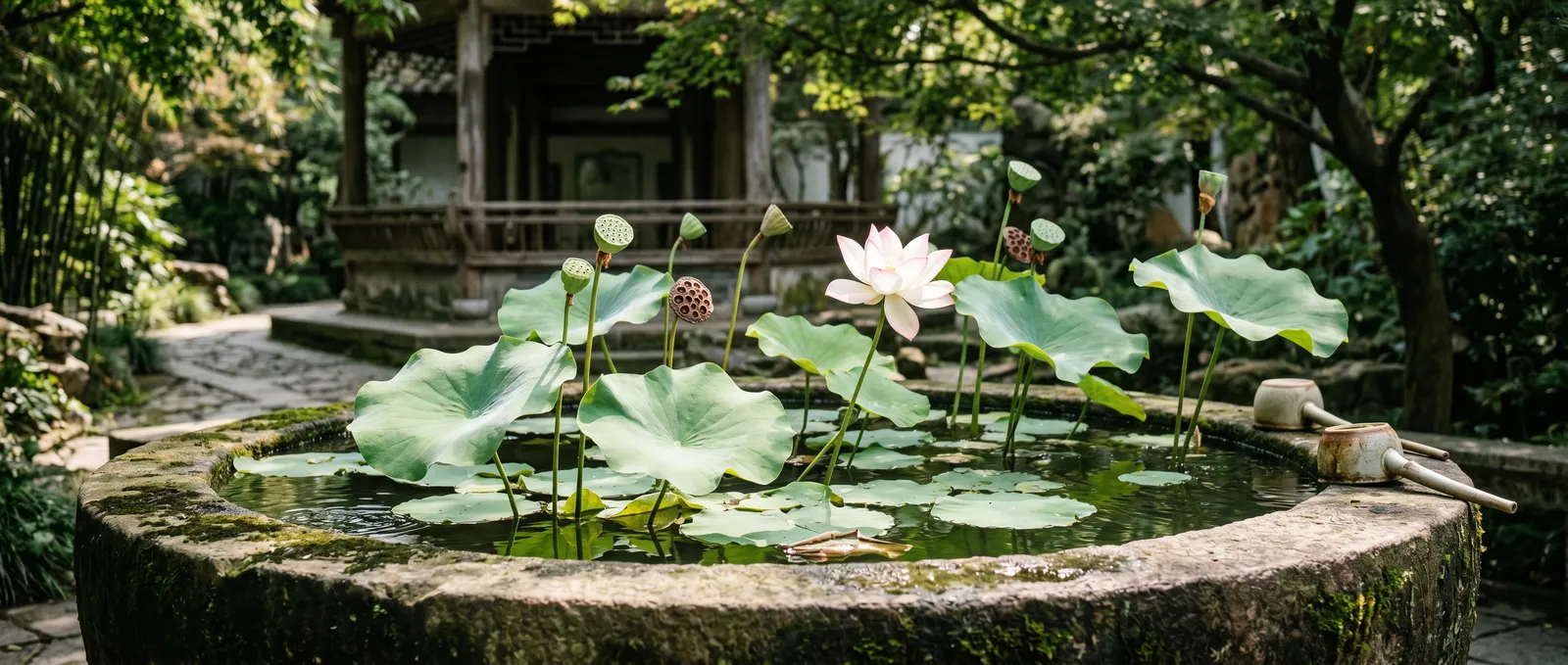
Definition
Nelumbo nucifera — the sacred or pink lotus — belongs to the family Nelumbonaceae, entirely separate from the Nymphaea water lilies often called 'lotus' in English. Cultivated across Asia for over 3,000 years (Lin et al., 2019), it has served simultaneously as a staple food crop, a religious symbol in Hindu and Buddhist traditions, and a multi-part ingredient in traditional Chinese and Ayurvedic medicine.
Nelumbo nucifera Asian history stretches back over three millennia, making the sacred lotus one of the oldest continuously cultivated aquatic crops on the continent. Nelumbo nucifera — the sacred lotus, the pink lotus, the plant that somehow manages to emerge spotless from the muddiest water — has threaded itself through Asian civilisation for at least three thousand years. This is not a Nymphaea species. Nelumbo nucifera sits in its own family, Nelumbonaceae, genetically closer to plane trees than to the blue and white water lilies often lumped under the same common name. Its history across Asia is a story of religion, food, medicine, and a remarkable talent for symbolic reinvention — the same plant meaning subtly different things to Hindus, Buddhists, Confucians, and traditional Chinese pharmacists. According to a pan-plastome diversity study, Nelumbo nucifera cultivation in Asia dates back over 3,000 years (Lin et al., 2019).
Adult audience (18+). The dosing ranges and effects described in this article apply to adult physiology. This content is not intended for minors.
Early Cultivation and Food Use of Nelumbo Nucifera in Asia
Nelumbo nucifera was cultivated as a food crop long before it acquired religious significance, with archaeological evidence placing lotus seed consumption in China at roughly 7,000 years ago. Rhizomes, seeds, leaves, stamens — nearly every part of the plant has been eaten across South and East Asia for thousands of years. Evidence from the Hemudu site in Zhejiang province, China, places lotus seed consumption at that early date, though whether those seeds came from cultivated or wild Nelumbo nucifera populations remains debated (Shen-Miller et al., 2002). What is clear is that by the time written records appear, the plant was already deeply embedded in daily life — not as an exotic curiosity, but as a staple crop grown in ponds, paddy margins, and purpose-built lotus fields.
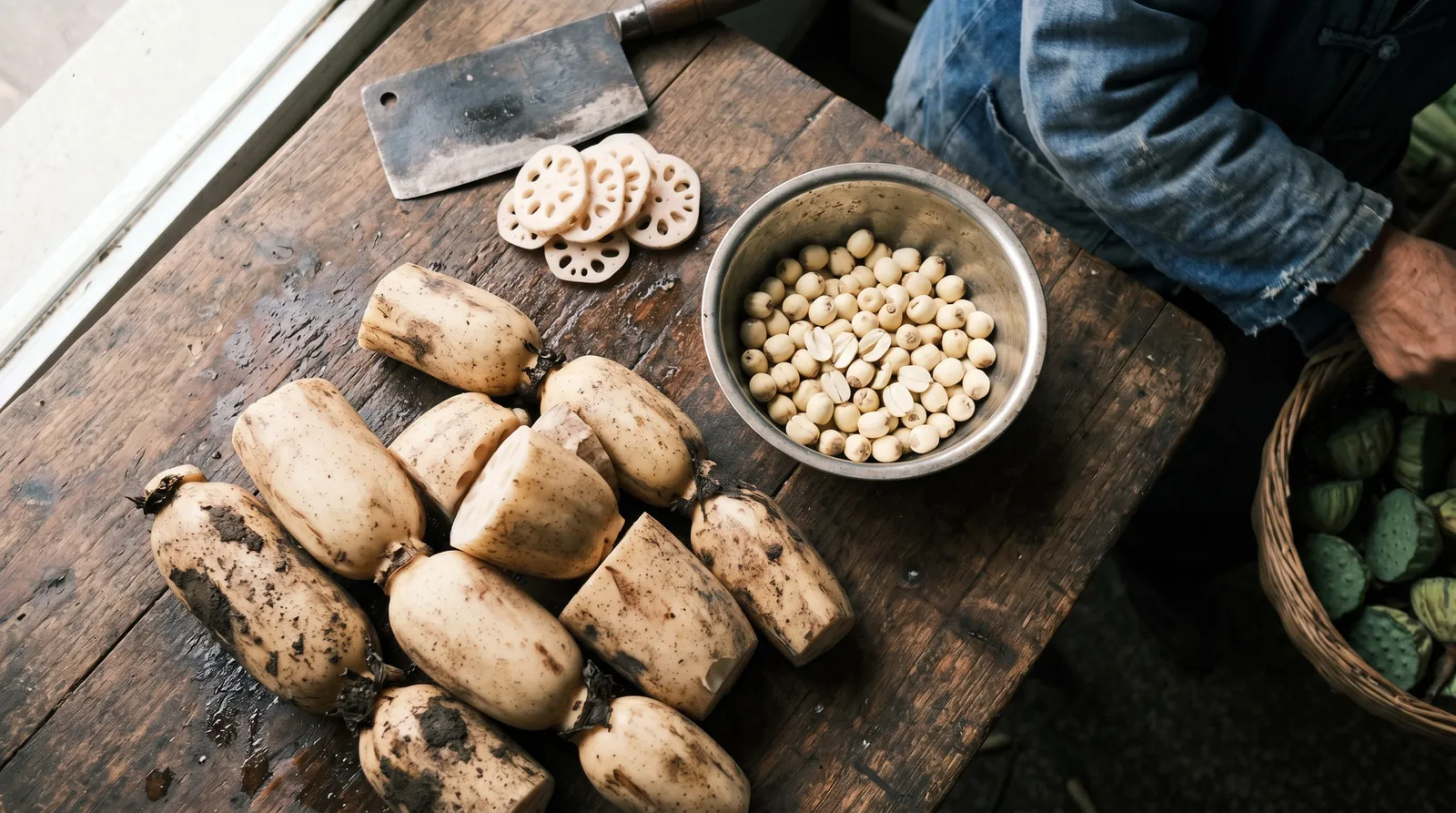
The edible rhizome (often called lotus root in English, though it is technically a rhizome) became a dietary fixture across China, Japan, Korea, and Southeast Asia. In parts of Bihar, India, lotus seeds remain a postpartum food — women drink lotus-seed-infused water after childbirth, a practice ethnobotanists have only recently begun documenting systematically. The point is worth stressing: Nelumbo nucifera entered Asian culture through the stomach before it entered the temple. Its spiritual symbolism grew from an already intimate, everyday relationship with the plant. The Nelumbo nucifera Asian history of food use is inseparable from the plant's later sacred status.
Nelumbo Nucifera in Vedic and Hindu Traditions
Nelumbo nucifera occupies a central position in Hindu cosmology that dates to the earliest Vedic texts, with the Rigveda — composed roughly 1500–1200 BCE — referencing the lotus in hymns connected to creation and divine beauty. By the time of the Puranas, the mythology had crystallised: Brahma, the creator god, sits upon a lotus that emerges from the navel of Vishnu as he reclines on the cosmic ocean. The goddess Lakshmi stands on an open Nelumbo nucifera flower, and her epithets — Padmā, Kamalā — are both lotus names.
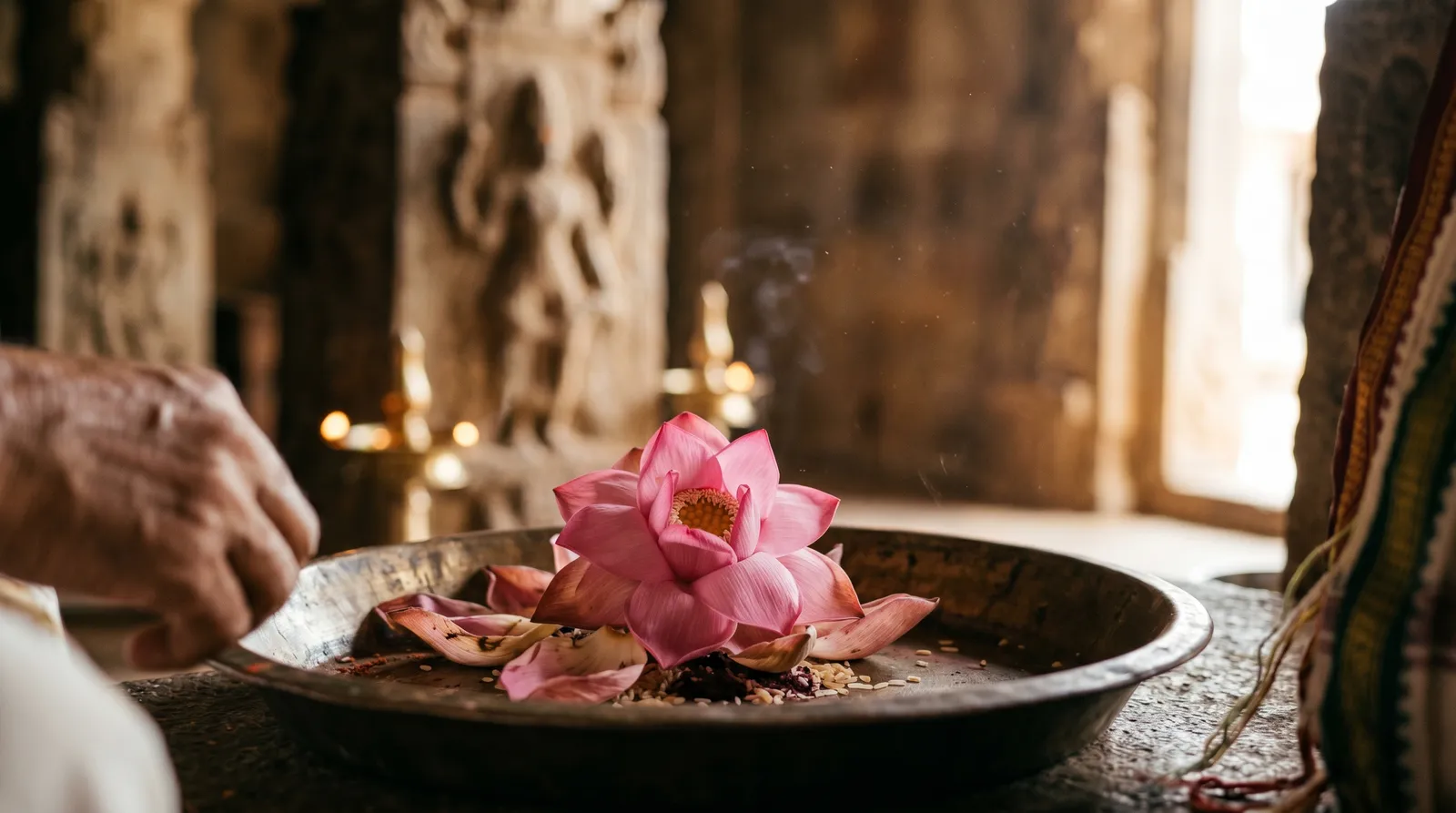
The symbolism is layered but consistent. The lotus rises from murky water yet remains unsoiled. In the Bhagavad Gita (5.10), this quality becomes a metaphor for non-attachment: "One who performs their duty without attachment, surrendering the results unto the Supreme Lord, is unaffected by sinful action, as the lotus is untouched by water." That specific image — purity emerging from impurity — would travel across Asia with Buddhism, but its roots are firmly Vedic.
Ayurvedic texts such as the Charaka Samhita and Sushruta Samhita list preparations using lotus seeds, rhizomes, stamens, and petals for conditions ranging from digestive complaints to excessive bleeding, according to classical Ayurvedic classification systems (Mukherjee et al., 2009). Nelumbo nucifera contains its own distinct alkaloid profile — including nuciferine, nelumbine, liensinine, and neferine — which differs meaningfully from the aporphine alkaloids found in Nymphaea species (Mukherjee et al., 2009). This distinction matters: traditional Ayurvedic uses of Nelumbo nucifera should not be conflated with the effects attributed to Nymphaea caerulea (blue lotus) or Nymphaea ampla (white lotus), even though the common English word "lotus" gets carelessly applied to all three.
Buddhism Spread the Sacred Lotus Across All of Asia
The lotus became Buddhism's most recognisable botanical symbol as the tradition spread from India across the continent, appearing in art, architecture, and scripture from Sri Lanka to Japan. When Siddhartha Gautama attained enlightenment, Buddhist tradition holds that lotus flowers bloomed beneath his feet. The Lotus Sutra (Saddharma Puṇḍarīka Sūtra), one of the most influential Mahayana texts, takes its very name from Nelumbo nucifera — the puṇḍarīka being specifically the white-petalled form of the sacred lotus, not a Nymphaea water lily. The sutra, compiled roughly between the 1st century BCE and 2nd century CE, uses the lotus as its central metaphor: the possibility of Buddhahood emerging from the mud of ordinary existence.
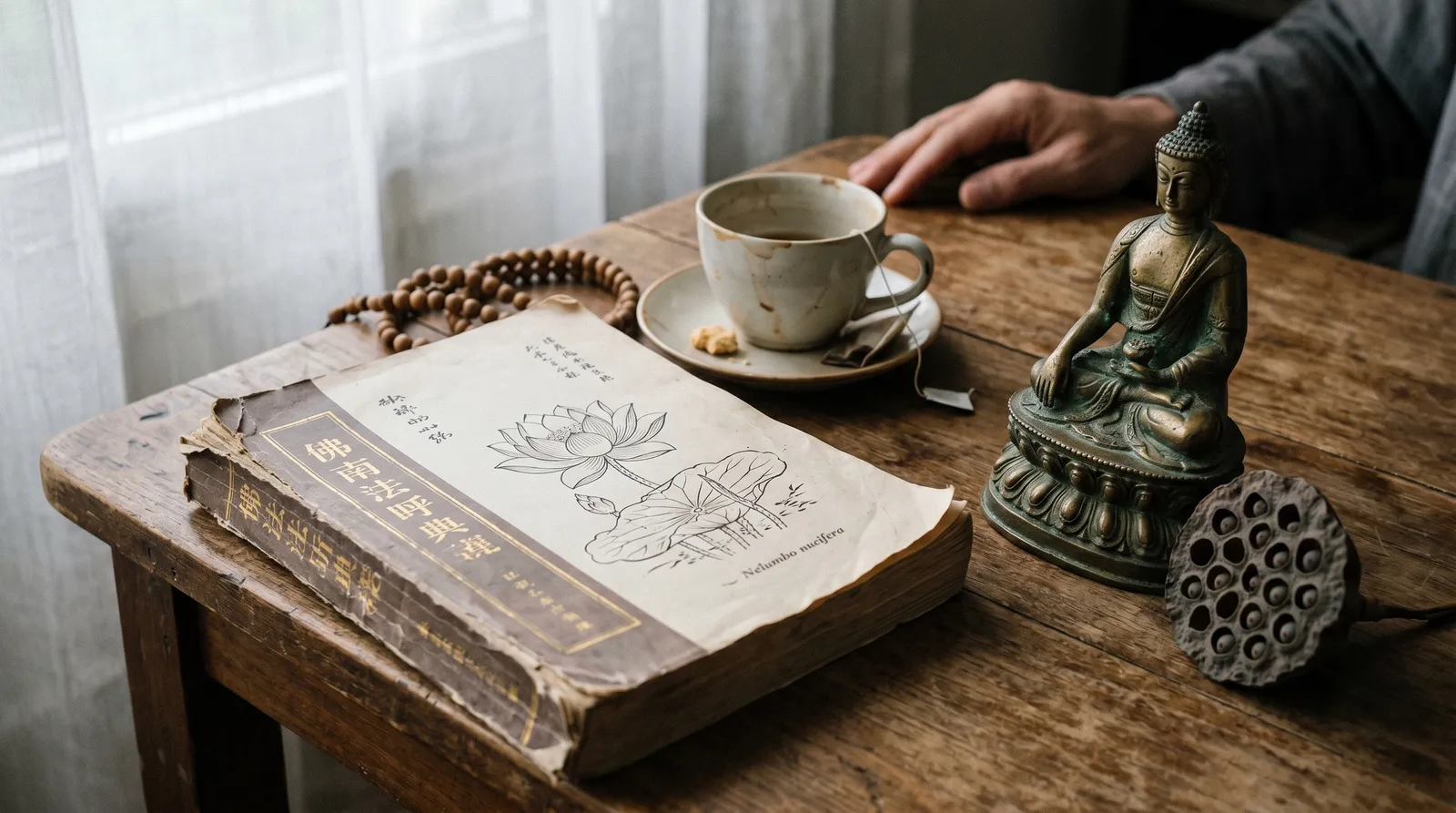
As Buddhism spread from India into Sri Lanka, China, Korea, Japan, Tibet, and Southeast Asia, Nelumbo nucifera's symbolic freight travelled with it — but adapted to local contexts. In Chinese Buddhism, the lotus became associated with Amitābha Buddha and the Pure Land tradition. The Dunhuang cave murals (4th–14th century CE) depict lotus thrones, lotus ponds of rebirth, and bodhisattvas holding lotus stems with a frequency that borders on obsessive. In Japan, the lotus appears across Pure Land Buddhist art, and the plant itself is cultivated at temple ponds — Shinobazu Pond in Tokyo's Ueno Park being a well-known surviving example. This chapter of Nelumbo nucifera Asian history demonstrates how a single plant's symbolism could adapt to radically different cultural contexts while retaining its core meaning.
Theravada Buddhist cultures in Southeast Asia — Thailand, Myanmar, Cambodia, Laos — also adopted Nelumbo nucifera as a primary religious symbol. Cambodian temple architecture at Angkor Wat features lotus-bud towers, and offering lotus buds at Buddhist shrines remains a daily practice across the region. The Khmer empire (9th–15th century) used lotus motifs so extensively in stone carving that architectural historians use lotus-petal moulding styles as a dating tool for temple construction phases (Roveda, 2005).
Traditional Chinese Medicine Uses Every Part of the Lotus Plant
Traditional Chinese medicine classifies Nelumbo nucifera as a multi-part pharmacy, with each plant organ assigned a distinct therapeutic category and temperature classification. The leaves (he ye) appear in classical formulas for summer-heat conditions and as a digestive aid. The seed (lian zi) is classified as a qi-tonifying herb. The stamen (lian xu) is used for conditions involving excessive fluid loss. The rhizome node (ou jie) is used to address bleeding. Each part carries a different TCM temperature and flavour classification, and they are not considered interchangeable — a level of specificity that modern pharmacognosy is only beginning to catch up with.
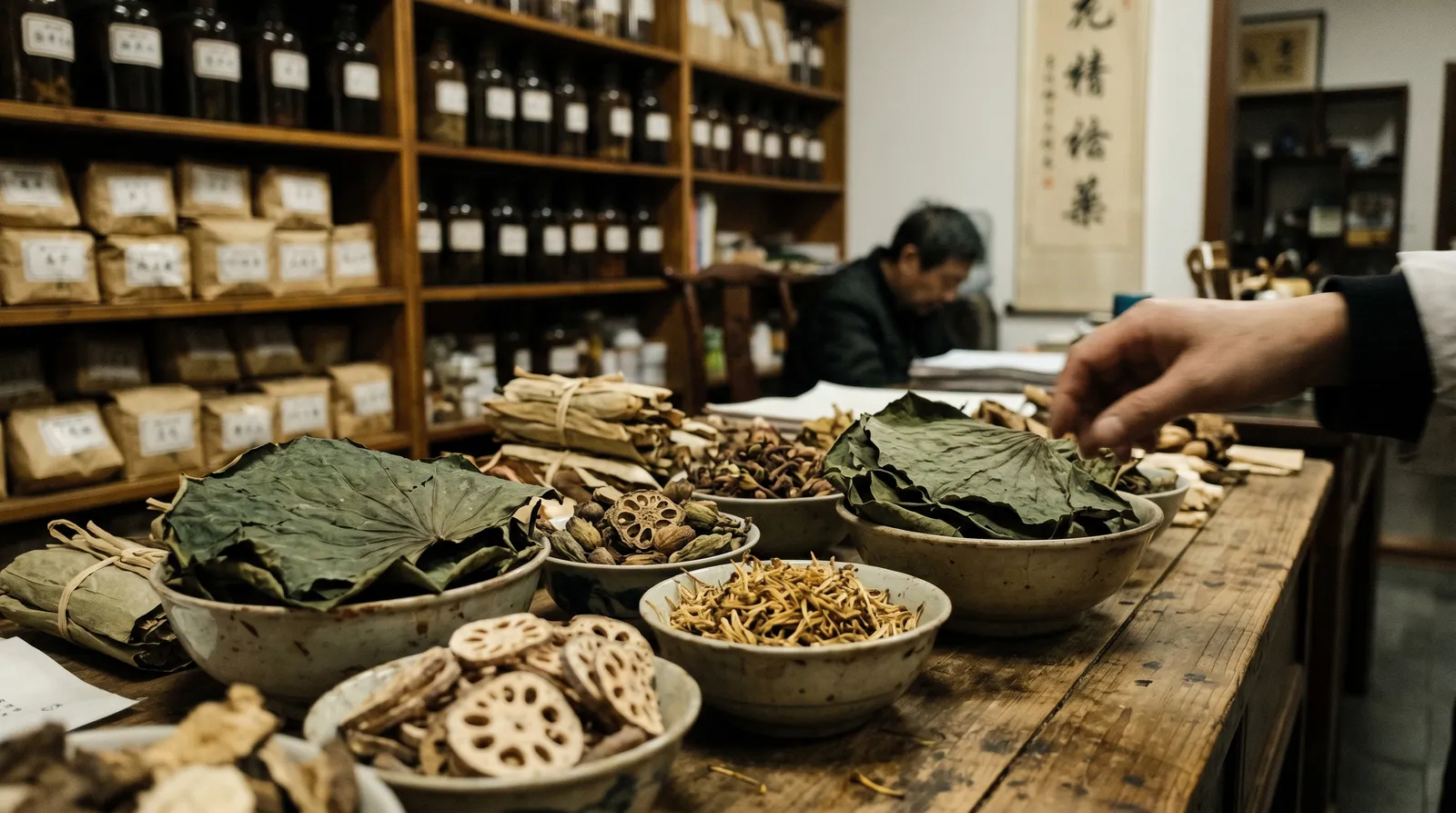
| Plant Part | Chinese Name | Traditional TCM Category | Classical Use Context |
|---|---|---|---|
| Leaf | He ye (荷叶) | Summer-heat clearing | Digestive support, summer formulas |
| Seed | Lian zi (莲子) | Qi-tonifying | Spleen and kidney support formulas |
| Seed embryo | Lian zi xin (莲子心) | Heart-heat clearing | Bitter sedative preparations |
| Stamen | Lian xu (莲须) | Astringent | Fluid-loss and essence-securing formulas |
| Rhizome node | Ou jie (藕节) | Haemostatic | Bleeding-related formulas |
Alkaloid Comparison Between Nelumbo and Nymphaea
| Alkaloid | Present in Nelumbo nucifera | Present in Nymphaea caerulea | Notes |
|---|---|---|---|
| Nuciferine | Yes | Yes | Shared aporphine alkaloid; the main point of overlap |
| Liensinine | Yes | No | Bisbenzylisoquinoline; found mainly in seed embryo |
| Neferine | Yes | No | Bisbenzylisoquinoline; preclinical research interest |
| Nelumbine | Yes | No | Minor alkaloid in Nelumbo nucifera |
| Apomorphine | No | Yes | Dopaminergic compound absent from Nelumbo |
The alkaloid profile of Nelumbo nucifera — particularly the bisbenzylisoquinoline alkaloids liensinine and neferine found primarily in the seed embryo (lian zi xin) — has attracted research interest. A 2016 review noted that neferine demonstrated anti-arrhythmic and vasodilatory effects in animal models (Bhardwaj & Modi, 2016), though human clinical data remains thin and no firm therapeutic conclusions can be drawn from preclinical work alone. The shared presence of nuciferine across both Nelumbo nucifera and Nymphaea species is a genuine pharmacological overlap, but the broader alkaloid context differs substantially between the two genera.
Outside medicine, Nelumbo nucifera became a fixture of Chinese literary and philosophical culture. Zhou Dunyi's 11th-century essay "On the Love of the Lotus" (Ài Lián Shuō) elevated the plant to a Confucian emblem of moral integrity — the gentleman who remains upright amid corruption, just as the lotus rises clean from mud. This essay became one of the most memorised texts in Chinese classical education and cemented the lotus as a symbol that transcended any single religious tradition.
Nelumbo Nucifera Remains One of Asia's Most Important Aquatic Food Crops
Nelumbo nucifera remains one of Asia's most widely cultivated aquatic food plants, with China alone growing roughly 600,000 hectares primarily for rhizome production (Yi et al., 2012). The rhizome is eaten raw, stir-fried, braised, pickled, and dried into starch. Lotus seeds are boiled into soups, ground into paste for mooncakes, and candied as snacks. Lotus leaves wrap sticky rice in the Cantonese dish lo mai gai. The young stems are eaten as a vegetable in parts of India and Bangladesh.
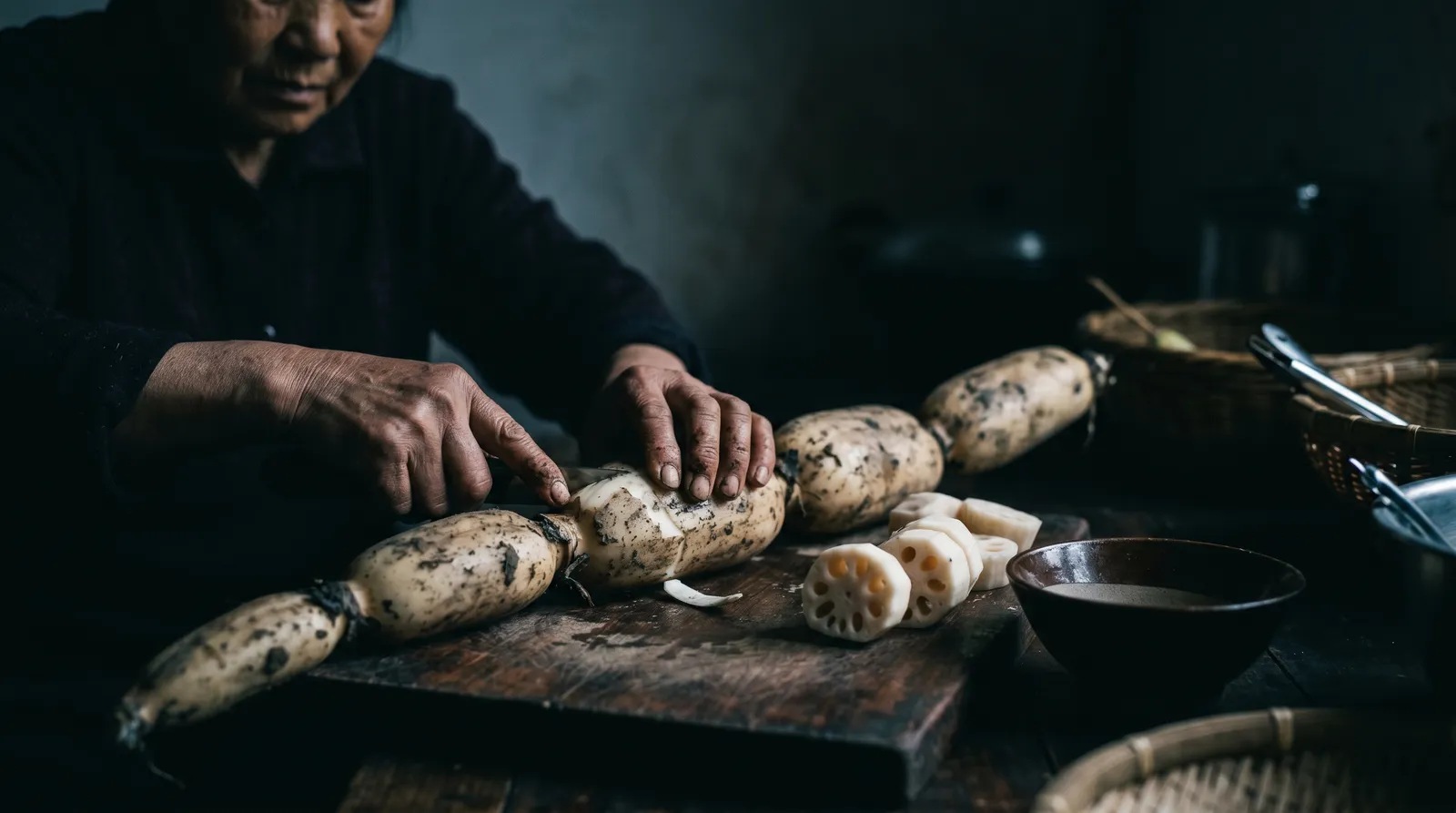
This agricultural dimension is historically inseparable from the sacred one. Temple lotus ponds in Asia were not purely decorative — they often served as food sources for monastic communities. The dual identity of Nelumbo nucifera as both sacred object and practical crop is arguably what gave it such cultural staying power. A plant that only appears in scripture is easy to forget. A plant that also appears at dinner is not.
Nelumbo Nucifera and Nymphaea Are Entirely Different Plants
Nelumbo nucifera and Nymphaea species are entirely different plants that diverged evolutionarily long ago, despite sharing the common name "lotus" in English. Nelumbo nucifera (family Nelumbonaceae) and the Nymphaea species (family Nymphaeaceae) differ in morphology, genetics, and chemistry. Their alkaloid profiles overlap at nuciferine but diverge significantly beyond that point — Nymphaea caerulea contains apomorphine alongside nuciferine, while Nelumbo nucifera contains the bisbenzylisoquinoline alkaloids liensinine and neferine, which are absent from Nymphaea.
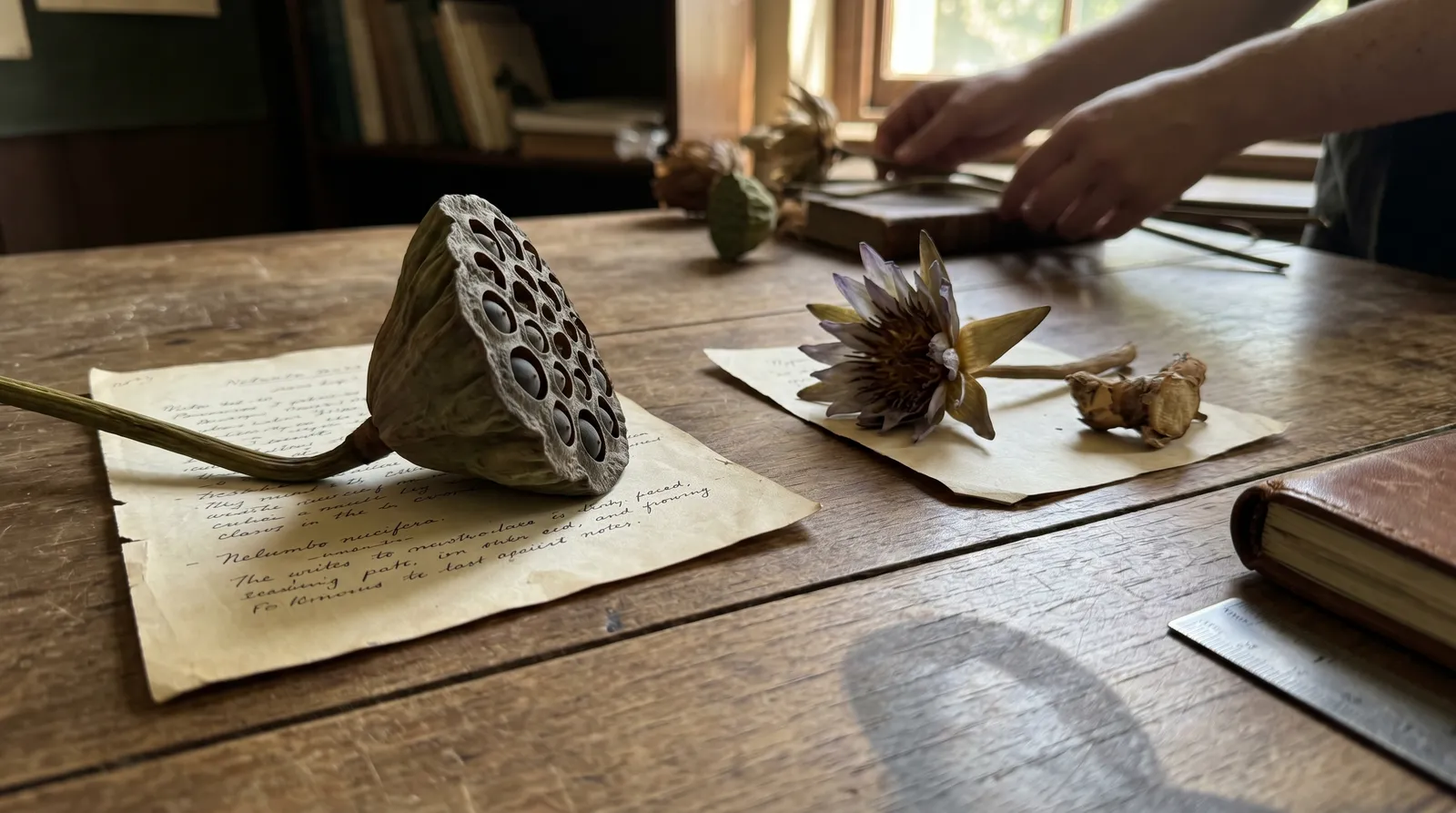
When you read about "lotus" in an Asian historical context — Hindu scripture, Buddhist iconography, Chinese medicine, Japanese temple gardens — the plant in question is almost always Nelumbo nucifera. When you read about "lotus" in an ancient Egyptian context — tomb paintings, the Book of the Dead — the plant is almost certainly Nymphaea caerulea. The European Monitoring Centre for Drugs and Drug Addiction (EMCDDA) drug profiles and Beckley Foundation reports on psychoactive botanicals generally distinguish between these genera, and responsible sourcing requires the same precision. Treating these as interchangeable, or transferring the ceremonial history of one onto the pharmacological profile of the other, is a common error that muddies both the history and the science. Understanding the Nelumbo nucifera Asian history of sacred use helps prevent exactly this kind of confusion.
Timeline of Nelumbo Nucifera Asian History
Nelumbo nucifera Asian history can be traced through a series of documented milestones spanning from prehistoric seed consumption to modern agricultural cultivation. The earliest archaeological evidence comes from the Hemudu site in Zhejiang, China, where lotus seeds dating to roughly 5000 BCE suggest that humans were already consuming the plant. By the time the Rigveda was composed (roughly 1500–1200 BCE), Nelumbo nucifera had entered Indian sacred literature. The Lotus Sutra appeared between the 1st century BCE and 2nd century CE, carrying the plant's symbolism across East Asia. The Khmer empire (9th–15th century) embedded lotus motifs into monumental architecture at Angkor Wat. Zhou Dunyi's 11th-century essay cemented the lotus as a Confucian symbol of moral integrity in China. Today, Nelumbo nucifera Asian history continues as the plant remains a major aquatic crop across the continent, with China cultivating roughly 600,000 hectares for food production alone.
Where to Buy Nelumbo Nucifera
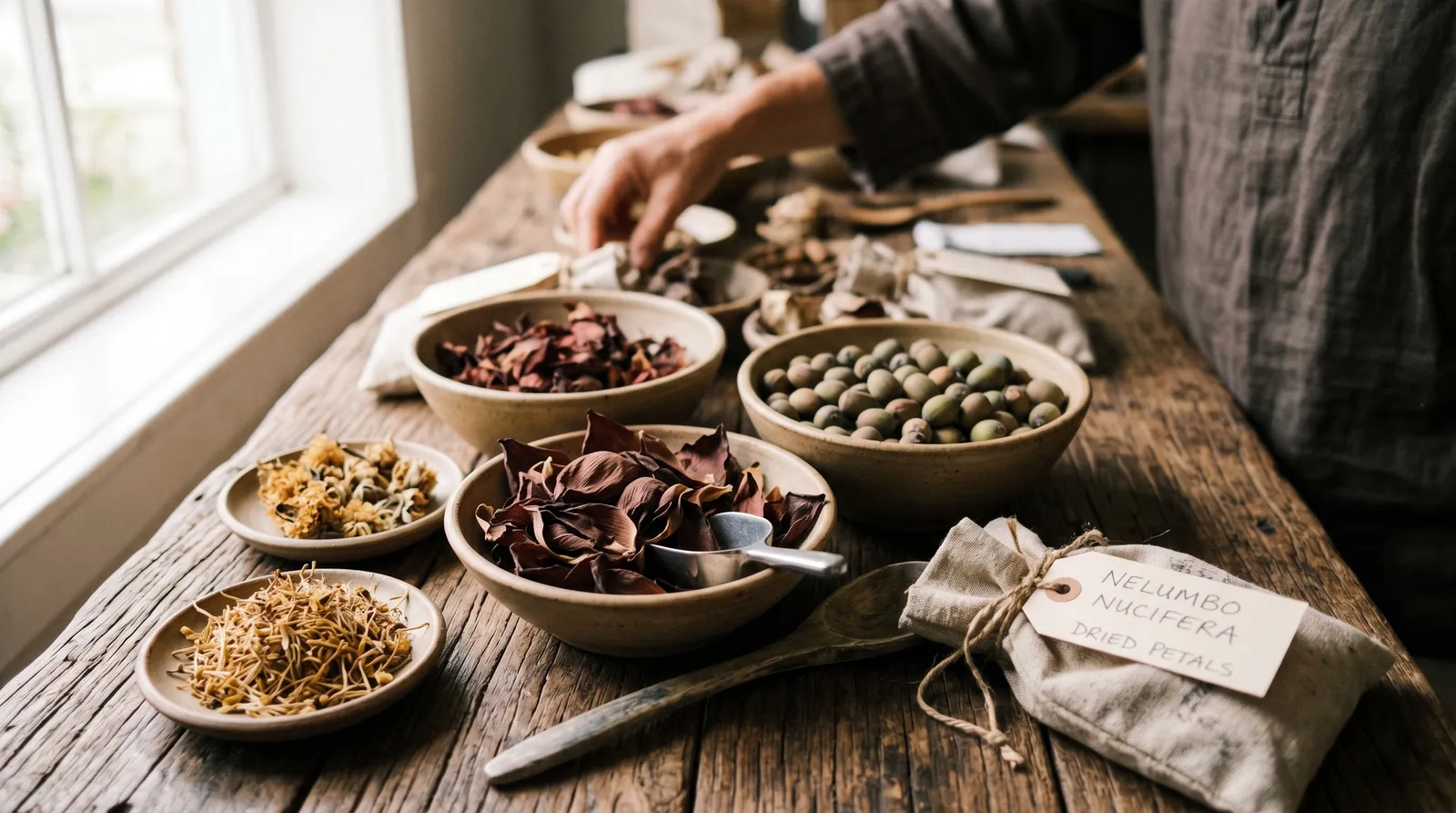
Correctly identified Nelumbo nucifera is available to buy as dried petals, whole seeds, and dried stamens from specialist botanical retailers. When you order Nelumbo nucifera, verify that the supplier distinguishes it clearly from Nymphaea caerulea — mislabelling is common in the online herbal market. At Azarius, you can buy Nelumbo nucifera (Sacred Lotus) as dried petals, and we also carry Nymphaea caerulea (Blue Lotus) separately for those interested in comparing the two. Hawaiian Baby Woodrose and Kanna are other ethnobotanical products in our catalogue that customers sometimes explore alongside lotus species. You can also get dried Wild Dagga flowers and Damiana leaf from our range if you are building a broader collection of traditional botanicals.
Related Products and Categories Worth Exploring
Customers interested in Nelumbo nucifera Asian history often explore other traditional botanicals in the Azarius catalogue. Our Ethnobotanicals category includes a wide range of plants with documented traditional use across cultures. Within that collection, you can find Sacred Lotus (Nelumbo nucifera) dried petals alongside Blue Lotus (Nymphaea caerulea) flowers and extract. Our Herbal Teas category features several blends that pair well with lotus petals. For those researching traditional Asian botanicals more broadly, our wiki articles on Blue Lotus (Nymphaea caerulea) and Kanna (Sceletium tortuosum) provide similar depth on those plants' histories. The Azarius blog also covers topics like ethnobotanical sourcing and the differences between commonly confused plant species.
Last updated: April 2026
Frequently Asked Questions
7 questionsIs Nelumbo nucifera the same plant as blue lotus?
How long has Nelumbo nucifera been cultivated in Asia?
Why is the lotus important in Buddhism?
What parts of Nelumbo nucifera are used in traditional Chinese medicine?
Does Nelumbo nucifera contain the same alkaloids as Nymphaea caerulea?
What is the difference between the sacred lotus and the water lily?
Which Asian countries consider the lotus a national symbol?
About this article


Adam Parsons is an external cannabis and psychedelics writer and editor who contributes to Azarius's wiki as both author and reviewer. On the writing side, he authors Azarius's kratom and kanna clusters, drawing on exten
This wiki article was drafted with AI assistance and reviewed by Adam Parsons, External contributor. Editorial oversight by Joshua Askew.
Medical disclaimer. This content is for informational purposes only and does not constitute medical advice. Consult a qualified healthcare provider before use of any substance.
Last reviewed April 24, 2026
References (6)
- [1]Bhardwaj, A. & Modi, K.P. (2016). A review on therapeutic potential of Nelumbo nucifera (Gaertn): The sacred lotus. International Journal of Pharmaceutical Sciences and Research , 7(1), 42–54.
- [2]Lin, Z. et al. (2019). The Asian lotus (Nelumbo nucifera) pan-plastome diversity and phylogenomics. Plant Diversity , 41(4), 218–226.
- [3]Mukherjee, P.K. et al. (2009). The sacred lotus (Nelumbo nucifera) — phytochemical and therapeutic profile. Journal of Pharmacy and Pharmacology , 61(4), 407–422. DOI: 10.1211/jpp.61.04.0001
- [4]Roveda, V. (2005). Images of the Gods: Khmer Mythology in Cambodia, Thailand and Laos . River Books.
- [5]Shen-Miller, J. et al. (2002). Long-living lotus: germination and soil γ-irradiation of centuries-old fruits, and cultivation, growth, and phenotypic abnormalities of offspring. American Journal of Botany , 89(2), 236–247.
- [6]Yi, X. et al. (2012). Lotus root and lotus seed. In Handbook of Vegetables and Vegetable Processing . Blackwell Publishing.
Related Articles
Blue Lotus vs Kanna: Effects & Safety
Blue lotus vs kanna compared — Nymphaea caerulea's aporphine profile against Sceletium tortuosum's mesembrine chemistry, with interaction warnings.

Lotus Clinical Research Overview
What does lotus clinical research actually show? A critical review of Nymphaea caerulea and Nelumbo nucifera pharmacology, preclinical data, and…
Kanna South Africa To West History
Sceletium tortuosum was used by San and Khoekhoe communities in southern Africa for centuries before European colonists first documented it in the 1660s.
Sceletium Tortuosum Plant
Learn about the sceletium tortuosum plant: botany, alkaloids, fermentation, safety warnings, and where to buy kanna.

Kanna Pharmacokinetics Explained
Complete guide to kanna pharmacokinetics: how Sceletium tortuosum alkaloids are absorbed, metabolised via CYP2D6, and eliminated.

Kanna Chemistry: Sceletium Alkaloids Explained
Kanna chemistry explained: mesembrine, mesembrenone, their mechanisms, how fermentation and extraction change alkaloid profiles, and why it matters…
Rapé Shamanic Snuff Guide: How to Use It Safely
A practical rapé shamanic snuff guide covering dose, kuripe technique, effects, nicotine safety, interactions and Amazonian tradition.
White Sage Salvia Apiana Cultural Smudging Guide
Salvia apiana is a non-psychoactive shrub native to southern California's coastal sage scrub, burned as ceremonial incense in Indigenous North American…
Mulungu Erythrina Traditional Amazonian Use — Bark, Alkaloids & Research
Erythrina mulungu is a Brazilian legume tree whose bark has been brewed as a calming decoction in rural folk medicine for generations.