
This article discusses psychoactive substances intended for adults (18+). If you have a health condition or take medication, consult a doctor before use. Our age policy
Lotus Species Guide: Telling Blue, White, and Pink Apart
Definition
Three plants share the name 'lotus,' but they span two separate botanical families — Nymphaeaceae and Nelumbonaceae — with only partial alkaloid overlap. Nuciferine appears across all three species, while bisbenzylisoquinoline alkaloids like neferine are unique to Nelumbo nucifera (Chen et al., 2012). This guide breaks down how to tell them apart and why the distinction matters.
A lotus species guide is a reference framework that helps you distinguish three plants sharing the common name "lotus" — plants that belong to two separate families with distinct chemistry, different traditional uses, and only partial alkaloid overlap. This lotus species guide walks you through how to identify which lotus you're actually looking at — botanically, chemically, and practically — so you can make sense of the confusing naming conventions that plague this category. The table below is your starting point; the sections that follow unpack each column.
Adult audience (18+). The dosing ranges and effects described in this article apply to adult physiology. This content is not intended for minors.
| Dimension | Blue Lotus — Nymphaea caerulea | White Lotus — Nymphaea ampla | Pink / Sacred Lotus — Nelumbo nucifera |
|---|---|---|---|
| Family | Nymphaeaceae | Nymphaeaceae | Nelumbonaceae |
| Genus | Nymphaea | Nymphaea | Nelumbo |
| Common framing | True water lily | True water lily | Sacred / Indian lotus |
| Principal alkaloids | Nuciferine, apomorphine (aporphine class) | Nuciferine, apomorphine (aporphine class; less characterised than N. caerulea) | Nuciferine, nelumbine, liensinine, neferine (bisbenzylisoquinoline class alongside aporphine) |
| Traditional region | Egypt, East Africa | Mesoamerica (Maya region) | South and East Asia (India, China, Southeast Asia) |
| Historical context | Egyptian tomb reliefs and papyrus imagery | Maya ceramic iconography | Ayurvedic medicine, Buddhist iconography |
| Leaf behaviour | Floats flat on the water surface; V-shaped notch | Floats flat; V-shaped notch; often broader than N. caerulea | Rises above the water on tall petioles; no notch; water beads and rolls off |
| Flower colour | Sky blue to violet, yellow centre | White to cream, yellow centre | Pink to rose, occasionally white cultivars |
| Seed pod | Berry-like, submerged | Berry-like, submerged | Distinctive flat-topped receptacle ("shower head") held above water |
| Reported user experience (anecdotal) | Mild sedation, dream vividness | Similar to N. caerulea but less widely reported | Calm, mild relaxation; users also report a distinct body sensation |
Why the Naming Is So Confusing
The word "lotus" is applied to plants from two entirely unrelated botanical families, which is the single biggest source of confusion in any lotus species guide. Nymphaea (the genus containing blue and white lotus) sits in the family Nymphaeaceae — the true water lilies. Nelumbo (pink/sacred lotus) belongs to Nelumbonaceae, a family that molecular phylogenetics has placed closer to the plane tree (Platanus) than to water lilies (APG IV, 2016). They share a pond, not a family tree.
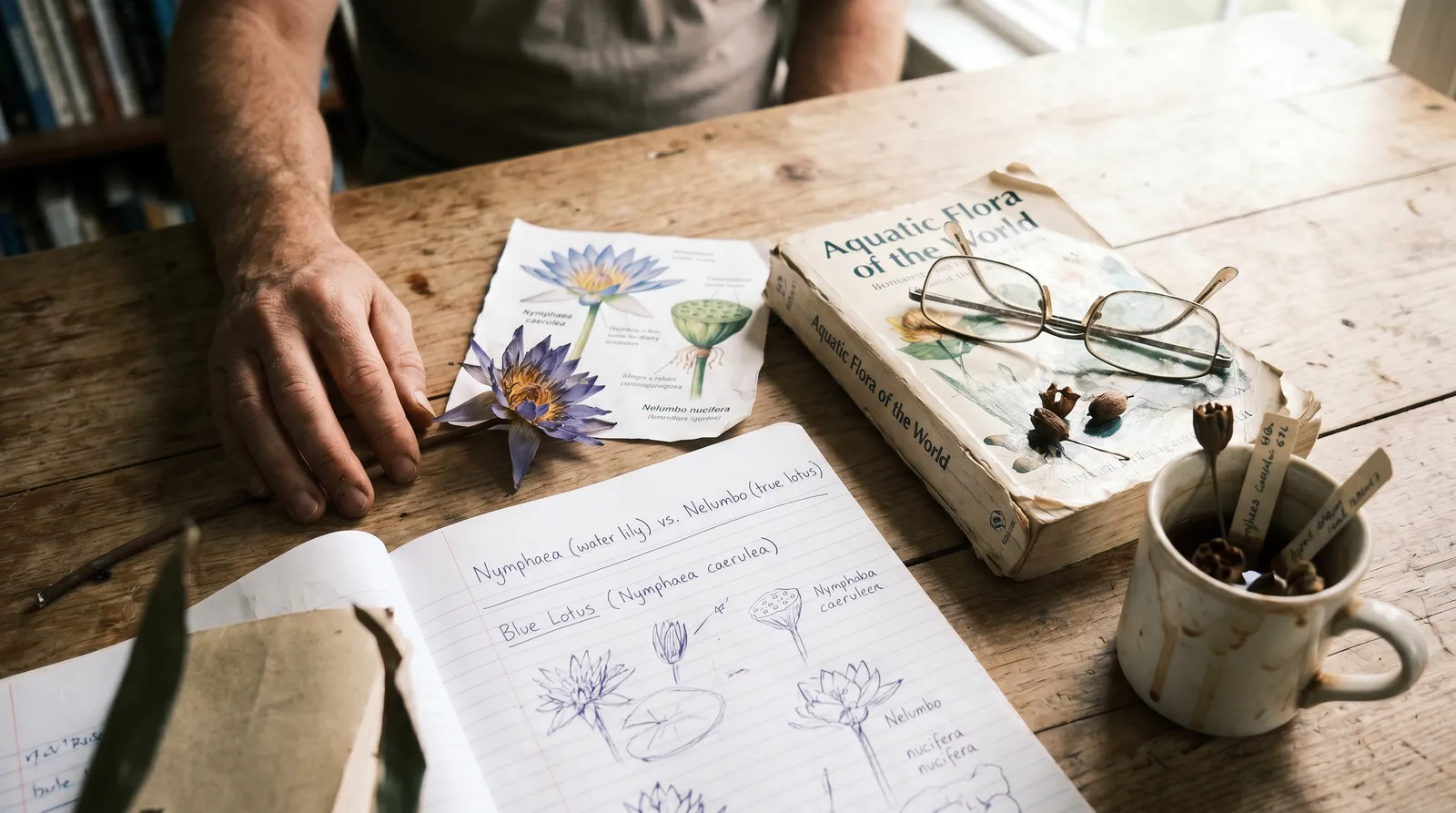
To make things worse, there is a separate species called Nymphaea lotus — a white-flowered water lily native to parts of Africa and sometimes sold in the aquarium trade. That is not the white lotus discussed here. The white lotus relevant to ethnobotanical and smartshop contexts is Nymphaea ampla, a Mesoamerican species with documented Maya ceremonial associations. Mixing these up is easy, and vendors do it constantly. If a label just says "white lotus" without a Latin binomial, you genuinely don't know what you're getting.
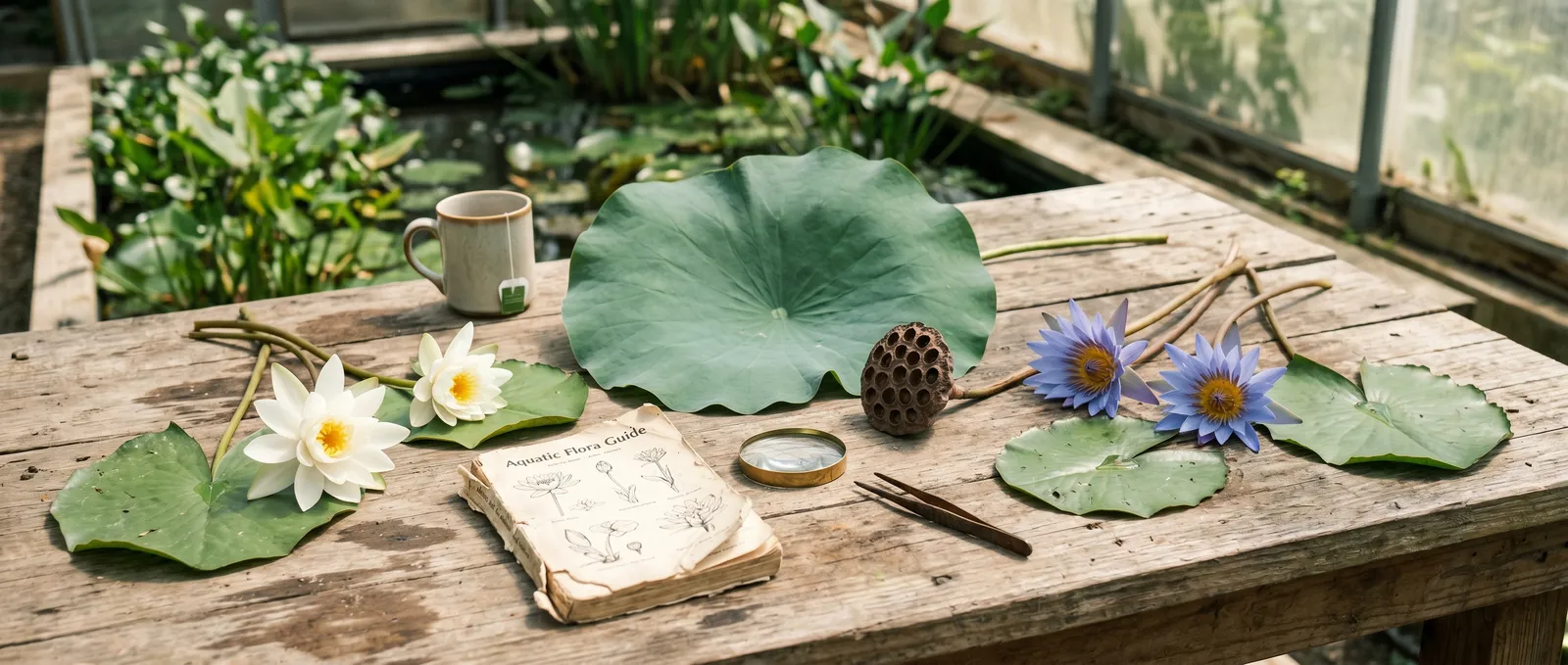
A quick field test if you ever see these growing: Nelumbo nucifera leaves rise above the water on stiff petioles and repel water droplets (the so-called "lotus effect" that materials scientists have studied). Nymphaea leaves float flat on the surface and have a characteristic V-shaped slit running from the edge to the centre. If the leaf is floating and notched, it's a water lily. If it's standing above the water like a parasol, it's a true lotus.
The Nymphaea Pair: Blue and White
Nymphaea caerulea and Nymphaea ampla are the two species in this lotus species guide that share a genus and a broadly similar aporphine alkaloid profile. Both contain nuciferine and apomorphine as their principal characterised alkaloids — compounds belonging to the aporphine subclass of isoquinoline alkaloids. Nuciferine has been identified as a partial agonist at dopamine D2 receptors in receptor-binding studies (Farrell et al., 2016), which is the proposed mechanism behind the mild sedation and dream-related effects that users report for Nymphaea caerulea.
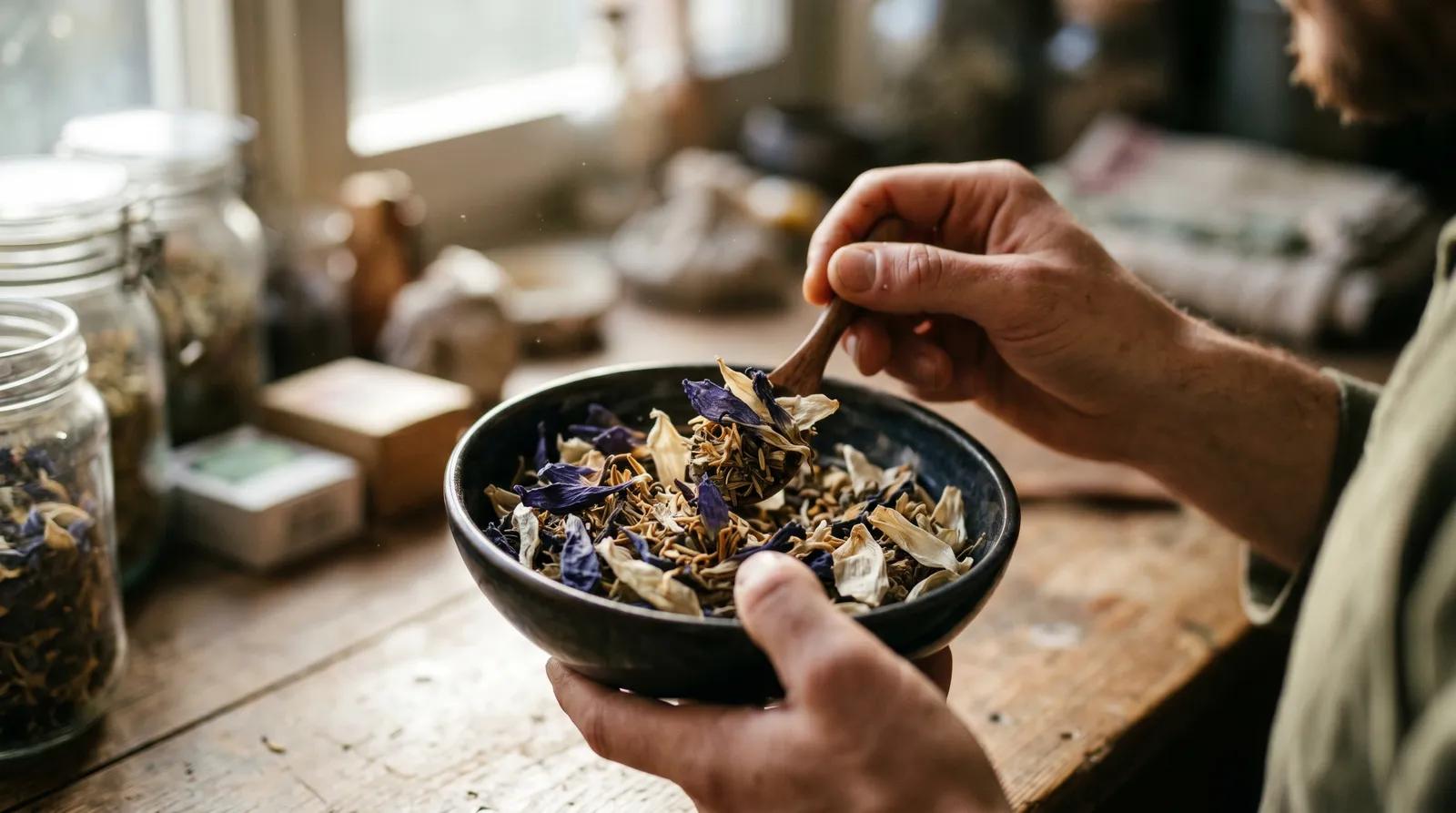
The critical difference is how well each species has been studied. Nymphaea caerulea has the stronger characterisation: its aporphine content has been confirmed in phytochemical analyses, and its traditional Egyptian use is documented archaeologically through tomb reliefs and papyrus imagery dating to the New Kingdom period (Emboden, 1978). Nymphaea ampla, by contrast, appears in Maya ceramic art — particularly on vessels depicting ritual scenes — but its alkaloid profile has received less analytical attention. Users sometimes treat the two as interchangeable, and the shared genus makes that tempting, but the phytochemical data for N. ampla is thinner than for N. caerulea, and assuming identical potency or effects is not well supported.
Both Nymphaea species are available as shredded petal material and as concentrated extracts. If you want to buy blue lotus or white lotus, this distinction matters pharmacologically: extracts concentrate the aporphine alkaloids relative to raw plant material, so effective extract doses are substantially smaller than shredded-petal doses. The two forms are not interchangeable. Because apomorphine analogs can lower blood pressure, the cardiovascular concern also scales with concentration — extracts carry greater weight here than a mild petal tea.
The Odd One Out: Nelumbo nucifera
Nelumbo nucifera is the only species in this lotus species guide that belongs to the family Nelumbonaceae rather than Nymphaeaceae. It shares nuciferine with the Nymphaea species, which is why all three sometimes get lumped together. But Nelumbo also produces a suite of bisbenzylisoquinoline alkaloids — principally liensinine, neferine, and isoliensinine — that the Nymphaea genus does not contain (Chen et al., 2012). These bisbenzylisoquinolines have shown cardiovascular activity in preclinical models, including antiarrhythmic effects observed in isolated cardiac tissue preparations. Nelumbine, another alkaloid present in Nelumbo nucifera, adds further chemical distance from the Nymphaea profile.

This means transferring a Nymphaea caerulea effect profile onto Nelumbo nucifera — or vice versa — is pharmacologically sloppy. The shared nuciferine gives them some overlap in proposed dopaminergic activity, but the additional bisbenzylisoquinoline alkaloids in Nelumbo create a distinct pharmacological fingerprint. Users who have tried both genera often describe the Nelumbo experience as having a more pronounced body component, though this remains anecdotal and has not been confirmed in controlled studies.
Historically, Nelumbo nucifera occupies a completely different cultural lineage. Its use in Ayurvedic medicine and its prominence in Buddhist and Hindu iconography are well documented, but these traditions are not interchangeable with the Egyptian ceremonial context of Nymphaea caerulea. Treating "lotus" as a single cultural category flattens two entirely separate ethnobotanical histories into mush.
How to Identify Which Species You Have
Colour, petal shape, and texture are the three fastest visual markers for distinguishing dried lotus material when you don't have a living plant in front of you. This section of the lotus species guide gives you the cues that work even with shredded product.
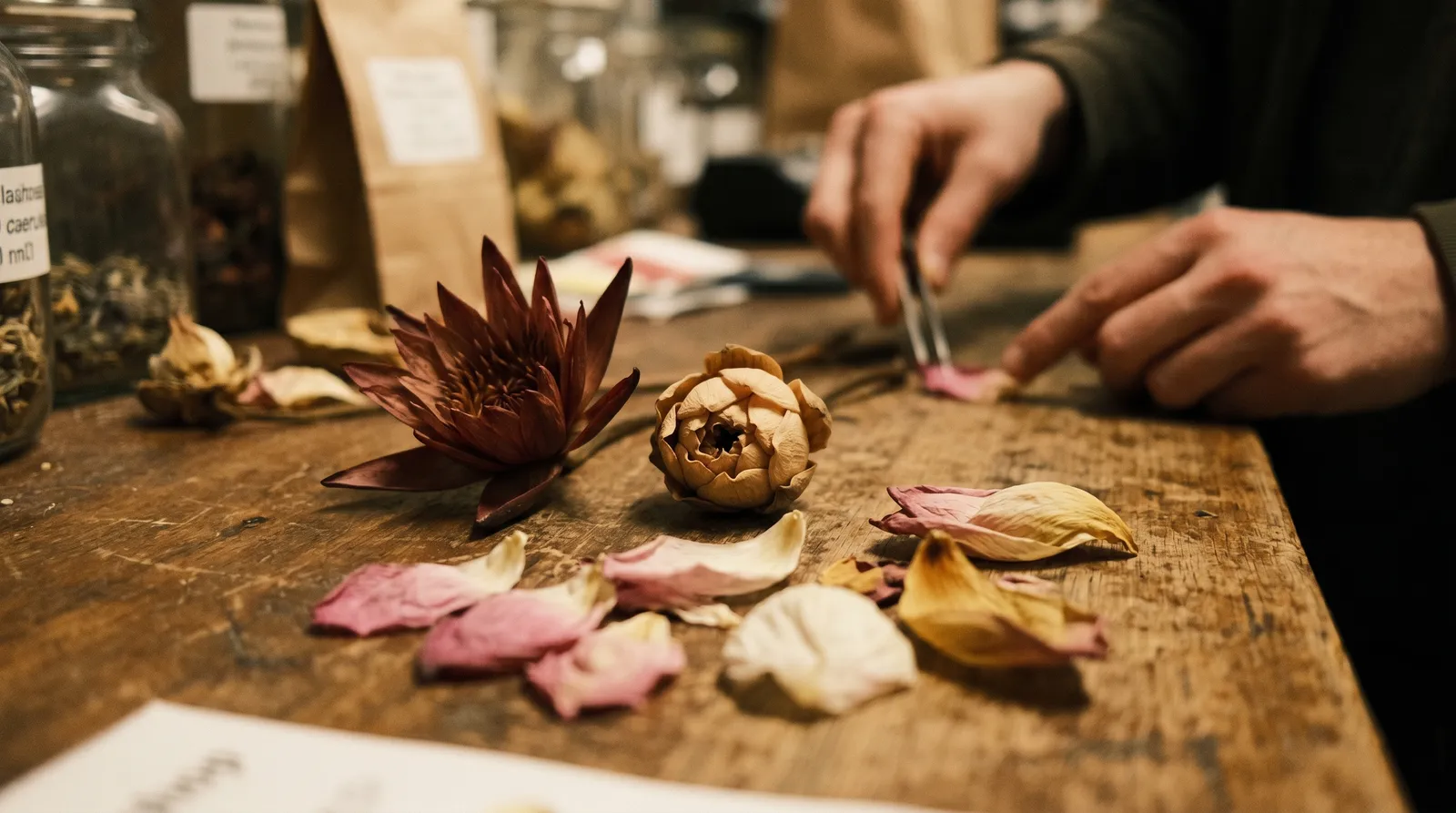
- Nymphaea caerulea petals: Dried petals tend to retain a blue-violet hue, sometimes fading to a dusty lavender. The petals are relatively narrow and pointed. The scent, when rehydrated, is faintly sweet and slightly fruity.
- Nymphaea ampla petals: Broader and paler — cream to off-white when dried. Less aromatic than N. caerulea. Often sold with more stem material mixed in.
- Nelumbo nucifera petals: Larger, thicker-textured petals that dry to a papery pink or sometimes a washed-out rose. The petal base is often noticeably wider than either Nymphaea species. The scent is more herbal and less sweet.
None of these visual cues are foolproof with heavily processed or old material. The only definitive identification is a Latin binomial on the label from a supplier who actually tests their stock. If a product says "lotus" without specifying the species, that's a red flag — not because the product is necessarily bad, but because you can't make informed decisions about something you can't identify.
Alkaloid Overlap and Divergence
Nuciferine is the single alkaloid shared across all three species and the compound most frequently cited in lotus pharmacology discussions. Nuciferine's proposed partial agonism at dopamine D1 and D2 receptors has some in-vitro support (Farrell et al., 2016), but human pharmacokinetic data remains limited. How much nuciferine survives brewing as a tea, how bioavailable it is orally, and what the dose-response curve looks like in humans are all questions without robust answers. The pharmacology is plausible but incompletely characterised.
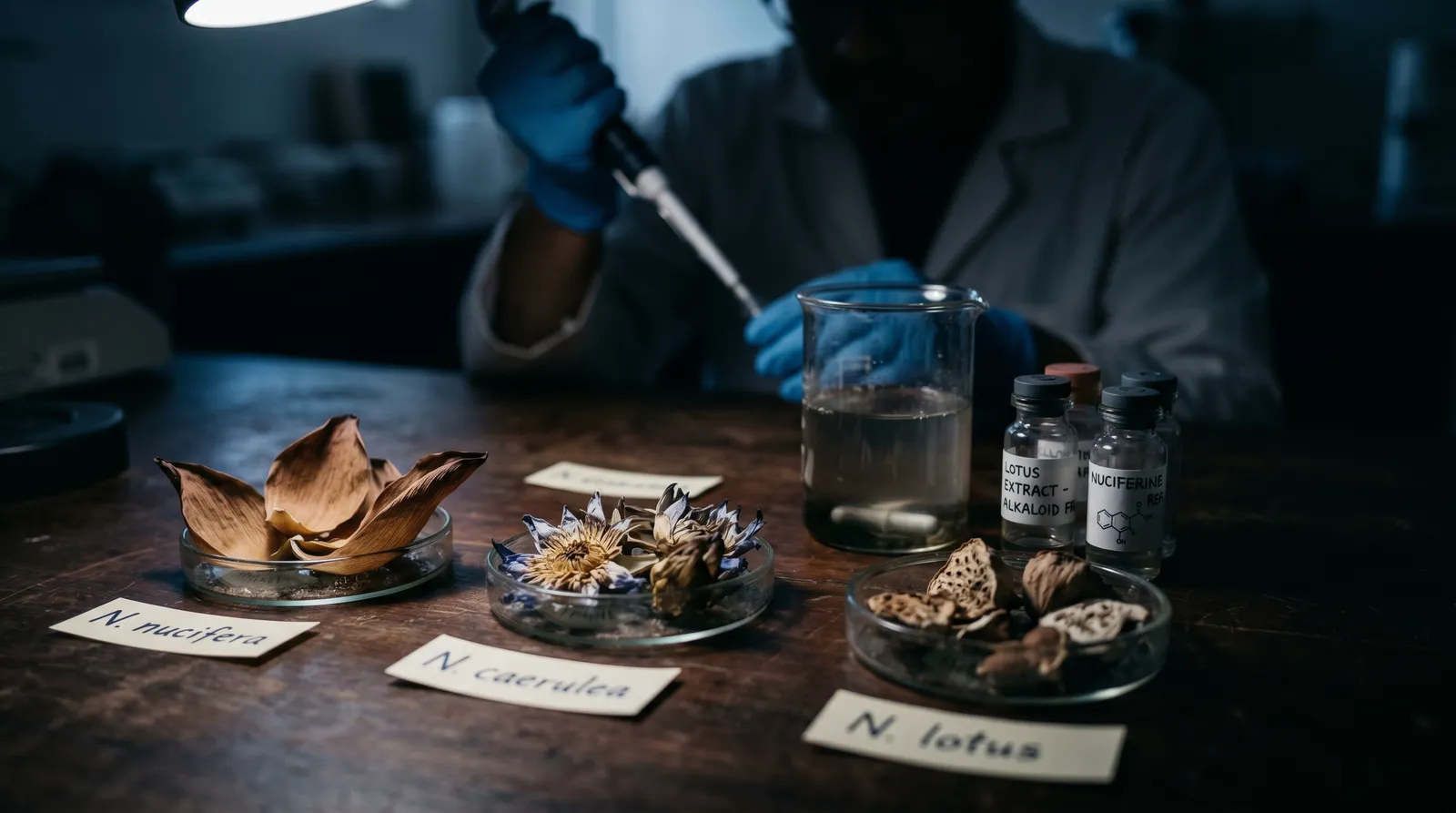
Apomorphine — the other principal alkaloid named in Nymphaea caerulea — is a well-known dopamine agonist used clinically for Parkinson's disease. The concentrations present in plant material are far below therapeutic apomorphine doses, but the mechanism is the same in kind if not in degree. This is precisely why interactions with dopaminergic medications (levodopa, pramipexole, ropinirole, and therapeutic apomorphine itself) and with dopamine-receptor-active antiemetics (metoclopramide, domperidone) need flagging for both Nymphaea species. Theoretical MAOI concerns also exist via the aporphine class. For a full breakdown, see the dedicated Lotus Drug Interactions article.
For Nelumbo nucifera, the bisbenzylisoquinoline alkaloids (liensinine, neferine) introduce additional cardiovascular considerations. Neferine has demonstrated calcium-channel-blocking activity in preclinical models (Qian, 2002), which is mechanistically relevant for anyone taking antihypertensives or who has cardiovascular disease. The interaction profile for Nelumbo is arguably more complex than for the Nymphaea species, though it is also less well studied in humans. The EMCDDA has not published a formal risk assessment on any of these lotus species, which itself tells you something about the state of the evidence base in Europe.
Practical Differences Between Plant Material and Extracts
Extracts concentrate active alkaloids by stripping away the plant matrix, which means a gram of extract and a gram of petals are fundamentally different products. Whether you're working with Nymphaea or Nelumbo material, shredded petals contain the alkaloids bound up with plant fibre, tannins, and other compounds that affect absorption rate and total bioavailability. Extracts (dried, liquid, or resin) remove much of that matrix. A gram of 10:1 extract is not the same as a gram of petals. Treating them as interchangeable is the fastest route to an unexpectedly strong experience or, more critically, to amplifying the cardiovascular and dopaminergic risks described above.
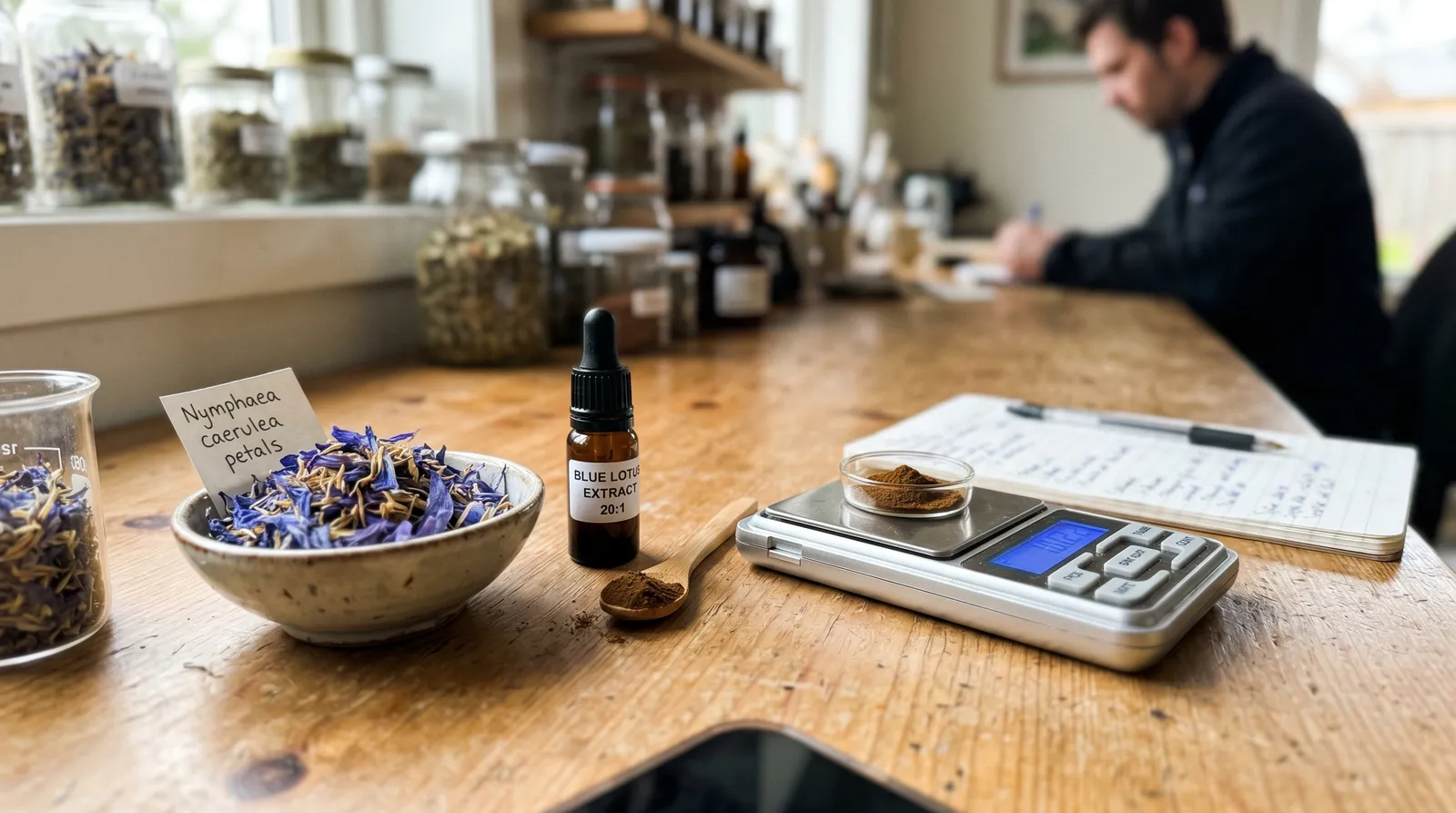
Specific dose-response data comparing smoking, tea infusion, and extract routes across the three species is thin — no controlled human studies have mapped these curves. What users report is that tea made from Nymphaea caerulea shredded petals (typically 3–5g steeped for 10–15 minutes) produces milder effects than the equivalent weight smoked, and that extract preparations require substantially less material. These are anecdotal ranges, not clinical recommendations, and they should be treated accordingly.
Because apomorphine analogs can lower blood pressure, and because the mild sedation plus the reported dream-enhancement effect make driving and operating machinery clearly inappropriate within roughly four hours of use, these cautions apply with greater force to concentrated extract preparations than to a single cup of petal tea — though they apply to both. Compared to kanna (Sceletium tortuosum), which acts primarily through serotonin-reuptake inhibition, the lotus species work through dopaminergic and — in the case of Nelumbo — calcium-channel pathways, so the interaction profiles are not interchangeable even though both categories are sold as relaxation herbs.
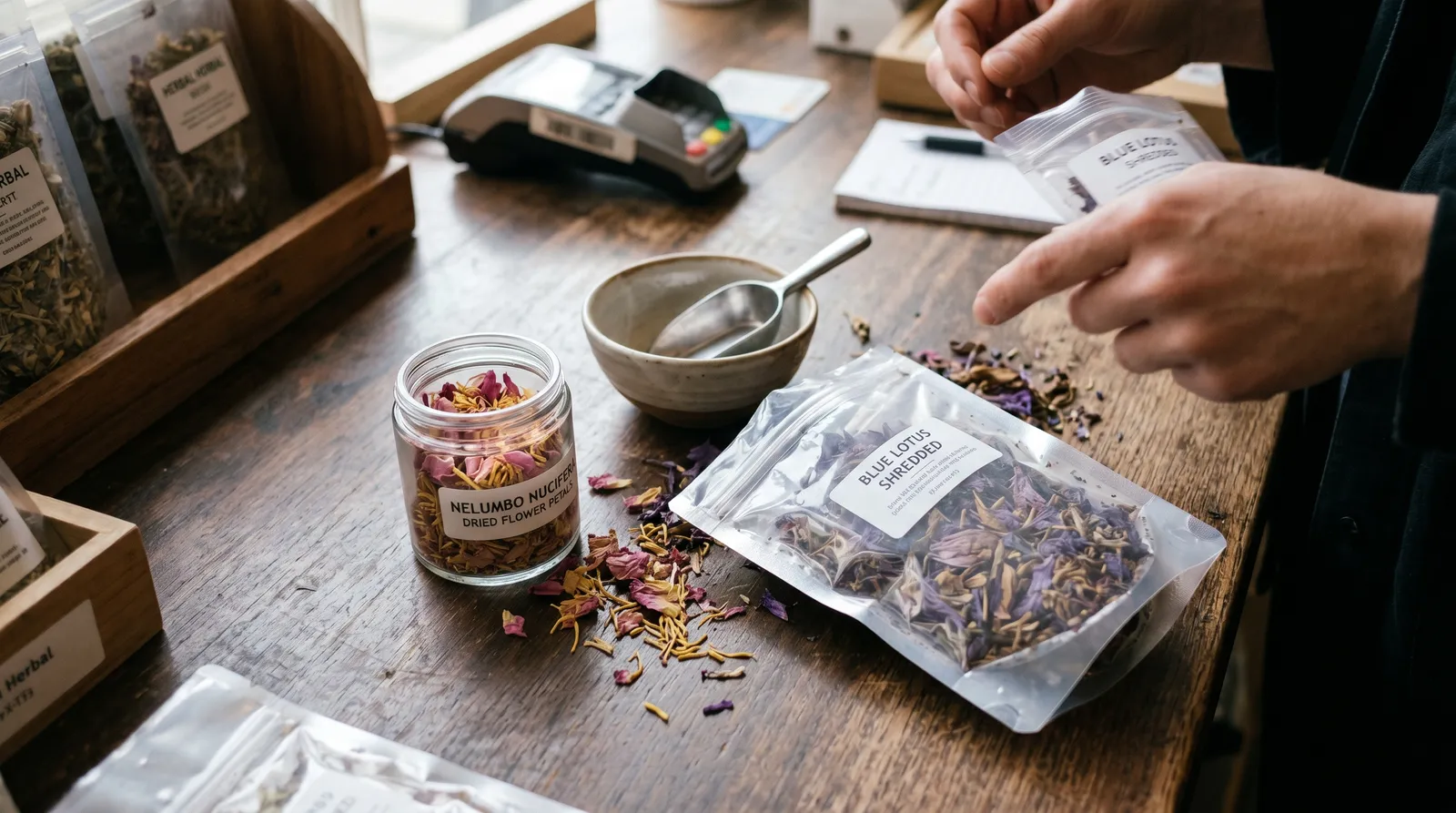
Honestly, the limitation we run into most often is labelling ambiguity across the wider market. When someone brings us a bag labelled "sacred lotus" from another vendor, we can't tell them whether it's Nelumbo nucifera or a Nymphaea species without a binomial on the label. That's not us being unhelpful — it's the actual state of the category. If you want to buy lotus products with confidence, the Latin name on the packaging is non-negotiable. Compared to something like kratom, where the species (Mitragyna speciosa) is always the same and the variable is vein colour, the lotus category has a genuine species-identification problem that sits upstream of everything else.
What the Traditional Record Actually Tells Us
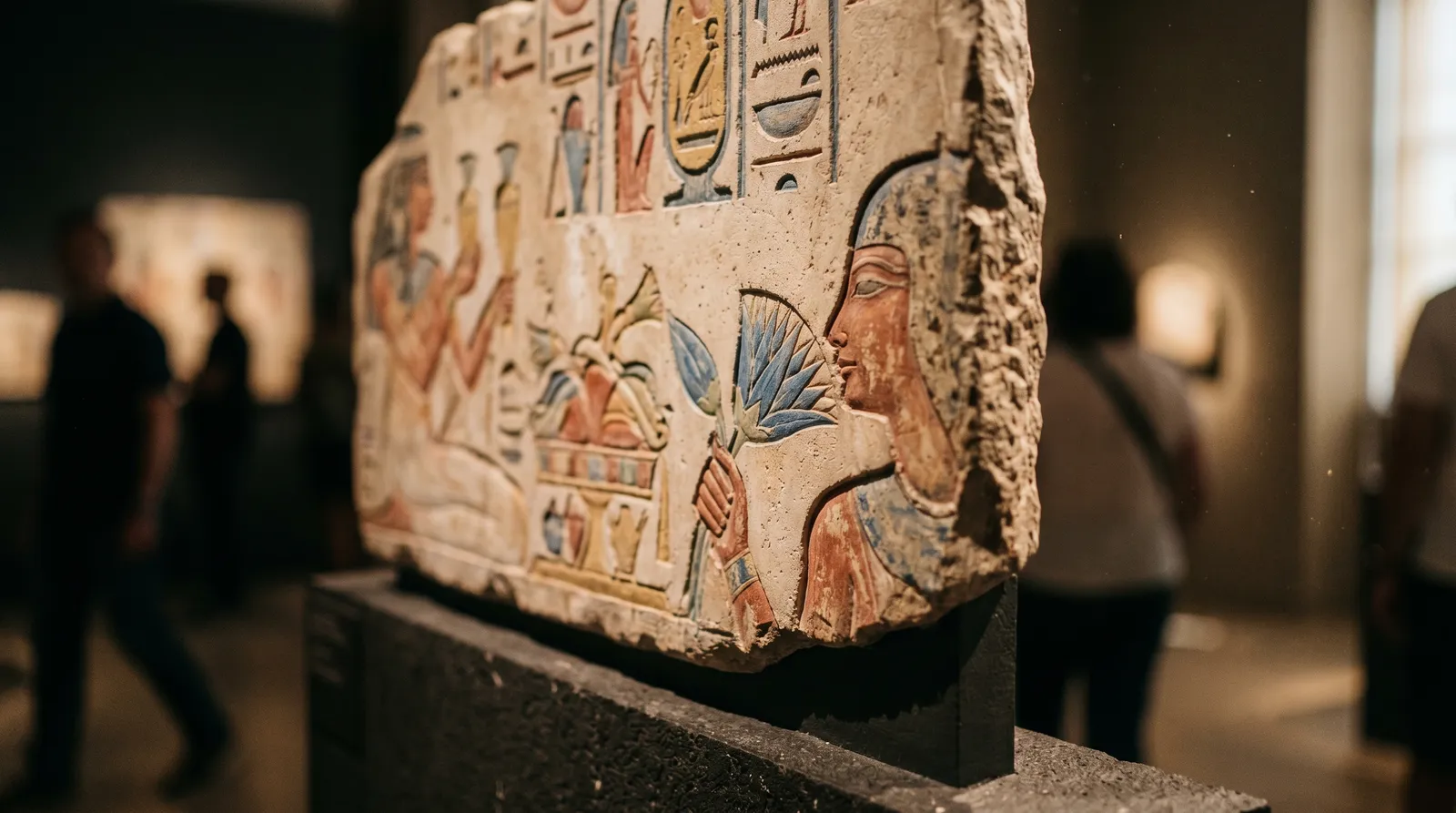
The archaeological evidence for deliberate psychoactive use of Nymphaea caerulea in ancient Egypt is suggestive but not conclusive. Egyptian tomb reliefs depict the flower in banquet and ceremonial scenes — held to the nose, floated in wine jars, offered to the dead. Emboden (1978) interpreted these as evidence of deliberate psychoactive use, though other Egyptologists have argued the flower may have been primarily symbolic or aromatic. The honest read is that the archaeological evidence does not definitively settle whether ancient Egyptians were consuming N. caerulea for its aporphine content or simply because it was a culturally significant flower.
Nymphaea ampla appears on Maya painted ceramics, sometimes in contexts involving enema rituals, which has led ethnobotanists to propose rectal administration as a traditional route — maximising alkaloid absorption by bypassing first-pass metabolism. The evidence here is iconographic, not textual, and interpretation varies.
Nelumbo nucifera has the most extensive documented traditional use, spanning Ayurvedic texts (where various plant parts — seeds, rhizomes, stamens, leaves — are described for different applications) and Chinese traditional medicine. But "traditionally used" does not mean "clinically validated," and transferring centuries-old Ayurvedic applications onto a modern effects profile without controlled data is exactly the kind of conflation that this category suffers from.
Lotus Species Guide vs. Single-Species Pages
This lotus species guide covers the comparative framework — how the three species relate to and differ from each other. It is not a deep dive into any one species. For detailed information on Nymphaea caerulea specifically, including its preparation methods and reported effects, see the dedicated Blue Lotus wiki page. For Nelumbo nucifera, the Sacred Lotus wiki page covers the Ayurvedic and East Asian context in more depth. The Lotus Drug Interactions article handles the pharmacological interaction profiles for all three species in one place.

If you're browsing the Azarius herbs and seeds category and wondering which lotus product to get, the short version is: decide which species you want first using this lotus species guide, then decide on form (shredded petals versus extract). Getting those two decisions right prevents the most common ordering mistakes we see.
How This Lotus Species Guide Differs From Other Sources
Most online lotus guides treat the three species as variations on a theme — same plant, different colours. This lotus species guide starts from the opposite premise: these are botanically and chemically distinct organisms that happen to share a common name and one alkaloid. We also flag the EMCDDA gap explicitly — the European Monitoring Centre for Drugs and Drug Addiction has not published a formal risk assessment on any of these species, which means European harm-reduction resources are thinner here than for better-studied substances. The Beckley Foundation has similarly not prioritised lotus alkaloids in its research programme. That absence of institutional attention is itself useful information: it tells you the evidence base is early-stage, and claims about these plants should be held accordingly.
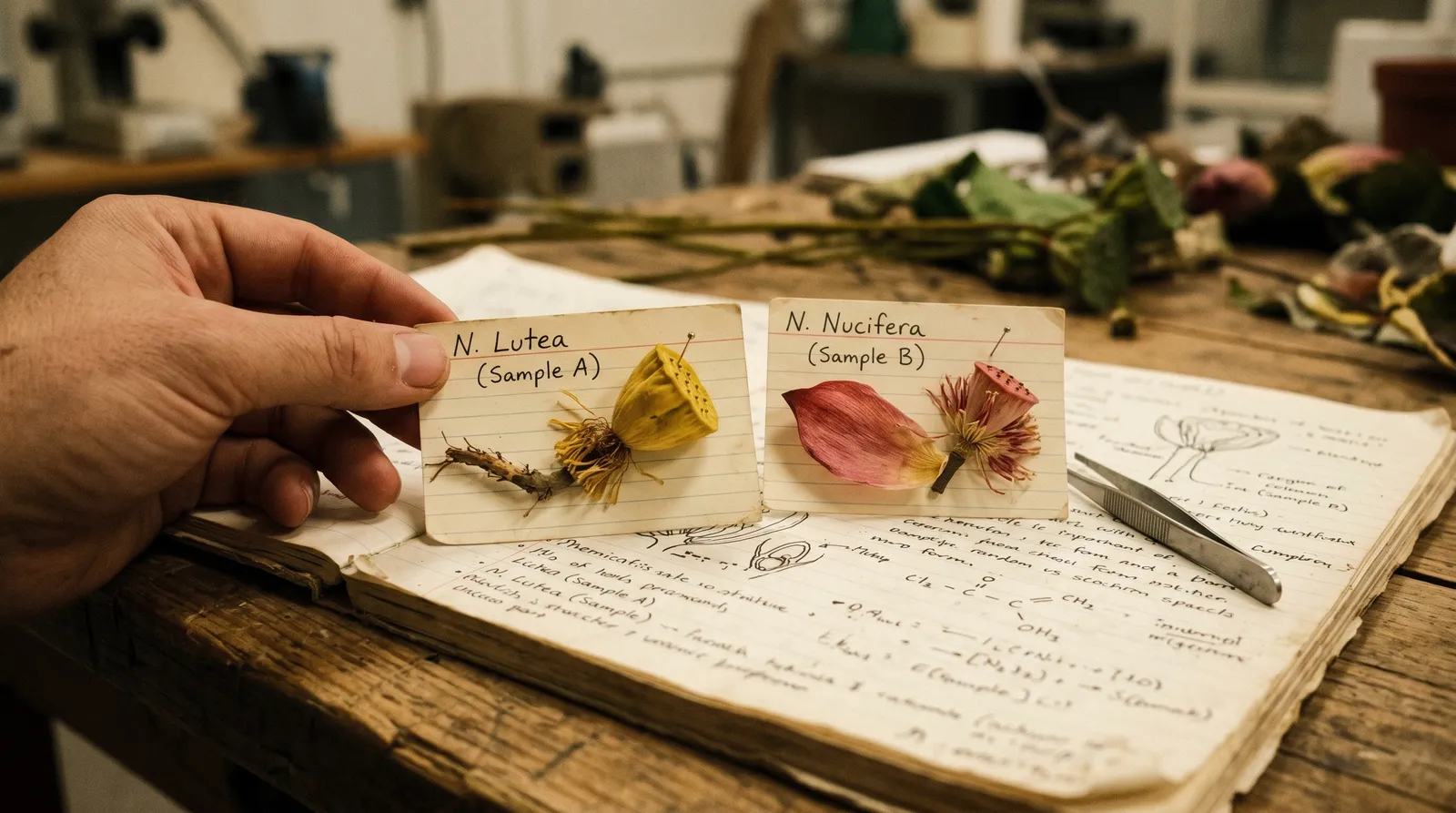
Species Identification Checklist
Run through these five steps before working with any lotus product — they distil the entire lotus species guide into a practical sequence:
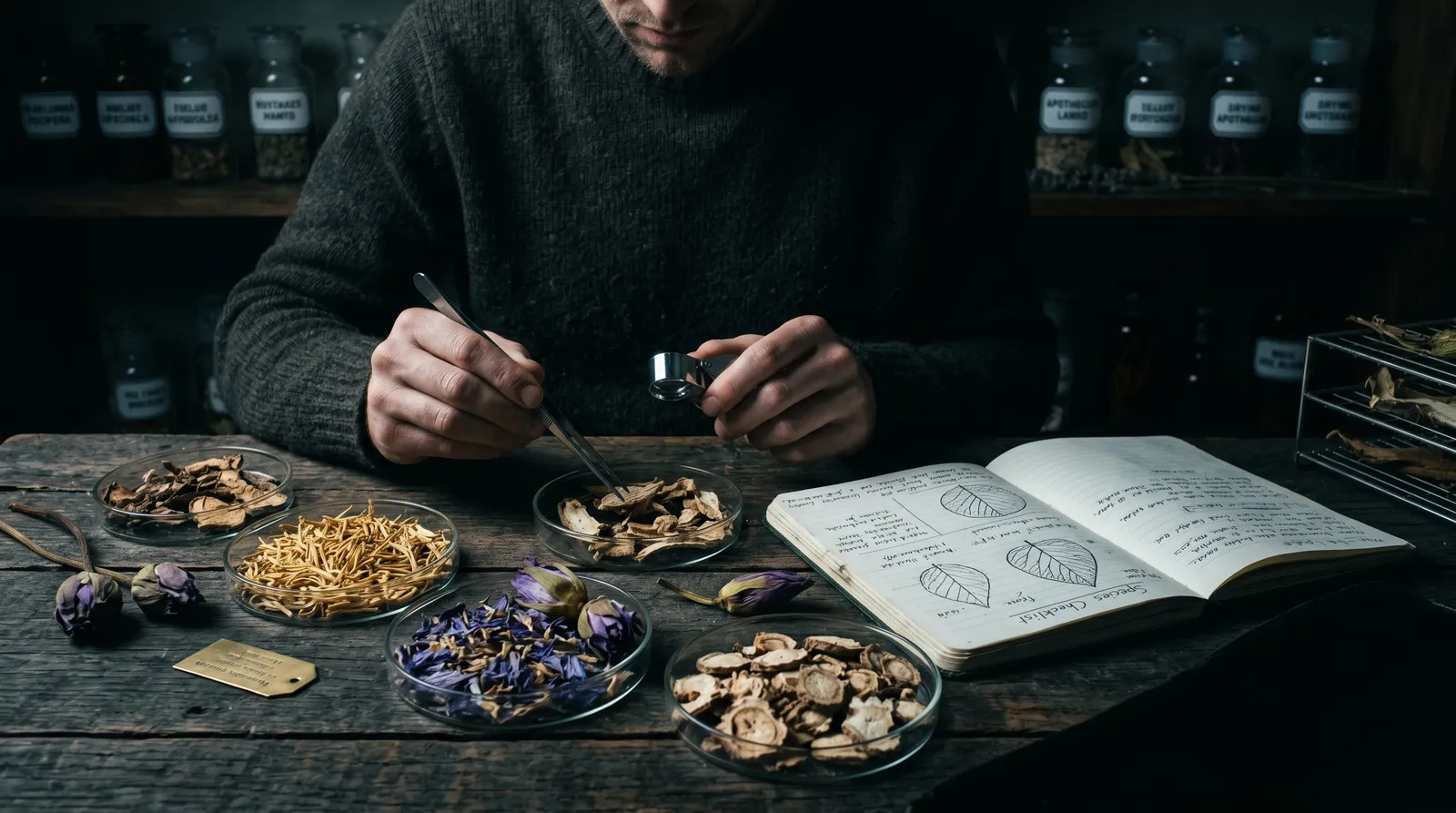
- Read the Latin binomial. If the label says only "lotus" or "blue lotus" without Nymphaea caerulea, Nymphaea ampla, or Nelumbo nucifera, you don't have enough information.
- Check the family. Nymphaea = Nymphaeaceae (water lily). Nelumbo = Nelumbonaceae (true lotus). Different families, different alkaloid profiles.
- Confirm the form. Shredded petals, dried extract, liquid extract, or resin? The form determines the concentration of active alkaloids and therefore the appropriate quantity.
- Note the colour and texture. Blue-violet and narrow = likely N. caerulea. Cream and broad = likely N. ampla. Pink and papery-thick = likely Nelumbo nucifera.
- Cross-reference any effect claims. If a source says "lotus does X" without naming the species, that claim is unreliable. The genera are not interchangeable.
Last updated: April 2026
Frequently Asked Questions
8 questionsIs blue lotus the same plant family as pink lotus?
What is the difference between Nymphaea ampla and Nymphaea lotus?
Do all three lotus species contain the same alkaloids?
How can I tell dried blue lotus petals from dried pink lotus petals?
Why do lotus leaves float in some species but stand above water in others?
Where can I buy lotus products with proper species labelling?
Is the sacred lotus of Egypt actually a true lotus?
Which lotus species opens during the day versus at night?
About this article


Adam Parsons is an external cannabis and psychedelics writer and editor who contributes to Azarius's wiki as both author and reviewer. On the writing side, he authors Azarius's kratom and kanna clusters, drawing on exten
This wiki article was drafted with AI assistance and reviewed by Adam Parsons, External contributor. Editorial oversight by Joshua Askew.
Medical disclaimer. This content is for informational purposes only and does not constitute medical advice. Consult a qualified healthcare provider before use of any substance.
Last reviewed April 24, 2026
References (5)
- [1]APG IV (2016). An update of the Angiosperm Phylogeny Group classification for the orders and families of flowering plants. Botanical Journal of the Linnean Society , 181(1), 1–20.
- [2]Chen, S. et al. (2012). Bisbenzylisoquinoline alkaloids from Nelumbo nucifera and their cardiovascular effects. Journal of Natural Products , 75(6), 1093–1098.
- [3]Emboden, W.A. (1978). The sacred narcotic lily of the Nile: Nymphaea caerulea . Economic Botany , 32(4), 395–407. DOI: 10.1007/bf02907935
- [4]Farrell, M.S. et al. (2016). In vitro and in vivo characterization of the alkaloid nuciferine. PLOS ONE , 11(3), e0150602.
- [5]Qian, J.Q. (2002). Cardiovascular pharmacological effects of bisbenzylisoquinoline alkaloid derivatives. Acta Pharmacologica Sinica , 23(12), 1086–1092.
Related Articles
Blue Lotus vs Kanna: Effects & Safety
Blue lotus vs kanna compared — Nymphaea caerulea's aporphine profile against Sceletium tortuosum's mesembrine chemistry, with interaction warnings.

Lotus Clinical Research Overview
What does lotus clinical research actually show? A critical review of Nymphaea caerulea and Nelumbo nucifera pharmacology, preclinical data, and…
Kanna South Africa To West History
Sceletium tortuosum was used by San and Khoekhoe communities in southern Africa for centuries before European colonists first documented it in the 1660s.
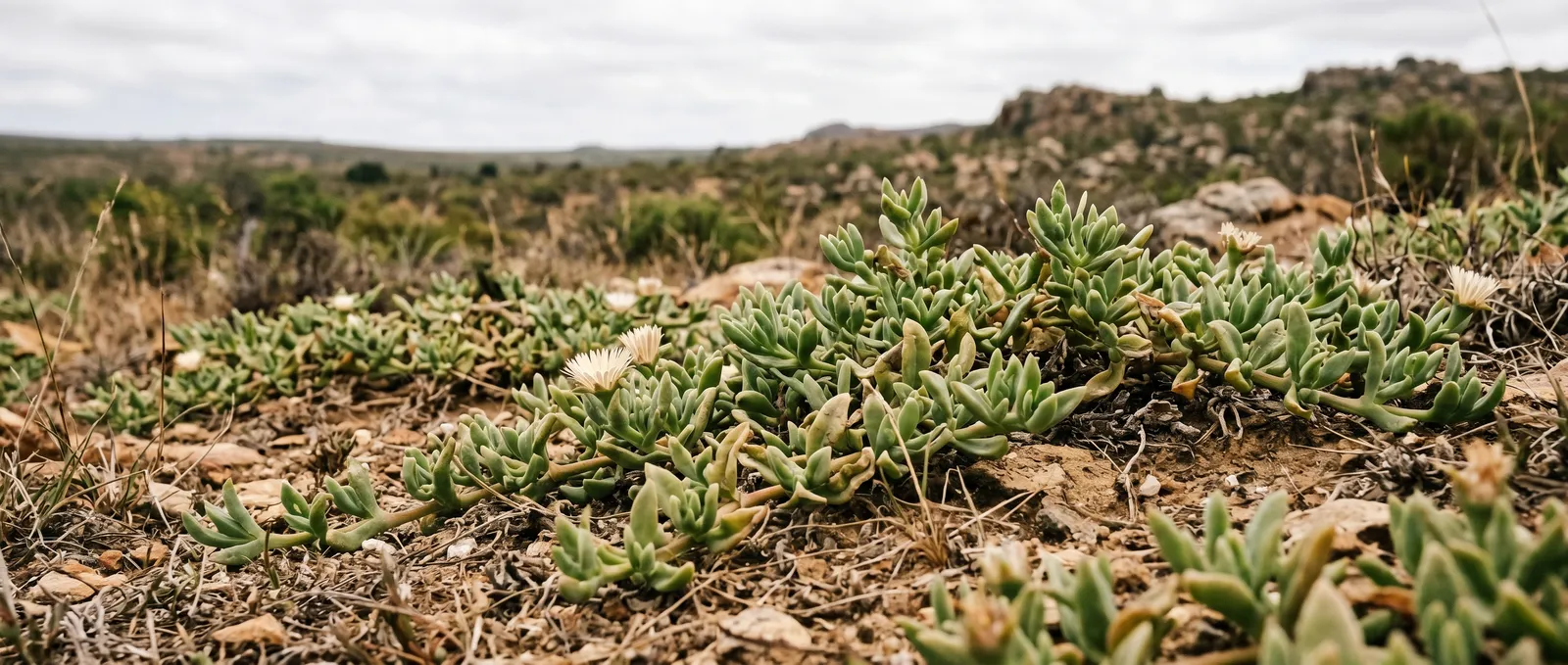
Sceletium Tortuosum Plant
Learn about the sceletium tortuosum plant: botany, alkaloids, fermentation, safety warnings, and where to buy kanna.
Kanna Pharmacokinetics Explained
Complete guide to kanna pharmacokinetics: how Sceletium tortuosum alkaloids are absorbed, metabolised via CYP2D6, and eliminated.

Kanna Chemistry: Sceletium Alkaloids Explained
Kanna chemistry explained: mesembrine, mesembrenone, their mechanisms, how fermentation and extraction change alkaloid profiles, and why it matters…
Rapé Shamanic Snuff Guide: How to Use It Safely
A practical rapé shamanic snuff guide covering dose, kuripe technique, effects, nicotine safety, interactions and Amazonian tradition.
White Sage Salvia Apiana Cultural Smudging Guide
Salvia apiana is a non-psychoactive shrub native to southern California's coastal sage scrub, burned as ceremonial incense in Indigenous North American…
Mulungu Erythrina Traditional Amazonian Use — Bark, Alkaloids & Research
Erythrina mulungu is a Brazilian legume tree whose bark has been brewed as a calming decoction in rural folk medicine for generations.