
This article discusses psychoactive substances intended for adults (18+). If you have a health condition or take medication, consult a doctor before use. Our age policy
Humulene Effects and Aroma Profile | Terpene Guide
Definition
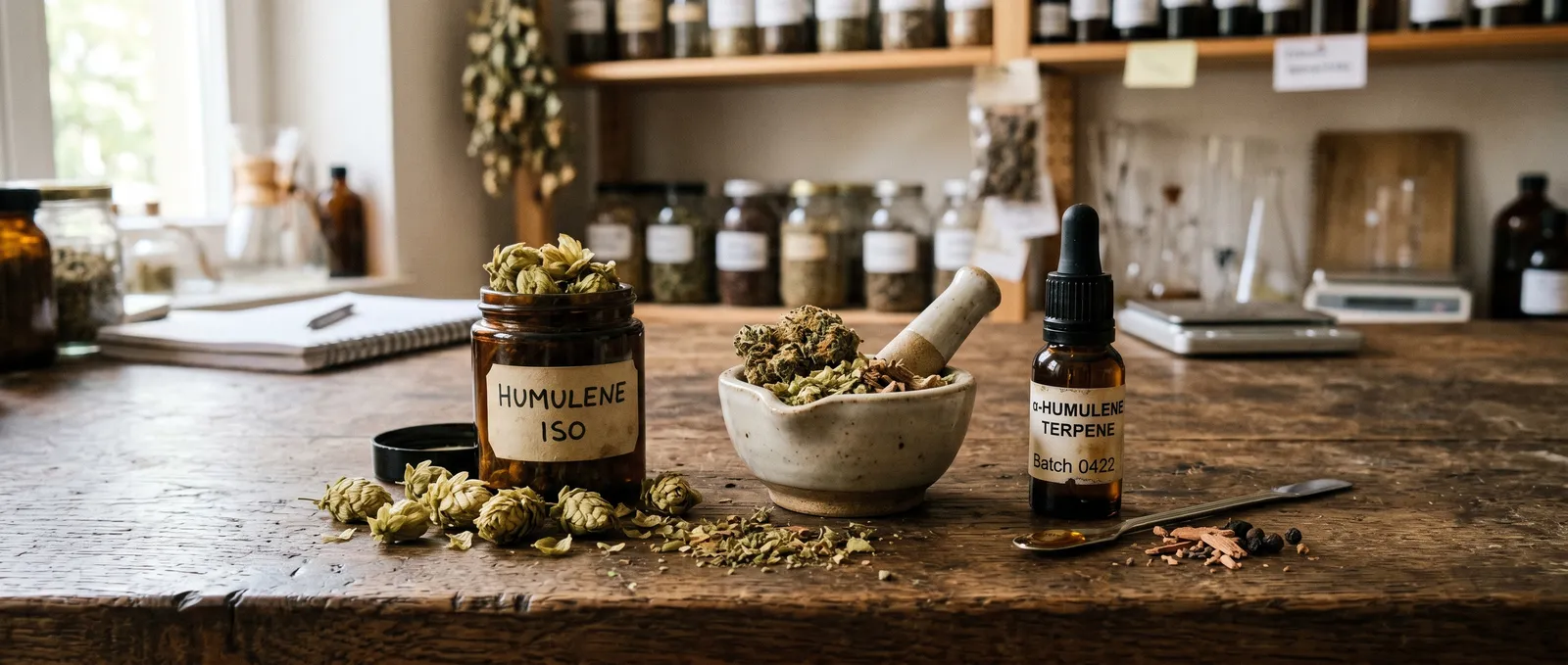
Humulene (α-humulene) is a monocyclic sesquiterpene named after Humulus lupulus — hops. It delivers a woody, earthy, hop-bitter aroma and co-occurs with β-caryophyllene in nearly all cannabis cultivars. Fernandes et al. (2007) reported anti-inflammatory activity in rodent models, though no human clinical trials have followed.
What Is Humulene?
Humulene effects and aroma profile are shaped by its identity as a monocyclic sesquiterpene that delivers a distinctive woody, earthy, hop-bitter character to cannabis cultivars and dozens of other plants. Formally known as α-humulene, this compound carries the molecular formula C₁₅H₂₄. Its IUPAC name, (1E,4E,8E)-2,6,6,9-tetramethylcycloundeca-1,4,8-triene, describes an eleven-membered ring with three double bonds: a structure that makes it an open-ring isomer of β-caryophyllene. The two compounds share a biosynthetic origin — both are assembled from farnesyl pyrophosphate (FPP) by closely related sesquiterpene synthases — and they almost always show up together in gas chromatography–mass spectrometry (GC-MS) analyses of cannabis flower. If you spot one on a terpene lab report, the other is nearly always right beside it.
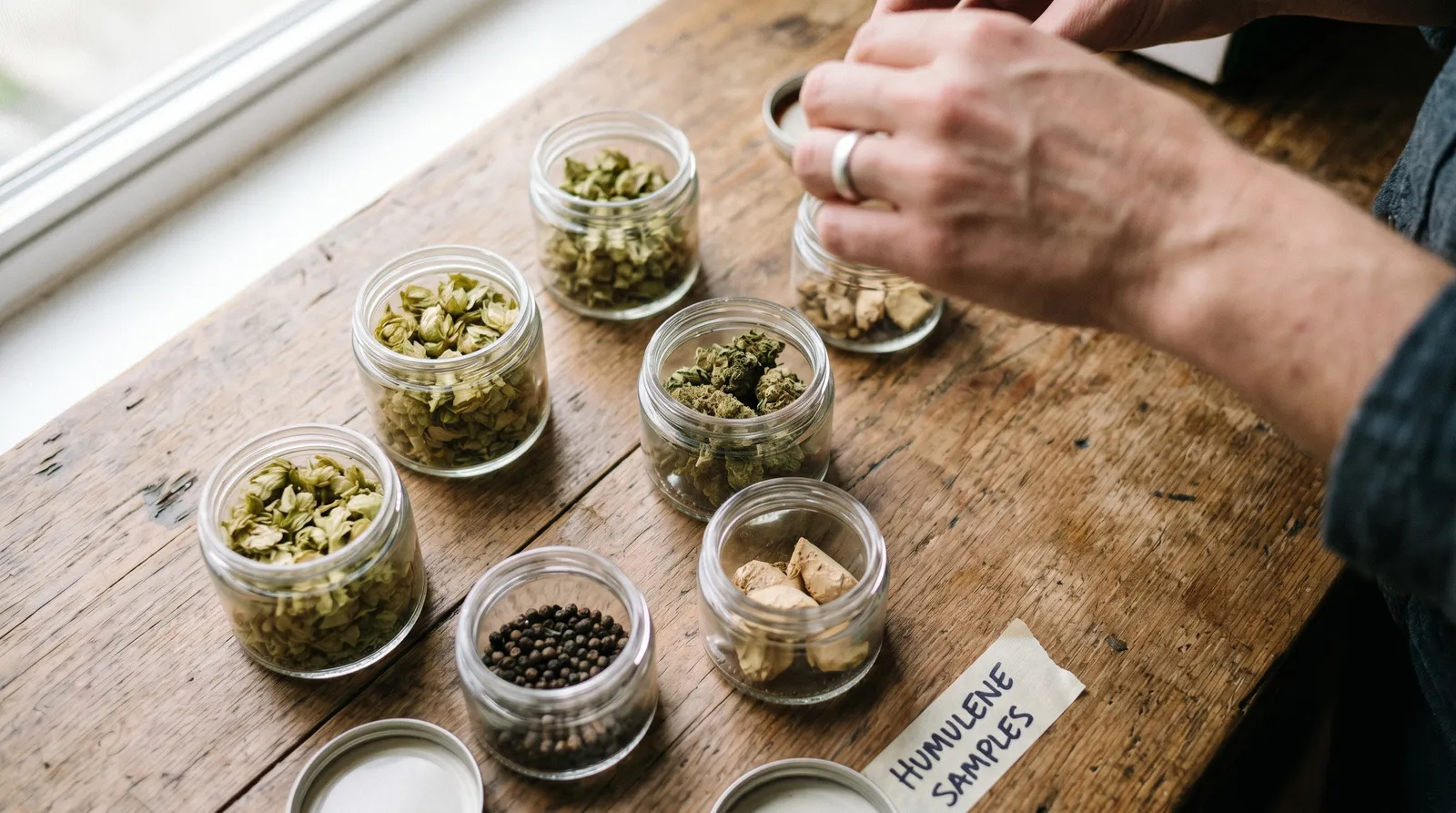
The name gives away the strongest natural-source connection. Humulene takes its name from Humulus lupulus — hops, the plant that gives beer its bitter, herbal backbone. Anyone who has cracked open a bag of whole hop cones knows the aroma immediately: woody, earthy, with a dry, slightly spicy bite that sits somewhere between sage and fresh-cut wood. That same aromatic signature appears in cannabis cultivars where humulene ranks among the dominant terpenes, though in flower it is usually the second or third most abundant sesquiterpene, trailing β-caryophyllene.
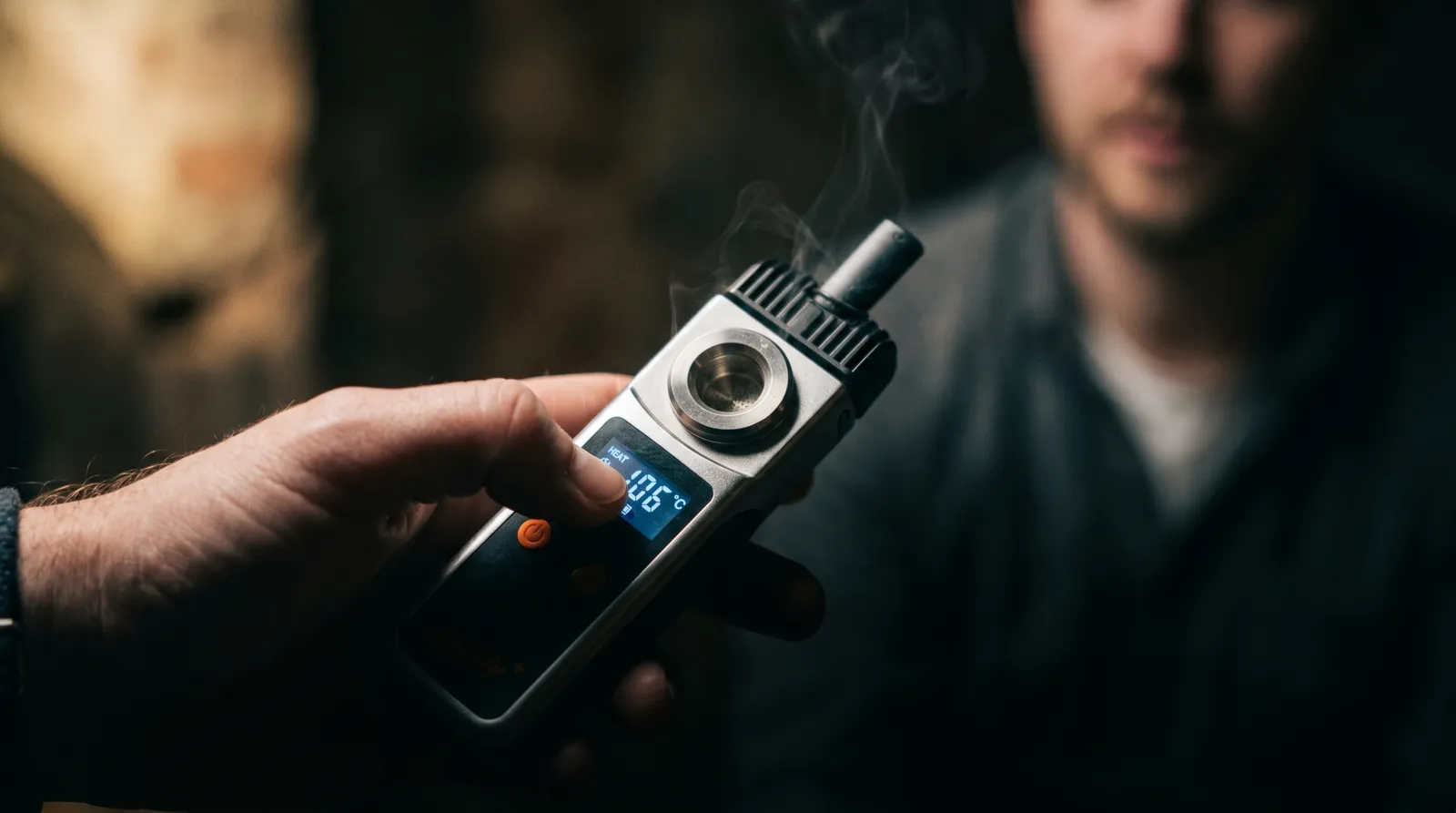
Humulene's boiling point sits at roughly 106 °C (PubChem CID 5281520) — low compared to most cannabinoids and even many other terpenes. That number matters if you vaporise cannabis flower, a point we will return to below.
Aroma and Sensory Profile
Humulene's aroma is best described as woody, earthy, and subtly bitter, with herbal undertones rather than floral or citrus notes. If β-caryophyllene is the peppery punch in a cannabis cultivar's nose, humulene is the quieter, drier note underneath. Some trained sensory panels also pick up a faint green, almost sage-like quality — not surprising, given that sage (Salvia officinalis) is another rich source of the compound.
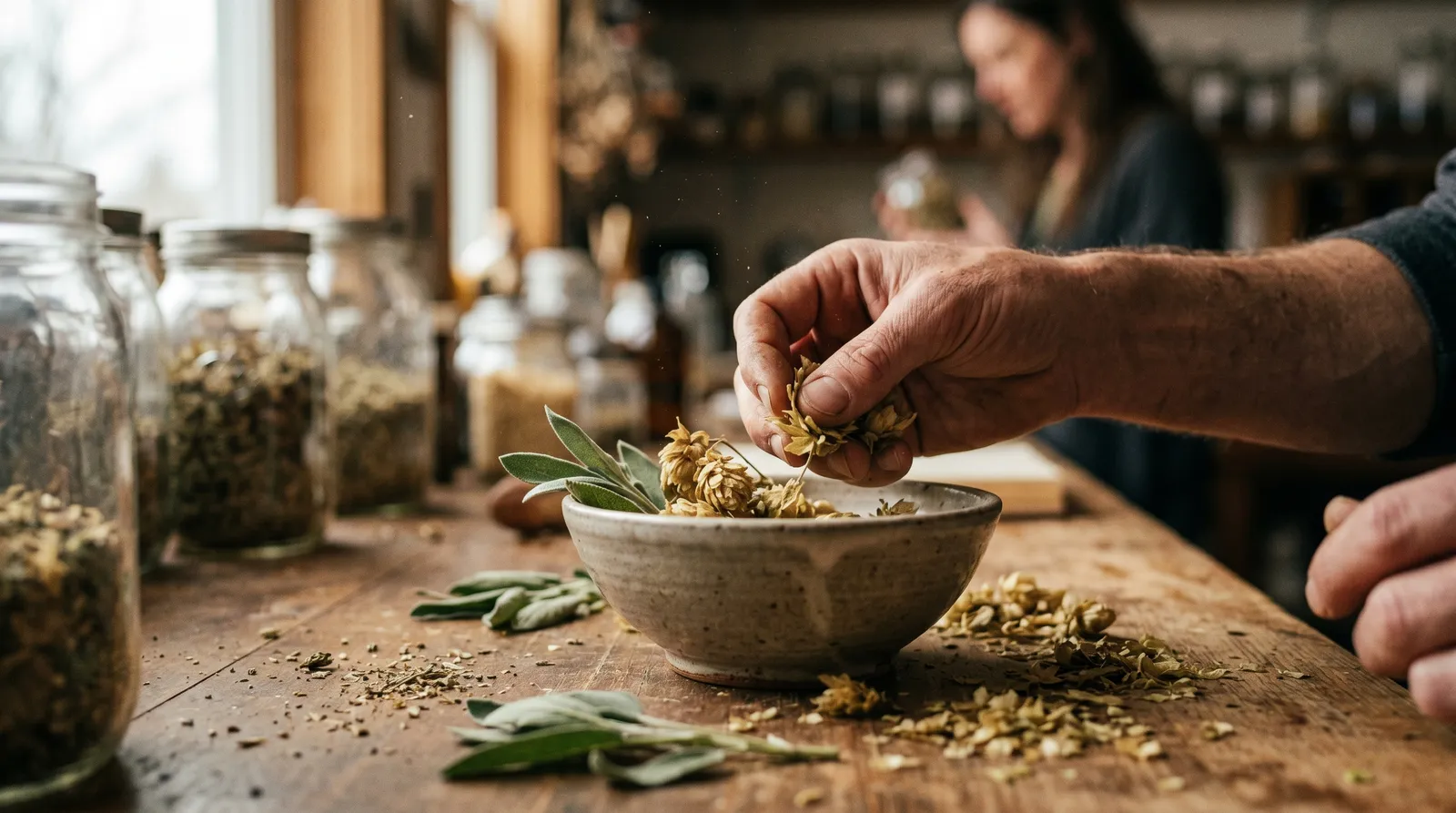
In hop-forward beers — think a classic European Pilsner or a dry-hopped pale ale — humulene is one of the key contributors to the "noble hop" character: restrained, spicy, and clean. Dutch and Belgian brewing traditions have leaned on hop varieties high in humulene for centuries, which is why the aroma of a freshly opened bag of Saaz or Hallertau hops can remind cannabis users of certain cultivars. The overlap is not coincidence; it is shared chemistry.
In cannabis cultivars where humulene is co-dominant alongside β-caryophyllene, users frequently report an overall aroma described as "spicy-earthy" or "woody-peppery." Cultivar archetypes sometimes cited in terpene-profile discussions include certain Girl Scout Cookies and Headband lines, though terpene ratios vary considerably between phenotypes and growing conditions. If you want to explore the humulene effects and aroma profile first-hand, choosing a cultivar with a verified terpene lab report is the most reliable starting point.
Where Humulene Occurs in Nature
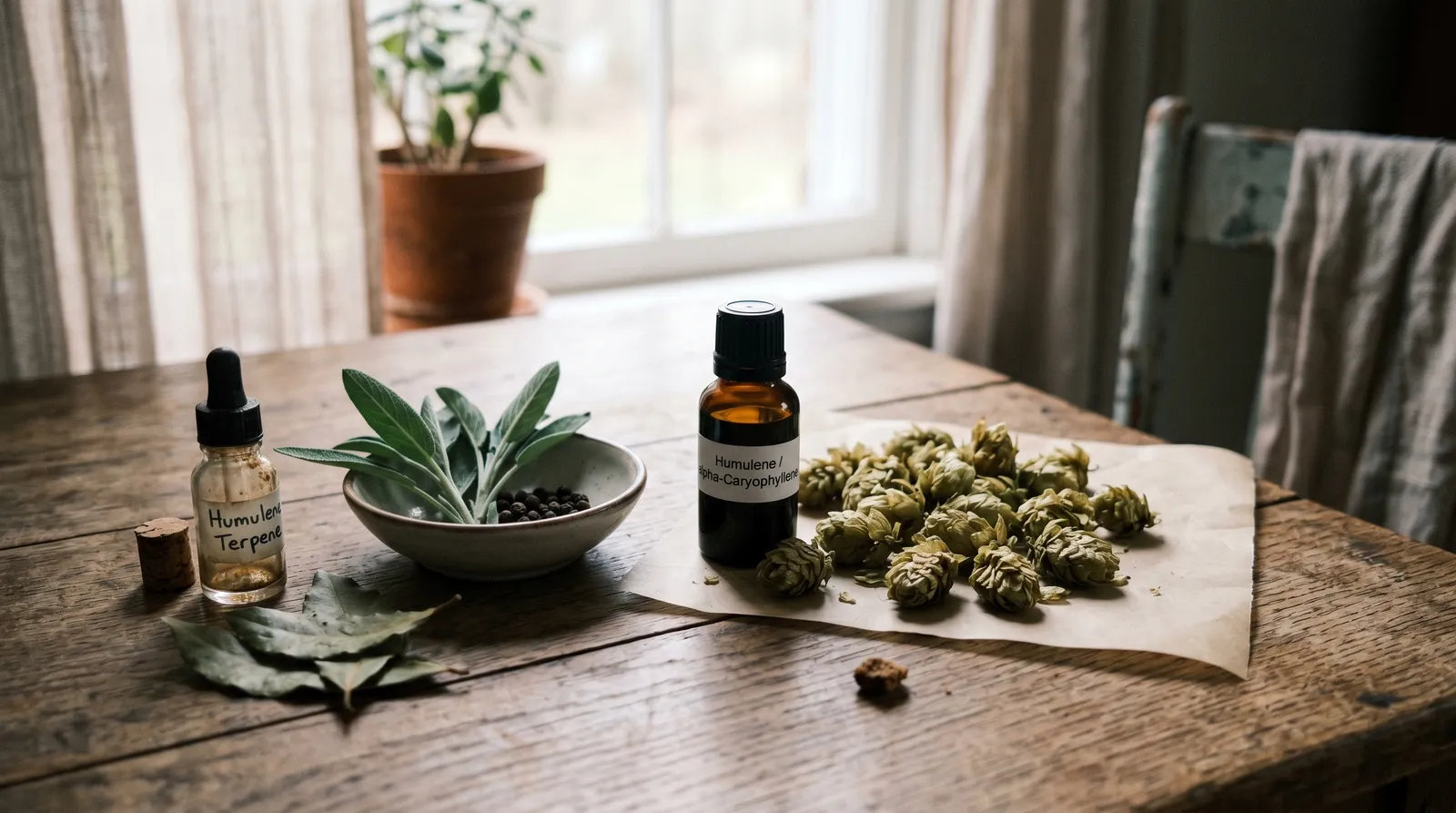
Humulene is widely distributed across the plant kingdom, appearing in essential oils from at least five botanical families.
| Natural source | Typical humulene content (% essential oil) | Common name |
|---|---|---|
| Humulus lupulus | 15–40% | Hops |
| Salvia officinalis | 5–12% | Common sage |
| Zingiber officinale | 3–8% | Ginger |
| Syzygium aromaticum | 2–5% | Clove |
| Panax ginseng | 1–4% | Ginseng |
| Cannabis sativa | Typically 0.1–1% of total terpene fraction | Cannabis / hemp |
The hops figure is striking — in some hop cultivars, humulene accounts for nearly half the essential oil by weight. That makes Humulus lupulus the single richest common source, and it is why the brewing industry has generated more analytical data on humulene than any other sector.
Chemistry and Biosynthesis
Humulene is biosynthesised from farnesyl pyrophosphate (FPP) via humulene synthase, which cyclises three isoprene units (C₅) into the characteristic eleven-membered ring. β-Caryophyllene is produced by a closely related enzyme acting on the same FPP substrate — which explains why the two terpenes co-occur so reliably. In GC-MS readouts of cannabis flower, the humulene : caryophyllene ratio typically falls between 1:2 and 1:3, though this shifts with cultivar genetics and harvest timing.
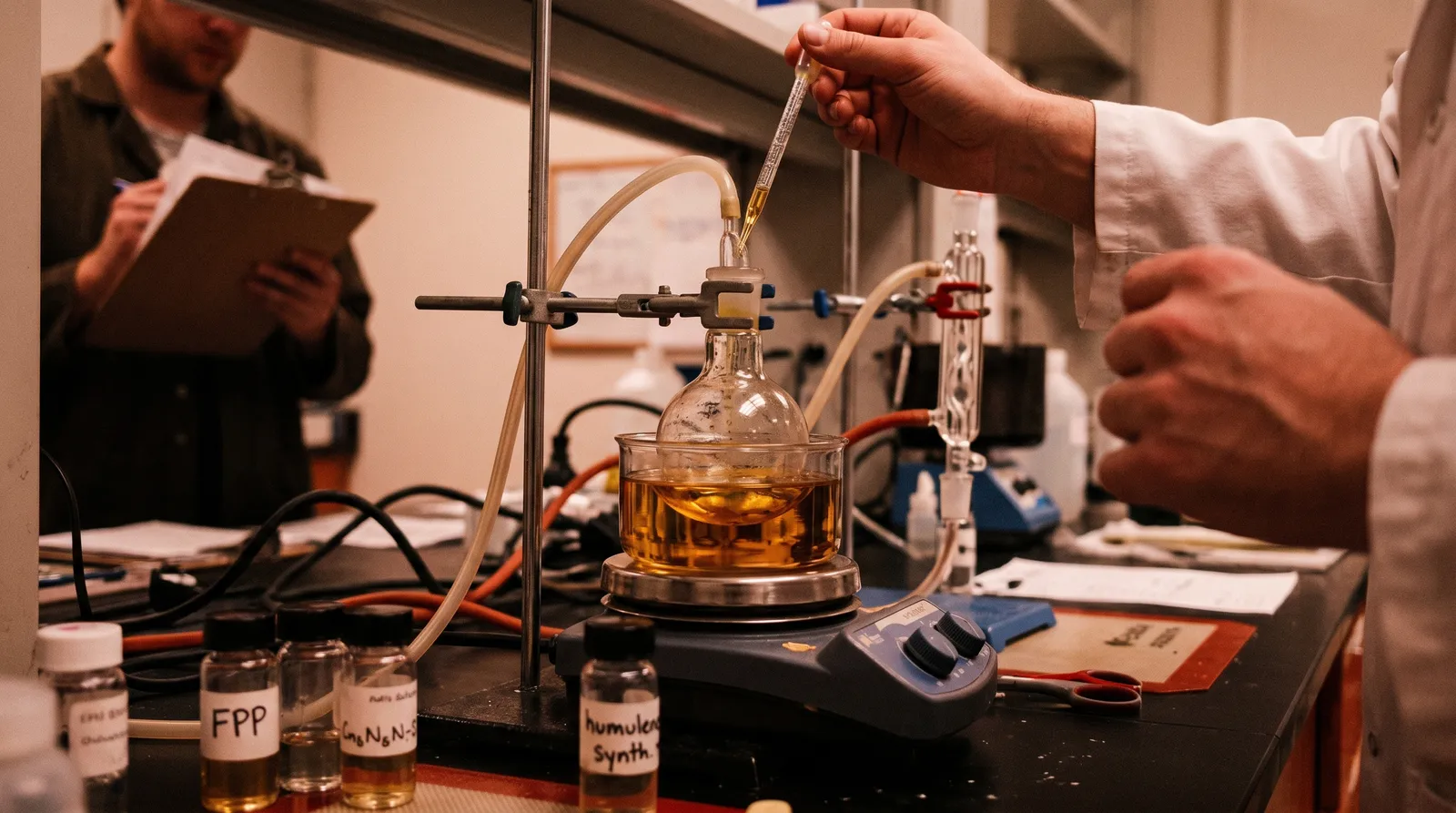
Unlike β-caryophyllene, humulene does not contain a cyclobutane ring. That structural difference matters pharmacologically: β-caryophyllene's strained ring system is part of what allows it to bind the CB2 receptor (Gertsch et al., 2008), and humulene does not share that binding profile. The two are often discussed together, but they are not interchangeable at the receptor level.
Vaporisation and Temperature
Humulene volatilises at roughly 106 °C, making it one of the first terpenes to leave the plant material during a vaporiser session. The table below places it in context alongside other common cannabis terpenes.
| Terpene | Boiling point (°C) | Notes on vape temperature band |
|---|---|---|
| Ocimene | ~50 | Volatilises well below typical vape settings |
| Humulene | ~106 | Volatilises early; largely gone above 160 °C |
| α-Pinene | ~155 | Preserved in the low-temp band (155–170 °C) |
| β-Caryophyllene | ~160 | Overlaps with low cannabinoid extraction |
| Myrcene | ~167 | Mid-range; pairs with early THC extraction |
| Limonene | ~176 | Mid-to-upper band |
| Linalool | ~198 | Requires higher temps; last terpene standing |
If your device has precise temperature control and you start a session at 155–160 °C — a common "flavour-first" setting — much of the humulene will have already volatilised during the heat-up phase. That is not necessarily a problem; it means the earliest, lightest draws from a session carry the most humulene character. Raising the temperature above 180 °C shifts the balance toward heavier cannabinoid extraction and away from lighter terpenes. Users who want to get the full humulene effects and aroma profile from their flower often begin at the lowest functional setting and work upward. For more on temperature strategy, the vaporiser guides on this wiki cover the practical side in detail.
What Does the Research Say?
Preclinical evidence on humulene is limited to cell-culture and rodent studies, with no human clinical trials completed to date. The most frequently cited finding involves anti-inflammatory activity: Fernandes et al. (2007) reported that oral and topical α-humulene reduced inflammatory markers in a mouse model of airway inflammation, with potency comparable to dexamethasone in certain assays. A follow-up by the same group (Rogerio et al., 2009) observed similar effects in an eosinophilic airway inflammation model. The European Monitoring Centre for Drugs and Drug Addiction (EMCDDA) has not issued specific guidance on individual terpenes, but its broader cannabis monographs acknowledge that terpene composition varies significantly across cultivars and may influence subjective experience.
Separately, Legault and Pichette (2007) examined humulene's cytotoxic activity against several tumour cell lines in vitro and found modest activity, though the concentrations used were far above anything achievable through inhalation or dietary exposure.
Some consumer sources also reference appetite-related effects, citing a rodent study by Legault et al. (2003) that noted reduced food intake — but the data is thin, the model was not designed to test appetite as a primary endpoint, and no human data exists to support the claim. Stating that "humulene suppresses appetite" as a fact, as some cannabis marketing does, runs well ahead of the evidence.
None of these findings have been replicated in human clinical trials. The gap between "reduced inflammation in a mouse airway model" and any claim about what humulene does in a person inhaling cannabis vapour is enormous — different route, different dose, different organism, different context. Preclinical data is a starting point, not a conclusion.
Humulene and β-Caryophyllene: Related but Different
β-Caryophyllene is a selective CB2 receptor agonist; humulene is not. Despite being an isomer of caryophyllene, humulene's open-ring structure does not fit the CB2 binding pocket in the same way. Gertsch et al. (2008) demonstrated caryophyllene's binding affinity in a study published in PNAS, making it unique among common terpenes: it has a documented receptor target in the endocannabinoid system.
In the context of the entourage-effect hypothesis — the idea that cannabis compounds work differently together than in isolation — humulene and caryophyllene are often mentioned as a pair. Whether their co-occurrence produces effects beyond what either contributes alone is an open question with no validated answer. The entourage-effect evidence review on this wiki covers the broader debate, including the limitations flagged by Finlay et al. (2020), who found no direct CB1 modulation by several common terpenes at physiologically relevant concentrations.
How to Experience Humulene in Practice
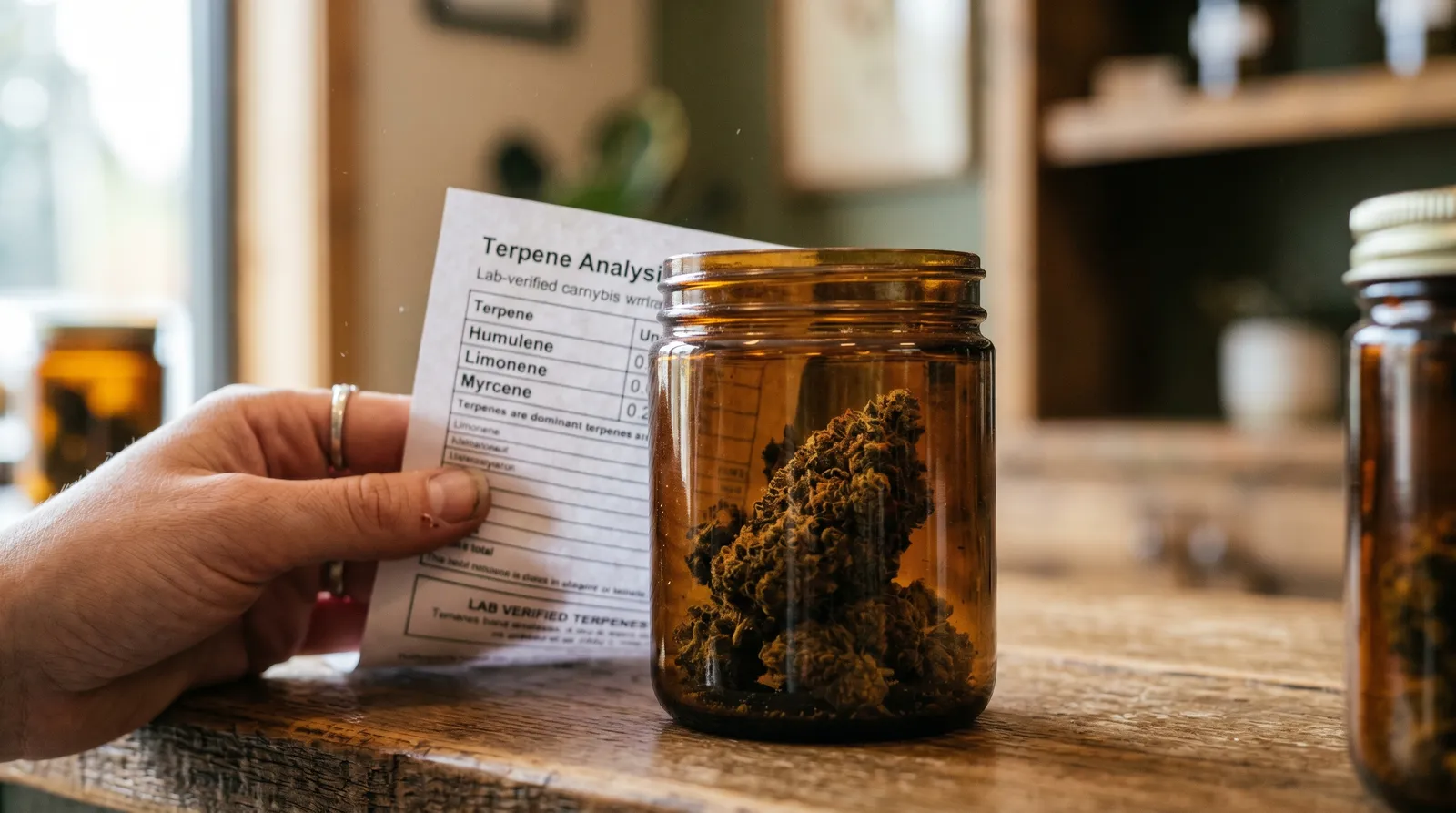
The most straightforward way to explore humulene's character is to buy a cultivar with a lab-verified terpene profile showing humulene among the top three terpenes. Dispensaries and seed banks increasingly publish these profiles, making it easier to select flower by chemistry rather than name alone. Alternatively, you can order whole-leaf hops from a homebrew supplier — Saaz, Hallertau Mittelfrüh, or Tettnanger are classic high-humulene varieties — and compare the aroma side by side with your cannabis flower.
- Low-temp vaping (140–160 °C): maximises humulene in the first few draws; pair with a convection vaporiser such as the Mighty Medic or Arizer Solo for best temperature precision.
- Mid-temp vaping (165–185 °C): humulene is mostly spent; β-caryophyllene and myrcene dominate the flavour.
- Dry-herb comparison: grind flower and whole-leaf hops separately, then smell them side by side — the overlap in woody-earthy notes is immediately obvious.
- Brewing crossover: if you homebrew, try a single-hop pale ale with a high-humulene variety and note how the "noble hop" character maps onto cannabis cultivars you know.
What We Do Not Know
Honest assessment demands acknowledging the gaps. No human clinical trial has tested isolated humulene for any health endpoint. The rodent anti-inflammatory data (Fernandes et al., 2007; Rogerio et al., 2009) used doses and routes that do not translate directly to inhaling cannabis vapour. We do not know whether humulene at the concentrations present in cannabis flower — typically 0.1–1% of the terpene fraction — contributes meaningfully to subjective effects beyond aroma. We do not know its long-term inhalation safety profile when concentrated in vape cartridges. And we do not know whether the humulene-caryophyllene co-occurrence produces pharmacological combination or is simply a biosynthetic coincidence. Anyone who tells you otherwise is selling certainty the data has not earned.

Isolated Humulene vs. Whole-Plant Context
Isolated humulene behaves differently from humulene embedded in whole-plant cannabis flower. In flower, it appears at roughly 0.1–1% of the total terpene fraction, blended with dozens of other volatile compounds and cannabinoids. Isolated humulene — as found in terpene-replication blends or fortified vape liquids — delivers concentrations and ratios that do not occur in the plant. The sensory experience of "humulene in a cultivar" is not the same as "95% humulene in a cartridge." The former is a complex aromatic snapshot shaped by the full chemical profile of the flower. The latter is an industrial product with its own set of safety questions, particularly around long-term inhalation of concentrated terpenes, for which data remains limited.
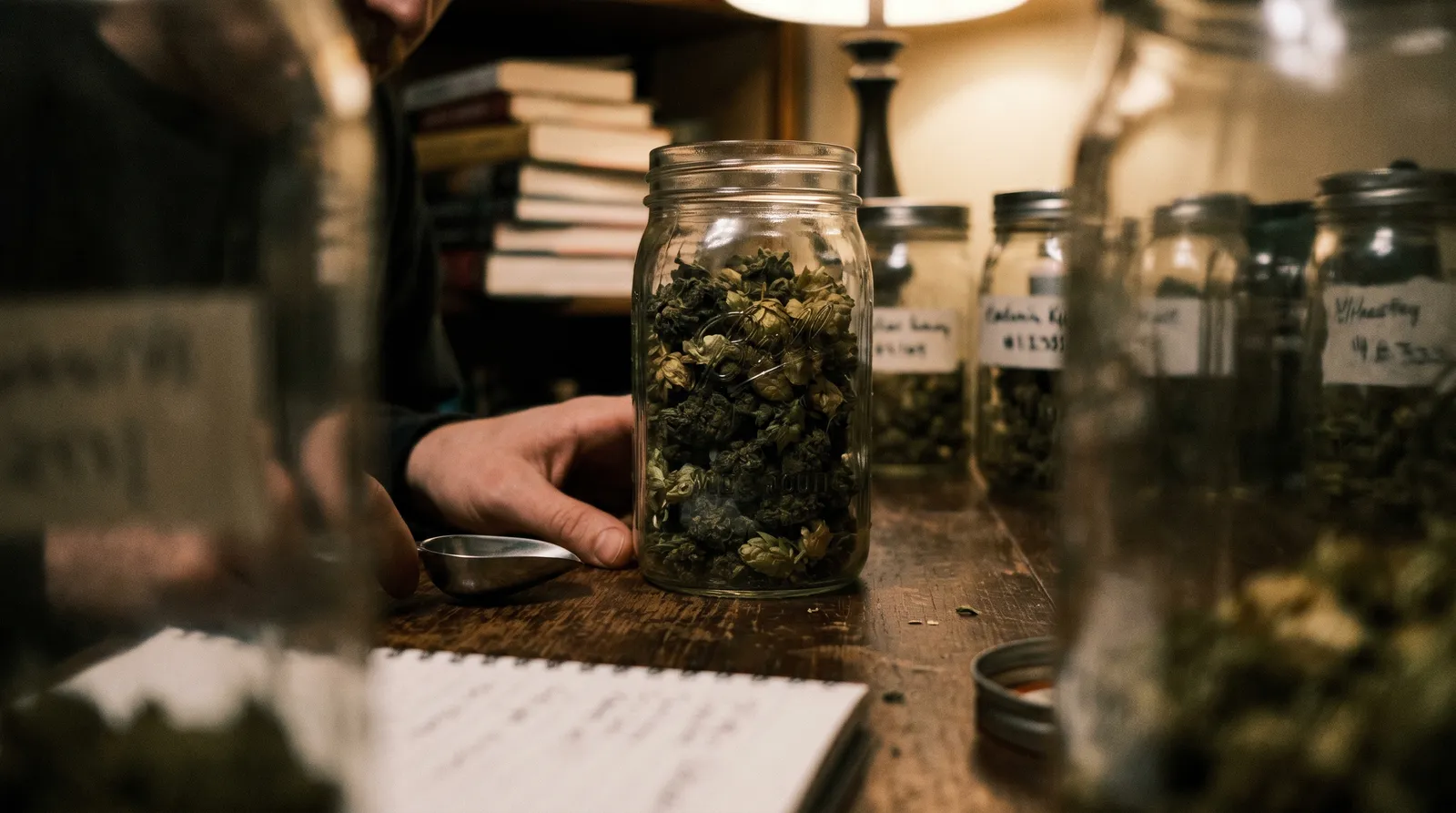
This article describes terpene chemistry, aroma profiles, and natural sources for educational purposes. Information about preclinical research is provided for context only and does not constitute medical advice or claims of efficacy. Consult a qualified professional before using any botanical product to address a health concern.
Last updated: April 2026
Frequently Asked Questions
8 questionsWhy does humulene always appear alongside β-caryophyllene on lab reports?
Does humulene bind to cannabinoid receptors like β-caryophyllene does?
Can humulene suppress appetite?
At what vaporiser temperature is humulene released?
Is humulene the reason some cannabis smells like hops?
Where can I buy cannabis flower high in humulene?
Is humulene safe to inhale in concentrated terpene blends?
How does humulene compare to myrcene in terms of aroma?
About this article


Luke Sholl has been writing about cannabis, cannabinoids, and the broader benefits of nature since 2011, and has personally grown cannabis in home grow tents for more than a decade. That first-hand cultivation experience
This wiki article was drafted with AI assistance and reviewed by Luke Sholl, External contributor since 2026. Editorial oversight by Toine Verleijsdonk.
Medical disclaimer. This content is for informational purposes only and does not constitute medical advice. Consult a qualified healthcare provider before use of any substance.
Last reviewed April 26, 2026
Related Articles

Pinene Alpha and Beta: Aroma, Chemistry & Vaporisation Guide
Pinene is a bicyclic monoterpene occurring as two isomers — α-pinene and β-pinene — and ranks as the most abundant terpene in the plant kingdom.

CBD and Recovery: What the Research Actually Shows
CBD and recovery is a research topic spanning exercise-induced muscle damage, sleep quality, and perceived soreness. As McCartney et al.

CBD Pet Dosing Vet Consultation: Prepare for Your Visit
Veterinary CBD dosing is not a scaled-down version of human dosing — dogs and cats metabolise cannabidiol through different enzymatic pathways and at…

CBD for Cats Veterinary Considerations: Feline Research, Safety and Guidance
Cats metabolise cannabinoids differently from dogs and humans, lacking key glucuronidation enzymes that affect CBD clearance. Deabold et al.
EU Novel Food Regulation CBD: Country Status, EFSA Safety & Guide
EU novel food regulation CBD is a policy framework under EU rule 2015/2283 that classifies cannabidiol extracts as a novel food, requiring safety assessment…
CBD Topical Creams Medical Grade: CE-Marked Class I Explained
CBD topical creams deliver cannabidiol directly to the skin rather than the bloodstream.
Terpene Entourage Effect: Current Evidence Reviewed
The terpene entourage effect proposes that cannabis terpenes modulate cannabinoid activity, producing different outcomes than isolated compounds alone.
CBD and Skin Conditions: What Research Shows
Cannabidiol (CBD) interacts with the endocannabinoid system expressed in human skin — including CB1 and CB2 receptors on keratinocytes, sebocytes, and…
CBD and Stress: What Research Actually Shows
Cannabidiol (CBD) has been studied in a growing number of human trials measuring stress-related outcomes — from cortisol levels to subjective anxiety under…