
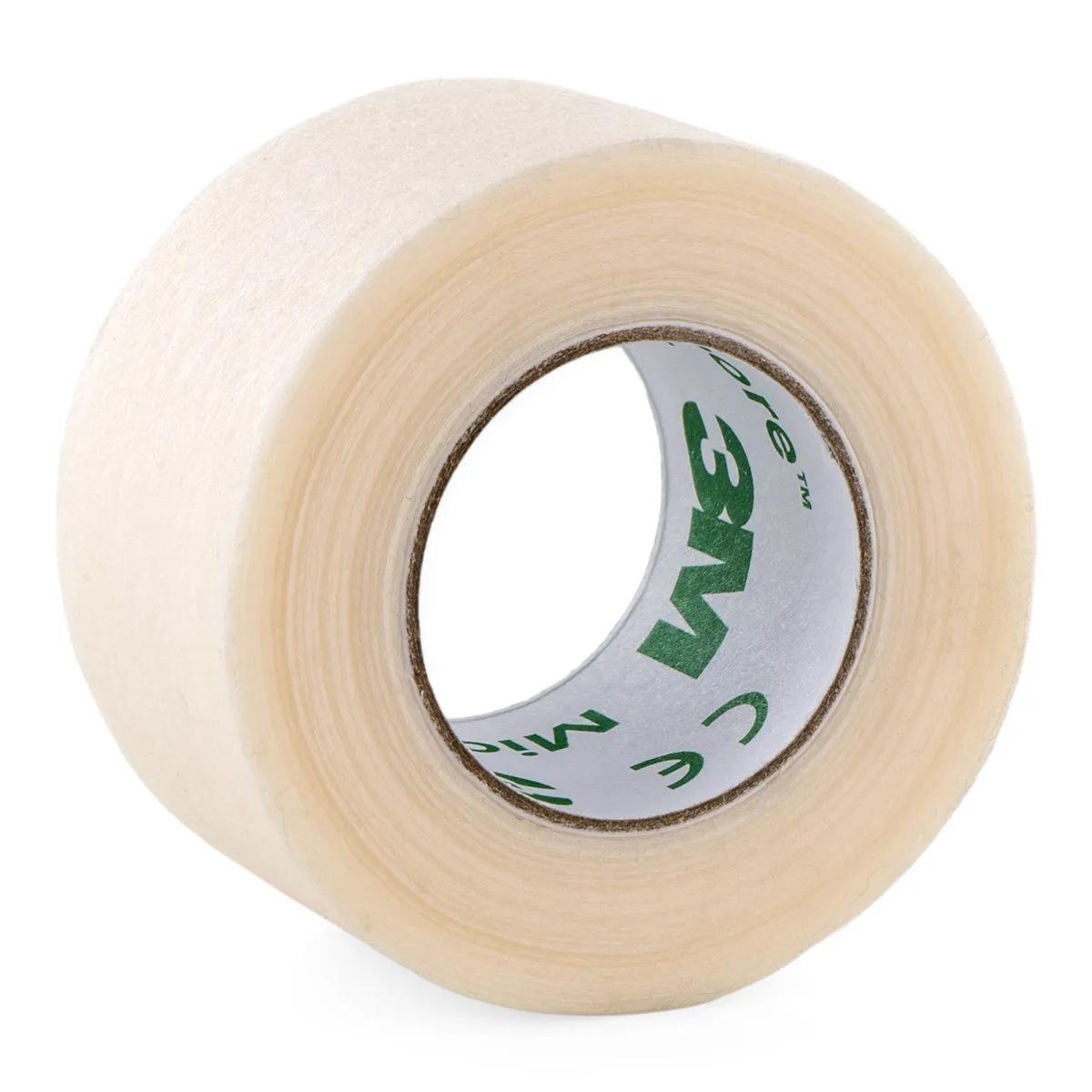
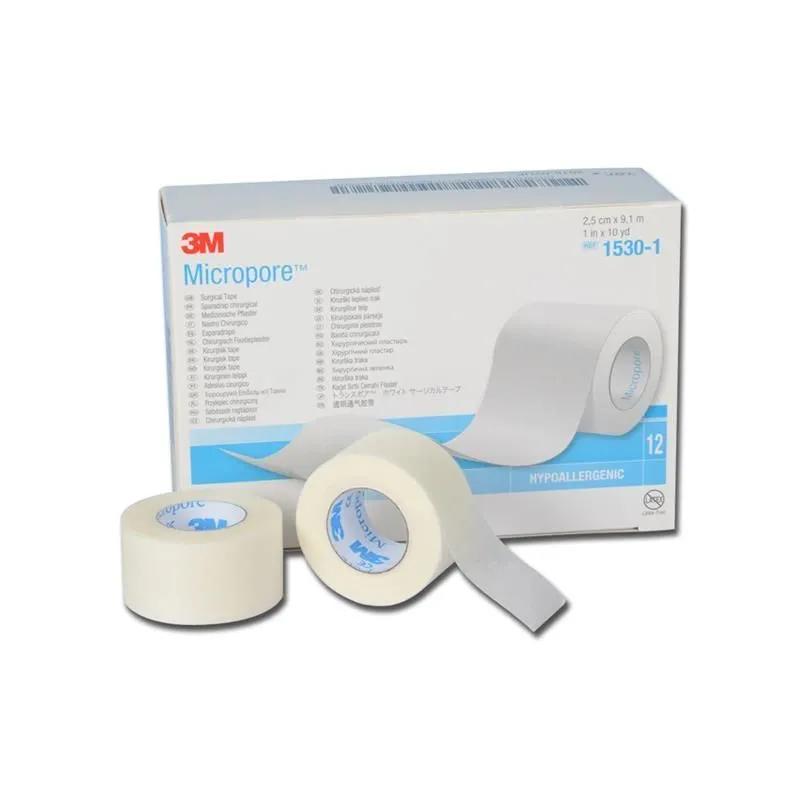

Mushroom grow filters are the self-adhesive patches and breathable tapes that keep airborne contaminants out of your spawn jars, monotubs, and grow chambers while letting CO₂ and oxygen pass through. If you're cultivating at home — whether it's a first BRF jar or a stacked monotub rotation — filter choice is what separates a clean flush from a green, fuzzy disaster. Buy mushroom grow filters from Azarius, shipping across the EU since 1999.
Mushroom Grow Filters — Format Guide for Home Cultivators
Contamination is the single biggest reason home grows fail. Industry surveys of hobby cultivators put contamination-related losses somewhere between 20% and 40% of first attempts, and nearly all of those failures trace back to one of two things: dirty hands, or unfiltered air exchange. You can fix the first with gloves and a flow hood. The second is what filters are for.
Every mushroom container needs gas exchange — mycelium produces CO₂ and needs fresh O₂ to fruit properly. But the same hole that lets air in lets Trichoderma spores, bread moulds, and bacteria in too. A proper filter is a physical barrier sized small enough (typically 0.3 micron or tighter) to block fungal spores while staying breathable enough not to suffocate your culture.
Filter Formats Compared
| Format | Best for | Filtration | Reusable? |
|---|---|---|---|
| Micropore tape | Spawn jars, grain jars, BRF cakes | Surgical-grade perforated | No — single use |
| Adherable lid filter patches | Mason jar lids, small containers | 0.3-micron membrane | Several cycles if kept dry |
| Adherable monotub filters | Monotub air exchange ports | 0.3-micron membrane | Until adhesive fails |
| Synthetic filter discs (DIY) | Polyfill-stuffed lids | Variable, depends on material | No |
Tape vs Patch — Which Do You Actually Need?
Tape is the cheap, flexible option. You cut holes in your jar lids, slap a strip of Micropore Tape 3M across them, and you're done — one roll will kit out a few dozen jars and costs less than a coffee. The downside: you punch the holes yourself, and the tape needs replacing every run.
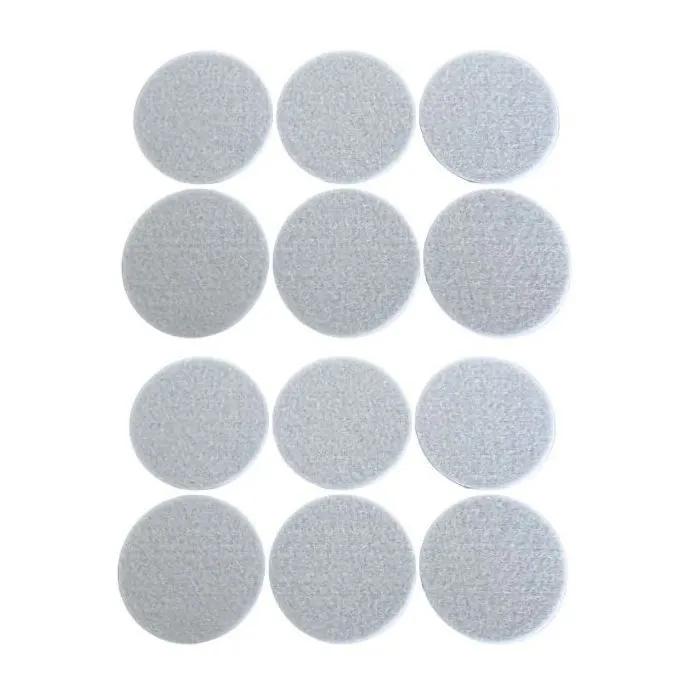
Adherable filter patches are the upgrade. The Microppose Adherable Lid Filters 50-Pack gives you pre-cut 0.3-micron patches that stick straight onto a drilled or punched lid — no sizing guesswork, and the adhesive holds through pressure cooking. For anyone running monotubs, the Microppose Adherable Monotub Filters 12-Pack is the format-specific version sized for the ports on Microppose's own grow chamber.
Rule of thumb we'd give a beginner: order a roll of micropore tape for your first few jar runs. Once you know you're sticking with the hobby and scaling up, switch to patches. The patches are neater, more consistent, and you'll stop second-guessing whether you cut the tape big enough.
What to Look For When You Buy
- Pore size — 0.3 micron is the sweet spot. Fungal spores sit around 1–10 microns, bacteria around 0.5–5 microns, so 0.3 catches the overwhelming majority.
- Adhesive rating — if you pressure-cook your substrate (you should), the adhesive needs to survive 121°C. 3M-backed patches do. Generic eBay ones often don't.
- Oleophobic treatment — oil-repellent filter material stops condensation and substrate splatter from clogging the membrane mid-run.
- Pack size vs grow frequency — casual grower doing one tub at a time? A 12-pack lasts a year. Serious hobbyist with a jar rotation? Get the 50-pack.
Where Filters Fit in the Sterile Workflow
Filters are one layer of defence, not the whole fort. Clean workspace, flame-sterilised tools, gloves, a still-air box or flow hood, and properly pressure-cooked substrate — all of that matters more than the filter on your lid. But the filter is what protects your jars for the 2–4 weeks they sit colonising on a shelf, and that's where most contamination actually enters. Skimp on filters and you'll find out the hard way.
Frequently Asked Questions
What micron rating do I need for mushroom grow filters?
0.3 micron is the standard for blocking fungal spores and bacteria. Anything looser (1 micron or above) lets contaminants through; anything tighter restricts gas exchange enough to slow colonisation.
Can I reuse adherable filter patches?
Sometimes. If the adhesive still holds and the membrane hasn't been soaked by substrate or condensation, a patch can survive a second run. Most growers treat them as single-use to remove one variable from contamination troubleshooting.
Is micropore tape good enough for serious growing?
Yes, for spawn jars and grain containers. 3M Micropore Tape has been the go-to hobbyist filter for over a decade. It's less convenient than pre-cut patches, but the filtration itself is solid — and the price per jar is unbeatable.
Do I need different filters for monotubs vs jars?
The filtration principle is the same, but the sizing is different. Monotub filters are larger patches sized for the air-exchange holes in the tub lid or sides. Jar filters (tape or small patches) are sized for mason jar lids. Get format-specific filters — cutting a big one down usually ruins the adhesive edge.
Last updated: April 2026