
Not sure this is your strain? Compare this kit against all 17 on difficulty, potency, fresh yield and time to first harvest.
Buy more, pay less
Treasure Coast Grow Kit — Dense Clusters, Big Caps, Serious Yields
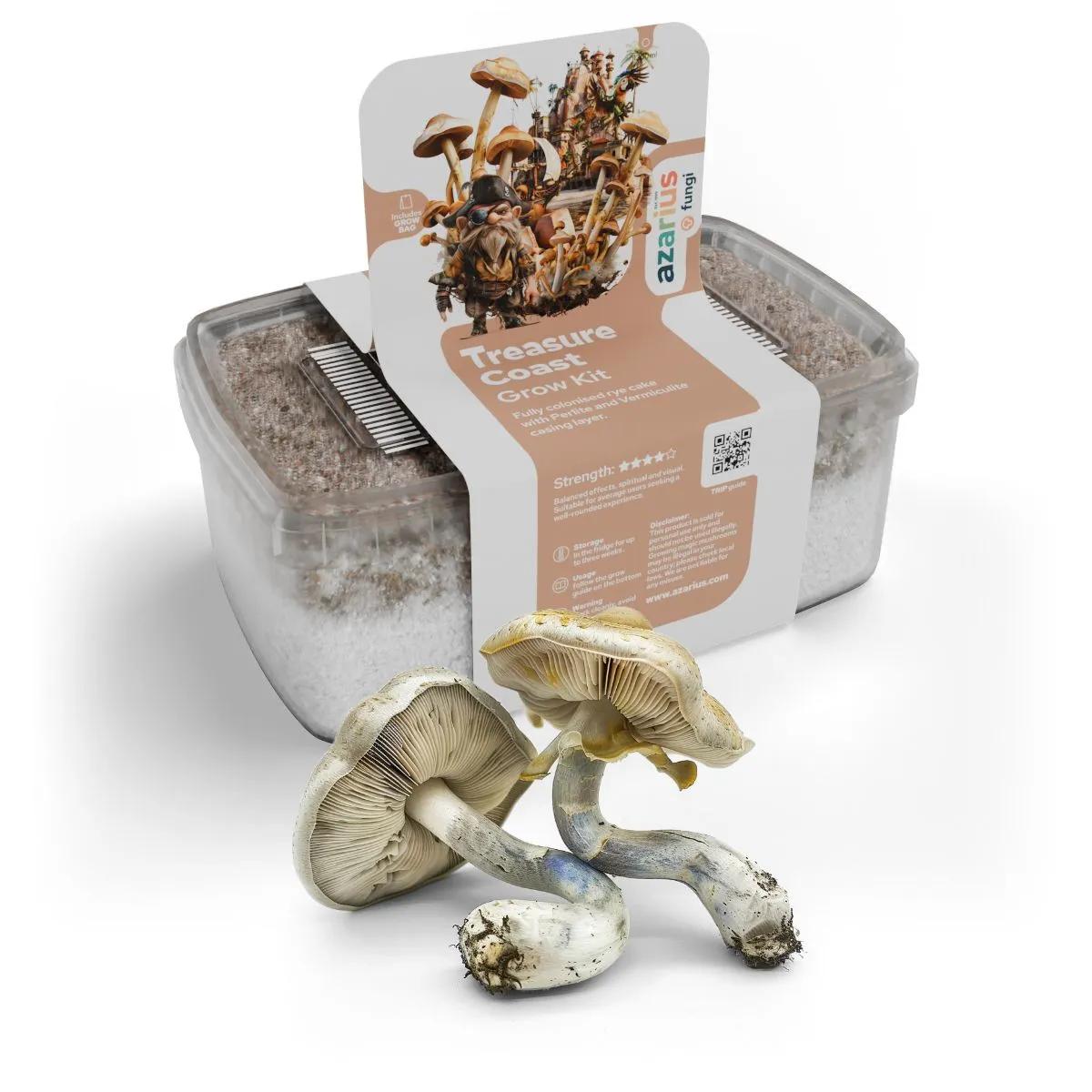
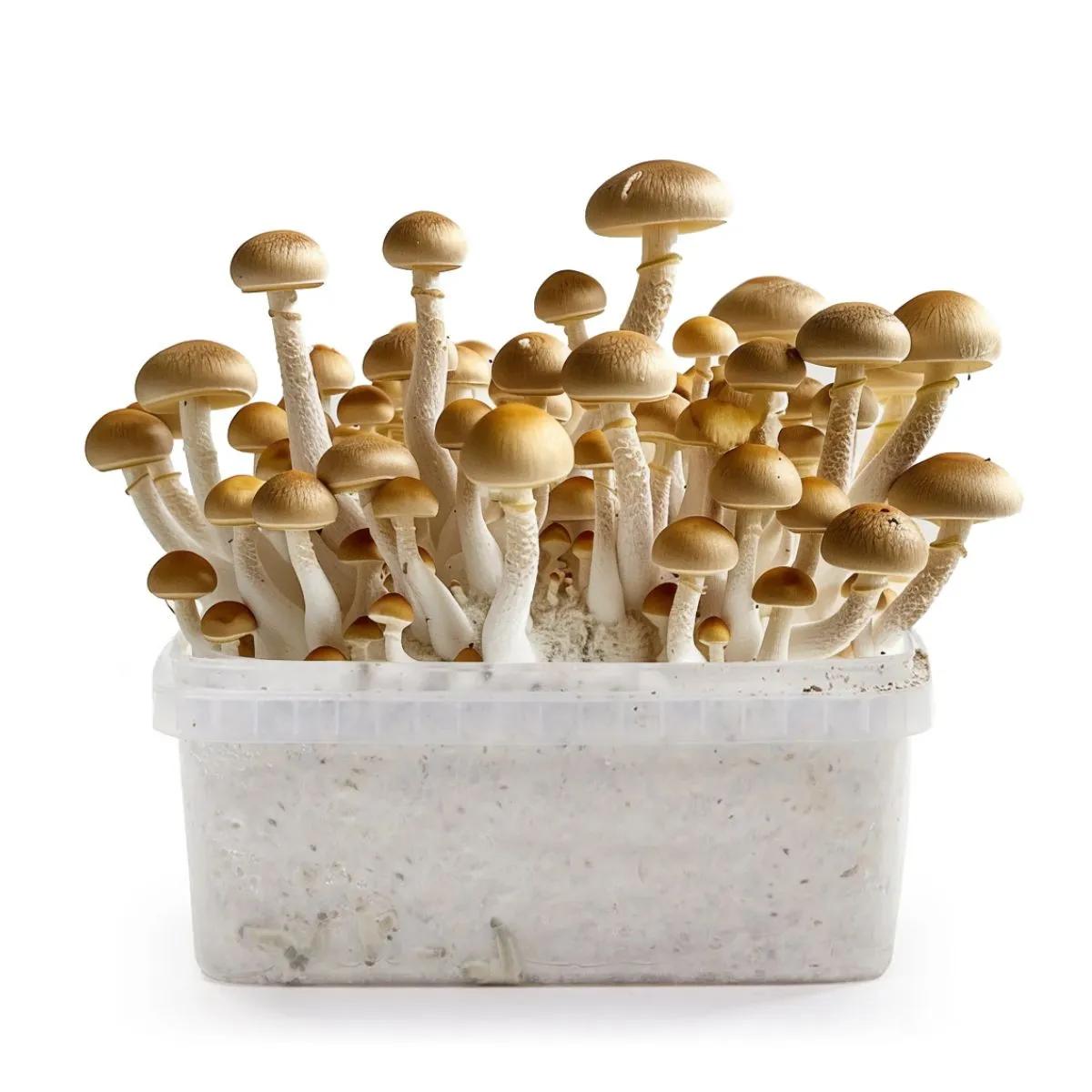
The Treasure Coast grow kit is a fully colonised Psilocybe cubensis cultivation kit that produces dense, heavy-capped mushrooms across multiple flushes — with combined fresh yields that can exceed 400 grams. Azarius developed this exclusive kit around a Florida-origin strain that sits in a sweet spot: moderate-to-strong potency, vigorous colonisation, and a forgiving growth habit that doesn't punish small mistakes. If you've grown a Golden Teacher kit before and want something with a bit more weight behind it, this is the next step up.
What Makes the Treasure Coast Grow Kit Worth Picking
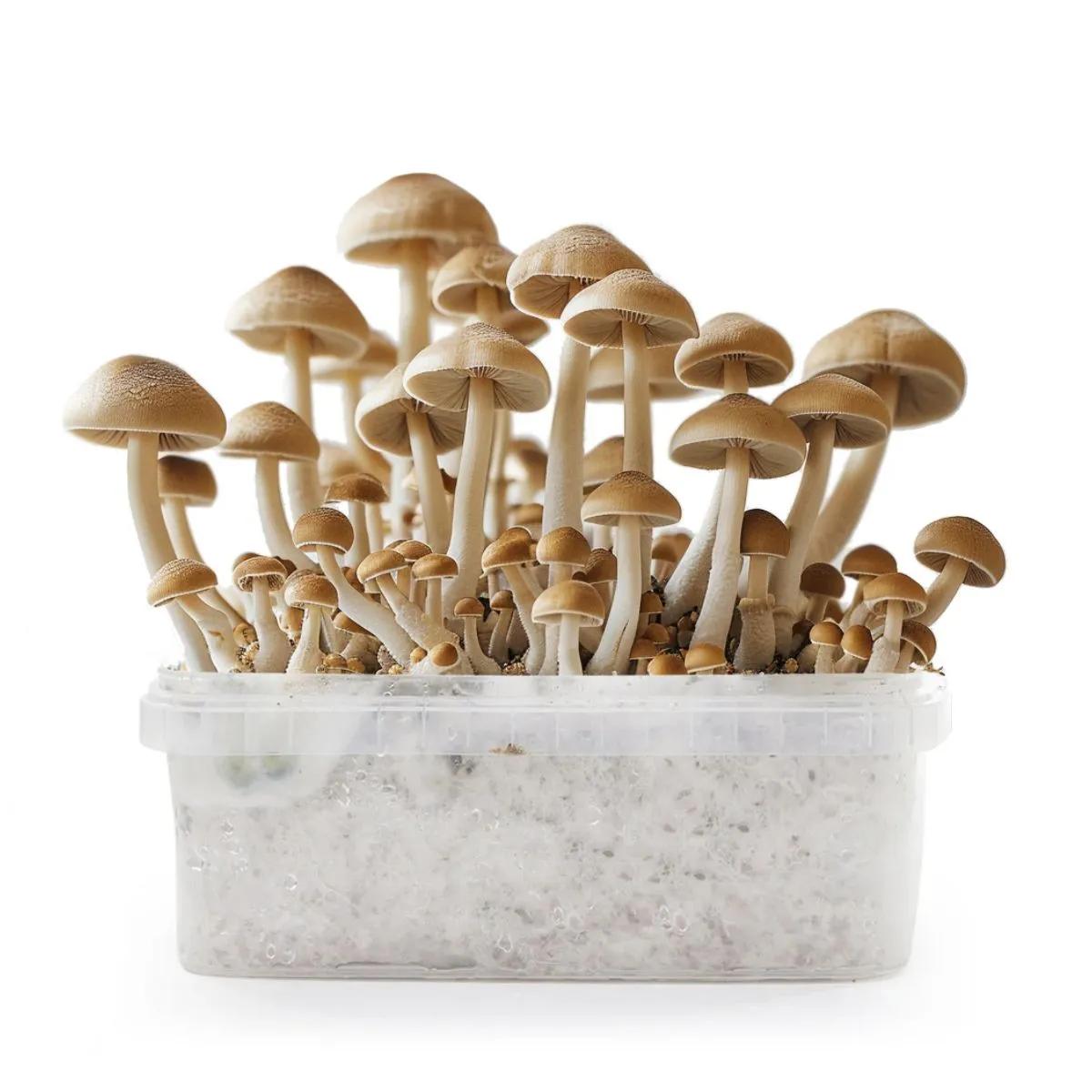
The Treasure Coast strain originally came from wild specimens found along Florida's Atlantic coastline. Over the years, cultivators stabilised those genetics into something reliable and vigorous — a strain that colonises fast, fruits in thick clusters, and produces caps noticeably larger than average cubensis varieties. You'll see the difference when you open the fruiting chamber: where something like a Thai or Cambodian strain tends to throw up lots of thin, leggy pins, Treasure Coast pushes out fewer but chunkier fruits with broad, fleshy caps.
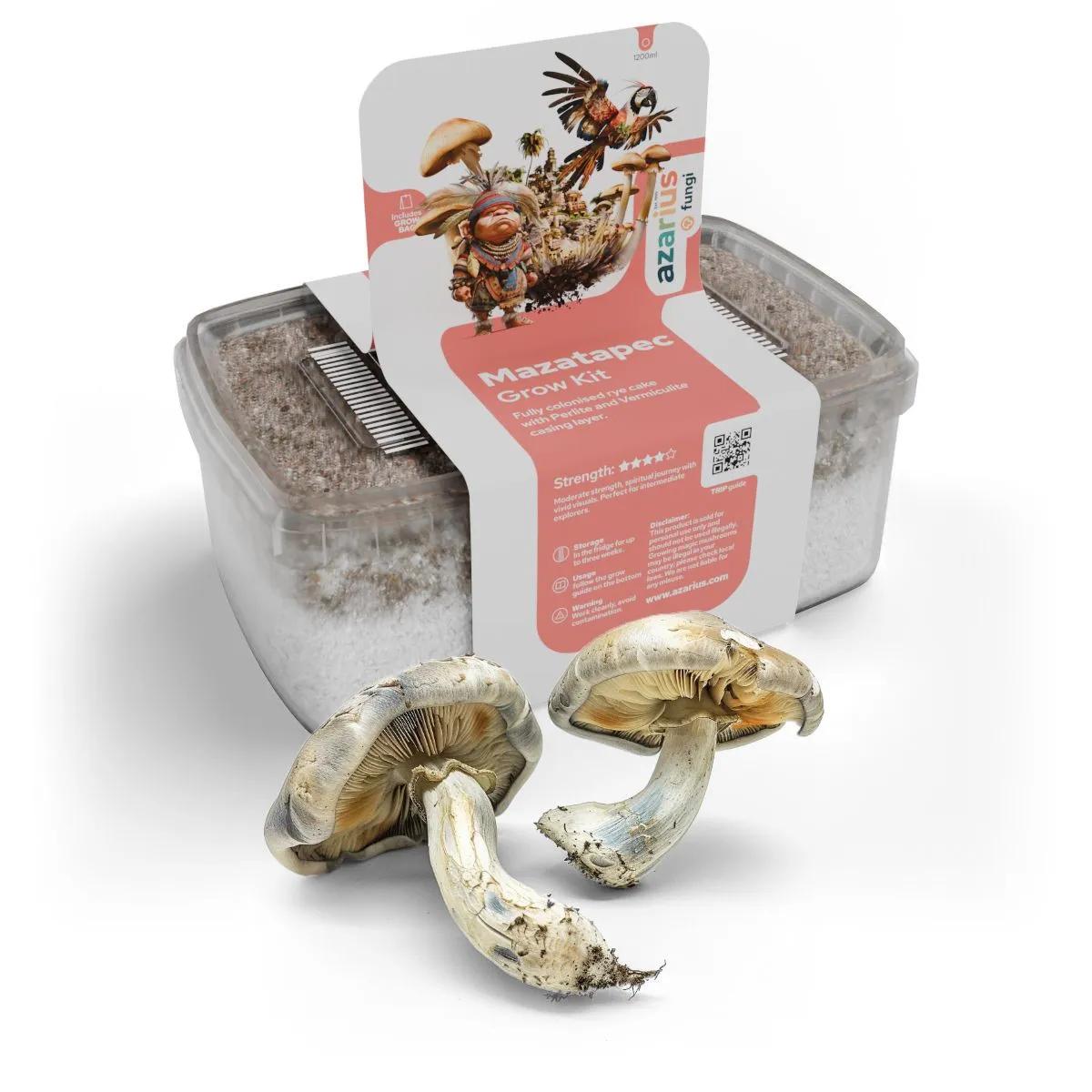
Azarius packages this strain as a fully colonised rye-grain cake with a perlite and vermiculite casing layer already in place. The mycelium network is established before the kit leaves the warehouse, so there's no inoculation, no waiting weeks for colonisation, and no sterile technique required on your end. You add water, maintain humidity, and wait. First pins typically appear within 7–14 days of setup.
One honest note: Treasure Coast can be slightly slower to pin than Golden Teacher or B+. We've seen kits take the full two weeks before showing any signs of life. Don't panic and don't start poking at the cake — patience pays off with this strain, and the yield per flush tends to be heavier than faster-pinning varieties.
Treasure Coast Mushroom Grow Kit Specifications
| Specification | Detail |
|---|---|
| Species | Psilocybe cubensis |
| Strain | Treasure Coast |
| Origin | Atlantic coast of Florida, USA |
| Potency | Moderate to strong |
| Substrate | Fully colonised rye grain |
| Casing layer | Perlite and vermiculite |
| Expected flushes | Up to 3 |
| Combined fresh yield | 400g+ (under good conditions) |
| Time to first pins | 7–14 days |
| Fruiting temperature | 21–24°C |
| Kit status | Ready to use — no inoculation needed |
| Exclusive to | Azarius |
Treasure Coast vs Golden Teacher — Which Grow Kit Should You Pick
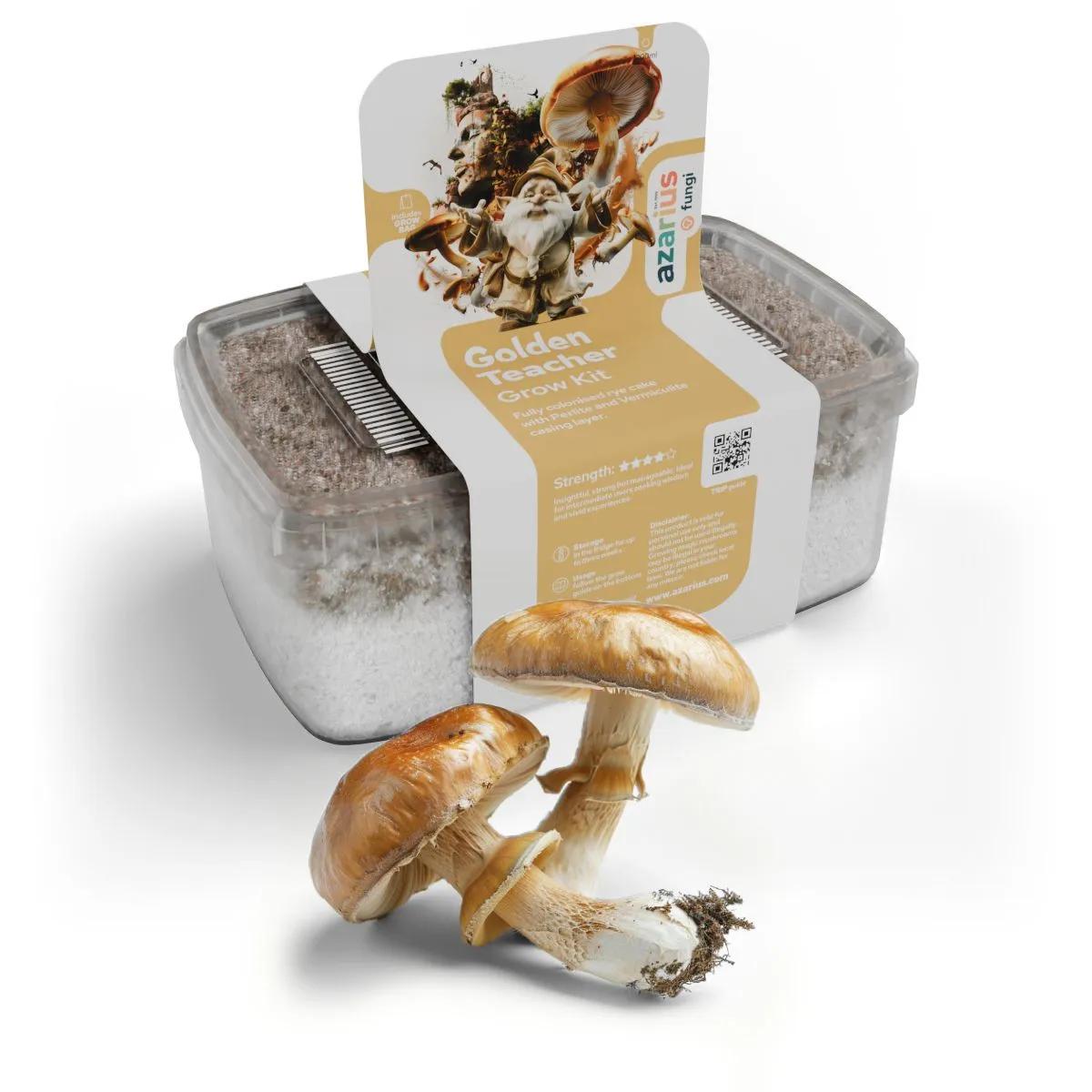
We get this question constantly. The Golden Teacher is the world's best-selling cubensis strain for a reason — it's fast, forgiving, and the effects are gentle enough for a first experience. Treasure Coast is a step sideways rather than straight up: similar difficulty level, but the fruits are physically bigger, the clusters are denser, and the potency sits a notch higher. If Golden Teacher is a reliable hatchback, Treasure Coast is the estate version — same engine, more cargo space.
| Feature | Treasure Coast | Golden Teacher |
|---|---|---|
| Potency | Moderate to strong | Moderate |
| Time to first pins | 7–14 days | 5–10 days |
| Fruit size | Large caps, dense clusters | Medium caps, even spread |
| Total yield (fresh) | 400g+ | 300–400g |
| Best for | Growers wanting heavier individual fruits | First-time growers wanting speed |
| Forgiveness level | High | Very high |
Start with Golden Teacher if you've never grown before and want the fastest possible result. Go with Treasure Coast if you've done one grow already and want something with a bit more physical presence in the fruiting chamber — the clusters genuinely look impressive.
Complete your setup with a Thermo/Hygrometer to keep temperature and humidity dialled in during fruiting. If you're planning to dry your harvest, a Food Dehydrator makes the difference between cracker-dry mushrooms and a soggy mess that won't store properly.
How to Grow Treasure Coast Mushrooms — Step by Step
The Treasure Coast grow kit arrives fully colonised, so the hard work is already done. Your job is humidity, temperature, and patience. Here's the process from box to harvest:
- Wash your hands thoroughly and wipe down your work surface. Contamination is the number one killer of grow kits, and we've seen entire batches lost to one ungloved hand reaching into the bag.
- Remove the lid from the grow box. Fill the box with lukewarm water (around 20°C), replace the lid, and let it soak for 12 hours. This rehydrates the substrate and triggers the fruiting cycle.
- After 12 hours, drain the excess water by tilting the box carefully with the lid slightly open. Don't pour it out violently — you'll damage the cake surface.
- Place the grow box inside the supplied grow bag. Add approximately 200ml of water to the bottom of the bag to maintain humidity.
- Fold the top of the bag and secure it with the paper clips provided. Leave a small gap for fresh air exchange — the mycelium needs oxygen.
- Place the setup in a spot with indirect light at 21–24°C. Avoid direct sunlight, radiators, and draughty windowsills. A shelf in a room you keep warm is usually spot on.
- Mist the inside of the bag once or twice daily with clean water. You want fine droplets on the bag walls, not a puddle on the cake. Open the bag briefly each time you mist to exchange air.
- Pins should appear within 7–14 days. Once you see small white bumps forming on the surface, keep conditions consistent — this is not the time to move the kit around.
- Harvest when the caps begin to open but before they flatten completely. Twist and pull each mushroom gently from the base. Cutting with scissors leaves stumps that can rot.
- For the second and third flush, repeat from step 2: soak the cake for 12 hours, drain, and return to the grow bag. Each subsequent flush may produce slightly fewer but often larger individual fruits.
What to Expect from Treasure Coast — Yield, Appearance, and Character
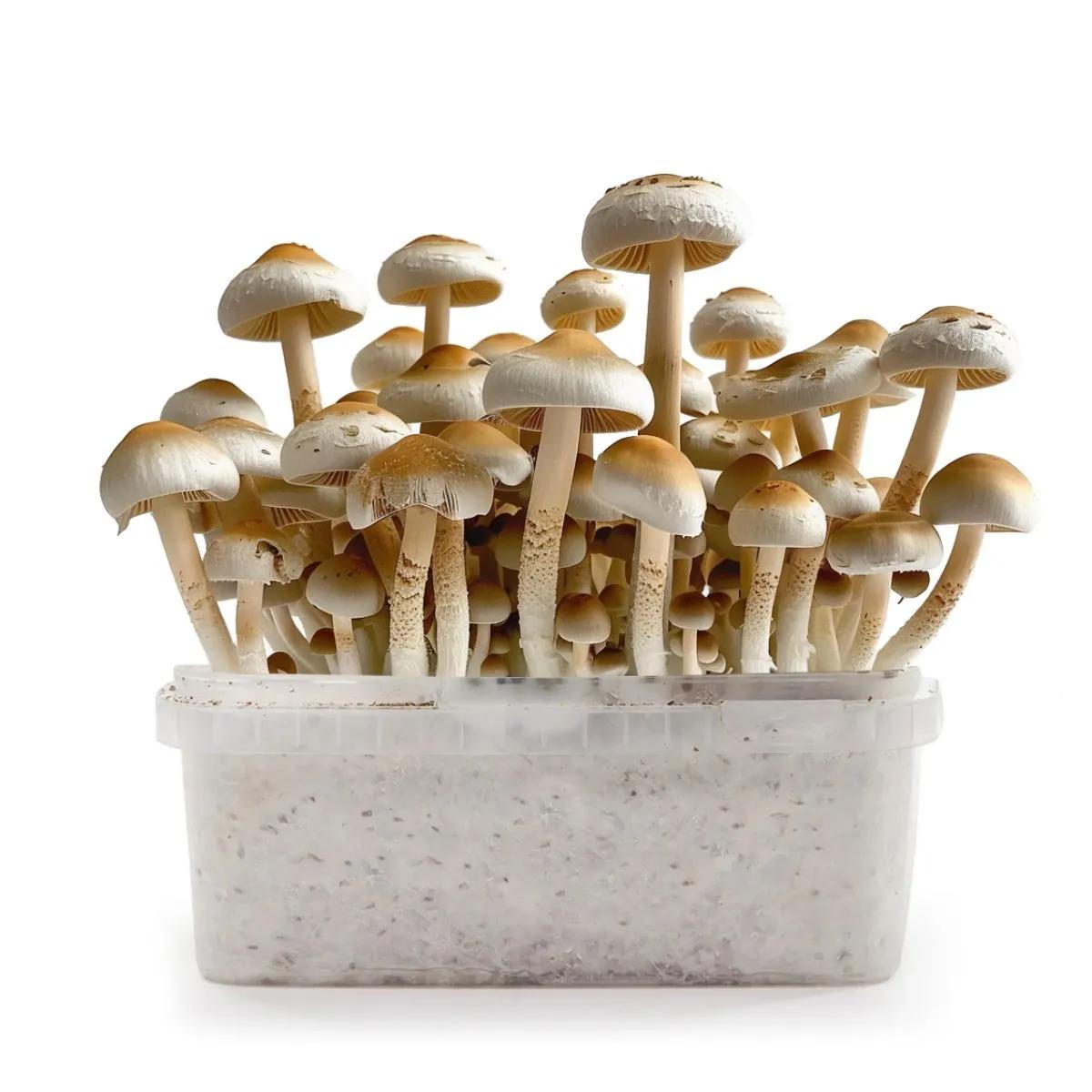
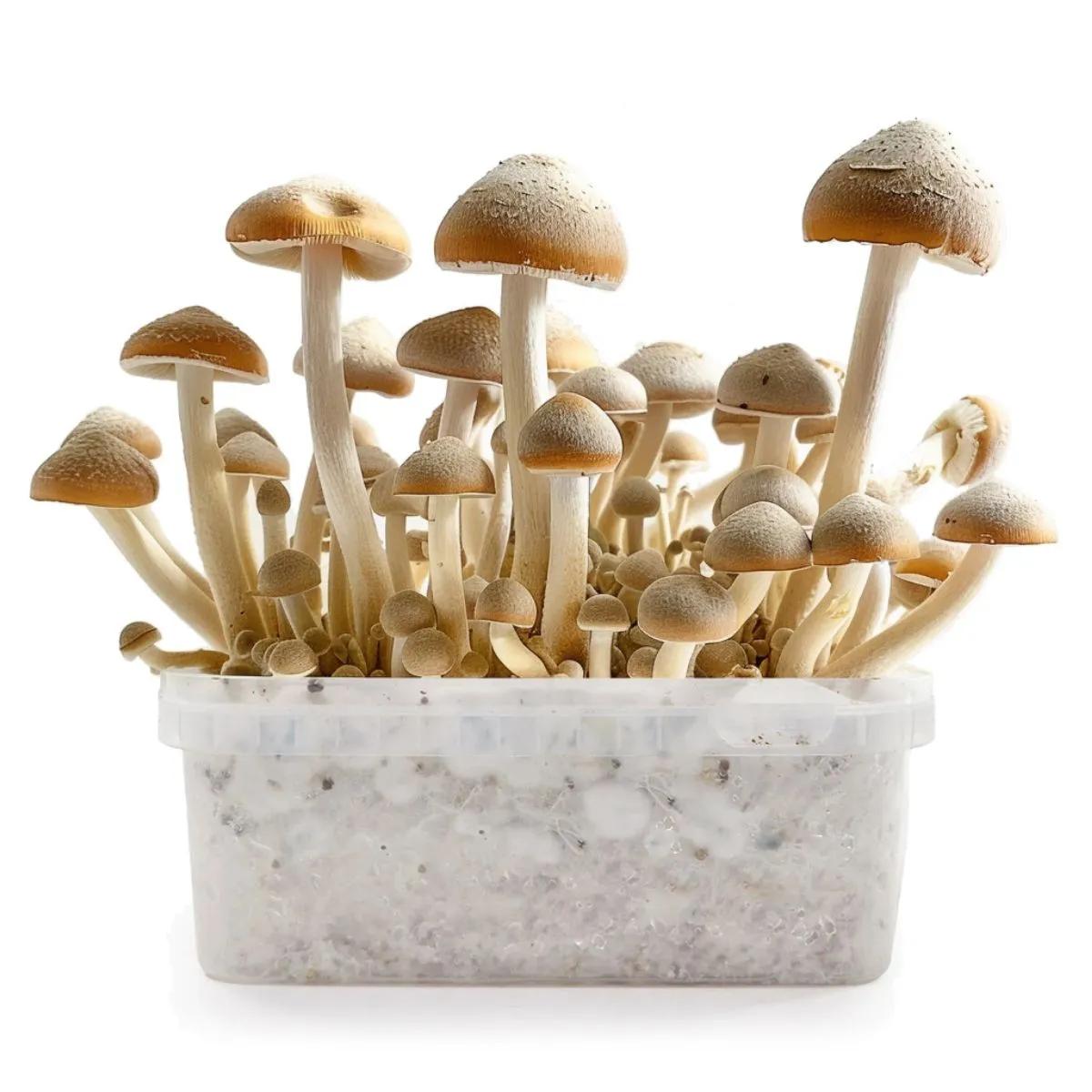
The first thing you notice about Treasure Coast fruits is the cap size. Where many cubensis strains produce caps the size of a two-pound coin, Treasure Coast regularly throws caps that span 5–7cm across — sometimes wider. The stems are thick and meaty, often with a slight bluish bruising at the base (that's oxidised psilocin, completely normal). Clusters tend to be tight, with 3–8 fruits growing from a single point on the cake.
Colour-wise, expect golden-brown caps that lighten toward the edges, with off-white to pale yellow stems. The flesh has a dense, slightly rubbery texture when fresh — noticeably heavier than the same volume of a thinner-stemmed strain. Dried, they shrink to about 10% of their fresh weight, which is standard for cubensis.
The 400g+ yield figure is achievable across three flushes under good conditions. Your first flush will typically be the largest — around 150–200g fresh. Second flush often matches or slightly exceeds the first. Third flush drops off but still adds meaningful weight. We've seen growers squeeze out a fourth flush, but the returns diminish sharply and contamination risk rises with each cycle.
Related products

Medical disclaimer. This content is for informational purposes only and does not constitute medical advice. Consult a qualified healthcare provider before use of any substance.