
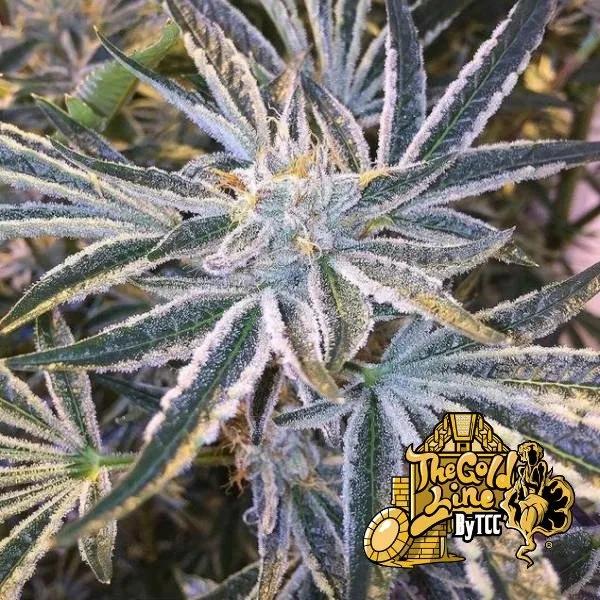
Pack: 6 seeds
Fruit Tree Cannabis Seeds by Cali Connection
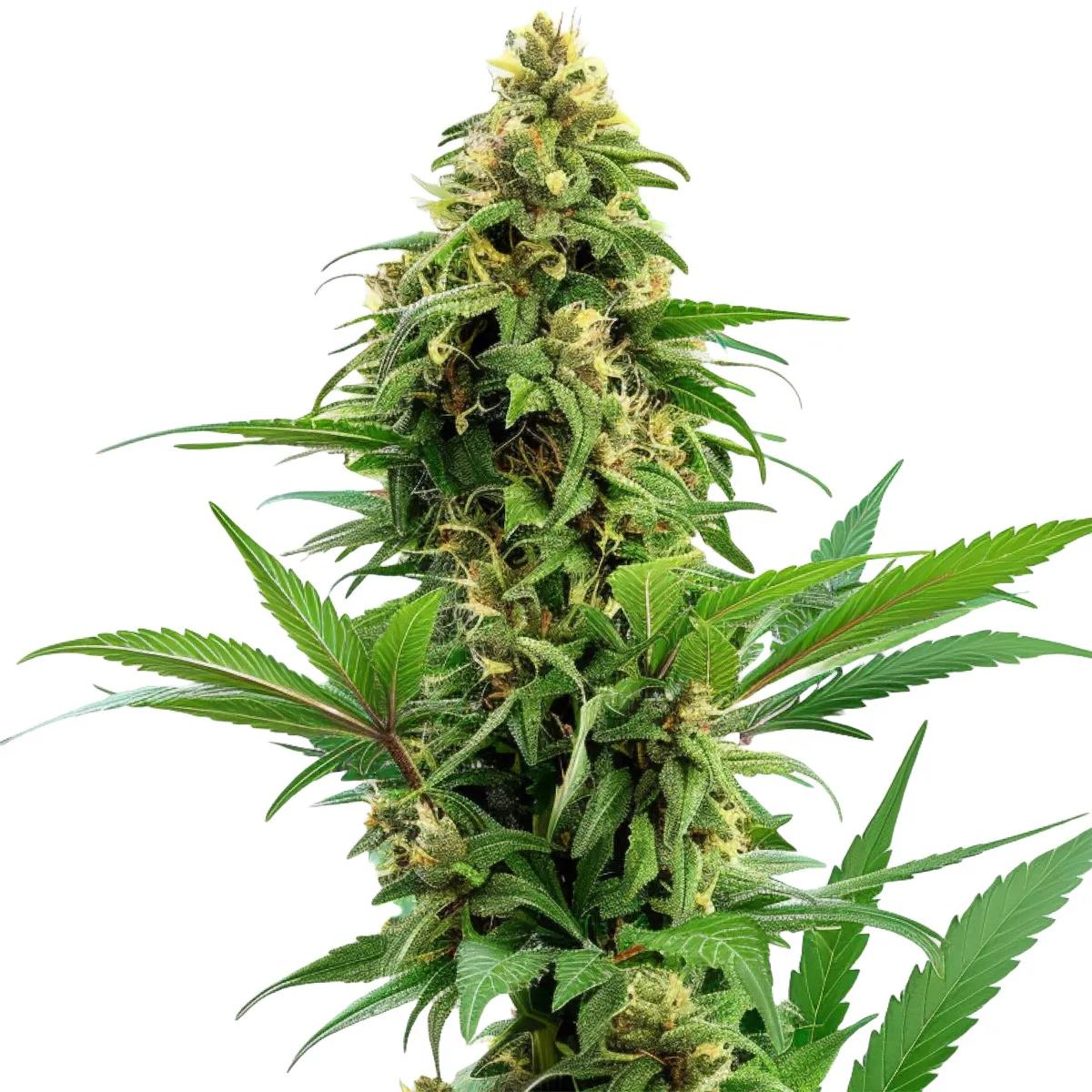
Fruit Tree is a feminised cannabis seed from Cali Connection that delivers a cherry-lavender flavour profile built on two of California's most aromatic parent strains. A cross of Forbidden Fruit (Cherry Pie x Tangie) and Purple Punch (Larry OG x Granddaddy Purple), she produces resinous, colourful buds in 65–69 days of flowering — and the terpene output makes her an outstanding candidate for extracts and concentrates.
Fruit Tree is available in packs of 6 feminised seeds. Every seed is female — no need to identify and remove males during flowering.
Fruit Tree Genetics: Why This Cross Works
Cali Connection built Fruit Tree from two strains that are already legendary for flavour. The mother side is Forbidden Fruit — a Cherry Pie x Tangie cross known for its dense trichome coverage and tropical-sweet terpene profile. The father side is Purple Punch, the Larry OG x Granddaddy Purple hybrid that brings grape-candy sweetness and deep sedating effects to everything it touches.
What you get from this combination is a plant that stacks flavour on flavour. Cherry notes from the Forbidden Fruit side, lavender and musky hash undertones from the Purple Punch side, and a floral smoothness that ties it all together. We'd put this in the top tier of flavour-focused strains — if terpenes are what you chase, Fruit Tree belongs on your shortlist alongside strains like Mimosa or Zkittlez.
The resin production is worth mentioning separately. Both parents are known for heavy trichome coverage, and Fruit Tree inherits that trait in spades. If you're pressing rosin or running bubble hash, this is the kind of starting material that makes the whole process worthwhile. The buds come out sticky, aromatic, and absolutely caked.
Growing Fruit Tree Seeds: What to Expect
Fruit Tree grows well both indoors and outdoors, developing a solid, well-branched structure that responds brilliantly to topping. She's not a lanky stretcher — expect a manageable plant with good lateral growth once you remove the apical tip.
Later in flowering, she puts on a proper colour show. The buds develop shades of purple, deep green, and sometimes near-black tones depending on night temperatures. If you drop your night temps a few degrees during the final weeks, you'll see even more colour expression — though this is cosmetic, not a quality indicator.
One honest note: the yield of up to 300g/m² is respectable but not chart-topping. If you're growing purely for weight, something like a Critical or Big Bud cross will outproduce her. But what Fruit Tree lacks in sheer bulk, she makes up for in quality. Every gram is dense, resinous, and absolutely dripping with terpenes. It's the kind of harvest where you weigh the jar and think "that's it?" — then you open the lid and the entire room fills with cherry-lavender sweetness, and you stop caring about the number.
| Specification | Detail |
|---|---|
| Seed Bank | Cali Connection |
| Seed Type | Feminised (photoperiod) |
| Genetics | Forbidden Fruit (Cherry Pie x Tangie) x Purple Punch (Larry OG x Granddaddy Purple) |
| Flowering Time | 65–69 days |
| Indoor Yield | Up to 300g/m² |
| Growing Environment | Indoor / Outdoor |
| Flavour Profile | Cherry, lavender, sweet hash, floral, musky |
| Seeds per Pack | 6 |
| SKU | CSCA0028 |
Complete your grow setup with a proper carbon filter — Fruit Tree's terpene output is intense, and your neighbours will know about it without one. A set of plant training clips also pairs well here, since topping and LST are where this strain really shines in terms of yield and bud site development.
Flavour and Aroma: What Fruit Tree Actually Tastes Like
This is where Fruit Tree earns her name. Crack open a cured bud and the first thing that hits you is a wave of ripe cherry — not artificial, not candy-like, but the kind of deep, sweet cherry you get from actual fruit. Underneath that sits a lavender note that gives the whole profile a floral, almost perfume-like quality without being overwhelming.
On the exhale (or in a vaporiser at around 185–190°C), you pick up musky, hash-like undertones and a lingering sweetness that sits on the palate for minutes. It's smooth — no harshness, no throat burn, just layers of flavour that unfold one after another. We've sold a lot of flavour-forward genetics over the years, and Fruit Tree genuinely stands out. If you've grown Tangie or Cherry Pie before and loved the terps, this takes both of those profiles and blends them into something more complex.
For extract makers, the terpene retention through pressing or washing is excellent. The resin glands are large and abundant, which means your end product carries that cherry-lavender signature right through to the concentrate. This is the best choice in the Cali Connection lineup if extracts are your primary goal.
How to Grow Fruit Tree Seeds
- Germinate your seeds using the paper towel method or directly in a starter plug. Keep temperatures between 22–26°C and maintain moisture without waterlogging. Taproots typically emerge within 24–72 hours.
- Transplant seedlings into their final containers once they've developed 2–3 sets of true leaves. Fruit Tree responds well to 11–15 litre pots indoors.
- Top the main stem once the plant has 5–6 nodes. This encourages lateral branching and creates multiple bud sites — Fruit Tree's structure benefits significantly from topping, and you can top her more than once for a bushier canopy.
- Veg for 4–6 weeks depending on your space. She builds a solid frame without excessive stretching, so you can afford a slightly longer veg period for bigger plants.
- Flip to 12/12 light cycle to initiate flowering. Expect 65–69 days from the flip to harvest. Watch for the colour changes in the final 2–3 weeks — they're a good visual indicator of ripening, though always check trichomes with a loupe for the final call.
- During late flowering, consider dropping night temperatures by 3–5°C to enhance the purple and dark colouring. This is optional but visually rewarding.
- Harvest when trichomes show mostly milky-white heads with around 10–20% amber. Dry slowly in a dark room at 18–20°C with 55–60% humidity for 10–14 days, then cure in glass jars for at least 2 weeks. The flavour improves dramatically with a proper cure — don't rush this step.
Related products



You might also like

Medical disclaimer. This content is for informational purposes only and does not constitute medical advice. Consult a qualified healthcare provider before use of any substance.