
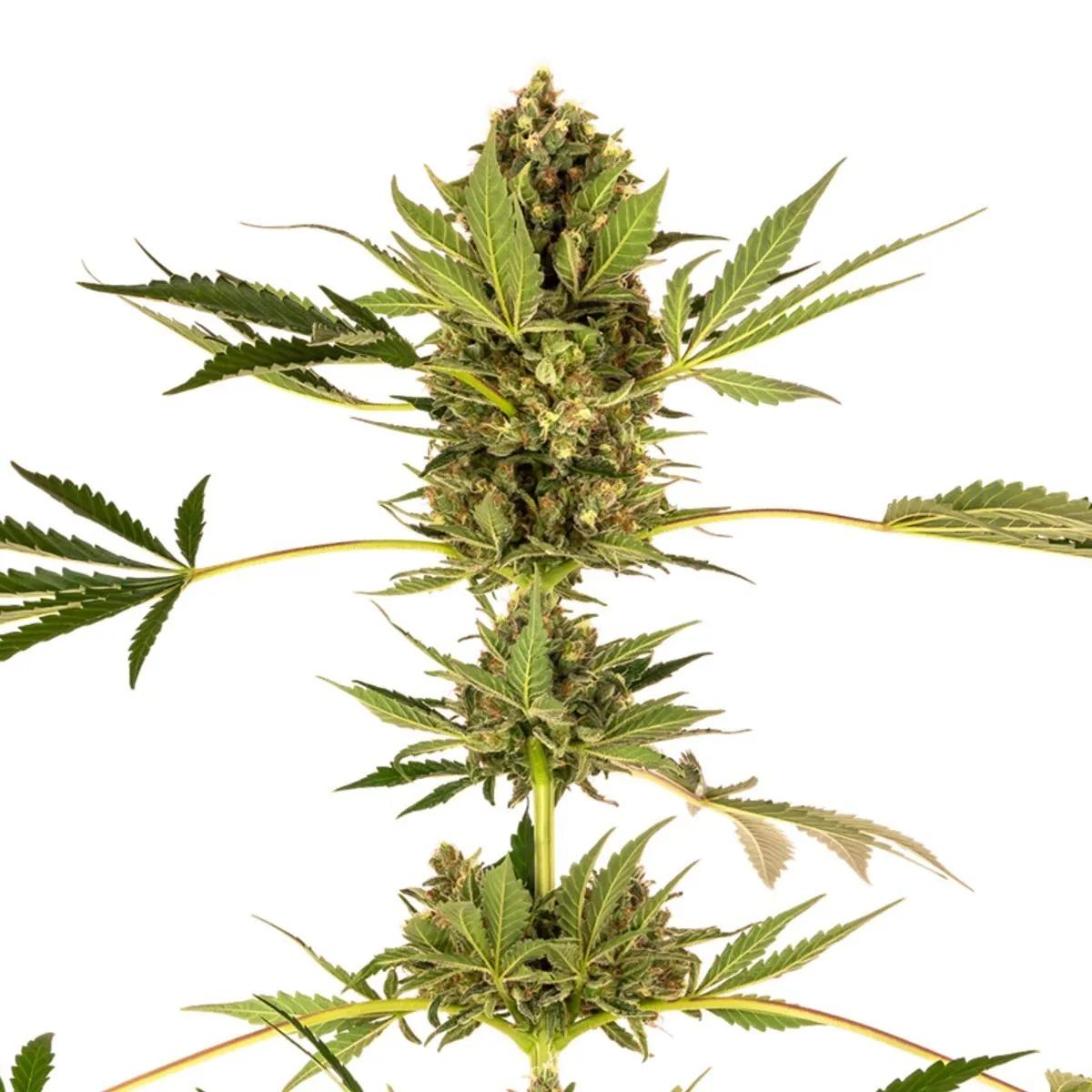
Himalayan CBD Feminised Seeds by Sensi Seeds
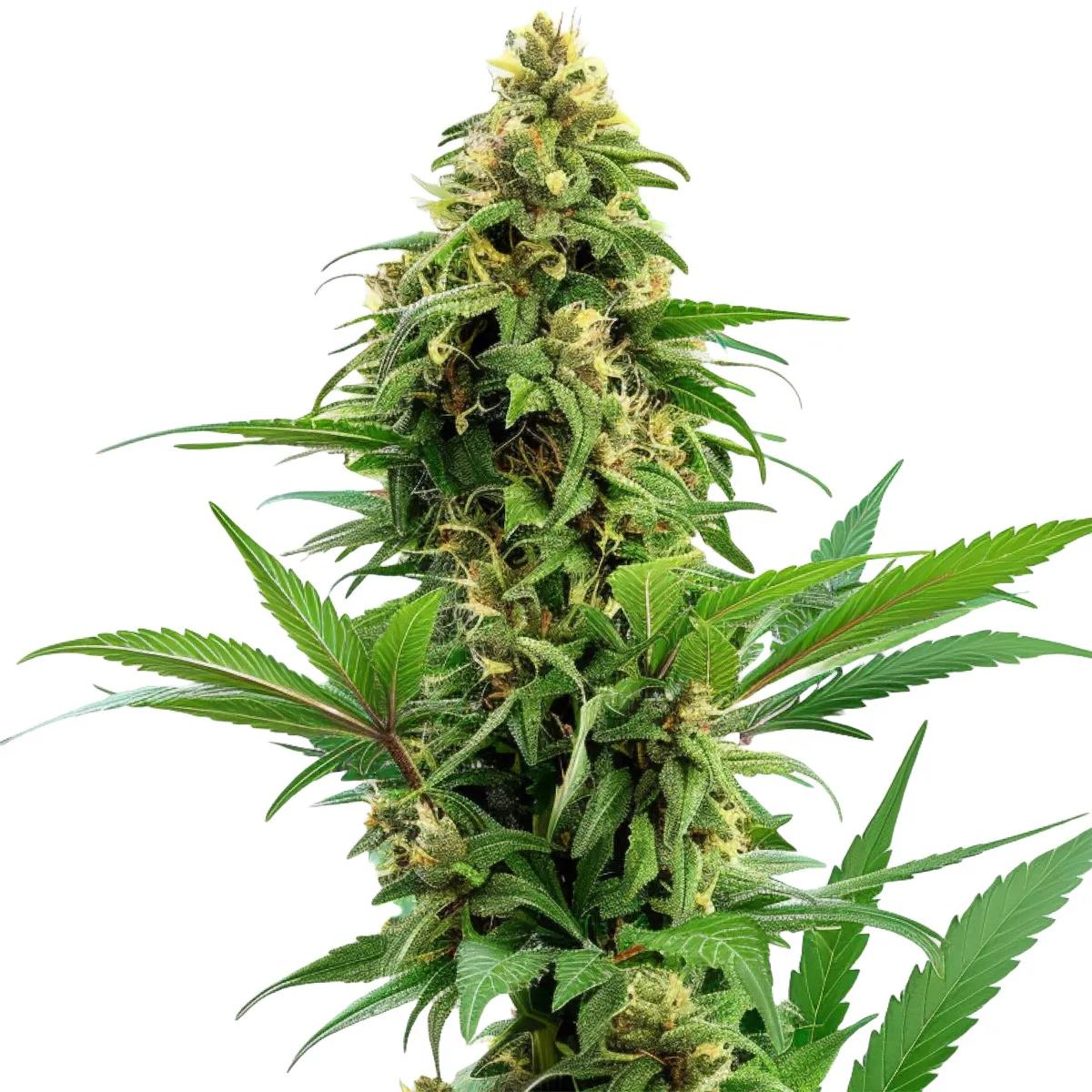
Himalayan CBD is a feminised cannabis seed from Sensi Seeds that delivers a 1:2 THC:CBD ratio from pure Kush genetics. Originally developed as Sensi #49 during the 2019 Sensi Research project, this compact hybrid earned its permanent spot in the catalogue after the Sensi community voted it in. Hindu Kush on one side, OG Kush on the other — both parents bring relaxation-focused potency without the ceiling-staring intensity of THC-dominant strains.
Choose Your Pack Size
Himalayan CBD feminised seeds come in two pack sizes. The 3-seed pack (CSSE0076) is a solid starting point if you want to test the strain before committing — run one plant and keep two as backup. The 5-seed pack (CSSE0099) gives you room to select the best phenotype or fill out a small grow space without running short. We'd go with the 5-pack if you have the tent space; having a couple of extra seeds means you can afford one dud without losing sleep.
Why Himalayan CBD Seeds Deserve a Spot in Your Garden
Most CBD-rich strains on the market feel like compromises. They're bred for cannabinoid ratios first and everything else second, which often means bland terpene profiles and loose, airy flowers. Himalayan CBD sidesteps that problem entirely because it wasn't engineered from scratch as a "CBD strain" — it comes from two established Kush lines that happen to produce a favourable cannabinoid split.
That Kush backbone shows up everywhere. The plant stays compact and manageable, developing one dominant central cola rather than sprawling into a bushy mess that needs constant training. If you're working with limited vertical space — a 120cm tent, a balcony grow, a windowsill setup — this is the kind of structure that cooperates instead of fighting you. We've seen growers lose entire harvests to stretch with sativa-dominant CBD hybrids. Himalayan CBD doesn't do that.
The 1:2 THC:CBD ratio is the real selling point. You still get noticeable THC — enough for a fast-acting, deeply relaxing effect that you'll feel within minutes — but the CBD content keeps things grounded. According to research published in the journal Phytochemistry Letters, hand-rubbed hashish from Himalayan cannabis regions shows notable phytocannabinoid diversity (PubMed ID: 38992862), and this strain captures that broad-spectrum character in a modern feminised seed. One or two tokes in the evening and you're settled into the sofa without the foggy head that heavier THC strains can bring.
The honest limitation: if you're chasing maximum THC potency for recreational intensity, this isn't your strain. It's not designed to floor you. It's designed to take the edge off a long day while keeping your head clear enough to enjoy a film or a conversation. That's a different goal, and Himalayan CBD nails it.
Terpene Profile and Flavour of Himalayan CBD
Himalayan CBD smells like walking into a cedar-panelled room where someone's been burning sandalwood incense and squeezing limes. The scent profile blends sweet and sour top notes with a woody, almost resinous base — sandalwood and pine are the dominant aromas, with a citrus tang that sharpens as the buds cure.
In the smoke, those aromas translate to earthy, woody flavours with a pleasant bitterness on the exhale. Think of the slight astringency you get from a strong green tea, layered over damp forest floor and a whisper of spice. It's not a fruity candy strain. It's a grown-up smoke — the kind you savour rather than blast through.
This complexity comes directly from the Kush parentage. Hindu Kush contributes the deep earthiness and pine resin character, while the OG side adds that sour, almost fuel-like edge that Kush enthusiasts know and love. The CBD content doesn't dilute the terpene expression at all — if anything, the entourage effect between cannabinoids and terpenes makes the flavour feel fuller and more layered than you'd expect from a strain at this potency level.
Growing Himalayan CBD Feminised Seeds
Himalayan CBD is one of those strains that rewards basic competence without demanding expert-level intervention. Sensi Seeds developed it to perform in temperate and continental climates — so if you're growing outdoors in the Netherlands, Germany, the UK, or anywhere with a normal warm summer, this plant will feel right at home.
| Specification | Detail |
|---|---|
| Seed Bank | Sensi Seeds |
| Seed Type | Feminised |
| Genetics | Hindu Kush x OG Kush |
| THC:CBD Ratio | 1:2 |
| Plant Type | Compact hybrid |
| Growth Structure | Single dominant central cola |
| Climate Suitability | Temperate and continental |
| Indoor/Outdoor | Both |
| Production | Very good (optimal conditions) |
| Former Name | Sensi #49 |
| Available Packs | 3 seeds / 5 seeds |
Indoors, the compact structure means you won't need aggressive topping or LST to manage canopy height. The plant naturally channels its energy into one central cola, which simplifies things considerably — especially if you're running a SOG setup or working in a smaller tent. Production value is listed as "very good" by Sensi Seeds under optimal conditions, and from what we've seen, that holds up as long as your light, airflow, and feeding are dialled in.
Outdoors, the strain's versatility is its strongest card. You don't need a Mediterranean heatwave to get results. A decent Northern European summer — 20-25°C daytime temperatures with reasonable sunlight hours — is enough for Himalayan CBD to deliver. The compact size also makes it discreet for balcony or garden grows where you'd rather not announce your hobby to the neighbours.
One thing to watch: because the plant puts so much energy into that central cola, humidity management matters during late flowering. Dense, resinous buds in a damp autumn can invite mould if you're not keeping airflow consistent. Outdoors, consider harvesting slightly early if you see extended rain in the forecast. Indoors, keep your extraction fan running and humidity below 50% in the final weeks.
How to Grow Himalayan CBD Seeds
- Germinate your feminised seeds using the paper towel method or directly in a starter plug. Maintain 22-25°C and keep the medium moist but not waterlogged. Taproots typically emerge within 48-72 hours.
- Transplant seedlings into their final containers once the first true leaves appear. A 15-20 litre pot works well for indoor grows; outdoor plants can go into 30+ litre pots or directly into the ground.
- During vegetative growth, provide 18-20 hours of light indoors. The compact structure means you can keep the light closer than with stretchy sativas — 40-50cm for LED panels is a good starting distance.
- Switch to 12/12 light cycle to trigger flowering. Himalayan CBD's Kush genetics mean it responds quickly and doesn't stretch excessively during the transition.
- Support the central cola as it develops weight. A bamboo stake or plant yo-yo prevents the main stem from bending under its own resin-heavy flowers.
- Monitor humidity closely in the final 2-3 weeks of flowering. Keep below 50% RH indoors. Outdoors, ensure good airflow around the plant and harvest before prolonged wet weather.
- Harvest when trichomes show mostly milky-white colouration with 10-15% amber. For maximum CBD content, lean towards harvesting slightly earlier rather than later.
- Dry slowly in a dark room at 18-20°C and 55-60% humidity for 7-10 days, then cure in glass jars for at least 2 weeks. The sandalwood and pine terpenes develop noticeably during a proper cure.
Himalayan CBD vs Other CBD-Rich Cannabis Seeds
If you're comparing CBD strains, the THC:CBD ratio is the first number to look at. Himalayan CBD sits at 1:2, which means you still get a meaningful THC presence alongside the CBD. That puts it in a different category from pure CBD strains with ratios of 1:20 or 1:30, where you'd struggle to notice any psychoactive effect at all.
| Feature | Himalayan CBD | Typical Pure CBD Strain | Balanced 1:1 Strain |
|---|---|---|---|
| THC:CBD Ratio | 1:2 | 1:20 or higher | 1:1 |
| Noticeable THC Effect | Yes, mild to moderate | Minimal to none | Yes, moderate |
| Relaxation | Deep, fast-acting | Gentle, body-focused | Moderate, balanced |
| Genetics | Pure Kush (Hindu Kush x OG) | Varies widely | Varies widely |
| Growth Complexity | Low — compact, single cola | Varies | Varies |
| Terpene Richness | High — sandalwood, pine, citrus | Often mild | Moderate to high |
The Kush genetics are what set Himalayan CBD apart from most CBD competitors. Many CBD strains are bred from hemp-adjacent genetics that produce high CBD but lacklustre flavour and structure. Himalayan CBD tastes and grows like a proper Kush — because it is one. If you want CBD benefits without sacrificing the smoking experience, this is your best bet in the Sensi Seeds catalogue.
Complete your grow setup with a quality carbon filter and extraction fan — Himalayan CBD's dense central cola needs consistent airflow during late flowering. If you're after more Sensi Seeds genetics, their classic Hindu Kush feminised seeds share the same parent line and deliver a THC-forward take on the same earthy, woody terpene profile.
CBD Research and the 1:2 Ratio
The 1:2 THC:CBD ratio in Himalayan CBD is more than a marketing number — it reflects a cannabinoid balance that researchers have been paying attention to. According to a study on cannabidiol and sodium channel pharmacology, several recent studies have undertaken efforts to identify potential clinical applications for CBD in various systems (PMC9344566). The presence of THC alongside CBD may contribute to what's commonly called the entourage effect — the idea that cannabinoids work differently (and potentially more effectively) in combination than in isolation.
According to research published in Neurotherapeutics, CBD has been found to be active in a variety of preclinical seizure models, including those induced by maximal electroshock (PMC5767492). And a review in Frontiers in Pharmacology notes that CBD is being investigated for potential applications in neurodegeneration, where current options offer only symptomatic relief rather than addressing root-causing factors such as oxidative stress and neuroinflammation (PubMed ID: 38969143).
None of this means Himalayan CBD is medicine — we're a seed shop, not a pharmacy. But if you're interested in growing your own CBD-rich flower for personal use, knowing that the science behind CBD is active and expanding gives you context for why a 1:2 ratio strain is worth considering over a pure THC variety.
Frequently Asked Questions
What is the THC:CBD ratio of Himalayan CBD?
Himalayan CBD has a 1:2 THC:CBD ratio. That means roughly twice as much CBD as THC in the finished flower. You'll still feel the THC — it's not a hemp strain — but the CBD keeps the effect relaxed and grounded rather than intense.
Is Himalayan CBD the same as Sensi #49?
Yes, same genetics, new name. Sensi Seeds developed it as Sensi #49 during their 2019 Research project, then added it to the permanent catalogue as Himalayan CBD after positive feedback from the community. Nothing changed except the label.
Can I grow Himalayan CBD outdoors in Northern Europe?
Absolutely. Sensi Seeds specifically notes this strain's suitability for temperate and continental climates. A normal warm summer in the Netherlands, UK, Germany, or similar latitudes gives it everything it needs. The compact size also helps — less surface area for rain to collect on.
How tall does Himalayan CBD grow?
Himalayan CBD stays compact both indoors and outdoors, channelling its energy into one sizeable central cola. Expect a plant that's easy to manage in a standard grow tent or on a balcony without needing aggressive height-control techniques.
What does Himalayan CBD taste like?
Earthy and woody at the base, with sandalwood and pine resin as the dominant flavours. There's a sour, slightly bitter edge on the exhale — like strong green tea with a squeeze of lime. The Kush parentage gives it a richness you won't find in most CBD strains.
Does Himalayan CBD get you high?
It produces a noticeable, fast-acting relaxation effect thanks to its THC content, but the 1:2 ratio means CBD moderates the intensity. Think deeply relaxed rather than heavily sedated. A toke or two in the evening is the sweet spot — it's not a strain that demands a clear schedule.
Should I choose the 3-seed or 5-seed pack?
The 3-seed pack works if you're testing the strain or have limited space. The 5-seed pack gives you room to select the best phenotype and keeps a couple of seeds in reserve. If you can afford the extra, go with 5 — having backup seeds is never a bad idea.
Can you take too much CBD?
CBD is generally well-tolerated, but it can cause fatigue, changes in appetite, or digestive discomfort at higher intakes. It may also interact with certain medications, including antipsychotics and blood thinners. If you're on medication, speak with a healthcare provider before using CBD-rich flower regularly.
Last updated: April 2026
Related products
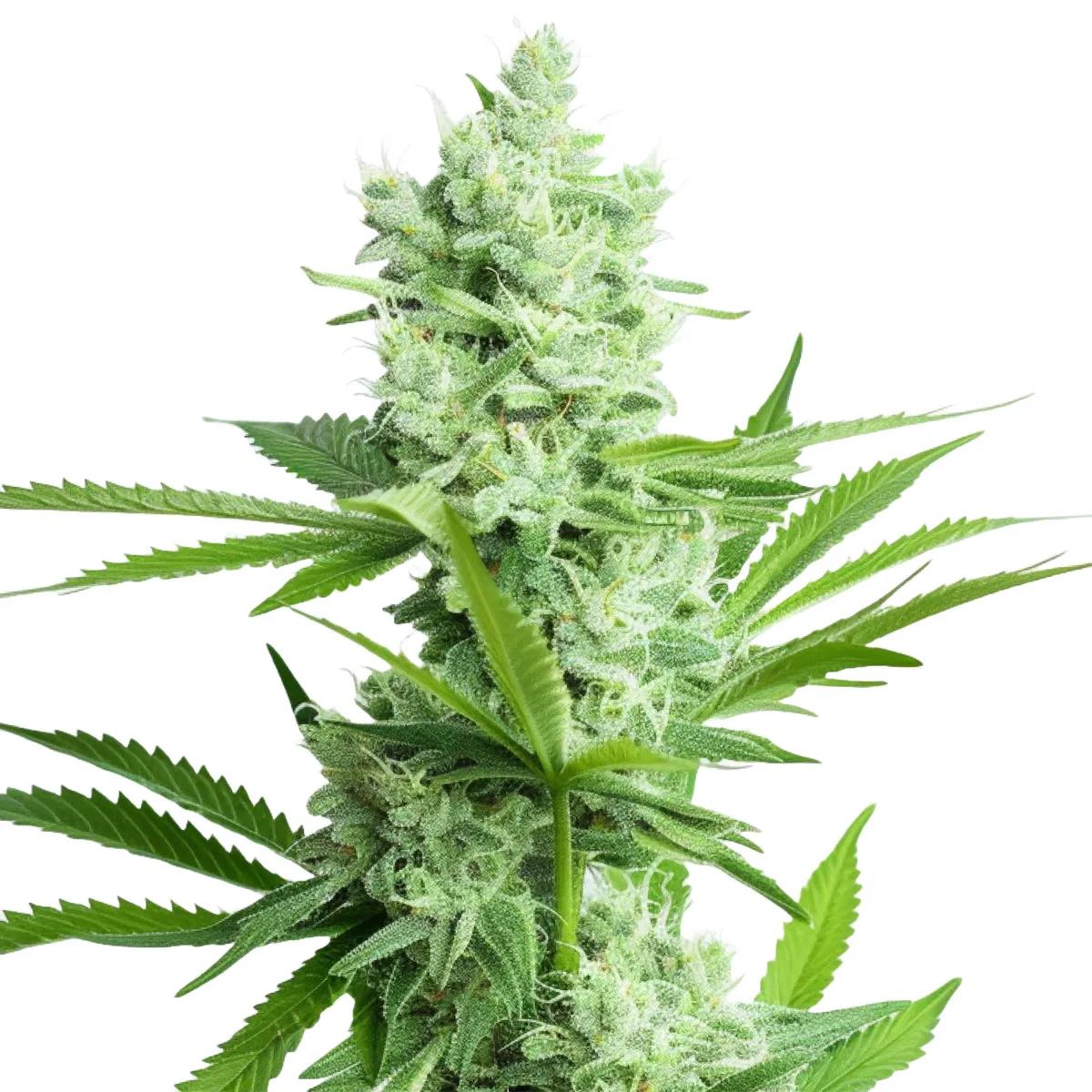
You might also like
Medical disclaimer. This content is for informational purposes only and does not constitute medical advice. Consult a qualified healthcare provider before use of any substance.