
Pack: 3 seeds
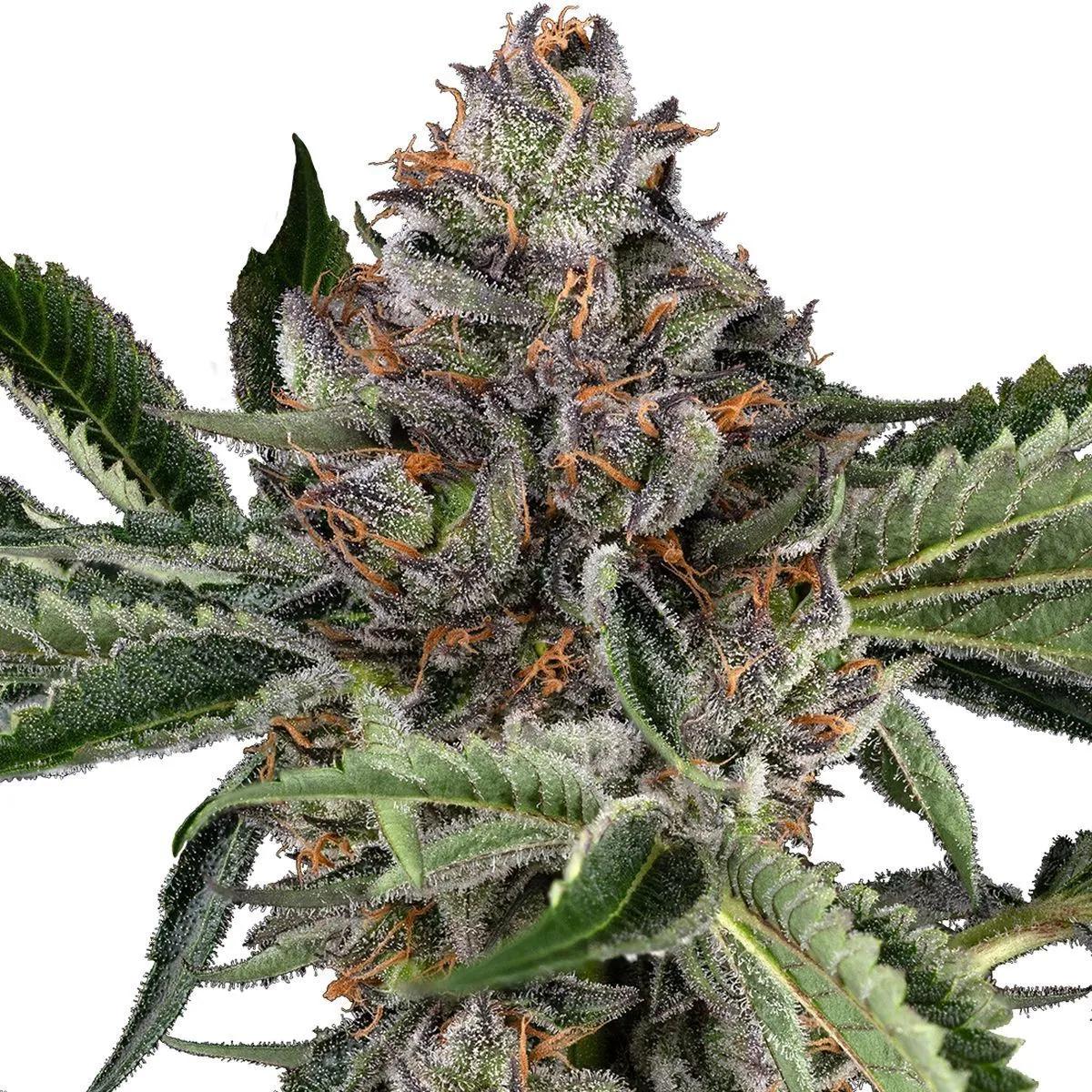
Papaya Jealousy Feminised Cannabis Seeds by Sensi Seeds
Papaya Jealousy is a feminised indica-dominant hybrid from Sensi Seeds that crosses two heavyweight lineages — Papaya (carrying Jack Herer and Skunk #1 genetics) and Jealousy (built on Gelato #41 and Sherbert). The result is a 60/40 indica-sativa split that delivers sticky, resin-drenched flowers with a tropical flavour profile you can smell from across the grow room. If you want a compact, manageable plant that punches above its weight in both flavour and yield, this is the one we'd point you towards.
Papaya Jealousy Strain Genetics and Lineage
The family tree here reads like a hall of fame. On the Papaya side, you get the vigour and cerebral clarity of Jack Herer crossed with the bulletproof growing traits of Skunk #1. Jealousy brings the dessert-strain decadence of Gelato #41 and Sherbert — two cultivars responsible for half the hype strains of the last decade. Sensi Seeds combined these lines into a single feminised seed that leans indica in structure but keeps enough sativa influence to avoid the couch-lock trap.
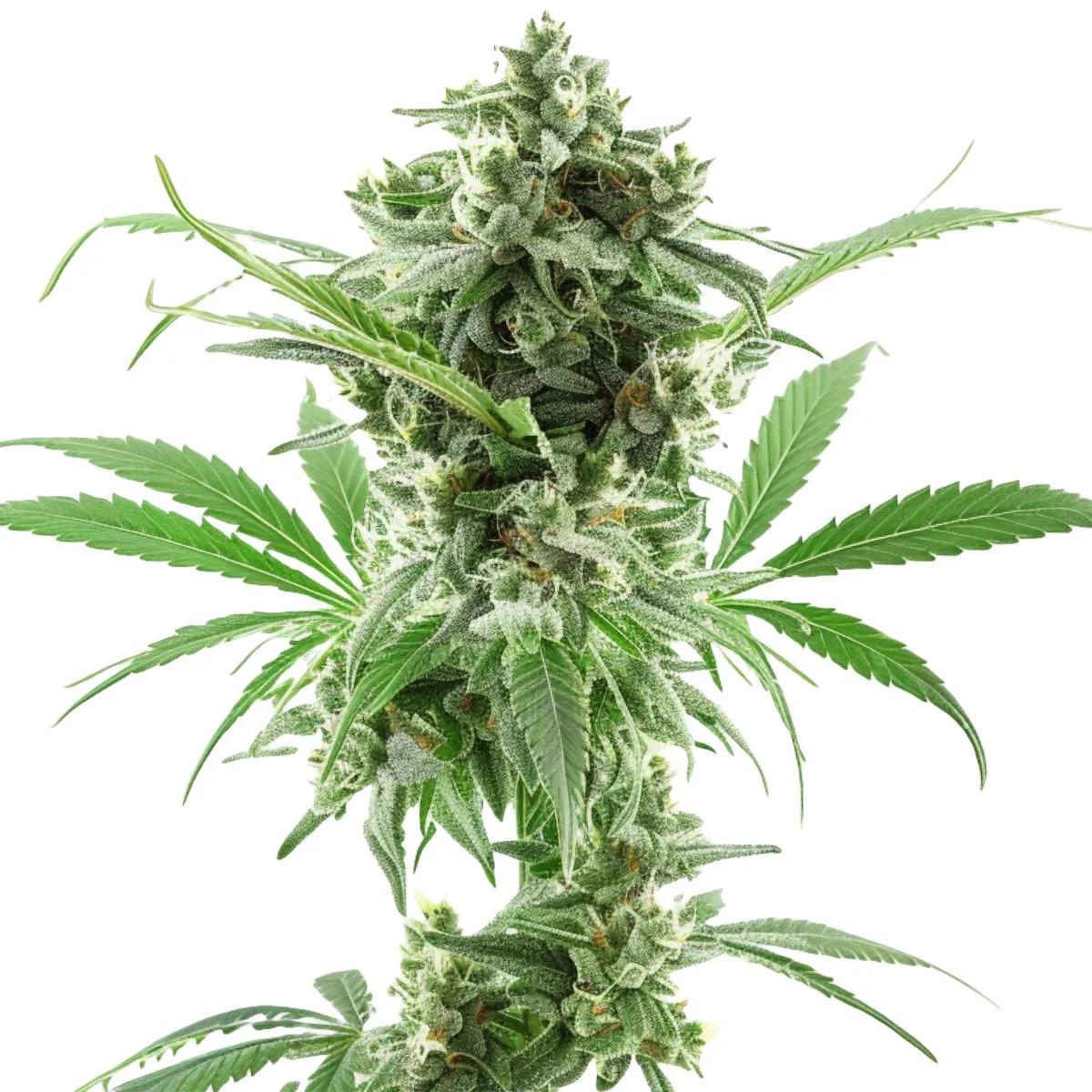
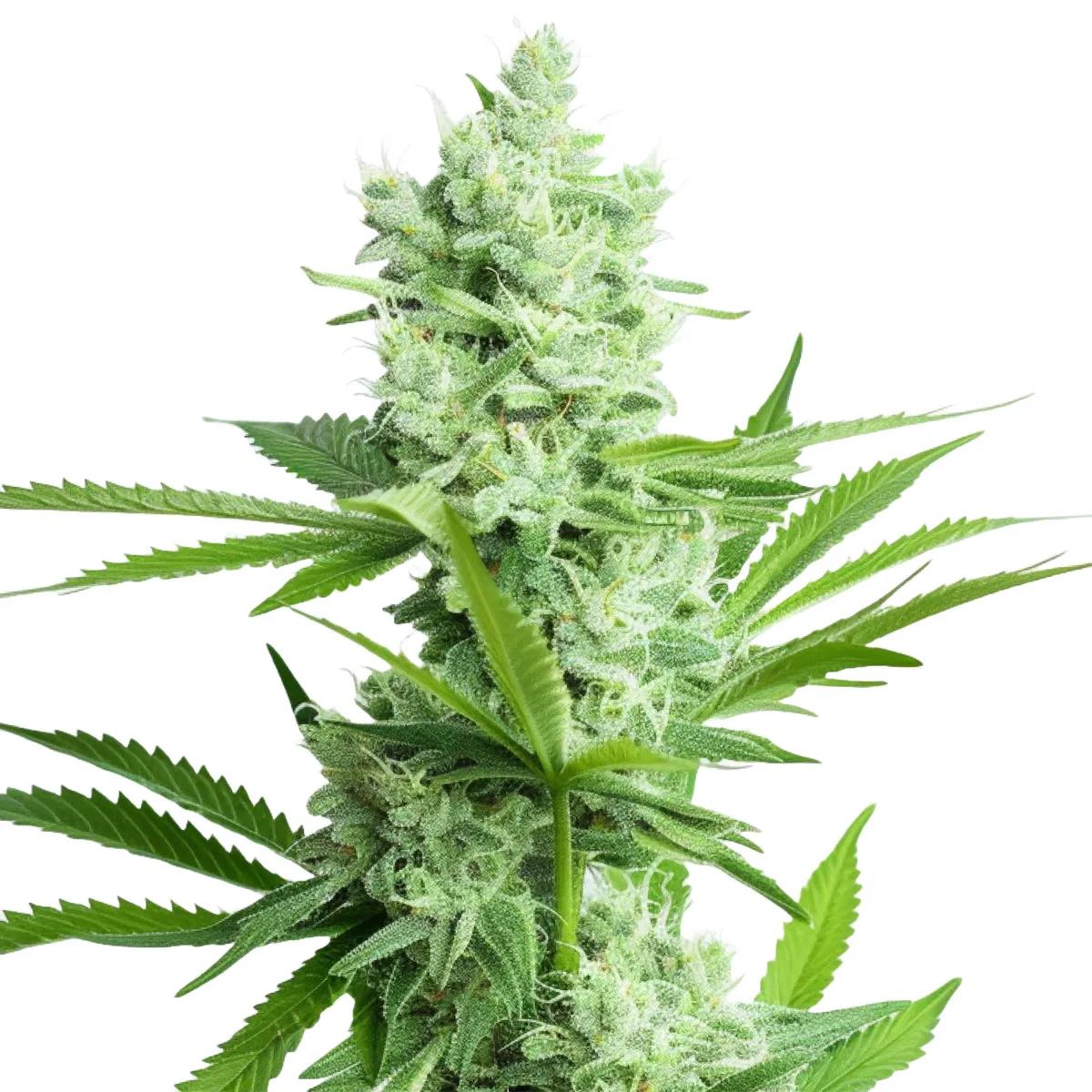
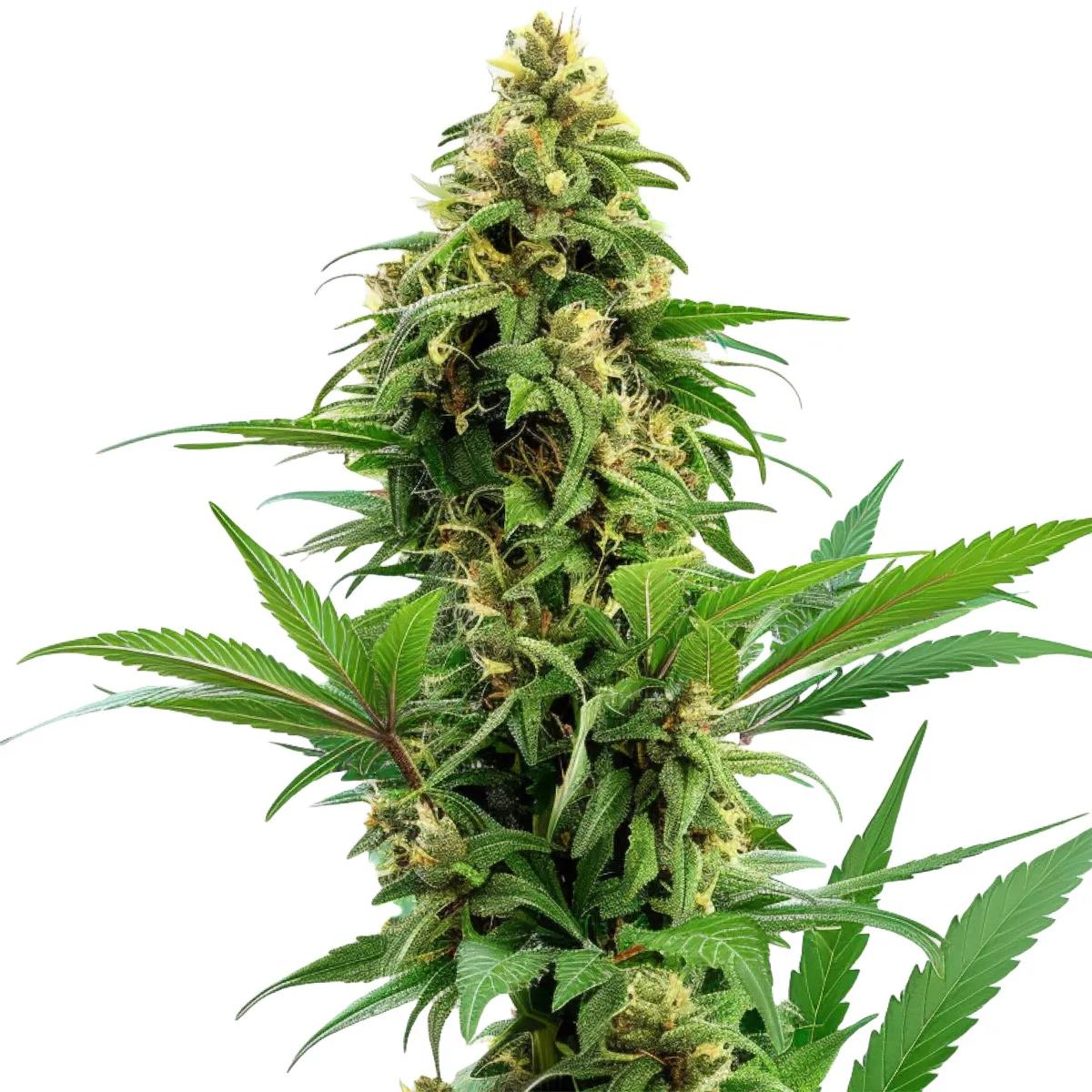
What you actually notice in the grow tent: short internodal spacing, thick stems, and flowers that stack up dense and frosty. The resin production from the Gelato and Sherbert side is obvious — these buds look like they've been rolled in sugar. That makes Papaya Jealousy a strong candidate if you're into making your own rosin, dry sift, or solvent-based extracts like BHO.
Growing Papaya Jealousy Seeds — What to Expect
Papaya Jealousy stays compact and cooperative. Indoors, expect heights between 70–110 cm — short enough for a tent setup without aggressive training. Outdoors in a warm, Mediterranean-type climate with plenty of direct sun, plants stretch to 100–200 cm. Either way, the structure is bushy and dense rather than tall and lanky.
Flowering wraps up in 60–65 days indoors, which is quick for the quality you're getting. Indoor yields sit at 350–475 g/m², and outdoor plants can produce 400–550 g each when conditions are right. The one thing to watch: airflow. Those dense, tightly packed flowers are gorgeous, but they hold moisture. Without proper ventilation and maybe some selective defoliation, you're inviting mould. A small oscillating fan and good extraction setup are non-negotiable here.
This variety responds well to SOG (Sea of Green) and lollipopping. Strip the lower growth, push the canopy up, and let those top colas fatten without competition. The plants are fairly undemanding in terms of feeding — no diva behaviour, no mystery deficiencies mid-flower. Solid genetics doing what solid genetics do.
| Specification | Detail |
|---|---|
| Seed Bank | Sensi Seeds |
| Seed Type | Feminised |
| Genetics | Papaya x Jealousy |
| Lineage | Jack Herer, Skunk #1, Gelato #41, Sherbert |
| Indica / Sativa | 60% Indica / 40% Sativa |
| Flowering Time | 60–65 days |
| Indoor Height | 70–110 cm |
| Outdoor Height | 100–200 cm |
| Indoor Yield | 350–475 g/m² |
| Outdoor Yield | 400–550 g per plant |
| Seeds per Pack | 3 |
| Climate | Indoor / Warm Mediterranean outdoor |
| Recommended Techniques | SOG, Lollipopping |
Papaya Jealousy Flavour and Aroma Profile
Here's where Papaya Jealousy really earns its name. During flowering, the grow room fills with a strong tropical scent — ripe papaya front and centre, backed by musky, almost funky undertones from the Gelato lineage. It's not subtle. If you're growing without a carbon filter, your neighbours will know about it.
After a proper cure — and we'd say give it at least two weeks, three is better — the buds develop a layered profile. The dominant note is still tropical papaya, but it's joined by bright citrus and a creamy, earthy base that smooths everything out. Imagine slicing open a ripe papaya, squeezing lime over it, and eating it on a wooden table. That's the vibe. The smoke (or vapour, if you're sensible about it) is smooth and sweet, with that cream note lingering on the exhale.
According to research published in PMC, terpenes like beta-myrcene — commonly found in tropical-flavoured cannabis varieties — have been observed to exhibit anti-inflammatory properties in laboratory settings (PMC, 2024). The terpene profile of Papaya Jealousy is rich enough that extract makers specifically seek it out for flavour-forward concentrates.
Papaya Jealousy Effects — Balanced Indica-Sativa Hybrid
The 60/40 indica-sativa ratio translates into effects that start upbeat and gradually settle into physical relaxation. The initial onset brings a noticeable mood lift — sociable, giggly, the kind of headspace where conversations get interesting and snacks taste better. After 30–45 minutes, the indica side fills in, loosening tension in the body without switching your brain off entirely.
It's a weekend strain. Good for a lazy afternoon with mates, a long cooking session, or just sitting in the garden doing absolutely nothing productive. The balance means you're unlikely to end up glued to the sofa staring at the ceiling — unless that's what you were going for, in which case, increase the dose.
One honest note: if you're sensitive to strong indicas or you've got things to do, keep the portions modest. The Gelato and Sherbert genetics can creep up on you, and what starts as a cheerful lift can slide into deep relaxation faster than expected. According to research on cannabinoid composition in commercial cannabis, the interplay between THC and various terpenes contributes to the varied effects experienced across different cultivars (PMC, 2024).
Why Papaya Jealousy Seeds Are Worth Growing
We've seen a lot of "exotic" strains come through that promise tropical flavours and deliver something closer to wet cardboard. Papaya Jealousy is not one of those. The flavour is genuinely there — in the grow room, in the jar, and in the session. That alone sets it apart from half the catalogue strains floating around.
The growing experience is forgiving. Short plants, reasonable flowering time, no special feeding requirements. If you can keep humidity in check during late flower (and you should be doing that anyway), this variety rewards you with dense, frosty colas that look as good as they smell. Yields of 350–475 g/m² indoors are respectable for a plant that tops out at 110 cm — you're getting a lot of flower per square centimetre of canopy.
Compared to something like a pure Gelato cut, Papaya Jealousy is easier to grow and finishes faster. Compared to classic Papaya, the flavour complexity is a clear step up thanks to the Sherbert and Gelato influence. It sits in a sweet spot that works for growers who want quality without drama. The dense, resinous buds also make it one of the better options if you're pressing rosin at home — the trichome coverage is heavy enough that even a basic hair straightener press will give you something worth dabbing.
Complete your grow setup with a quality carbon filter to manage Papaya Jealousy's strong tropical aromas during flowering. A precision grinder will also help you get the most out of those resin-packed buds at session time — dense flowers like these benefit from an even, consistent grind.
How to Grow Papaya Jealousy Seeds
- Germinate your feminised Papaya Jealousy seeds using the paper towel method or directly in a starter plug. Keep temperatures between 22–26°C and maintain moisture without waterlogging. Taproots typically emerge within 24–72 hours.
- Transplant seedlings into their final containers once the first true leaves appear. A 7–11 litre pot works well for indoor SOG setups; outdoor plants benefit from 15–20 litre pots or direct ground planting in rich, well-draining soil.
- During vegetative growth, keep light cycles at 18/6. These plants stay naturally compact, so topping once at the 4th or 5th node is enough to encourage a bushier canopy without excessive recovery time.
- Switch to 12/12 lighting to trigger flowering. Papaya Jealousy finishes in 60–65 days from the flip. Begin lollipopping in the first two weeks of flower — remove lower growth that won't receive light to direct energy into the top colas.
- Monitor humidity closely from week 4 of flower onwards. Those dense buds trap moisture. Aim for 45–50% relative humidity and ensure good air circulation with oscillating fans. Defoliate selectively to open up the canopy if needed.
- Harvest when trichomes show a mix of milky white and amber — roughly 70/30 milky to amber gives you the balanced effect this strain is known for. Dry slowly at 18–20°C and 55–60% humidity for 10–14 days, then cure in glass jars for at least two weeks.
Frequently Asked Questions
Is Papaya Jealousy suitable for beginner growers?
Yes. The plants stay short (70–110 cm indoors), don't need heavy feeding, and finish flowering in 60–65 days. The main thing to manage is airflow around those dense buds to prevent mould. If you can handle basic humidity control, you'll do fine.
What makes Papaya Jealousy good for making hash or extracts?
The Gelato #41 and Sherbert genetics produce heavy trichome coverage on dense, compact flowers. This translates to high resin content — exactly what you want for dry sift, rosin pressing, or solvent-based extractions like BHO. The tropical terpene profile carries through into concentrates beautifully.
How does Papaya Jealousy compare to regular Gelato strains?
Papaya Jealousy is easier to grow and finishes faster than most Gelato phenotypes. The flavour adds a distinct tropical papaya note that pure Gelato lacks, while retaining the creamy, dessert-like base. Structure-wise, it's more compact and forgiving indoors.
Can I grow Papaya Jealousy outdoors in northern Europe?
It's possible but not where this strain shines. Papaya Jealousy prefers warm, Mediterranean climates with consistent sun. In northern Europe, a greenhouse or polytunnel would help protect the dense flowers from late-season rain and humidity, which can cause mould issues.
How strong is the smell during flowering?
Very strong. The tropical papaya and musky aromas are noticeable from early flower and intensify throughout. A carbon filter is critical for indoor grows if discretion matters. Without one, the scent will fill your entire living space and beyond.
What yield can I realistically expect from Papaya Jealousy?
Indoors under good lighting and proper technique, 350–475 g/m² is the realistic range after 60–65 days of flowering. Outdoor plants in warm climates can hit 400–550 g each. SOG and lollipopping techniques help push yields towards the upper end of those ranges.
Are Papaya Jealousy seeds feminised or regular?
These are feminised seeds, meaning every plant will be female and produce flowers. No need to sex plants or remove males. The pack contains 3 feminised seeds.
Last updated: April 2026
Related products



You might also like

Medical disclaimer. This content is for informational purposes only and does not constitute medical advice. Consult a qualified healthcare provider before use of any substance.