
Pack: 3 seeds
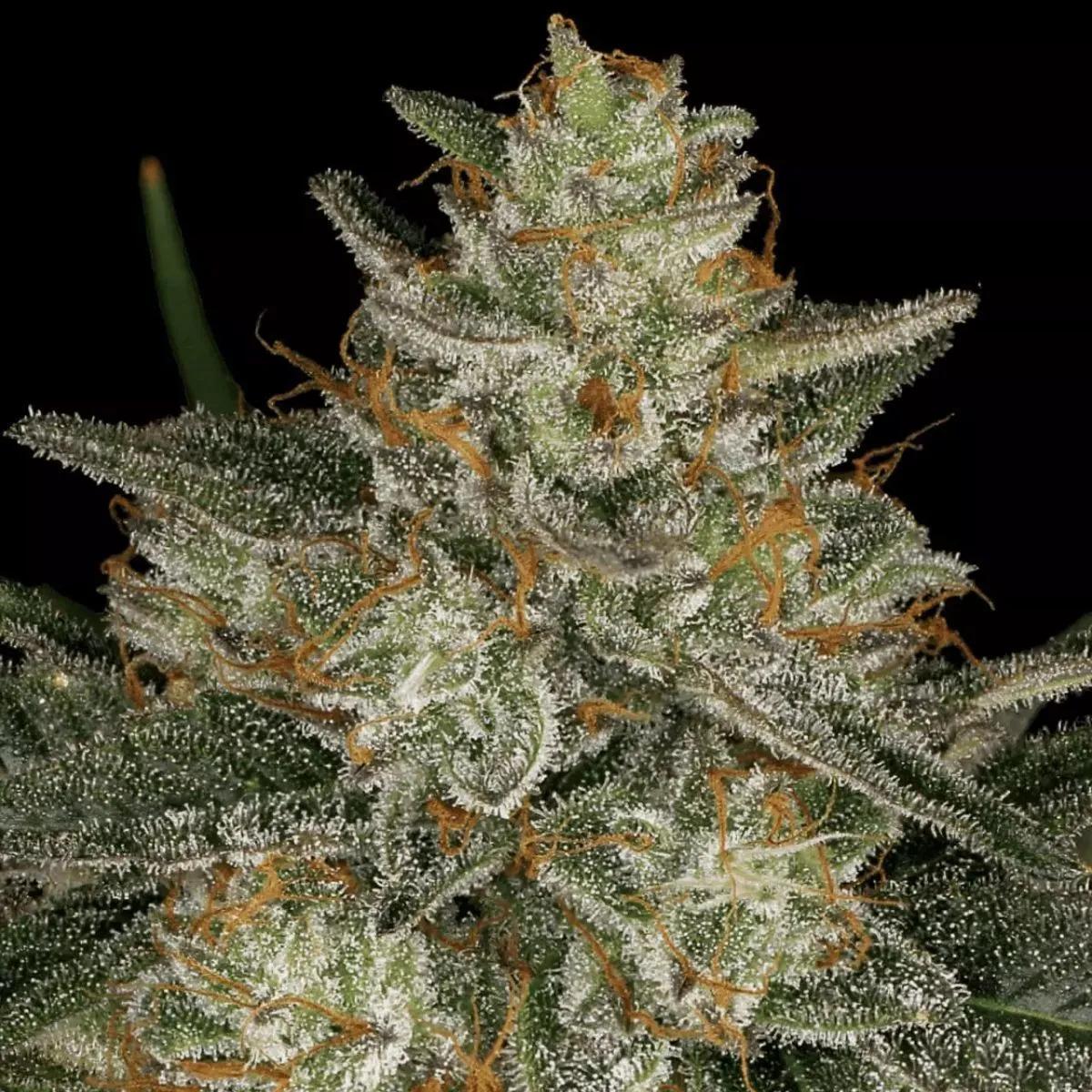
Dutch Kush Feminized Cannabis Seeds by Paradise Seeds
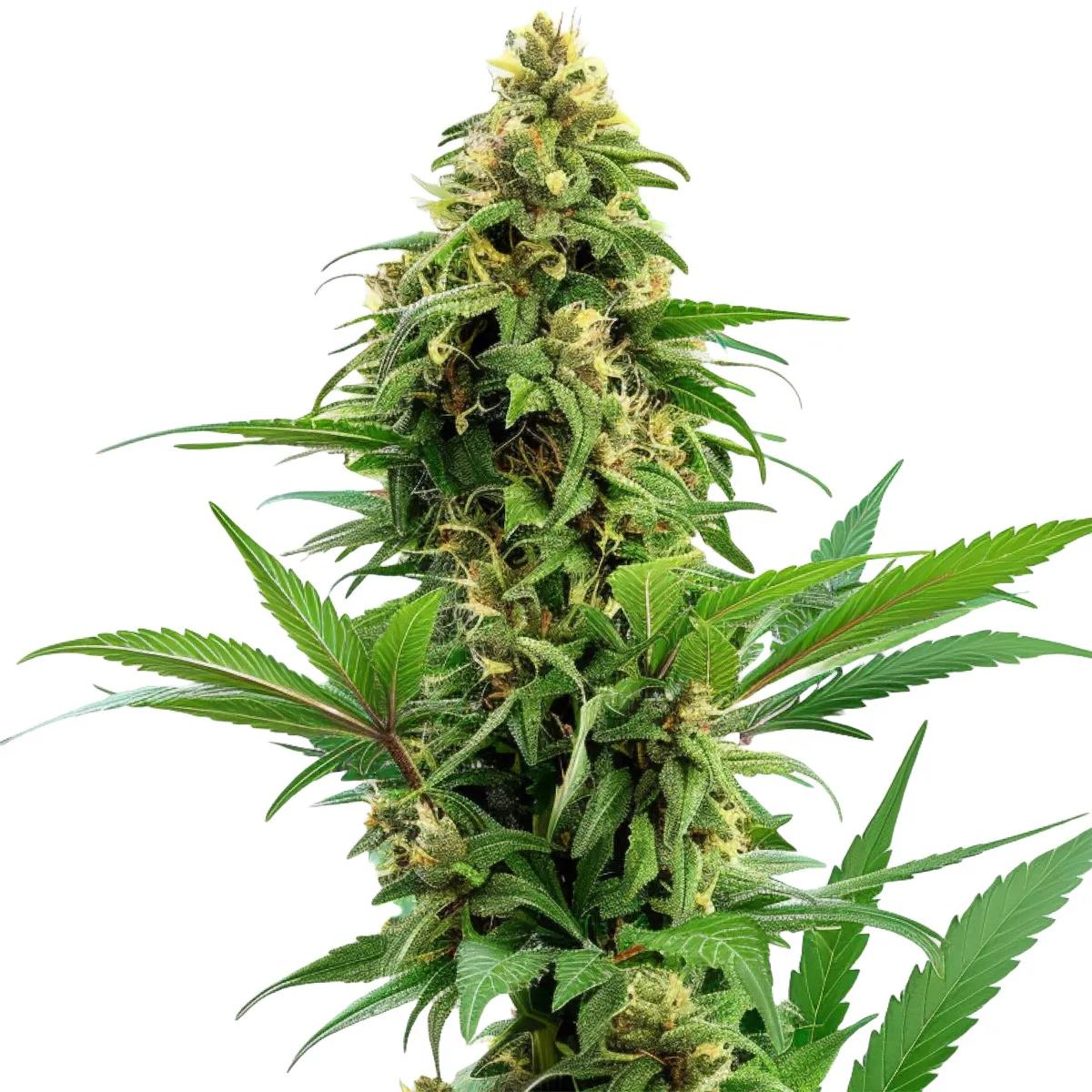
Dutch Kush is a feminized indica-dominant cannabis strain from Paradise Seeds that delivers heavy resin production, earthy caramel flavour, and a fast 8–9 week flowering cycle. Built from an old-school Dutch Kush parent crossed with a balanced 50/50 indica/sativa hybrid, she's one of those strains that genuinely performs without demanding much from the grower. Three seeds per pack — enough to find a keeper and fill a tent.
Why Dutch Kush Seeds Deserve a Spot in Your Grow
Dutch Kush is the kind of strain we'd hand to someone who wants a reliable indica without the fuss. Paradise Seeds bred her specifically for growers who don't want to babysit — she doesn't stretch excessively, she doesn't throw tantrums over minor pH swings, and she finishes on time. That 8–9 week flowering window is honest, not marketing optimism. We've seen her come down right at the 60-day mark indoors under standard HPS lighting.
The genetics are worth talking about. The old-school Dutch Kush mother brings that classic, heavy indica structure — short internodes, thick stems, dense buds that pack on weight in the final two weeks. The 50/50 hybrid father adds a bit of vigour and prevents her from becoming the squat, immovable block that some pure indicas turn into. The result is a plant that stays manageable at around 125cm indoors but still has enough lateral branching to fill a ScrOG net properly.
Where Dutch Kush really earns her keep is yield. Up to 500g/m² indoors is a serious number for a strain that asks this little of you. Outdoors, she can push towards 1kg per plant when conditions cooperate — full sun, decent soil, and a long enough season to let her finish by mid-October. If you're in a northern European climate, she'll cut it close but she'll get there.
Dutch Kush Flavour and Aroma Profile
Crack open a cured jar and the first thing that hits you is brown sugar — not candy-sweet, more like dark muscovado with a damp, earthy undertone. There's a coffee note in there too, somewhere between espresso and the grounds left in a moka pot. As you break the buds apart, a citrus sharpness comes through that stops the whole profile from becoming too heavy. It's a deep, rich smoke that coats the palate. Not subtle, not delicate — this is a strain that announces itself.
The taste follows the nose closely. Earthy caramel on the inhale, coffee and a slight citrus tang on the exhale. If you run her through a dry herb vaporiser at around 185–195°C, you'll pick up more of those caramel terpenes before the earthier notes come through at higher temperatures. She's a flavour strain disguised as a yield strain, which is a rare combination.
Growing Dutch Kush — What to Expect
Dutch Kush is genuinely low-maintenance. She's appropriate for growers with even a single harvest under their belt, and experienced cultivators will appreciate how little correction she needs. Here's the practical rundown:
- Germinate your Dutch Kush seeds using the paper towel method or directly in a starter plug. Taproots typically emerge within 48–72 hours.
- Transplant seedlings into their final containers once they've developed 2–3 sets of true leaves. She does well in 11L pots for indoor grows.
- Maintain an 18/6 light cycle during vegetative growth. She doesn't need a long veg — 3–4 weeks is enough for most indoor setups, given her natural branching.
- Flip to 12/12 when your canopy is roughly 50–60% of your desired final height. She'll stretch moderately during the first two weeks of flower, then focus energy on bud production.
- Feed conservatively. Dutch Kush isn't a heavy feeder compared to some modern hybrids. A standard bloom nutrient at 75% strength is a good starting point.
- Watch for dense bud sites in the lower canopy — her indica structure means airflow can become an issue. Light defoliation in weeks 3 and 5 of flower keeps things moving.
- Harvest at 8–9 weeks of flower. Check trichomes with a jeweller's loupe — mostly cloudy with 10–15% amber is the sweet spot for that classic indica effect.
- Dry slowly in a dark room at 18–20°C and 55–60% humidity for 10–14 days, then cure in glass jars for at least two weeks. The caramel and coffee notes develop significantly during a proper cure.
One honest limitation: she's not the best choice if you're after a tall, sativa-style plant for an outdoor garden where she needs to compete with other vegetation for light. At 125cm indoors, she's compact. Outdoors she'll get bigger, but she's never going to be a 2-metre tree. Plan your garden accordingly.
| Specification | Detail |
|---|---|
| Seed bank | Paradise Seeds |
| Seed type | Feminized (photoperiod) |
| Genetics | Dutch Kush x 50/50 indica/sativa hybrid |
| Dominance | Indica-dominant |
| THC content | 20%+ |
| Flowering time | 8–9 weeks |
| Indoor height | Approximately 125cm |
| Indoor yield | Up to 500g/m² |
| Outdoor yield | Up to 1,000g/plant |
| Outdoor harvest | Mid-October |
| Seeds per pack | 3 |
| Grow difficulty | Easy |
| Training compatibility | SOG, ScrOG, low-stress training |
Dutch Kush Effects and Cannabinoid Research
With THC levels exceeding 20%, Dutch Kush produces a fast-acting onset that begins with a clear-headed uplift before settling into a deep, soothing physical relaxation. This is an evening strain through and through — the kind you reach for after everything's done and you've got nowhere to be. The indica dominance makes itself known in the body, and the transition from mental clarity to full-body calm is gradual rather than abrupt.
Regarding the broader cannabinoid research field: according to a 2015 meta-analysis reviewed in Cannabis, cannabinoids, and health (PMC5741114), randomised clinical trials from 1974 through 2014 were analysed across multiple therapeutic categories, showing varied outcomes depending on the condition studied. Separately, research published in Cannabis as a Source of Approved Drugs: A New Look (PMC10707504) notes that chronic neuropathic pain remains a pathological condition that is very difficult to treat successfully, with clinical studies exploring cannabinoid-based approaches. These are research findings, not product claims — but they give context to why high-THC indica strains like Dutch Kush continue to attract interest.
It's also worth noting that according to a study published in Cannabis Use and Prospective Long-Term Association (PMC7918873), cannabis use was found to be significantly linked to increased risk of anxiety in 5 studies, including a U.S.-based cohort of 973 college students. As with any high-THC strain, moderation and self-awareness matter. If you're prone to overthinking, start conservatively and give it time.
Dutch Kush vs Other Paradise Seeds Strains
If you're browsing the Paradise Seeds catalogue and wondering where Dutch Kush fits, here's the honest comparison. She's the no-drama indica in the lineup. Compared to something like Sensi Star — another Paradise Seeds heavy-hitter — Dutch Kush is more forgiving during the grow and has a sweeter, less fuel-heavy flavour profile. If you want maximum potency and don't mind a bit more plant management, Sensi Star edges ahead. If you want a reliable, flavourful indica that practically grows itself, Dutch Kush is the better pick.
For growers who want something with more sativa influence, Paradise Seeds' Wappa offers a more balanced effect and a fruitier terpene profile, though with a slightly longer flowering time. Dutch Kush is the one we'd pick for a first indoor grow where you want proper indica results without the learning curve.
Complete your indoor setup with a grow tent, carbon filter, and LED panel. Dutch Kush's compact 125cm stature makes her a natural fit for 80x80 or 100x100 tents. If you're running a ScrOG, grab some trellis netting — her lateral branches respond brilliantly to being spread out under a net.
Related products
You might also like
Medical disclaimer. This content is for informational purposes only and does not constitute medical advice. Consult a qualified healthcare provider before use of any substance.