
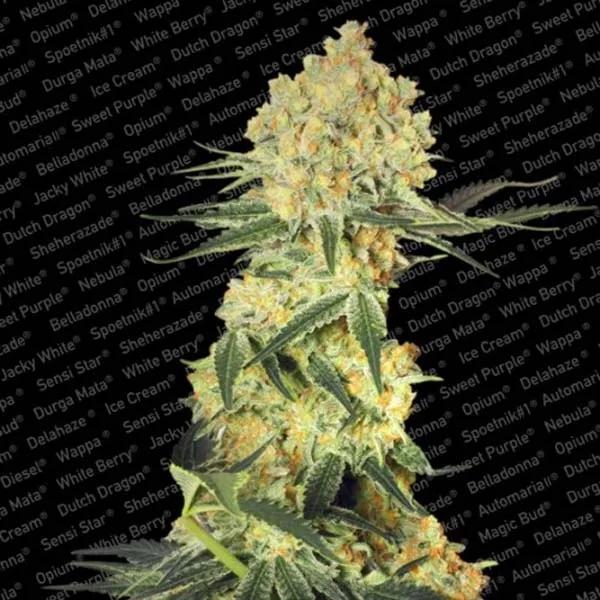
Auto Wappa Feminized Seeds — Sweet Wappa Genetics on Autopilot
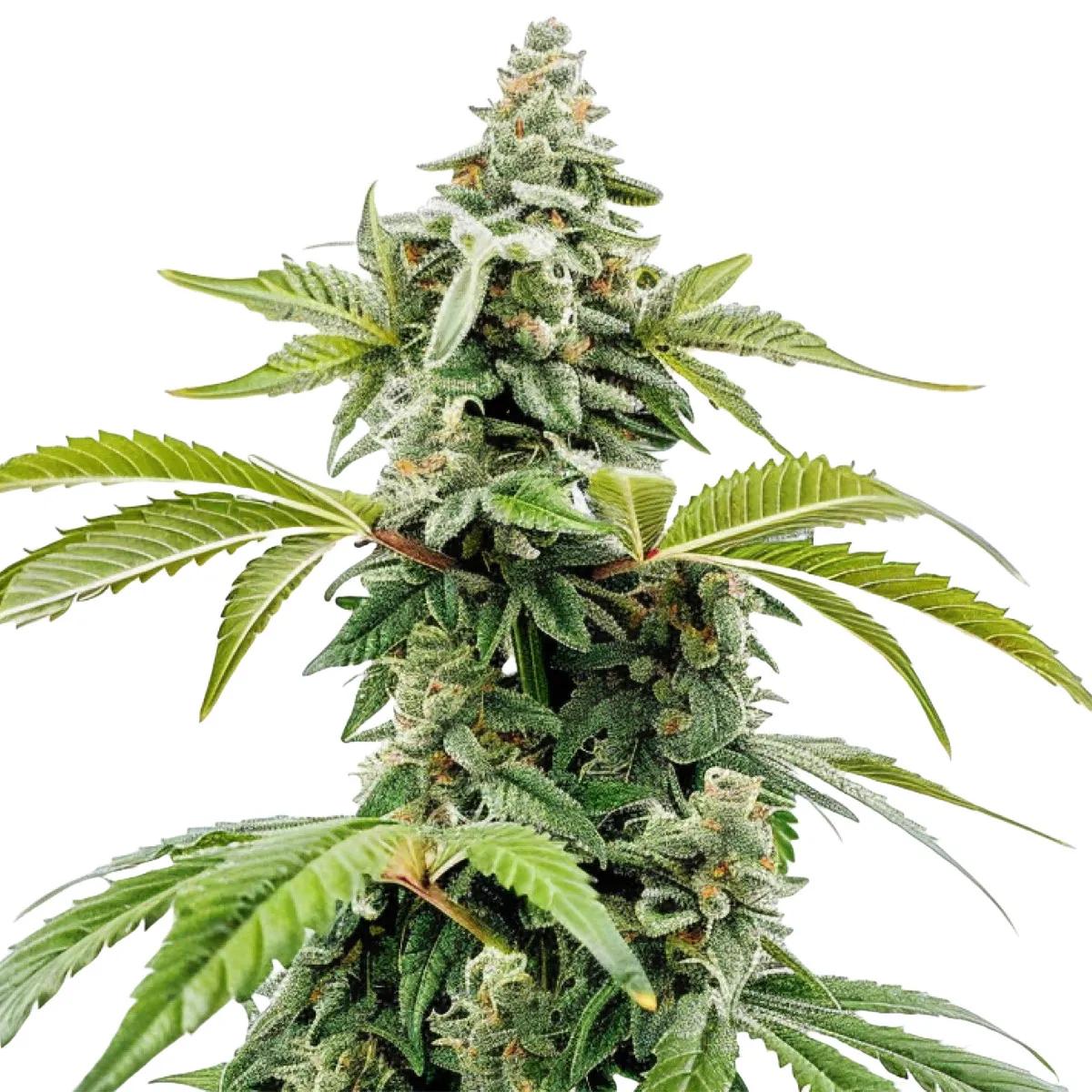
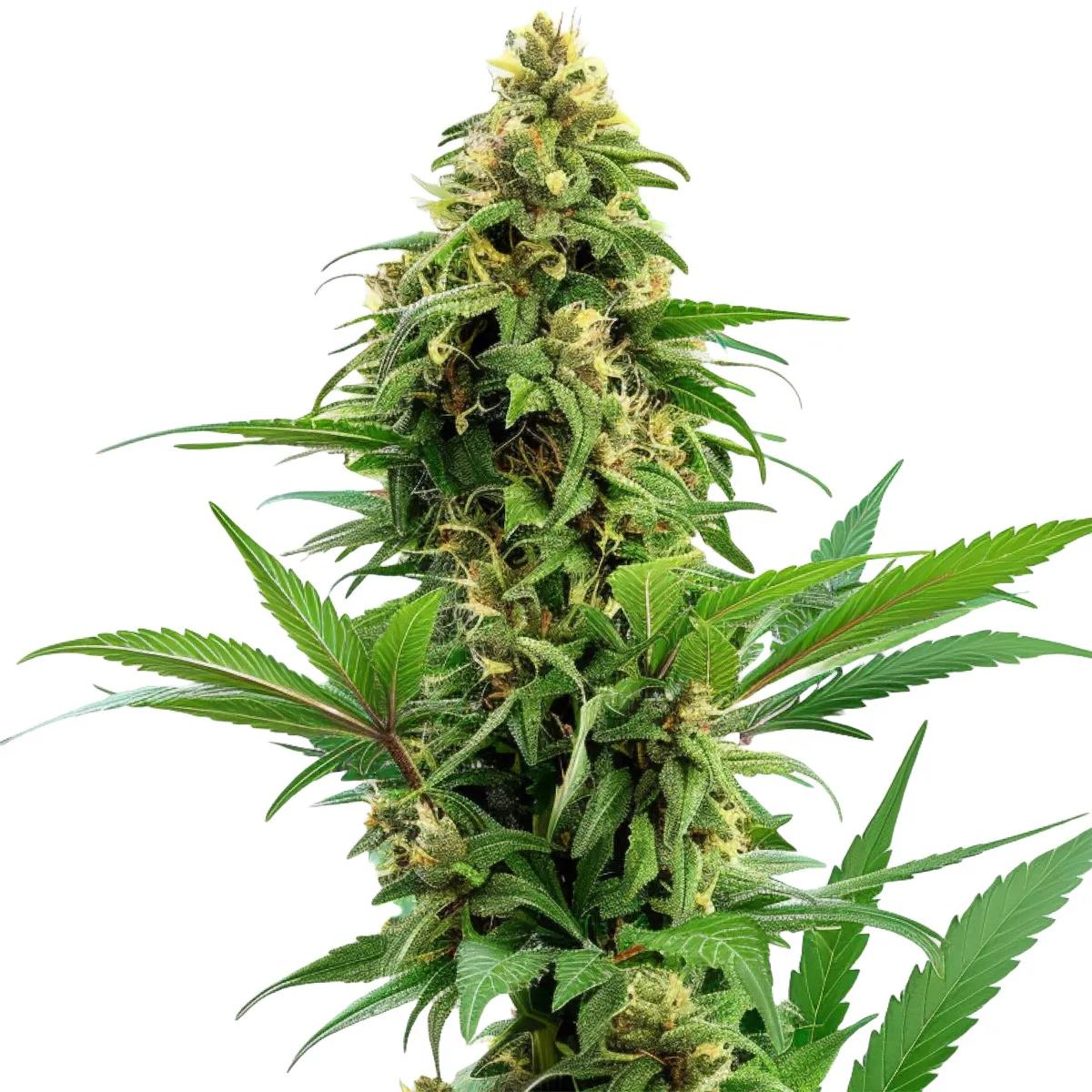
Auto Wappa is an autoflowering feminized cannabis seed from Paradise Seeds that delivers dense, resinous buds with the same sweet, candy-like flavour as the original photoperiod Wappa — but in roughly 60 days from germination. No light-cycle switching, no sexing, no fuss. You plant it, give it light and water, and it does the rest. Paradise Seeds spent years crossing their celebrated Wappa mother with carefully selected Ruderalis genetics to get here, and the result is one of the best autoflower seeds for growers who won't sacrifice taste for speed.
Pack Size Guide
| Pack | Seeds | SKU | Best for |
|---|---|---|---|
| 3-pack | 3 feminized seeds | CSPS0027 | Single-run trial or windowsill grow |
| 5-pack | 5 feminized seeds | CSPS0047 | Better value per seed — room for a staggered harvest |
We'd pick the 5-pack every time. You get a spare or two for staggering your harvest dates, and the per-seed cost drops noticeably. The 3-pack only makes sense if you genuinely want to test a single plant before committing.
Why Auto Wappa Seeds Deserve a Spot in Your Grow
The original Wappa built its name on frosty, rock-hard flowers that smell like a bag of fruit sweets left in the sun. Paradise Seeds are one of Amsterdam's longest-running seed banks, and Wappa has been one of their flagship strains for years — the photoperiod version pulls up to 500 g/m² indoors with a flavour profile that's genuinely hard to find in other genetics. The auto version keeps that resin production and that unmistakable sweet, almost marshmallow-like nose, while removing the single biggest barrier for newer growers: light-cycle management.
What does that mean in practice? You germinate, provide 18–20 hours of light from day one, and the plant transitions to flower on its own internal clock. No timer adjustments, no light leaks to worry about, no accidentally revegging a plant because someone opened the tent at the wrong moment. From seed to trimmed buds in 60–70 days. That's two full harvests in the time a photoperiod strain takes to finish one.
According to a meta-analysis published in Frontiers in Plant Science, variety selection, plant density, light intensity, and fertilisation are the primary factors influencing cannabis yield and cannabinoid content (Backer et al., 2019). Auto Wappa responds well to all four — it stays compact enough to pack tightly at 9–16 plants per square metre, handles strong light without stretching, and rewards proper feeding with dense, trichome-coated colas.
Auto Wappa Grow Specs and Characteristics
Auto Wappa feminized seeds produce compact plants that top out around one metre — sometimes shorter indoors under strong light. Here's what you're working with:
| Specification | Detail |
|---|---|
| Seed type | Autoflowering feminized |
| Breeder | Paradise Seeds |
| Genetics | Wappa x Ruderalis |
| Seed to harvest | 60–70 days |
| Height | Up to 100 cm |
| Indoor yield | Up to 400 g/m² |
| Flavour | Sweet, fruity, candy-like |
| Suitable environment | Indoor / outdoor / greenhouse |
| Light cycle | 18/6 or 20/4 recommended (no switch needed) |
| Pack sizes | 3 seeds (CSPS0027) / 5 seeds (CSPS0047) |
A terpene analysis of the Wappa chemotype identified a myrcene content of 1.85% alongside THC levels around 11.3%, with trace amounts of secondary cannabinoids including CBG (0.22%) and CBC (0.18%) — secondary cannabinoids that contribute to a broader entourage effect (Mudge et al., 2022, PMC9061671). The auto version inherits this terpene-rich profile, which is where that distinctive sweetness comes from.
How to Grow Auto Wappa Feminized Seeds
Auto Wappa is genuinely easy to grow. We've seen first-timers pull respectable harvests from this strain because it's forgiving and fast. That said, a few things will make the difference between a decent result and a great one.
- Germinate in the final pot. Autoflowers don't like transplant shock — every day spent recovering is a day lost from a very short life cycle. Use 11–15 litre pots with light, airy soil or coco-perlite mix. Soak seeds in water for 12–24 hours, then plant 1 cm deep.
- Set your light to 18/6 or 20/4 from day one. Auto Wappa doesn't need a 12/12 flip. More light hours mean more photosynthesis and bigger yields. Some growers run 24/0, but we'd give the plant at least four hours of dark — it seems to respond better.
- Go easy on nutrients for the first two weeks. Seedlings don't need much. Start feeding at quarter strength around day 10–14, then ramp up gradually. Overfeeding autos is the number one mistake we see — they're smaller plants with smaller root systems.
- Keep humidity at 60–70% during veg, dropping to 40–50% during flower. Auto Wappa's dense bud structure can trap moisture. Good airflow and a small oscillating fan pointed at the canopy help prevent mould in the final weeks.
- Don't top or high-stress train. Low-stress training (LST) works brilliantly — gently bend the main stem to open up the canopy and expose lower bud sites to light. Topping an auto is risky because recovery time eats into a fixed life cycle. LST gives you the spread without the stress.
- Harvest when trichomes are mostly cloudy with a few turning amber. At 60 days, check daily with a jeweller's loupe or phone macro lens. The sweet spot is roughly 70–80% cloudy trichomes. All-cloudy gives a more uplifting result; more amber leans heavier.
What Auto Wappa Smells and Tastes Like
This is where Auto Wappa earns its keep. Crack open a cured jar and you get hit with a wave of ripe fruit — think overripe mango mixed with something almost like marshmallow or candyfloss. It's sweet without being cloying, and it translates directly into the smoke or vapour. The exhale carries a slightly earthy undertone that grounds the sweetness and stops it from tasting artificial. Honestly, it smells better than most photoperiod strains we've come across, which is saying something for an auto.
The one honest limitation: the aroma during the final two weeks of flower is strong. If you're growing indoors without a carbon filter, your neighbours will know about it. Budget for proper extraction and filtration — it's not optional with this strain.
Auto Wappa vs Photoperiod Wappa — Which Should You Grow?
If you've been eyeing the original Wappa, here's how the auto version stacks up:
| Factor | Auto Wappa | Photoperiod Wappa |
|---|---|---|
| Seed to harvest | 60–70 days | 8–9 weeks flowering + veg time |
| Light cycle | 18/6 or 20/4 throughout | 18/6 veg, 12/12 flower |
| Indoor yield | Up to 400 g/m² | Up to 500 g/m² |
| Height | Up to 100 cm | 120–150 cm |
| Flavour | Sweet, fruity, candy-like | Sweet, fruity, candy-like |
| Difficulty | Beginner-friendly | Intermediate |
| Cloning | Not practical | Yes |
The photoperiod version yields roughly 100 g/m² more and gives you the option to clone and extend veg time for bigger plants. But it also demands a separate veg and flower space (or a timer you never forget to set) and adds 4–6 weeks to the total calendar. Auto Wappa trades some of that ceiling yield for sheer convenience. For most home growers running a single tent, the auto is the smarter pick. If you're running a perpetual setup with a dedicated mother room, the photoperiod makes more sense.
Complete your setup: If you're growing Auto Wappa indoors, pair it with a complete grow tent kit — tent, light, extraction, and carbon filter in one box. For outdoor growers, a quality seed-starting propagator gives your autos the best possible start during those critical first days.
Related products


You might also like

Medical disclaimer. This content is for informational purposes only and does not constitute medical advice. Consult a qualified healthcare provider before use of any substance.