
Pack: 3 seeds
Tropical Tangie Cannabis Seeds by Dutch Passion
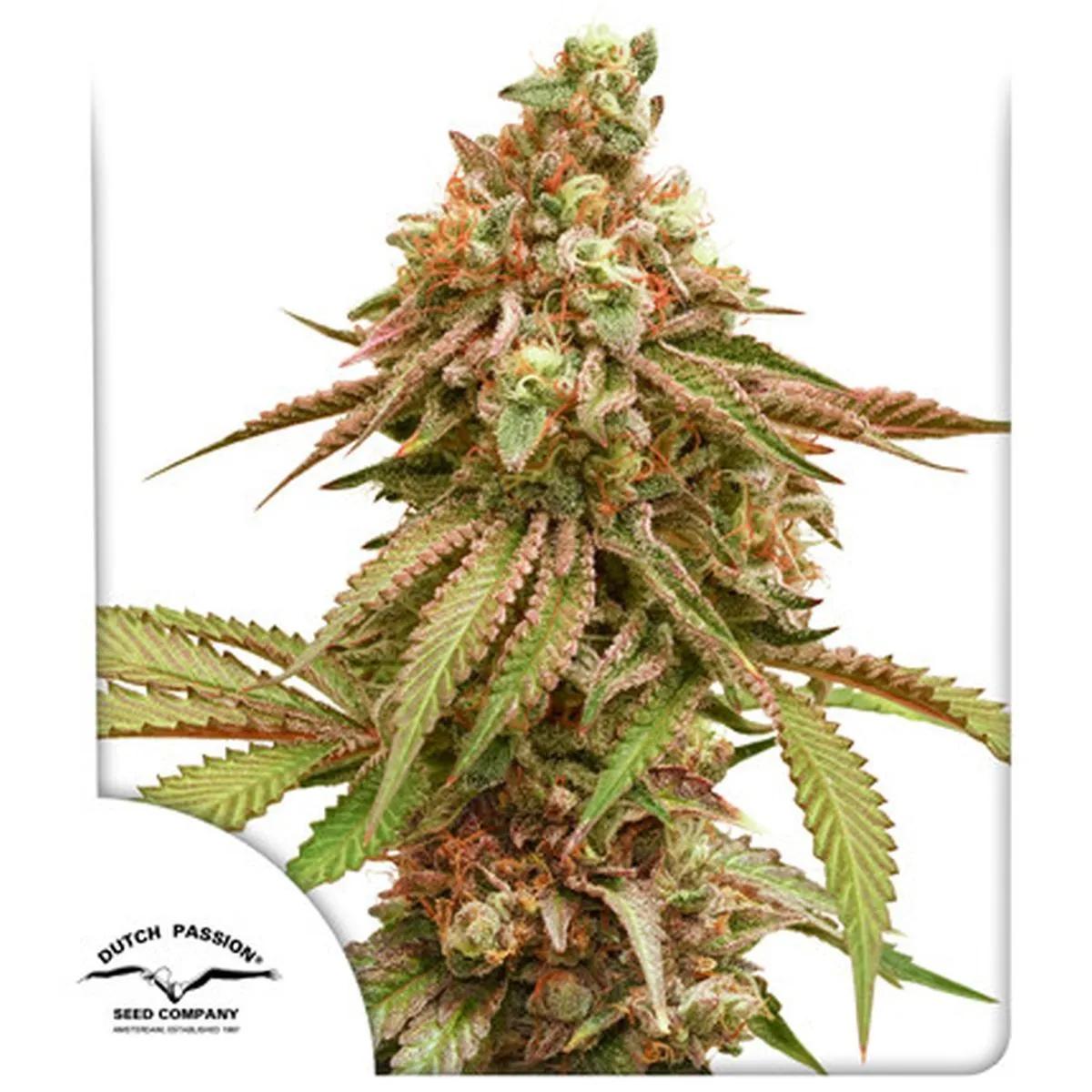
Tropical Tangie is a sativa-dominant feminised cannabis seed from Dutch Passion — a Tangie-on-Tangie cross refined down to a single standout phenotype loaded with citrus terpenes, resin, and colour. If you want a vigorous, flavour-forward plant that practically grows itself and finishes in 8–9 weeks of flower, this is the one. Dutch Passion selected this pheno for its stability, enhanced tropical fruit flavours, and the kind of dense, sticky buds that make trimming both a chore and a pleasure.
What Makes Tropical Tangie Seeds Special
Dutch Passion didn't just cross Tangie with Tangie and call it a day. They pheno-hunted through the offspring to find a plant that genuinely improved on the original — more vigour, denser flowers, a thicker resin coat, and a terpene profile that leans hard into tropical citrus with tangerine at the front. The result is a plant that's stable enough for less experienced growers but interesting enough to keep seasoned cultivators engaged.
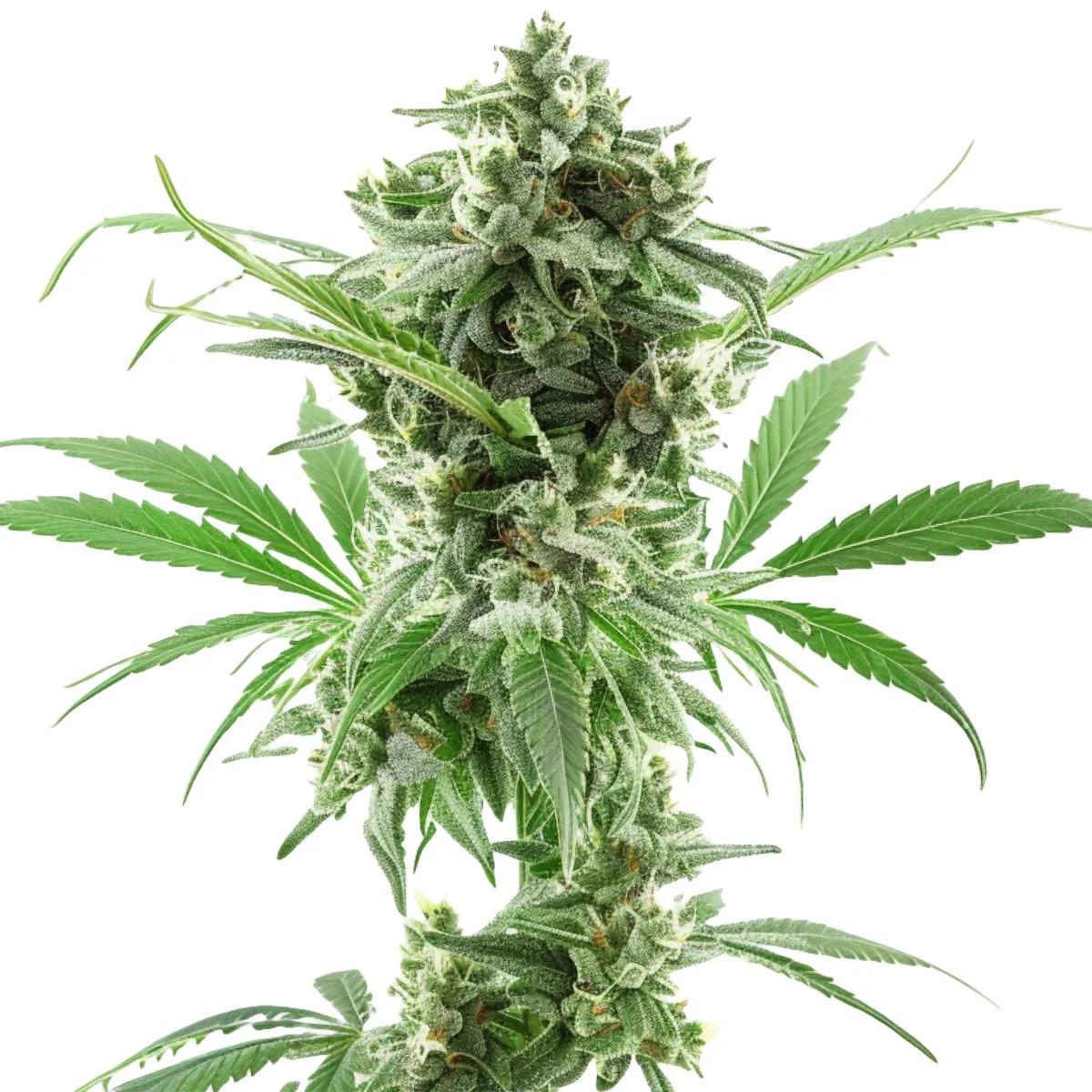
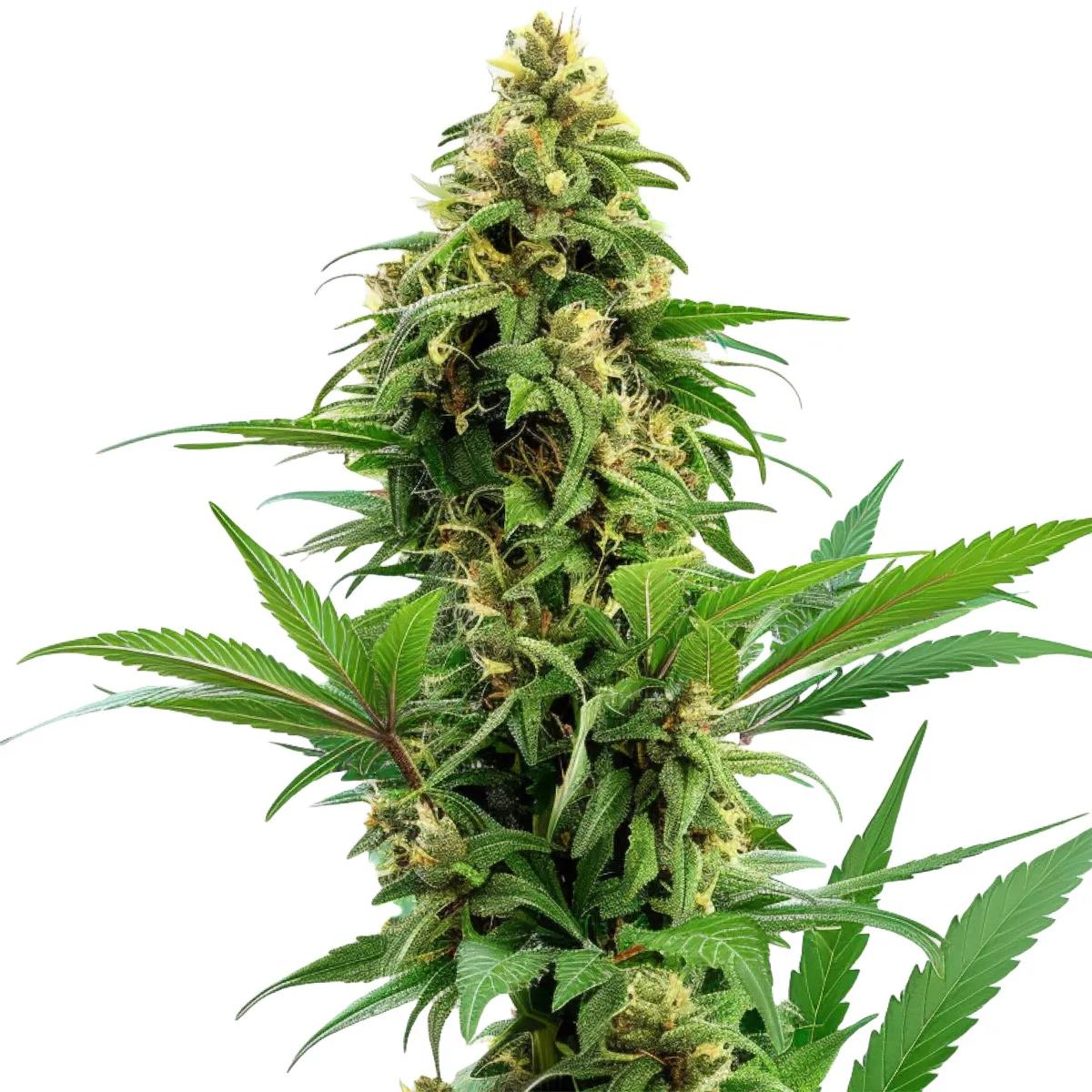
The most striking thing about Tropical Tangie — and you'll notice this before you even get to harvest — is the colour. Buds frequently develop shades of red, orange, and light purple as they mature. It's not every plant, and it depends on your environment, but when it happens it's genuinely eye-catching. We've seen photos from growers that look almost unreal. The resin production backs up the looks: a thick, sticky layer of trichomes coats the flowers and surrounding sugar leaves, which is exactly what you want if you're planning extracts or concentrates.
Compared to the original Tangie, Tropical Tangie tends to be more compact (topping out around 125cm versus Tangie's sometimes unruly stretch) and produces denser buds. If you've grown Dutch Passion's Orange Bud and liked the citrus angle but wanted something with more complexity and modern resin levels, Tropical Tangie is the natural next step.
Tropical Tangie Grow Specifications
| Specification | Detail |
|---|---|
| Seed bank | Dutch Passion |
| Genetics | Tangie x Tangie (selected phenotype) |
| Type | Feminised photoperiod |
| Dominance | Sativa-dominant |
| Flowering time | 8–9 weeks |
| Indoor height | 75–125cm |
| Indoor yield | 450–550g/m² |
| Outdoor climate | Prefers hot, dry conditions |
| Seeds per pack | 3 |
| SKU | CSDP0169 |
How to Grow Tropical Tangie Seeds
Tropical Tangie is one of those strains that rewards a bit of attention but doesn't punish you for being hands-off. It's vigorous from the start — expect quick vegetative growth and plenty of leaf production. That vigour is great for building a strong frame, but it does mean you'll want to stay on top of defoliation once the canopy fills in.
- Germinate your Tropical Tangie seeds using your preferred method — paper towel, directly in soil, or a starter plug. Keep temperatures around 22–25°C for best germination rates.
- Once seedlings are established, move them into their vegetative environment. Tropical Tangie responds well to 18/6 or 20/4 light schedules during veg. Growth is fast, so plan your flip timing around your available vertical space — remember, it can stretch to 125cm.
- Begin light defoliation during mid-veg to improve airflow and light penetration through the canopy. This variety produces a lot of foliage, and thinning it out prevents moisture buildup in dense areas.
- Consider SOG (Sea of Green) or ScrOG (Screen of Green) setups. Tropical Tangie's sturdy lateral branching and strong main cola make it a natural fit for both techniques, and either can push your final yield towards that 550g/m² ceiling.
- Flip to 12/12 when plants reach roughly half your target final height. Expect moderate stretch during the first 2–3 weeks of flower.
- During flowering, watch for the colour changes — reds, oranges, and light purples often appear in the final weeks, especially if nighttime temperatures drop slightly (a 5–8°C difference between day and night can encourage this).
- Harvest after 8–9 weeks of flowering. Trichomes should be mostly milky with a few turning amber. The resin coverage is heavy, so have your trimming scissors and some isopropyl alcohol ready — they'll gum up fast.
- Dry in a dark, well-ventilated space at 18–20°C and 55–60% humidity for 10–14 days, then cure in glass jars for at least 2 weeks. The tropical terpene profile develops noticeably during a proper cure.
Tropical Tangie Flavour and Terpene Profile
This is where Tropical Tangie really earns its name. Crack open a cured jar and you get hit with ripe tangerine peel, mango, and something almost like passionfruit underneath. It's not subtle — the room fills up. When smoked or vaped, the citrus dominates on the inhale, with a sweeter, more tropical fruit flavour on the exhale. The smoke is smooth for a sativa-dominant strain, and the flavour lingers.
According to research published in the Journal of Cannabis Research, terpene profiles rich in citrus compounds "were negatively correlated with subjective stimulant effects, such as 'creative' and 'energetic', and at the same time presented positive correlations" with other subjective markers (PMC7819481). In plain terms: the specific terpene combination matters, and Tropical Tangie's profile has been selected by Dutch Passion specifically for its flavour complexity and the way it complements the strain's effects.
The honest limitation here: if you're after earthy, diesel, or skunky profiles, this isn't your strain. Tropical Tangie is unapologetically fruity. That's its whole thing. If you love it, you'll really love it. If citrus-forward cannabis isn't your preference, have a look at something like Dutch Passion's Mokum's Tulip for a different flavour direction.
Growing Tropical Tangie Outdoors
Tropical Tangie can be grown outdoors, but Dutch Passion is clear that it prefers hot, dry climates. If you're in southern Spain, Italy, or Greece, you're in business. Northern European outdoor grows are possible but riskier — the sativa-dominant genetics mean a longer flowering period, and if autumn rain arrives before harvest, those dense, resinous buds can be susceptible to mould.
For outdoor growers in less-than-ideal climates, a greenhouse or polytunnel is the smart move. You get the natural light spectrum and the seasonal cues for flowering, but with protection from rain during those critical final weeks. Outdoor yields are described by Dutch Passion as "similarly rewarding" to the 450–550g/m² indoor figures, though individual plant size and training will obviously affect your final numbers.
Tropical Tangie Resin and Extract Potential
The heavy trichome coverage on Tropical Tangie makes it a strong candidate for extract production. The buds and sugar leaves are generously coated, and the terpene-rich resin translates well into concentrates — dry sift, bubble hash, or rosin all work. If you're pressing rosin, the citrus terpenes come through beautifully at lower temperatures (around 75–80°C), preserving that tropical flavour profile in the final product.
The trim from a Tropical Tangie harvest is worth keeping. Even the fan leaves closest to the buds carry visible trichomes, and a batch of bubble hash from trim alone can be surprisingly flavourful.
Growing Tropical Tangie indoors? A ScrOG net helps spread those lateral branches for maximum light exposure and can push yields towards the upper end of the 550g/m² range. Pair your seeds with a quality carbon filter too — the terpene output on this strain is intense, and your neighbours will appreciate the discretion.
Why Tropical Tangie Belongs in Your Garden
We've carried a lot of Dutch Passion genetics over the years, and Tropical Tangie sits in that sweet spot between "easy enough for your first photoperiod grow" and "interesting enough to grow again." The stability is genuinely impressive — you're not going to get wildly different phenotypes from a pack of 3 seeds. Dutch Passion's pheno selection work shows here. Plants are uniform, vigorous, and predictable in their structure.
The 8–9 week flowering time is competitive for a sativa-dominant strain. Many sativa-leaning hybrids push 10–12 weeks, which tests your patience and your electricity bill. Tropical Tangie gives you sativa structure and effects without the sativa wait. Combined with yields up to 550g/m² indoors, the gram-per-watt efficiency is solid.
The one thing to watch: this plant grows leaves like it's getting paid for them. If you skip defoliation, the interior of the canopy turns into a humidity trap, and that's where problems start. A light strip every week or two during veg and early flower keeps everything open and breathing. It's 10 minutes of work that saves you from potential headaches later.
Frequently Asked Questions
How long does Tropical Tangie take to flower?
Tropical Tangie flowers in 8–9 weeks from the flip to 12/12. That's short for a sativa-dominant strain — most comparable genetics take 10 weeks or more. Check trichome colour with a loupe to dial in your preferred harvest window.
What yield can I expect from Tropical Tangie indoors?
Dutch Passion rates Tropical Tangie at 450–550g/m² indoors. Hitting the upper range typically requires SOG or ScrOG training and consistent defoliation. In a standard setup without training, expect closer to the 450g/m² mark.
Is Tropical Tangie suitable for beginner growers?
Yes. The plant is stable, vigorous, and forgiving. The main task is regular defoliation — it produces a lot of foliage. If you can handle a pair of trimming scissors and a basic feeding schedule, you'll do fine with Tropical Tangie.
Does Tropical Tangie really turn red and purple?
It can. Many plants develop red, orange, and light purple hues, especially in the final weeks of flower. Cooler nighttime temperatures (a 5–8°C drop from daytime) tend to encourage colour expression, but genetics play the biggest role. Not every plant will colour up identically.
What does Tropical Tangie smell and taste like?
Expect strong tangerine peel and tropical fruit — mango, passionfruit, and sweet citrus. The aroma is loud during flower and intensifies after a proper cure. If you're growing indoors without a carbon filter, everyone in the building will know about it.
Can I grow Tropical Tangie outdoors in northern Europe?
It's possible but not where this strain thrives. Tropical Tangie prefers hot, dry climates. In northern Europe, a greenhouse or polytunnel gives you rain protection during late flower, which is critical for preventing mould on those dense, resinous buds.
How tall does Tropical Tangie grow?
Between 75cm and 125cm indoors, depending on pot size, veg time, and training. Topping or ScrOG keeps it at the shorter end. Left untrained with a longer veg period, it'll push towards 125cm with strong lateral branching.
Last updated: April 2026
Related products



You might also like
Medical disclaimer. This content is for informational purposes only and does not constitute medical advice. Consult a qualified healthcare provider before use of any substance.