
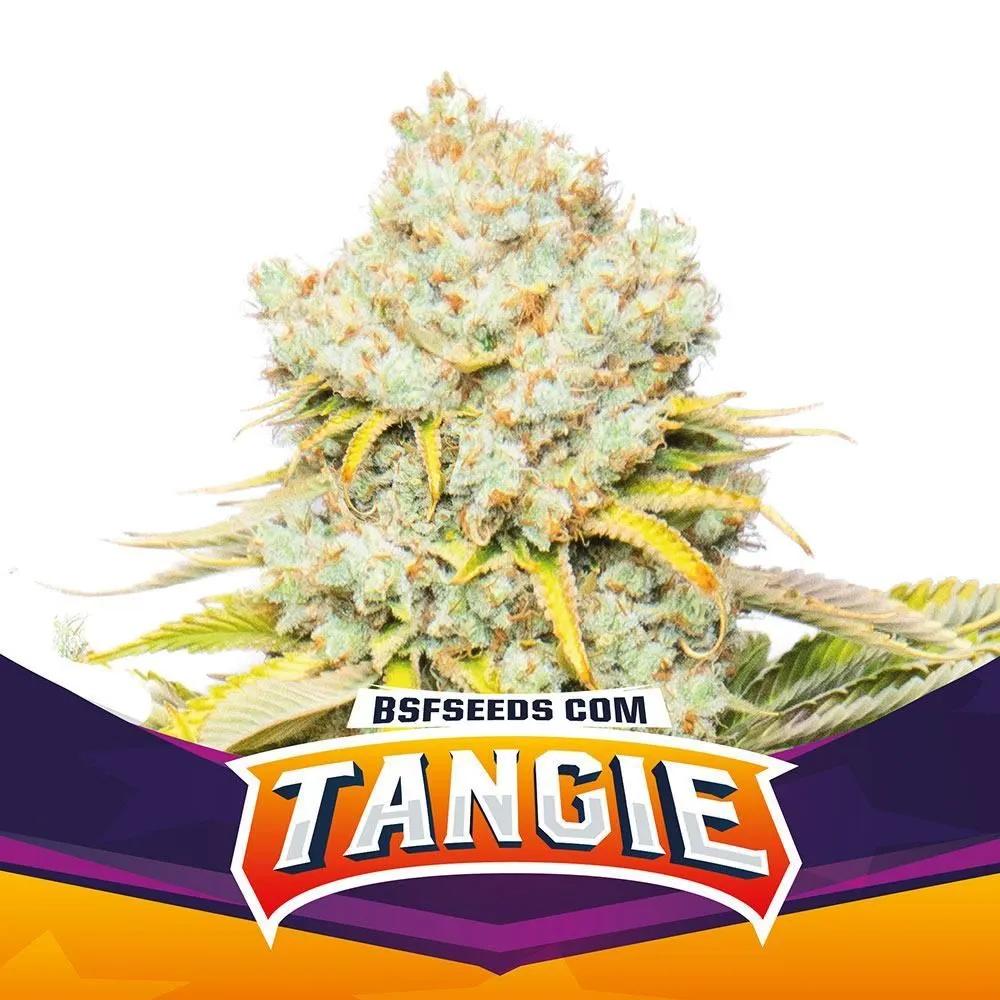
Pack: 4 seeds
Tangie Cannabis Seeds by BSF Seeds
Tangie is a sativa-dominant feminized cannabis seed that delivers fiercely citrus flavours and an energising, focus-driven effect profile. Born from a cross of California Orange and Skunk, this 80/20 sativa-indica hybrid from BSF Seeds produces trichome-laden flowers bursting with terpenes — the kind of harvest that smells like you've just peeled a bag of fresh oranges. If you want a daytime strain that tastes as good as it performs, this is where you start.
Why Tangie Seeds Deserve a Spot in Your Grow Room
Tangie is a terpene powerhouse — and you'll know it the moment you crack open a cured jar. The citrus scent hits you before you've even broken a bud apart: sharp orange peel up front, a lemon undercurrent underneath, and a skunky base note that reminds you this isn't a fruit salad, it's proper cannabis. The flavour carries through when smoked or vaporised, with a zesty tang that lingers on the palate. If you've ever bitten into a Jaffa Cake and thought "I wish my weed tasted like this," BSF Seeds had the same idea.
What sets Tangie apart from other citrus strains we carry is the sheer density of trichomes on the sugar leaves and flowers. Those resin glands aren't just for show — they're loaded with the terpene profile that makes Tangie a favourite among growers who process their harvest into concentrates, cannabutter, and edibles. The extraction yield from a well-grown Tangie plant is genuinely impressive. Fold Tangie-infused butter into muffins or brownies and you get that unmistakable orange-lemon hit baked right into the crumb.
One honest limitation: Tangie's sativa dominance means she stretches. If you're working with a small tent — say a 60x60 — you'll need to train her early or she'll outgrow the space. LST (low stress training) or a ScrOG net are your friends here. In a larger setup, she's far more forgiving.
Tangie Strain Genetics and Effects
Tangie carries 80% sativa and 20% indica genetics, the result of crossing California Orange with Skunk. That sativa dominance translates directly into the effect: motivating, cerebral, and genuinely energising. Think morning coffee with an extra gear. A bowl of Tangie with your first espresso sends a pulse of focus through your head — the kind that makes you actually want to tackle the to-do list rather than stare at it.
THC levels sit in the medium-high range, which keeps things functional rather than flooring. You're not going to be glued to the sofa with this one. According to research published in the journal Psychopharmacology, the relationship between terpenoid content, cannabinoid composition, and subjective experience is more interconnected than previously assumed (PMC7819481). Tangie's rich terpene profile — heavy on limonene and myrcene — likely contributes to its characteristically uplifting and clear-headed character. A 2021 review in Frontiers in Plant Science noted that terpenes in cannabis demonstrate anti-inflammatory, analgesic, and antioxidant properties in performed studies (PMC8489319), suggesting the entourage effect is more than marketing speak.
Compared to something like an OG Kush or a heavy indica, Tangie sits on the opposite end of the spectrum. If you want couch-lock, look elsewhere. If you want a strain that pairs with productivity, creative work, or a long walk through the park, Tangie is the one we'd pick.
Growing Tangie Feminized Seeds
Tangie is a rewarding grow for anyone with a bit of patience and vertical space. Her sativa heritage means she'll stretch during the first weeks of flowering — plan for it. Indoor growers should flip to 12/12 before she fills more than 50-60% of the available height, or use training techniques to keep the canopy even.
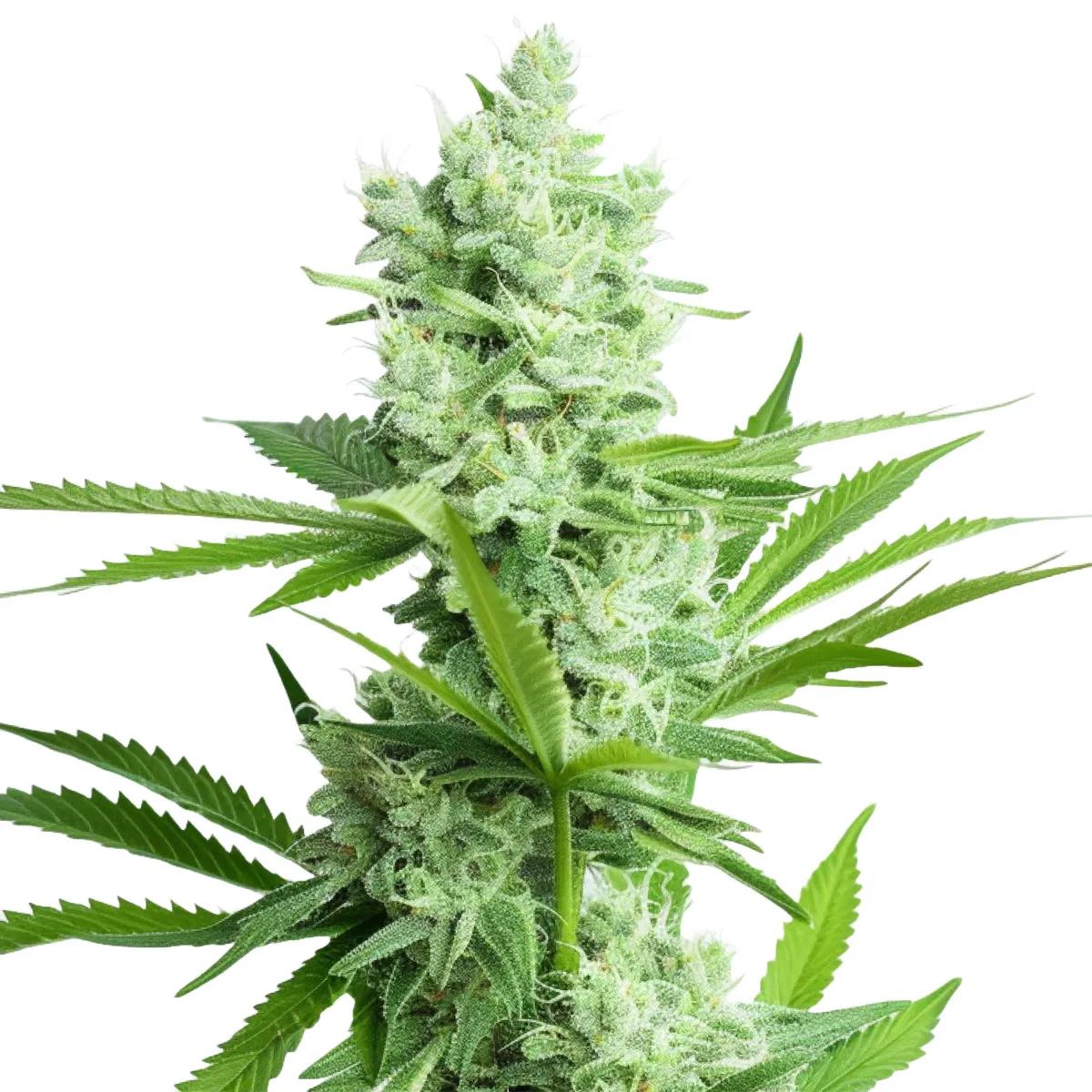
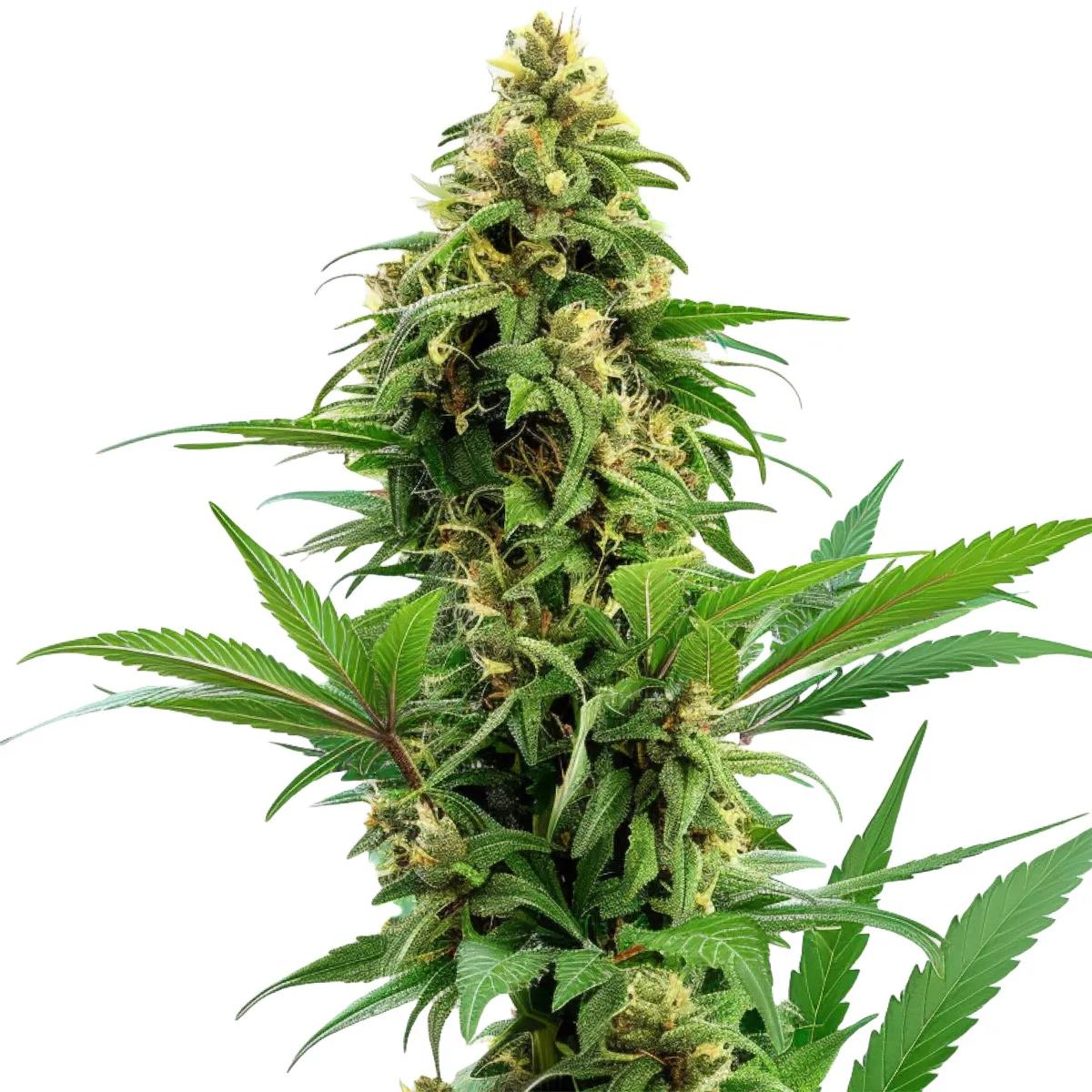
The flowers are compact despite the sativa genetics: small, dense nugs coated in psychoactive resin, decorated with bright yellow calyxes and sugar leaves that occasionally show subtle purple shading toward the end of flowering. That purple doesn't always appear — it depends on temperature drops during late flower — but when it does, the contrast against those yellow calyxes is stunning.
A practical tip we've seen work well: aim for roughly 2.5 to 3 main colas per square foot. This minimises larf (those wispy, underdeveloped lower buds nobody wants to trim) and gives you proper light penetration through the canopy. You'll get fewer but denser, more resinous tops — which is exactly what you want if you're planning extractions.
| Specification | Detail |
|---|---|
| Seed Bank | BSF Seeds |
| Genetics | California Orange x Skunk |
| Type | Feminized (photoperiod) |
| Sativa / Indica | 80% Sativa / 20% Indica |
| THC Level | Medium-High |
| Seeds Per Pack | 4 |
| Dominant Terpenes | Limonene, Myrcene |
| Flavour Profile | Orange, Lemon, Skunk |
| Best For | Daytime use, extracts, edibles |
| Recommended Training | LST, ScrOG |
Growing Tangie indoors? A carbon filter is non-negotiable — the citrus terpenes are loud enough to announce themselves through walls. Pair your seeds with a complete grow tent kit to keep everything contained and controlled. If you're planning to turn your harvest into edibles, grab a precision scale for accurate dosing of your cannabutter.
Tangie for Extracts and Edibles
This is where Tangie really earns its reputation. The trichome coverage on the sugar leaves alone makes her an excellent candidate for dry sift, bubble hash, or rosin pressing. The high terpene content means your concentrates retain that citrus character rather than turning into generic "weed-flavoured" resin.
For edibles, Tangie-infused cannabutter is a game-changer. Decarboxylate your flower at around 110°C for 40 minutes, infuse into butter low and slow, and fold it into your baking. The orange and lemon notes complement sweet recipes brilliantly — brownies, muffins, lemon drizzle cake, even shortbread. The flavour integration is noticeably better than most strains, where the cannabis taste tends to fight the recipe rather than complement it.
According to a 2021 analysis of cannabis phytochemical diversity, understanding terpene and cannabinoid profiles is critical for predicting both flavour outcomes and effect profiles in processed cannabis products (PMC9119530). In plain English: what you grow directly shapes what you taste and feel — and Tangie's chemistry is stacked in favour of flavour.
How to Grow Tangie Seeds
- Germinate your Tangie feminized seeds using the paper towel method: place seeds between two damp (not soaking) sheets of kitchen paper on a plate, cover with a second plate, and keep in a warm dark spot at 20-25°C. Taproots typically emerge within 24-72 hours.
- Transfer sprouted seeds into small pots (0.5L) filled with light, airy seedling soil. Plant taproot-down, roughly 1cm deep. Keep humidity high — a clear plastic dome or cut bottle works fine.
- Vegetate under 18/6 light. Tangie stretches, so start LST early by gently bending the main stem sideways and securing it. This encourages lateral branching and an even canopy.
- Flip to 12/12 when the plant fills 50-60% of your available vertical space. Expect a significant stretch in the first two weeks of flowering.
- During mid-to-late flower, keep relative humidity below 50% to protect those dense, resinous buds from mould. Good airflow is critical — an oscillating fan pointed at canopy level helps.
- Harvest when trichomes show a mix of milky white and the first hints of amber under a jeweller's loupe. For Tangie's energising effect profile, lean toward mostly milky trichomes rather than waiting for heavy amber.
- Dry in a dark room at 18-20°C and 55-60% humidity for 7-10 days, then cure in glass jars for a minimum of two weeks. The citrus terpenes intensify dramatically during a proper cure.
Related products
You might also like
Medical disclaimer. This content is for informational purposes only and does not constitute medical advice. Consult a qualified healthcare provider before use of any substance.