
Pack: 5 seeds
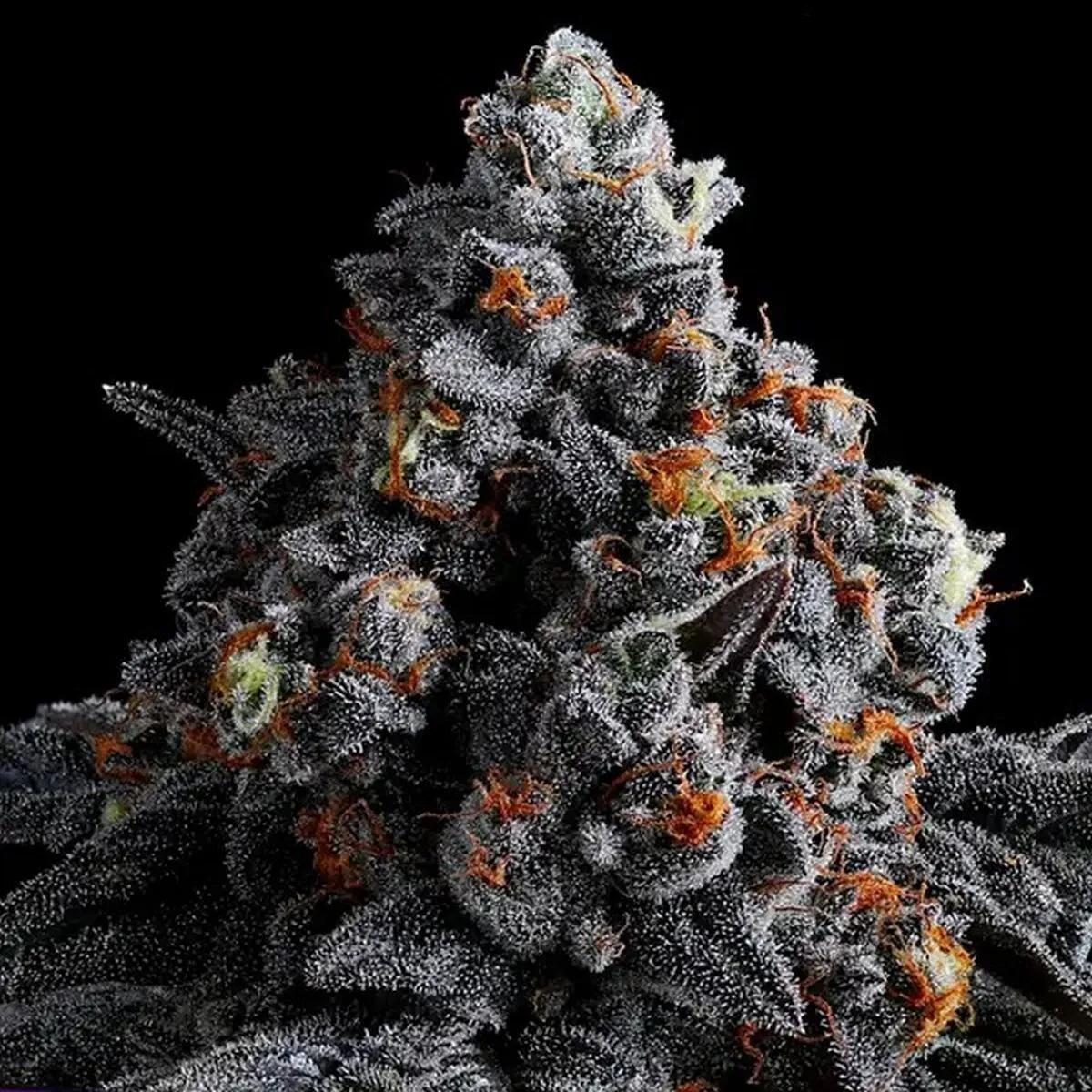
Indigo Sapphire is a feminised indica-dominant hybrid from Anesia Seeds that crosses Imperium X with Violet Fog to produce dense, purple buds loaded with up to 33.8% THC. With 60% indica genetics, a 9-week flowering time, and yields reaching 600 g/m² indoors, this is a strain that looks as good as it smokes — candied grape and berry aromas with a cool mint finish.
Indigo Sapphire Feminised Seeds: Why This Strain Stands Out
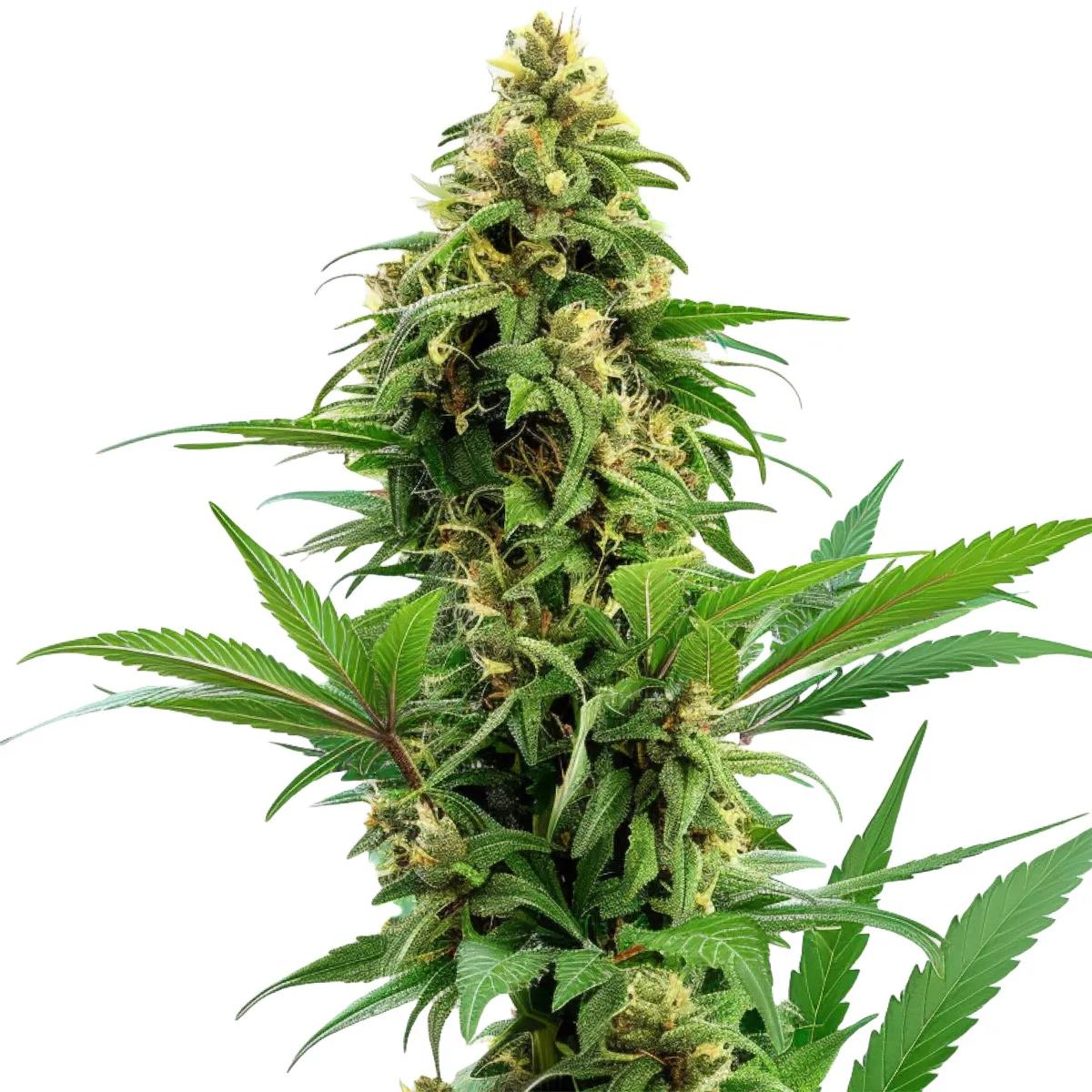
Indigo Sapphire feminised seeds from Anesia Seeds produce indica-dominant plants with serious bag appeal and potency to match. The genetics come from crossing Imperium X with Violet Fog — two parent strains selected for resin production, colour expression, and resilience. The result is a 60/40 indica-sativa hybrid that develops deep purple colouration, rust-coloured pistils, and a thick blanket of trichomes that makes every bud look like it's been dipped in sugar.
What sets Indigo Sapphire apart from other purple strains is the combination of visual drama and raw strength. At up to 33.8% THC, this isn't just a pretty face — it hits hard. The terpene profile leans heavily into candied grape and mixed berry territory, with a fresh mint tea note that cuts through on the exhale. If you've grown strains like Imperium X or other Anesia genetics before, you'll recognise the vigour. If you haven't, Indigo Sapphire is a solid introduction to what this seed bank does well.
Indigo Sapphire Growing Specs and Yield Potential
Indigo Sapphire feminised seeds produce sturdy, stress-resistant plants that respond well to training techniques like topping, LST, and SCROG. Here are the numbers you need:
| Specification | Detail |
|---|---|
| Seed Bank | Anesia Seeds |
| Genetics | Imperium X x Violet Fog |
| Type | Feminised |
| Indica / Sativa | 60% / 40% |
| THC | Up to 33.8% |
| Indoor Flowering Time | 60–65 days (approx. 9 weeks) |
| Indoor Height | 100–140 cm |
| Outdoor Height | 160–220 cm |
| Indoor Yield | Up to 600 g/m² |
| Outdoor Yield | Up to 1200 g/plant |
| Outdoor Harvest | Early October |
| Seeds per Pack | 5 |
Indoors, mature Indigo Sapphire plants stay between 100 and 140 cm — manageable in most tent setups from 80x80 upwards. They roughly double in height during the first weeks of bloom, so factor that stretch into your vertical space. Outdoors, plants can push to 220 cm and produce up to 1200 g per plant when given enough root space and sunlight. Early October harvest timing suits most of central and southern Europe.
How to Grow Indigo Sapphire Seeds
Indigo Sapphire is forgiving enough for newer growers but rewards experienced hands who put in the effort with training. Here's a straightforward approach:
- Germinate your Indigo Sapphire seeds using the paper towel method or directly in a propagation plug. Taproots typically emerge within 24–72 hours.
- Transplant seedlings into their final containers once the first set of true leaves appears. A 15–20 litre pot works well for indoor plants; outdoor growers can go larger for maximum yield.
- During vegetative growth, Indigo Sapphire develops a sturdy central stem and lush, deep green foliage. This is the time to top or train — these plants handle it without fuss.
- Flip to 12/12 when plants reach roughly half your target final height. Expect them to double in size during the first two to three weeks of bloom.
- Watch for the purple colouration to intensify as temperatures drop slightly during late flower. Cooler nights (around 18–20°C) can help bring out those deep indigo tones.
- Harvest after 60–65 days of flowering, when trichomes shift from clear to mostly milky with some amber. Dry slowly in a dark room at 18–20°C and 55–60% humidity for the best terpene preservation.
Terpene Profile and Aroma of Indigo Sapphire
Indigo Sapphire smells like a bowl of candied grapes mixed with fresh berries and a sprig of mint. It's not subtle — even during late flower, the room fills with a sweet, fruity funk that's hard to mistake for anything else. The mint note is what makes it interesting; it adds a cool, almost herbal edge that stops the sweetness from becoming one-dimensional.
Once dried and cured, the buds are dense, compact, and absolutely caked in trichomes. The calyxes swell into tight stacks with rust-coloured pistils threading through deep purple flower clusters. Visually, this is one of the most striking strains we've come across — the kind of bud that makes people stop and look twice before breaking it up. If you're growing for personal stash or to impress mates, Indigo Sapphire delivers on both fronts.
Indigo Sapphire Effects: What to Expect
With up to 33.8% THC, Indigo Sapphire is not a strain to underestimate. The effects lean indica — immediate physical relaxation paired with a clear-headed, creative mental state. It's the sort of smoke that loosens the body without completely switching off the brain, at least at moderate doses.
One honest word of caution: at this THC level, less experienced users should take it slow. According to a retrospective analysis published in PMC, high-concentration THC products can produce effects such as anxiety and paranoia from THC overload (Carberry, PMC8581558). Start with a small amount, give it 10–15 minutes, and gauge where you're at before going back for more. Veteran smokers will appreciate the potency — this is the kind of strain where a single bowl can carry you through an entire evening.
Indigo Sapphire vs Other Purple Strains
There are plenty of purple strains on the market, but Indigo Sapphire sits in a different bracket when it comes to potency. Most purple varieties hover around 20–25% THC — pretty enough, but not particularly hard-hitting. Indigo Sapphire pushes past 30%, which puts it in rare company. If you've grown strains like Purple Punch or Granddaddy Purple and wanted more firepower, this is the upgrade.
Compared to other Anesia Seeds varieties, Indigo Sapphire shares the same vigorous growth and stress resistance the seed bank is known for, but the Imperium X x Violet Fog cross brings a unique terpene profile that you won't find in their more OG-leaning genetics. The grape-berry-mint combination is distinctive and makes Indigo Sapphire easy to identify in a lineup.
| Trait | Indigo Sapphire | Typical Purple Strain |
|---|---|---|
| THC | Up to 33.8% | 20–25% |
| Flowering Time | 60–65 days | 56–70 days |
| Indoor Yield | 600 g/m² | 400–500 g/m² |
| Aroma | Grape, berry, mint | Grape, earth |
| Colour Expression | Deep purple throughout | Variable |
The Honest Limitation
If there's one thing to flag, it's the drying and curing stage. Dense, resinous buds like Indigo Sapphire's are more prone to mould if you rush the dry or don't maintain proper airflow. Take your time — a 10–14 day slow dry followed by at least two weeks of curing in glass jars will make a real difference to the final flavour and smoothness. Cutting corners here wastes everything those 9 weeks of flowering built up.
Growing Indigo Sapphire indoors? Pair these seeds with a complete grow tent kit for a setup that handles the strain's 100–140 cm height and dense canopy. A carbon filter is non-negotiable once those grape-and-mint terpenes start filling the room during late flower.
Frequently Asked Questions
How long does Indigo Sapphire take to flower?
Indigo Sapphire has a flowering time of 60–65 days (approximately 9 weeks) indoors. Outdoor plants are typically ready for harvest by early October in most European climates.
Is Indigo Sapphire suitable for beginner growers?
Yes. Indigo Sapphire is stress-resistant and handles training techniques well, making it a solid choice for first-time growers. The plants develop a sturdy central stem early on and don't punish minor mistakes.
What does Indigo Sapphire smell like?
The dominant aromas are candied grape and mixed berries, with a fresh mint tea note that adds a cool, herbal edge. It's a sweet, fruity strain with enough complexity to keep things interesting.
How much does Indigo Sapphire yield indoors?
Indoor yields can reach up to 600 g/m² under optimal conditions. Outdoor plants have even more potential, producing up to 1200 g per plant with sufficient space and sunlight.
Why are Indigo Sapphire buds purple?
The purple colouration comes from anthocyanin pigments in the genetics inherited from Violet Fog. Cooler nighttime temperatures during late flower (around 18–20°C) can intensify the colour expression.
How tall does Indigo Sapphire grow?
Indoor plants typically reach 100–140 cm. Outdoors, they can stretch to 160–220 cm. Plants roughly double in height during the first weeks of bloom, so plan your vertical space accordingly.
How potent is Indigo Sapphire?
Indigo Sapphire tests at up to 33.8% THC, placing it among the strongest strains currently available. Start with a small amount if you're not accustomed to high-THC varieties.
Last updated: April 2026
Related products



You might also like

Medical disclaimer. This content is for informational purposes only and does not constitute medical advice. Consult a qualified healthcare provider before use of any substance.