
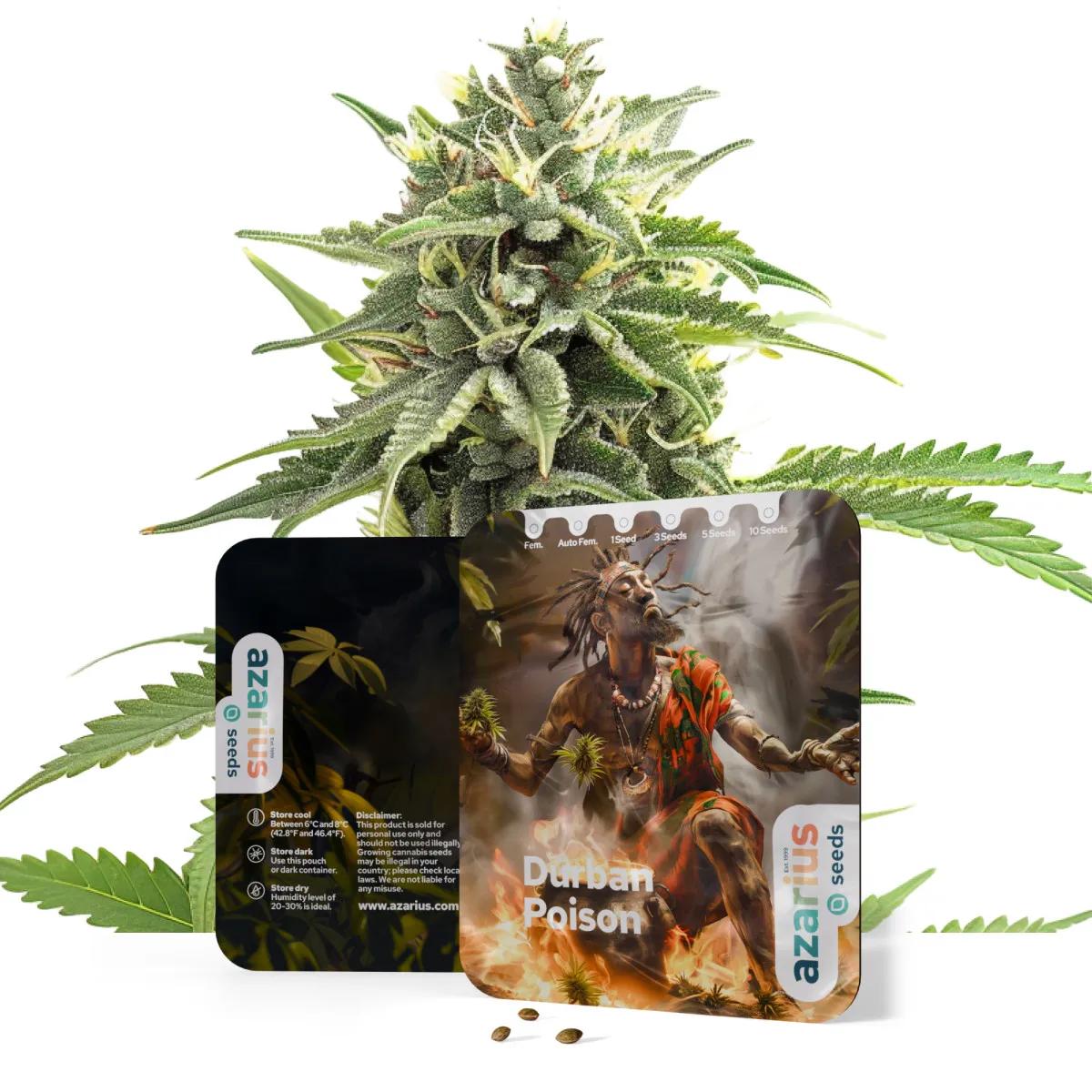
Durban Poison Feminized Cannabis Seeds
Durban Poison is a mostly sativa feminized cannabis strain that crosses genetics from Durban with an unknown indica, delivering an energetic, creative daytime grow with earthy, piney, and sweet flavour notes. With a moderate 13–16% potency range and a flowering time of 8–10 weeks, this is one of those strains that rewards patience with generous yields and a flavour profile that genuinely stands out. We've carried Durban Poison seeds for years and it remains a consistent favourite — especially among growers who want something uplifting without being overwhelming.
Choose Your Pack Size
Durban Poison feminized seeds come in four pack sizes: 1, 3, 5, or 10 seeds. If you're running a single tent and want to test the strain first, grab 3 seeds — that gives you enough to account for any growing hiccups while keeping costs sensible. Going for a full outdoor season or filling a larger indoor space? The 10-pack is the way to go. Every seed is feminized, so no males to cull.
Durban Poison Flavour Profile: Earthy, Piney, and Properly Sweet
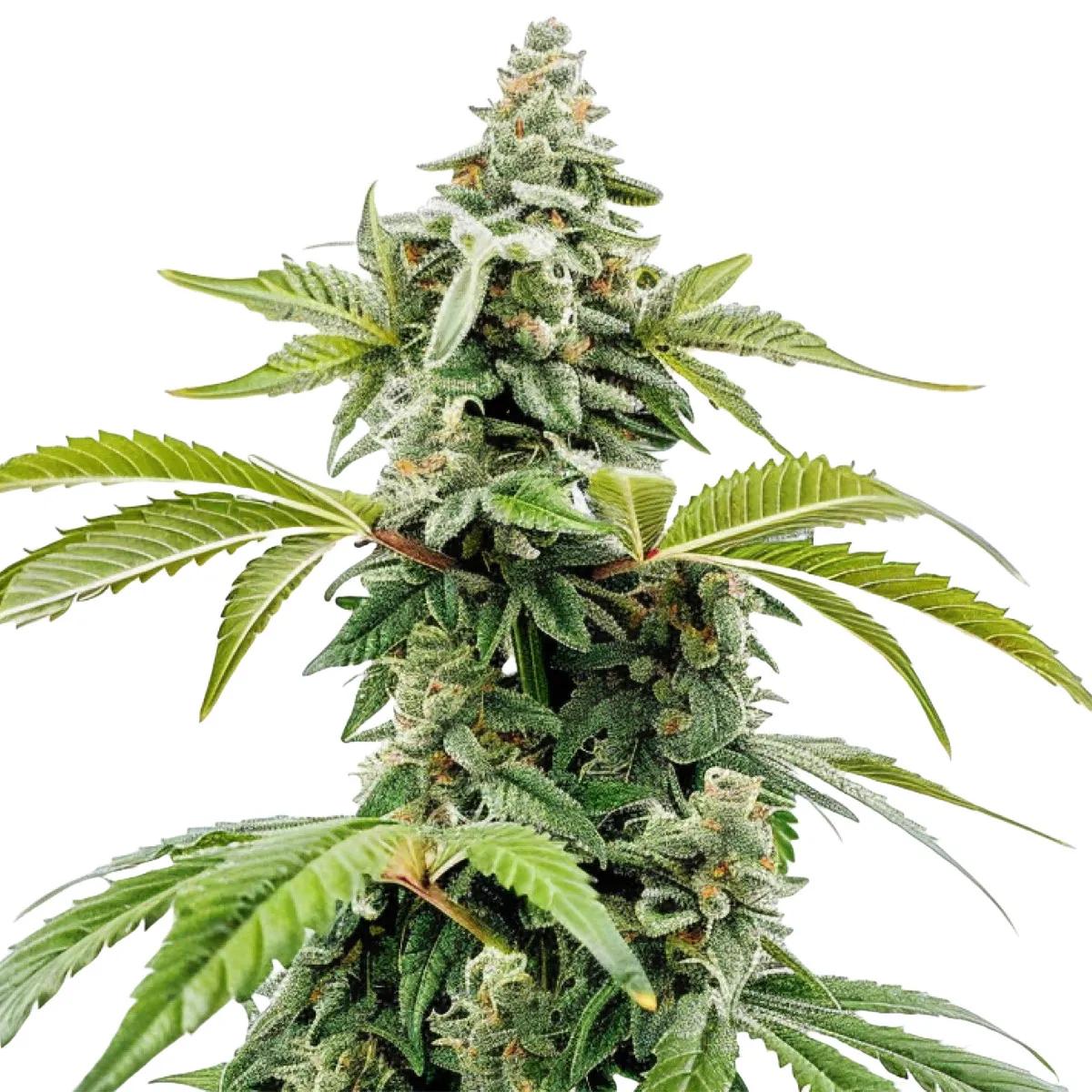
The flavour is where Durban Poison really earns its reputation. On the inhale you get a rich, earthy base — almost like damp forest floor after rain — layered with sharp pine notes that clear the sinuses. The exhale brings a sweetness that lingers, not cloying but genuinely pleasant. It's a terpene profile rooted in its South African Durban genetics, and it smells exactly how you'd hope: skunky with depth. Crack open a cured jar and the room fills with that piney-sweet aroma within seconds. If you've grown strains that smell generic or muted, this one is a proper reset.
The terpene combination here leans heavily on pinene and myrcene. According to research published in Terpenes/Terpenoids in Cannabis: Are They Important, alpha-pinene-dominant chemotypes — including strains with Durban lineage — produce distinctive aromatic profiles that contribute meaningfully to the overall character of the plant (PMC8489319). You're not just growing for potency here; you're growing for flavour.
Growing Durban Poison Seeds: Indoor and Outdoor Performance
Durban Poison feminized seeds produce photoperiod plants that respond well to both indoor and outdoor cultivation. Here's what to expect across environments.
| Specification | Detail |
|---|---|
| Genetics | Durban x Unknown Indica |
| Strain Type | Mostly Sativa |
| Flowering Type | Photoperiod (feminized) |
| Flowering Time | 8–10 weeks |
| Indoor Yield | 16–17.5 oz/yd² (approx. 475–520 g/m²) |
| Outdoor Yield | Up to 21 oz/plant (approx. 595 g/plant) |
| Outdoor Height | Approximately 6.5 ft (200 cm) |
| Potency | 13–16% |
| Dominant Flavours | Earthy, piney, sweet |
Indoors, expect yields between 16 and 17.5 oz per square yard — solid numbers for a sativa-leaning strain that doesn't require an enormous vertical space. The sativa genetics do mean she'll stretch during the first weeks of flower, so if your tent ceiling is tight, consider topping early or running a ScROG net to keep the canopy even.
Outdoors is where Durban Poison really flexes. Up to 21 oz per plant at around 6.5 ft tall — that's a proper harvest from a single specimen. The South African lineage gives this strain a natural resilience to warm, sunny climates, but it handles European summers surprisingly well too. Just give her space; she'll fill it.
What to Expect from Durban Poison: Effects and Experience
Durban Poison sits in the 13–16% potency range, which makes it a genuinely accessible strain. This isn't going to pin you to the sofa — it's the opposite. The sativa dominance pushes towards energy, creativity, and an uplifted mood. We'd call it a proper morning or afternoon strain. The kind you reach for when you've got things to do but want a bit of spark behind them.
The honest limitation here: if you're chasing heavy potency numbers north of 20%, Durban Poison isn't that strain. And that's actually its strength. The moderate range means you can enjoy it without the ceiling closing in, and the creative energy it provides doesn't come with the jittery edge that some higher-potency sativas can bring. For a daytime strain that lets you stay functional and focused, it's hard to beat.
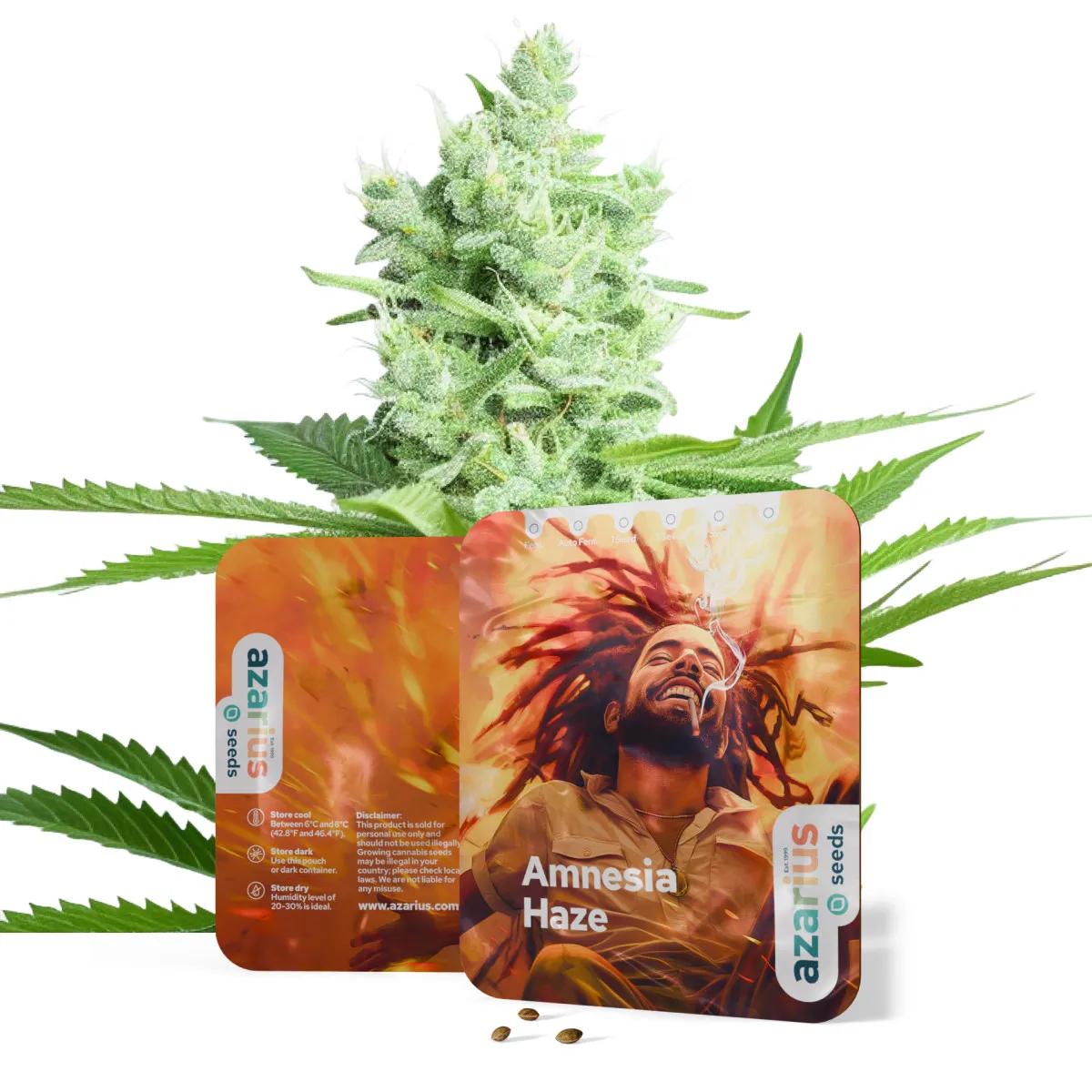
Compared to something like Amnesia Haze — which hits harder but can scatter your thoughts — Durban Poison keeps things clear. We'd pick Durban Poison over most sativa-dominant strains when the goal is productive creativity rather than pure intensity.
How to Grow Durban Poison Feminized Seeds
- Germinate your feminized seeds using the paper towel method or directly in a starter plug. Keep temperatures between 22–25°C and maintain moisture without waterlogging. Taproots typically emerge within 24–72 hours.
- Transplant seedlings into their growing medium once the taproot is 1–2 cm long. Durban Poison performs well in soil, coco coir, or hydroponic setups. For soil growers, a light, well-draining mix works best.
- During the vegetative phase, provide 18–24 hours of light daily. The sativa genetics mean vertical stretch is real — top or train your plants early if growing indoors to manage height and encourage lateral branching.
- Switch to a 12/12 light cycle to trigger flowering. Expect 8–10 weeks of flowering time. Monitor humidity closely during weeks 5–8, as dense bud sites can hold moisture.
- Flush your growing medium with plain water during the final 1–2 weeks before harvest. This helps develop a cleaner, smoother flavour in the finished product.
- Harvest when trichomes show a mix of milky white and amber colouration. Dry in a dark, well-ventilated space at 18–22°C for 7–10 days, then cure in sealed jars for at least 2 weeks. The earthy, piney, sweet flavour profile deepens significantly with proper curing.
Running Durban Poison in a tent? Pair these seeds with a complete grow kit — tent, lighting, ventilation, and carbon filter all sorted in one go. For outdoor growers, a quality pH meter and organic nutrients will help you hit that 21 oz per plant ceiling. A good grinder is worth having ready for harvest day too.
Durban Poison vs Other Sativa Seeds
Choosing between sativa-dominant strains comes down to what you actually want from the grow and the end result. Here's how Durban Poison stacks up against two other popular sativa options.
| Feature | Durban Poison | Amnesia Haze | Jack Herer |
|---|---|---|---|
| Genetics | Durban x Unknown Indica | South Asian / Jamaican / Afghani | Haze x Northern Lights #5 x Shiva Skunk |
| Potency | 13–16% | 20–22% | 18–23% |
| Flowering Time | 8–10 weeks | 10–12 weeks | 8–10 weeks |
| Indoor Yield | 16–17.5 oz/yd² | 14–18 oz/yd² | 14–18 oz/yd² |
| Flavour | Earthy, piney, sweet | Citrus, haze, peppery | Spicy, piney, herbal |
| Best For | Daytime energy, creativity | Intense cerebral experience | Balanced focus and mood |
Durban Poison is the best sativa seed for growers who want reliable yields, a shorter flowering window than most sativas, and a moderate potency that suits all-day use. If you want to be knocked sideways, Amnesia Haze does that — but the 10–12 week flowering time and higher maintenance make it a bigger commitment. Durban Poison is the strain we'd recommend to someone growing their first sativa.
Frequently Asked Questions
How much potency does Durban Poison have?
Durban Poison feminized seeds produce plants in the 13–16% potency range. That's moderate by current standards, which actually makes it a strong choice for daytime use — you get energy and creativity without being overwhelmed.
What does Durban Poison smell and taste like?
Earthy and piney on the inhale with a sweet finish on the exhale. The aroma is skunky with noticeable pine sharpness. Proper curing for at least two weeks brings out the sweetness significantly.
Is Durban Poison good for beginners to grow?
Yes. The indica influence in its genetics adds structural resilience that pure sativas lack. It handles minor mistakes well, flowers in a reasonable 8–10 weeks, and doesn't require advanced training techniques — though topping helps manage height indoors.
What terpenes are in Durban Poison?
The dominant terpenes are alpha-pinene and myrcene, with secondary contributions from terpinolene. According to research on cannabis terpene chemotypes (PMC8489319), pinene-dominant profiles like Durban Poison's are associated with the strain's characteristic piney, earthy aroma.
How tall does Durban Poison grow outdoors?
Expect around 6.5 ft (200 cm) outdoors. The sativa genetics drive vertical growth, so give her room. Indoor growers should top early or use a ScROG net to keep things manageable under a tent ceiling.
What yield can I expect from Durban Poison indoors?
Indoor yields range from 16 to 17.5 oz per square yard (475–520 g/m²). That's solid for a sativa-leaning strain. Proper lighting, training, and a 2-week cure period will help you hit the upper end of that range.
Can I grow Durban Poison outdoors in a cooler climate?
Yes, but start seedlings indoors under lights and transplant outside once nighttime temperatures stay above 10°C. The South African genetics handle warmth best, but European summers work well with a head start. Outdoor plants can produce up to 21 oz per plant.
Last updated: April 2026
Related products


You might also like
Medical disclaimer. This content is for informational purposes only and does not constitute medical advice. Consult a qualified healthcare provider before use of any substance.