
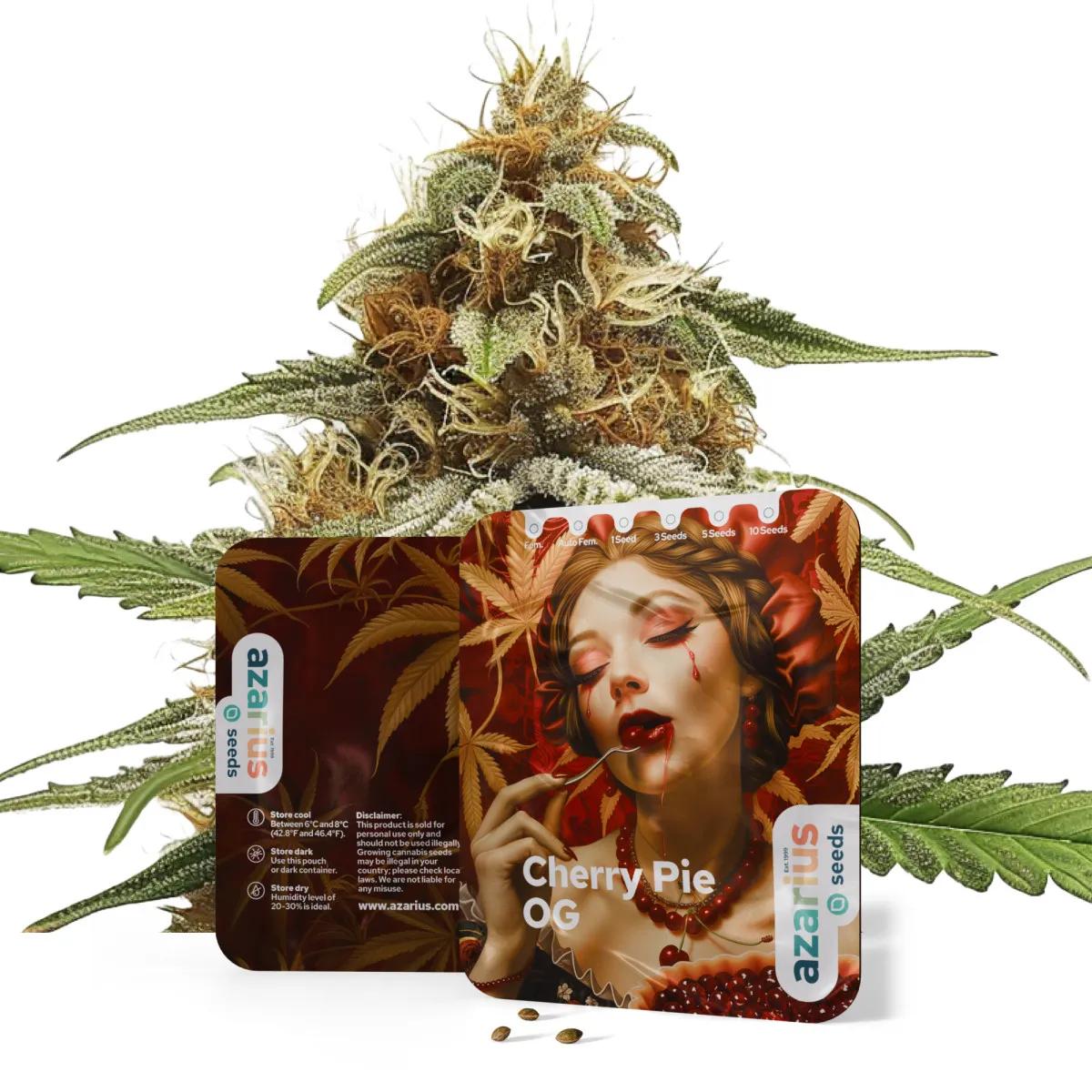
Cherry Pie OG Feminized Cannabis Seeds
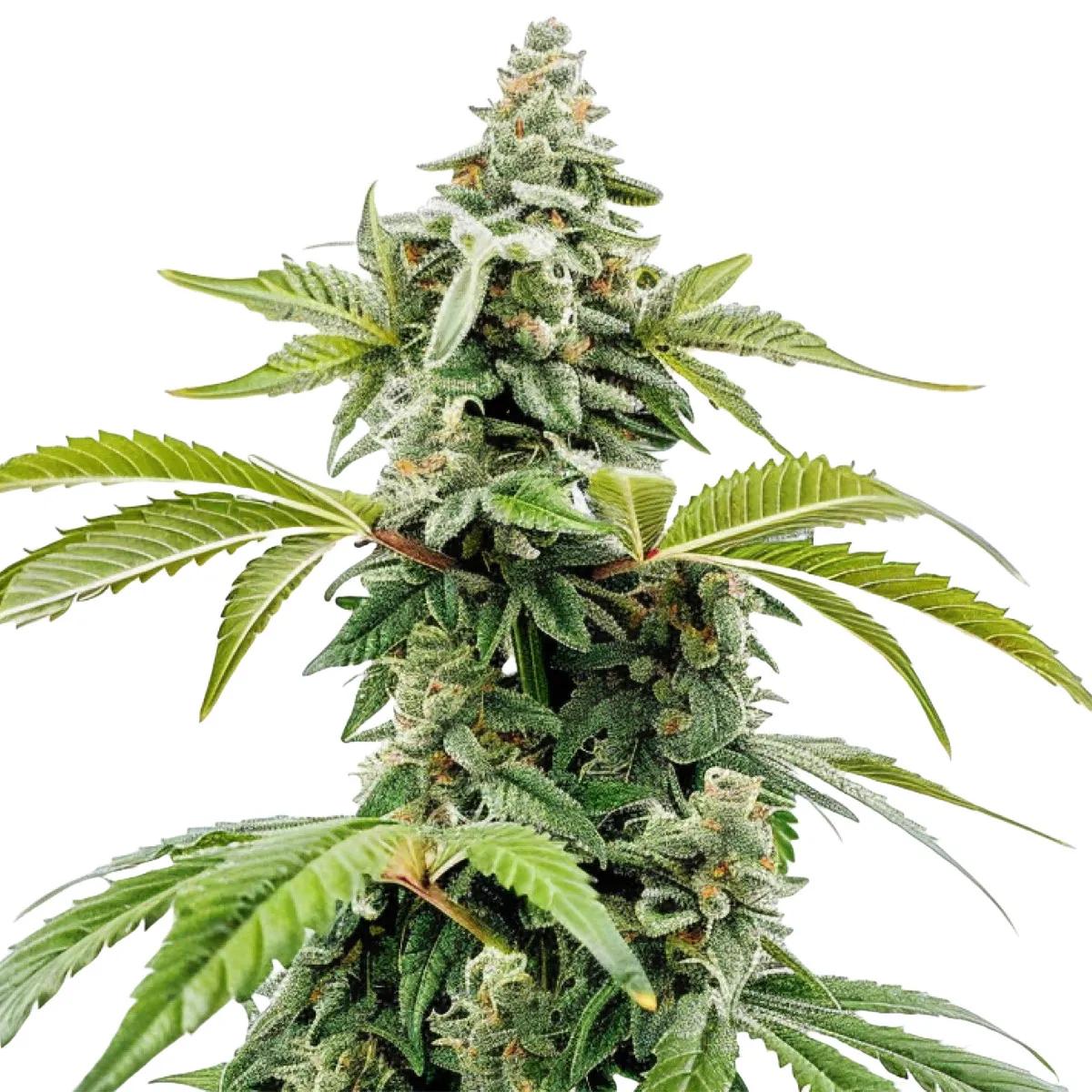
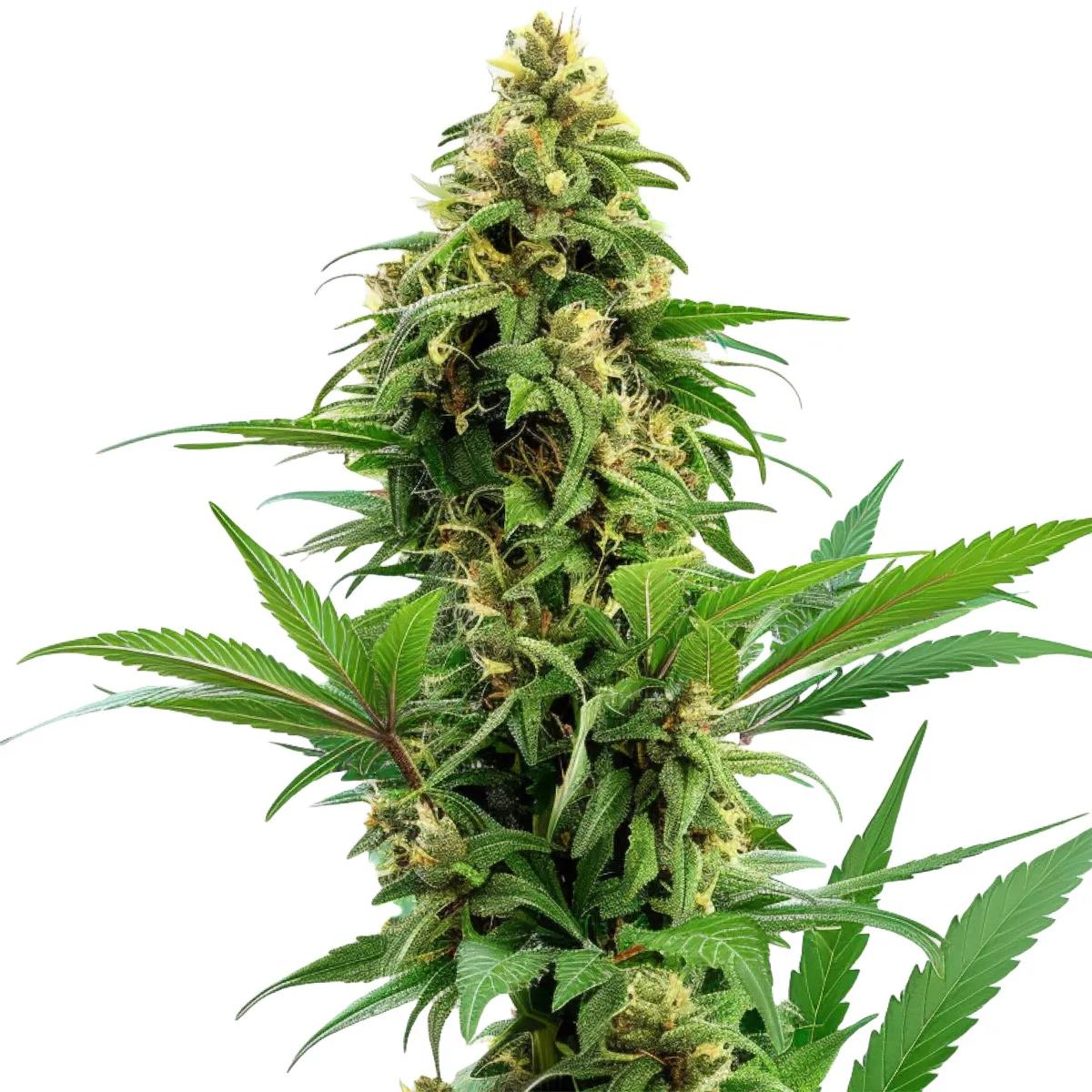
Cherry Pie OG is a balanced hybrid cannabis strain bred from Cherry Pie and OG Kush, delivering a 50/50 Indica-Sativa split with THC levels between 18% and 25%. These feminized seeds produce exclusively female plants, removing the guesswork of sexing and giving you a reliable crop of resinous, cherry-scented buds. With an 8–10 week flowering period and solid genetics from two American heavyweights, this is a strain that rewards both patient indoor growers and those with outdoor space to spare.
How Many Seeds Do You Need?
Cherry Pie OG feminized seeds come in packs of 1, 3, 5, or 10. Growing indoors in a standard 80x80 tent? Three seeds gives you a comfortable canopy without overcrowding. If you're running a full 120x120 setup or growing outdoors with room to stretch, grab the 10-pack — you'll get better phenotype selection and can keep your strongest performers. The single seed is there if you just want to test the genetics before committing.
Genetics and Lineage of Cherry Pie OG
Cherry Pie OG is the offspring of Cherry Pie (itself a cross of Granddaddy Purple and Durban Poison) and OG Kush — two strains that have shaped modern cannabis breeding in the United States. The Cherry Pie parent brings that deep, fruity sweetness and purple-tinged foliage, while OG Kush contributes its legendary resin production, diesel backbone, and structural vigour. The result sits right at the 50/50 mark, which means you get genuine physical relaxation without being pinned to the sofa, alongside a clear-headed lift that keeps you present.
What makes this cross interesting is the terpene profile it inherits from both sides. Myrcene dominates at roughly 33%, followed by limonene at 25% and caryophyllene at 21%. That combination is responsible for the strain's distinctive cherry-earth-diesel nose and its reputation among growers who want flavour complexity alongside decent potency.
| Specification | Detail |
|---|---|
| Genetics | Cherry Pie (Granddaddy Purple x Durban Poison) x OG Kush |
| Strain type | 50% Indica / 50% Sativa |
| Seed type | Feminized (photoperiod) |
| THC content | 18–25% |
| Flowering time | 8–10 weeks |
| Dominant terpenes | Myrcene (33%), Limonene (25%), Caryophyllene (21%) |
| Flavour profile | Cherry, earthy, diesel, sweet, spicy |
| Growing environment | Indoor / Outdoor |
| Available pack sizes | 1, 3, 5, or 10 seeds |
Flavour and Aroma: What Does Cherry Pie OG Actually Taste Like?
Cherry Pie OG smells like opening a jar of dark cherry preserves in a room with a pine floor — sweet and fruity up front, then earthy and resinous underneath. On the inhale, you get that unmistakable cherry sweetness, almost candy-like, followed by a spicy, peppery mid-note from the caryophyllene. The exhale is where the OG Kush parentage shows up: a diesel tang with a hint of damp earth that lingers on the palate.
We've had customers describe it as "cherry cough syrup, but in a good way." The sweetness is genuine, not artificial, and the earthy-diesel base keeps it grounded. If you've grown Granddaddy Purple before, you'll recognise the grape-berry undertones, but the OG Kush side adds a fuel-soaked complexity that GDP doesn't have on its own. During late flowering, the plants throw off a room-filling aroma — a carbon filter isn't optional if discretion matters to you.
Growing Cherry Pie OG: What to Expect
Cherry Pie OG feminized seeds produce plants that are forgiving enough for newer growers but rewarding enough to keep experienced cultivators interested. The 50/50 genetic split means the growth pattern leans neither fully squat nor fully stretched — expect medium-height plants with decent lateral branching that respond well to low-stress training (LST) and topping.
- Germinate your seeds using the paper towel method or directly in a propagation plug. Cherry Pie OG typically cracks within 24–72 hours at 22–25°C.
- Transplant seedlings into their final containers once the first set of true leaves appears. A 15–20 litre pot works well for indoor grows.
- Maintain vegetative growth under 18/6 lighting for 4–6 weeks. These plants respond well to topping above the 4th or 5th node to encourage bushier growth.
- Switch to 12/12 lighting to trigger flowering. Expect the first pistils within 7–10 days of the flip.
- During weeks 3–6 of flower, the cherry aroma intensifies significantly. This is when your carbon filter earns its keep.
- Monitor trichome development from week 7 onwards. Harvest when trichomes shift from clear to milky with around 10–20% amber for balanced effects.
- Dry in a dark, ventilated space at 18–21°C and 55–60% humidity for 10–14 days, then cure in sealed glass jars for at least 2 weeks.
The honest limitation here: Cherry Pie OG can be a hungry feeder during mid-flower. If you're growing in soil, you'll likely need to supplement with a bloom-specific nutrient from week 3 of flowering onwards. Underfed plants tend to produce smaller, less resinous buds — and with a strain this flavourful, you don't want to leave terpenes on the table.
Cherry Pie OG Effects and Traditional Use
At 18–25% THC, Cherry Pie OG sits in the moderate-to-strong range. Users typically report effects lasting around 2–3 hours depending on consumption method and tolerance. The balanced Indica-Sativa genetics mean the experience tends to start with a cerebral lift before settling into physical relaxation — not a full couch-lock strain, but not one you'd choose for a hike either.
According to a study published in the Journal of Cannabis Research, medical marijuana patients often report that specific strains — including Cherry Pie — are more effective for their particular conditions, with mood-related disorders frequently cited (PMC6275121). The dominant myrcene content (33%) has been associated in preclinical research with sedative and muscle-relaxant properties, while limonene (25%) has shown anxiolytic potential in animal models.
Common side effects reported by users include dry mouth and dry eyes — both standard with THC-dominant strains. Some users also report mild dizziness, particularly at higher doses. If you're newer to cannabis or have a lower tolerance, the 18% end of this strain's THC range is still plenty potent. Start with a small amount and give it 15–20 minutes before deciding you need more.
Cherry Pie OG vs. Similar Strains
Choosing between Cherry Pie OG and its relatives? Here's how the genetics stack up against two popular alternatives you'll find in the shop.
| Strain | Genetics | THC | Indica/Sativa | Flavour | Flowering |
|---|---|---|---|---|---|
| Cherry Pie OG | Cherry Pie x OG Kush | 18–25% | 50/50 | Cherry, diesel, earthy | 8–10 weeks |
| Granddaddy Purple | Purple Urkle x Big Bud | 17–23% | 70/30 Indica | Grape, berry, sweet | 8–11 weeks |
| OG Kush | Chemdawg x Hindu Kush | 19–26% | 55/45 Indica | Fuel, pine, lemon | 8–9 weeks |
If you want the fruit-forward sweetness of Granddaddy Purple but with more structure and a diesel edge, Cherry Pie OG is the pick. If you prefer raw fuel and pine without the cherry sweetness, go straight for OG Kush. Cherry Pie OG is essentially the middle ground — it borrows the best flavour traits from both parents without committing fully to either side. We'd pick this one over GDP for a first grow, purely because the 50/50 structure is easier to manage than GDP's heavy Indica stretch.
Growing Cherry Pie OG indoors? Pair these seeds with a complete grow tent kit — tent, lighting, ventilation, and carbon filter sorted in one go. For soil growers, a quality bloom nutrient will make the most of this strain's terpene potential during those critical mid-flower weeks.
Why Grow Cherry Pie OG?
There are a lot of cherry-flavoured strains floating around, and most of them are one-dimensional — sweet on the nose, forgettable on the palate. Cherry Pie OG isn't that. The OG Kush backbone gives it a diesel complexity that elevates the cherry sweetness from "pleasant" to "memorable." It's the difference between cherry-flavoured sweets and actual dark cherries with the skin still on — there's depth there.
From a cultivation standpoint, feminized seeds mean every plant you grow is producing flower. No wasted weeks discovering males, no risk of pollination ruining a crop. The 8–10 week flowering window is manageable for most indoor setups, and the moderate height means you won't need a cathedral ceiling to grow it. We've seen growers pull solid results from these in 80x80 tents with a 250W LED — nothing exotic required.
The 18–25% THC range also hits a sweet spot. Strong enough to satisfy experienced users, but not so astronomical that a single session floors you. It's the kind of strain you can actually enjoy rather than endure. And with that terpene profile — 33% myrcene, 25% limonene, 21% caryophyllene — the flavour alone justifies the grow.
Frequently Asked Questions
What are the common side effects of Cherry Pie OG?
Dry mouth and dry eyes are the most frequently reported side effects, which is standard for THC-dominant strains in the 18–25% range. Some users also experience mild dizziness, particularly with larger doses. Staying hydrated and keeping eye drops nearby sorts most of it.
Is Cherry Pie OG suitable for beginner growers?
Yes, it's a reasonable choice for a first or second grow. The feminized seeds remove the hassle of identifying and removing males. The balanced 50/50 Indica-Sativa structure produces manageable plants that respond well to basic training techniques like topping and LST. Just watch the feeding during mid-flower — these plants get hungry.
How long does the flowering period take for Cherry Pie OG?
Flowering takes 8–10 weeks from the light flip to harvest. Most phenotypes finish closer to 9 weeks indoors. Check trichome colour with a jeweller's loupe from week 7 — milky with some amber is the target for balanced effects.
What does Cherry Pie OG smell like during flowering?
Strongly of sweet cherries and earth from around week 3 of flower, with a diesel undertone that intensifies as harvest approaches. A carbon filter is not optional if you need to manage odour — this strain is loud.
Can I grow Cherry Pie OG outdoors?
Absolutely. Cherry Pie OG grows well outdoors in temperate to warm climates. Plants tend to finish by mid-to-late October in the Northern Hemisphere. The balanced genetics produce sturdy plants that handle moderate wind and temperature fluctuations without drama.
What's the difference between Cherry Pie OG and regular Cherry Pie?
Cherry Pie OG crosses the original Cherry Pie (Granddaddy Purple x Durban Poison) with OG Kush. This adds a diesel-pine edge to the flavour profile and shifts the genetics to a true 50/50 split, whereas Cherry Pie on its own leans more Indica-dominant. The OG Kush parentage also tends to boost resin production.
What's the average THC content of Cherry Pie OG?
THC typically ranges from 18% to 25%, with most phenotypes landing around 20–22%. Growing conditions, nutrients, and harvest timing all influence the final number. Proper curing also plays a role in preserving cannabinoid and terpene content.
Last updated: April 2026
Related products


You might also like

Medical disclaimer. This content is for informational purposes only and does not constitute medical advice. Consult a qualified healthcare provider before use of any substance.