
This article discusses psychoactive substances intended for adults (18+). If you have a health condition or take medication, consult a doctor before use. Our age policy
What Is Psilocybin?
Definition
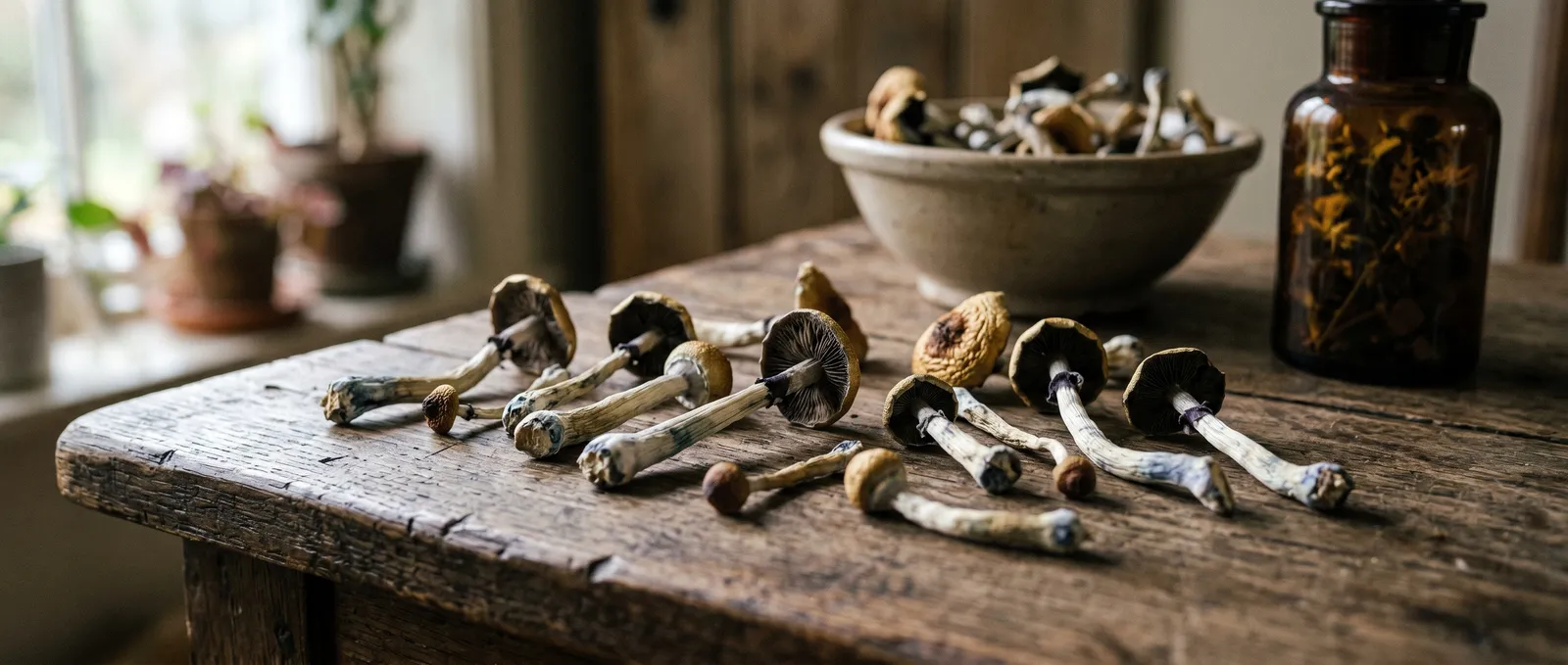
Psilocybin is a naturally occurring tryptamine prodrug produced by over 200 fungal species. Your liver converts it into psilocin, which binds to serotonin 5-HT2A receptors and produces altered perception, emotional shifts, and changes in self-referential processing. It has been used ceremonially for millennia and is now a leading candidate in psychiatric clinical trials.
Psilocybin is a naturally occurring tryptamine prodrug found in over 200 species of fungi — most famously Psilocybe cubensis, Psilocybe semilanceata, and Psilocybe mexicana. Once ingested, your liver converts it into psilocin, which binds to serotonin 5-HT2A receptors and produces altered perception, shifts in cognition, and changes in emotional processing. It has been used in ceremonial contexts for millennia and is now the subject of a wave of clinical psychiatric research.
Adult audience (18+). The dosing ranges and effects described in this article apply to adult physiology. This content is not intended for minors.
Key Facts
- Active compounds: Psilocybin (4-phosphoryloxy-N,N-dimethyltryptamine) is dephosphorylated in vivo to psilocin, the primary psychoactive metabolite. Minor alkaloids include baeocystin and norbaeocystin.
- Receptor activity: Psilocin acts as a partial agonist at serotonin 5-HT2A, 5-HT2C, and 5-HT1A receptors. The 5-HT2A interaction is considered the primary driver of its psychoactive effects (Vollenweider & Kometer, 2010).
- Historical record: Mushroom stone artefacts in Guatemala and Mexico date to approximately 1000 BCE. The Aztec term teonanácatl ("flesh of the gods") was documented by Spanish chroniclers in the 16th century.
- Effect profile: Altered visual and auditory perception, emotional intensification, synaesthesia, introspective thought, and — at higher doses — profound shifts in self-referential processing often described as ego dissolution.
- Forms available: Dried fruiting bodies, fresh psilocybin-containing sclerotia (truffles), synthetic psilocybin (used in clinical research), and microdose capsules.
- Safety data: According to a Global Drug Survey analysis (Winstock et al., 2017), psilocybin mushrooms had the lowest rate of emergency medical treatment of any recreational substance surveyed — 0.2% of users.
- Physiological toxicity: No documented lethal dose in humans. The estimated LD50 in rats is 280 mg/kg — orders of magnitude above any psychoactive dose (Tylš et al., 2014).
Commercial Disclosure
Azarius sells psilocybin-containing truffle products and has a commercial interest in this topic. Our editorial process includes independent pharmacological review to mitigate commercial bias.
Contraindications
Read this section before anything else. Psilocybin is not for everyone, and the people it's not for need to know that clearly.
- Psychiatric history: A personal or first-degree family history of schizophrenia, psychosis, or bipolar I disorder is generally considered a contraindication across clinical research protocols (Johnson et al., 2008; Carhart-Harris & Goodwin, 2017). Borderline personality disorder has also been flagged as a risk factor in screening guidelines.
- MAOIs: Monoamine oxidase inhibitors (including ayahuasca-containing brews, Syrian rue, and pharmaceutical MAOIs such as phenelzine and tranylcypromine) inhibit the breakdown of psilocin via MAO-A, potentially intensifying and prolonging effects unpredictably. This combination is generally contraindicated (Malcolm & Thomas, 2022).
- SSRIs and SNRIs: Chronic SSRI use may blunt psilocybin's effects through 5-HT2A receptor downregulation. Abrupt discontinuation to "feel the effects" carries its own withdrawal risks. If you are on antidepressants, this is a conversation to have with a prescribing physician, not an internet article.
- Lithium: Case reports and a 1,993-respondent survey (Nayak et al., 2021) associate lithium with psilocybin with seizures, cardiac irregularities, and prolonged distress. The proposed mechanism: lithium lowers the seizure threshold and modulates serotonin signalling, and combined 5-HT2A stimulation appears to drive cortical hyperexcitability. Clinical trials routinely exclude participants on lithium for this reason.
- Pregnancy and breastfeeding: No safety data exists. Clinical trials exclude pregnant and breastfeeding individuals.
- Cardiovascular conditions: Psilocybin produces mild, transient increases in heart rate and blood pressure. Individuals with uncontrolled hypertension or serious cardiac conditions are excluded from clinical research.
- Operating vehicles or machinery: Impaired perception and cognition persist for 4–6 hours after ingestion. Do not drive.
History and Origin
Psilocybin mushrooms have been intertwined with human ritual for at least 3,000 years. Archaeological evidence — stone and gold mushroom effigies — spans Mesoamerica from the Guatemalan highlands to central Mexico. When Spanish colonisers encountered Aztec teonanácatl ceremonies in the 1500s, they suppressed the practice as idolatry, and the mushrooms went underground for four centuries.
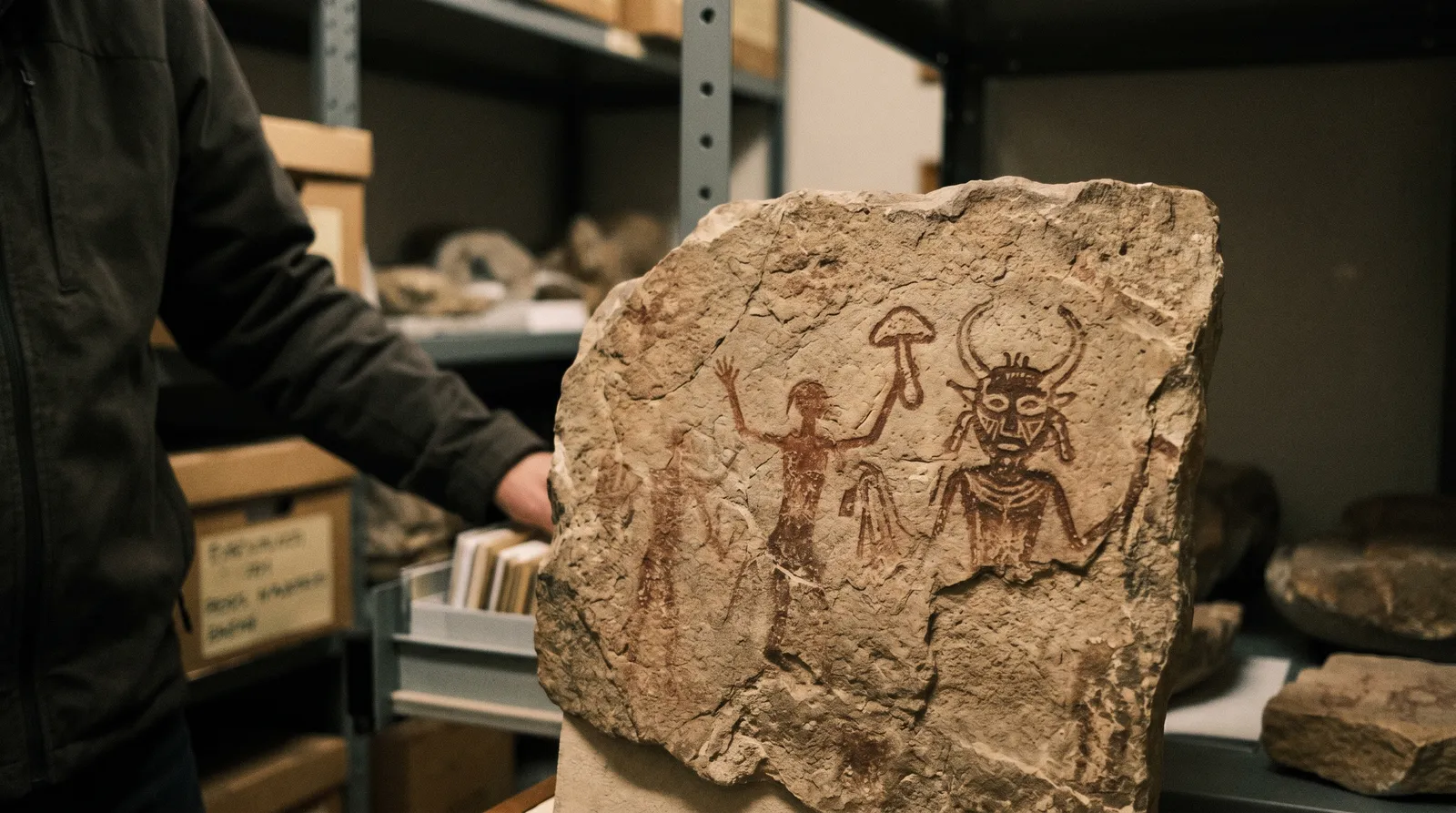
The modern Western chapter began in 1955, when R. Gordon Wasson participated in a Mazatec velada ceremony led by curandera María Sabina in Huautla de Jiménez, Mexico. His 1957 Life magazine article introduced psilocybin mushrooms to an enormous English-speaking audience. Albert Hofmann — already famous for synthesising LSD — isolated and named psilocybin from Psilocybe mexicana cultures in 1958 at Sandoz Laboratories in Basel. By the early 1960s, Harvard researchers Timothy Leary and Richard Alpert were running the controversial Harvard Psilocybin Project. The subsequent cultural backlash contributed to broad prohibition by the early 1970s, and serious clinical research stalled for nearly three decades.
The renaissance began around 2000, when Roland Griffiths at Johns Hopkins University received approval to study psilocybin in healthy volunteers — a landmark study published in 2006 that reignited psychiatric interest worldwide.
Chemistry and Active Compounds
Psilocybin (C12H17N2O4P) is a phosphorylated indole alkaloid. It is water-soluble, relatively stable when dried, and has a molecular weight of 284.25 g/mol. Once ingested, alkaline phosphatase enzymes in the gut and liver cleave the phosphate group, converting psilocybin into psilocin (4-hydroxy-DMT) — the compound that actually crosses the blood-brain barrier and does the heavy lifting at serotonin receptors.
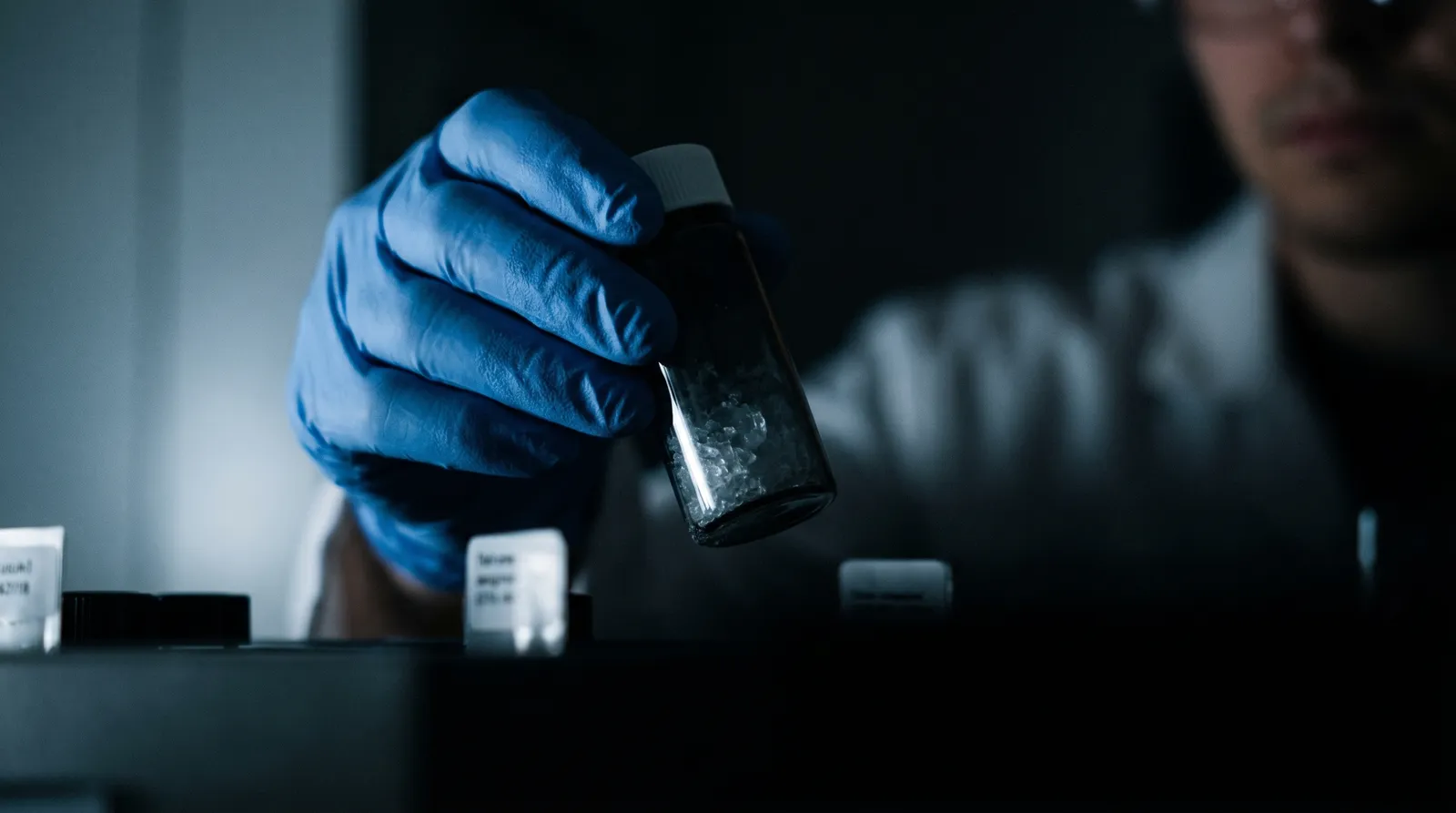
Psilocin's binding affinity for the 5-HT2A receptor has been measured at a Ki of approximately 6 nM, making it a potent partial agonist at this site (Rickli et al., 2016). It also shows significant affinity for 5-HT2C (Ki ~10 nM) and moderate affinity for 5-HT1A. The downstream effect involves disruption of the default mode network (DMN) — a set of brain regions associated with self-referential thought and the sense of "I" — which neuroimaging studies have linked to the subjective experience of ego dissolution (Carhart-Harris et al., 2012).
The role of minor alkaloids remains poorly characterised. Baeocystin and norbaeocystin are structurally similar to psilocybin, but their individual psychoactive contributions — if any — have not been established in controlled human studies. Claims about an "entourage effect" in whole mushrooms versus isolated psilocybin are plausible but, as of 2025, still speculative.
| Alkaloid | Chemical Name | Psychoactive? | Typical Content (% dry weight, P. cubensis) |
|---|---|---|---|
| Psilocybin | 4-phosphoryloxy-DMT | Prodrug (converted to psilocin) | 0.14–1.86% |
| Psilocin | 4-hydroxy-DMT | Yes — primary active compound | 0.01–0.90% |
| Baeocystin | 4-phosphoryloxy-NMT | Unknown in humans | 0.01–0.50% |
| Norbaeocystin | 4-phosphoryloxy-tryptamine | Unknown in humans | Trace |
Alkaloid concentrations vary enormously between species, strains, and even individual flushes from the same culture. A 2003 analysis by Tsujikawa et al. found psilocybin content in P. cubensis samples ranging from 0.14% to 1.86% dry weight — a 13-fold difference. This variability is one reason clinical trials use synthetic psilocybin with exact milligram dosing, and one reason "a gram is a gram" is a poor assumption with whole mushrooms.
Effects Overview
The subjective effects of psilocybin fall broadly into perceptual, emotional, and cognitive categories — and they are dose-dependent in a way that makes the difference between 1g and 3g of dried P. cubensis feel like two entirely different substances.

At lower doses (roughly 0.5–1.5g dried mushroom equivalent), expect enhanced colour saturation, mild visual patterning on textured surfaces, emotional openness, and a tendency toward introspection. Music sounds different — often richer, more layered. At moderate to strong doses (2–3.5g), visual distortions become pronounced: geometric patterns, breathing surfaces, closed-eye imagery. Emotional responses intensify in both directions — awe and wonder, but also anxiety or grief if difficult material surfaces. At strong doses, time perception distorts significantly and the boundary between self and environment can dissolve.
Physical effects are generally mild: slight nausea during onset (especially with whole mushrooms), pupil dilation, mild increases in heart rate and blood pressure, and occasional yawning — which, oddly, does not correlate with tiredness.
| Parameter | Oral (dried mushrooms) | Oral (fresh truffles) | Oral (synthetic psilocybin, clinical) |
|---|---|---|---|
| Onset | 20–45 minutes | 15–40 minutes | 20–40 minutes |
| Peak | 1–2 hours | 1–2 hours | 1–1.5 hours |
| Total duration | 4–6 hours | 3–5 hours | 4–6 hours |
| After-effects | Up to 24 hours (mild) | Up to 24 hours (mild) | Up to 24 hours (mild) |
Dosage Guide
The following ranges are drawn from published clinical studies and established community reporting databases (Erowid, PsychonautWiki) — they are not recommendations. Individual sensitivity varies, and whole-mushroom potency is inherently inconsistent (see Chemistry section above). All dried mushroom figures assume average-potency P. cubensis.
| Level | Dried P. cubensis | Fresh psilocybin truffles | Synthetic psilocybin (clinical) | Risk Level |
|---|---|---|---|---|
| Microdose | 0.05–0.25g | 0.5–1.5g | 1–3 mg | Low |
| Threshold | 0.25–0.5g | 2–5g | 3–5 mg | Low |
| Light | 0.5–1.5g | 5–10g | 5–10 mg | Moderate |
| Common | 1.5–3.0g | 10–15g | 10–20 mg | Moderate |
| Strong | 3.0–5.0g | 15–22g | 20–30 mg | High |
| Heavy | 5.0g+ | 22g+ | 30 mg+ | Very High |
For context: the Johns Hopkins studies that produced lasting positive outcomes in cancer-related distress used 20–30 mg/70 kg synthetic psilocybin — roughly equivalent to 3–5g of average dried P. cubensis (Griffiths et al., 2016). Microdosing research has typically used around 1–3 mg synthetic psilocybin, equivalent to approximately 0.1–0.3g dried mushroom. A 2022 randomised controlled trial by Szigeti et al. found no significant difference between microdose and placebo on well-being measures, though participant expectation effects were strong.
Doses above 30 mg synthetic psilocybin (or 5g+ dried mushroom equivalent) exceed the ranges used in published clinical studies and carry substantially increased risk of psychological distress.
Preparation Methods
Psilocybin is orally active — it does not need to be smoked or vapourised, and doing so with raw mushroom material is wasteful and unpleasant. The standard methods are straightforward.
Eating whole: Dried mushrooms or fresh truffles, chewed and swallowed. The simplest approach. Nausea is more common with this method because your stomach has to break down the chitin-rich fungal cell walls alongside the alkaloids. Eating on an empty stomach (or after a light meal 2–3 hours prior) tends to produce faster, more consistent onset.
Tea: Grind or finely chop the material, steep in hot (not boiling) water for 15–20 minutes, strain, and drink. Adding ginger may ease nausea. The tea method typically produces a slightly faster onset and — anecdotally — a somewhat shorter total duration, though controlled comparisons are lacking. Psilocybin is water-soluble and reasonably heat-stable at tea temperatures.
Lemon tek: Ground material soaked in lemon juice for 15–20 minutes before consumption. The acidic environment may begin dephosphorylation of psilocybin to psilocin before ingestion. User reports consistently describe faster onset and greater intensity, but no peer-reviewed study has confirmed the mechanism. If the reports are accurate, this method effectively increases the perceived dose — something to account for.
Capsules: Ground dried material or truffle powder in gelatin or vegetable capsules. Used primarily for microdosing, where consistent dosing matters more. The capsule delays onset slightly as it needs to dissolve first.
Safety and Drug Interactions
Psilocybin's physiological safety profile is, by the standards of psychoactive substances, remarkably favourable. It is not addictive — it produces rapid tolerance (tachyphylaxis) that makes daily use self-limiting. According to a 2010 analysis by Nutt et al. published in The Lancet, psilocybin mushrooms ranked lowest in overall harm among 20 common drugs assessed, scoring below cannabis, alcohol, and tobacco on both individual and societal harm metrics.
That said, psychological risks are real and should not be minimised. Challenging experiences ("bad trips") can involve intense anxiety, paranoia, confusion, and panic. These are more likely at higher doses, in unfamiliar or chaotic settings, and in individuals with pre-existing anxiety disorders. A 2011 survey by Griffiths et al. found that 39% of participants rated a high-dose session among the top five most challenging experiences of their lives — though 83% of the same group still rated it among the most meaningful. The relationship between difficulty and lasting benefit is complex and not fully understood.
Hallucinogen Persisting Perception Disorder (HPPD) — persistent visual disturbances after the acute effects have ended — is rare but documented. Prevalence estimates vary widely (from under 1% to 4.2% of hallucinogen users in different surveys), and the condition is poorly studied. Most cases involve mild, non-distressing visual phenomena; severe cases are uncommon but have been reported (Halpern & Pope, 2003).
Drug Interactions
| Substance | Interaction | Risk Level | Mechanism |
|---|---|---|---|
| MAOIs (pharmaceutical and botanical, e.g. Syrian rue) | Potentiation — intensified and prolonged effects | High | MAO-A inhibition reduces psilocin metabolism |
| Lithium | Seizures, cardiac arrhythmias, loss of consciousness (multiple case reports; Nayak et al., 2021) | High | Lithium lowers seizure threshold and modulates serotonin signalling; combined 5-HT2A stimulation drives cortical hyperexcitability |
| SSRIs (fluoxetine, sertraline, etc.) | Reduced psilocybin effects; discontinuation risk if stopped abruptly | Moderate | 5-HT2A receptor downregulation from chronic SSRI use |
| Tramadol | Lowered seizure threshold; serotonergic interaction | Moderate | Additive serotonergic activity |
| Cannabis | Intensified and potentially more confusing effects | Moderate | Synergistic action on perception; increased anxiety risk |
| Stimulants (amphetamines, MDMA) | Increased cardiovascular strain; unpredictable psychological effects | Moderate | Additive sympathomimetic and serotonergic effects |
| Benzodiazepines (diazepam, lorazepam) | Reduces intensity of psilocybin effects; used clinically as "abort" option | Low | GABAergic dampening of serotonergic activation |
This table is not exhaustive. Novel psychoactive substances, research chemicals, and herbal preparations with serotonergic or MAO-inhibiting properties (St. John's Wort, certain Banisteriopsis preparations) may also interact. If you are taking any medication, the honest answer is that interaction data for most combinations with psilocybin simply does not exist yet — absence of evidence is not evidence of absence.
Clinical Research
The modern clinical evidence base for psilocybin is growing rapidly, though it remains relatively small compared to conventional psychiatric medications.
Depression: A 2021 randomised controlled trial by Carhart-Harris et al. in the New England Journal of Medicine compared psilocybin (two sessions, 25 mg) with escitalopram (daily, 6 weeks) in 59 patients with moderate-to-severe major depressive disorder. Both groups showed similar reductions in depression scores at six weeks, but psilocybin showed advantages on secondary measures including emotional responsiveness — the "emotional blunting" that many SSRI users report was largely absent in the psilocybin group.
End-of-life distress: Two landmark 2016 trials — at Johns Hopkins (Griffiths et al.) and NYU (Ross et al.) — demonstrated that a single high-dose psilocybin session produced rapid, substantial, and sustained reductions in anxiety and depression in patients with life-threatening cancer diagnoses. At six-month follow-up, approximately 80% of participants in both studies continued to show clinically significant reductions in distress.
Addiction: A pilot study at Johns Hopkins (Johnson et al., 2014) found that 80% of participants in a psilocybin-assisted smoking cessation programme were abstinent at six months — far exceeding typical rates for existing treatments. A larger randomised trial is ongoing. Research into alcohol use disorder (Bogenschutz et al., 2022, JAMA Psychiatry) found that psilocybin-assisted therapy significantly reduced heavy drinking days compared to active placebo.
Microdosing: Despite enormous popular interest, the controlled evidence for microdosing is thin. The largest placebo-controlled study to date (Szigeti et al., 2022) found no significant difference between psilocybin microdoses and placebo on psychological well-being measures, though both groups improved — suggesting expectation effects may drive much of the reported benefit.
Emergency Information
If someone is in physical distress or unresponsive after ingesting psilocybin-containing material:
- Call emergency services immediately: 112 (EU), 999 (UK), 911 (US/Canada).
- Tell medical staff exactly what was taken, how much, and when. Honest information saves lives — medical professionals are there to help, not to judge.
- Netherlands Poisons Information Centre: 030 274 8888 (24/7, for healthcare professionals) or contact your GP.
- UK National Poisons Information Service: available to clinicians via TOXBASE.
For psychological distress that does not require emergency medical intervention (anxiety, panic, confusion): move to a calm, quiet environment. Speak in a reassuring, grounding tone. Remind the person that the effects are temporary and will pass. A benzodiazepine (if available and prescribed) can reduce acute anxiety — this is standard practice in clinical psilocybin research as a safety measure.
Last updated: April 2026
Frequently Asked Questions
10 questionsHow does psilocybin work in the brain?
Is psilocybin safe to take with antidepressants?
What is the difference between psilocybin and psilocin?
Does psilocybin microdosing actually work?
Can psilocybin cause long-term psychological damage?
How does psilocybin compare to esketamine for depression?
How long does a psilocybin trip last?
Is psilocybin legal in the Netherlands?
How long does psilocybin stay in your system?
Is psilocybin legal anywhere in the world?
About this article


Adam Parsons is an external cannabis and psychedelics writer and editor who contributes to Azarius's wiki as both author and reviewer. On the writing side, he authors Azarius's kratom and kanna clusters, drawing on exten
This wiki article was drafted with AI assistance and reviewed by Adam Parsons, External contributor. Editorial oversight by Joshua Askew.
Medical disclaimer. This content is for informational purposes only and does not constitute medical advice. Consult a qualified healthcare provider before use of any substance.
Last reviewed April 19, 2026
References (15)
- [1]Vollenweider, F.X. & Kometer, M. (2010). The neurobiology of psychedelic drugs: implications for the treatment of mood disorders. Nature Reviews Neuroscience , 11(9), 642–651. DOI: 10.1038/nrn2884
- [2]Carhart-Harris, R.L. et al. (2012). Neural correlates of the psychedelic state as determined by fMRI studies with psilocybin. Proceedings of the National Academy of Sciences , 109(6), 2138–2143. DOI: 10.1073/pnas.1119598109
- [3]Griffiths, R.R. et al. (2006). Psilocybin can occasion mystical-type experiences having substantial and sustained personal meaning and spiritual significance. Psychopharmacology , 187(3), 268–283. DOI: 10.1007/s00213-006-0457-5
- [4]Griffiths, R.R. et al. (2016). Psilocybin produces substantial and sustained decreases in depression and anxiety in patients with life-threatening cancer. Journal of Psychopharmacology , 30(12), 1181–1197. DOI: 10.1177/0269881116675513
- [5]Carhart-Harris, R.L. et al. (2021). Trial of psilocybin versus escitalopram for depression. New England Journal of Medicine , 384(15), 1402–1411. DOI: 10.1056/nejmoa2032994
- [6]Nutt, D.J., King, L.A. & Phillips, L.D. (2010). Drug harms in the UK: a multicriteria decision analysis. The Lancet , 376(9752), 1558–1565. DOI: 10.1016/s0140-6736(10)61462-6
- [7]Johnson, M.W., Garcia-Romeu, A., Cosimano, M.P. & Griffiths, R.R. (2014). Pilot study of the 5-HT 2A R agonist psilocybin in the treatment of tobacco addiction. Journal of Psychopharmacology , 28(11), 983–992. DOI: 10.1177/0269881114548296
- [8]Bogenschutz, M.P. et al. (2022). Percentage of heavy drinking days following psilocybin-assisted psychotherapy vs placebo in the treatment of adult patients with alcohol use disorder. JAMA Psychiatry , 79(10), 953–962. DOI: 10.1001/jamapsychiatry.2022.2096
- [9]Rickli, A. et al. (2016). Receptor interaction profiles of novel psychoactive tryptamines compared with classic hallucinogens. European Neuropsychopharmacology , 26(8), 1327–1337. DOI: 10.1016/j.euroneuro.2016.05.001
- [10]Winstock, A.R. et al. (2017). Global Drug Survey 2017: key findings report. Global Drug Survey Ltd.
- [11]Halpern, J.H. & Pope, H.G. (2003). Hallucinogen persisting perception disorder: what do we know after 50 years? Drug and Alcohol Dependence , 69(2), 109–119. DOI: 10.1016/s0376-8716(02)00306-x
- [12]Szigeti, B. et al. (2022). Self-blinding citizen science to explore psychedelic microdosing. eLife , 10, e62878.
- [13]Tylš, F., Páleníček, T. & Horáček, J. (2014). Psilocybin — summary of knowledge and new perspectives. European Neuropsychopharmacology , 24(3), 342–356.
- [14]Malcolm, B.J. & Thomas, K. (2022). Serotonin toxicity of serotonergic psychedelics. Psychopharmacology , 239, 1881–1891.
- [15]Johnson, M.W., Richards, W.A. & Griffiths, R.R. (2008). Human hallucinogen research: guidelines for safety. Journal of Psychopharmacology , 22(6), 603–620. DOI: 10.1177/0269881108093587
Related Articles
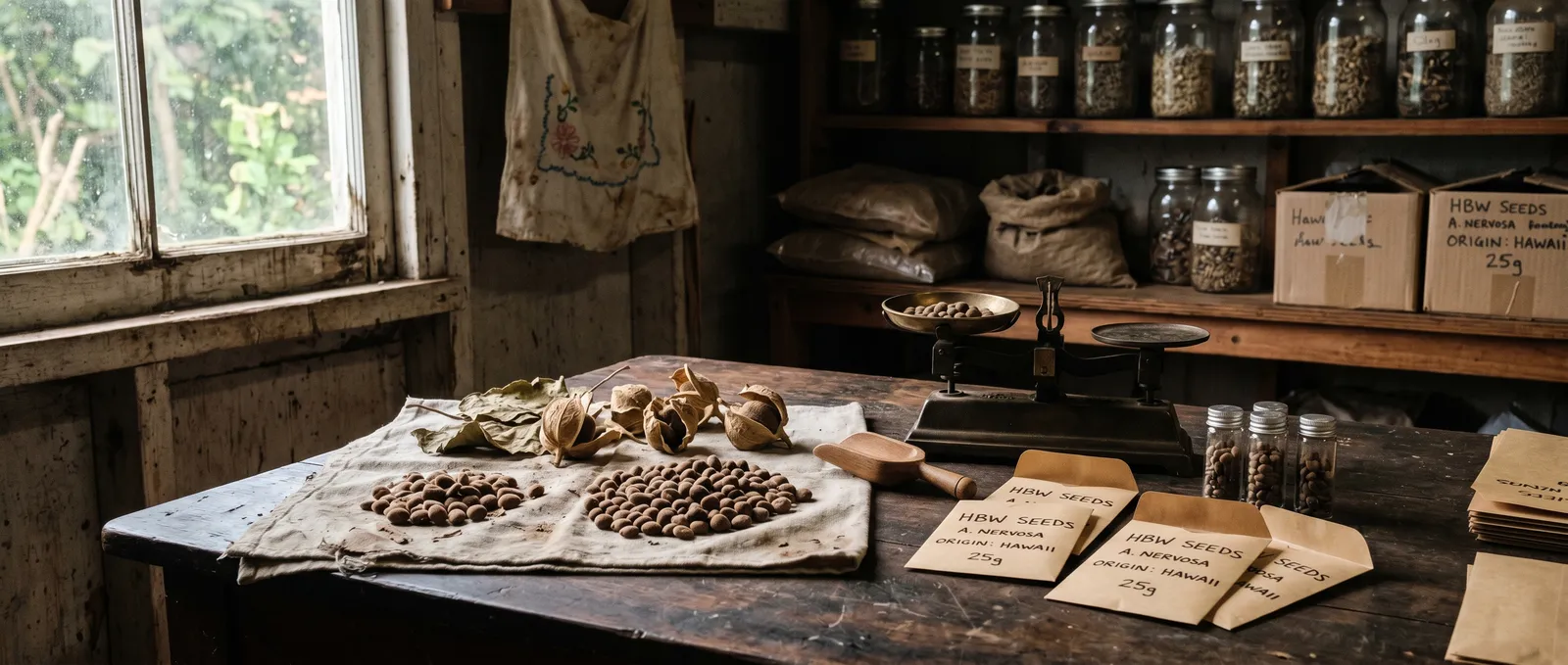
Hawaiian Baby Woodrose Sourcing
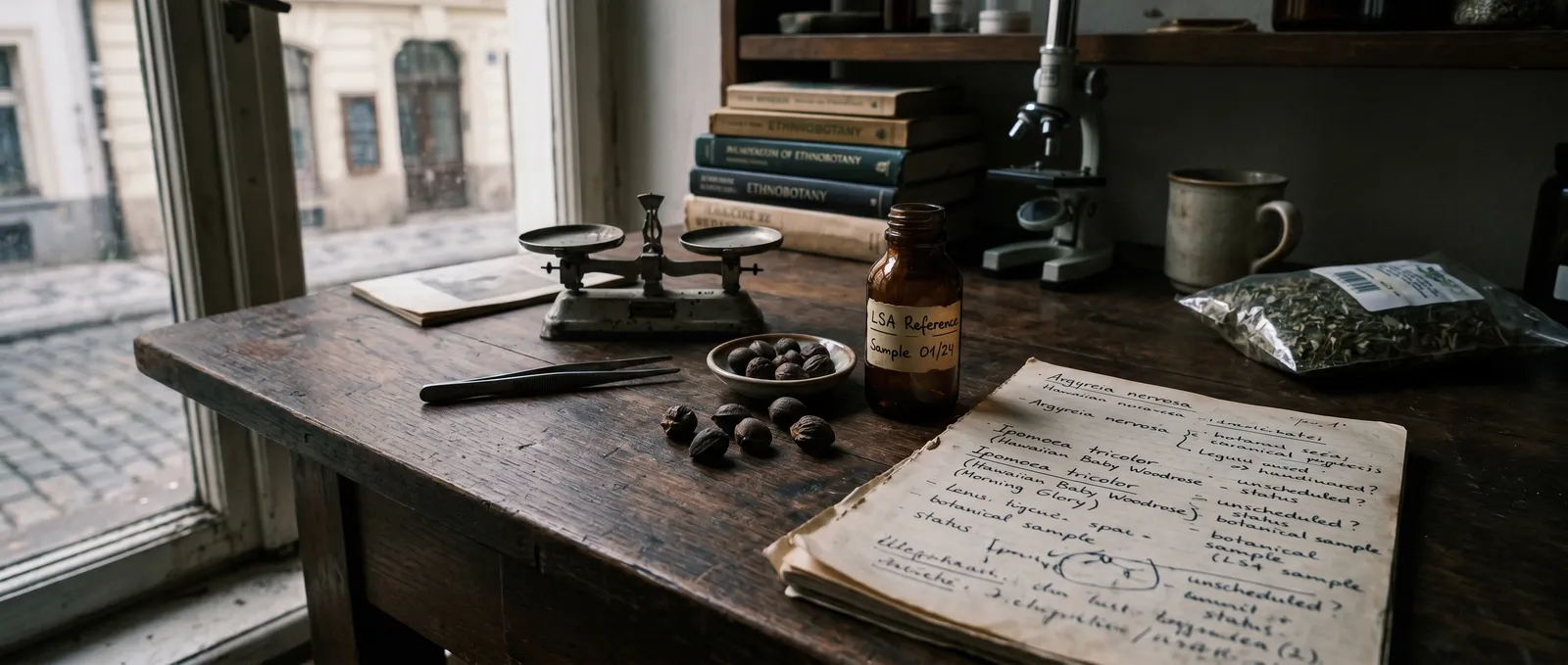
Hawaiian baby woodrose sourcing is a practice that covers how to obtain quality Argyreia nervosa seeds — a vine whose seeds contain LSA (lysergic acid amide).
LSA Legal Status in Europe
LSA (lysergic acid amide, or ergine) occupies a legal grey zone across Europe — rarely scheduled as a compound, yet subject to varied NPS legislation that…
Ololiuqui Mazatec Tradition: Ceremonial Seeds of the Sierra Mazateca
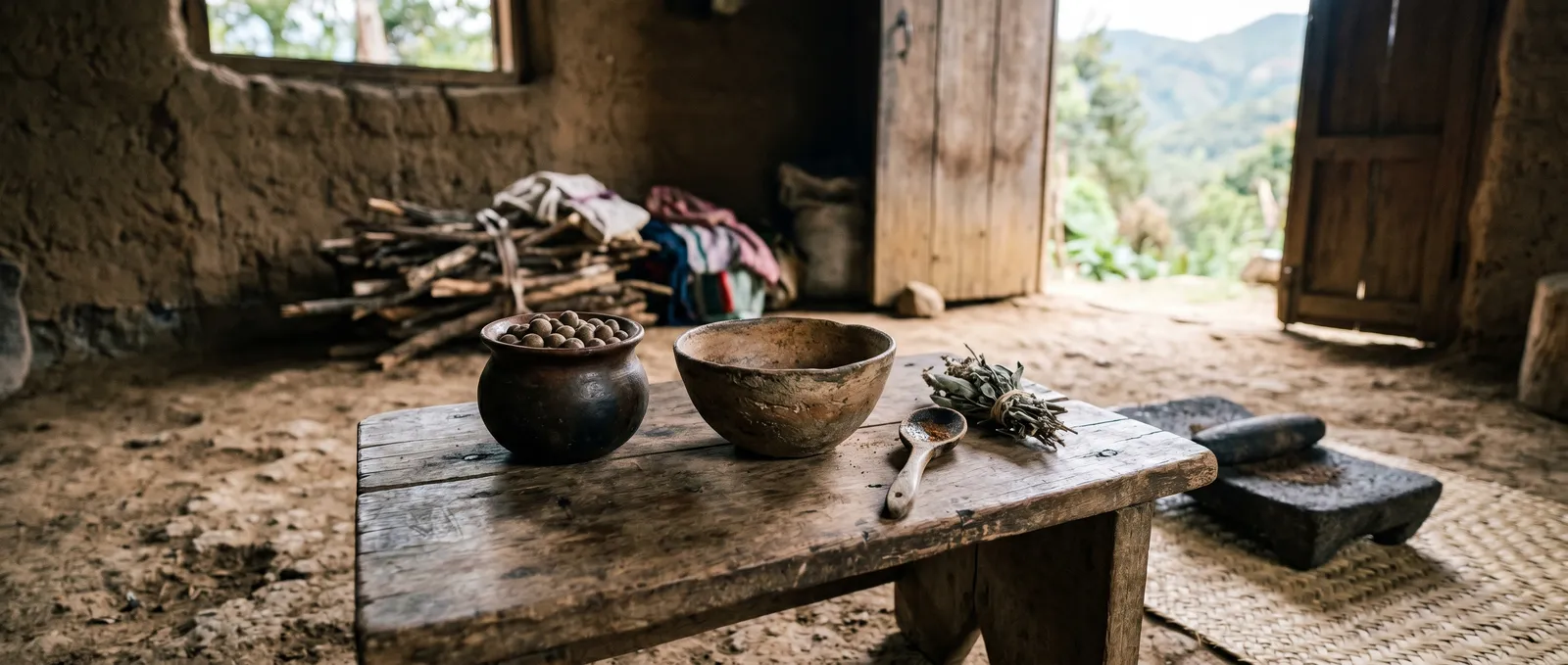
Ololiuqui — the seeds of Turbina corymbosa — played a specific ceremonial role among the Mazatec people of Oaxaca, distinct from their better-known use of…

Morning Glory LSA Plants Family
Morning glory LSA plants family is a group of Convolvulaceae vines whose seeds contain d-lysergic acid amide (ergine), a naturally occurring tryptamine first…
Hawaiian Baby Woodrose Plant Botany
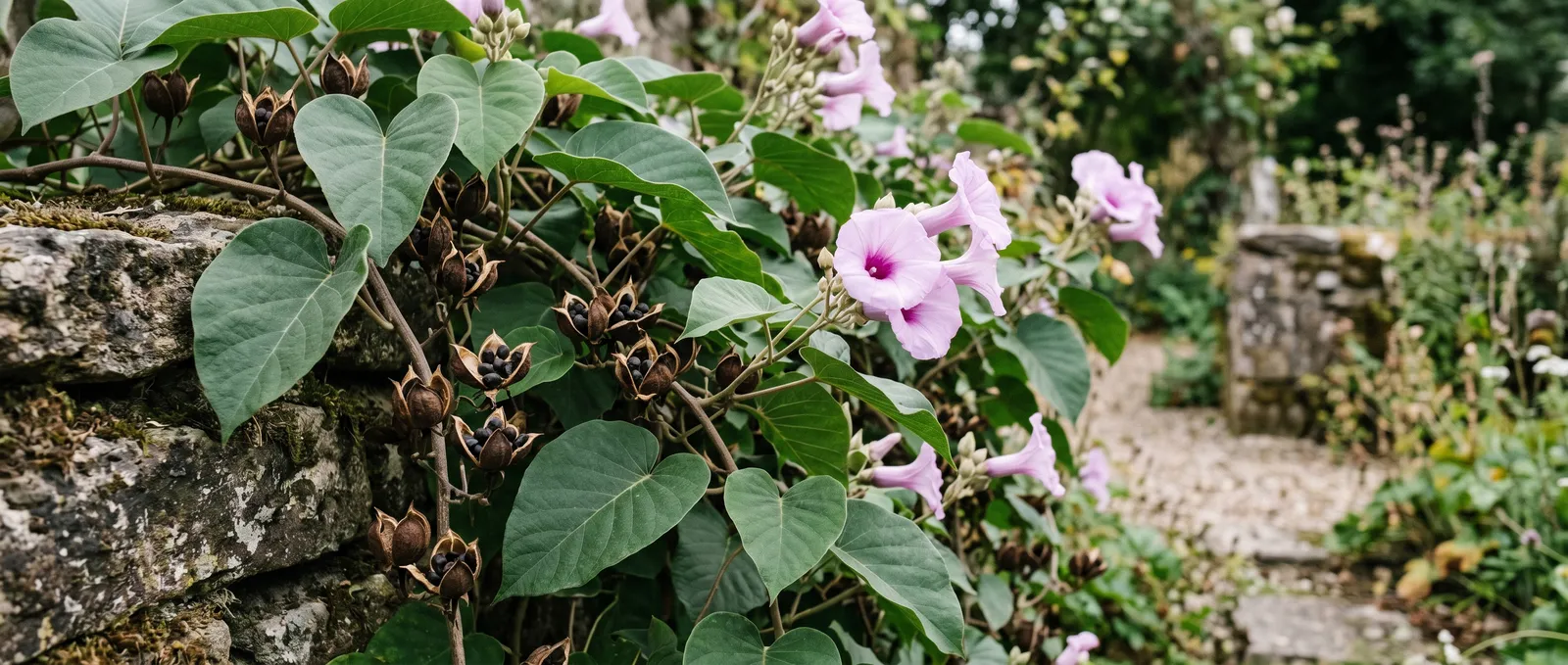
Argyreia nervosa, commonly called Hawaiian baby woodrose, is a perennial climbing vine native to the Indian subcontinent, not Hawai'i.
Magic Truffle Quality Indicators
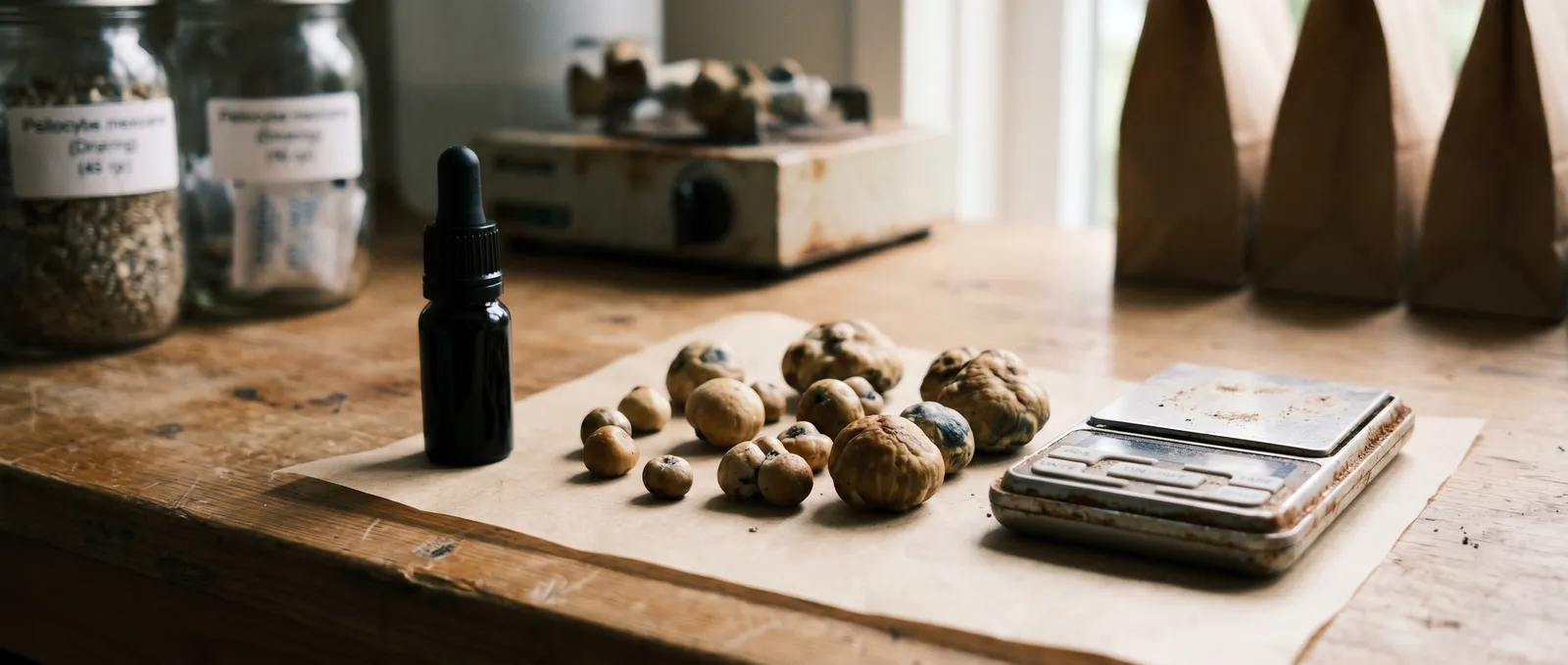
Magic truffle quality indicators are the measurable and sensory characteristics — psilocybin content, texture, aroma, packaging integrity, and storage…
Mescaline Cactus Market Observations
Mescaline cactus market observations is a research and retail term that describes the shifting patterns in sourcing, species selection, and consumption of…

Growing Mescaline Cacti as Ornamental Plants
Growing mescaline cacti ornamental is a horticultural practice that involves cultivating species like San Pedro, Peruvian Torch, and peyote for their…
Commercial Magic Truffle Cultivation
Commercial magic truffle cultivation is a large-scale agricultural process that produces psilocybin-containing sclerotia in climate-controlled indoor…