
This article discusses psychoactive substances intended for adults (18+). If you have a health condition or take medication, consult a doctor before use. Our age policy
Set And Setting Guide

Definition
Set and setting refers to your internal psychological state (mindset, mood, intentions) and your external physical environment (location, company, sensory conditions) when using psychoactive substances. First formalised by Norman Zinberg in 1984, the concept remains the most important controllable variable in shaping the quality and safety of any experience.
Set and Setting Guide: How to Prepare Your Mind and Space
Set and setting is the framework describing how your internal psychological state and external environment shape any experience with psychoactive substances. It is the single most important variable you can control — more than the specific substance, more than whether you fasted beforehand. The term refers to your internal state (set: mindset, mood, expectations, intentions) and your external environment (setting: where you are, who you're with, what's around you). Get these right and a moderate amount can be profoundly meaningful. Get them wrong and even a small amount can turn deeply uncomfortable. This complete set and setting guide walks you through preparing both, step by step, so you're not leaving the quality of your experience to chance.
Adult audience (18+). The dosing ranges and effects described in this article apply to adult physiology. This content is not intended for minors.
The concept was formalised by psychiatrist Norman Zinberg in his 1984 book Drug, Set, and Setting (Yale University Press), where he argued that the pharmacology of a substance alone cannot predict the user's experience — the psychological and environmental context matter just as much, sometimes more. Four decades of clinical and anecdotal evidence have backed him up. A 2021 international Delphi consensus study involving 36 psychedelic researchers identified preparation of mindset and environment as two of the top-rated factors for safe psychedelic use (Carhart-Harris et al., 2021). Modern clinical protocols for psilocybin-assisted therapy and MDMA-assisted therapy both place extensive emphasis on preparing participants' mindset and creating a safe, welcoming environment before any substance is administered (Mitchell et al., 2021). Understanding this set and setting guide thoroughly before you begin is the foundation everything else rests on.
Step 1: Check Your Internal Weather
Your mindset going in accounts for roughly half of what determines the quality of your experience, according to both clinical literature and decades of anecdotal reports. Before you commit to a date, honestly assess where you are emotionally. You don't need to be in a state of bliss — mild nervousness is completely normal and doesn't predict a bad time. What you're screening for is unresolved emotional turmoil: active grief, a fresh breakup, ongoing conflict, severe anxiety, or depression that's currently destabilising your daily life.
A 2011 study by Griffiths et al. at Johns Hopkins found that participants who scored higher on measures of emotional stability and openness before psilocybin sessions reported more positive outcomes, while those with elevated anxiety scores were more likely to experience challenging episodes (Griffiths et al., 2011). That doesn't mean anxious people can't have meaningful experiences — it means the preparation within your set and setting guide needs to be more thorough.
Practical actions for this step:
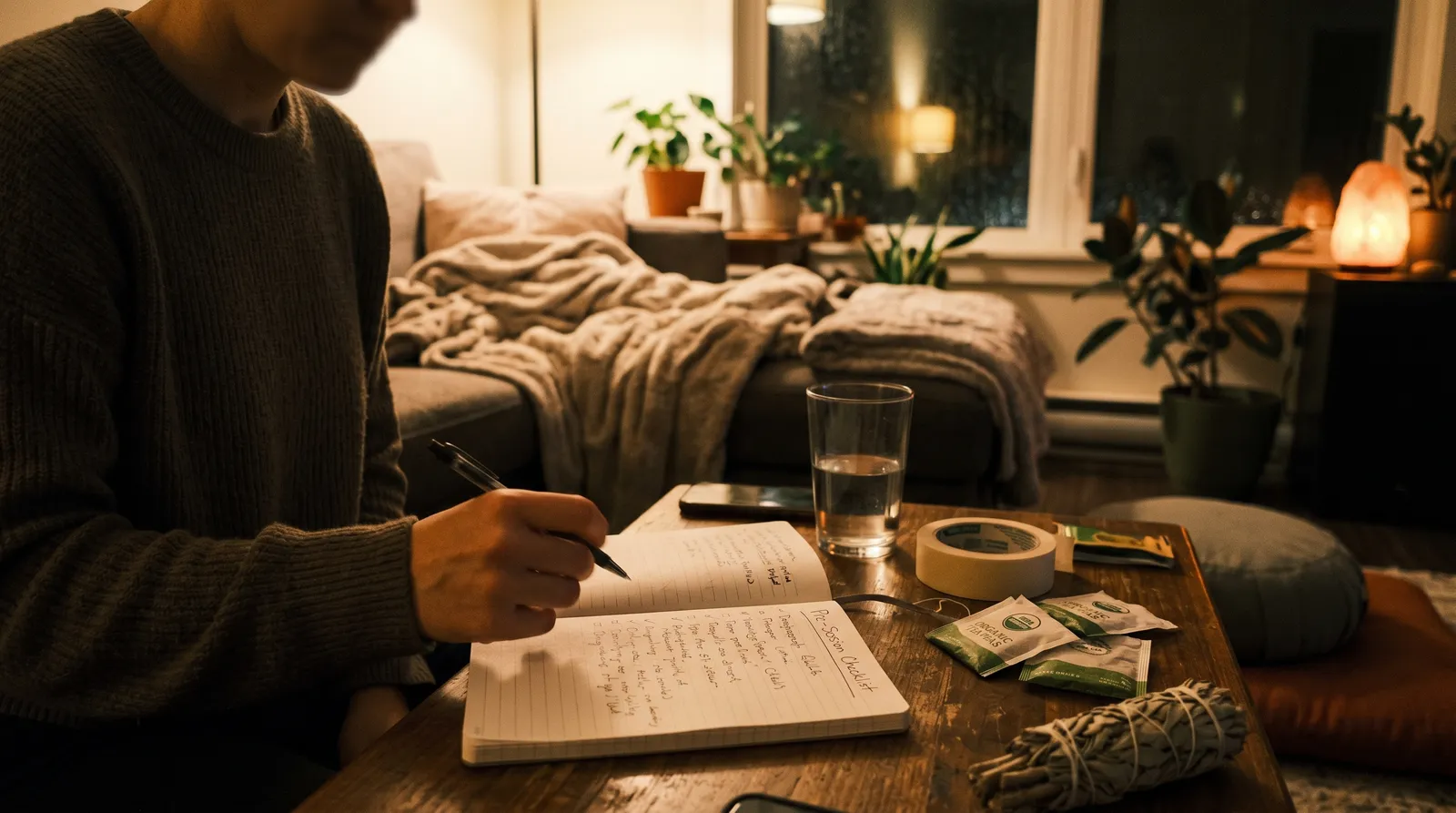
- Journal for 10 minutes. Write down how you're feeling right now, what's weighing on you, and what you're hoping to get from the experience. If the page fills with unresolved conflict, consider postponing.
- Set an intention, not an expectation. An intention is a direction: "I want to explore my relationship with creativity" or "I want to sit with my fear of change." An expectation is a demand: "I want to feel happy" or "I want to solve my career crisis." Intentions give the experience a gentle current. Expectations create resistance when reality doesn't match the script.
- Sleep well the night before. This sounds mundane, but sleep deprivation amplifies anxiety and emotional volatility. A 2017 meta-analysis in Sleep Medicine Reviews linked even one night of poor sleep to a 60% increase in amygdala reactivity — the brain region responsible for threat detection (Ben Simon & Walker, 2018). That's not the neurological state you want to start from.
- Avoid making the decision impulsively. If you only decided to do this an hour ago, you haven't prepared. Give yourself at least a few days between deciding and doing.
Step 2: Choose Your Physical Environment
The ideal physical setting for most people is a private, familiar space where you feel safe and in control — typically your own home. Not a festival. Not a park full of strangers. Not a friend-of-a-friend's flat you've never visited. Familiarity reduces the cognitive load of processing your surroundings, freeing your attention for the internal experience. This is one of the most consistently supported principles in any set and setting guide.

The clinical research supports this strongly. Both MAPS-sponsored MDMA therapy trials and the Imperial College London psilocybin studies used carefully designed rooms with comfortable furniture, soft lighting, curated music, and minimal clinical sterility (Carhart-Harris et al., 2018). The goal was to create an environment that felt warm and living-room-like rather than hospital-like. You can replicate this at home more easily than you might think.
Here's what to prepare:
- Temperature. Slightly warm is better than slightly cool. Your body temperature perception can shift during the experience, and being cold is reliably unpleasant. Have a blanket within reach.
- Lighting. Avoid overhead fluorescent lights. Lamps, candles (safely placed), or fairy lights work well. Daylight is fine if you have curtains to adjust. Many people find the experience intensifies in dim light with eyes closed.
- Sound. Prepare a playlist in advance — at least 5-6 hours of instrumental music for longer experiences, 3-4 hours for moderate sessions. The Johns Hopkins psilocybin playlist is freely available and specifically designed for this purpose. Instrumental music without lyrics tends to work best; lyrics can steer the experience in directions you didn't choose. Have headphones available but don't feel obligated to use them.
- Clutter. A messy, chaotic room can feel oppressive. You don't need to deep-clean, but clear the space you'll be using. Remove anything that might trigger stress — work laptops, unpaid bills on the table, that sort of thing.
- Access to outdoors. A garden, balcony, or nearby quiet green space is a genuine asset. Many people find that a change of scenery — especially into nature — can shift the experience positively if things feel stuck or heavy indoors.
- Phone and screens. Put your phone on aeroplane mode. Notifications from your boss or an ex-partner mid-experience are exactly as disruptive as you'd imagine. If you need the phone for music, disable all notifications first.
| Element | Ideal | Avoid |
|---|---|---|
| Location | Private home, familiar space | Festivals, public spaces, unfamiliar places |
| Lighting | Lamps, candles, fairy lights, adjustable daylight | Overhead fluorescents, harsh LEDs |
| Sound | Instrumental playlist, 4-6 hours long | Lyric-heavy music, TV, random shuffle |
| Temperature | Slightly warm, blankets available | Cold rooms, no layering options |
| Company | Trusted sitter or small group (2-4) | Strangers, large groups, unsupportive people |
| Phone | Aeroplane mode, notifications off | Active notifications, social media access |
Step 3: Choose Your Company Carefully
The people present during your experience are as important as the physical space itself, and in some cases more so. The wrong person in the room — someone you don't fully trust, someone who's in a bad mood, someone who approaches the situation as entertainment — can derail an otherwise well-prepared set and setting guide checklist.
For your first few experiences, consider having a sober sitter: someone who remains unaltered, stays calm, and is there purely to support you. They don't need training (though it helps). They need patience, empathy, and the ability to sit quietly without projecting their own anxiety onto you.
Qualities of a good sitter:
- They're comfortable with silence. Long stretches of it.
- They won't try to "guide" you unless you ask for help.
- They won't take photos, make jokes at your expense, or invite other people over.
- They know the basics: how long the experience lasts, that difficult moments usually pass, and that physical reassurance (a hand on the shoulder, a glass of water) is more useful than words.
- They're sober. A sitter who's also altered is not a sitter.
If you're experienced and choosing to share the experience with others, keep the group small — two to four people maximum. Everyone should be on roughly the same page regarding intention. A 2016 survey of 1,993 individuals by Carbonaro et al. found that challenging experiences were more frequently reported when the social environment felt unsupportive or when participants felt pressured by others present (Carbonaro et al., 2016).
Step 4: Prepare Your Body
Physical preparation directly affects the quality of your experience because your body and mind are not separate systems — they are the same system. Neglecting the physical side is one of the most common mistakes beginners make when following a set and setting guide for the first time.
- Eat lightly. A large meal shortly before can delay onset significantly and increase nausea, particularly with psilocybin-containing truffles or mushrooms. A light meal a few hours before is the standard recommendation across clinical protocols.
- Hydrate. Have water and perhaps some fruit juice readily available. Dehydration can cause headaches that are difficult to distinguish from psychological discomfort during the experience.
- Avoid alcohol. Even a "calming" beer beforehand muddies the experience and can increase nausea. Clinical studies universally exclude alcohol in the period before sessions.
- Wear comfortable clothing. Loose, soft layers. Nothing restrictive. You may want to lie down, stretch, or curl up — your clothes shouldn't fight you.
- Have light snacks available for afterwards. Fruit, nuts, crackers, something simple. You likely won't want to eat during, but afterwards your body will appreciate it.
If you take any regular medication — particularly SSRIs, SNRIs, lithium, or MAOIs — research dedicated interaction resources before proceeding. Some combinations carry serious risks; others simply blunt the effects entirely. Consult a qualified healthcare professional for personalised guidance on any medication interactions.
Set and Setting Compared: Home Alone vs. With a Sitter vs. Group Experience
Different social configurations produce meaningfully different experiences, even when the substance and amount are identical. The following comparison draws on both clinical observations and the collective feedback we've gathered from customers over the years. Understanding these differences is a core part of any thorough set and setting guide.
| Factor | Solo at Home | With a Sober Sitter | Small Group (2-4) |
|---|---|---|---|
| Depth of introspection | Highest — no social processing | High — sitter stays quiet | Moderate — social dynamics present |
| Safety net | Lowest — no external support | Highest — dedicated support person | Moderate — depends on group dynamic |
| Recommended for beginners | No | Yes — clinical gold standard | Only if all members are experienced |
| Social warmth | None | Gentle, one-directional | High — shared bonding potential |
| Risk of derailment | Moderate — no one to ground you | Low | Variable — one anxious person can affect others |
Solo sessions suit experienced individuals who are comfortable navigating difficult moments alone. For anyone following this set and setting guide for the first time, a sober sitter remains the safest and most clinically supported option.
Step 5: Plan the Day After
Integration is the process of making sense of your experience, and it happens primarily in the 24-48 hours afterwards, not during the experience itself. This is the step most people skip, and it's a mistake. Scheduling a work meeting at 8am the next morning is a way to guarantee you'll lose whatever insight the experience offered.

- Keep the next day free. No obligations, no social pressure, no deadlines. Treat it as a recovery day even if you feel fine.
- Journal again. Write down what you remember, what felt significant, what surprised you. Memory of the experience fades faster than you'd expect — within 48 hours, the emotional texture starts to flatten into narrative summary. Capture it while it's fresh.
- Talk to someone. Your sitter, a trusted friend, a partner. Not to analyse or interpret — just to describe. Verbalising the experience helps consolidate it. If you attended a guided session or retreat, many offer integration calls or circles in the days following.
- Don't make major life decisions immediately. The afterglow period can bring genuine clarity, but it can also bring a kind of grandiosity. "I should quit my job and move to Portugal" might be a real insight or it might be post-experience inflation. Give it a week before acting on anything dramatic.
Common Mistakes and How to Avoid Them
The most frequently reported mistakes relate to impatience, poor environment choice, and mixing substances — all of which are preventable with proper set and setting guide principles applied consistently.
- Redosing too early. Onset can take 45-90 minutes depending on stomach contents and individual metabolism. Taking more because "nothing is happening" at the 40-minute mark is how people end up with a much stronger experience than they intended. Patience is essential — wait and allow the full onset window to pass before reassessing your situation.
- Choosing a setting you can't leave. A festival, a boat, a remote cabin with no transport — anywhere you're trapped if you want to change environments. Always have an exit option, even if you don't use it.
- Underestimating the power of music. The wrong playlist can steer the experience into dark territory. Aggressive, lyric-heavy, or emotionally loaded music (your breakup album, for instance) is risky. Stick to instrumental, ambient, or classical for the peak, and save the familiar favourites for the comedown.
- Ignoring your gut feeling. If something feels off — the timing, the people, the place, your own headspace — postpone. There's no penalty for waiting. The substance will still be there next week. A 2018 survey by Haijen et al. found that participants who reported feeling "ready" before the experience had significantly better outcomes than those who felt pressured or ambivalent (Haijen et al., 2018).
- Mixing substances. Cannabis, alcohol, and other psychoactives can unpredictably alter the experience. Clinical protocols use a single substance in a controlled context for good reason. If this is your first or second experience, keep it clean.
What to Buy for Your Set and Setting Preparation Kit
Having the right supplies on hand is a practical part of any set and setting guide checklist. You can order most of these items well in advance so that on the day itself, everything is already in place and you can focus entirely on your mindset.
- A journal and pen. For pre-experience intention-setting and post-experience integration. Digital notes work, but handwriting engages different cognitive processes.
- Herbal tea. Chamomile or valerian tea can help settle pre-experience nerves without interfering pharmacologically. You can get herbal teas from the Azarius herbal tea collection alongside your main order.
- An eye mask. Useful for turning inward during the peak, especially if you can't fully control the lighting. You can buy a sleep mask from most pharmacies or order one online.
- A comfortable blanket. Temperature shifts are common; having a soft blanket within arm's reach is a small thing that makes a big difference.
- Vitamin C supplements or fresh fruit. Commonly kept on hand for the aftercare phase. Orange juice is a classic post-experience comfort.
- Psilocybin truffles. If you're in a jurisdiction where they're available, you can buy psilocybin truffles from the Azarius psilocybin truffle range. Beginners typically start with a milder variety — the product descriptions on each truffle page include experience-level guidance.
If you're also exploring other natural psychoactives, the Azarius smartshop category and the Azarius wiki on psychedelics both offer detailed background reading to help you compare options before you buy. For those interested in relaxation tools to complement their set and setting guide preparation, the Azarius vaporizer collection and the Azarius aromatherapy range are worth browsing as well. You can also get useful context from the Azarius blog on preparation and integration, which covers complementary topics in depth.
What This Guide Cannot Do
No preparation framework — including this one — can guarantee a positive experience. Psychoactive substances are inherently unpredictable, and individual neurochemistry varies enormously. You can do everything in this set and setting guide correctly and still have a challenging time. What thorough preparation does is shift the odds significantly in your favour and give you better tools to navigate difficulty if it arises.
We also cannot account for individual medical conditions, medication interactions, or personal trauma histories. If you have a psychiatric condition or are on medication, a guide on the internet is not a substitute for professional medical advice. Similarly, this guide does not replace the harm reduction information available from organisations like the Trimbos Institute or PsychonautWiki — it complements it.
Finally, reading a set and setting guide is not the same as following one. The value is entirely in the doing: the journalling, the playlist curation, the honest conversation with your sitter, the cleared schedule. Knowledge without action is just trivia.
Last updated: April 2026
Frequently Asked Questions
8 questionsHow far in advance should I prepare set and setting?
Can a bad setting ruin an experience even at a low amount?
What music is best for a psychoactive experience?
Does set and setting matter for microdosing too?
What should a sober sitter actually do during the experience?
Should I journal before or after the experience?
Is it better to do it indoors or outdoors?
How does being alone versus with others change the setting?
About this article


Adam Parsons is an external cannabis and psychedelics writer and editor who contributes to Azarius's wiki as both author and reviewer. On the writing side, he authors Azarius's kratom and kanna clusters, drawing on exten
This wiki article was drafted with AI assistance and reviewed by Adam Parsons, External contributor. Editorial oversight by Joshua Askew.
Medical disclaimer. This content is for informational purposes only and does not constitute medical advice. Consult a qualified healthcare provider before use of any substance.
Last reviewed April 24, 2026
References (8)
- [1]Zinberg, N.E. (1984). Drug, Set, and Setting: The Basis for Controlled Intoxicant Use. Yale University Press.
- [2]Griffiths, R.R. et al. (2011). Psilocybin occasioned mystical-type experiences: immediate and persisting dose-related effects. Psychopharmacology , 218(4), 649–665. DOI: 10.1007/s00213-011-2358-5
- [3]Carbonaro, T.M. et al. (2016). Survey study of challenging experiences after ingesting psilocybin mushrooms. Journal of Psychopharmacology , 30(12), 1268–1278. DOI: 10.1177/0269881116662634
- [4]Carhart-Harris, R.L. et al. (2018). Psilocybin with psychological support for treatment-resistant depression. Psychopharmacology , 235(2), 399–408.
- [5]Ben Simon, E. & Walker, M.P. (2018). Sleep loss causes social withdrawal and loneliness. Nature Communications , 9(1), 3146.
- [6]Haijen, E.C.H.M. et al. (2018). Predicting responses to psychedelics: a prospective study. Frontiers in Pharmacology , 9, 897.
- [7]Carhart-Harris, R.L. et al. (2021). An international Delphi consensus for redefining the set and setting of psychedelic-assisted therapy. Journal of Psychopharmacology , 35(6), 677–688.
- [8]Mitchell, J.M. et al. (2021). MDMA-assisted therapy for severe PTSD: a randomized, double-blind, placebo-controlled phase 3 study. Nature Medicine , 27(6), 1025–1033.
Related Articles
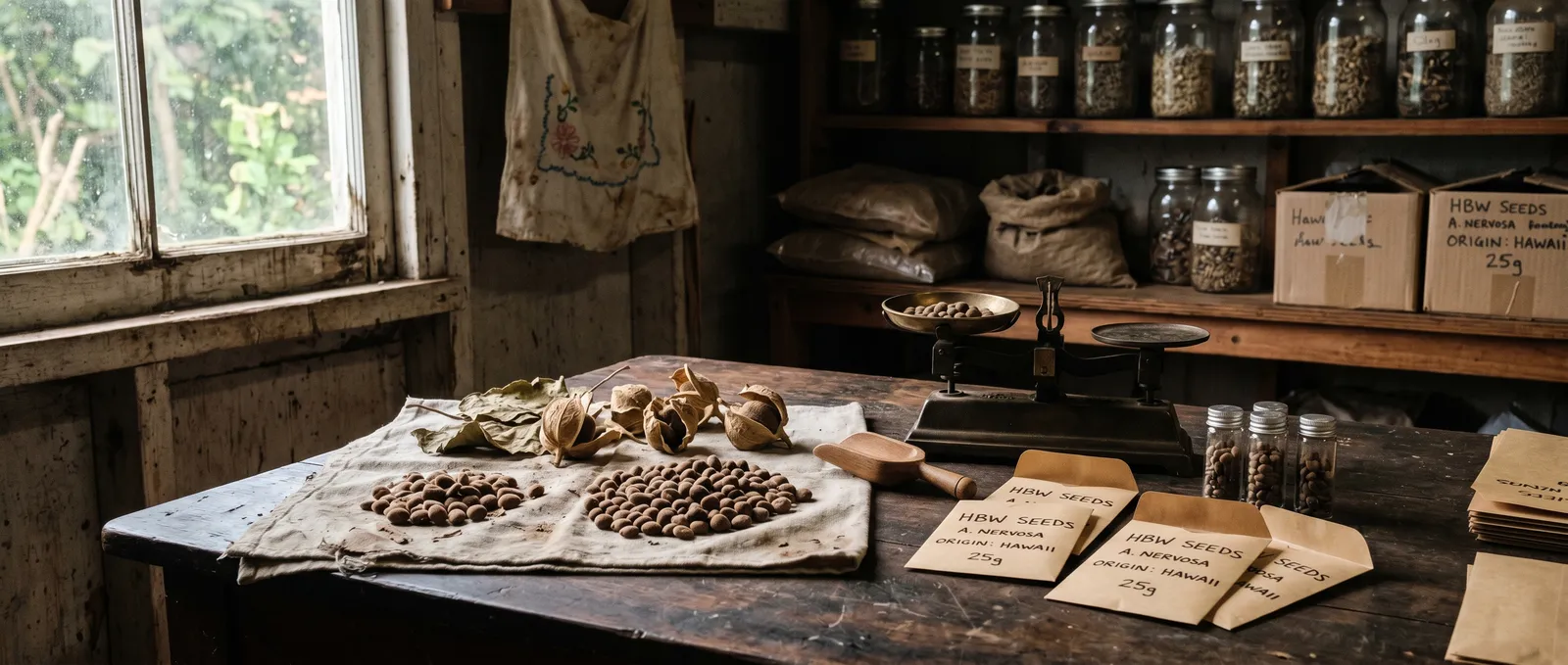
Hawaiian Baby Woodrose Sourcing
Hawaiian baby woodrose sourcing is a practice that covers how to obtain quality Argyreia nervosa seeds — a vine whose seeds contain LSA (lysergic acid amide).
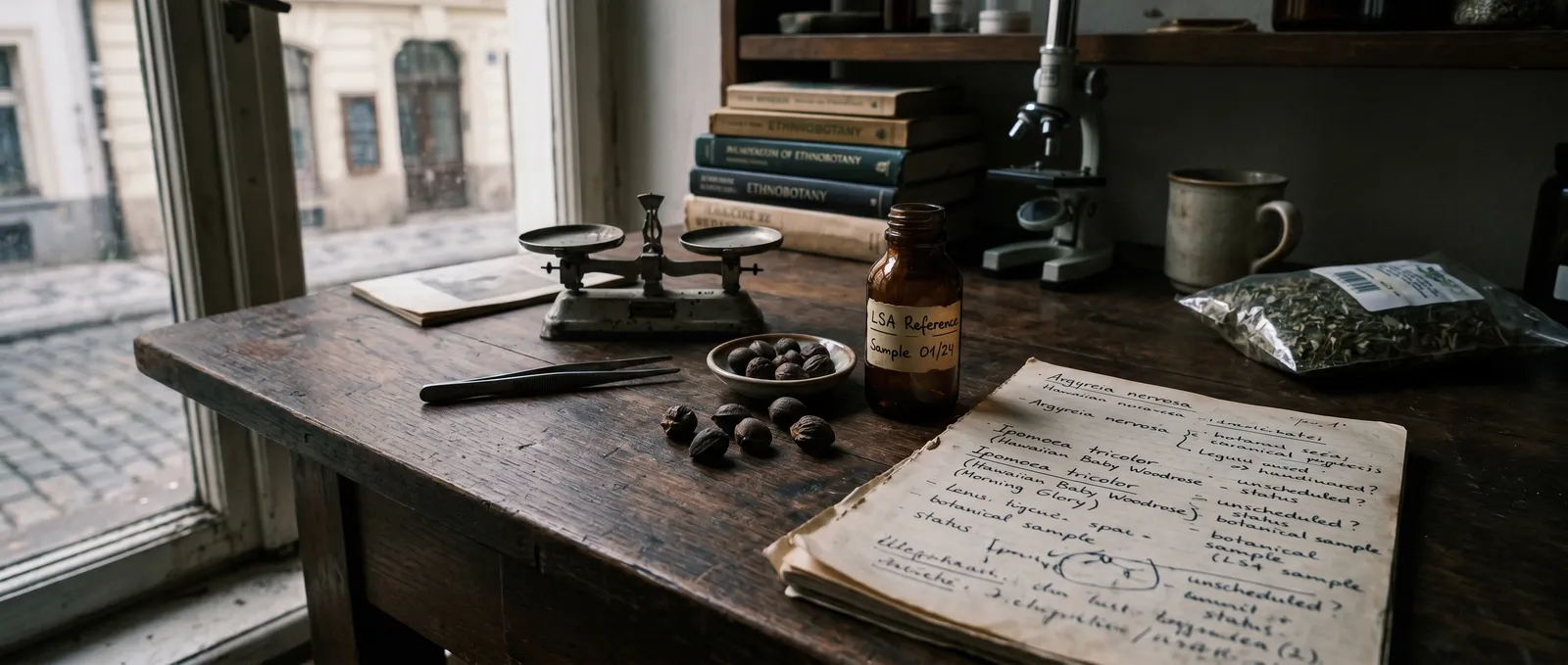
LSA Legal Status in Europe
LSA (lysergic acid amide, or ergine) occupies a legal grey zone across Europe — rarely scheduled as a compound, yet subject to varied NPS legislation that…
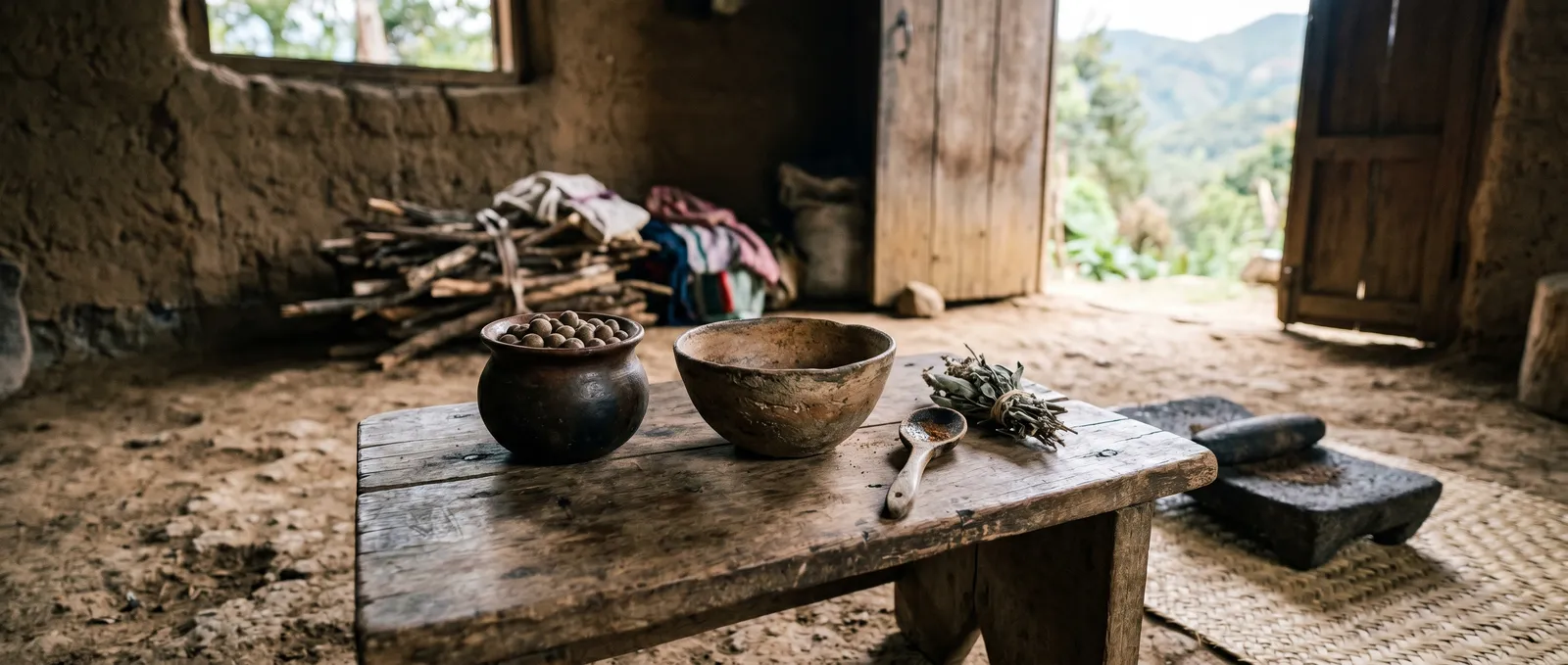
Ololiuqui Mazatec Tradition: Ceremonial Seeds of the Sierra Mazateca
Ololiuqui — the seeds of Turbina corymbosa — played a specific ceremonial role among the Mazatec people of Oaxaca, distinct from their better-known use of…

Morning Glory LSA Plants Family
Morning glory LSA plants family is a group of Convolvulaceae vines whose seeds contain d-lysergic acid amide (ergine), a naturally occurring tryptamine first…

Hawaiian Baby Woodrose Plant Botany
Argyreia nervosa, commonly called Hawaiian baby woodrose, is a perennial climbing vine native to the Indian subcontinent, not Hawai'i.
Magic Truffle Quality Indicators
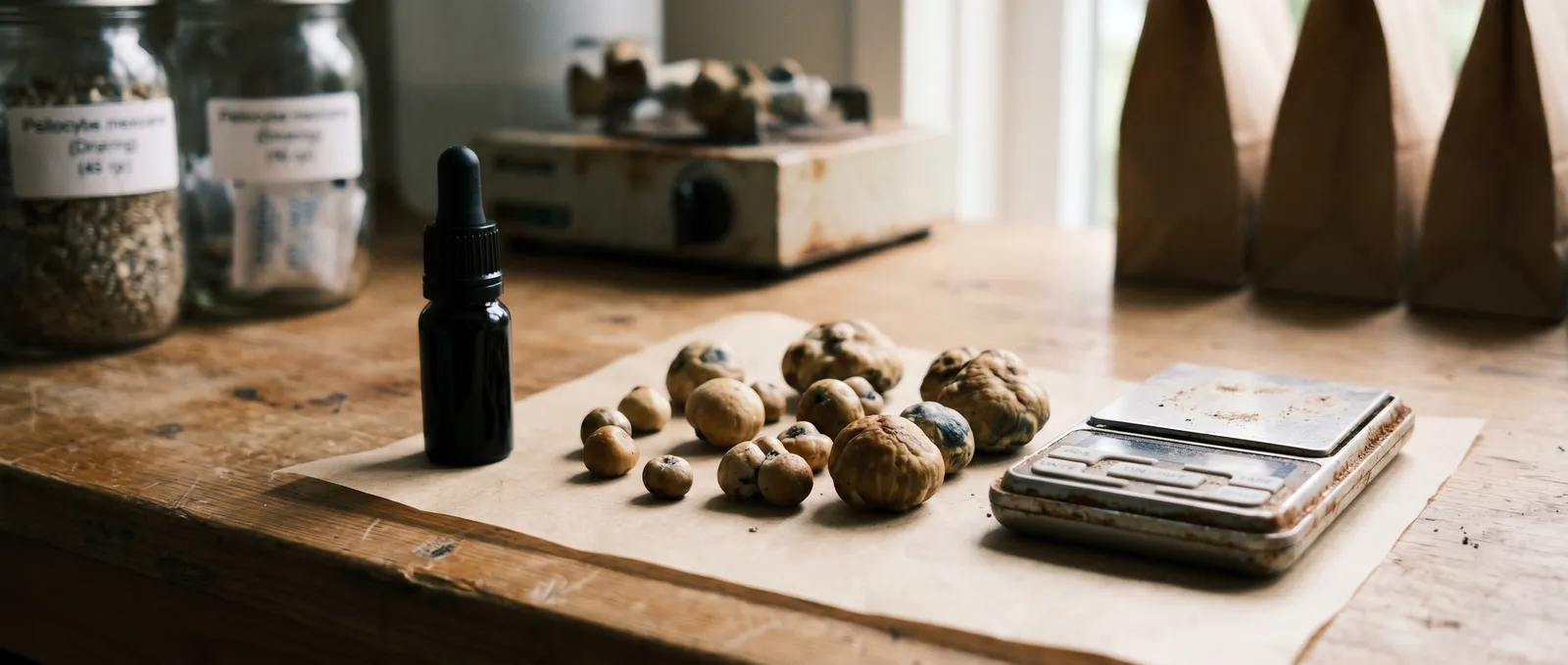
Magic truffle quality indicators are the measurable and sensory characteristics — psilocybin content, texture, aroma, packaging integrity, and storage…

Mescaline Cactus Market Observations
Mescaline cactus market observations is a research and retail term that describes the shifting patterns in sourcing, species selection, and consumption of…

Growing Mescaline Cacti as Ornamental Plants
Growing mescaline cacti ornamental is a horticultural practice that involves cultivating species like San Pedro, Peruvian Torch, and peyote for their…
Commercial Magic Truffle Cultivation
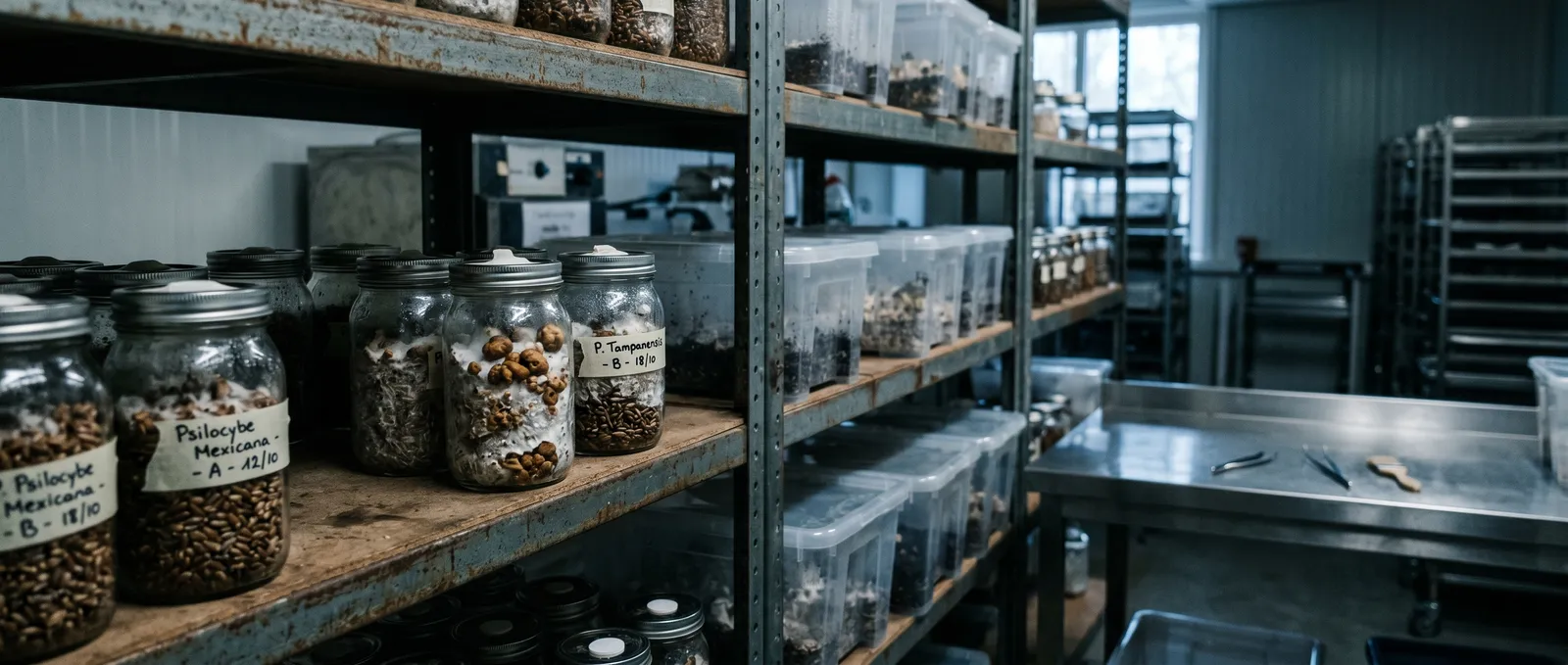
Commercial magic truffle cultivation is a large-scale agricultural process that produces psilocybin-containing sclerotia in climate-controlled indoor…