
This article discusses psychoactive substances intended for adults (18+). If you have a health condition or take medication, consult a doctor before use. Our age policy
Psilocybin vs LSD
Definition
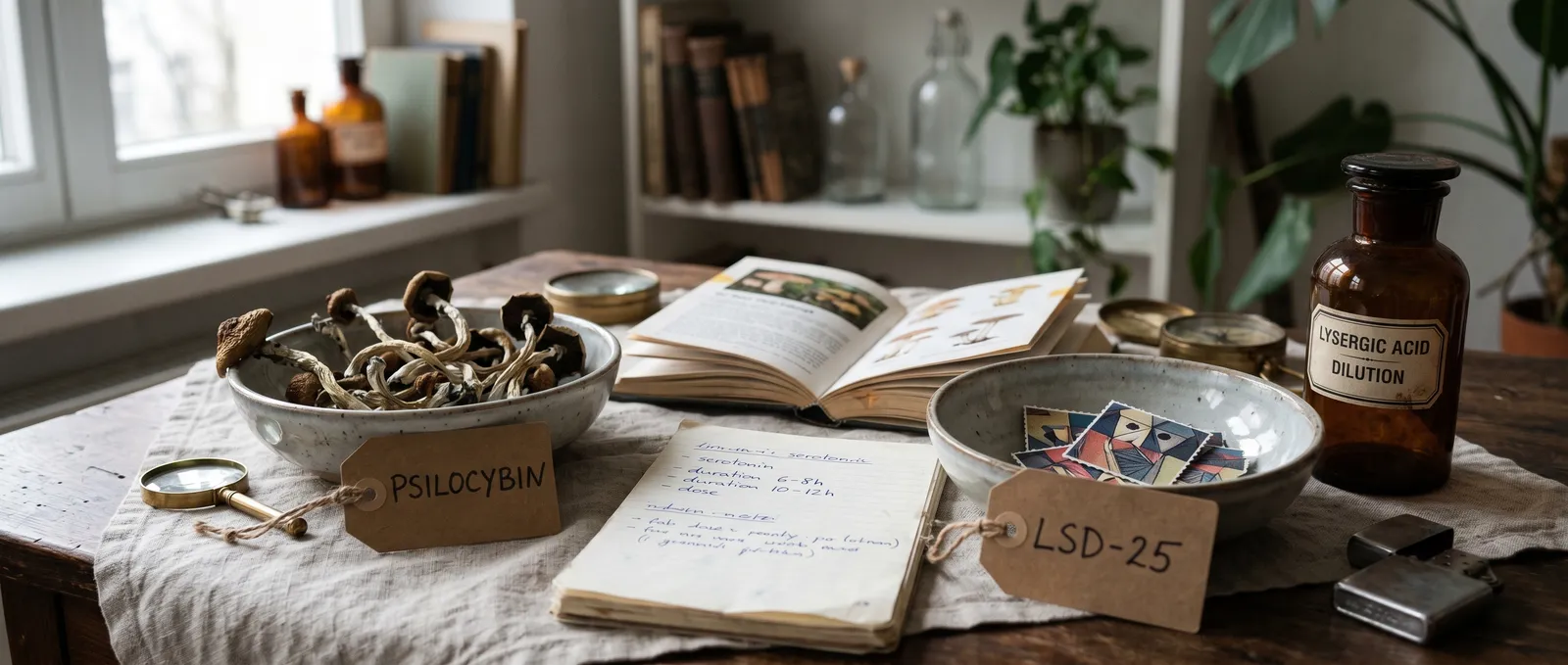
Psilocybin vs LSD is a comparison between two classical serotonergic psychedelics that bind to the 5-HT2A receptor but differ meaningfully in duration, receptor profile, physical effects, and therapeutic research status. This article compares them dimension by dimension using data from the first direct crossover studies.
Psilocybin vs LSD is a comparison between two classical serotonergic psychedelics that bind primarily to the 5-HT2A receptor yet differ meaningfully in duration, receptor profile, physical effects, and therapeutic research status. Placing psilocybin vs LSD side by side reveals that these substances are cousins, not twins — and which one suits a given context depends on specifics that matter more than most people realise. Both produce altered perception, emotional shifts, and changes in cognition, but the practical differences in onset, duration, body load, and research trajectory shape how each one is actually used.
Adult audience (18+). The dosing ranges and effects described in this article apply to adult physiology. This content is not intended for minors.
| Dimension | Psilocybin (via psilocin) | LSD |
|---|---|---|
| Source | Naturally occurring in 200+ fungal species (Psilocybe, Panaeolus, etc.) | Semi-synthetic, derived from ergot alkaloids (Claviceps purpurea) |
| Active form | Psilocin (dephosphorylated in the gut/liver) | LSD itself (no prodrug conversion needed) |
| Primary receptor | 5-HT2A agonist | 5-HT2A agonist + dopamine D2 partial agonist |
| Standard oral dose (research context) | 15–30 mg (pure psilocybin) / roughly 2–5 g dried mushrooms | 100–200 µg |
| Microdose range (community-reported) | ~0.1–0.3 g dried mushrooms (~1–3 mg psilocybin) | ~5–20 µg |
| Onset | 20–60 minutes | 30–90 minutes |
| Duration | 4–6 hours | 8–12 hours |
| Peak | 60–90 minutes after onset | 2–4 hours after onset |
| Blood pressure effect | Greater increase (Holze et al., 2022) | Moderate increase |
| Heart rate effect | Moderate increase | Greater increase (Holze et al., 2022) |
| Cross-tolerance | Yes — full cross-tolerance with LSD | Yes — full cross-tolerance with psilocybin |
| Documented lethal dose | None established in humans | None established in humans |
| Therapeutic trials (as of 2025) | Depression, end-of-life anxiety, addiction, PTSD (Phase II/III) | Anxiety, depression, addiction, cluster headaches (Phase II) |
Pharmacology: Same Receptor, Different Fingerprint
LSD engages a significantly broader receptor profile than psilocybin, and this molecular-level distinction shapes the entire psilocybin vs LSD comparison. Both activate the 5-HT2A serotonin receptor as their primary mechanism, but LSD also engages dopamine D2 receptors and several other serotonin subtypes (5-HT1A, 5-HT2B, 5-HT2C). According to Rickli et al. (2016), LSD shows significant affinity for at least 12 different receptor types, while psilocin's binding profile is narrower and more serotonin-focused.
This matters in practice when weighing psilocybin vs LSD for a specific purpose. The dopaminergic activity of LSD likely contributes to its stimulating quality — users often describe a sharper, more electric headspace compared to the heavier, more body-centred quality of psilocybin. A direct comparison study by Holze et al. (2022), published in Neuropsychopharmacology, administered 100 µg LSD and 20 mg psilocybin to the same 28 participants in a crossover design. Both substances produced comparable mystical-type experiences and ego dissolution at those doses, but LSD scored higher on measures of stimulation and positive mood, while psilocybin produced more pronounced sedation and body-load effects.
One other pharmacological quirk: psilocybin is a prodrug. It has to lose its phosphate group (dephosphorylation, primarily in the gut and liver) to become psilocin, the molecule that actually crosses the blood-brain barrier. LSD needs no such conversion — it's active as-is. This prodrug step is part of why psilocybin's onset is slightly more variable; it depends on gut pH, food intake, and individual liver enzyme activity.
Duration: The Single Biggest Practical Difference
Psilocybin lasts 4–6 hours while LSD lasts 8–12 hours, making duration the most consequential practical difference in the psilocybin vs LSD comparison. If you're evaluating these two substances for any practical purpose — therapeutic, ceremonial, or personal — this is probably the factor that matters most.
The Holze et al. (2022) crossover study measured subjective effects over time and found that psilocybin's effects had largely resolved by the 6-hour mark, while LSD participants still reported significant alteration at 8 hours. LSD's longer half-life (approximately 3.6 hours versus psilocin's roughly 2.5 hours) explains part of this, but LSD also has an unusual binding mechanism — it gets trapped inside the 5-HT2A receptor by a "lid" formed by part of the receptor's extracellular loop, as described by Wacker et al. (2017) in Cell. This molecular lid slows LSD's dissociation from the receptor, physically prolonging its action.
For therapeutic contexts, this duration difference has real implications. A psilocybin-assisted therapy session can fit into a clinical day. An LSD session requires more staff time, more patient endurance, and more scheduling flexibility. This is one reason psilocybin has outpaced LSD in clinical trial adoption — not because it's pharmacologically superior, but because it's logistically easier.
Physical Effects: Blood Pressure, Heart Rate, and Body Load
Psilocybin raises blood pressure more than LSD, while LSD raises heart rate more than psilocybin, according to the only head-to-head crossover study available (Holze et al., 2022). Neither substance is physically dangerous for healthy adults at standard doses — no lethal dose has been established for either in humans.
Specifically, psilocybin (20 mg) increased systolic blood pressure by an average of 17 mmHg, compared to 12 mmHg for LSD (100 µg). LSD increased heart rate by an average of 7 bpm more than psilocybin. Both effects were transient and resolved as the substances wore off. For most people, these numbers are clinically insignificant. For someone with pre-existing cardiovascular conditions, they warrant caution — and a conversation with a medical professional, not a wiki article.
The subjective body experience also differs when comparing psilocybin vs LSD side effects. Psilocybin is frequently described as producing nausea in the first 30–60 minutes, particularly when consumed as dried mushrooms (the chitin in fungal cell walls is hard on the stomach). LSD rarely causes nausea but can produce jaw tension, restlessness, and temperature fluctuation. Both can cause pupil dilation, yawning (psilocybin more so), and mild tremor.
Mental and Emotional Character
LSD tends to produce a more stimulating, visually sharp, and analytically clear experience, while psilocybin leans toward emotional depth, introspection, and bodily immersion. These patterns emerged consistently in the Holze et al. (2022) study across participants who received both substances, though set, setting, dose, and individual neurobiology all exert enormous influence on any given session.
Participants reported sharper geometric patterns on LSD, a greater sense of mental clarity within the altered state, and more energy. Psilocybin sessions leaned toward a quality participants described as "earthy" or "organic." Psilocybin also scored higher on measures of "oceanic boundlessness" — a validated subscale of the Altered States of Consciousness questionnaire that captures feelings of unity and transcendence.
Neither profile is inherently better. The more analytical character of LSD has made it historically popular in problem-solving and creative contexts (the Fadiman protocol for microdosing, for instance, emerged from LSD research in the 1960s). The more emotional, inward-facing character of psilocybin has made it the preferred tool in modern therapeutic settings, particularly for depression and end-of-life anxiety, where emotional processing is the therapeutic goal.
It's worth noting that at equivalent doses, both substances produce statistically similar scores on the Mystical Experience Questionnaire — the standardised measure used in clinical trials to assess "complete" mystical experiences. According to Barrett et al. (2019), published in the Journal of Psychopharmacology, the likelihood of a "complete mystical experience" correlated more strongly with dose and set/setting than with which substance was used. This finding complicates any simple ranking of psilocybin vs LSD based on subjective depth alone.
Tolerance and Cross-Tolerance
Psilocybin and LSD share complete cross-tolerance because both act on the 5-HT2A receptor, where tolerance develops through receptor downregulation (Nichols, 2016). Taking either one again within 3–4 days will produce markedly diminished effects. Full tolerance reset typically takes 10–14 days. Using psilocybin on Monday means LSD on Wednesday will be significantly blunted, and vice versa.

For microdosing, this cross-tolerance is relevant. The common microdosing protocols (Fadiman's every-third-day, Stamets' four-days-on-three-off) were designed around this tolerance curve. Switching between psilocybin and LSD microdoses without accounting for cross-tolerance would undermine the protocol's logic. People who buy microdosing packs — whether psilocybin truffles or other preparations — should keep this cross-tolerance firmly in mind when planning their schedule.
Therapeutic Research: Where Things Stand
Psilocybin leads LSD in the clinical trial pipeline as of 2025, though this advantage is largely logistical rather than pharmacological. Psilocybin has been tested in Phase II and Phase III trials for treatment-resistant depression (COMPASS Pathways), major depressive disorder (Usona Institute), end-of-life anxiety (Johns Hopkins, NYU), alcohol use disorder, and tobacco addiction. The FDA granted psilocybin "Breakthrough Therapy" designation for treatment-resistant depression in 2018.
LSD therapeutic research is smaller in scale but growing. The University of Basel has been running clinical trials on LSD-assisted therapy for anxiety and depression since the early 2010s. MindMed's Phase IIb trial for generalised anxiety disorder using LSD (Project Lucy) reported positive results in 2023. A head-to-head clinical trial comparing the acute effects of LSD, psilocybin, and mescaline (the LPM study, registered on ClinicalTrials.gov) is currently recruiting participants at the University Hospital Basel — one of the first rigorous three-way comparisons of classical psychedelics.
RAND Corporation's 2025 survey data found psilocybin to be the most commonly used psychedelic in the United States, with LSD ranking second. This mirrors the therapeutic research pattern: psilocybin has become the default "first psychedelic" in both clinical and non-clinical contexts, though whether this reflects genuine pharmacological preference or simply greater cultural familiarity and shorter duration remains an open question that the LPM study may help answer.
Safety and Interactions
Both psilocybin and LSD have excellent physiological safety profiles at standard doses, with no documented lethal dose in humans for either substance. The EMCDDA's 2023 drug profiles classify both as serotonergic hallucinogens with low toxicity. The primary risks are psychological: anxiety, panic, confusion, and — in rare cases — prolonged psychological distress, particularly at high doses or in unsupported settings.
Both interact dangerously with lithium (risk of seizures) and have diminished effects when combined with SSRIs or antipsychotics. MAOIs intensify and prolong psilocybin's effects dramatically (ayahuasca works on this principle) and can produce dangerous serotonergic effects with LSD. For a full breakdown, see the dedicated Azarius wiki article on psychedelic drug interactions.
We should be transparent about the limits of the psilocybin vs LSD safety data: most studies involve healthy volunteers screened for cardiovascular and psychiatric conditions. How these substances interact with the full range of human health profiles is still not well characterised. If you have pre-existing conditions, the responsible move is to consult a healthcare professional — not to extrapolate from a 28-person crossover study.
Microdosing: Psilocybin vs LSD
LSD microdoses offer more precise dosing than psilocybin mushrooms, though standardised psilocybin truffle preparations are closing that gap. The psilocybin vs LSD microdosing question comes down to consistency, duration of subtle effects, and personal preference. LSD microdoses (5–20 µg) tend to produce a slightly more stimulating, focus-oriented shift that lasts 8–10 hours at sub-perceptual levels. Psilocybin microdoses (0.1–0.3 g dried mushrooms, or roughly 1–3 mg psilocybin) tend toward a warmer, more grounded quality that fades within 4–5 hours.
For people exploring psilocybin microdosing, the Azarius smartshop offers microdosing packs with standardised psilocybin truffle portions — these remove much of the dosing guesswork that comes with weighing out dried mushrooms yourself. You can order microdosing packs in several truffle varieties, each with a slightly different alkaloid profile and character. The Microdosing XP pack, for instance, is one of the most popular options for people new to structured microdosing protocols.
Choosing Between Psilocybin and LSD
There is no universal winner when comparing psilocybin vs LSD — the better choice depends entirely on context, duration preference, and individual response. Psilocybin offers a shorter, often more emotionally immersive experience that's easier to fit into a structured day. LSD offers a longer, more stimulating session with a broader receptor profile. For therapeutic contexts, psilocybin's shorter duration and larger evidence base give it a practical edge. For microdosing, LSD's more precise dosing (a defined microgram amount on blotter versus variable alkaloid content in plant material) appeals to people who want consistency — though standardised psilocybin preparations are narrowing that gap.
If you're looking to get started with psilocybin, you can buy magic truffles, get grow kits, or order microdosing packs from the Azarius smartshop — these offer standardised options for exploring psilocybin in a structured way. The Azarius smartshop catalogue also carries a range of ethnobotanicals and herbal supplements worth exploring alongside the psilocybin vs LSD comparison. For those interested in growing their own mushrooms, the Azarius grow kit selection provides several Psilocybe cubensis varieties suited to different experience levels.
We should be honest about the limits of what we know: the research directly comparing psilocybin vs LSD head-to-head is still thin. The Holze et al. (2022) study is the best direct comparison we have, and it involved 28 participants. That's solid pharmacology but limited generalisability. The Basel LPM trial should add substantially to this picture when results are published. Until then, anyone claiming definitive superiority for either substance is outrunning the data.
Last updated: April 2026
Frequently Asked Questions
10 questionsDoes psilocybin or LSD have a stronger effect on blood pressure?
Do psilocybin and LSD have cross-tolerance?
Why is psilocybin used more than LSD in clinical trials?
Which produces more nausea — psilocybin or LSD?
How do the subjective effects of psilocybin and LSD differ?
Can you switch between psilocybin and LSD microdoses?
How long does an LSD trip last compared to psilocybin?
Why does LSD feel more stimulating than psilocybin?
Which lasts longer, a psilocybin or LSD trip?
Is it safe to combine psilocybin and LSD in the same session?
About this article

Adam Parsons is an external cannabis and psychedelics writer and editor who contributes to Azarius's wiki as both author and reviewer. On the writing side, he authors Azarius's kratom and kanna clusters, drawing on exten
This wiki article was drafted with AI assistance and reviewed by Adam Parsons, External contributor. Editorial oversight by Joshua Askew.
Medical disclaimer. This content is for informational purposes only and does not constitute medical advice. Consult a qualified healthcare provider before use of any substance.
Last reviewed April 24, 2026
References (7)
- [1]Barrett, F.S. et al. (2019). "Classic Hallucinogens and Mystical Experiences: Phenomenology and Neural Correlates." Journal of Psychopharmacology , 33(9), 1090–1100.
- [2]Holze, F. et al. (2022). "Direct Comparison of the Acute Effects of Lysergic Acid Diethylamide and Psilocybin in a Double-Blind Placebo-Controlled Study in Healthy Subjects." Neuropsychopharmacology , 47, 1180–1187. DOI: 10.1038/s41386-022-01297-2
- [3]Nichols, D.E. (2016). "Psychedelics." Pharmacological Reviews , 68(2), 264–355.
- [4]RAND Corporation (2025). "Psilocybin Was the Most Used Psychedelic in 2025." RAND Research Brief.
- [5]Rickli, A. et al. (2016). "Receptor Interaction Profiles of Novel Psychoactive Tryptamines Compared with Classic Hallucinogens." European Neuropsychopharmacology , 26(8), 1327–1337. DOI: 10.1016/j.euroneuro.2016.05.001
- [6]Wacker, D. et al. (2017). "Crystal Structure of an LSD-Bound Human Serotonin Receptor." Cell , 168(3), 377–389.
- [7]EMCDDA (2023). Drug Profiles: Psilocybin and LSD. European Monitoring Centre for Drugs and Drug Addiction.
Related Articles
Hawaiian Baby Woodrose Sourcing
Hawaiian baby woodrose sourcing is a practice that covers how to obtain quality Argyreia nervosa seeds — a vine whose seeds contain LSA (lysergic acid amide).
LSA Legal Status in Europe
LSA (lysergic acid amide, or ergine) occupies a legal grey zone across Europe — rarely scheduled as a compound, yet subject to varied NPS legislation that…
Ololiuqui Mazatec Tradition: Ceremonial Seeds of the Sierra Mazateca
Ololiuqui — the seeds of Turbina corymbosa — played a specific ceremonial role among the Mazatec people of Oaxaca, distinct from their better-known use of…
Morning Glory LSA Plants Family
Morning glory LSA plants family is a group of Convolvulaceae vines whose seeds contain d-lysergic acid amide (ergine), a naturally occurring tryptamine first…
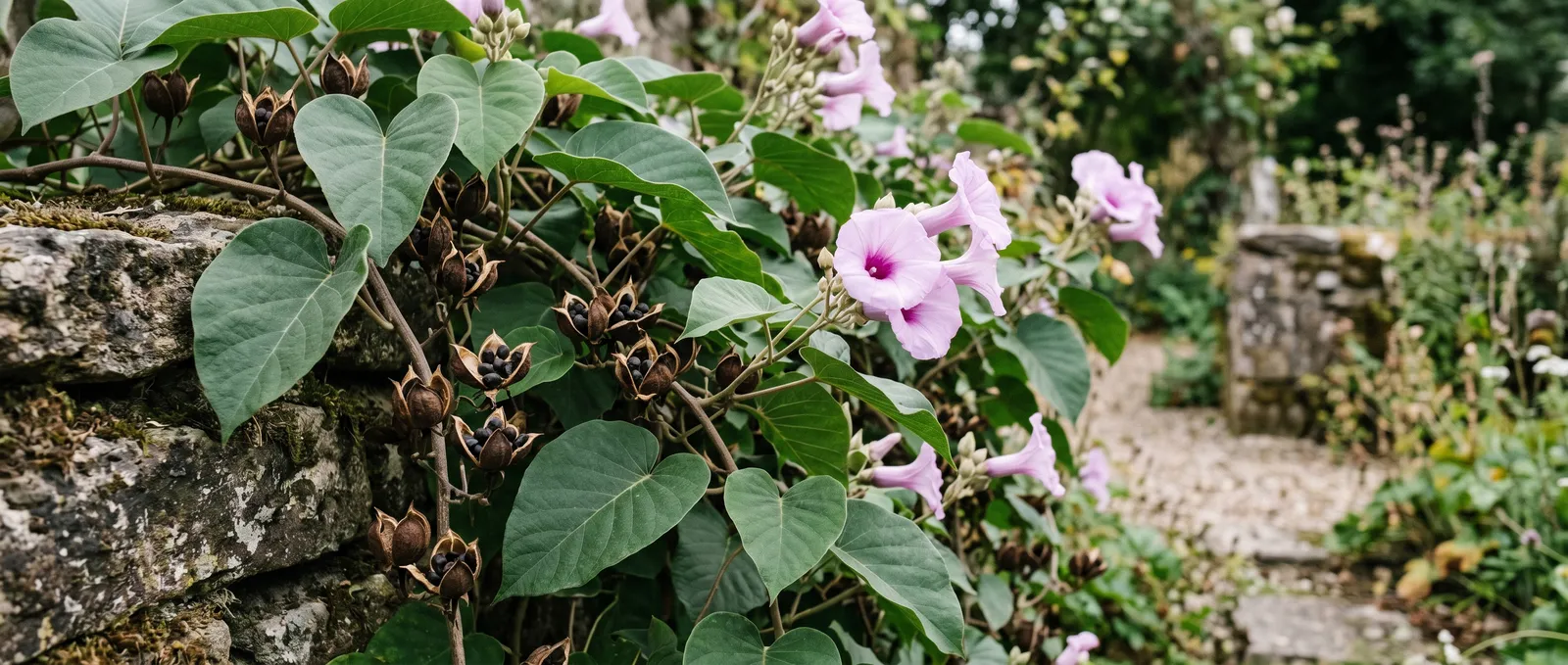
Hawaiian Baby Woodrose Plant Botany
Argyreia nervosa, commonly called Hawaiian baby woodrose, is a perennial climbing vine native to the Indian subcontinent, not Hawai'i.
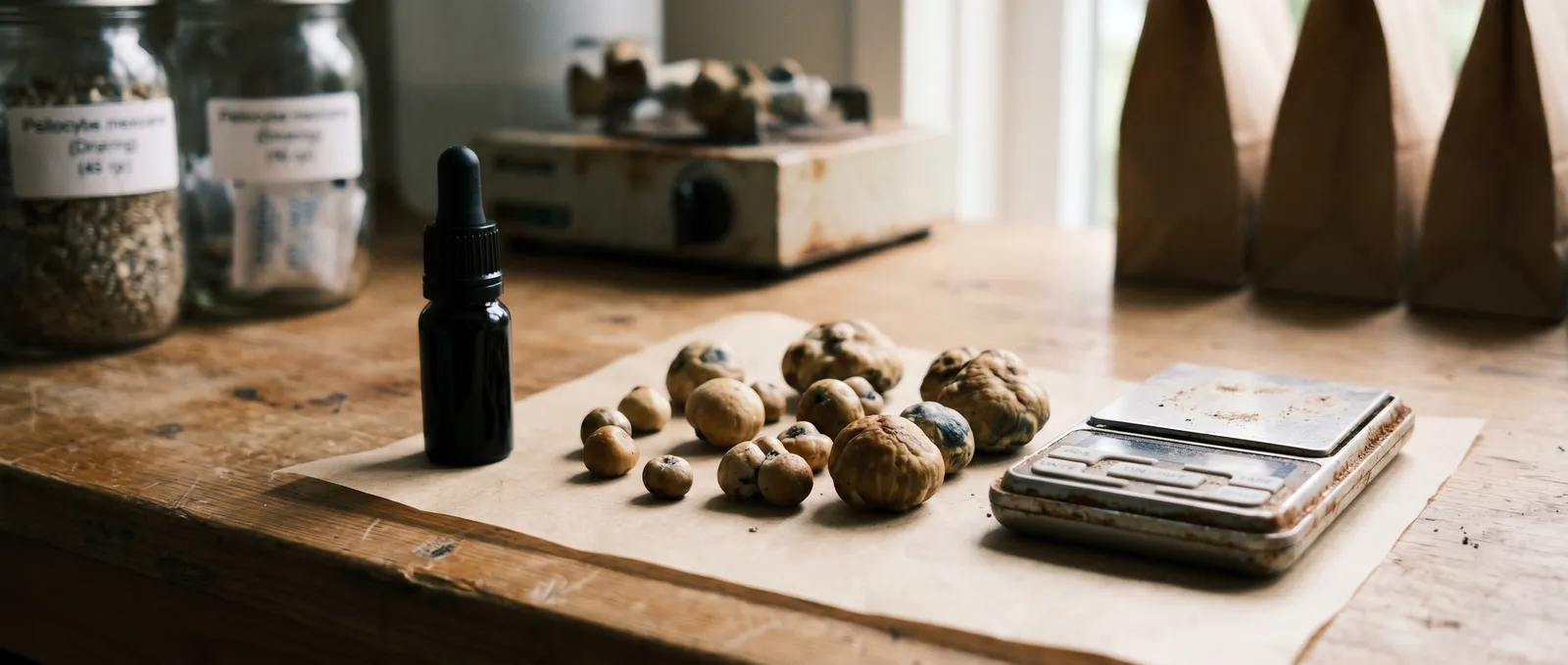
Magic Truffle Quality Indicators
Magic truffle quality indicators are the measurable and sensory characteristics — psilocybin content, texture, aroma, packaging integrity, and storage…
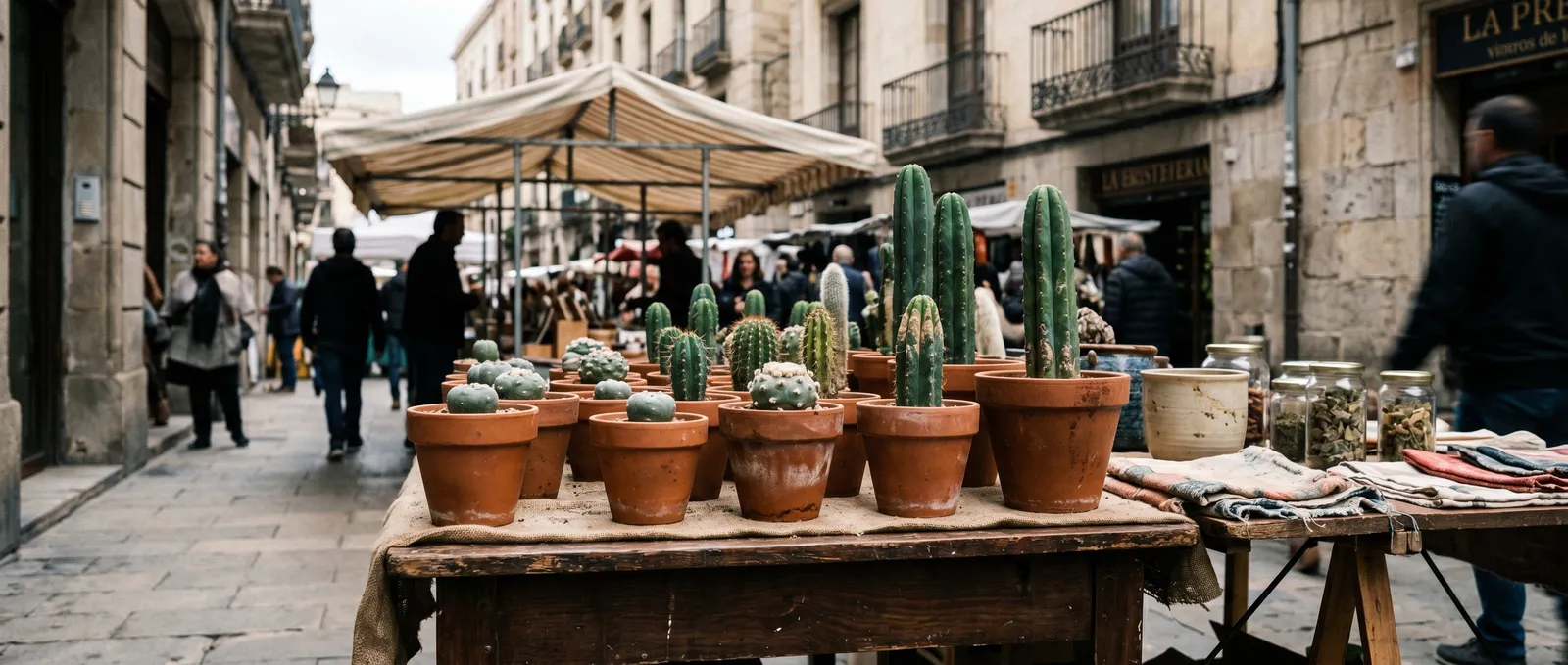
Mescaline Cactus Market Observations
Mescaline cactus market observations is a research and retail term that describes the shifting patterns in sourcing, species selection, and consumption of…
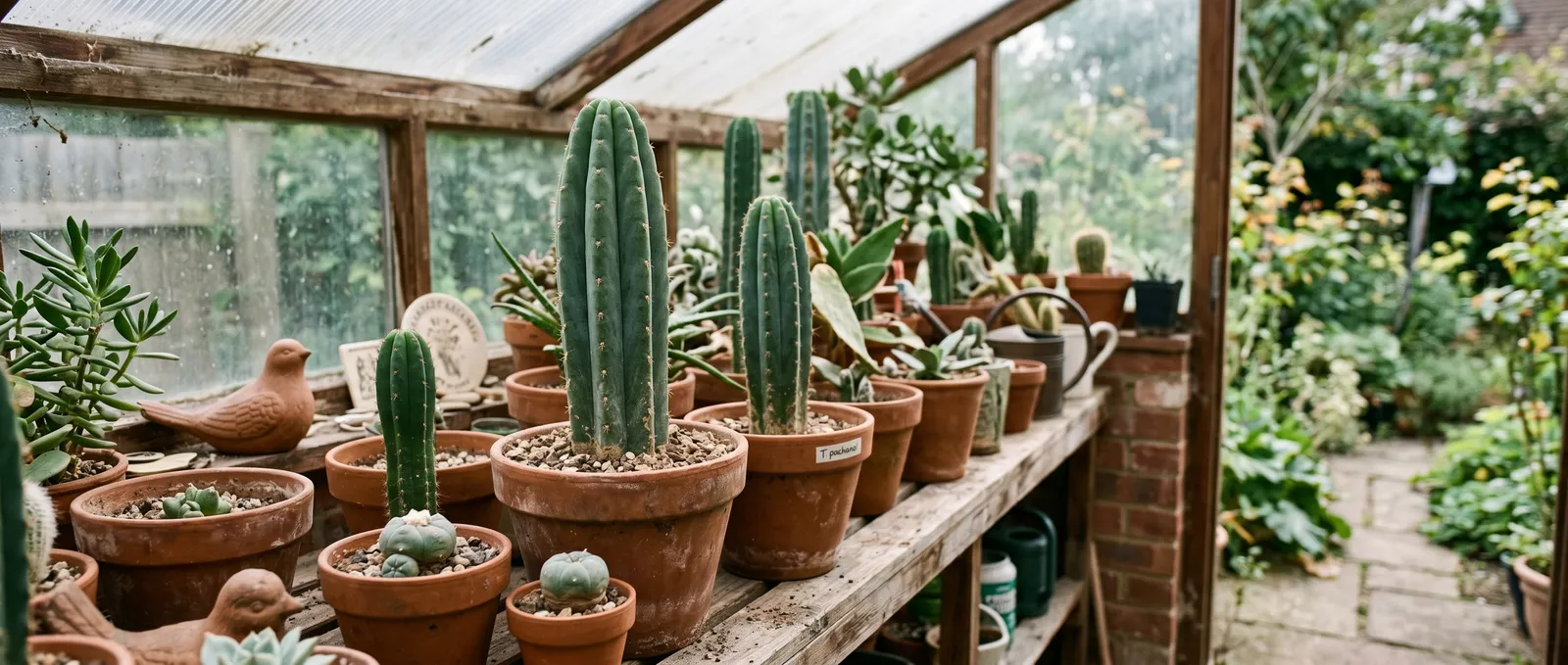
Growing Mescaline Cacti as Ornamental Plants
Growing mescaline cacti ornamental is a horticultural practice that involves cultivating species like San Pedro, Peruvian Torch, and peyote for their…
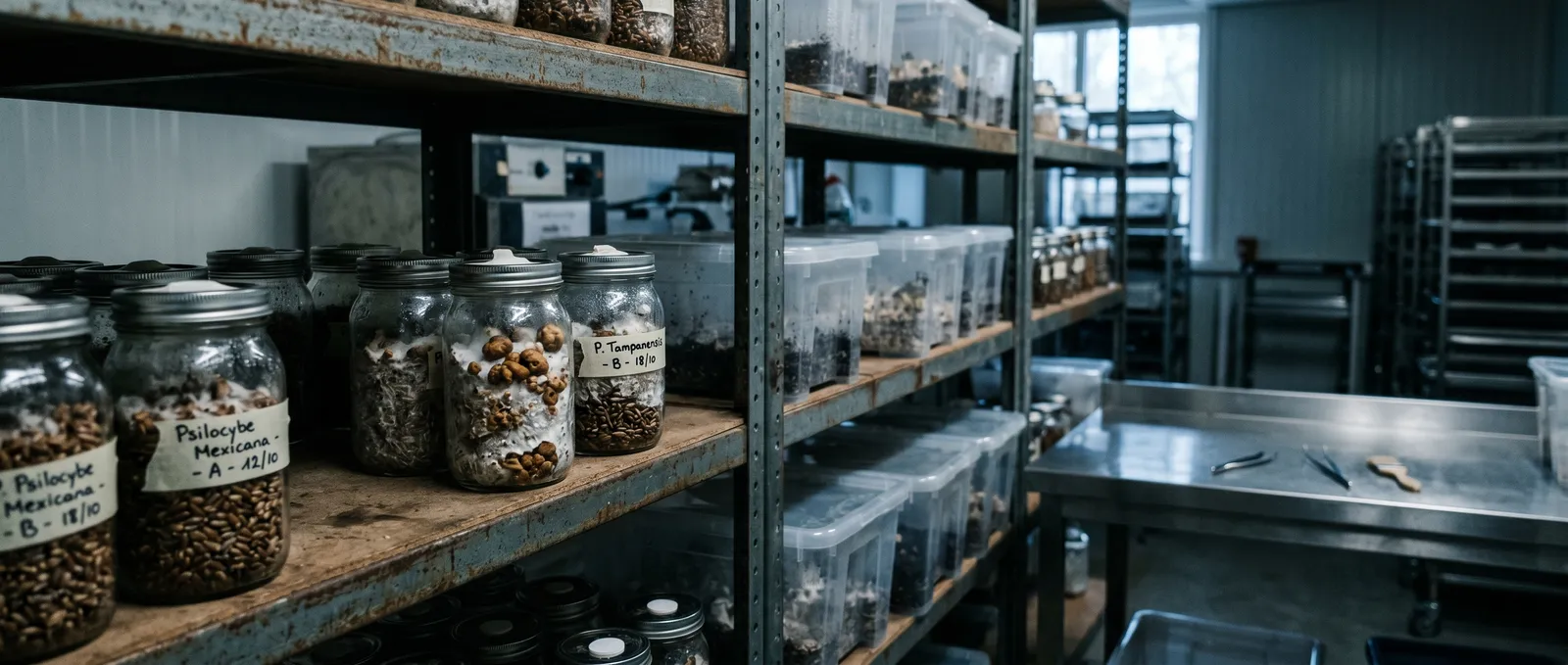
Commercial Magic Truffle Cultivation
Commercial magic truffle cultivation is a large-scale agricultural process that produces psilocybin-containing sclerotia in climate-controlled indoor…