
Cordyceps Militaris vs Sinensis
Definition
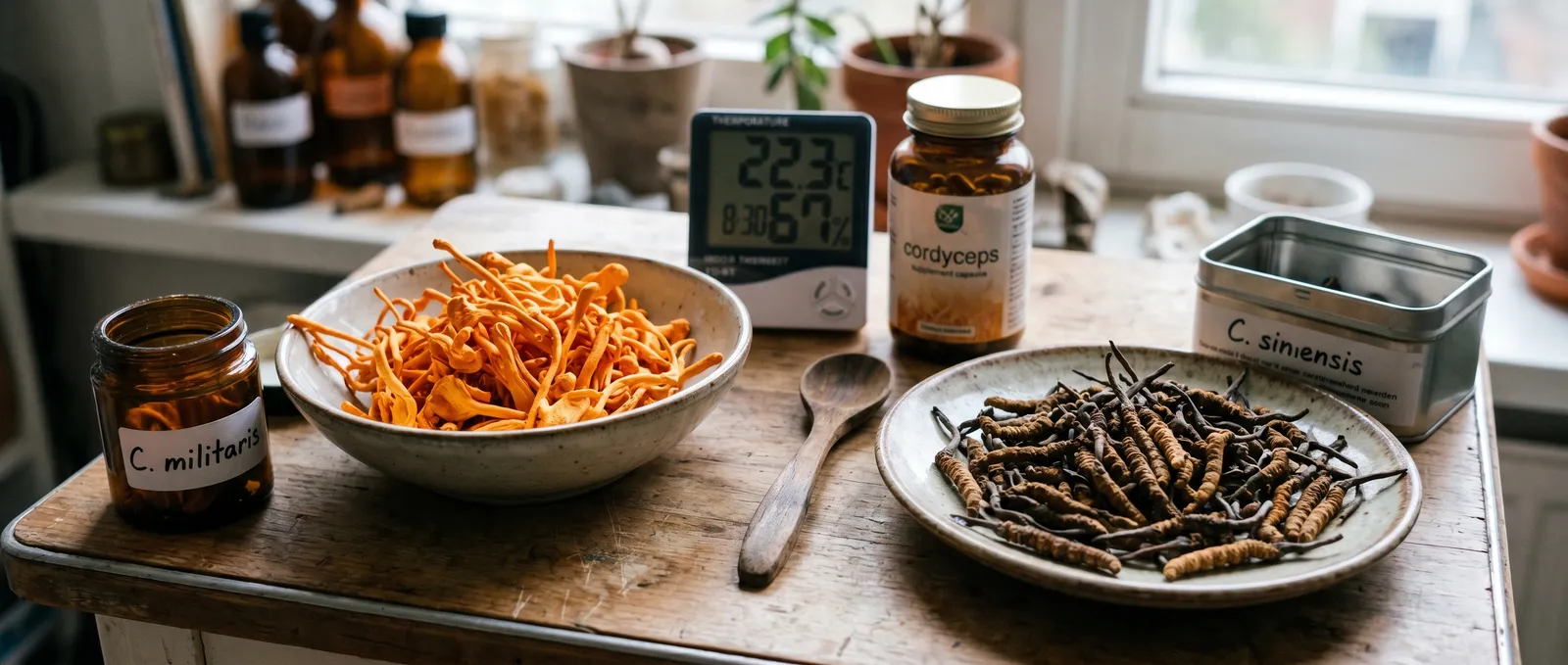
Cordyceps militaris vs sinensis is a comparison between the two most commercially significant species in a genus of roughly 750 parasitic fungi (Shrestha et al., 2012). They share a name and traditional pedigree but differ substantially in chemical profile, cultivability, and price — differences that directly affect what ends up in your supplement capsule.
18+ only — this guide covers bioactive fungal supplements intended for adult use.
Cordyceps militaris vs sinensis is a comparison that defines the modern cordyceps supplement market. Cordyceps militaris vs sinensis is, at its core, a question about two species of entomopathogenic fungi — parasites that colonise insects — that share a genus name and centuries of use in traditional Chinese and Tibetan medicine but differ sharply in habitat, cultivation, chemical profile, price, and what actually ends up inside your capsule. The genus Cordyceps contains roughly 750 species, of which about 35 have been studied for bioactive properties (Shrestha et al., 2012). These two get almost all the attention, and for good reason — they're the ones with real data behind them.
Disclaimer: This article is for informational purposes only and does not constitute medical advice. Cordyceps supplements are not intended to diagnose, treat, cure, or prevent any disease. Always consult a qualified healthcare professional before starting any supplement, especially if you take medication or have a pre-existing health condition. The research cited is largely preclinical; human evidence remains limited for most claimed benefits. The European Monitoring Centre for Drugs and Drug Addiction (EMCDDA) does not classify cordyceps as a controlled substance, but this absence of scheduling should not be confused with regulatory endorsement of health claims.
| Dimension | Cordyceps sinensis | Cordyceps militaris |
|---|---|---|
| Latin name | Ophiocordyceps sinensis (reclassified) | Cordyceps militaris |
| Common names | Caterpillar fungus, yartsa gunbu, dong chong xia cao | Orange torch cordyceps, scarlet caterpillar club |
| Natural habitat | Tibetan Plateau, 3,000–5,000 m altitude | Temperate forests worldwide |
| Host organism | Ghost moth larvae (Thitarodes spp.) | Various lepidopteran larvae and pupae |
| Cultivable on substrate | No (only mycelium fermentation — CS-4) | Yes — fruiting bodies grown on grain or rice |
| Cordycepin content | Trace to undetectable in wild specimens | Up to 8 mg/g in cultivated fruiting bodies |
| Adenosine content | Higher in wild specimens | Present, generally lower than sinensis |
| Polysaccharide profile | Beta-glucans, galactomannans | Beta-glucans, cordyglucans |
| Wild price per kg | USD 20,000–100,000+ | Rarely wild-harvested commercially |
| Supplement form | CS-4 mycelium fermentation extract | Whole fruiting body extract |
| Research volume (PubMed) | Roughly 1,200 papers | Roughly 800 papers (growing faster) |
What actually are cordyceps?
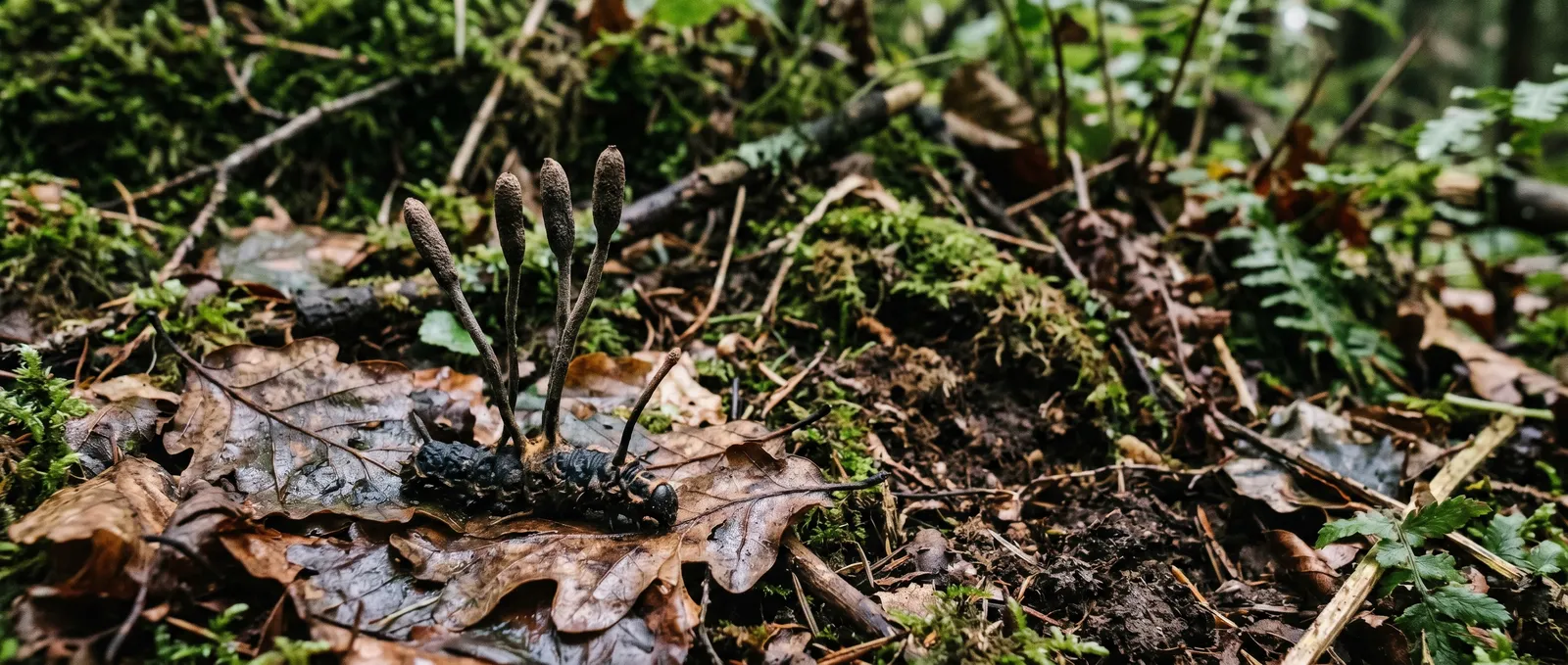
Cordyceps are parasitic fungi that infect arthropod hosts, primarily insect larvae, and eventually sprout a fruiting body from the dead host. The fungal spores land on or are ingested by the host, germinate inside the body, consume the internal tissues, and produce a reproductive structure. It sounds like a horror film, and honestly, it kind of is. The genus was first formally described in Western science in the 18th century, but Tibetan and Chinese medical texts reference caterpillar fungus going back at least to the 15th century.
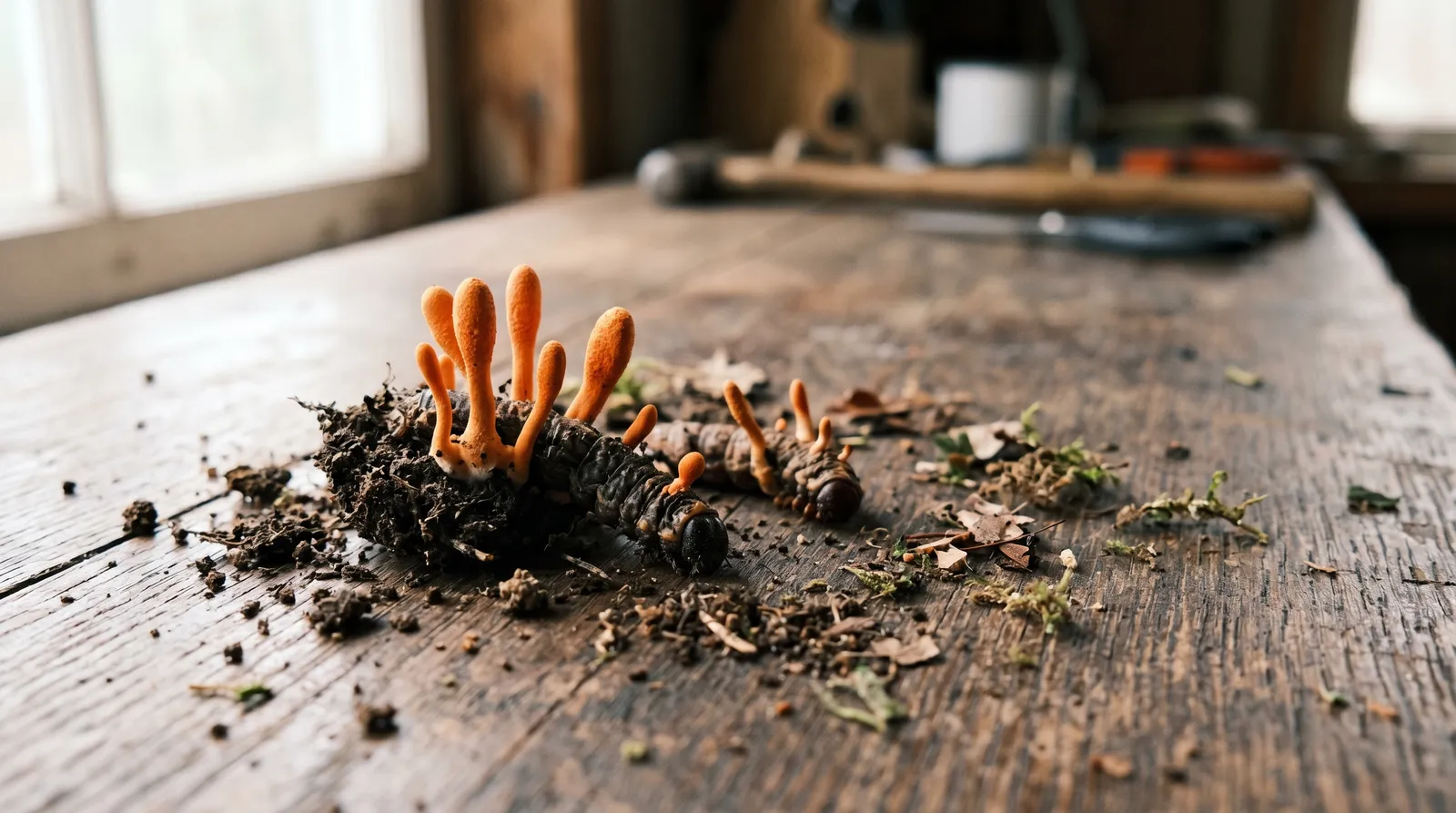
The two species covered here are the most commercially relevant when weighing cordyceps militaris vs sinensis. O. sinensis (still widely called C. sinensis in supplement marketing, despite its 2007 reclassification) is the traditional Tibetan medicine darling. C. militaris is the cultivated workhorse that actually makes it into most cordyceps supplements you can buy or order today.
Sinensis: the caterpillar fungus you almost certainly aren't taking
Wild O. sinensis is virtually absent from the commercial supplement market due to extreme scarcity and cost. It grows exclusively on the Tibetan Plateau and adjacent Himalayan regions at elevations between 3,000 and 5,000 metres. The fungus parasitises larvae of ghost moths (Thitarodes genus), and the resulting dried specimen — larva body with a thin brown stroma poking out of its head — has been traded for centuries. In Tibetan medicine, yartsa gunbu was traditionally used for fatigue, kidney support, and respiratory complaints.
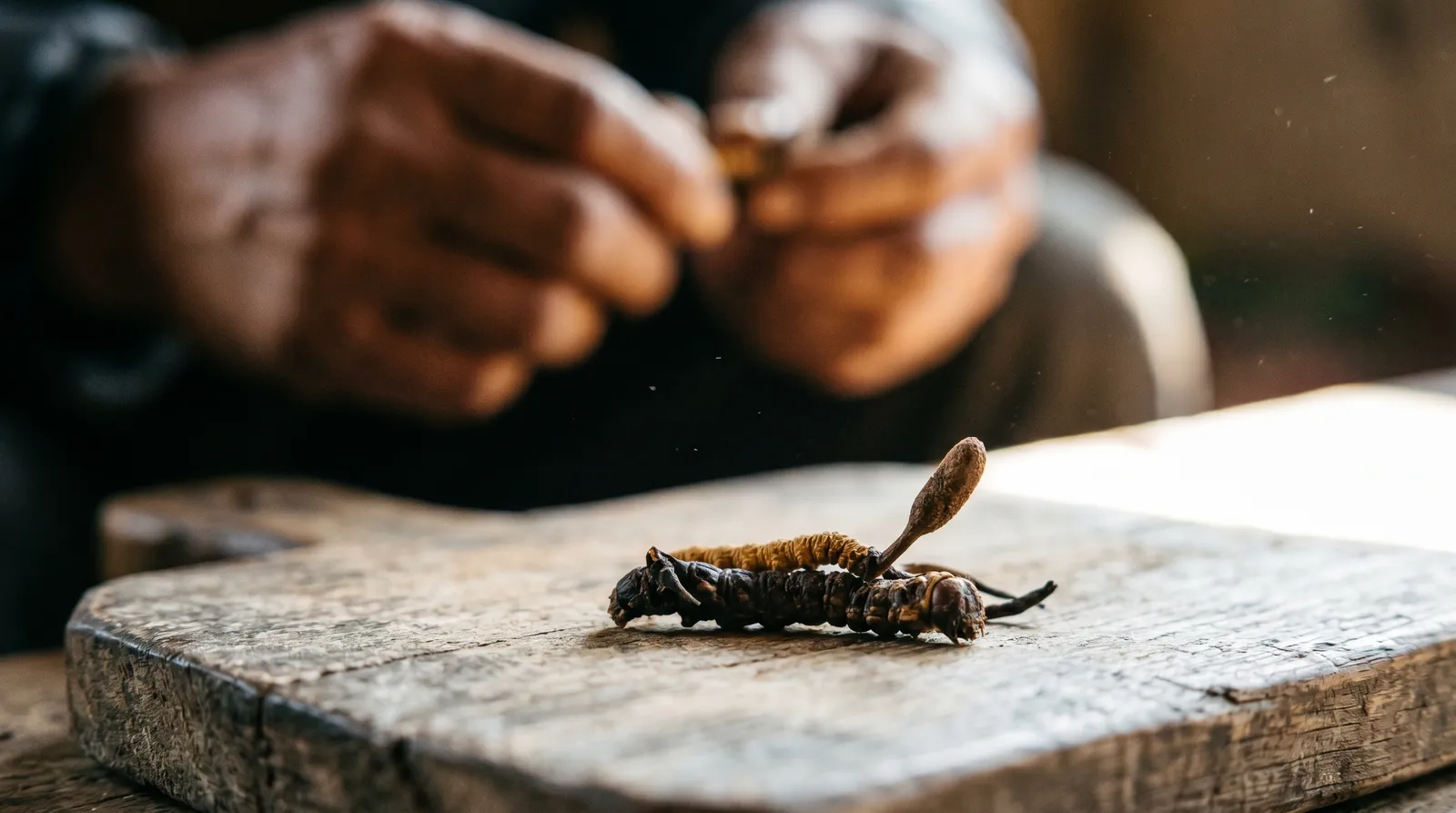
Here's the thing: wild sinensis is absurdly expensive. Market prices in Lhasa and Chengdu regularly exceed USD 30,000 per kilogram, with top-grade specimens fetching over USD 100,000/kg. A 2017 report in the journal Fungal Diversity documented that wild harvest has declined by roughly 50% since the 1990s due to overharvesting and climate change affecting the Tibetan Plateau's alpine meadow ecosystem (Hopping et al., 2018). The species is classified as vulnerable on China's national red list.
Nobody has successfully cultivated the full fruiting body of O. sinensis on an artificial substrate at commercial scale. Every "Cordyceps sinensis" supplement you see on the shelf is actually CS-4 — a mycelium culture (Paecilomyces hepiali or a related anamorph) grown via liquid fermentation on grain or soy substrate. CS-4 was developed by the Chinese Academy of Sciences in the 1980s and has its own body of clinical research, but it's not the same organism as the wild caterpillar fungus. The mycelium and the fruiting body have different chemical profiles. CS-4 tends to be higher in adenosine and polysaccharides but contains little to no cordycepin — the compound that's generated the most pharmacological excitement in recent years.
Militaris: the one that's actually in your supplement
C. militaris is the only Cordyceps species that reliably produces full fruiting bodies on artificial substrate, making it the standard for commercial supplements. It's a cosmopolitan species — it grows on insect pupae in temperate forests across North America, Europe, and Asia. This cultivability means supplement manufacturers can grow actual mushroom tissue, not just mycelium, and standardise the bioactive content. If you order a cordyceps militaris vs sinensis comparison from a quality vendor, militaris fruiting body extract is most likely what you'll get — and for good reason.
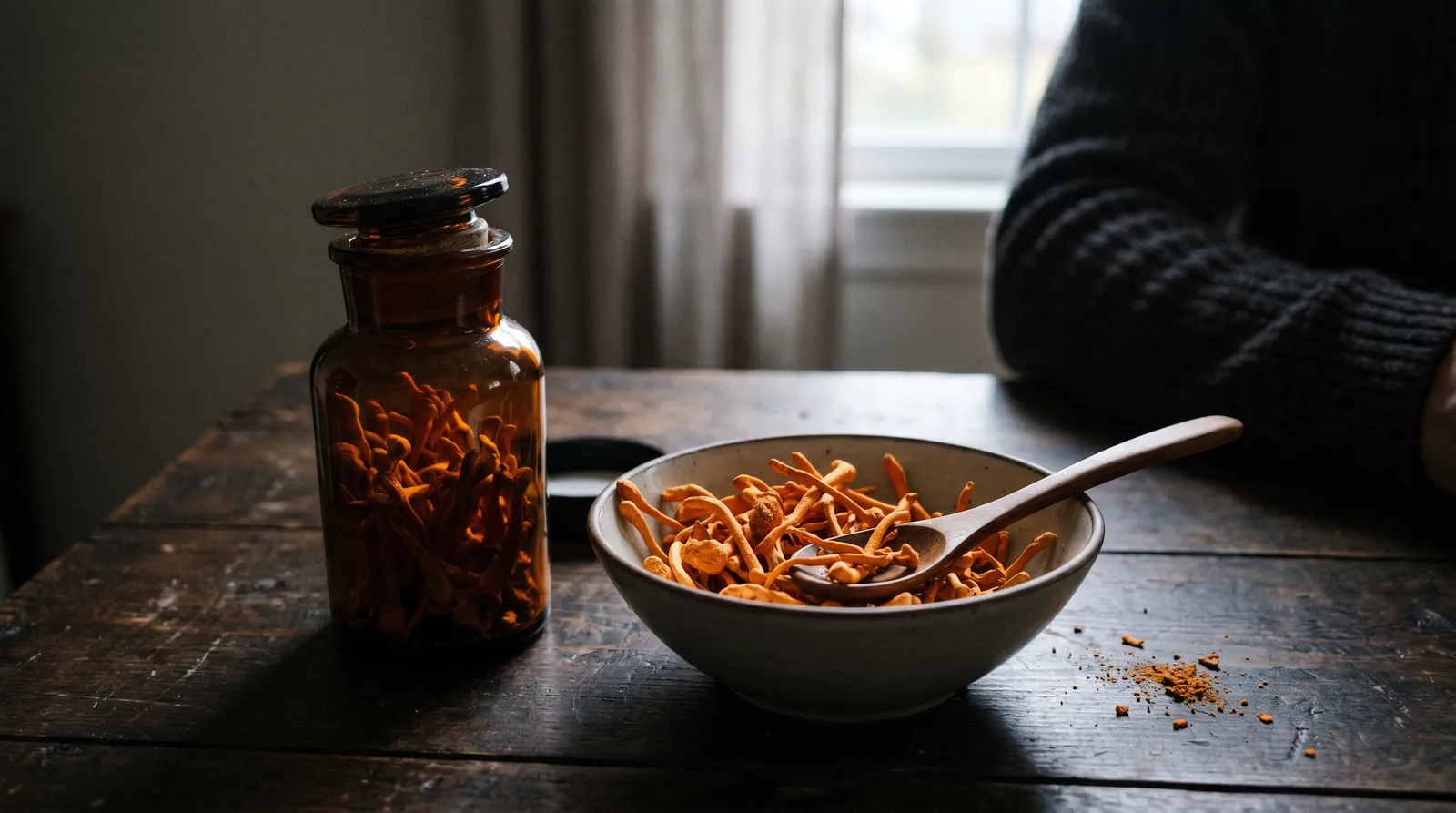
The big headline compound is cordycepin (3'-deoxyadenosine). A 2020 analysis by Das et al. found that cultivated C. militaris fruiting bodies contained cordycepin at concentrations up to 8 mg/g dry weight — roughly 10–100 times higher than what's detected in wild sinensis specimens, where cordycepin is often at trace levels or below detection thresholds (Das et al., 2020). Cordycepin has demonstrated anti-inflammatory, anti-tumour, and immunomodulatory activity in cell and animal models. A 2019 review in Molecules catalogued over 20 distinct pharmacological mechanisms for cordycepin, including inhibition of NF-kB signalling and mTOR pathway modulation (Tan et al., 2019).
Beyond cordycepin, militaris fruiting bodies contain beta-glucan polysaccharides (typically 15–30% by dry weight in quality extracts), adenosine, ergosterol (a vitamin D2 precursor), and various peptides. The polysaccharide fraction appears responsible for much of the immunomodulatory activity observed in research. Zhu et al. (1998) documented that cordyceps polysaccharides enhanced natural killer cell activity and macrophage phagocytosis in murine models.
Bioactive compounds: where the real difference lives
Cordycepin content is the single biggest differentiator between militaris and sinensis supplements. If cordycepin is what you're after — and the anti-inflammatory and anti-tumour research largely centres on this molecule — militaris is the only practical source. CS-4 mycelium contains negligible cordycepin. Wild sinensis contains small, variable amounts.
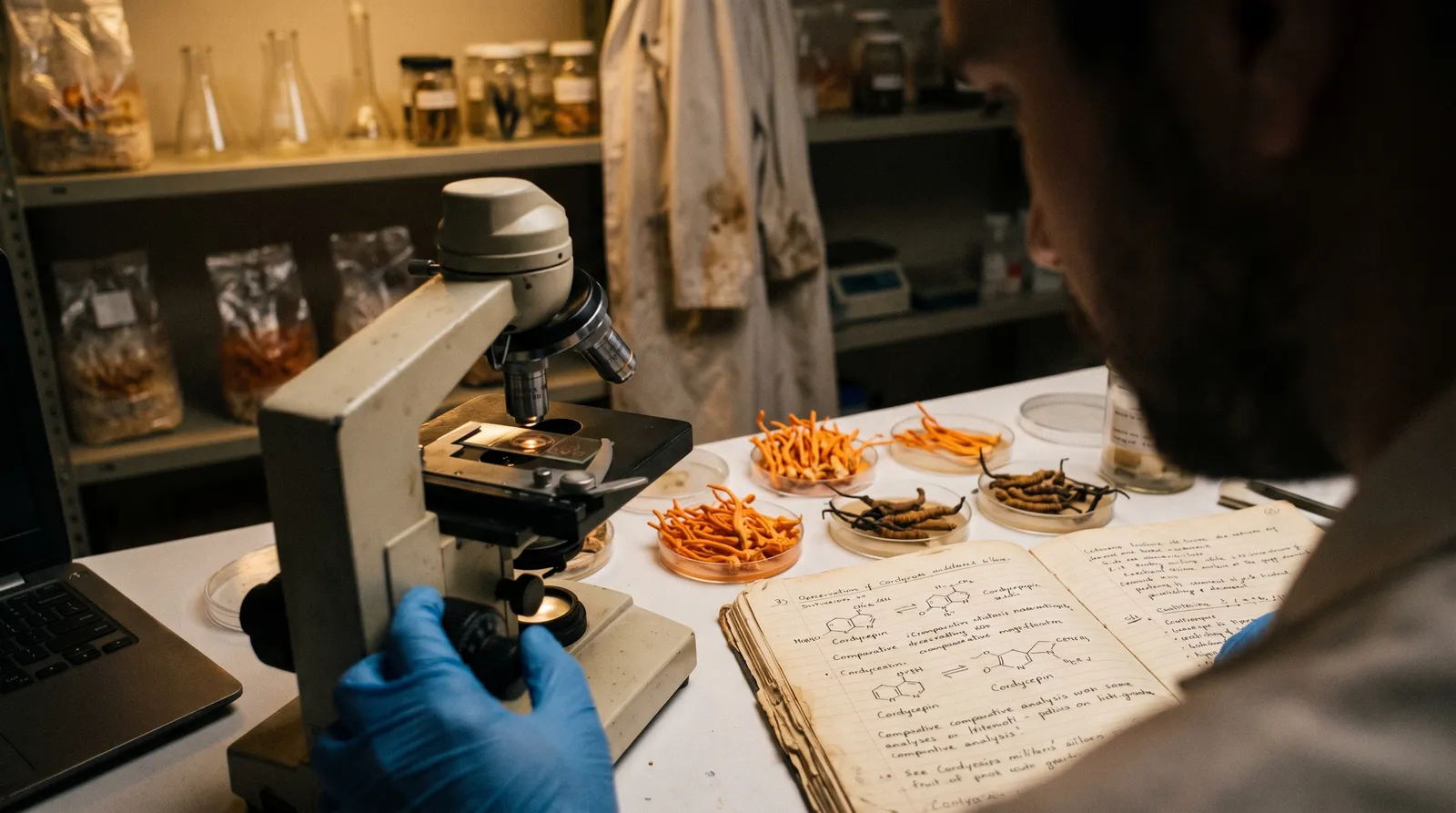
Adenosine: Sinensis (and CS-4) historically shows higher adenosine content. Adenosine is involved in energy metabolism and has vasodilatory effects. The traditional use of sinensis for endurance and altitude adaptation may partly relate to its adenosine profile, though this remains speculative — the clinical evidence for athletic performance enhancement is actually quite thin. A 2016 systematic review by Hirsch et al. found that supplementation with Cordyceps-based products did not significantly improve maximal oxygen uptake (VO2max) in trained athletes, though some benefit was observed in older or untrained populations (Hirsch et al., 2016).
Polysaccharides: Both species produce immunologically active beta-glucans. The specific structures differ — sinensis tends toward galactomannans while militaris produces more glucans — but both activate similar immune pathways. Quantitative comparisons are difficult because extraction methods vary wildly between studies.
Other compounds: Both contain ergosterol, various nucleosides, and small bioactive peptides. Militaris fruiting bodies also contain significant carotenoid pigments (hence the bright orange colour), which have their own antioxidant properties.
CS-4: the third option nobody explains properly
CS-4 is a fermented mycelium product developed as a substitute for wild sinensis, and it occupies a distinct middle ground in the cordyceps militaris vs sinensis debate. CS-4 has been studied in several Chinese clinical trials for respiratory function, kidney health, and fatigue — a 2014 randomised controlled trial by Chen et al. found that CS-4 supplementation (3g/day for 12 weeks) improved oxygen utilisation in elderly subjects compared to placebo (Chen et al., 2014).

The catch: CS-4 products grown on grain substrate inevitably contain significant amounts of starch filler from the substrate itself. Some commercial CS-4 products have been found to contain as little as 30–40% actual fungal biomass, with the rest being residual grain. This doesn't mean CS-4 is worthless — the fermentation does produce bioactive metabolites — but you should know what you're paying for. If a label says "Cordyceps sinensis mycelium" and lists rice or oat as an ingredient, the starch content is probably substantial.
Research status: what's proven and what isn't
Neither species has the kind of large-scale, double-blind, placebo-controlled human trials that would satisfy a European regulatory body. Both species have promising preclinical data, but the gap between cell-culture results and proven human outcomes remains wide — a limitation we think is important to state plainly. The European Food Safety Authority (EFSA) has not approved any health claims for cordyceps products as of early 2026.
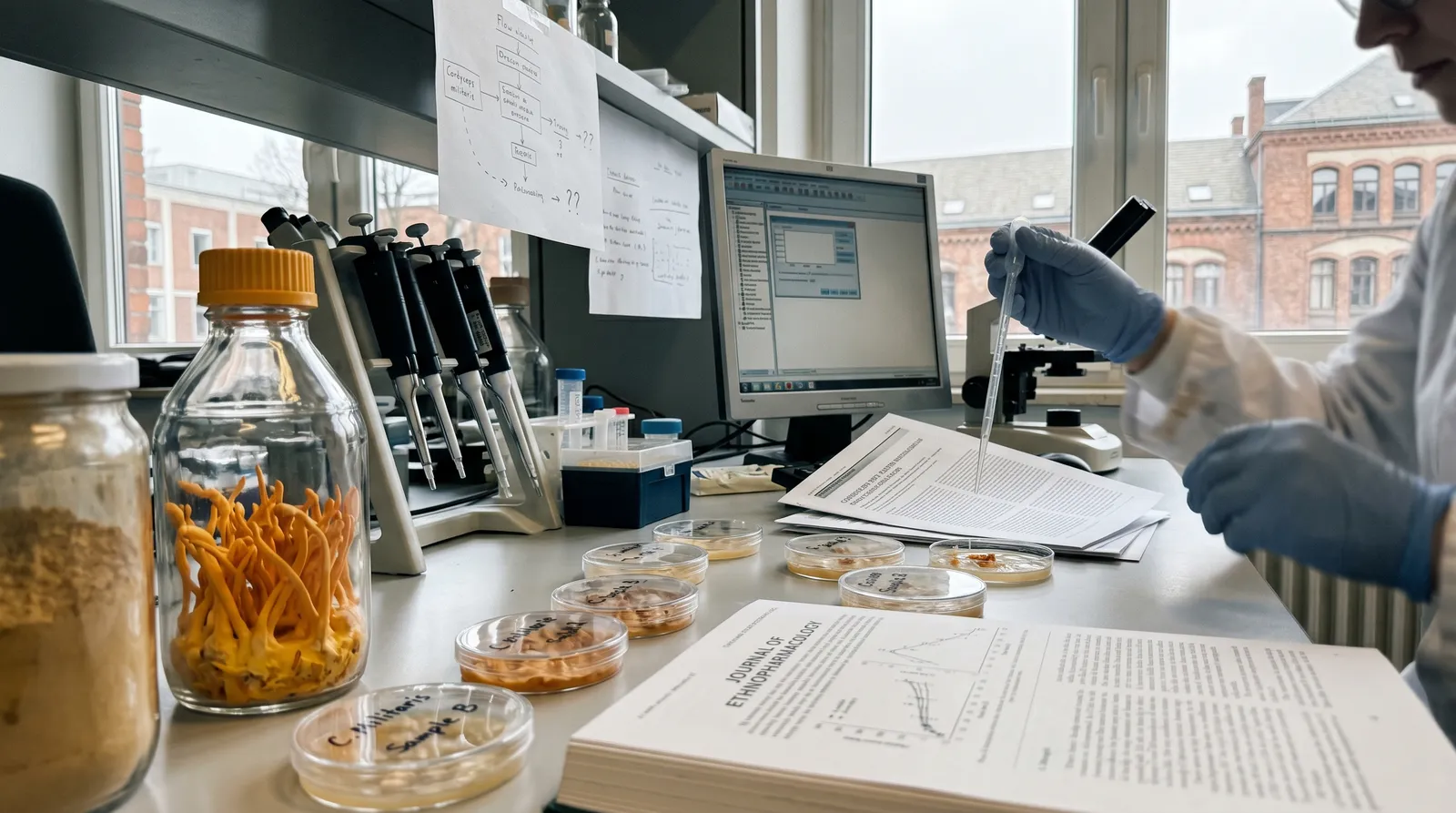
The most robust human data exists for CS-4 in the areas of respiratory function and exercise tolerance in elderly populations. For militaris, the human clinical data is thinner but growing — a 2018 randomised trial by Hirsch et al. found that 28 days of C. militaris supplementation (4g/day of a mushroom blend containing militaris) improved VO2max in younger adults, though the study had a small sample size of 28 participants (Hirsch et al., 2018). Anti-tumour effects, while dramatic in cell culture and animal models, remain unconfirmed in human trials for both species.
The immunomodulatory research is perhaps the most consistent across both species. Cordyceps polysaccharides appear to modulate both innate and adaptive immunity — upregulating natural killer cells and macrophages while also showing some capacity to dampen excessive inflammatory responses (Zhu et al., 1998). Whether this translates to meaningful clinical outcomes in healthy adults taking standard supplement doses is still an open question.
Dosage ranges observed in research
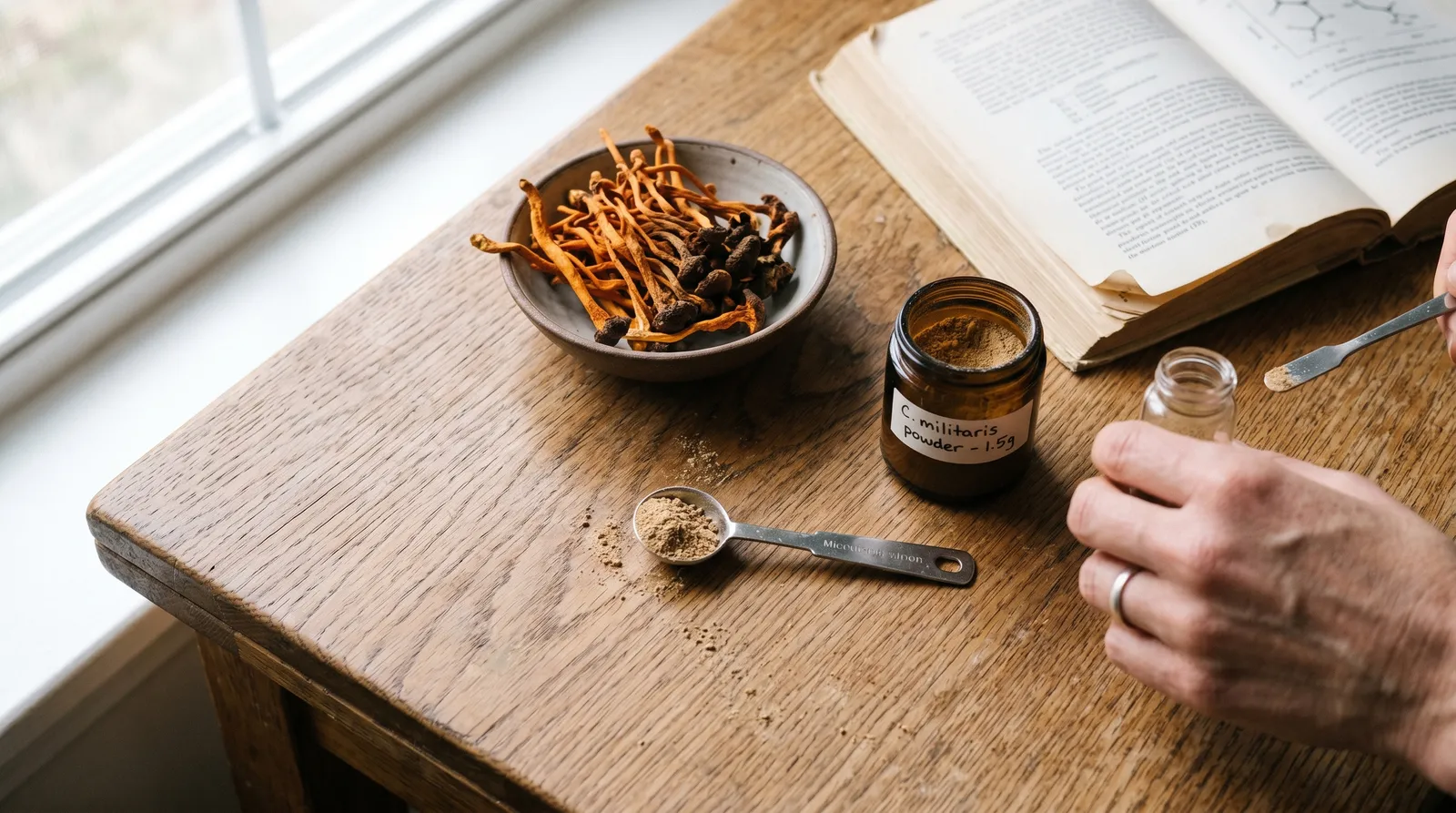
Clinical studies have used dosing protocols ranging from 1g to 4.5g daily, depending on the preparation type. CS-4 studies typically used 3–4.5g of mycelium powder daily. C. militaris studies have used 1–4g of fruiting body powder daily, or standardised extracts delivering specific cordycepin doses. Hot-water or dual-extraction concentrates (common in commercial supplements) are typically dosed at 500mg–2g daily, depending on extract ratio. These are research ranges, not recommendations — the optimal dose for any specific health outcome remains undefined.
Regarding safety, cordyceps supplements are generally well tolerated in studies lasting up to 12 weeks. Reported side effects are mild and infrequent — mainly gastrointestinal discomfort. However, both species may have anticoagulant and hypoglycaemic effects, so anyone taking blood thinners or diabetes medication should be cautious. For a full breakdown of contraindications and medication interactions, see the dedicated cordyceps safety and interactions article on the Azarius encyclopedia.
How to choose a cordyceps supplement: militaris vs sinensis in practice
The practical choice when you buy a cordyceps supplement comes down to what you're optimising for. For cordycepin content — the compound with the broadest pharmacological research — militaris fruiting body extracts are the clear winner. For a product closer to the traditional Tibetan medicine profile (adenosine-rich, polysaccharide-heavy), CS-4 has a longer track record in clinical settings. Wild sinensis is priced out of the supplement market entirely — if someone's selling you "wild Cordyceps sinensis" capsules for a suspiciously low price, they're either lying or selling you something else.
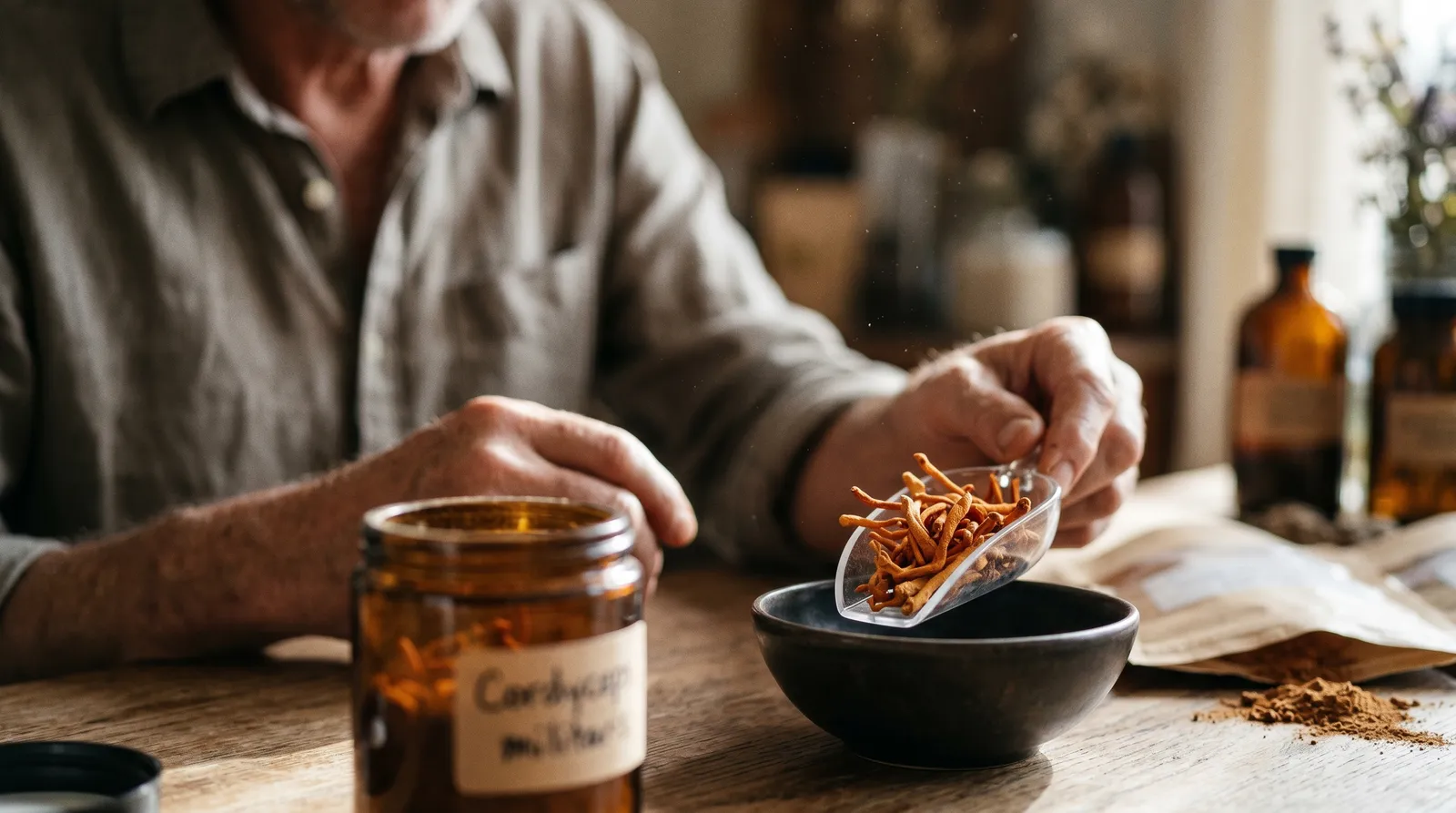
Look for products that specify the species, the part used (fruiting body vs mycelium), and ideally provide a certificate of analysis showing beta-glucan content and cordycepin levels. Anything that just says "Cordyceps" without further detail is a red flag. The Azarius range of cordyceps products, including Cordyceps militaris extract capsules, specifies species and extraction method on every label — that's the baseline you should expect from any vendor.
Quick decision guide: cordyceps militaris vs sinensis
If you want the highest cordycepin content and a genuine fruiting body product, get a cultivated C. militaris extract. If you want a product with more clinical history in respiratory and elderly populations, CS-4 mycelium is reasonable — just understand the starch content trade-off. If you want wild sinensis, you'll need a second mortgage. Both are reasonable options; neither is a magic bullet. The honest position is that cordyceps research is promising but still early-stage for most claimed benefits.
Cordyceps alongside other functional mushrooms
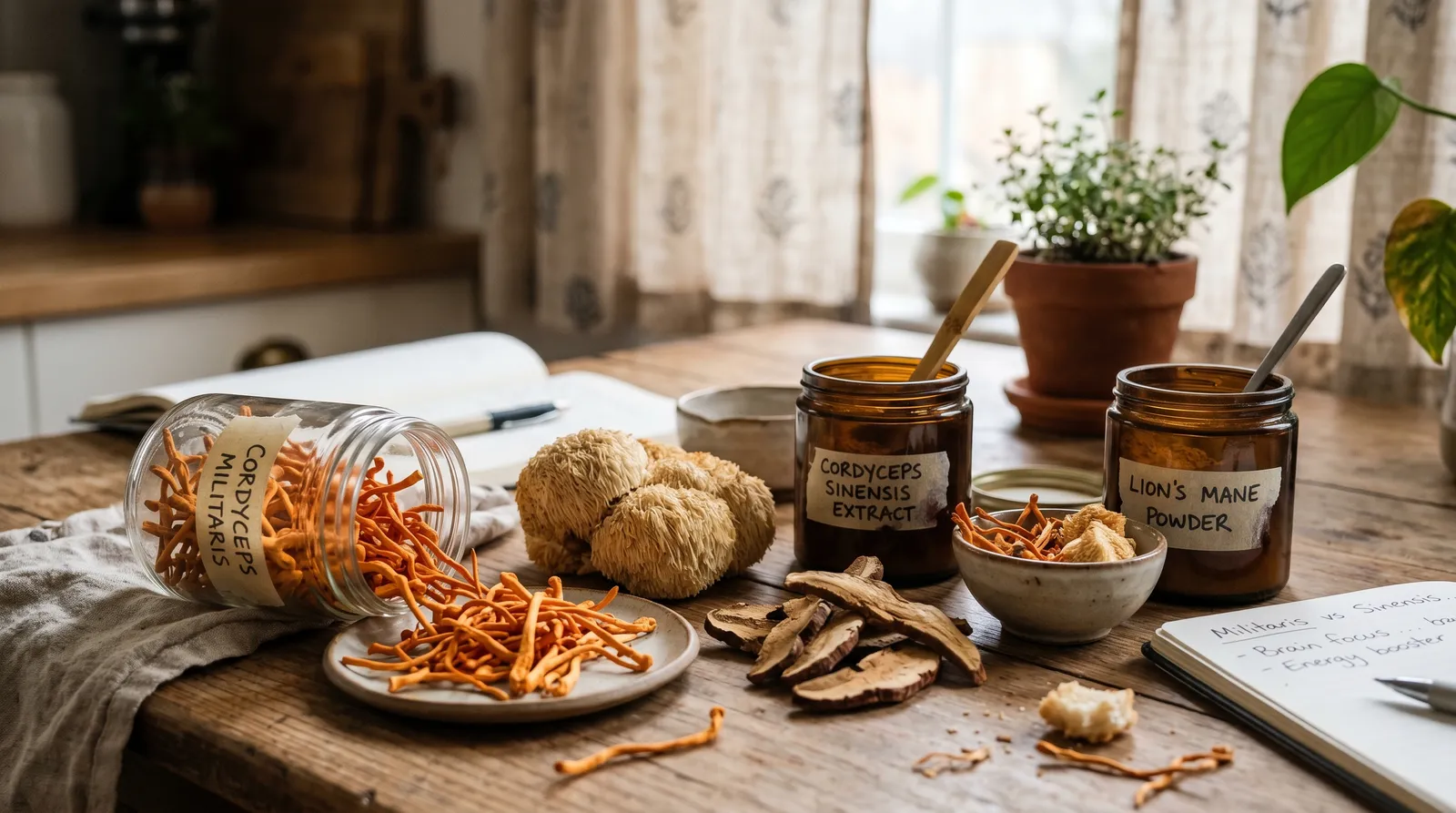
Cordyceps militaris vs sinensis is only one comparison worth making — many supplement users also weigh cordyceps against other functional fungi. Lion's mane (Hericium erinaceus) targets cognitive function and nerve growth factor, while reishi (Ganoderma lucidum) is traditionally associated with immune modulation and sleep support. Some users stack cordyceps with lion's mane capsules or reishi extract for broader coverage, though clinical evidence for synergistic effects between species is essentially nonexistent. The Azarius smartshop catalogue includes several of these functional mushroom products for those exploring the broader category.
Sustainability and sourcing: an honest look
Cultivated C. militaris is far more sustainable than wild-harvested sinensis. The wild sinensis trade has driven significant ecological damage across the Tibetan Plateau — Hopping et al. (2018) documented concurrent erosion of ecosystem services linked to harvesting pressure and warming temperatures. When you order cultivated militaris, you're sidestepping that entire supply chain problem. Indoor cultivation on grain substrate uses a fraction of the resources, produces consistent quality, and doesn't involve digging up alpine meadows at 4,500 metres.
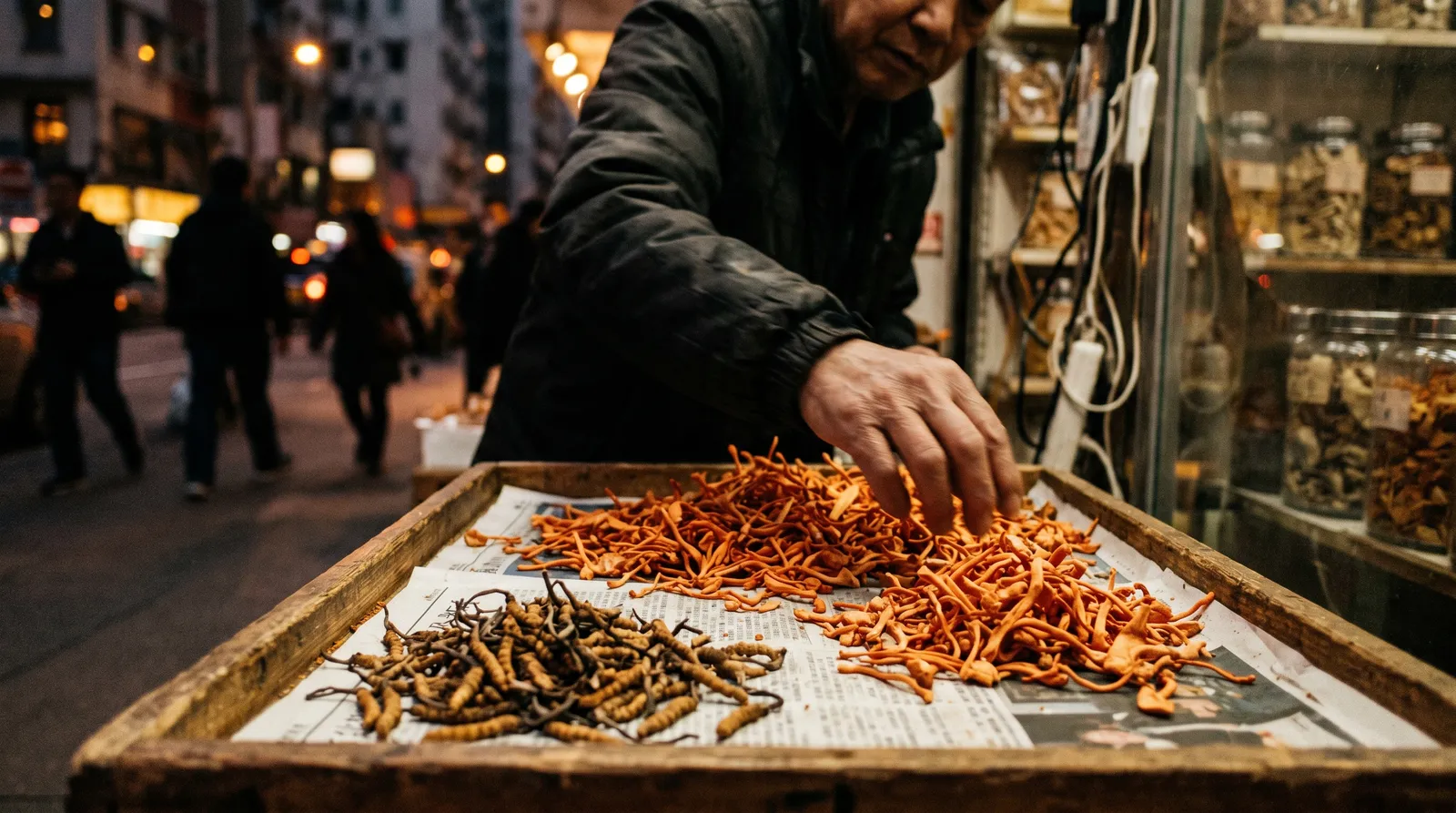
We think this matters beyond the environmental angle. Supply chain transparency is easier with cultivated products — a reputable vendor can trace a militaris extract back to a specific cultivation facility, batch number, and harvest date. Wild sinensis passes through multiple middlemen between the Tibetan Plateau and your doorstep, and adulteration with lead inserts (to increase weight) has been documented in Chinese markets. If you're evaluating cordyceps militaris vs sinensis from a trust-and-traceability standpoint, militaris wins by default.
Last updated: April 2026
Frequently Asked Questions
10 questionsDoes Cordyceps sinensis contain cordycepin?
Why is wild Cordyceps sinensis so expensive?
What is CS-4 and how does it differ from wild Cordyceps sinensis?
Can Cordyceps militaris be cultivated on artificial substrate?
Does cordyceps improve athletic performance?
Which is better to buy: cordyceps militaris or sinensis supplements?
What is cordycepin and why does it matter?
Are cordyceps supplements safe to take daily?
Can you take cordyceps militaris and sinensis together?
How long does it take to feel the effects of cordyceps?
About this article


Joshua Askew serves as Editorial Director for Azarius wiki content. He is Managing Director at Yuqo, a content agency specialising in cannabis, psychedelics and ethnobotanical editorial work across multiple languages. Th
This wiki article was drafted with AI assistance and reviewed by Joshua Askew, Managing Director at Yuqo. Editorial oversight by Adam Parsons.
Medical disclaimer. This content is for informational purposes only and does not constitute medical advice. Consult a qualified healthcare provider before use of any substance.
Last reviewed April 19, 2026
References (8)
- [1]Chen, S. et al. (2014). Randomized clinical trial of a Cordyceps sinensis (CS-4) fermentation product on exercise performance in healthy elderly subjects. Journal of Alternative and Complementary Medicine, 20(12), 938–944.
- [2]Das, G. et al. (2020). Cordycepin: a bioactive compound of Cordyceps militaris and its therapeutic applications. Current Topics in Medicinal Chemistry, 20(23), 2102–2121.
- [3]Hirsch, K.R. et al. (2016). Cordyceps militaris improves tolerance to high-intensity exercise after acute and chronic supplementation. Journal of Dietary Supplements, 14(1), 42–53.
- [4]Hirsch, K.R. et al. (2018). Chronic supplementation of a mushroom blend on oxygen kinetics, peak power, and time to exhaustion. Journal of the International Society of Sports Nutrition, 15(Suppl 1), A44.
- [5]Hopping, K.A. et al. (2018). Warming and land use change concurrently erode ecosystem services in Tibet. Global Change Biology, 24(11), 5534–5548.
- [6]Shrestha, B. et al. (2012). What is the Chinese caterpillar fungus Ophiocordyceps sinensis? Mycology, 3(1), 68–78.
- [7]Tan, L. et al. (2019). Cordycepin: a review of its pharmacological activities and mechanisms of action. Molecules, 25(1), 1–16.
- [8]Zhu, J.S. et al. (1998). The scientific rediscovery of an ancient Chinese herbal medicine: Cordyceps sinensis. Journal of Alternative and Complementary Medicine, 4(3), 289–303.
Related Articles

Medicinal Mushrooms TCM Western Pharmacognosy Guide
Guide to medicinal mushrooms TCM Western pharmacognosy — how reishi, lion's mane, cordyceps are classified, extracted, and studied.
Research on Immune Modulation by Functional Mushrooms
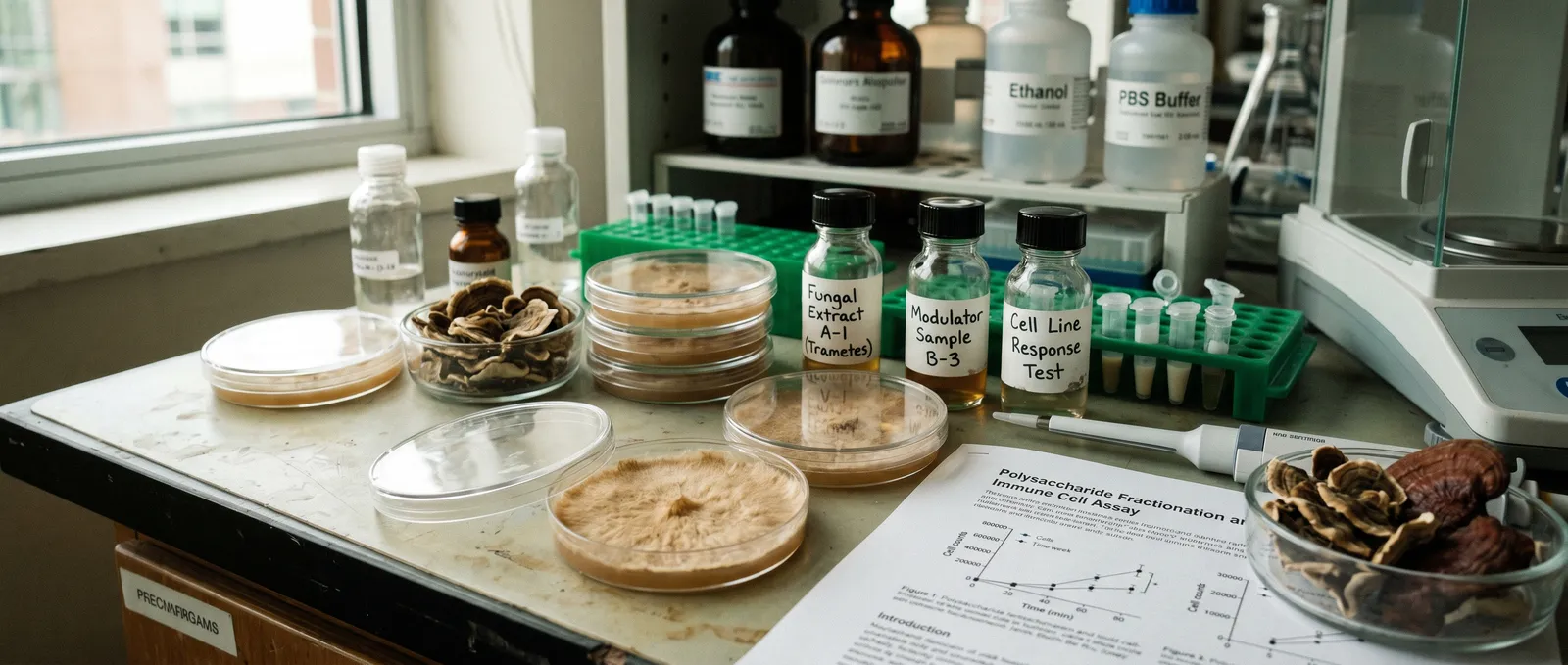
What does research on immune modulation by functional mushrooms actually show? Beta-glucans, Dectin-1 signalling, human trials, and the honest gap...
Allergic Reactions & Mushroom Sensitivities
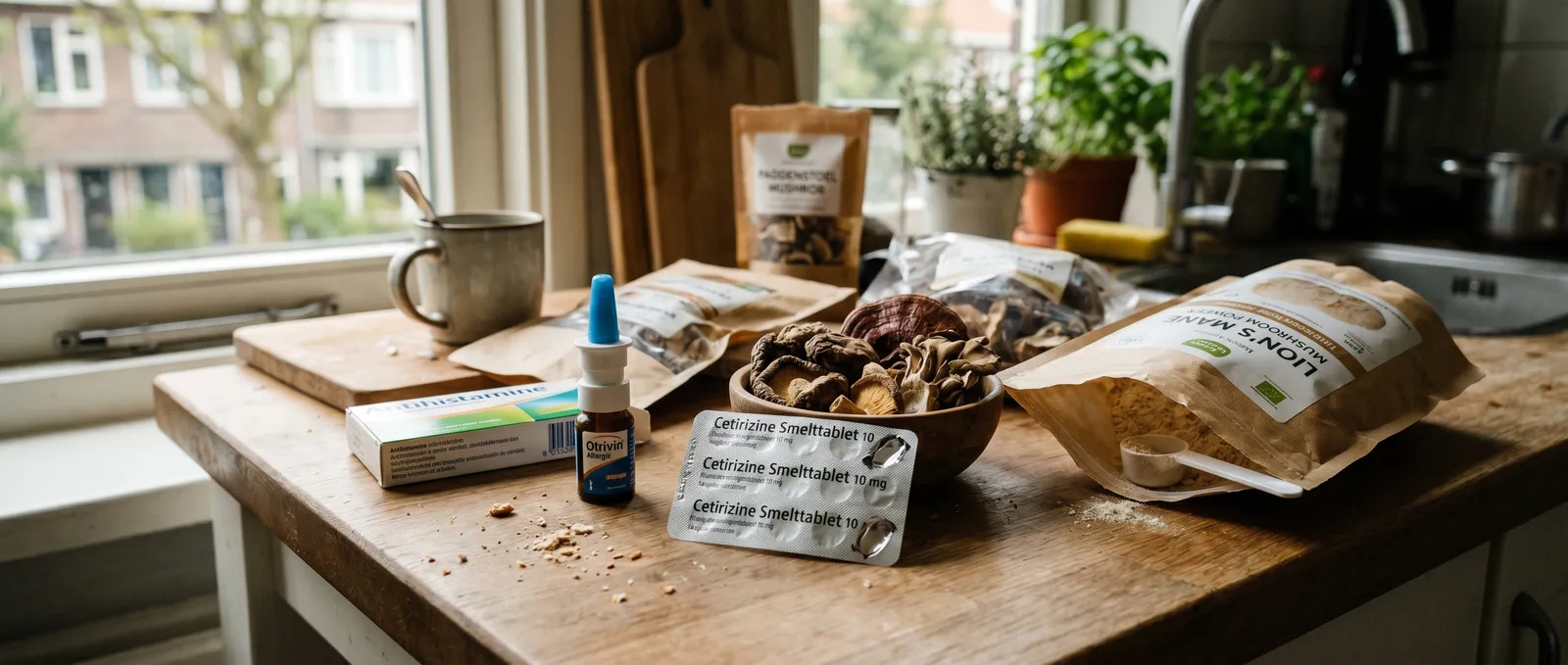
Understand allergic reactions and mushroom sensitivities: mould cross-reactivity, shiitake dermatitis, species-specific risks, and safer product…
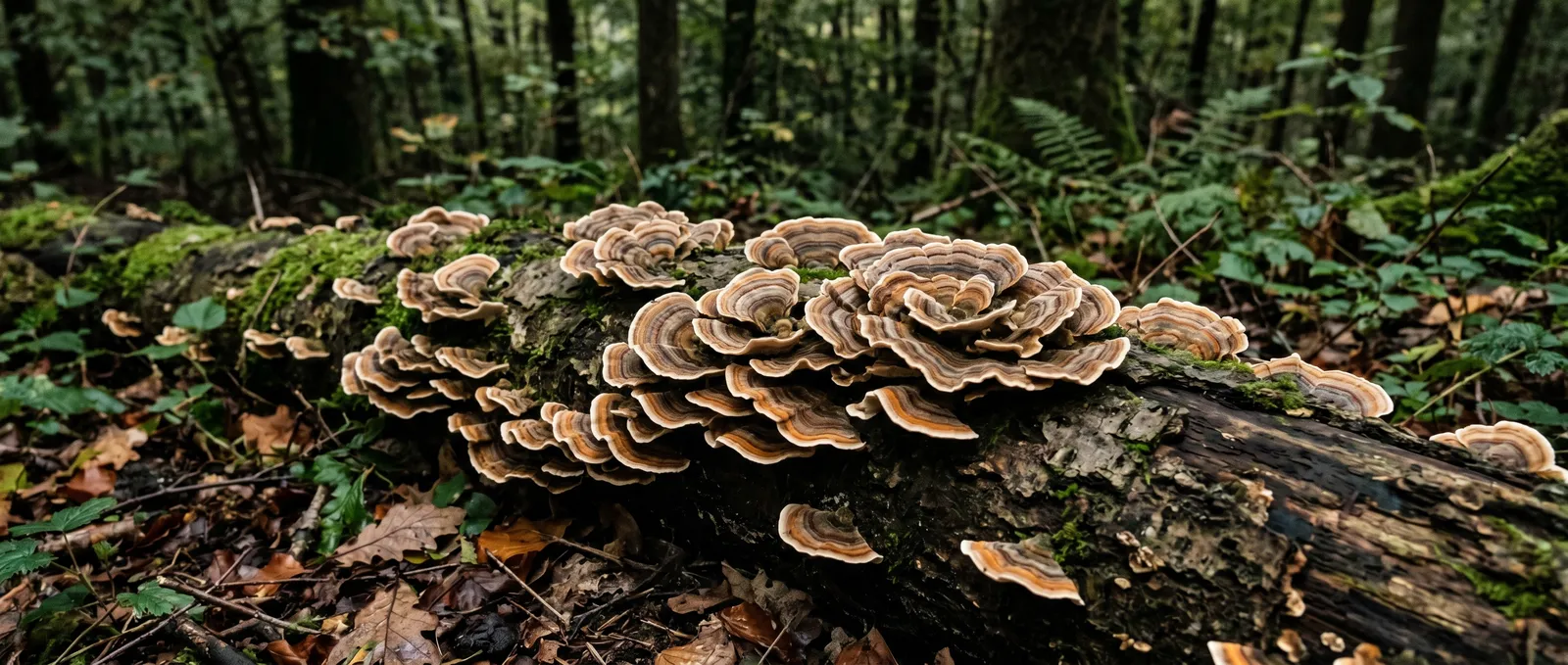
Turkey Tail Trametes versicolor — Buy Supplements
Buy turkey tail Trametes versicolor supplements at Azarius. PSK and PSP evidence, beta-glucan dosage, extraction methods, and safety.

Triterpenes In Medicinal Mushrooms
Triterpenes in medicinal mushrooms are a class of 30-carbon terpenoid compounds produced as secondary metabolites by several functional mushroom species…
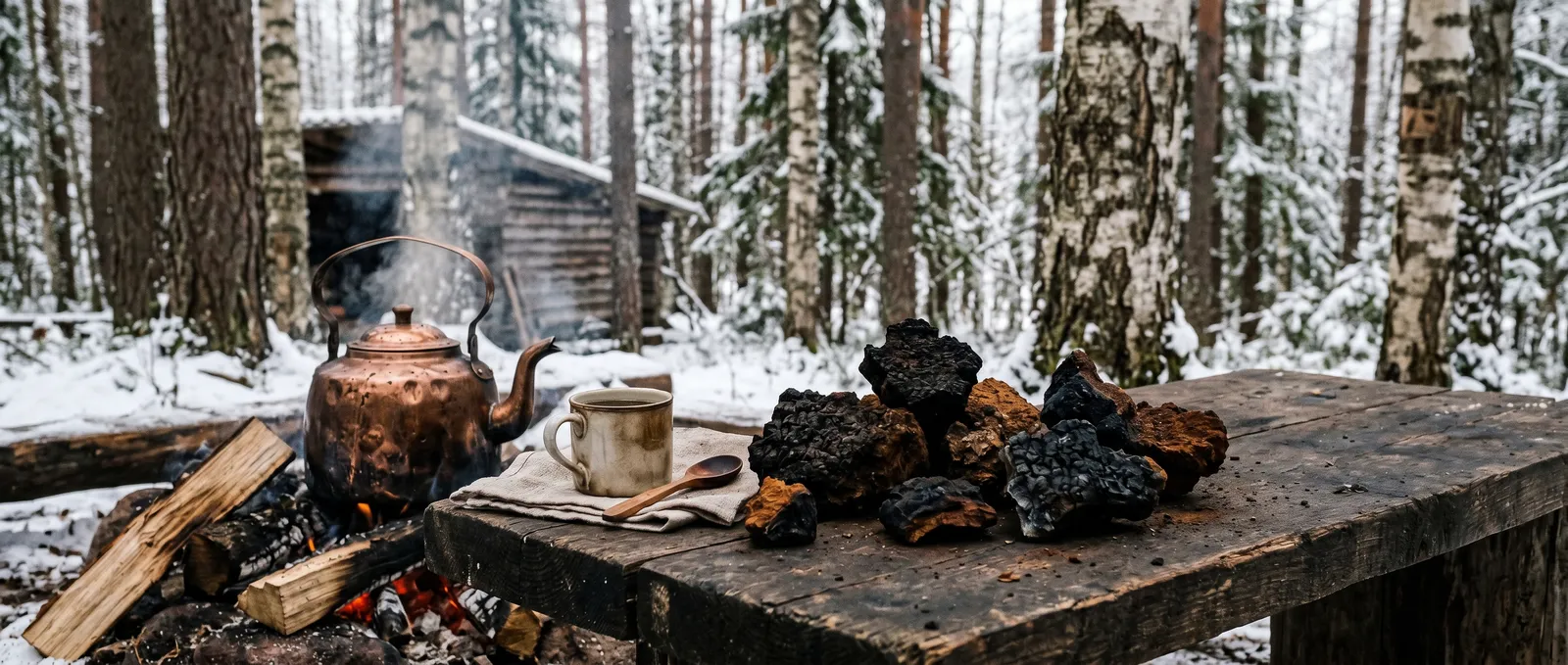
Chaga Siberian Nordic Folk Use
Chaga Siberian Nordic folk use is a centuries-old tradition in which indigenous Siberians and Nordic communities brewed the birch-parasitising fungus…
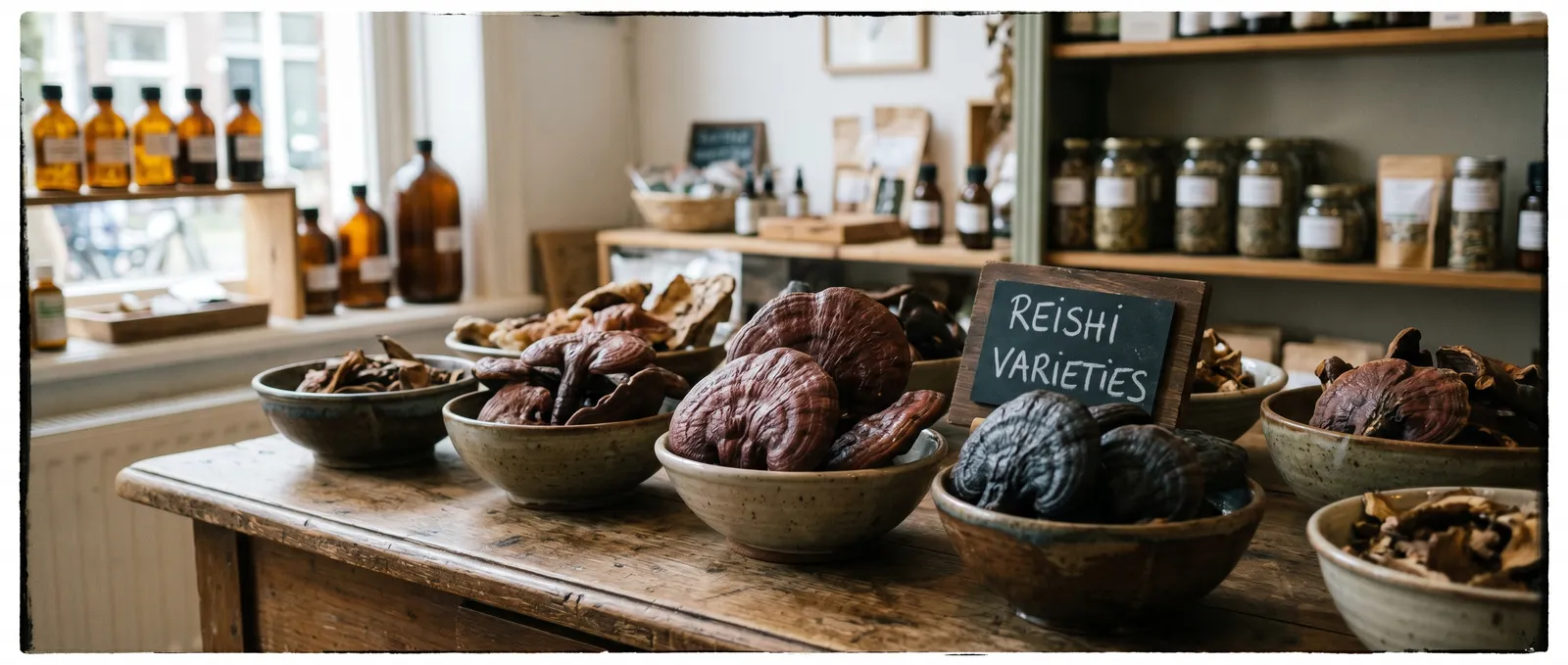
Red and Black Reishi Varieties
Red reishi (Ganoderma lucidum) and black reishi (Ganoderma sinense) both fall under the lingzhi umbrella in traditional Chinese medicine, but they differ in…
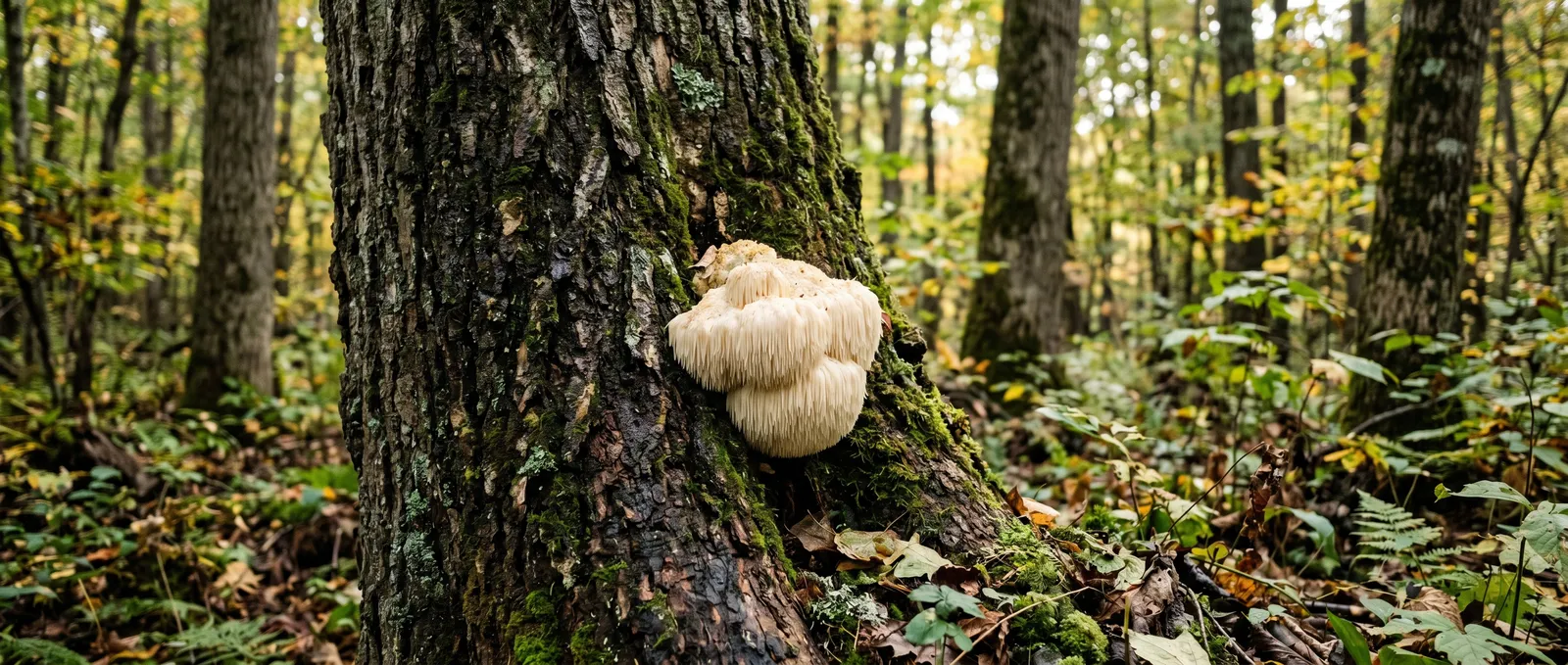
Lion's Mane Identification & Habitat
Hericium erinaceus is a tooth fungus that fruits as a single white, spine-covered mass on wounded or dead hardwood trees.
Cordyceps Lifecycle
The cordyceps lifecycle is a parasitic biological sequence in which a fungus infects an insect host, colonises its body from within, and erupts as a…