We'll only email you about this product — no marketing.
Falcon Carbon Filter by Vanguard Hydroponics
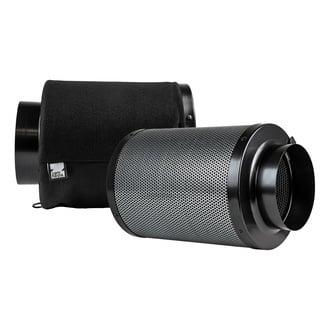
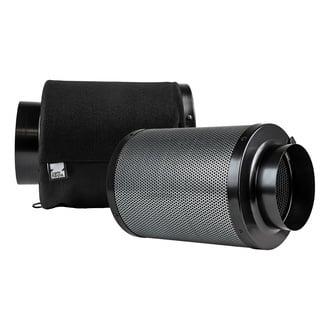
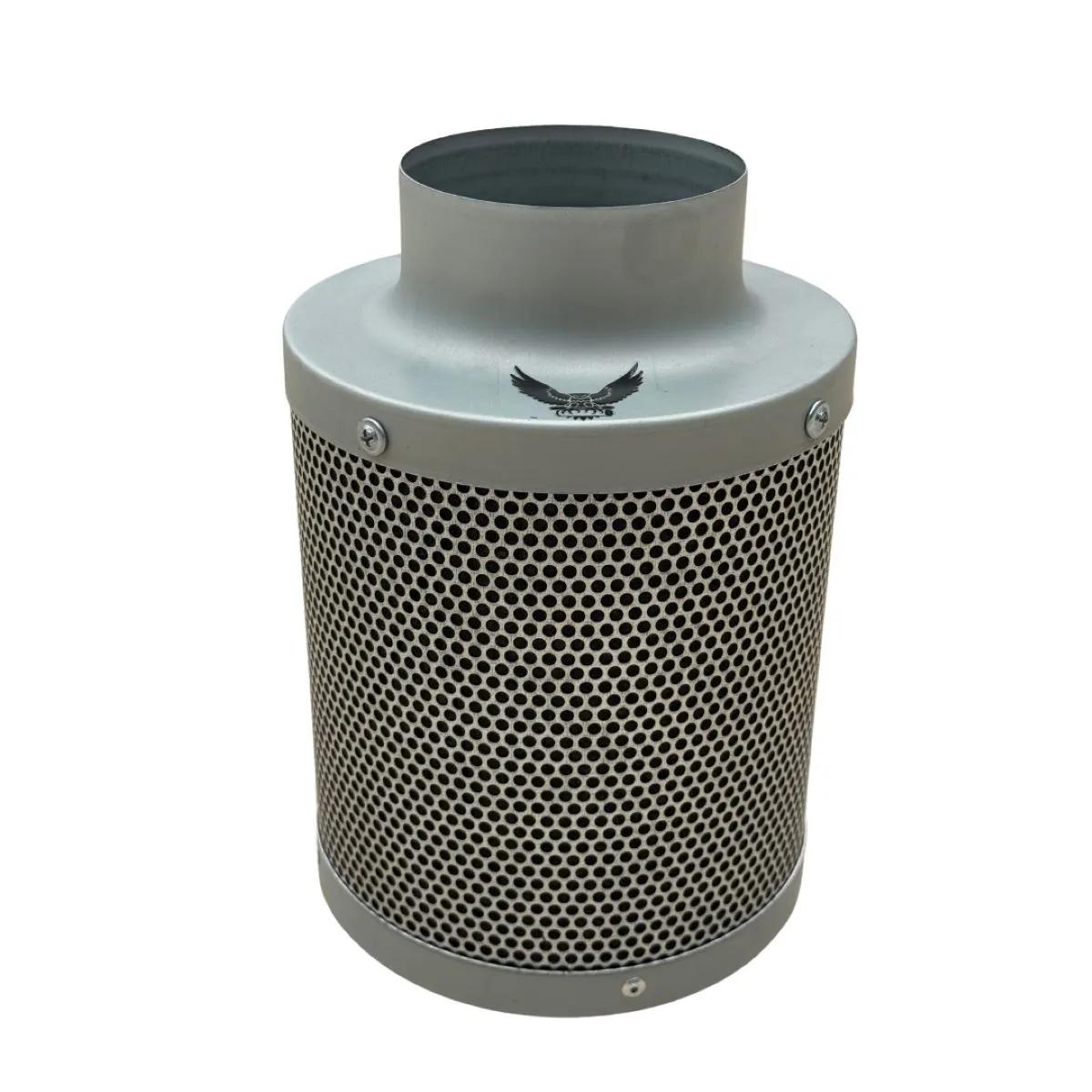
The Falcon carbon filter is an activated carbon air scrubber that eliminates odours from your grow tent before they reach the rest of your home. Built with Australian virgin activated carbon packed between aluminium end caps, it connects to your extraction fan and cleans outgoing air at 300–500 m³/hr depending on the size you pick. Two variants cover small to medium setups — the 100/200mm for tighter spaces and the 125/300mm when you need more airflow capacity.
Which Falcon Carbon Filter Size Do You Need?
The right carbon filter matches your extraction fan's airflow rating. Go too small and the filter chokes your fan; go too large and air passes through the carbon too quickly to scrub properly. Here's how the two Falcon variants break down:
| Variant | Duct Diameter | Filter Length | Max Airflow | Best For |
|---|---|---|---|---|
| GS0018 | 100 mm | 200 mm | 300 m³/hr | 60x60 to 80x80 cm tents with a single extraction fan |
| GS0036 | 125 mm | 300 mm | 500 m³/hr | 100x100 to 120x120 cm tents or multi-plant setups |
Quick rule of thumb: calculate your tent's volume in cubic metres (length x width x height), then multiply by 60. That gives you the minimum m³/hr you need from your fan-and-filter combo. A 120x120x200 cm tent is 2.88 m³ — multiply by 60 and you get 172.8 m³/hr, well within the 100mm Falcon's capacity. But if you're running hot lights or live in a warm climate, bump up to the 125mm. Oversizing slightly is always smarter than running a filter at its absolute limit.
Specifications
The Falcon carbon filter uses RC 412 Australian virgin activated carbon — a specific grade known for its high adsorption surface area, which is what actually traps odour molecules. Here are the key specs across both models:
| Specification | 100/200mm (GS0018) | 125/300mm (GS0036) |
|---|---|---|
| Duct diameter | 100 mm | 125 mm |
| Filter body length | 200 mm | 300 mm |
| Maximum airflow | 300 m³/hr | 500 m³/hr |
| Carbon type | RC 412 Australian virgin activated carbon | RC 412 Australian virgin activated carbon |
| End caps | Aluminium | Aluminium |
| Carbon bed depth | Standard | Standard |
| Pre-filter | Included (washable outer sleeve) | Included (washable outer sleeve) |
| Manufacturer | Vanguard Hydroponics | Vanguard Hydroponics |
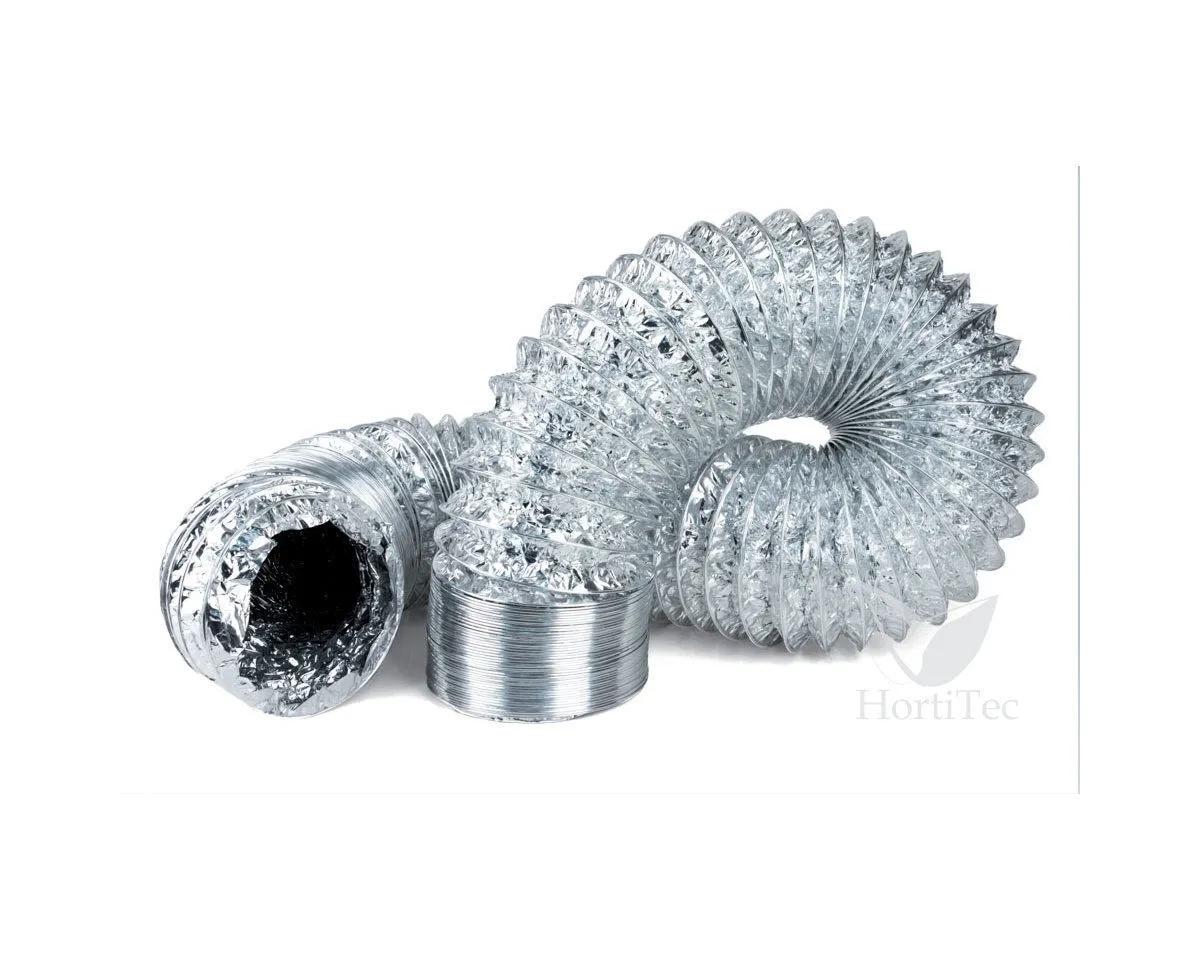
Complete your ventilation setup with an inline extraction fan matched to your Falcon's duct size — a 100mm or 125mm inline fan and aluminium ducting are the essentials. If you're building a full tent from scratch, check our complete grow tent kits, which bundle tent, lighting, ventilation, and filtration together so nothing gets forgotten.
Why Your Grow Tent Needs a Carbon Filter
We get asked about carbon filters more than almost any other piece of grow equipment, and the conversation always starts the same way: "Do I really need one?" Short answer: yes. Without a carbon filter on your extraction system, every smell inside your tent — soil, nutrients, plant matter, humidity — vents straight into your room, hallway, or through your windows. It's not subtle.
The Falcon handles this by forcing extracted air through a bed of activated carbon before it exits the tent. Activated carbon works through adsorption — odour molecules physically bond to the carbon's surface. The RC 412 Australian virgin carbon Vanguard uses hasn't been recycled or reprocessed, which means a cleaner, more consistent pore structure and a longer working life before the carbon becomes saturated. You can feel the difference in weight compared to cheaper filters that use recycled carbon — the Falcon is noticeably lighter thanks to those aluminium end caps, but the carbon bed itself is dense and tightly packed.
The honest limitation? Every carbon filter has a lifespan. Depending on humidity, temperature, and how hard your fan is pushing air through, expect 12–18 months of effective odour control before the carbon needs replacing. Running your tent above 70% relative humidity will shorten that life significantly — moisture clogs the carbon pores. Keep your humidity in check and the Falcon will do its job quietly for well over a year. Compared to something like the Rhino Pro or the Can-Lite, the Falcon sits at a lower price point while still using virgin carbon — it's the filter we'd point you towards if you're running a single tent and don't want to overspend on industrial-grade capacity you'll never use.
How to Install Your Falcon Carbon Filter
- Hang the carbon filter inside your grow tent using rope ratchets or heavy-duty cable ties attached to the top crossbars. Position it as high as possible — hot, odour-laden air rises, so you want the filter near the ceiling of the tent.
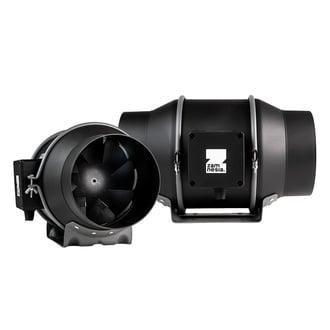
- Connect the appropriate duct diameter (100mm or 125mm) from the filter's flange to your inline extraction fan. Use a jubilee clip or duct clamp at each connection point to prevent air leaks. Any gap means unfiltered air escaping.
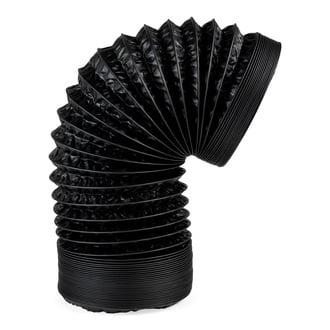
- Run ducting from the fan's output through the tent's duct port to the outside — either into another room or out of a window. Keep duct runs as short and straight as possible. Every bend reduces airflow by roughly 10–15%.
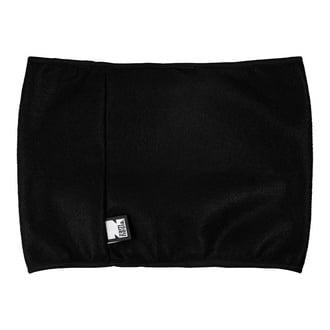
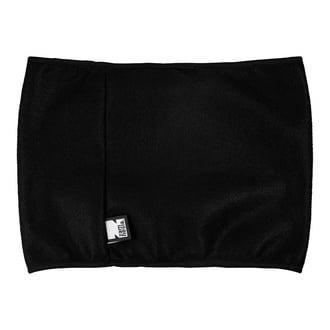
- Fit the washable pre-filter sleeve over the carbon filter's outer mesh. This catches dust and larger particles before they reach the carbon bed, extending the filter's working life.
- Switch on your extraction fan and check for air leaks at every join. Hold a thin piece of tissue near each connection — if it flutters, tighten the clamp.
- Every 3–4 weeks, remove and wash the pre-filter sleeve in lukewarm water. Let it dry completely before refitting. A clogged pre-filter restricts airflow and makes your fan work harder than it needs to.