
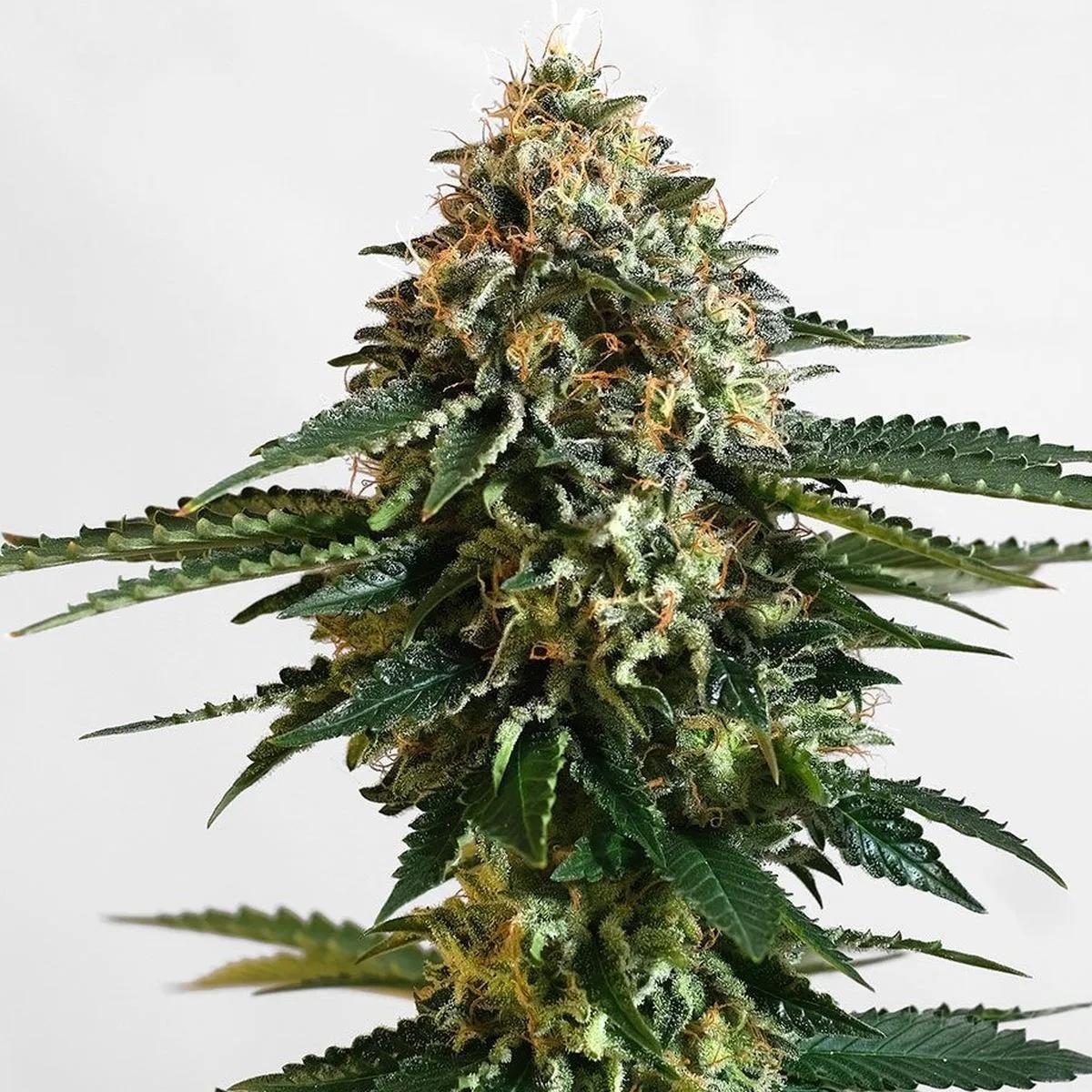
Pack: 5 seeds
THCV Cannabis Seeds by Kannabia
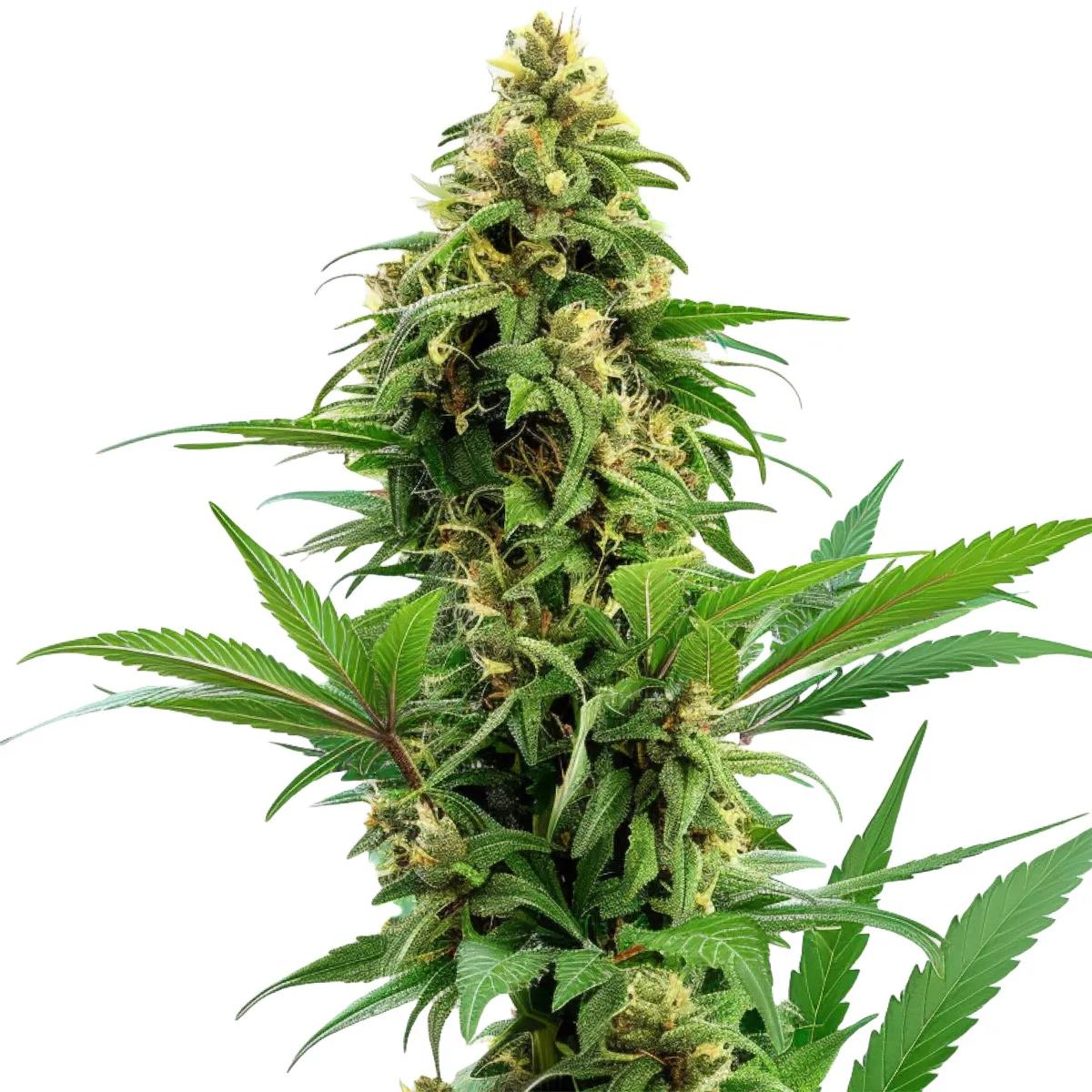
THCV by Kannabia is a feminized cannabis strain bred specifically to produce elevated levels of tetrahydrocannabivarin (THCV) — a cannabinoid that research suggests may counteract some of the psychotropic intensity associated with THC. Where most sativa-dominant strains lean heavily on THC alone, this one brings a second cannabinoid into the mix, creating a more layered profile. She flowers in 60–65 days, can stretch past 2 metres, and delivers generous yields for the space she occupies.
Pack Size
Available in packs of 5 feminized seeds. Each seed is photoperiod — you'll control flowering by switching to a 12/12 light cycle indoors.
| Specification | Detail |
|---|---|
| Seed Bank | Kannabia |
| Seed Type | Feminized (photoperiod) |
| Dominant Cannabinoids | THCV + THC |
| Flowering Time | 60–65 days |
| Plant Height | Up to 2m+ |
| Yield | High (under optimal conditions) |
| Grow Difficulty | Easy |
| Pest Resistance | Strong (outdoor-suited) |
| Terpene Profile | Earthy, citrus |
| Seeds per Pack | 5 |
| SKU | CSKA0073 |
Growing indoors? Pair these seeds with a complete grow tent kit — tent, lighting, ventilation, and carbon filter sorted in one go. If you're running LST or topping (and you probably should with a plant this tall), a set of plant training clips will save you fumbling with string and tape.
Why Grow a THCV-Rich Cannabis Strain?
Most growers chase THC percentages. Fair enough — it's the headline cannabinoid. But THCV is carving out its own reputation in the research world, and Kannabia's THCV strain lets you cultivate it at home instead of hunting for rare extracts or isolates.
According to a commentary published in the British Journal of Pharmacology, THCV is a cannabis-derived compound with unique properties that set it apart from more common cannabinoids like THC (PubMed ID: 33526143). One of the more interesting findings: a 2015 study found that five days of THCV dosing was well tolerated and subjectively indistinguishable from placebo, suggesting it doesn't pile on the same intensity as THC (PubMed ID: 26577065). A separate clinical trial observed that THCV significantly decreased fasting plasma glucose compared to placebo (PubMed ID: 27573936) — early-stage research, but the kind that gets scientists excited.
What does that mean for you as a grower? It means you're cultivating a plant with a cannabinoid profile that most home gardens simply don't produce. THCV was once a scarce find — limited to specific African and Asian landrace genetics. Kannabia has done the breeding work to make it accessible in a modern, easy-to-grow feminized package. That's the real selling point here: rare cannabinoid content without rare-level growing difficulty.
How THCV Compares to THC
They share a similar molecular structure, but THCV and THC behave differently. Here's a quick breakdown based on current research.
| Property | THC | THCV |
|---|---|---|
| Psychotropic Intensity | Strong | Milder — research suggests it may modulate THC's effects |
| Appetite | Typically increases | According to Healthline, THCV is linked to reduced appetite — the opposite of the classic "munchies" |
| Duration | Longer-lasting | Users commonly describe effects as shorter and more clear-headed |
| CB1 Receptor Action | Agonist (activates) | Antagonist at low doses (blocks), partial agonist at higher doses |
| Research Interest | Extensively studied | Growing — preclinical studies suggest it may improve insulin sensitivity (PMC: 12011981) |
The dual-cannabinoid profile of Kannabia's THCV strain means you're not getting one or the other — you're getting both in a single plant. The THC content still delivers the hallmarks of a sativa, while the THCV adds its own character to the finished product.
Growing Kannabia THCV Seeds: What to Expect
This is genuinely one of the easier strains we've come across for home growers. Kannabia has bred robust genetics into this plant — she doesn't demand constant attention, she handles minor mistakes without drama, and her flowering window of 60–65 days is shorter than many sativa-leaning varieties.
The one thing you absolutely need to plan for: height. She can blast past 2 metres without much encouragement. In a 1.2m tent, that's a problem. In a spare bedroom with low ceilings, that's a bigger problem. The good news is she responds well to training techniques — LST (low stress training), topping, and ScrOG all work to keep her canopy manageable. We'd say topping once during veg and then running LST through early flower is the best approach for indoor growers with limited vertical space.
Outdoor growers get an extra bonus: strong pest resistance. If you've ever lost a plant to spider mites or caterpillars in late summer, you know what a relief that is. She'll still need the basics — good soil, adequate light, proper watering — but she won't punish you for not running a sterile lab environment.
How to Grow Kannabia THCV Seeds
- Germinate your feminized THCV seeds using the paper towel method or directly in a starter plug. Keep temperatures between 22–26°C and expect taproots within 24–72 hours.
- Transplant seedlings into their final container once they've developed 2–3 sets of true leaves. A 15–20 litre pot works well for indoor grows; outdoor plants benefit from larger containers or direct soil planting.
- During the vegetative stage, run 18/6 lighting indoors. This is the time to top your plant — cut above the 4th or 5th node to encourage lateral branching and control that 2m+ stretch.
- Apply LST by gently bending and tying down branches to create an even canopy. Start early in veg — the stems are more pliable and less likely to snap.
- Switch to 12/12 lighting to trigger flowering. Expect the stretch to continue for the first 2 weeks of flower — keep adjusting your ties as needed.
- Monitor trichome development from day 55 onwards. Harvest when trichomes shift from clear to milky with a few amber heads — typically around day 60–65 of flower.
- Dry your harvested buds in a dark room at 18–22°C with 55–65% humidity for 7–14 days. Slow drying preserves terpenes — rushing it with heat will flatten those earthy and citrus notes that make this strain worth growing.
- Cure in airtight glass jars for a minimum of 2 weeks, burping daily for the first 5 days. A proper cure brings out the full terpene profile and smooths the smoke.
Flavour and Aroma: Earthy Citrus With Depth
Once you've dried and cured your THCV buds properly, the terpene profile really opens up. The dominant notes are earthy — think damp forest floor after rain — layered with a bright citrus edge that comes through on both the inhale and exhale. It's not a candy strain and it's not trying to be. The flavour is grounded and natural, which suits the overall character of the plant.
Vaping at lower temperatures (around 180–190°C) tends to bring out more of the citrus terpenes, while combustion delivers a fuller, earthier hit. If you've got a dry herb vaporiser, this is a strain that rewards temperature experimentation.
The honest limitation: if you're after the loudest, most pungent flower in your garden, this isn't it. The aroma during growth is moderate — actually a benefit if you're growing discreetly — and the cured bud is pleasant rather than room-filling. The appeal here is in the cannabinoid profile, not in competing with the fruitiest strain on Instagram.
Related products
You might also like
Medical disclaimer. This content is for informational purposes only and does not constitute medical advice. Consult a qualified healthcare provider before use of any substance.