

Persian Pie Cannabis Seeds by Greenhouse Seeds
Persian Pie is a feminised cannabis seed from Greenhouse Seeds that crosses Lemon Tree with Banana Krumble to produce a 60/40 indica-dominant hybrid with explosive growth, citrus-forward terpenes, and outdoor yields that can hit 3500g per plant. Available in packs of 3, 5, or 10 seeds.
Which Pack Size?
Persian Pie comes in three pack sizes: 3, 5, or 10 seeds. If you're running a single tent and want to pheno-hunt a keeper, grab the 5-pack — it gives you enough plants to find variation without committing to ten. The 3-pack works if you've already grown this strain and know what you're getting. The 10-pack makes sense for outdoor growers filling a garden or anyone who wants to keep a mother plant and still have seeds in reserve.
Persian Pie Grow Specs and Genetics
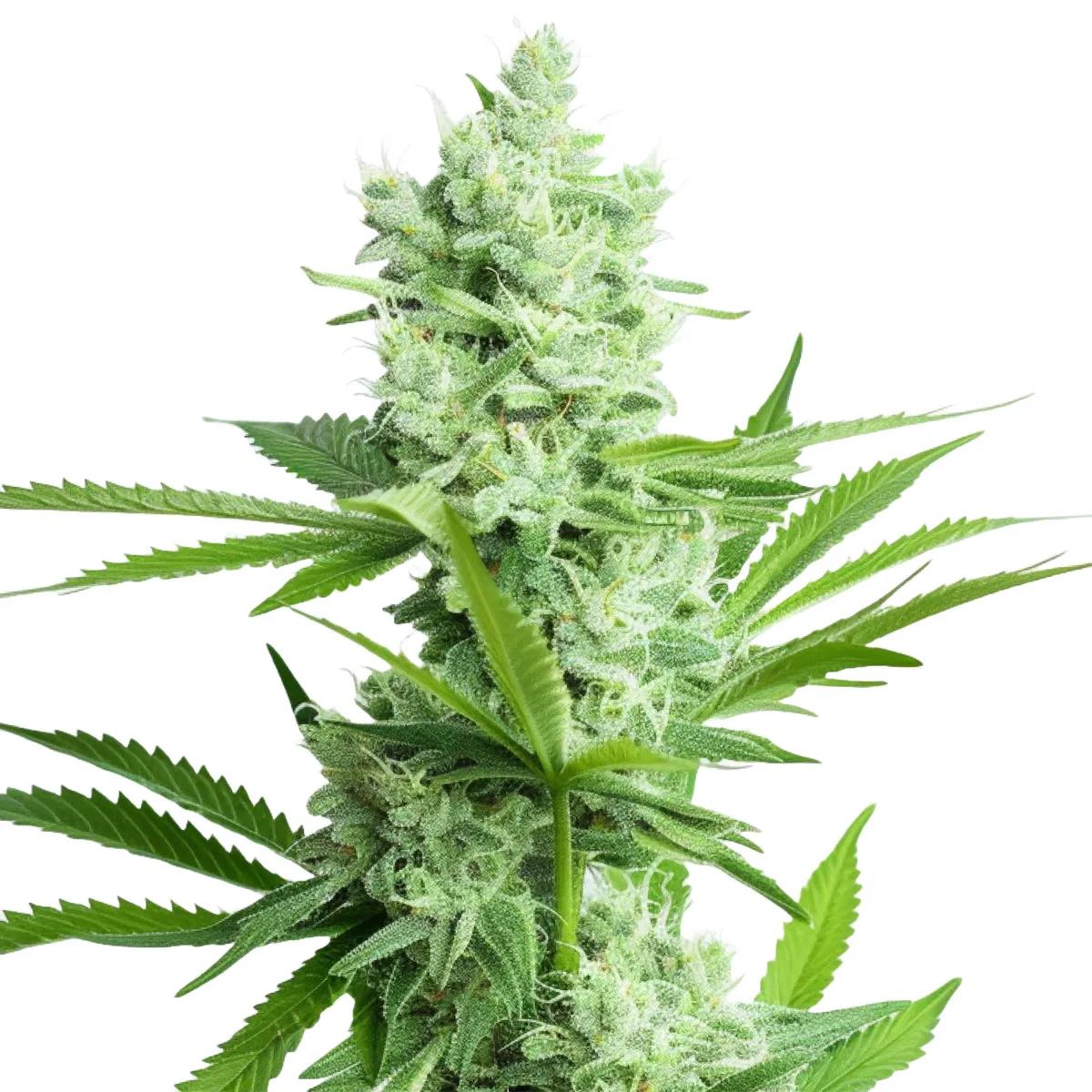
Persian Pie's genetic backbone is solid. Lemon Tree brings that sharp, zesty citrus profile and vigorous stretch, while Banana Krumble rounds things out with earthy sweetness and dense bud structure. The result is a 60% indica / 40% sativa hybrid that grows like it has somewhere to be — fast vegetative growth, tight internodal spacing, and a classic pine tree structure that makes canopy management straightforward.
| Specification | Detail |
|---|---|
| Seed Bank | Greenhouse Seeds |
| Genetics | Lemon Tree x Banana Krumble |
| Type | Feminised |
| Indica / Sativa | 60% / 40% |
| Indoor Flowering Time | 8-9 weeks |
| Indoor Height | 120-180cm |
| Outdoor Height | 200-350cm |
| Outdoor Yield (max) | Up to 3500g per plant |
| Pack Sizes | 3 / 5 / 10 seeds |
Growing Persian Pie Seeds: What to Expect
Persian Pie is one of the more forgiving strains we've seen from Greenhouse Seeds, and that's saying something given their catalogue runs deep. Stable genetics mean your seedlings pop quickly and develop into robust plants without much hand-holding. She thrives in soil, coco, or hydro — no diva behaviour regardless of your medium.
Indoors, expect plants to sit between 120cm and 180cm at full stretch. The tight internodal spacing is a gift if you're working with limited vertical space — you get a lot of bud sites packed into a manageable frame. That pine tree structure also means light penetrates well without aggressive defoliation, though she responds brilliantly to both LST and HST techniques if you want to push things further. Topping early and spreading the canopy with a SCROG net will reward you with a flat, even canopy loaded with colas.
Outdoors is where Persian Pie really shows off. Plants can stretch to 200-350cm and, in the right conditions, produce up to 3500g per plant. That's not a typo — this strain is a genuine producer when given full sun, good soil, and enough root space. Flowering wraps up in roughly 8-9 weeks indoors, making her one of the quicker indica-dominant options for growers who don't want to wait until November.
Aroma and Flavour Profile of Persian Pie
This is where Persian Pie earns its name. Crack open a cured jar and you get hit with a sharp lemon punch first — proper citrus, not that vague "fruity" label some strains hide behind. Underneath, there's an earthy base that grounds the whole profile, with secondary citrus notes layered in. The Banana Krumble parent contributes just enough tropical sweetness to balance the lemon sharpness without overwhelming it. It smells like someone zested a lemon over a bowl of ripe bananas in a greenhouse. During flower, your tent will reek — plan your carbon filtration accordingly.
The flavour follows the nose closely. On the inhale, it's bright and citrusy. On the exhale, those earthy and banana undertones come through, leaving a sweet, slightly tropical finish. If you've grown Lemon Tree before, imagine that profile with more depth and a smoother, dessert-like edge.
Why Persian Pie Deserves a Spot in Your Garden
We've seen a lot of "flavour strains" that sacrifice yield or stability for a fancy terpene profile. Persian Pie doesn't ask you to make that trade. You get a genuinely interesting and complex aroma, massive yield potential (especially outdoors — up to 3500g is hard to argue with), and genetics stable enough that even first-time growers can pull off a decent harvest.
The 8-9 week flowering time is another win. Plenty of indica-dominant hybrids push into the 10-11 week range, which eats into your schedule and your electricity bill. Persian Pie finishes fast without cutting corners on bud density or resin production.
The one thing to watch: height management indoors. At 120-180cm, she's not the tallest plant in the room, but if you're working with a short tent (120cm or under), you'll want to top early and keep her in check during the stretch. Outdoor growers won't have this problem — let her rip and she'll fill the space.
Compared to something like Greenhouse Seeds' Super Lemon Haze, Persian Pie leans heavier on the indica side, which means denser buds, shorter internodes, and a more compact structure. If you want a citrus strain that doesn't grow like a sativa jungle, this is the better pick.
Running Persian Pie indoors? Pair your seeds with a complete grow tent kit to get ventilation, lighting, and carbon filtration sorted from the start. For outdoor growers pushing for those maximum yields, a solid fabric pot and quality organic soil mix will give roots the space and nutrition they need to hit their potential.
How to Germinate and Grow Persian Pie Seeds
- Soak your Persian Pie seeds in a glass of room-temperature water for 12-24 hours until they sink to the bottom. Seeds that float after 24 hours can be gently tapped — they'll usually sink.
- Transfer the soaked seeds to a damp paper towel, fold it over, and place inside a sealed plastic bag or between two plates. Keep in a dark, warm spot (20-25°C). Taproots should appear within 24-72 hours.
- Once the taproot reaches 1-2cm, plant it root-down in a small pot filled with light seedling mix or a pre-soaked jiffy pellet. Cover with about 1cm of medium.
- Keep the seedling under gentle light (18/6 cycle) with humidity around 65-70%. Avoid overwatering — the medium should be damp, not soaked.
- Transplant to a larger container once the seedling has 3-4 sets of true leaves. For indoor grows, begin training (topping, LST) once the plant has 5-6 nodes to take advantage of Persian Pie's responsive structure.
- Flip to 12/12 light cycle when plants reach roughly half your desired final height — she'll stretch during the first 2-3 weeks of flower. Expect heavy buds by week 6, with harvest readiness at 8-9 weeks. Check trichomes with a jeweller's loupe: milky with 10-20% amber is the sweet spot for this strain.
Frequently Asked Questions
What is the flowering time of Persian Pie?
Persian Pie flowers in approximately 8-9 weeks indoors. Outdoor plants typically finish by mid-to-late October depending on your latitude and local climate conditions.
How tall does Persian Pie grow indoors?
Indoor Persian Pie plants reach 120-180cm at full height. If vertical space is tight, top early and use LST to keep the canopy flat — she responds well to training thanks to her sturdy indica-dominant frame.
Is Persian Pie suitable for beginner growers?
Yes. Persian Pie has stable genetics that make her forgiving and straightforward to grow. She performs well in soil, coco, and hydro setups without requiring advanced techniques, though she does reward growers who apply LST or SCROG methods.
What yields can I expect from Persian Pie outdoors?
Outdoor Persian Pie plants can produce up to 3500g per plant in optimal conditions — full sun, rich soil, and plenty of root space. Indoor yields are more modest but still generous given the 8-9 week flowering window.
What does Persian Pie smell and taste like?
Expect a dominant lemon and citrus aroma with earthy undertones and hints of banana sweetness from the Banana Krumble parent. The flavour mirrors the nose: bright citrus on the inhale, smooth tropical-earth finish on the exhale.
What genetics are in Persian Pie?
Persian Pie is a cross between Lemon Tree and Banana Krumble, resulting in a 60% indica / 40% sativa hybrid. Both parents contribute strong terpene profiles and vigorous growth characteristics.
Can I use training techniques on Persian Pie?
Absolutely. Persian Pie's sturdy branches and tight internodal spacing make her an excellent candidate for both low-stress training (LST) and high-stress training (HST) including topping, fimming, and SCROG setups.
Last updated: April 2026
Related products



You might also like

Medical disclaimer. This content is for informational purposes only and does not constitute medical advice. Consult a qualified healthcare provider before use of any substance.