
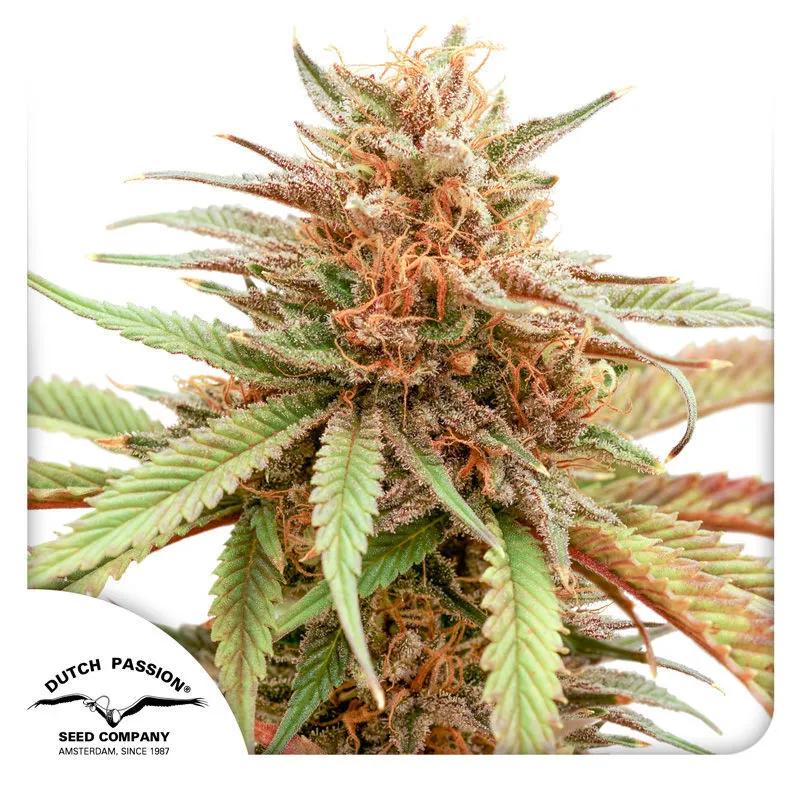
Pack: 3 seeds
Durban Dew Cannabis Seeds by Dutch Passion
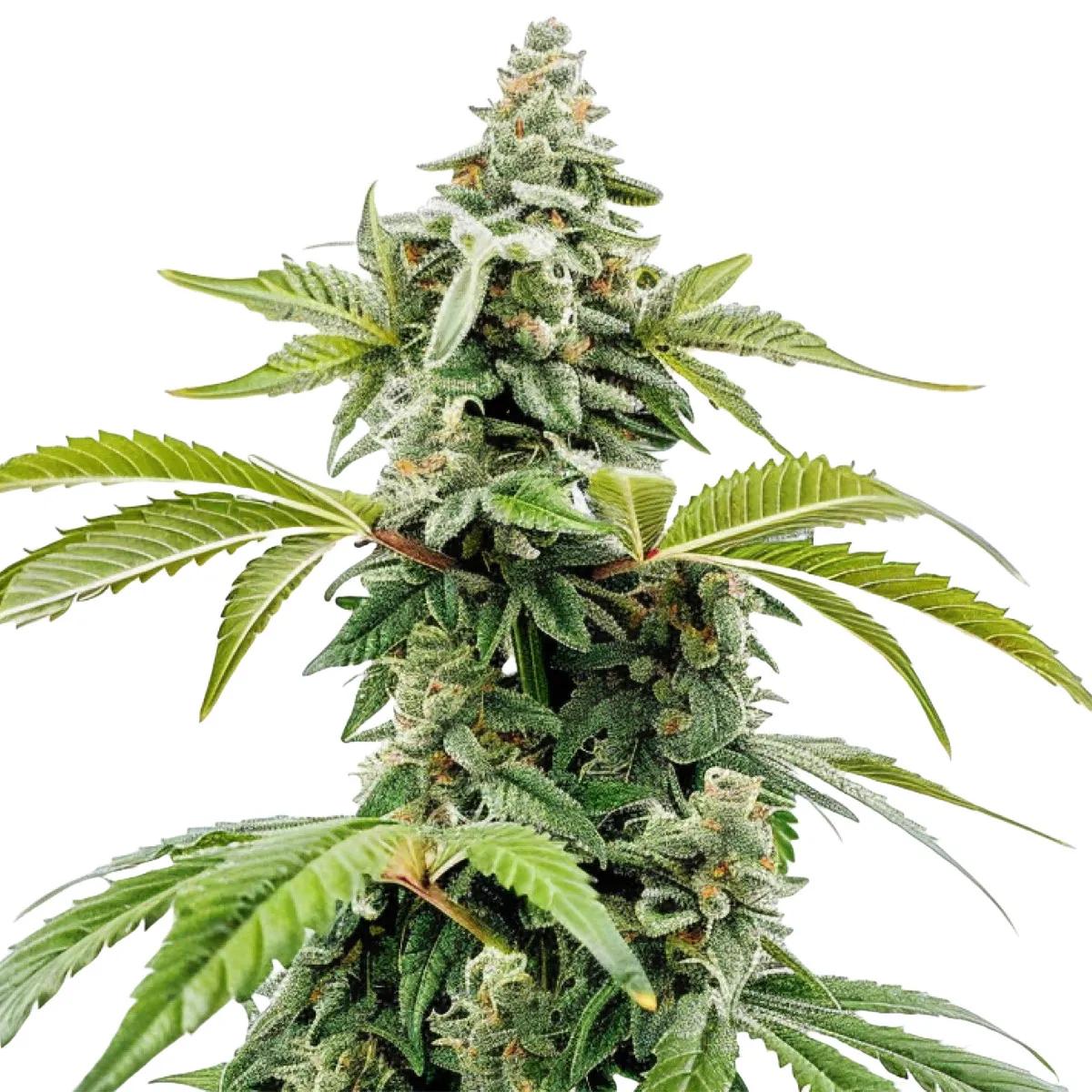
Durban Dew is a feminised sativa-dominant hybrid from Dutch Passion that crosses two legendary genetics — Durban Poison and Frisian Dew — into a single, resilient plant built for heavy harvests. With a flowering time of 8–9 weeks and yields reaching 450–550g/m² indoors (or up to 1,000g per plant outdoors), this strain rewards growers of every skill level. The cerebral, clear-headed effect leans heavily on its South African landrace heritage, delivering a focused, energising high that suits daytime use.
Why Durban Dew Seeds Deserve a Spot in Your Garden
Most sativa-dominant strains punish mistakes. Durban Dew doesn't. We've seen growers overwater, underfeed, snap branches during training — and these plants just shrug it off and keep pushing upward. That resilience comes from its parentage: Durban Poison is a South African landrace that survived centuries of outdoor growing in harsh conditions, and Frisian Dew is one of Dutch Passion's toughest outdoor varieties, originally bred to handle the cold, damp Dutch climate. Put those two together and you get a plant that's genuinely hard to kill.
That said, "hard to kill" doesn't mean "boring to grow." Experienced growers will find Durban Dew responds brilliantly to high-stress training (HST), low-stress training (LST), main-lining, and lollipopping. The strong branches handle manipulation without snapping, and the vigorous growth rate means recovery time after topping or supercropping is short. If you've been wanting to experiment with advanced techniques, this is a forgiving canvas to work on.
The one thing to watch: stretch. Durban Dew really shoots up during pre-flower — we're talking significant vertical growth in a short window. In a small 60x60cm tent, you'll run out of headroom fast. If you're growing indoors, either flip to 12/12 early or use a larger tent. Outdoors or in a greenhouse, give it space and let it do its thing. Plants can grow as wide as they are tall when they've got decent soil and full sun.
Durban Dew Genetics and Lineage
Durban Dew's genetic story starts in South Africa. Durban Poison is a pure sativa landrace from the port city of Durban, brought to Amsterdam in the late 1970s by cannabis pioneers Ed Rosenthal, Mel Frank, and Sam the Skunkman. It's one of the few pure African sativas that became a staple in Western seed banks — prized for its energising effects and resinous buds.
The other half is Frisian Dew, one of Dutch Passion's flagship outdoor strains. Frisian Dew is known for producing dark green and purple buds with a sweet, fruity aroma and uplifting effects. It's been a go-to recommendation for outdoor growers in Northern Europe since Dutch Passion released it, thanks to its mould resistance and tolerance for cooler temperatures.
Cross those two and you get Durban Dew: a sativa-dominant hybrid that inherits the focused cerebral high from Durban Poison and the hardiness, colour, and yield potential from Frisian Dew. The terpene profile leans pungent with sweet and fruity notes — think sour berry with an earthy undertone. The smoke itself is smooth, with a sweet-and-sour flavour that lingers.
Durban Dew Specifications
| Specification | Detail |
|---|---|
| Seed Bank | Dutch Passion |
| Seed Type | Feminised Photoperiod |
| Genetics | Durban Poison x Frisian Dew |
| Dominant Type | Sativa-dominant hybrid |
| Flowering Time | 8–9 weeks |
| Indoor Yield | 450–550g/m² |
| Outdoor Yield | 500–1,000g per plant |
| THC Level | Medium–High |
| Seeds per Pack | 3 |
| SKU | CSDP0119 |
Durban Dew Growing Tips
Durban Dew likes warmth, light, and airflow — classic sativa preferences. Here's how to get the most out of these seeds, whether you're running an indoor setup or planting them in the ground.
- Start seeds in small pots (0.5–1L) and transplant into final containers once the root system is established — typically after 10–14 days. Durban Dew's vigorous root growth means it'll outgrow a starter pot quickly.
- If growing indoors, use a tent of at least 80x80cm. The pre-flowering stretch on this strain is significant — plants can double in height between the switch to 12/12 and the onset of full flower. Flip early or use LST to keep the canopy manageable.
- Feed moderately during veg. Durban Dew is forgiving of nutrient fluctuations, but that doesn't mean you should push it. A balanced NPK ratio works well. Increase phosphorus and potassium once flowering begins.
- Maintain temperatures between 22–28°C during lights-on. This strain thrives in warmth. If you're growing outdoors in Northern Europe, a greenhouse helps extend the season and protect against late-autumn rain.
- Keep airflow strong around the canopy. Sativa-dominant plants with dense branching can trap moisture, and while Durban Dew inherits some mould resistance from its Frisian Dew parent, good ventilation is still your best insurance.
- For advanced growers: try main-lining or lollipopping to direct energy toward the top colas. Durban Dew's strong branches handle the stress well, and the recovery time is faster than most sativas we've worked with.
- Harvest when trichomes are mostly cloudy with a few amber — this preserves the focused, cerebral character. Waiting too long shifts the effect toward sedation, which defeats the purpose of growing a sativa.
Durban Dew Compared to Similar Strains
If you're weighing Durban Dew against other options in the Dutch Passion catalogue or beyond, here's how it stacks up.
| Strain | Genetics | Flowering Time | Indoor Yield | Character |
|---|---|---|---|---|
| Durban Dew | Durban Poison x Frisian Dew | 8–9 weeks | 450–550g/m² | Focused, energising sativa |
| Frisian Dew | Super Skunk x Purple Star | 7–8 weeks | 400–500g/m² | Balanced, uplifting hybrid |
| Durban Poison (pure) | South African landrace | 8–9 weeks | 350–450g/m² | Pure sativa, intense cerebral |
Durban Dew sits in a sweet spot: it's got more structure and yield potential than pure Durban Poison, but keeps that sharp, focused sativa character that Frisian Dew softens into something more mellow. If you want the South African energy with better harvests and easier growing, Durban Dew is the one we'd pick.
Complete your setup with a proper growing environment. Pair Durban Dew seeds with a grow tent kit that includes ventilation and a carbon filter — you'll need both for this aromatic strain. A pH meter is also worth grabbing if you don't already have one; while Durban Dew is forgiving, dialling in your pH from the start means bigger yields at harvest.
Frequently Asked Questions
Is Durban Dew suitable for first-time growers?
Yes — it's one of the most forgiving sativa-dominant strains available. Durban Dew tolerates nutrient issues, pH fluctuations, and even physical damage without significant yield loss. It's a genuinely good first grow.
How tall does Durban Dew grow indoors?
Expect significant stretch during pre-flower. Without training, plants can easily exceed 150cm indoors. Use LST or top early to control height, and avoid small tents — 80x80cm minimum is recommended.
What does Durban Dew smell and taste like?
The aroma is pungent with sweet, fruity notes. The smoke is smooth with a sweet-and-sour, berry-like flavour and an earthy undertone. It's noticeable during flowering — a carbon filter is strongly recommended for indoor grows.
Can I use high-stress training on Durban Dew?
Absolutely. The strong branches handle HST, LST, main-lining, and lollipopping well. Recovery time is fast thanks to its vigorous growth rate. It's one of the best sativas for experimenting with advanced training methods.
What's the difference between Durban Dew and Durban Poison?
Durban Poison is a pure South African sativa landrace — intense cerebral effect, moderate yields. Durban Dew crosses it with Frisian Dew, adding better yields (450–550g/m² vs 350–450g/m²), improved resilience, and a slightly broader terpene profile while keeping the focused sativa character.
How much can Durban Dew yield outdoors?
In optimal conditions — warm climate, full sun, good soil, ample root space — individual plants can produce 500–1,000g. In a greenhouse in Northern Europe, expect the lower end of that range. Give the plant room; it grows as wide as it is tall.
What flowering time should I expect with Durban Dew?
Flowering takes 8–9 weeks from the switch to 12/12. That's relatively fast for a sativa-dominant strain. Harvest when trichomes are mostly cloudy for the best expression of its focused, energising character.
Last updated: April 2026
Related products


You might also like
Medical disclaimer. This content is for informational purposes only and does not constitute medical advice. Consult a qualified healthcare provider before use of any substance.