

Pack: 4 seeds
G-Mint Feminised Cannabis Seeds by BSF Seeds
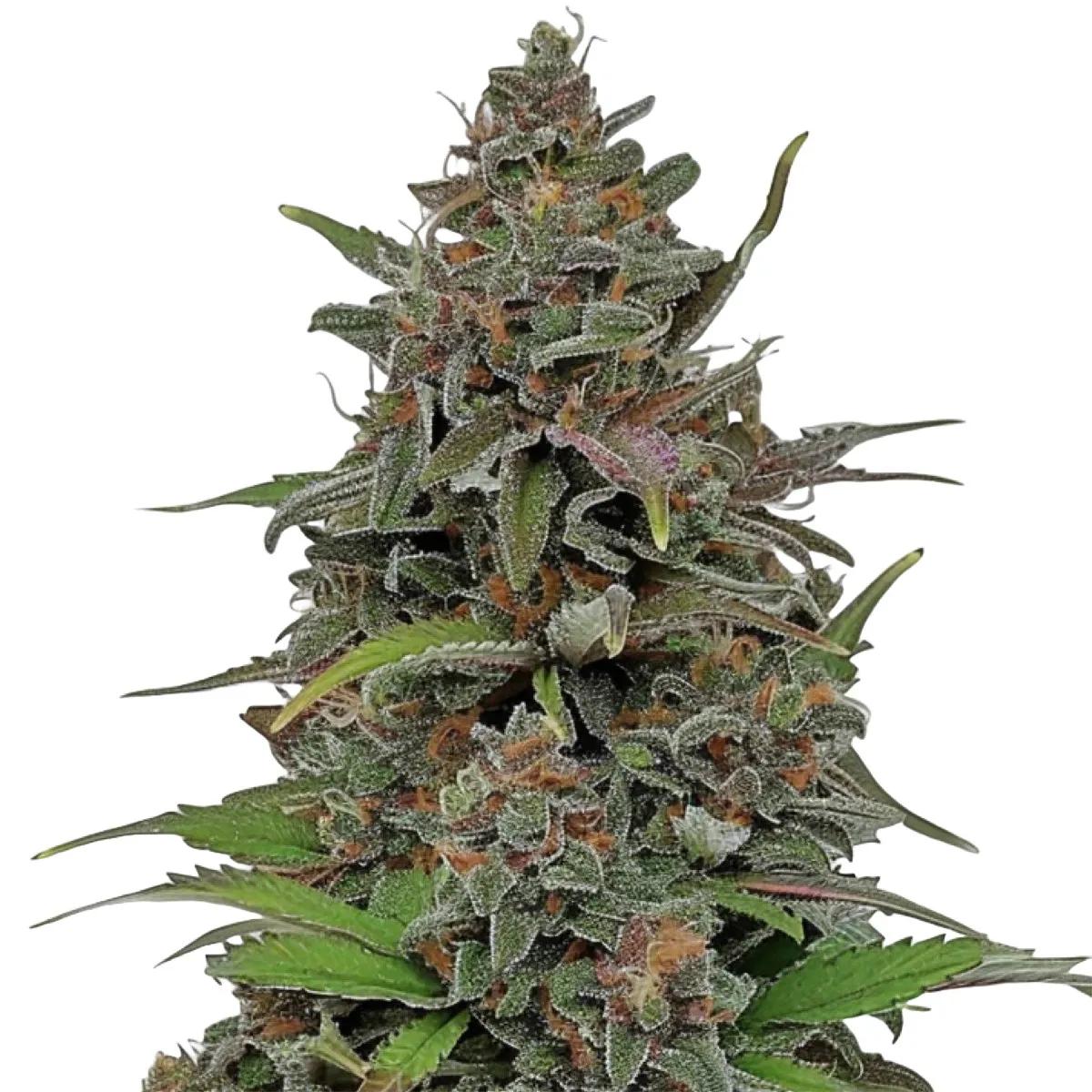
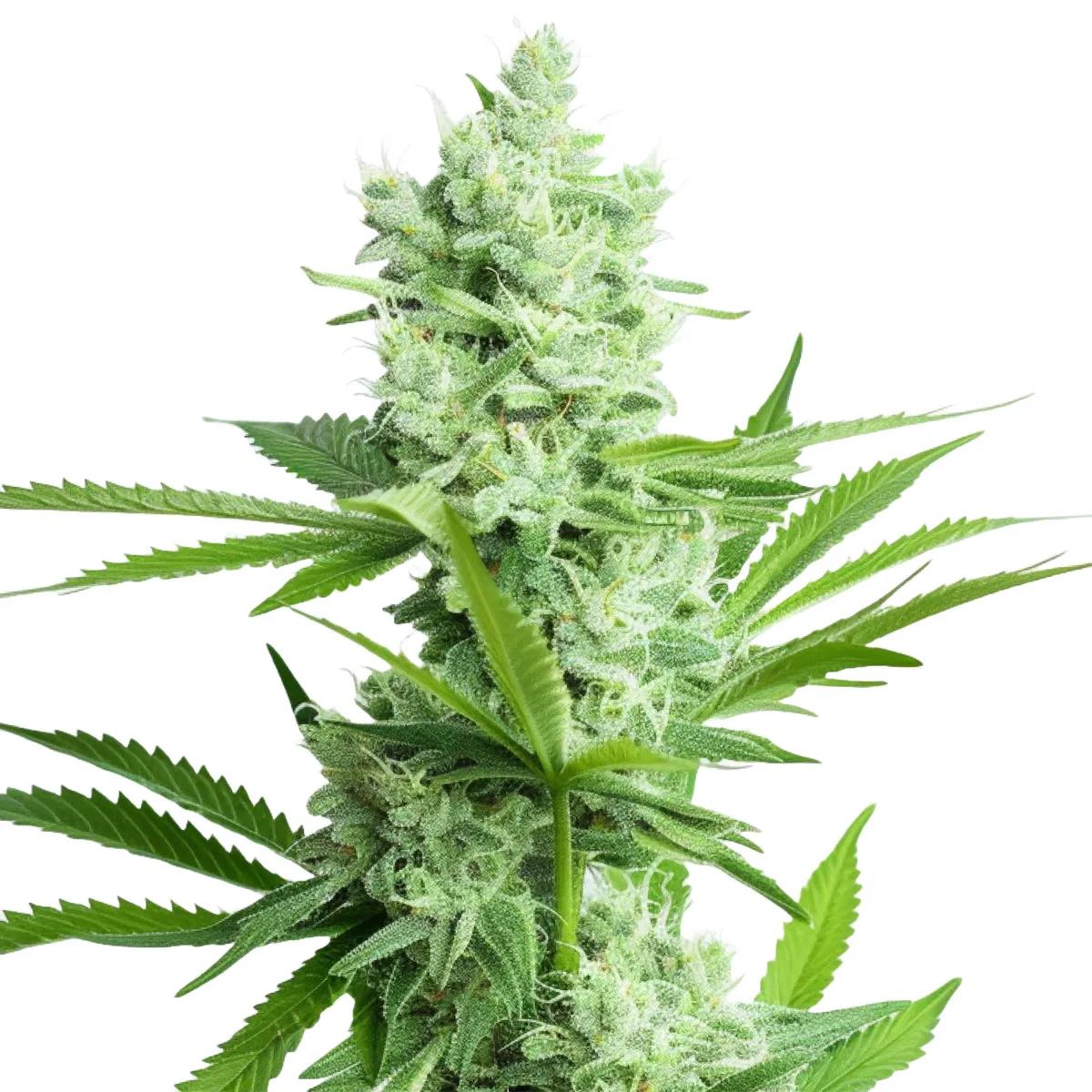
G-Mint is a resin-drenched feminised hybrid from BSF Seeds that crosses GMO with Kush Mints to deliver up to 27% THC, heavy yields, and a terpene profile that genuinely makes you stop and sniff twice. A 60/40 indica-dominant cultivar, she finishes flowering in 8–9 weeks indoors and rewards patient growers with dense, trichome-coated buds that are practically begging to be pressed into rosin or turned into bubble hash. If you want a strain that pulls its weight in both the jar and the garden, this is the one.
Why G-Mint Seeds Deserve a Spot in Your Grow Room
Two heavyweight parents, one seriously impressive offspring. GMO — sometimes called Garlic Cookies — is that pungent, savoury cultivar that turned heads across the US competition circuit. Kush Mints brought the frosty, minty edge and a rock-solid indica frame. BSF Seeds married the two, and G-Mint is the result: a strain that inherits the best from both sides without the fuss.
What we'd flag straight away is the resin production. G-Mint throws out trichomes like confetti. If you've been meaning to try your hand at homemade extractions — rosin pressing, dry sifting, or even a simple ice-water hash run — this is the cultivar to grow for it. The 27% THC ceiling means your starting material is already potent before you concentrate anything.
The honest limitation? She's a hungry plant. That indica-dominant frame builds thick stems and dense colas, and she'll want consistent feeding throughout flower. Skimp on nutrients in weeks 4–6 and you'll notice it in the final weight. She's not difficult, but she does reward growers who pay attention to their feed schedule more than those who set-and-forget.
G-Mint Terpene Profile: Garlic, Mint, and Everything In Between
This is where G-Mint gets genuinely weird — in the best way. Crack open a cured jar and the first thing that hits you is that unmistakable GMO funk: earthy, garlicky, almost savoury, with a sweetness lurking underneath. Then the Kush Mints side rolls in — a cool, mentholated finish that somehow ties the whole thing together. It shouldn't work, but it absolutely does. On the exhale, there's a lingering herbal sweetness that sticks around on the palate.
According to research published in Hemp Seeds (Cannabis sativa L.) as a Valuable Source, beta-myrcene — a terpene commonly found in cannabis — has demonstrated significant anti-inflammatory and anticatabolic effects in human chondrocytes (PMC11085560). While we can't confirm the exact terpene breakdown of every G-Mint phenotype, strains with this kind of earthy, herbal profile typically carry myrcene alongside limonene and caryophyllene. According to Russo (2011) in Taming THC: Potential Cannabis Combination and Phytocannabinoid-Terpenoid Entourage Effects, terpenes may contribute to the overall character of a strain's effects through interaction with cannabinoids (PMC3165946).
Growing G-Mint Seeds: Yield, Flowering Time, and What to Expect
G-Mint is a genuinely versatile cultivar that performs well both indoors under lights and outdoors in a warm, Mediterranean-style climate. Here's what the numbers look like.
| Specification | Detail |
|---|---|
| Seed Bank | BSF Seeds |
| Genetics | GMO x Kush Mints |
| Type | Feminised photoperiod |
| Indica / Sativa | 60% Indica / 40% Sativa |
| THC Content | Up to 27% |
| Indoor Flowering Time | 8–9 weeks |
| Outdoor Harvest | Late September – early October |
| Indoor Yield | 500–550 g/m² |
| Outdoor Yield | 700–800 g/plant |
| Seeds per Pack | 4 |
Indoors, you're looking at 500–550 g/m² under a decent light — that's a solid return for a 8–9 week flowering period. We'd run her under a 600W HPS or a comparable full-spectrum LED in an 80x80 or 100x100 tent. She responds well to topping and LST; the indica structure means she'll bush out rather than stretch, so training early helps light penetration into the lower canopy.
Outdoors is where she really flexes. Up to 700–800 g/plant is achievable in the right conditions — full sun, good soil, and enough root space. Late September to early October harvest means you're pulling her down before the worst of the autumn rain in most of Northern Europe, which is a real advantage if you've ever lost a cola to bud rot in mid-October.
G-Mint Effects: What the Genetics Suggest
At 60% indica with up to 27% THC, G-Mint delivers pronounced effects that start in the head and settle firmly into the body. The initial onset leans towards a bright, uplifting mental shift — the sativa side doing its work — before the indica genetics take over and guide everything towards deep physical relaxation. Hours of it, according to the breeder's notes.
This is the kind of strain you reach for at the end of the day, not the start. The potency is real — 27% THC is not a number to take lightly, and even seasoned smokers will want to pace themselves with the first harvest. Dry mouth and dry eyes are the most commonly reported side effects with strains in this THC range. If you're newer to high-THC cultivars, a single short inhalation is a sensible starting point — you can always have more, but you can't have less.
According to research in Anti-Cancer Potential of Cannabinoids, Terpenes, and Flavonoids, clinical data supports ongoing investigation into cannabis-based compounds across a variety of contexts, though the authors note that the interplay between cannabinoids and terpenes remains an active area of study (PMC7409346).
G-Mint vs Kush Mints Seeds: How Does the Offspring Compare?
If you've grown Kush Mints before, you'll recognise the structure and the frost. G-Mint keeps that dense, resinous bud formation but adds the GMO funk — that garlicky, earthy pungency that Kush Mints on its own doesn't have. In terms of yield, G-Mint edges ahead outdoors (700–800 g/plant vs the typical 500–600 g/plant from most Kush Mints cuts). The flowering time is comparable, but G-Mint tends to finish a touch faster thanks to the indica dominance from both parent lines.
If you're after pure minty flavour, stick with Kush Mints. If you want that same frosty production with a more complex, savoury-sweet terpene mix and bigger outdoor yields, G-Mint is the better pick. We'd grow both if space allows — they complement each other nicely in a rotation.
Extraction Potential of G-Mint Buds
This is where G-Mint genuinely shines. The combination of up to 27% THC and heavy trichome coverage makes it one of the better candidates for home extraction we've seen from BSF Seeds. Whether you're pressing rosin at 90°C with a hair straightener setup or running a proper bubble hash wash, the starting material is already doing half the work for you.
The terpene retention in rosin from garlicky, minty strains like this tends to be exceptional — you get that full flavour profile coming through in the press. If you've got a rosin press, G-Mint should be near the top of your grow list. According to research in Cannabinoids and Terpenes: How Production of Photo-protective Compounds is Influenced, secondary metabolite production in Cannabis sativa is closely tied to growing conditions, meaning optimising light and nutrient delivery can directly improve trichome density and terpene content (PMC8200639).
Running G-Mint in a tent? Pair these seeds with a complete grow kit — tent, light, ventilation, and carbon filter sorted in one go. The carbon filter is non-negotiable with this strain; that GMO garlic funk will fill your entire flat without one. A rosin press is also worth considering if you want to make the most of that trichome production.
How to Grow G-Mint Seeds
- Germinate your G-Mint seeds using the paper towel method: place seeds between two damp (not soaking) sheets of kitchen paper, slide into a zip-lock bag, and keep at 22–26°C. Taproots typically emerge within 24–72 hours.
- Transplant sprouted seeds into small pots (0.5L) with a light, airy seedling mix. Keep humidity at 65–70% and temperature around 24°C under 18/6 light.
- Once the plant has 4–5 nodes, top her above the third or fourth node. G-Mint's indica structure responds brilliantly to topping — it encourages lateral branching and a more even canopy.
- Vegetate for 4–5 weeks indoors, using LST (low-stress training) to open up the canopy. Tie branches down gently to expose lower bud sites to direct light.
- Flip to 12/12 to trigger flowering. G-Mint needs 8–9 weeks in flower. Increase phosphorus and potassium in your feed from week 3 of flower onwards — she's a hungry feeder during mid-to-late bloom.
- Monitor trichomes with a jeweller's loupe from week 7. Harvest when roughly 70–80% of trichome heads have turned milky with a few amber ones appearing — this gives the best balance of potency and body effect.
- Dry in a dark, ventilated space at 18–20°C and 55–60% humidity for 10–14 days. Cure in glass jars for a minimum of 2 weeks, burping daily for the first week. The garlic-mint terpene profile develops beautifully with a proper cure.
Frequently Asked Questions
What does G-Mint smell and taste like?
G-Mint has a complex terpene profile that blends garlic and earthy notes from its GMO parent with cool, minty undertones from Kush Mints. The sweetness rounds it out. It's unusual but genuinely pleasant — think savoury-sweet with a fresh finish. The aroma intensifies significantly during weeks 6–9 of flower.
Is G-Mint suitable for beginner growers?
She's not the most demanding strain, but she's not a set-and-forget plant either. G-Mint needs consistent feeding during flower and benefits from basic training techniques like topping and LST. If you've done one or two grows before, you'll handle her fine. Complete beginners might want to start with something less nutrient-hungry.
How long does G-Mint take to flower?
Indoors, G-Mint finishes flowering in 8–9 weeks from the flip to 12/12. Outdoors in the Northern Hemisphere, expect to harvest in late September to early October. That's relatively quick for a strain pushing 27% THC.
Can I grow G-Mint seeds outdoors in Northern Europe?
Yes, but timing matters. The late September to early October harvest window means you'll want to get plants outside by mid-May at the latest to maximise vegetative growth. In cooler, wetter climates, watch for humidity during the final weeks of flower — those dense colas can trap moisture. A greenhouse or polytunnel is a smart move if your autumn tends to be damp.
Is G-Mint good for making hash or rosin?
Excellent for it. The heavy trichome coverage and high THC content make G-Mint one of the better extraction candidates in the BSF Seeds catalogue. The terpene profile — garlic, mint, earth — translates particularly well into rosin, where you get the full flavour spectrum in the press.
What are the side effects of high-THC strains like G-Mint?
At up to 27% THC, dry mouth and dry eyes are the most common effects. Overconsumption can lead to temporary drowsiness or, in some cases, anxiety. Start low — a single short inhalation — and wait before taking more. Staying hydrated and having snacks nearby helps.
How many G-Mint seeds come in a pack?
Each pack contains 4 feminised seeds. All seeds are photoperiod, meaning they require a light cycle change (12/12) to trigger flowering.
Last updated: April 2026
Related products



You might also like


Medical disclaimer. This content is for informational purposes only and does not constitute medical advice. Consult a qualified healthcare provider before use of any substance.