

Pack: 3 seeds
Panda Cannabis Seeds by Blimburn Seeds
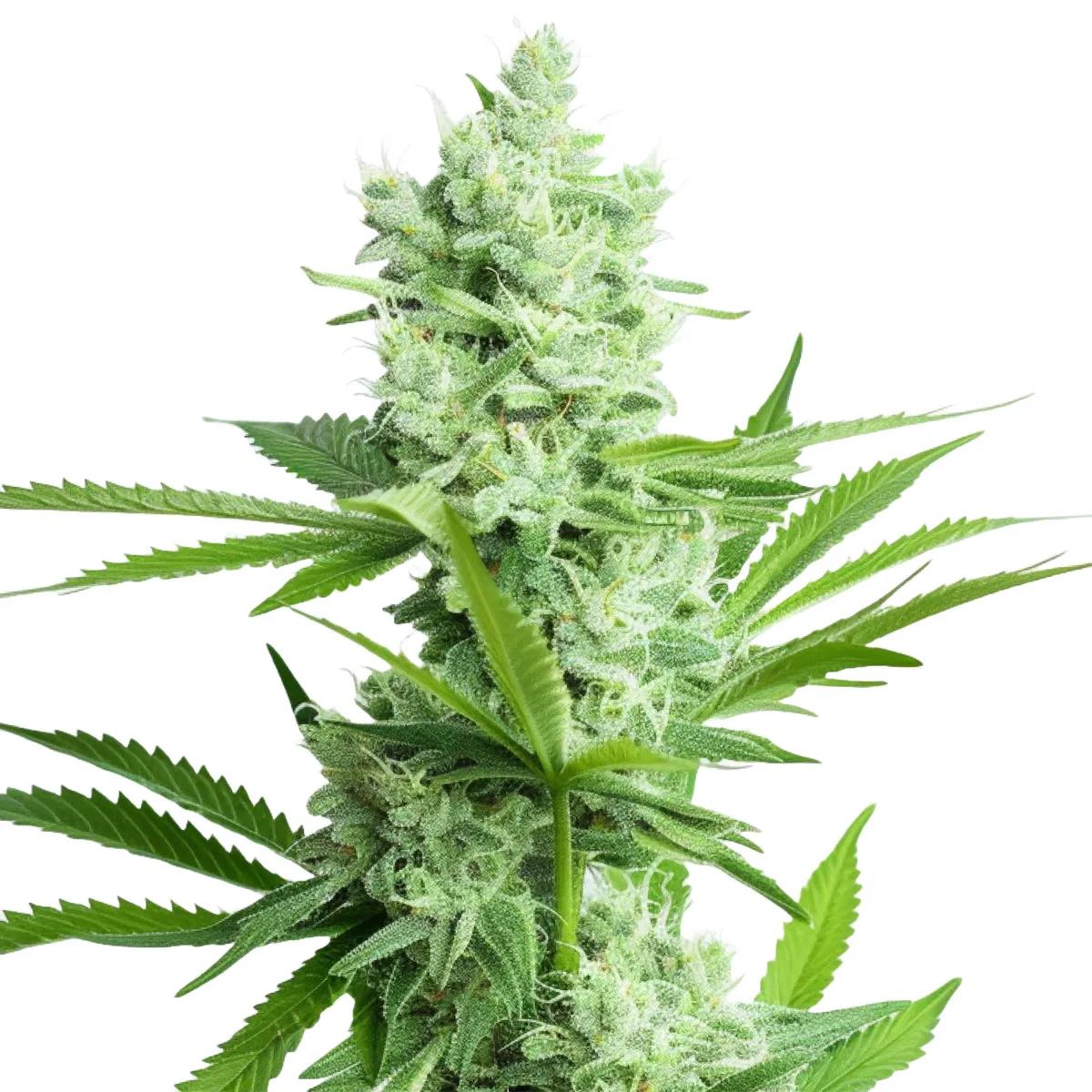
Panda cannabis seeds by Blimburn Seeds are feminized photoperiod seeds that cross Granddaddy Purple with Santa Muerte for a potent, flavourful result. You can buy Panda seeds here at Azarius knowing you're getting a strain with THC levels reaching up to 32% and yields that can hit 700g/m² indoors — a combination that punches well above its weight class without demanding expert-level growing skills. We've seen plenty of seeds marketed as "easy to grow" that really aren't, but Panda genuinely earns the label.
Why Panda Seeds Stand Out
Panda seeds produce plants that deliver up to 32% THC and 600–700g/m² indoors, placing them at the very top end of what's commercially available for both potency and yield. The genetics behind them — Granddaddy Purple crossed with Santa Muerte — combine a classic indica-dominant parent known for deep physical comfort with a sativa-leaning variety that adds complexity and vigour. The result is a hybrid that grows with enthusiasm and finishes with dense, resinous flowers.
What we'd actually highlight here is the yield-to-effort ratio. Indoors, you're looking at 600–700g/m² after a 10–11 week flowering period. Outdoors, individual plants can produce 600–900g each, harvested in late September or October. Those are serious numbers for a strain that doesn't require any special training techniques or advanced feeding schedules. Give it standard photoperiod care — proper light cycles, decent nutrition, reasonable humidity control — and it performs.
The flavour profile leans earthy at its base, with sweet and fruity notes layered on top. Think of it as a rich, slightly musky inhale that smooths out into something sweeter on the exhale. Not a one-note strain by any stretch.
Panda Growing Specifications
Panda seeds flower in 10–11 weeks indoors and yield 600–700g/m² under standard grow conditions. Here are the full specifications at a glance.
| Specification | Detail |
|---|---|
| Seed Bank | Blimburn Seeds |
| Genetics | Granddaddy Purple x Santa Muerte |
| Seed Type | Feminized Photoperiod |
| THC Content | Up to 32% |
| Flowering Time | 10–11 weeks |
| Indoor Yield | 600–700g/m² |
| Outdoor Yield | 600–900g/plant |
| Outdoor Harvest | Late September – October |
| Growing Difficulty | Easy |
| Growing Environment | Indoor / Outdoor / Greenhouse |
| Flavour Profile | Earthy, sweet, fruity |
| Seeds per Pack | 3 |
Panda Seeds: Indoor vs Outdoor Yield Comparison
Indoor grows yield 600–700g/m² in a controlled environment, while outdoor plants can reach 600–900g each when given a full growing season. Here's a straightforward comparison to help you plan.
| Factor | Indoor | Outdoor |
|---|---|---|
| Yield | 600–700g/m² | 600–900g/plant |
| Flowering Period | 10–11 weeks | Natural photoperiod |
| Harvest Window | Year-round (controlled light) | Late September – October |
| Environment Control | Full control over temp, humidity, light | Weather-dependent |
| Space Needed | Standard grow tent or room | Plants can get large — plan accordingly |
| Best For | Consistent results, year-round harvests | Maximum yield per plant |
If you're growing indoors with limited space, the 600–700g/m² figure is achievable in a standard 120x120cm tent with proper lighting. Outdoors, the 900g/plant ceiling requires a long, warm growing season and plenty of root space. Greenhouse growing splits the difference nicely — you get environmental protection with natural light cycles.
How to Grow Panda Seeds
Panda seeds are feminized and photoperiod, meaning every seed produces a female plant and flowering is triggered by switching to a 12/12 light cycle. Here's the practical rundown.
- Germinate your Panda seeds using the paper towel method or directly in a starter plug. Keep the environment warm (around 22–25°C) and moist. Taproots typically appear within 24–72 hours.
- Transplant seedlings into their growing medium once the taproot is 1–2cm long. Soil works well for beginners; coco coir or hydro setups can push yields higher if you're comfortable with the feeding demands.
- Maintain an 18/6 light cycle during the vegetative phase. Panda doesn't need excessive veg time — 4–6 weeks is usually enough to build a solid canopy before flipping.
- Switch to a 12/12 light cycle to trigger flowering. The 10–11 week flowering period starts from this point. Watch for the stretch in the first 2–3 weeks of flower — these plants can gain significant height.
- Feed with a standard bloom nutrient schedule. Panda isn't particularly fussy about nutrients, but don't skimp on phosphorus and potassium during mid-to-late flower. The dense buds need fuel.
- Monitor trichome development from week 8 onwards using a jeweller's loupe or digital microscope. Harvest when trichomes shift from clear to milky with a few amber heads for the full-spectrum profile.
- Dry in a dark, well-ventilated space at around 18–21°C and 55–60% humidity for 10–14 days. Cure in glass jars for at least 2 weeks — longer curing brings out more of those sweet, fruity flavour notes.
Flavour, Aroma, and the Panda Experience
Panda's terpene profile delivers an earthy foundation with sweet and fruity top notes that become more pronounced after a proper cure. The Granddaddy Purple parentage brings grape-like sweetness, while Santa Muerte adds a slightly spicier, more complex edge. It's a flavour combination that rewards patience in the curing process.
At 32% THC, this strain demands respect. The reported experience leans heavily toward full-body relaxation with a calm mental quality. It's the kind of strain that pairs well with music, food, or a long evening with nowhere to be.
The honest limitation here: that 32% THC ceiling is achieved under optimal conditions. Your actual results will depend on your growing environment, nutrition, and phenotype expression. Expect high-20s as a realistic baseline, which is still formidable by any standard. According to research published in Cannabis: a varied plant with endless potentials, cannabinoids in the plant exhibit varied pharmacological properties (PMC10308385), and the entourage from the full terpene and cannabinoid profile — including minor cannabinoids like CBG and CBC, which contribute to a broader interaction with the endocannabinoid system — adds depth beyond what THC percentage alone suggests.
Who Should Grow Panda Seeds
Beginner growers looking for a forgiving, high-yielding feminized strain will find Panda an excellent starting point. It tolerates minor environmental fluctuations and doesn't require advanced techniques like heavy defoliation or specialised training to produce impressive results. The feminized seeds mean you won't waste weeks growing males, and the photoperiod nature gives you full control over when to flip to flower.
Experienced growers will appreciate the yield potential. If you're running a SOG or SCROG setup, the 600–700g/m² indoor figure is well within reach. Outdoor growers in Mediterranean-style climates will see the biggest returns — 900g from a single plant is the kind of harvest that fills your storage jars for months.
If you're comparing options, Panda sits in a similar space to strains like Godfather OG for potency, but with easier growing characteristics and a more complex flavour profile. For growers who want comparable yields with a different genetic background, Blimburn Seeds' Future #1 is worth a look, though it won't match the THC ceiling. You can also order other Blimburn Seeds varieties from the Azarius cannabis seeds category to explore different genetic lines.
Complete your grow setup with a proper grow tent, LED lighting, and carbon filter. Get a complete grow kit from Azarius if you're starting from scratch — everything sized to work together from day one. For seed storage between grows, airtight containers kept in a cool, dark place will maintain viability for years. Browse the Azarius growing accessories collection and the smart shop wiki for detailed growing guides.
Cannabinoid Research Context
Cannabis contains over 100 identified cannabinoids alongside terpenes and flavonoids that interact in complex ways. According to The Neurotherapeutic Arsenal in Cannabis sativa, the relationships between cannabinoids, terpenes, and flavonoids in cannabis create complex interactions that go beyond individual compound effects (PMC10821245). This is relevant to Panda because its Granddaddy Purple x Santa Muerte genetics produce a varied terpene and cannabinoid profile alongside that headline THC figure.
Research published in Cannabinoids: Potential for Modulation and Enhancement has explored how individual cannabinoids interact with neurological pathways (PMC11207064), while a separate study in Investigation of Cannabis sativa Phytochemicals identified bioactive compounds in the plant warranting further investigation for their pharmacological properties (PMC9919841). The EMCDDA (European Monitoring Centre for Drugs and Drug Addiction) has also published monitoring data on cannabis potency trends across Europe, noting that average THC concentrations in herbal cannabis have increased significantly over the past decade — context that makes strains like Panda representative of the current high-potency market segment. These are early-stage findings, not treatment claims — but they show why the full chemical profile of a strain matters, not just its THC percentage.
Safety and Responsible Use
Cannabis products containing up to 32% THC require careful dosing and awareness. Side effects associated with high-THC cannabis can include drowsiness, dry mouth, dry eyes, and restlessness. At higher consumption levels, anxiety is a known possibility — particularly for those with lower tolerance. This content is written for adults aged 18 and over.
Cannabis products may interact with certain medications, particularly CNS depressants and some psychiatric medications. If you're taking prescription medication, speak with your healthcare provider. According to De Smet PAGM et al., adverse interactions between cannabis and psychotropic medicines have been documented and warrant caution.
Start with a small amount and wait before consuming more. With THC levels this high, the difference between a comfortable experience and an overwhelming one can be a single extra draw.
Frequently Asked Questions
How long does Panda take to flower indoors?
Panda flowers in 10–11 weeks from the switch to a 12/12 light cycle. This is slightly longer than some indica-dominant strains, but the extended flowering period contributes to the high THC content and dense bud development. Plan your grow schedule accordingly.
What yield can I expect from Panda seeds outdoors?
Outdoor plants can produce 600–900g per plant when harvested in late September or October. The upper end of that range requires a long growing season, plenty of direct sunlight, and adequate root space. In cooler climates, greenhouse growing helps bridge the gap.
Is Panda suitable for beginner growers?
Yes. Panda is one of the more forgiving strains we've seen from Blimburn Seeds. It doesn't need special techniques or advanced feeding schedules. Standard photoperiod care — proper light cycles, decent soil, regular watering — gets you solid results. The feminized seeds remove the guesswork of sexing plants.
What does Panda taste like?
Earthy at its core, with sweet and fruity notes that become more pronounced after a good cure. The Granddaddy Purple genetics bring grape-like sweetness, while Santa Muerte adds a slightly spicy complexity. It's a layered flavour that rewards slow, low-temperature consumption.
Does Panda really reach 32% THC?
Under optimal growing conditions, 32% THC is achievable. Realistically, most home growers will land in the high-20s, which is still exceptionally potent. Factors like lighting quality, nutrient management, and phenotype variation all influence the final THC content. Lab testing your harvest is the only way to know for certain.
What are the main side effects of high-THC strains like Panda?
Common side effects include dry mouth, dry eyes, and drowsiness. At higher doses, anxiety and restlessness are possible, especially for people with lower tolerance. With 32% THC potential, moderation is genuinely important — a small amount goes a long way.
Can I grow Panda in a greenhouse?
Absolutely. Greenhouse growing is a strong option for Panda. You get the environmental protection of indoor growing with natural light cycles, which can reduce electricity costs significantly. Expect yields somewhere between the indoor and outdoor figures — the plants respond well to the combination of natural sunlight and controlled conditions.
Where can I buy Panda seeds?
You can buy Panda seeds by Blimburn Seeds directly from Azarius. Each pack contains 3 feminized photoperiod seeds. Order online and check the Azarius blog for seasonal growing tips and strain comparisons.
Last updated: April 2026
Related products



You might also like

Medical disclaimer. This content is for informational purposes only and does not constitute medical advice. Consult a qualified healthcare provider before use of any substance.